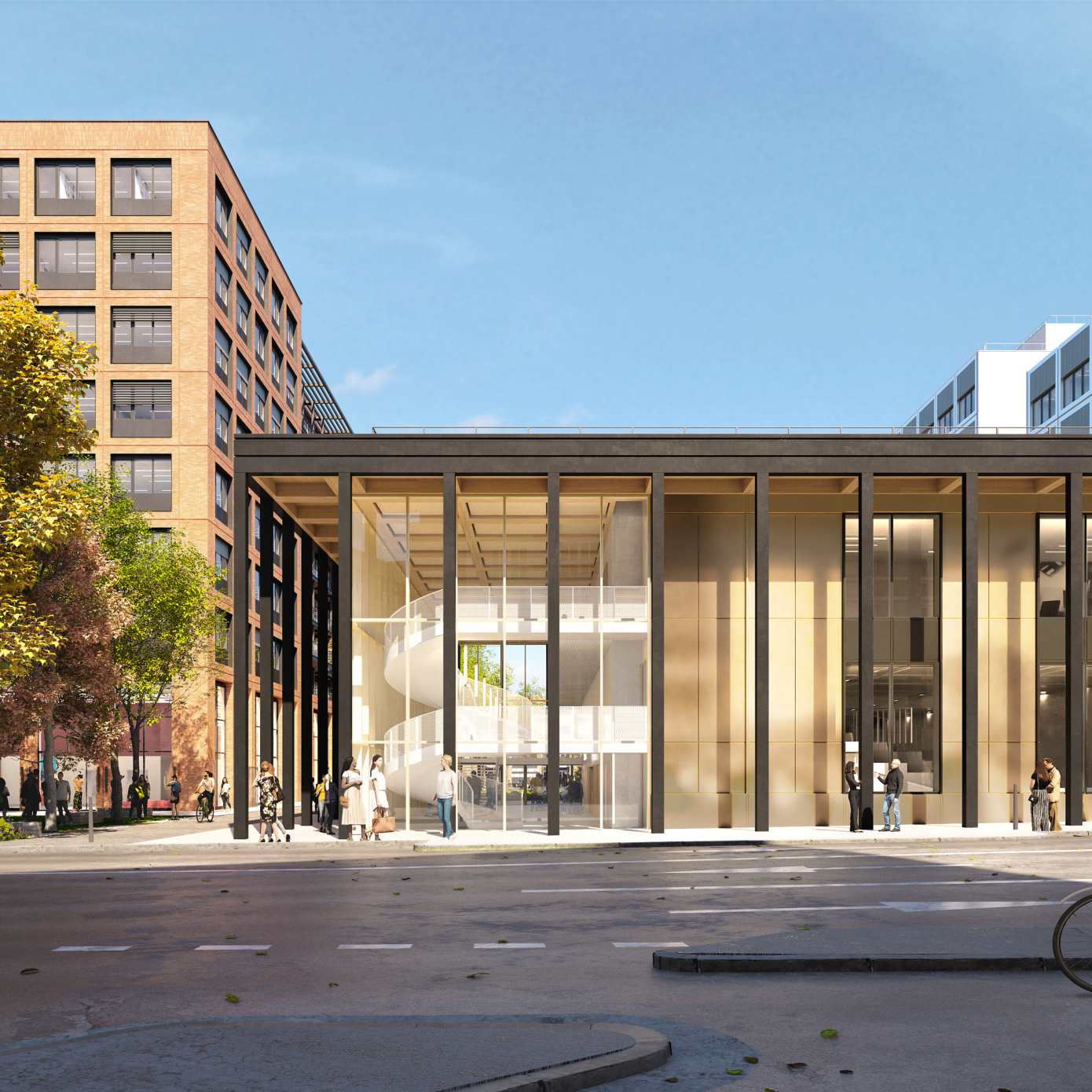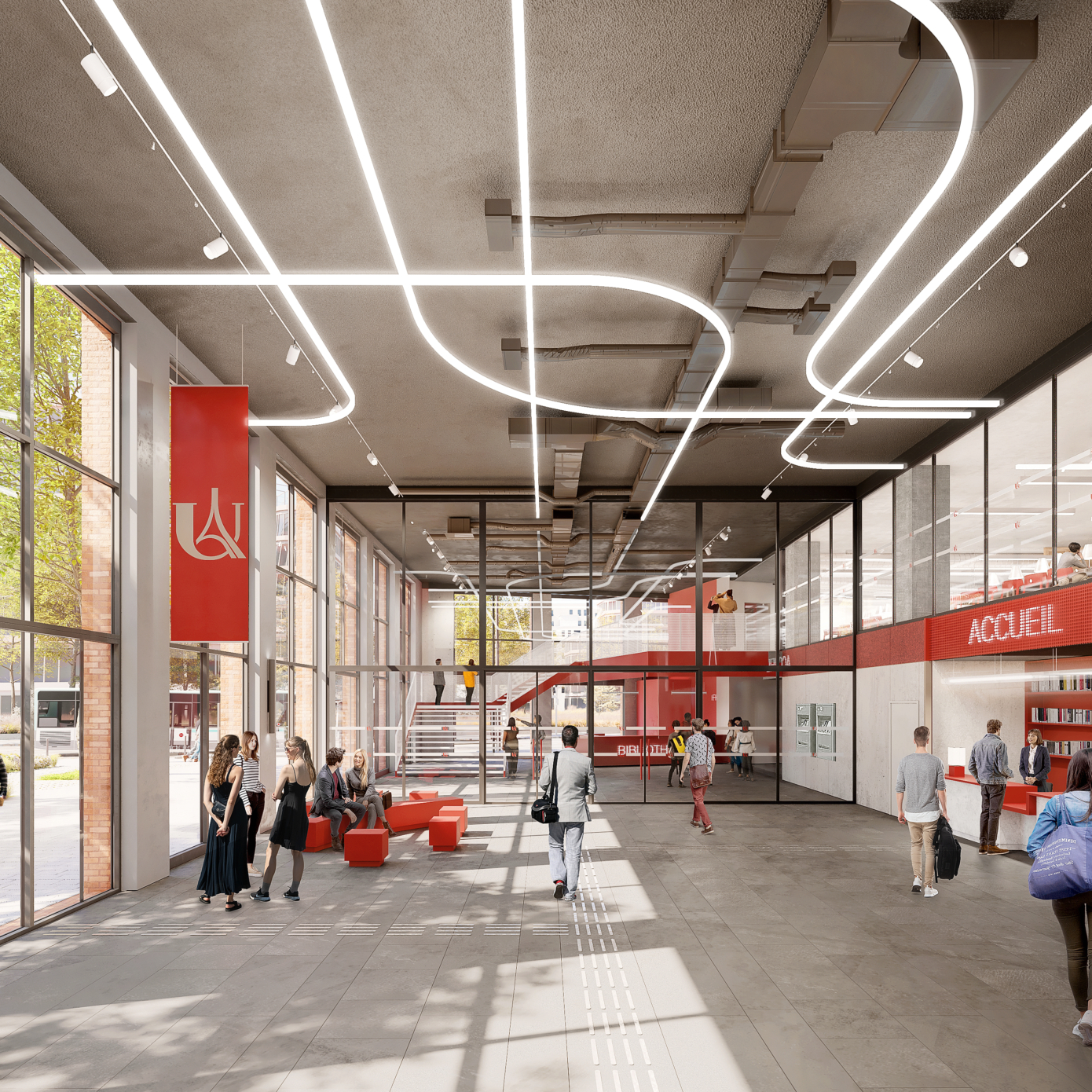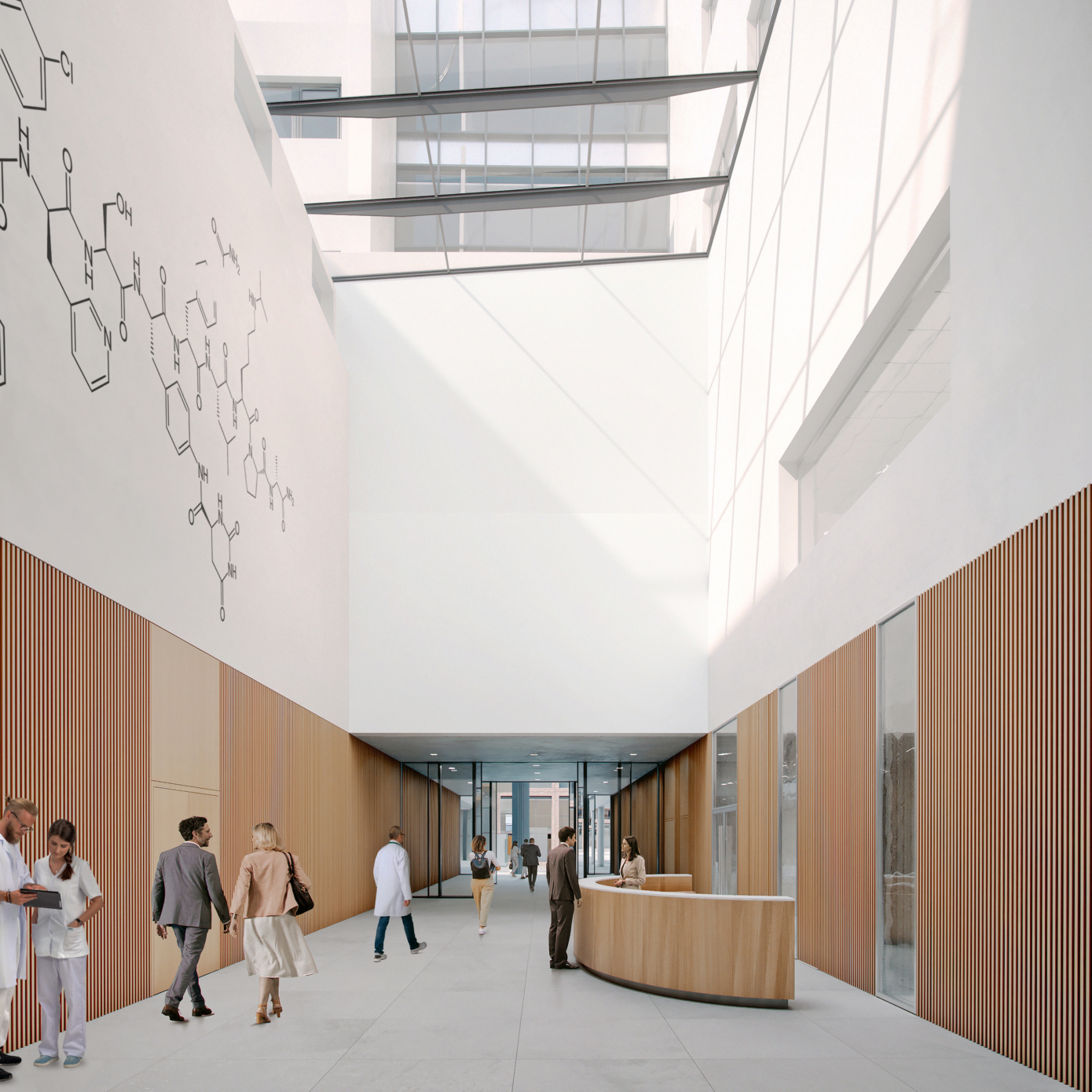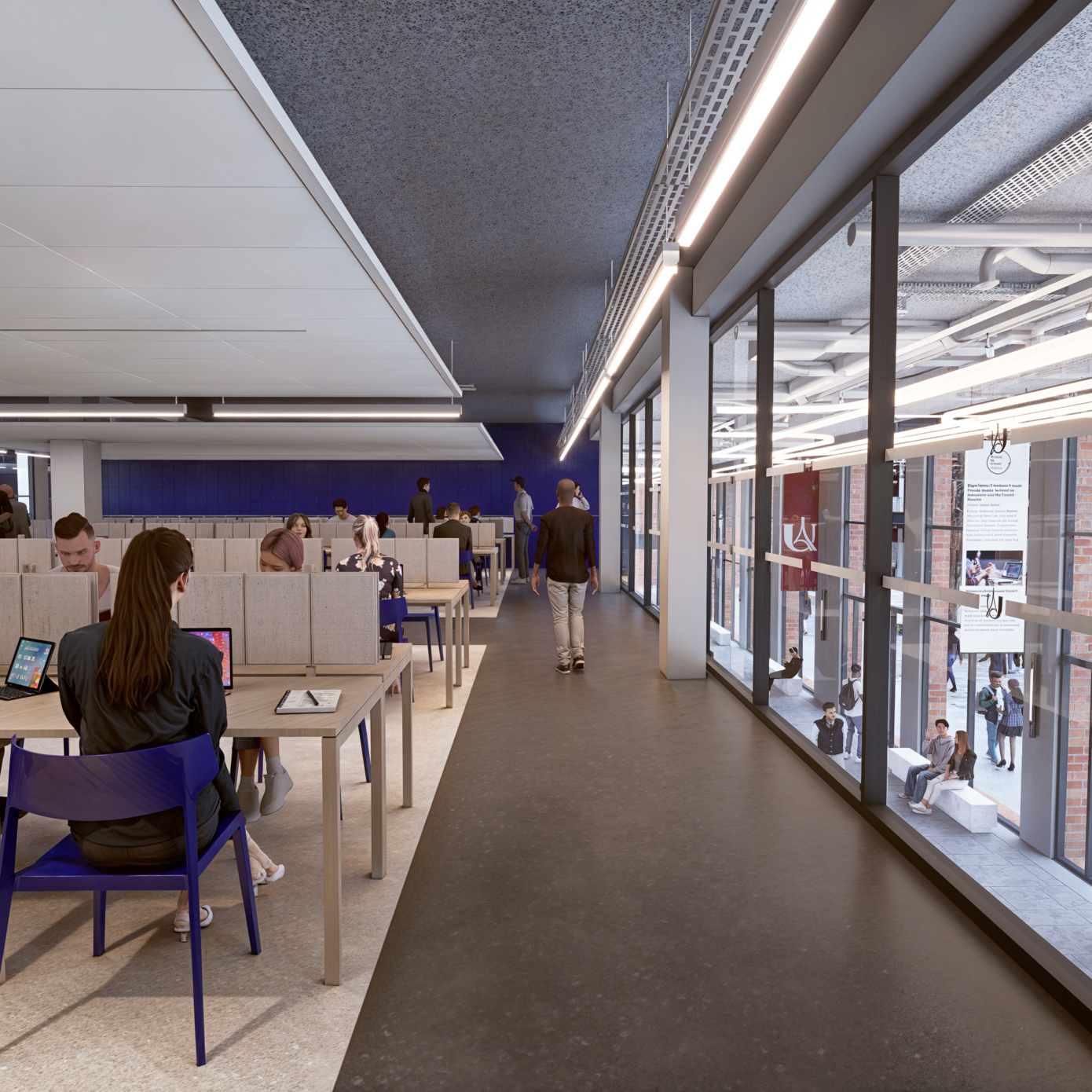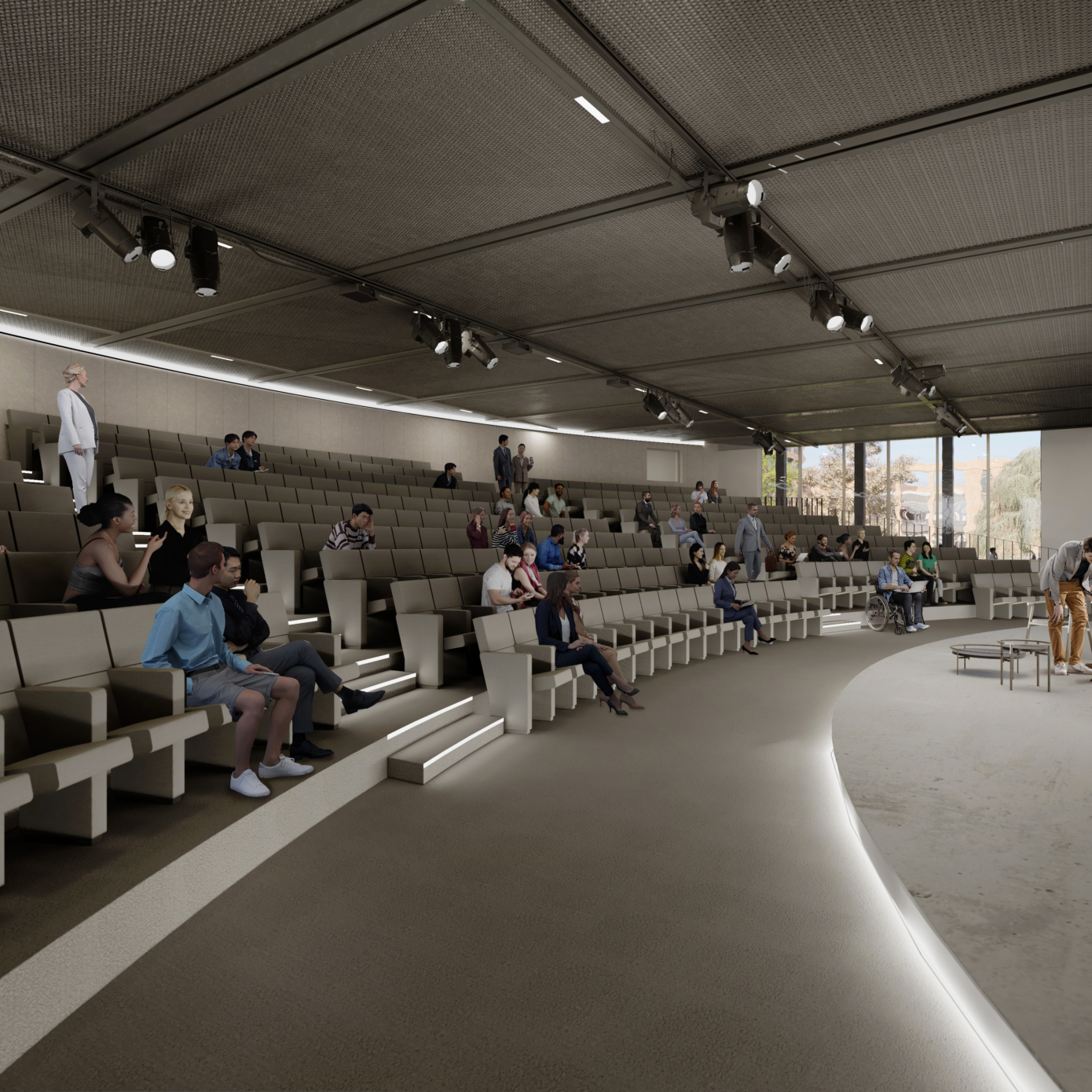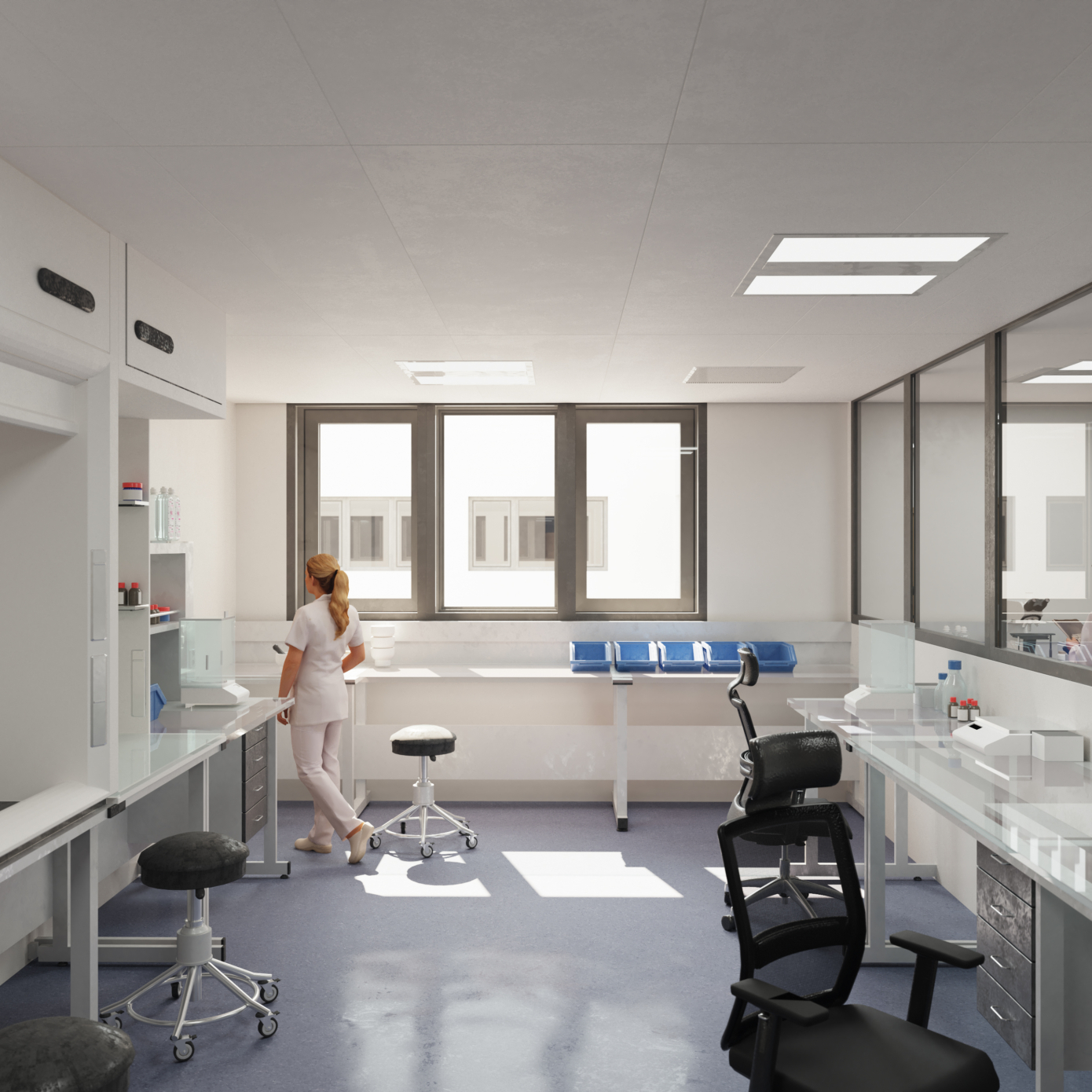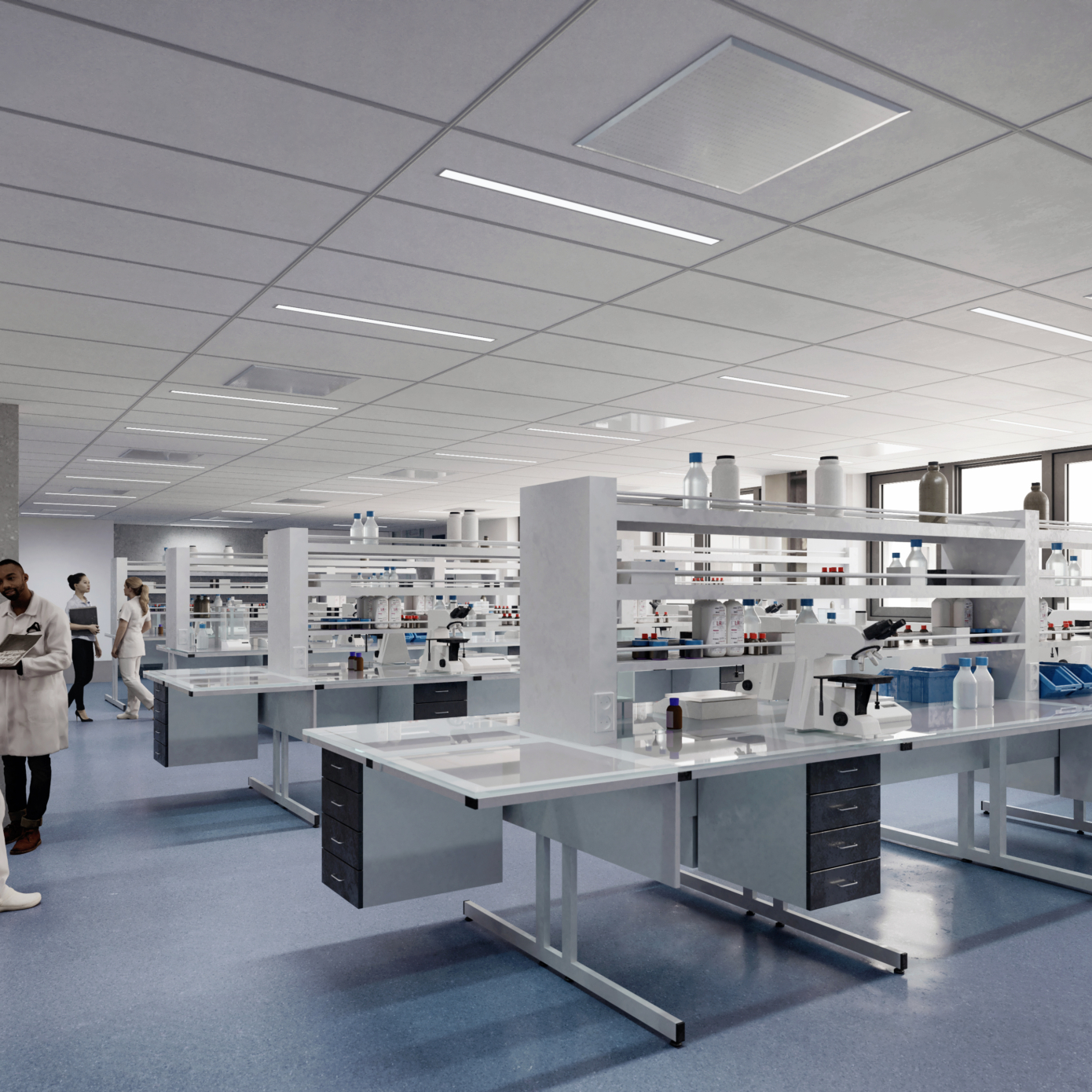
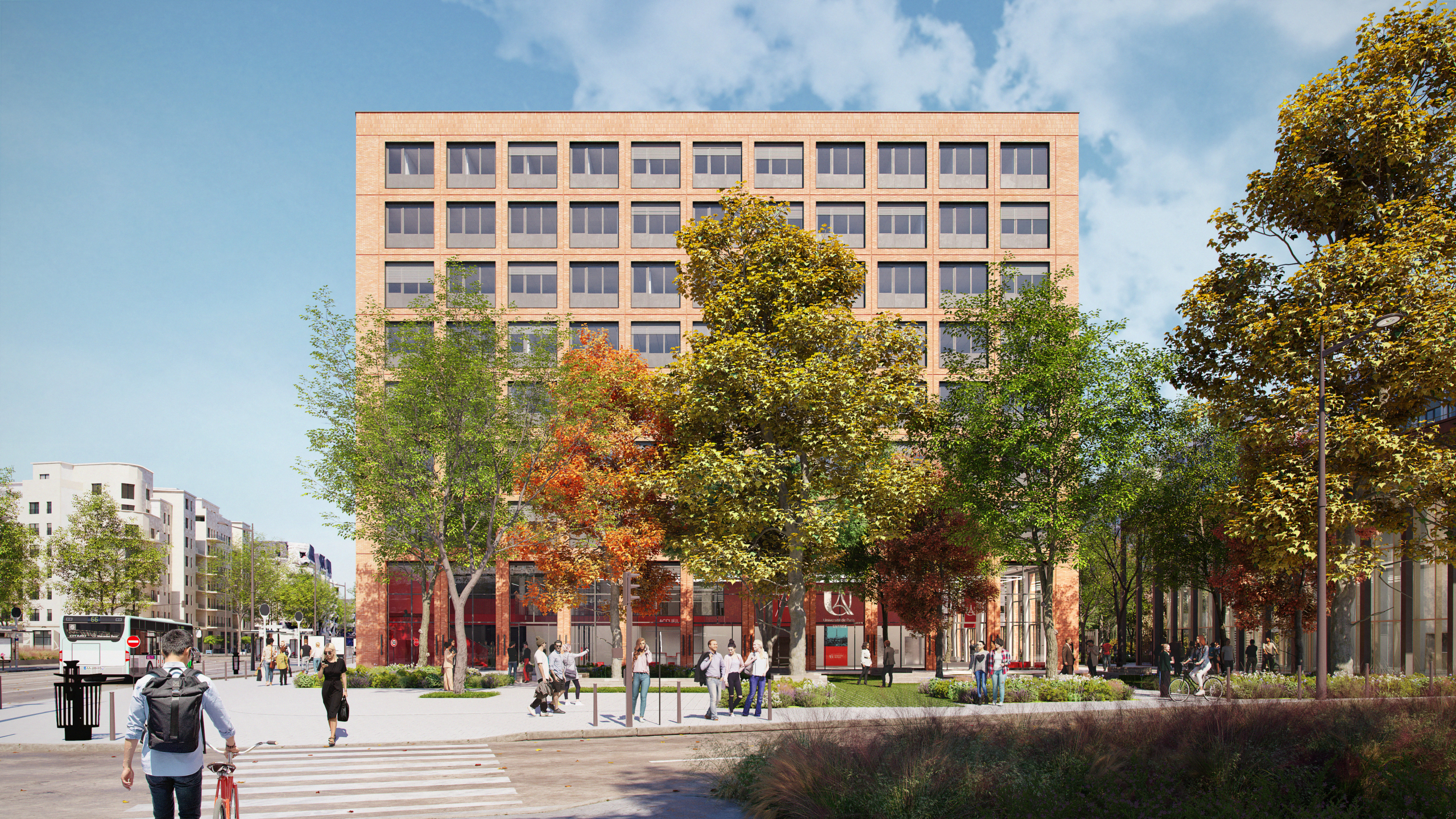
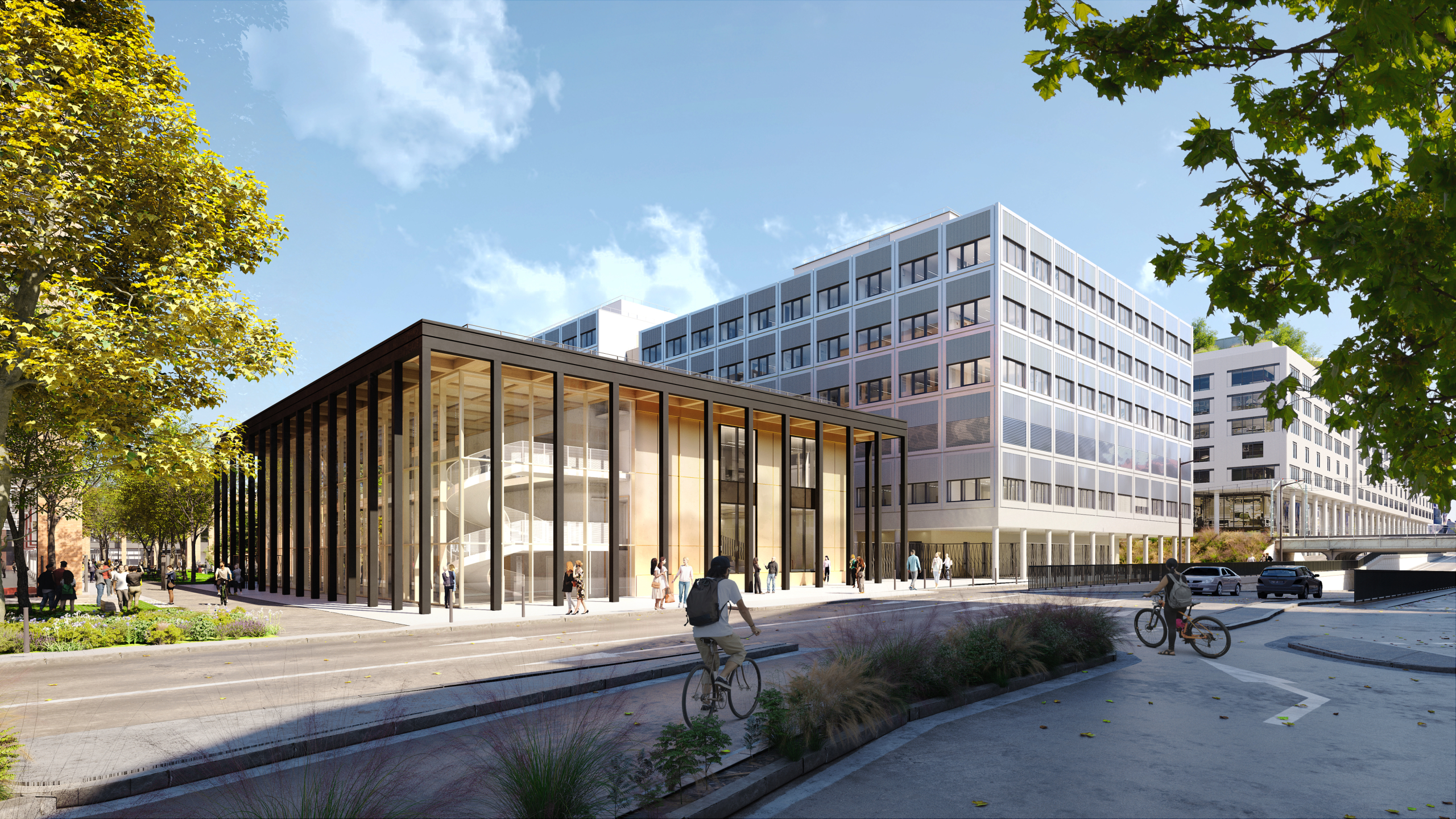
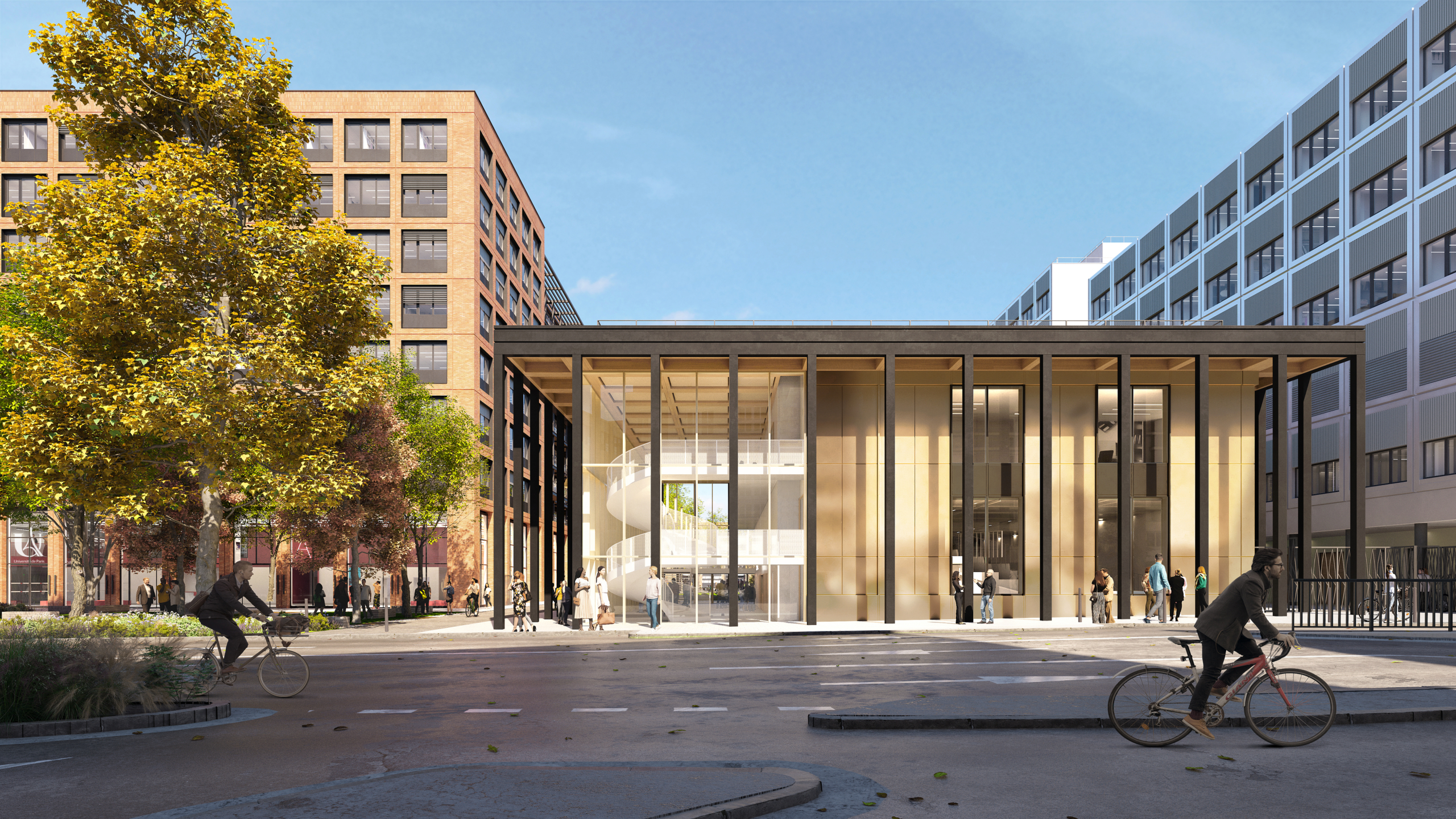
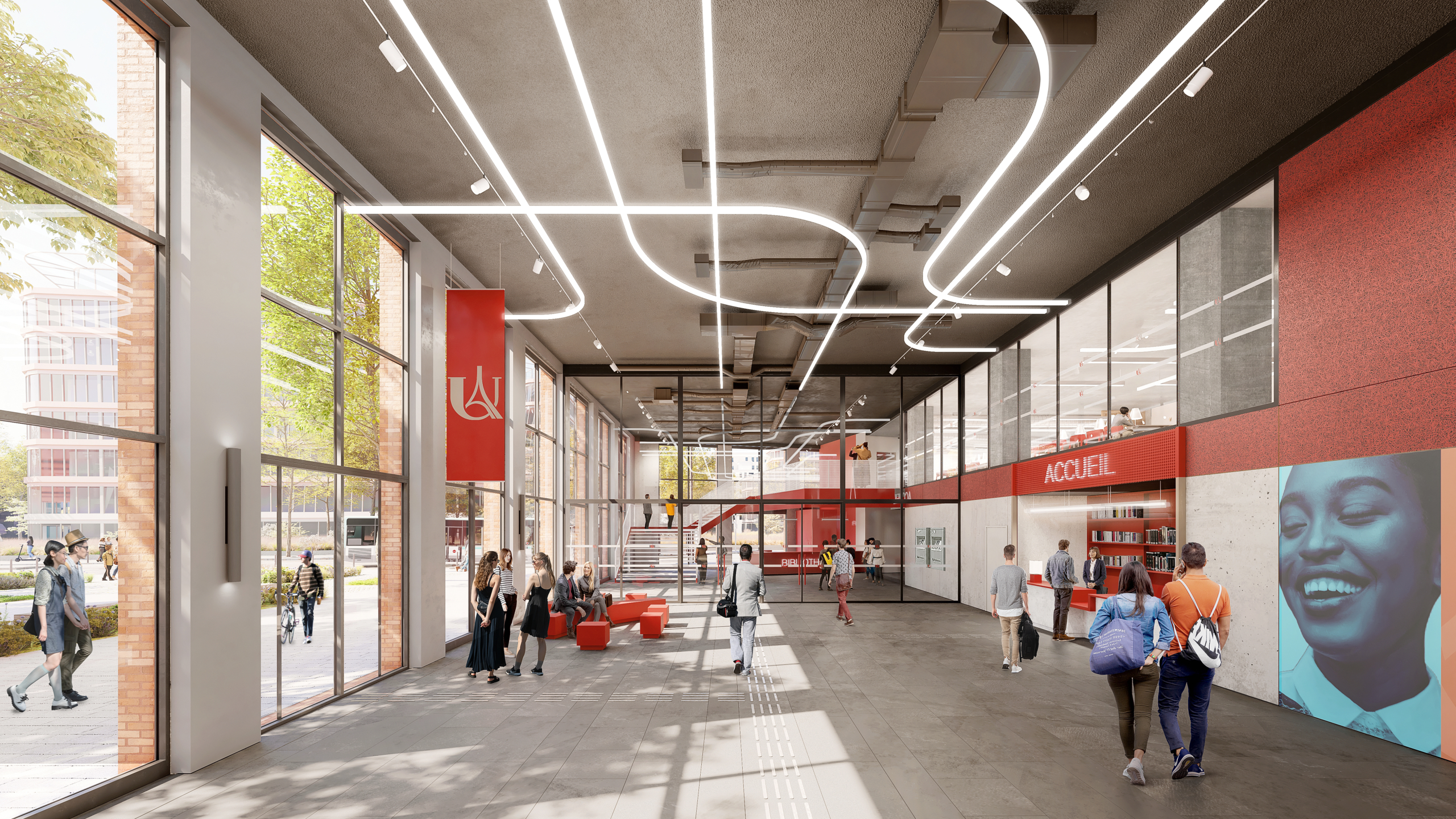
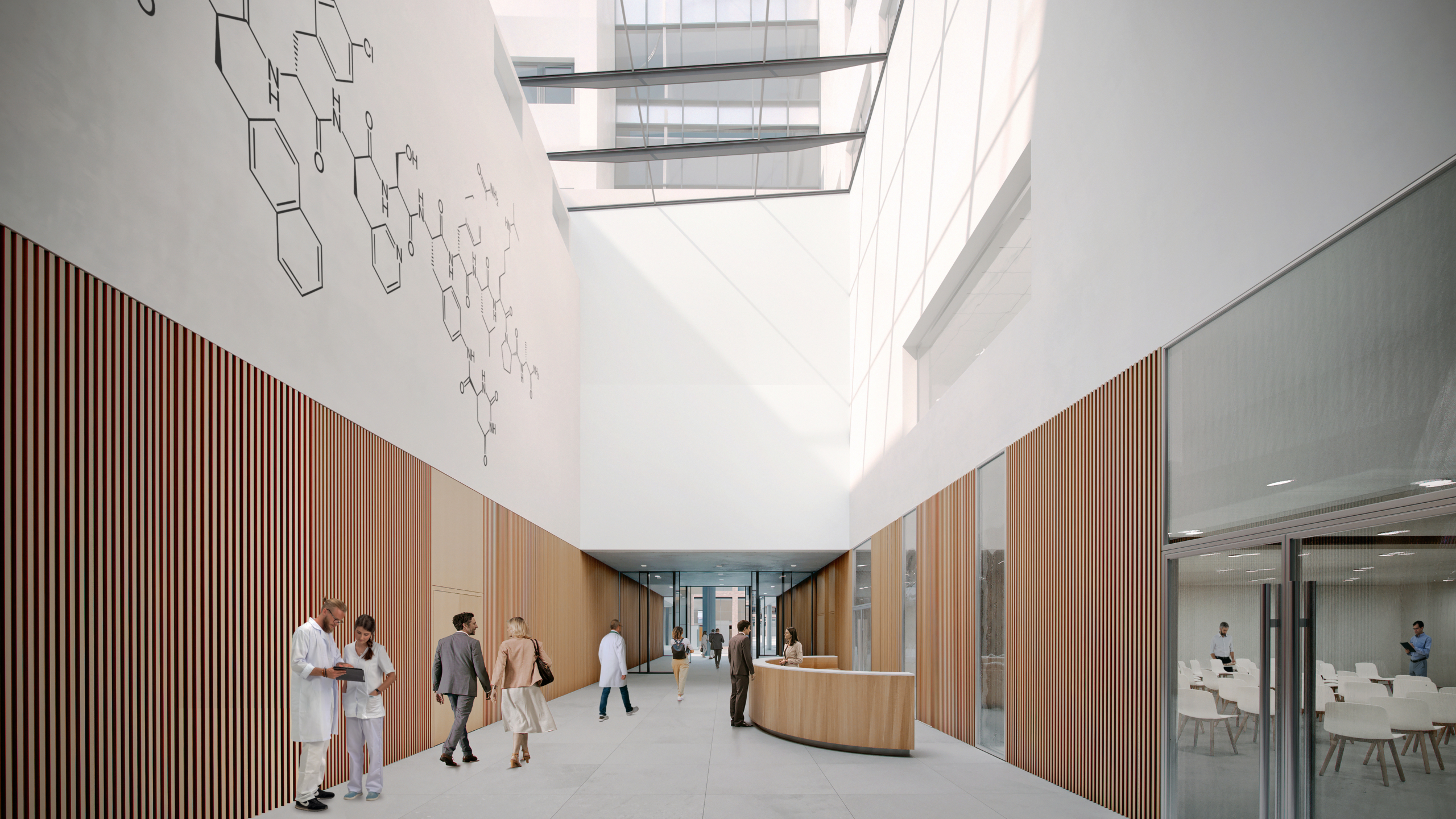
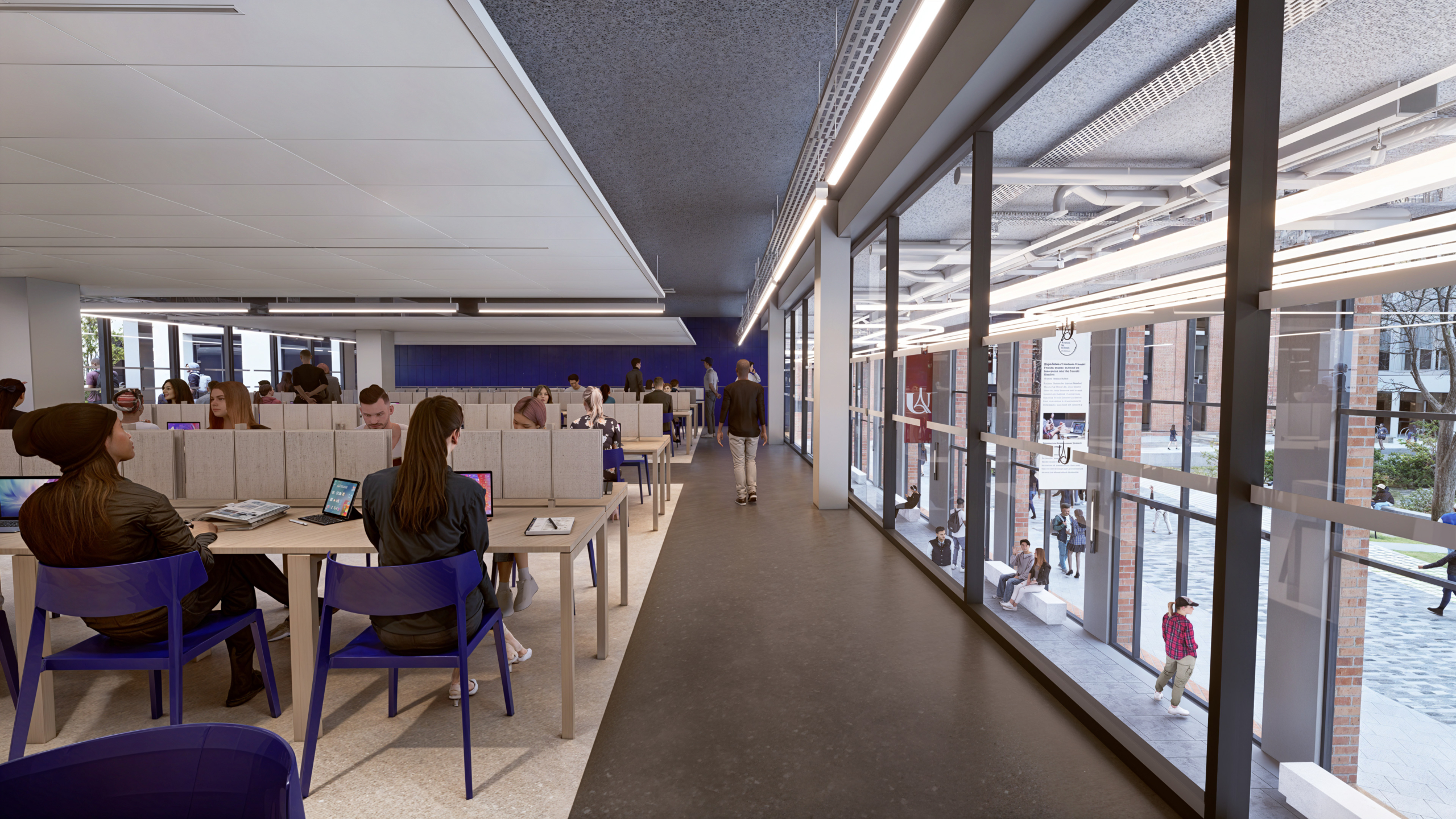
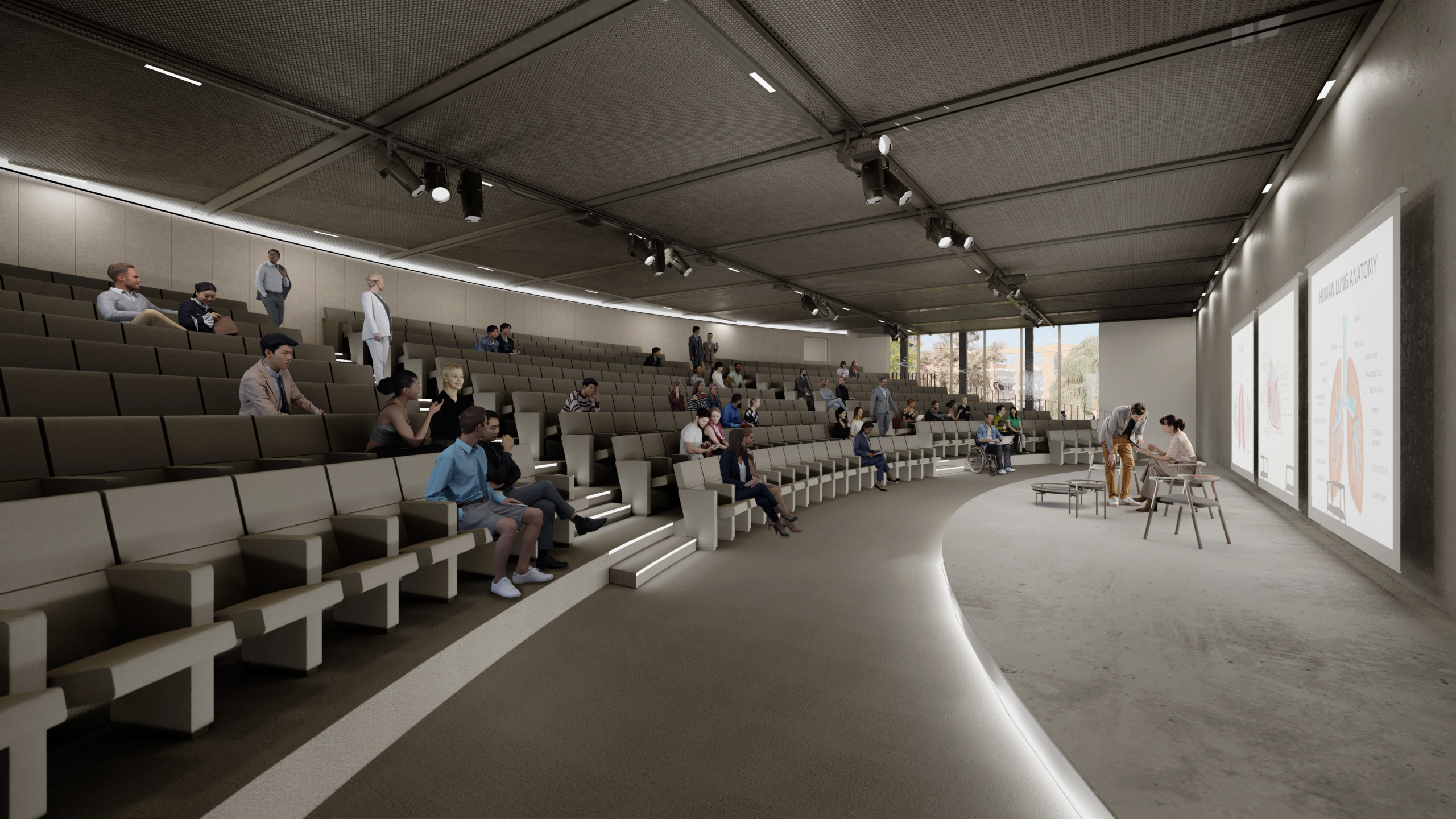
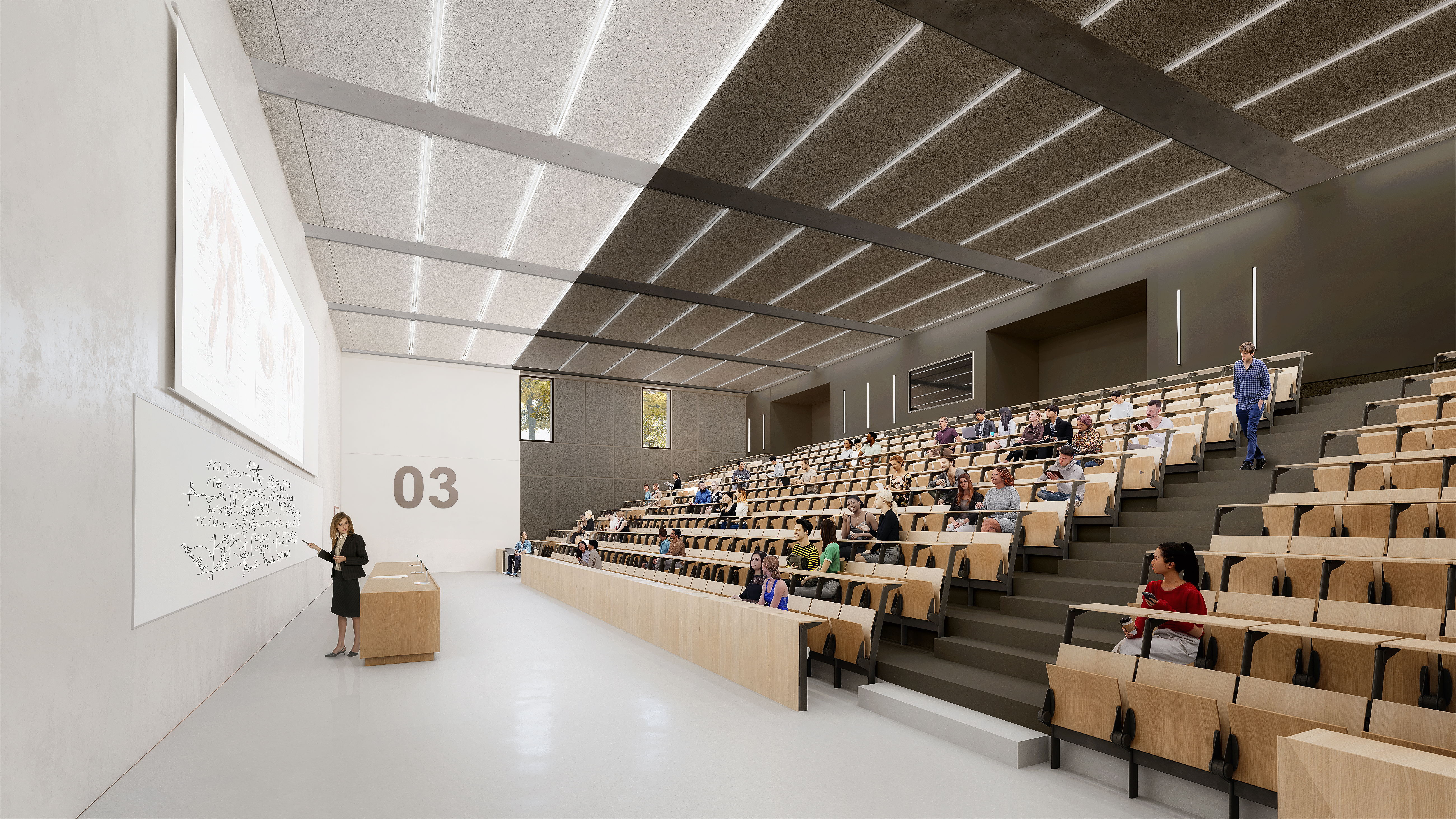
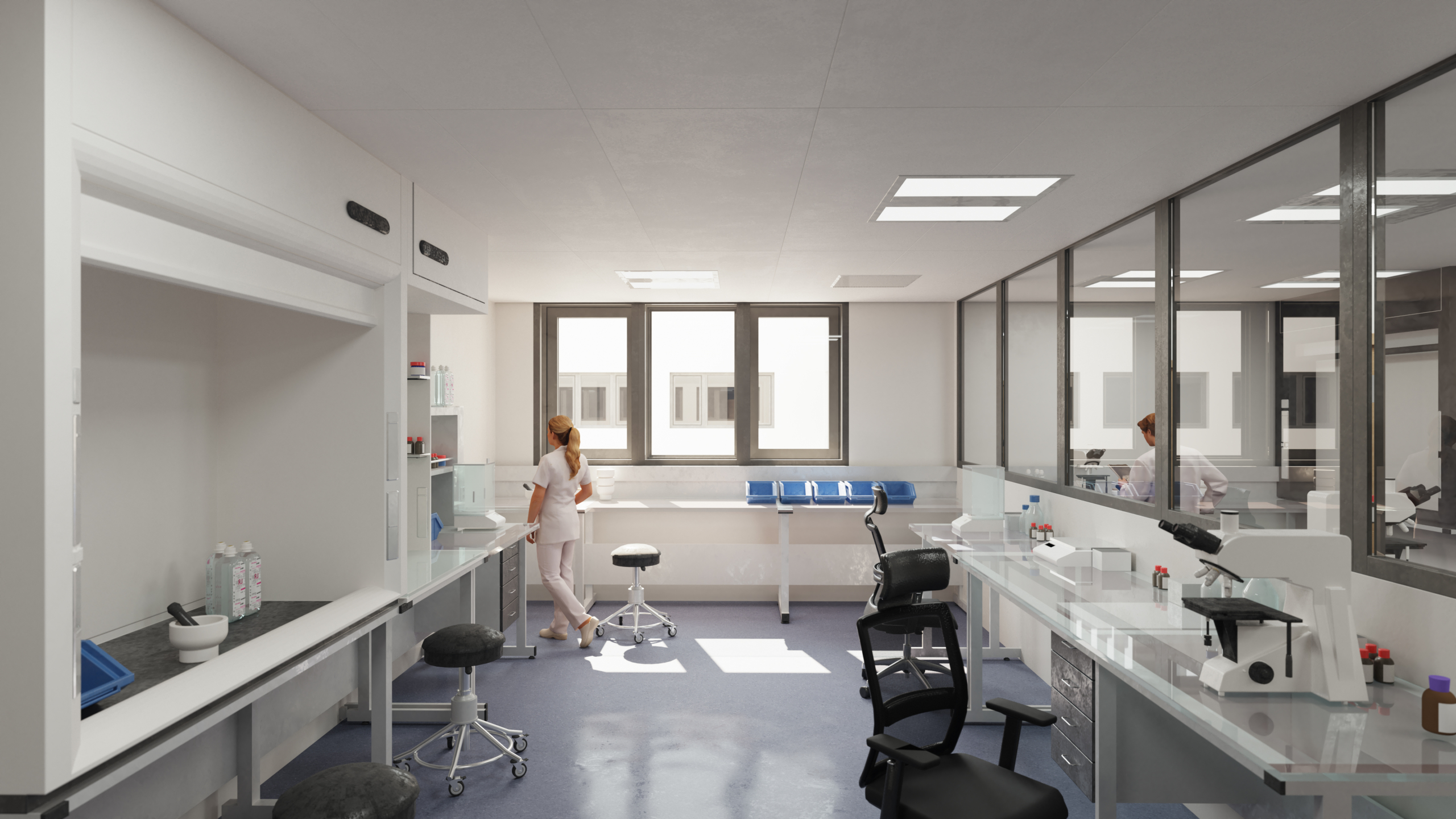
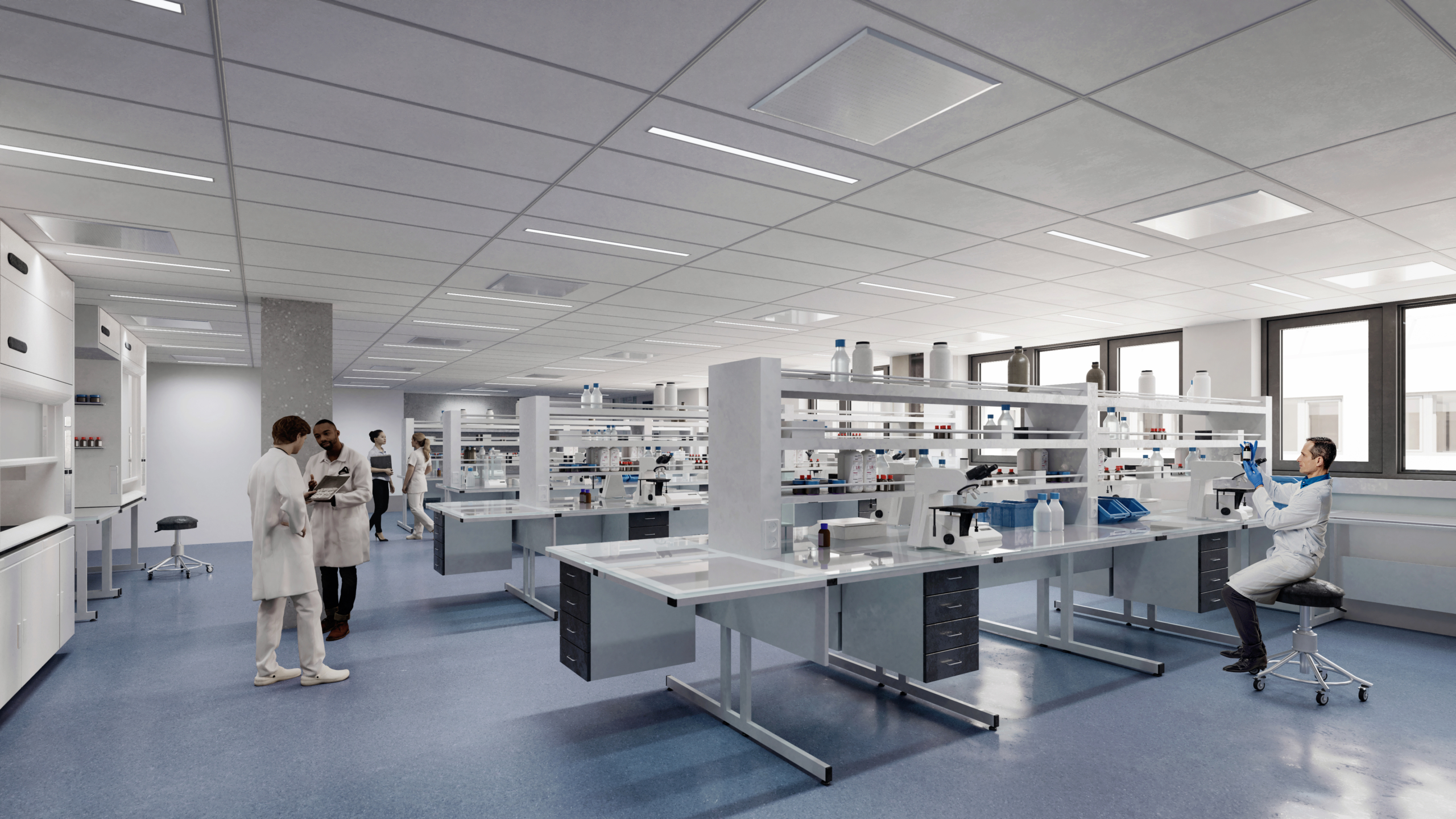
The CHU Grand Paris-Nord research and teaching campus in Saint-Ouen embodies a new vision of healthcare and its role in the city of tomorrow. Designed to respond to evolving medical practices and learning methods, this campus is conceived as a symbol of a resilient society where care, attention, and connection become essential drivers for addressing health, social, and climate challenges.
A Comprehensive Ecosystem
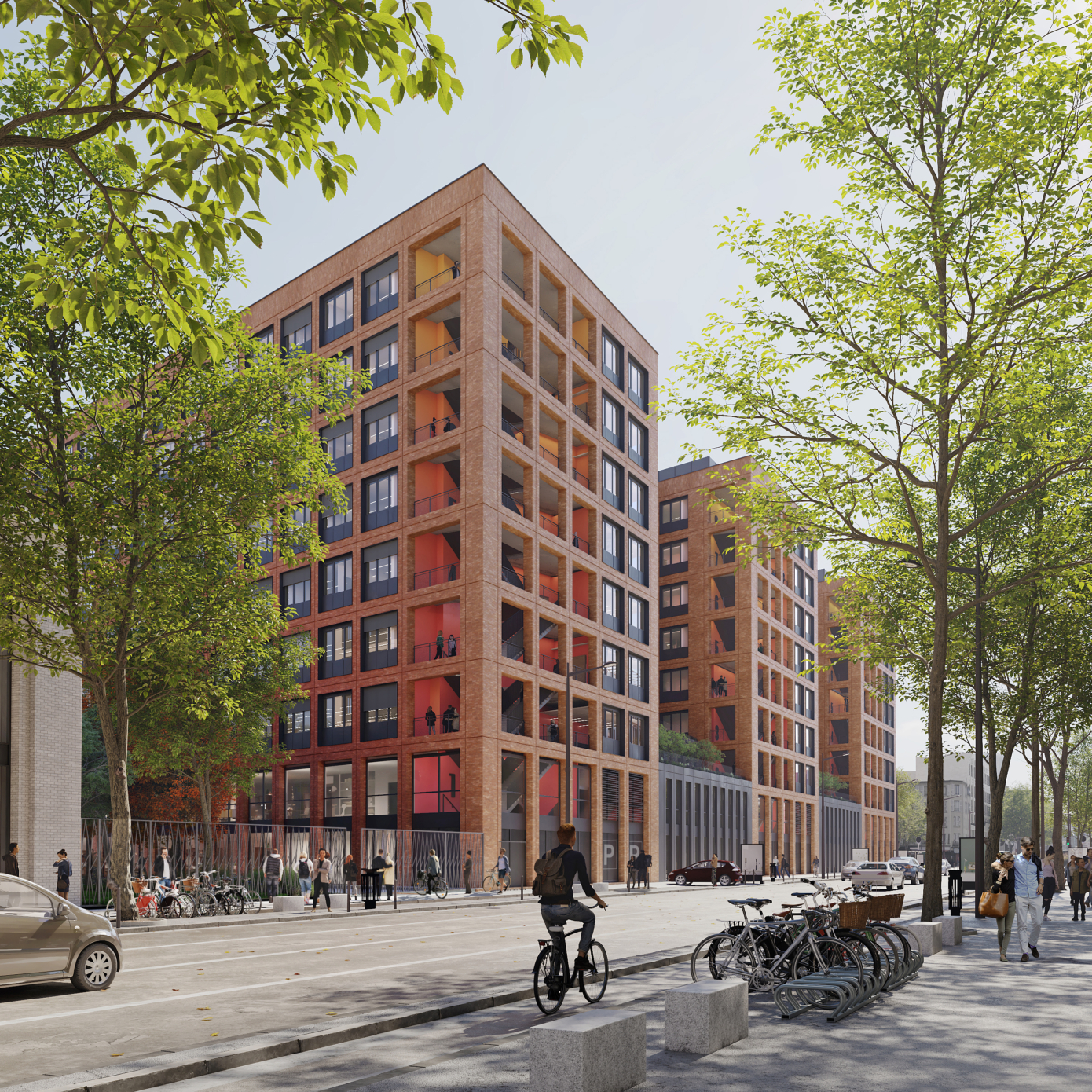
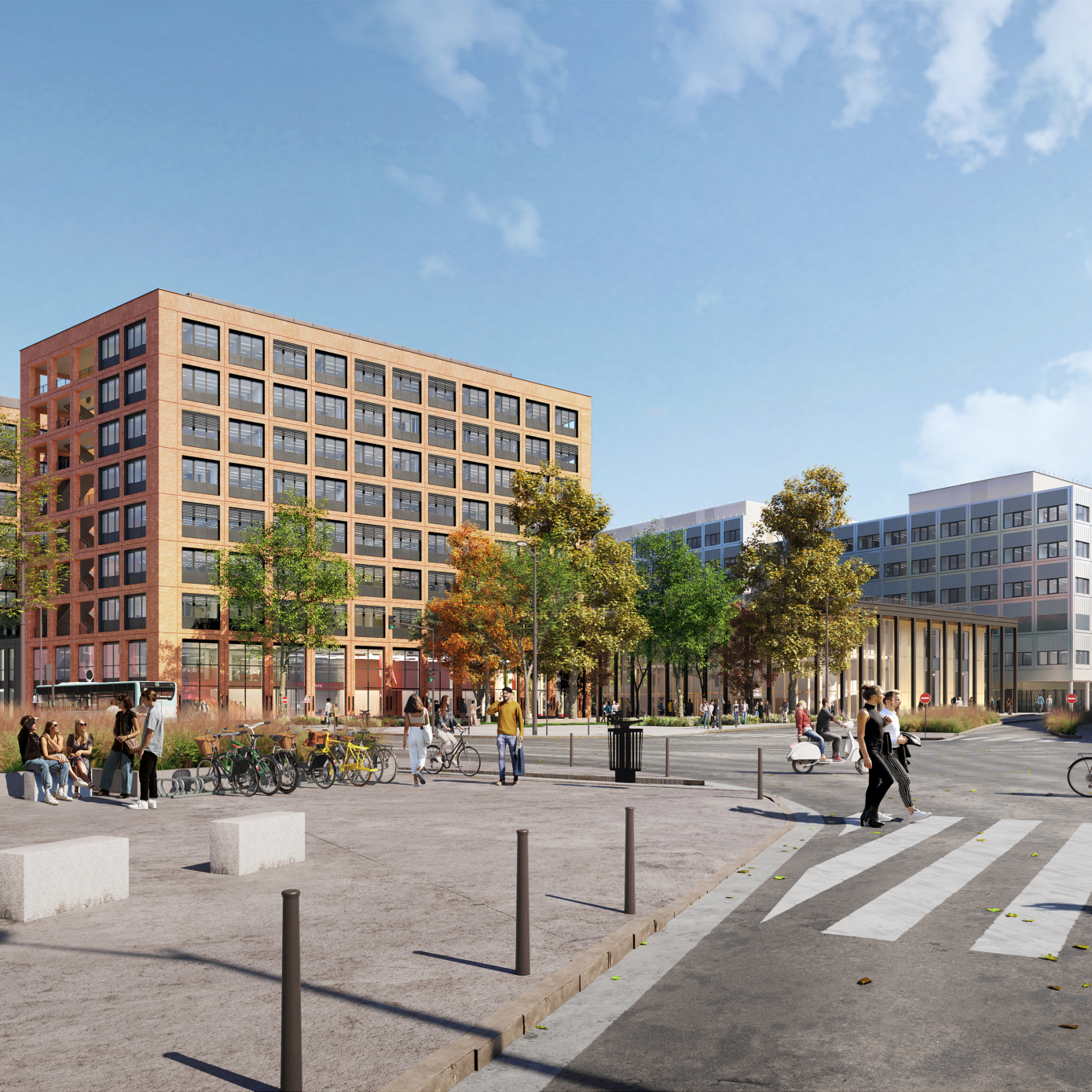
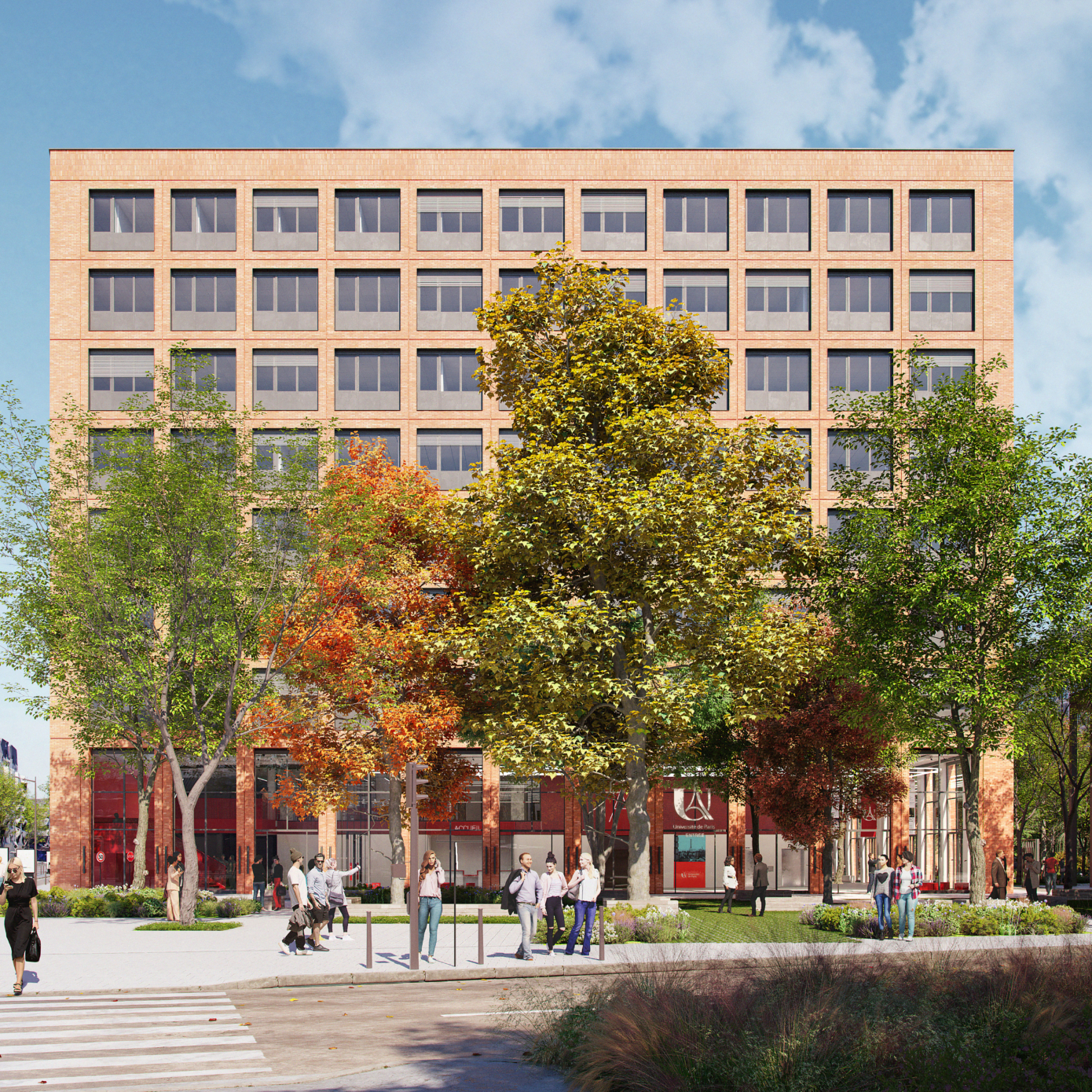
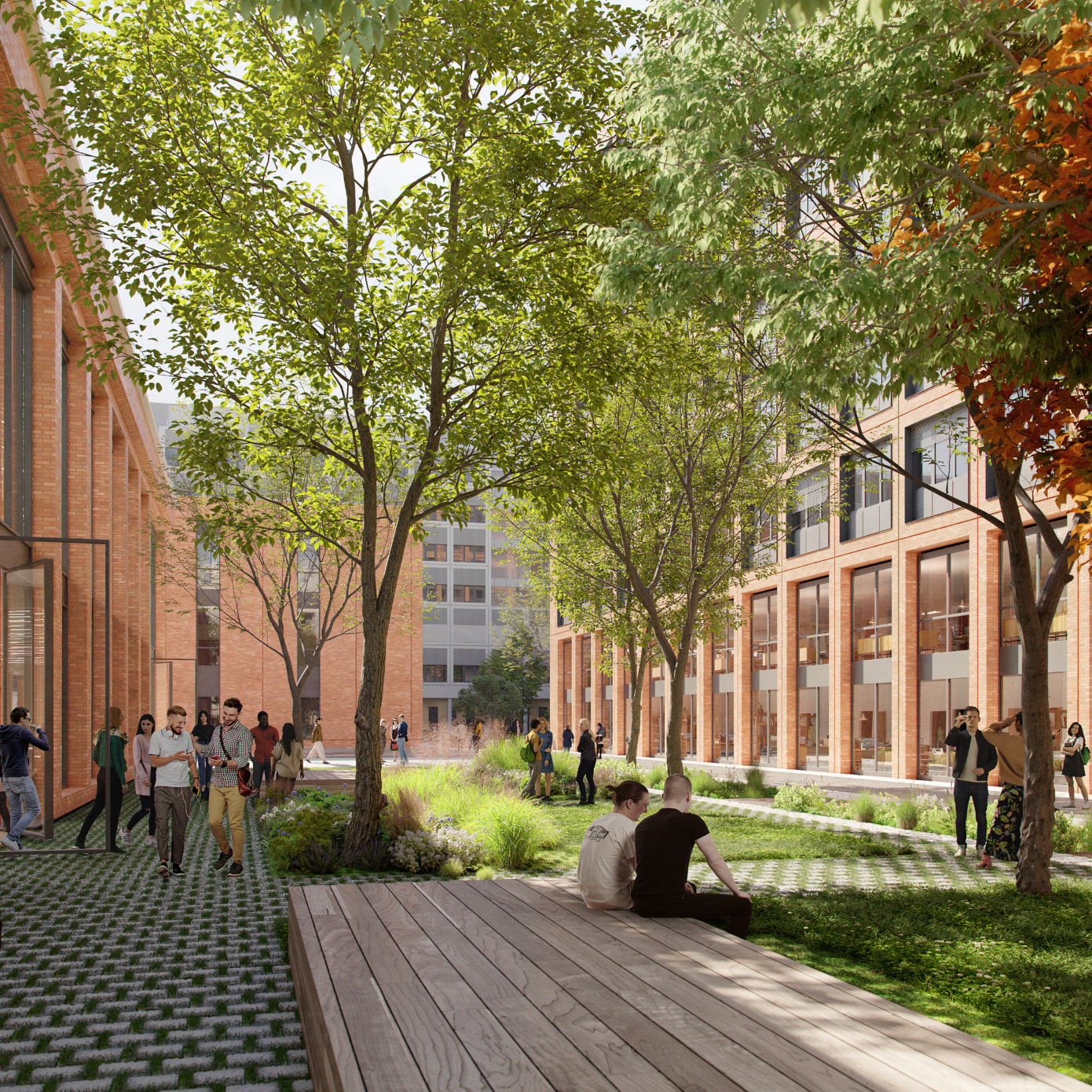
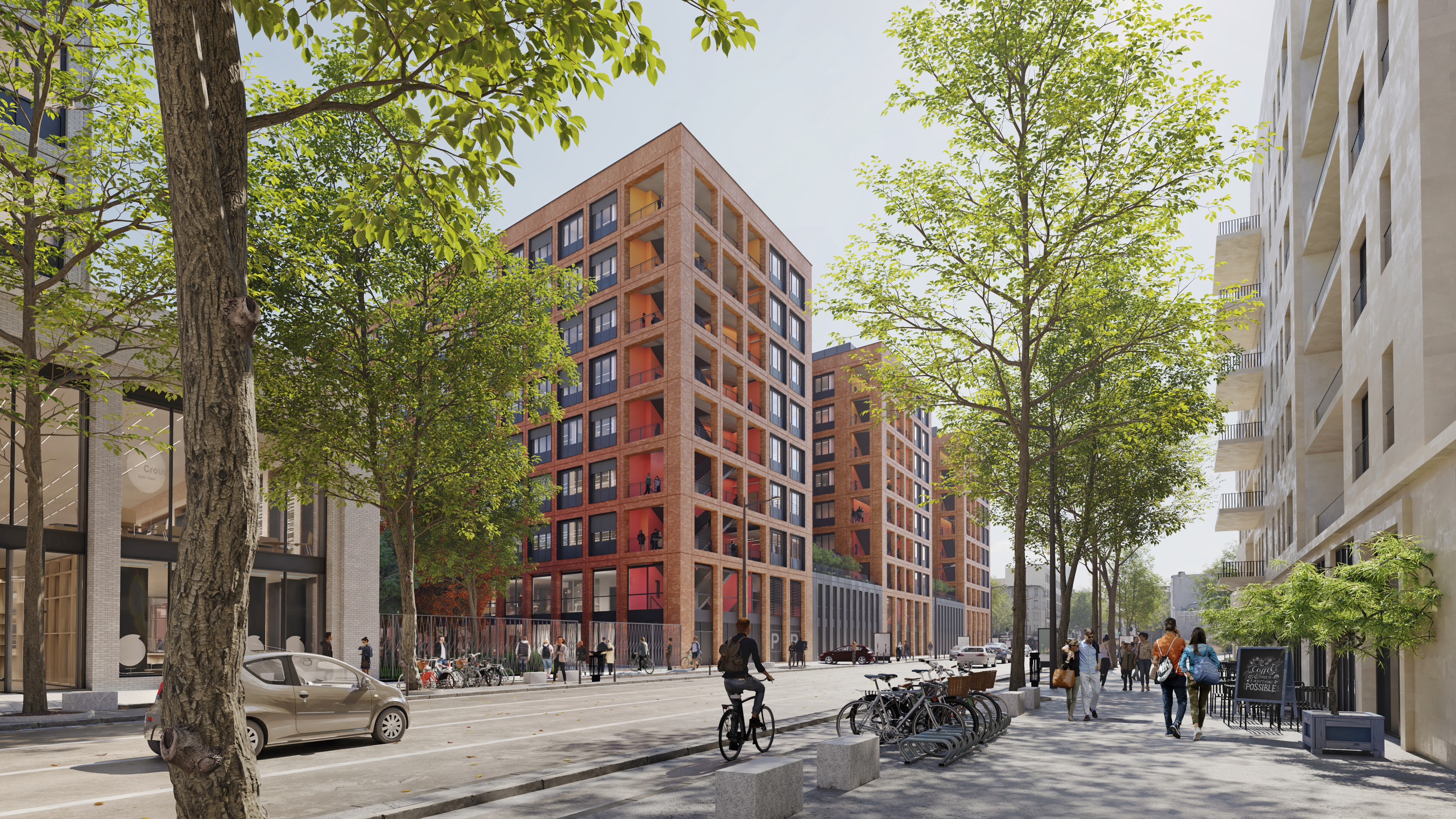
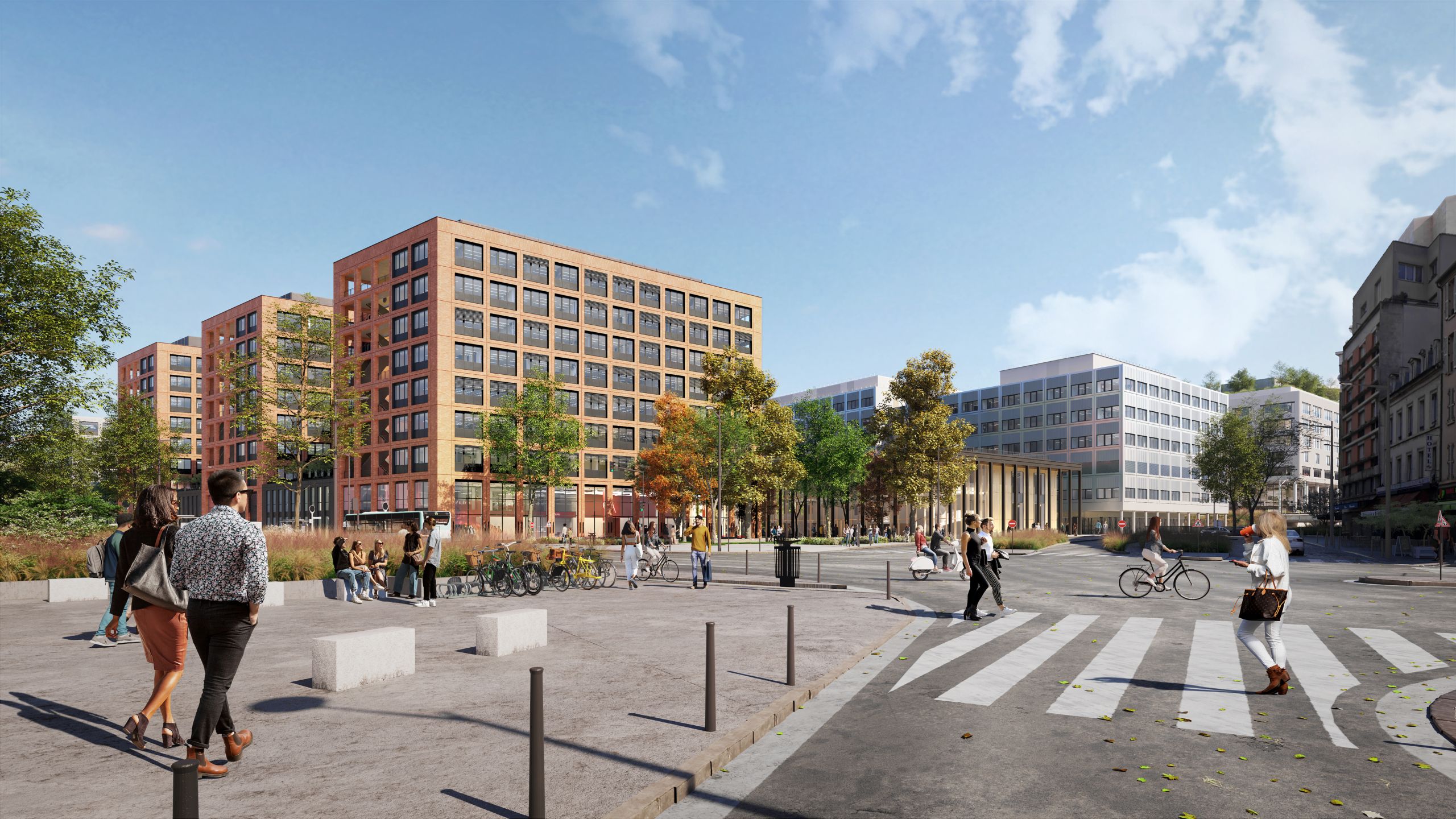
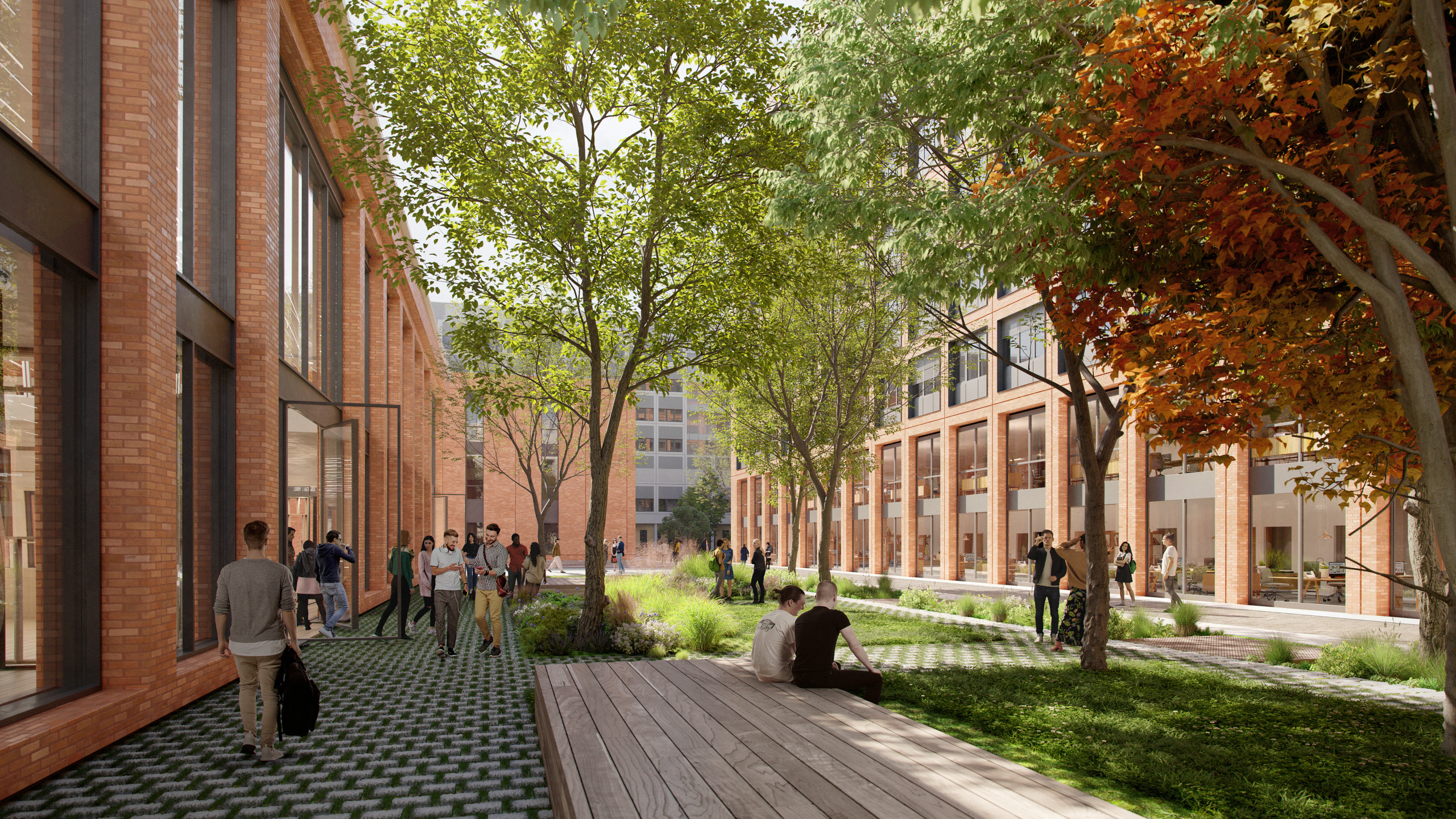
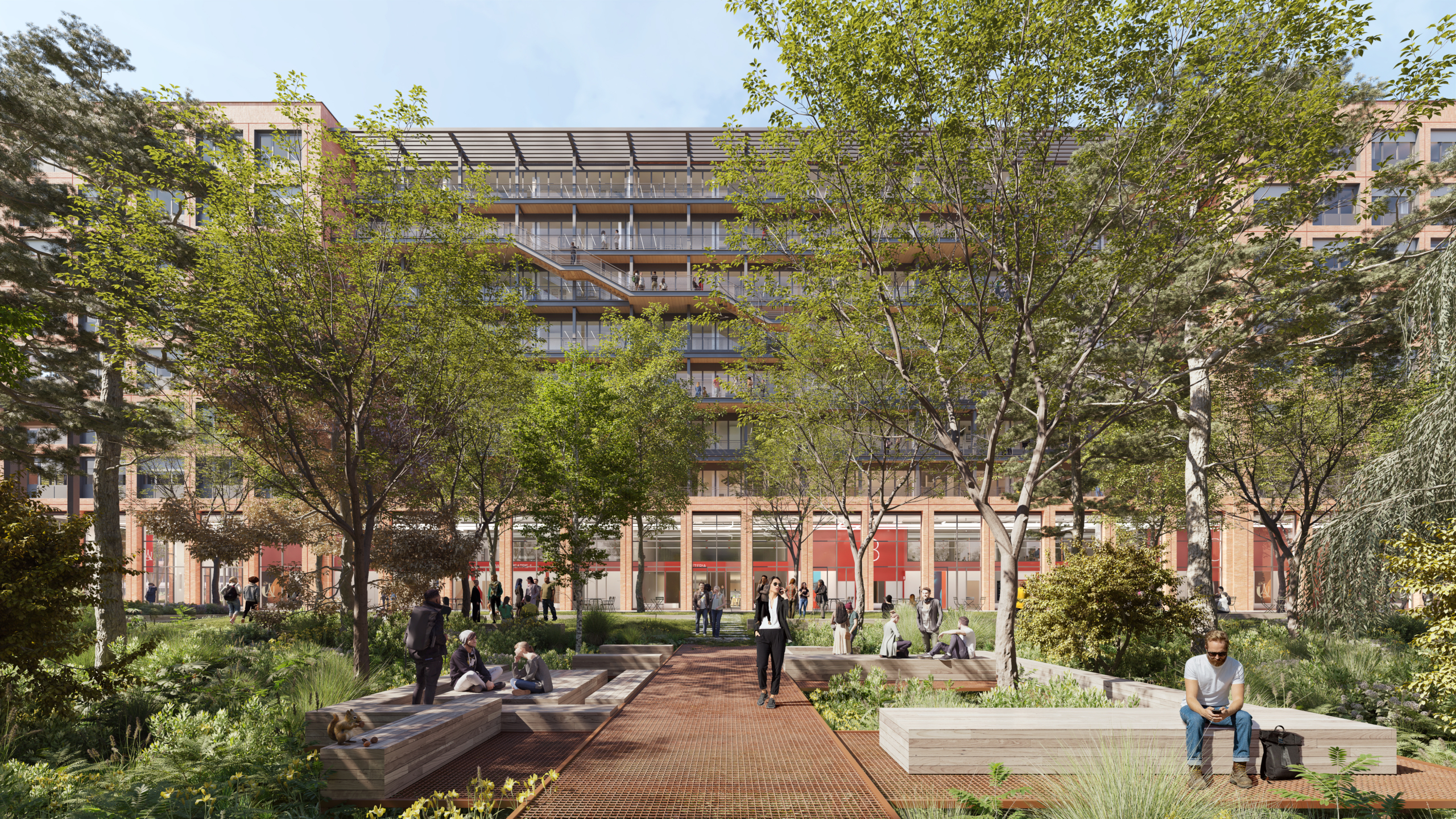
The choice of brick, a prominent feature in local architecture, resonates with the industrial past of Saint-Ouen-sur-Seine and helps anchor the campus within the city. This timeless material, which is low-carbon when fired in specialized kilns, also requires little maintenance and helps optimize the environmental performance of the facade. A range of innovative features is also being implemented, notably including facade elements that can be prefabricated—ensuring the durability of the construction system—with mechanically fastened brick-slab panels.
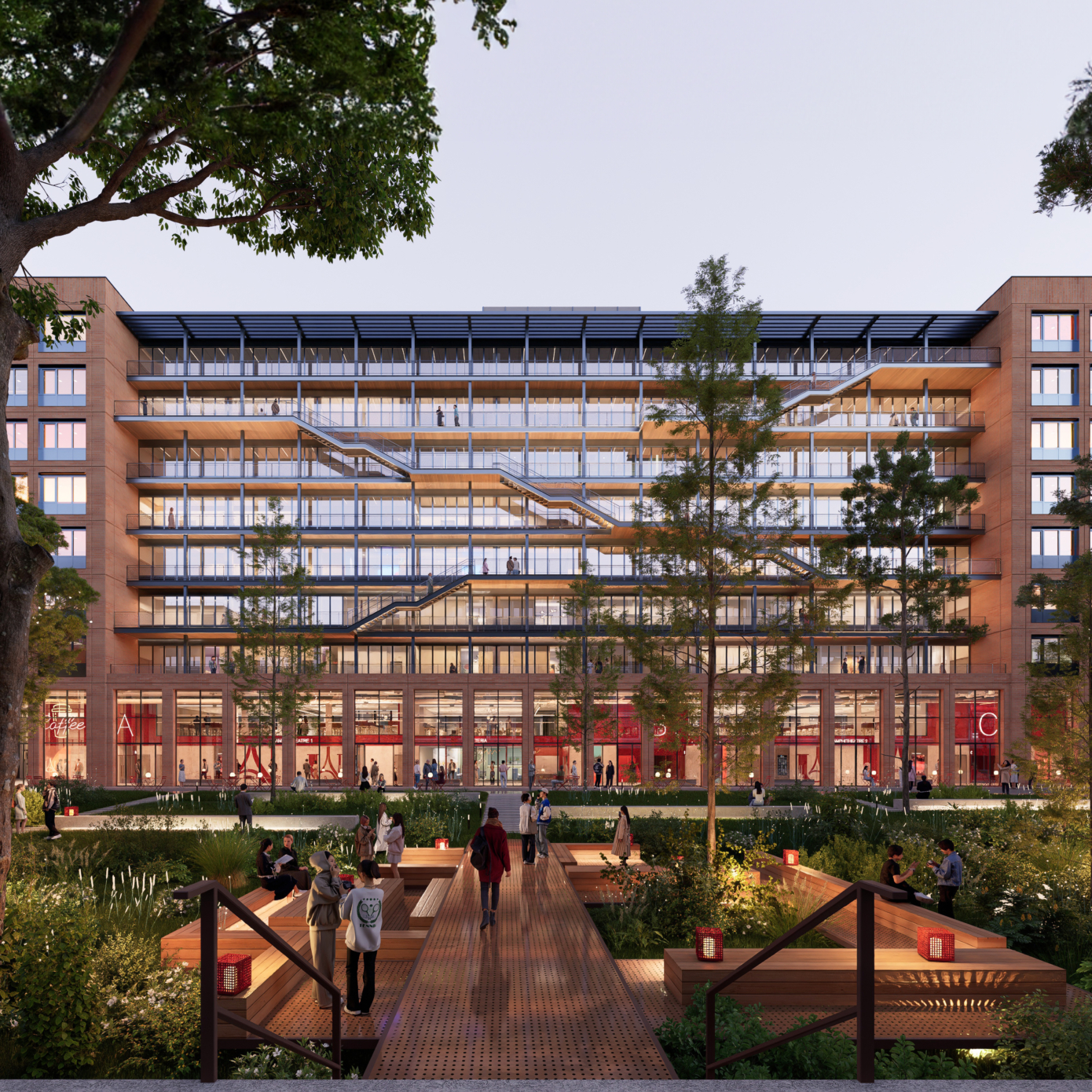
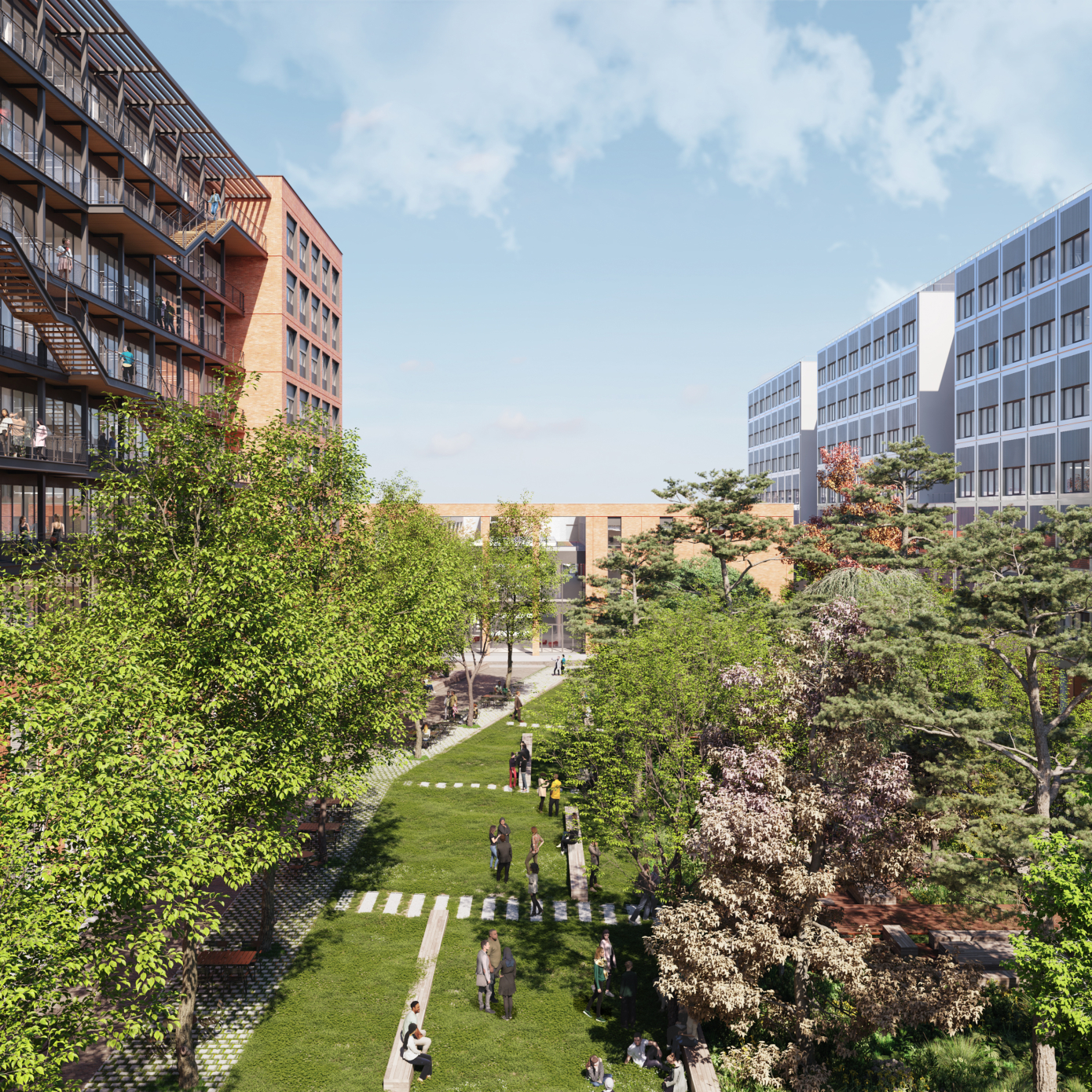
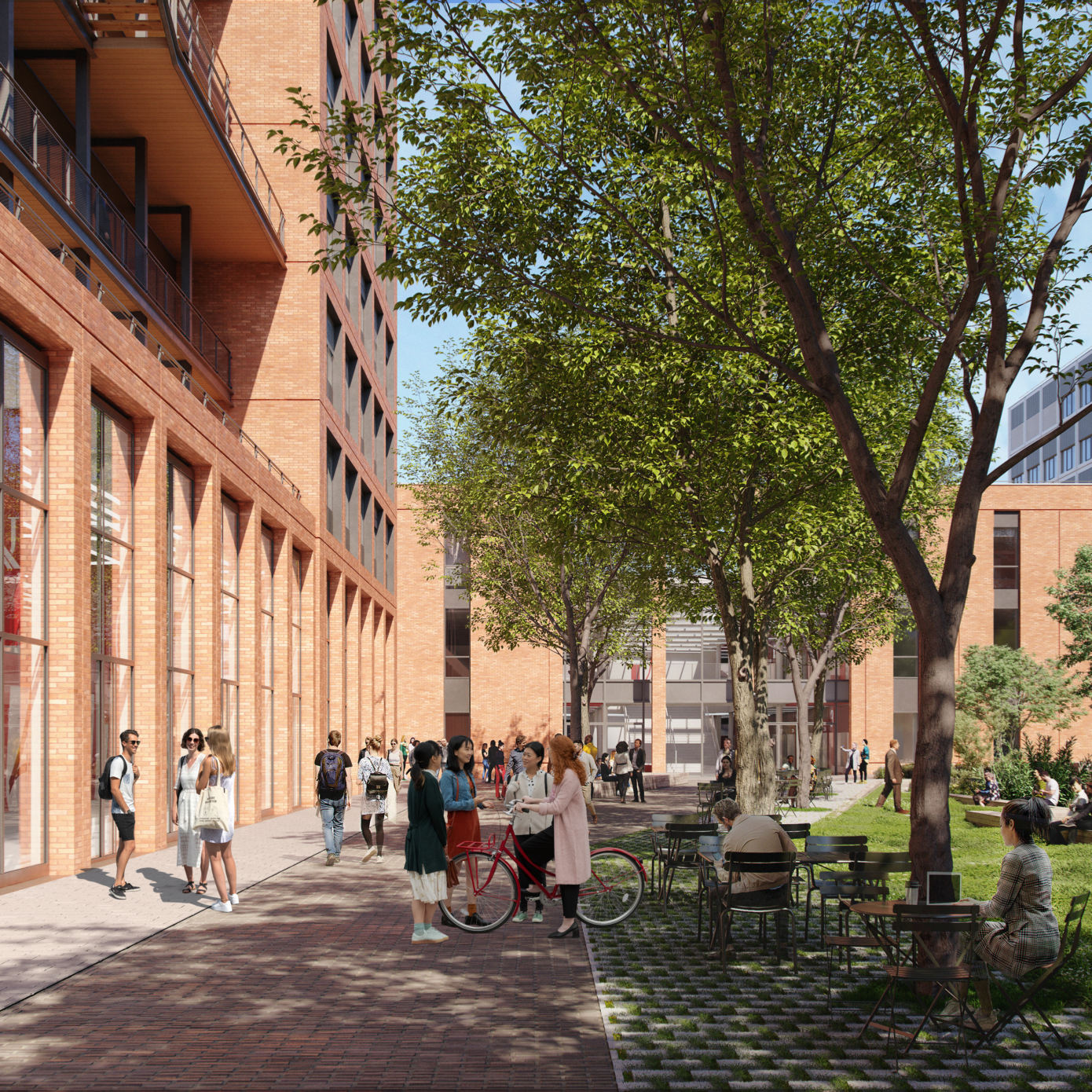
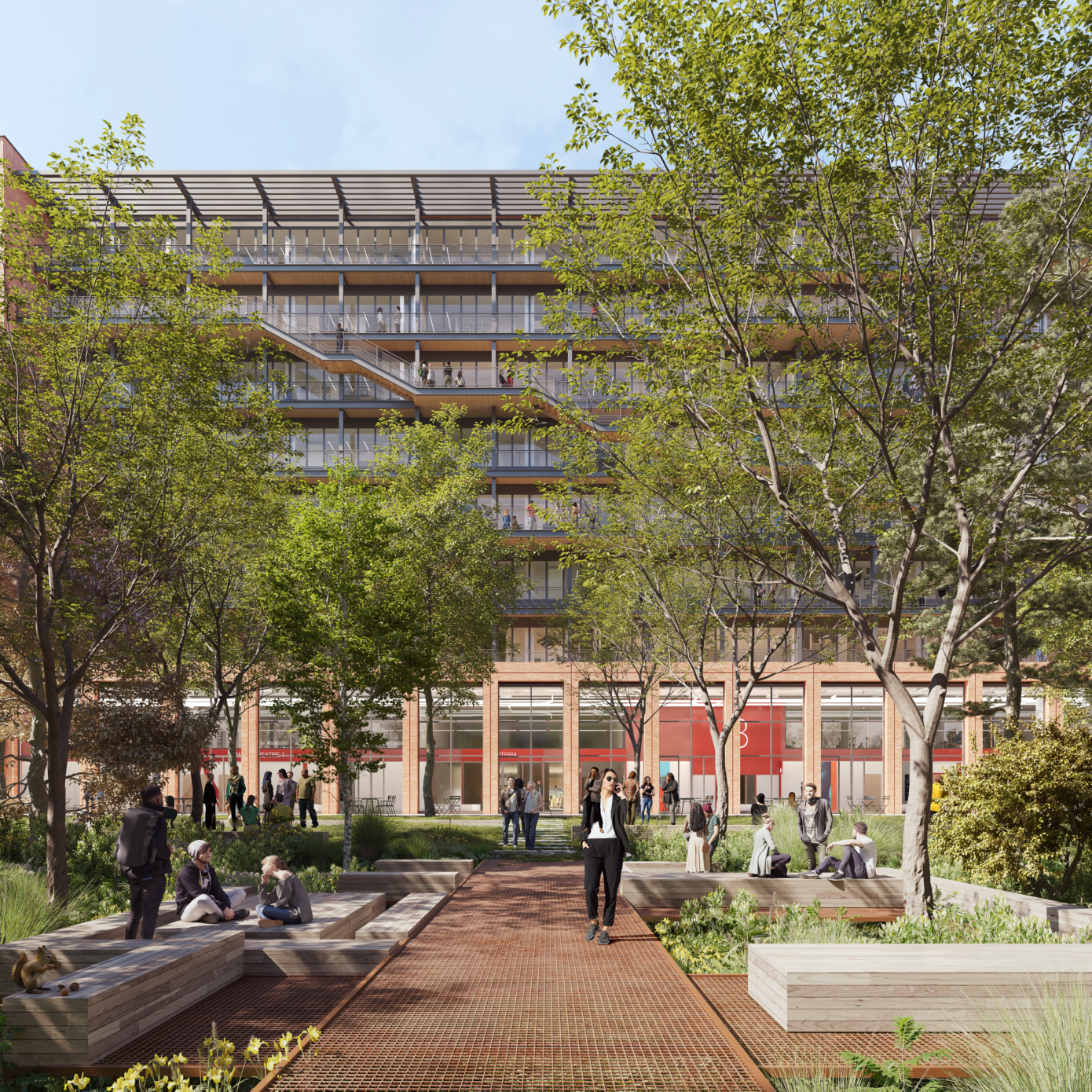
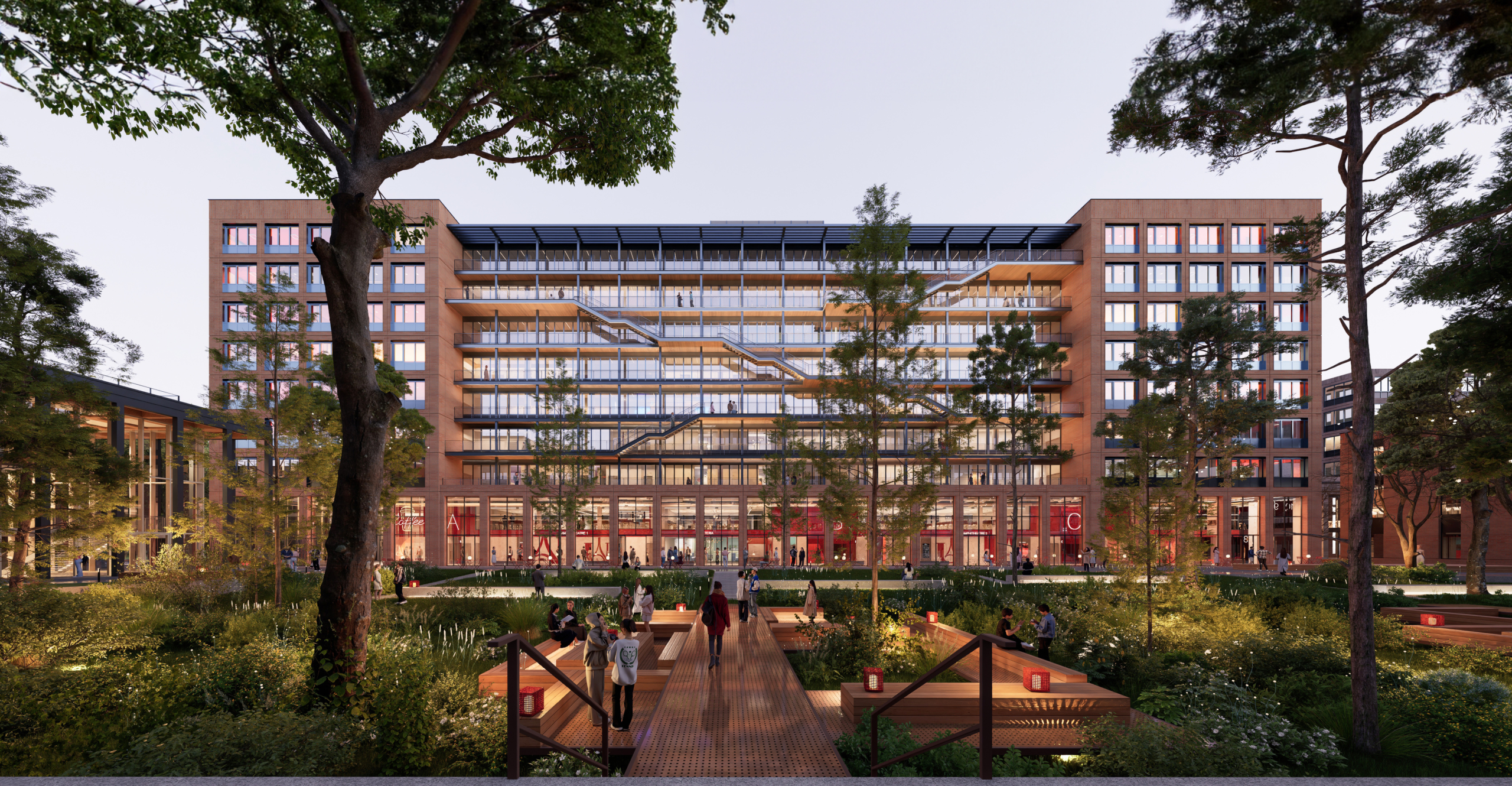
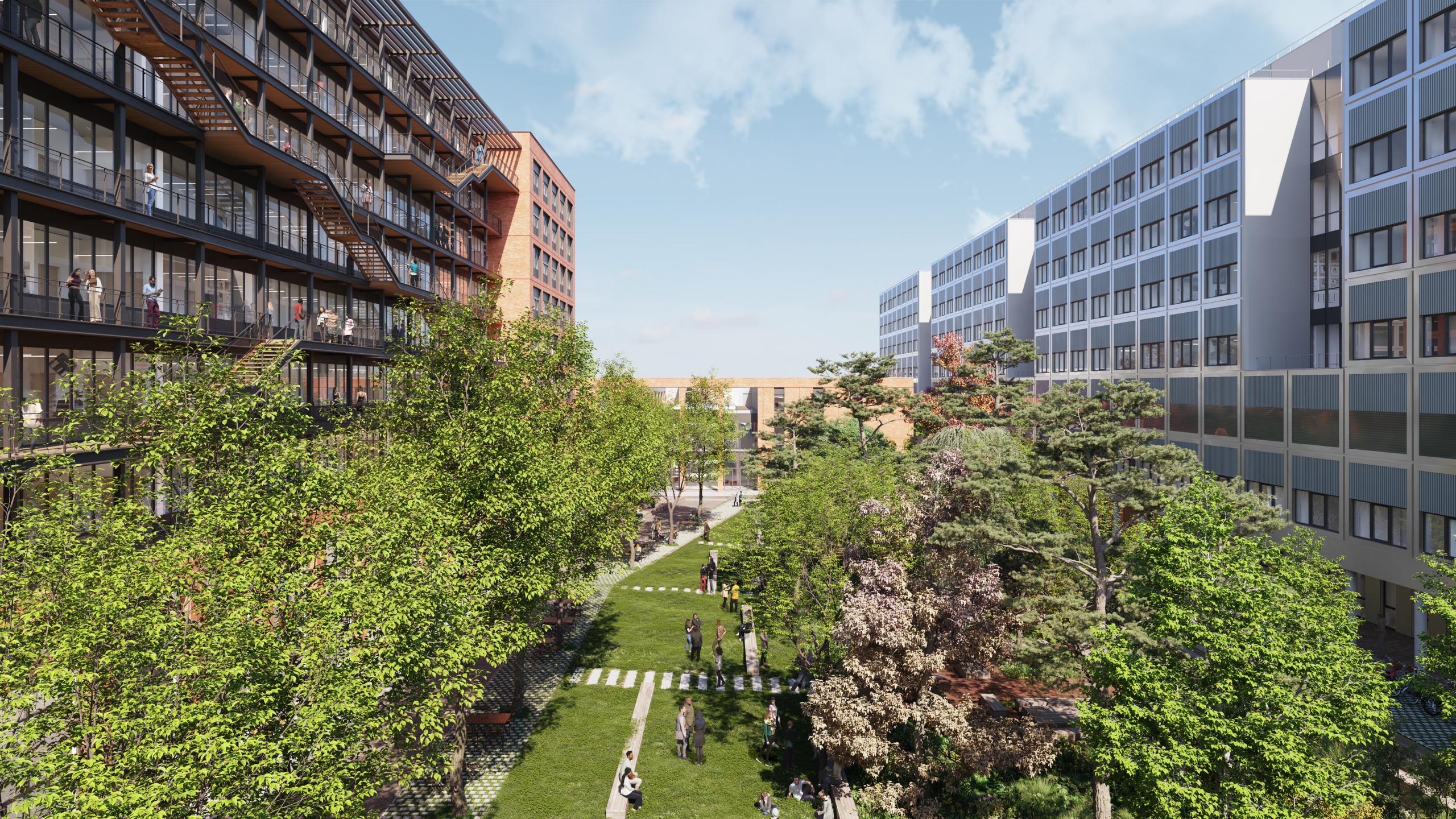
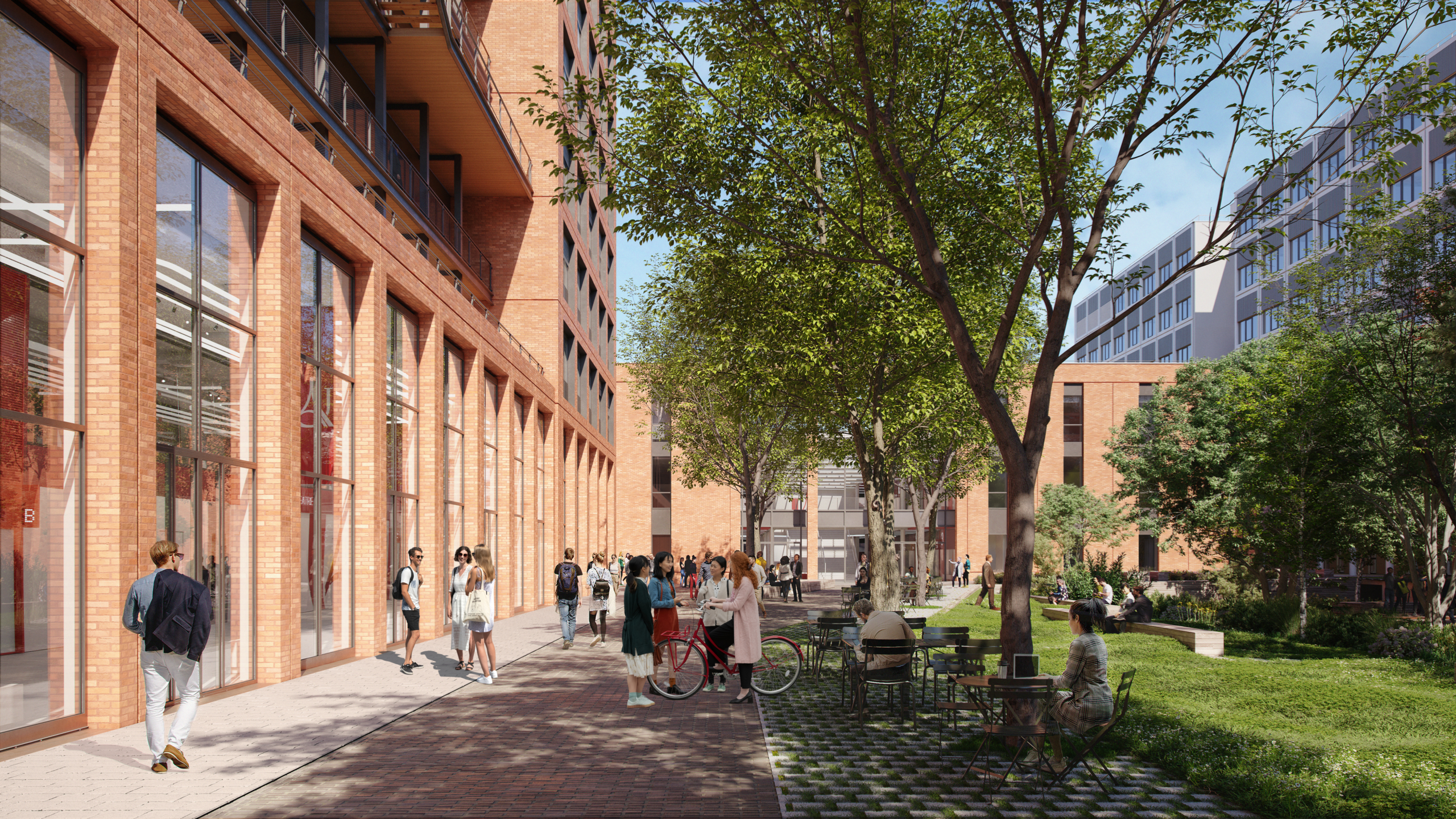
The garden, the beating heart and symbol of the campus
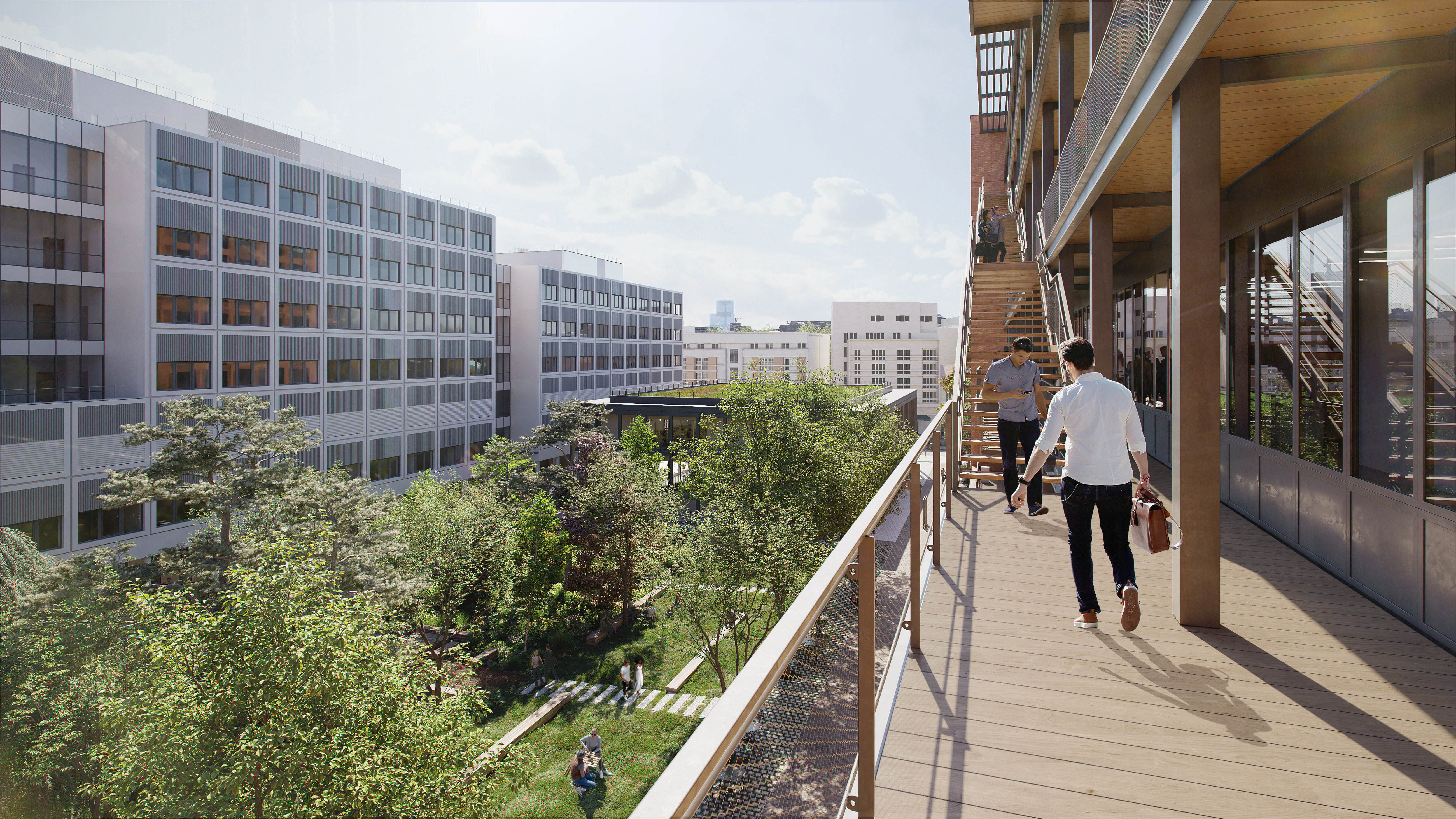
The University Hospital will form a green lung connected to the railway line, contributing to the creation of an ecological corridor between Saint-Ouen-sur-Seine and the Seine, via the Docks de Seine eco-neighborhood. The garden’s central location within the campus transforms it into a vibrant space for interaction and sharing, open to the city. The 4,000 m² garden, 50% of which is open ground, allows rainwater to flow freely and prevents runoff into the city’s drainage system. An open gateway to the city connects the site to the city via Avenue du Capitaine Glarner, thereby linking the garden to the public space.
Evolution and Flexibility
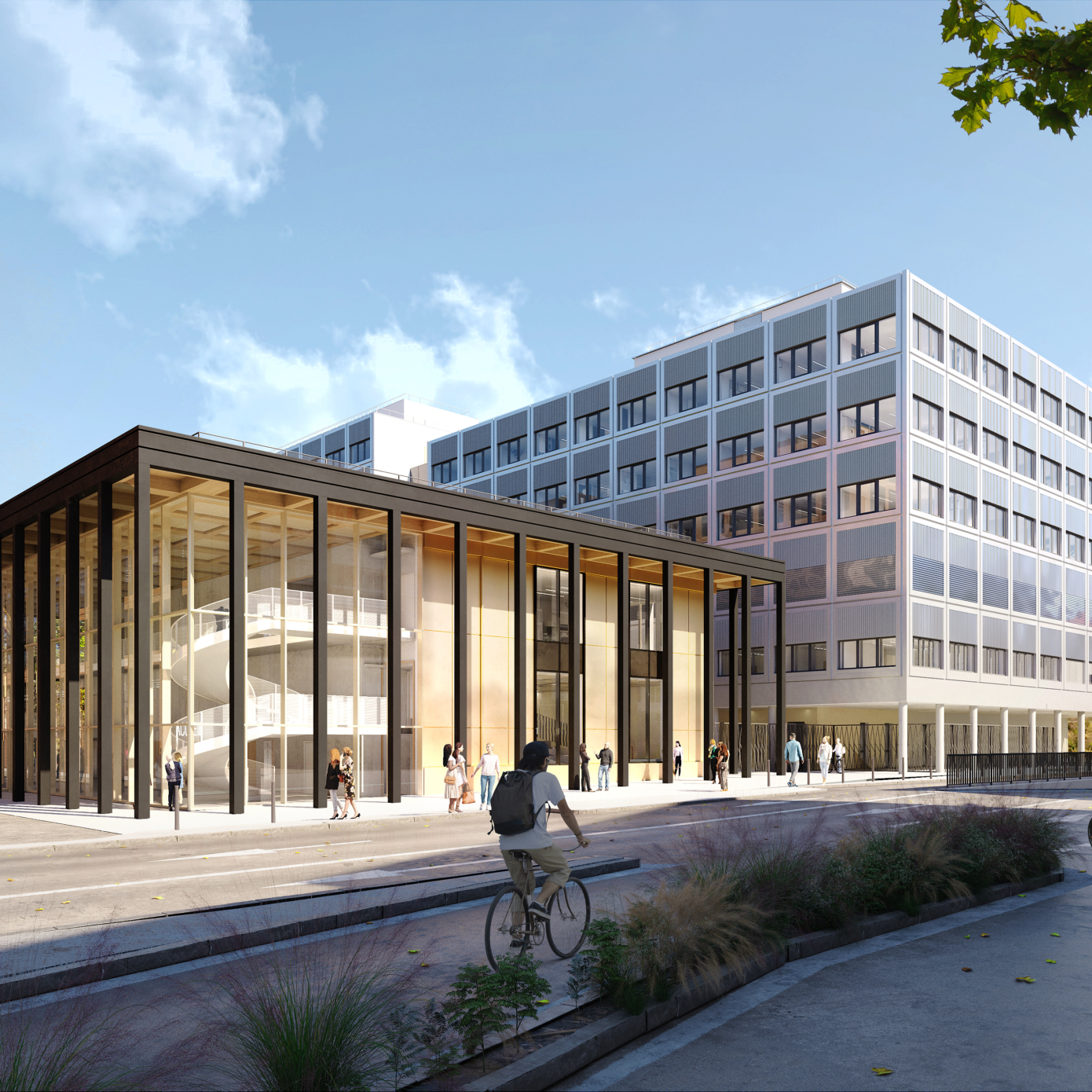
The entire facade is laid out in a 90-centimeter module, allowing for the installation of an interior partition. The building is thus perfectly modular and can accommodate any type of use, ensuring the sustainability of its operation and limiting its carbon footprint in the long term. The installation of exterior insulation allows for optimal thermal control by limiting heat transfer to the interior structures. Finally, limiting the glazed surfaces to 39% above the parapet ensures pleasant natural lighting while balancing heat gain.