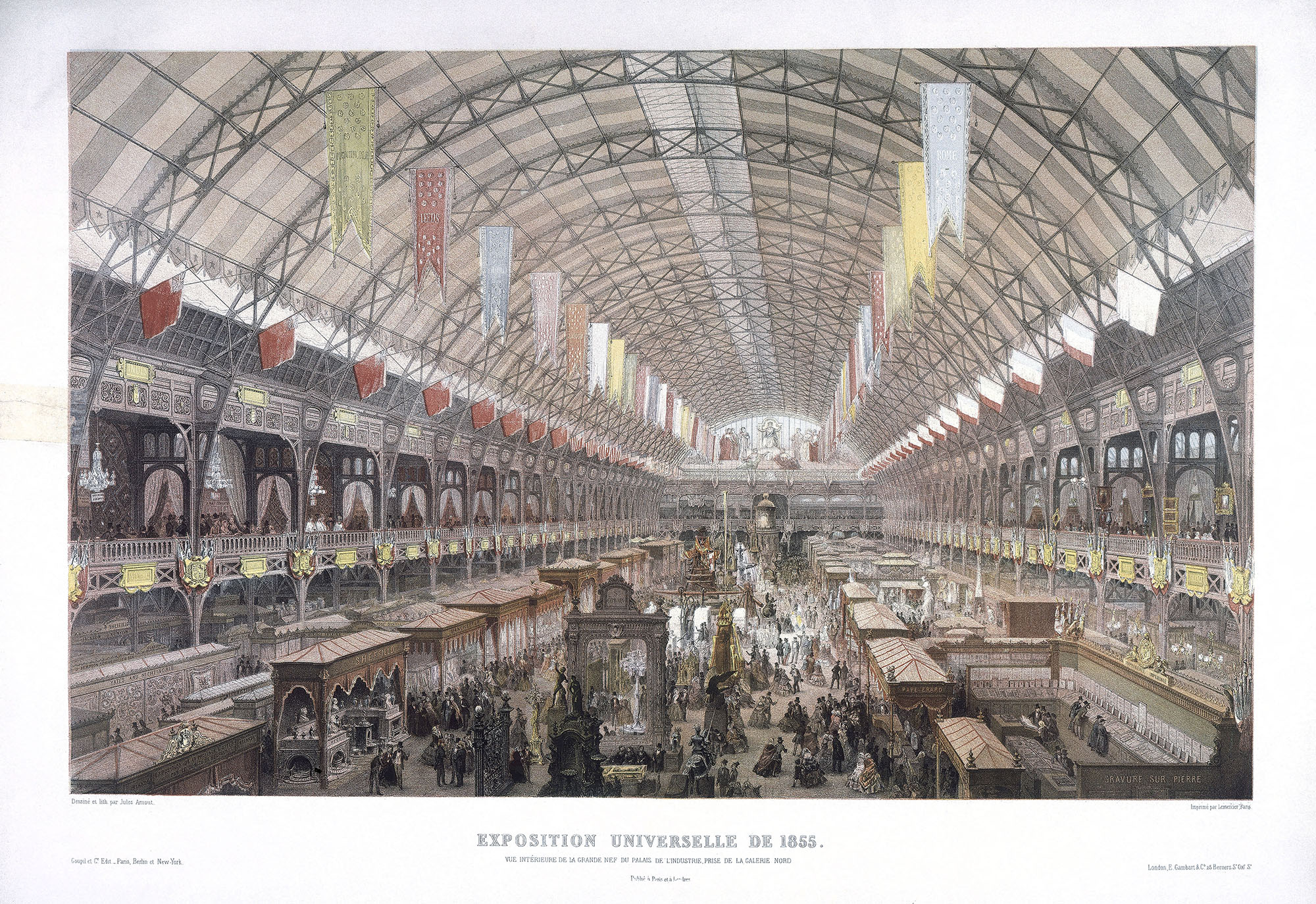
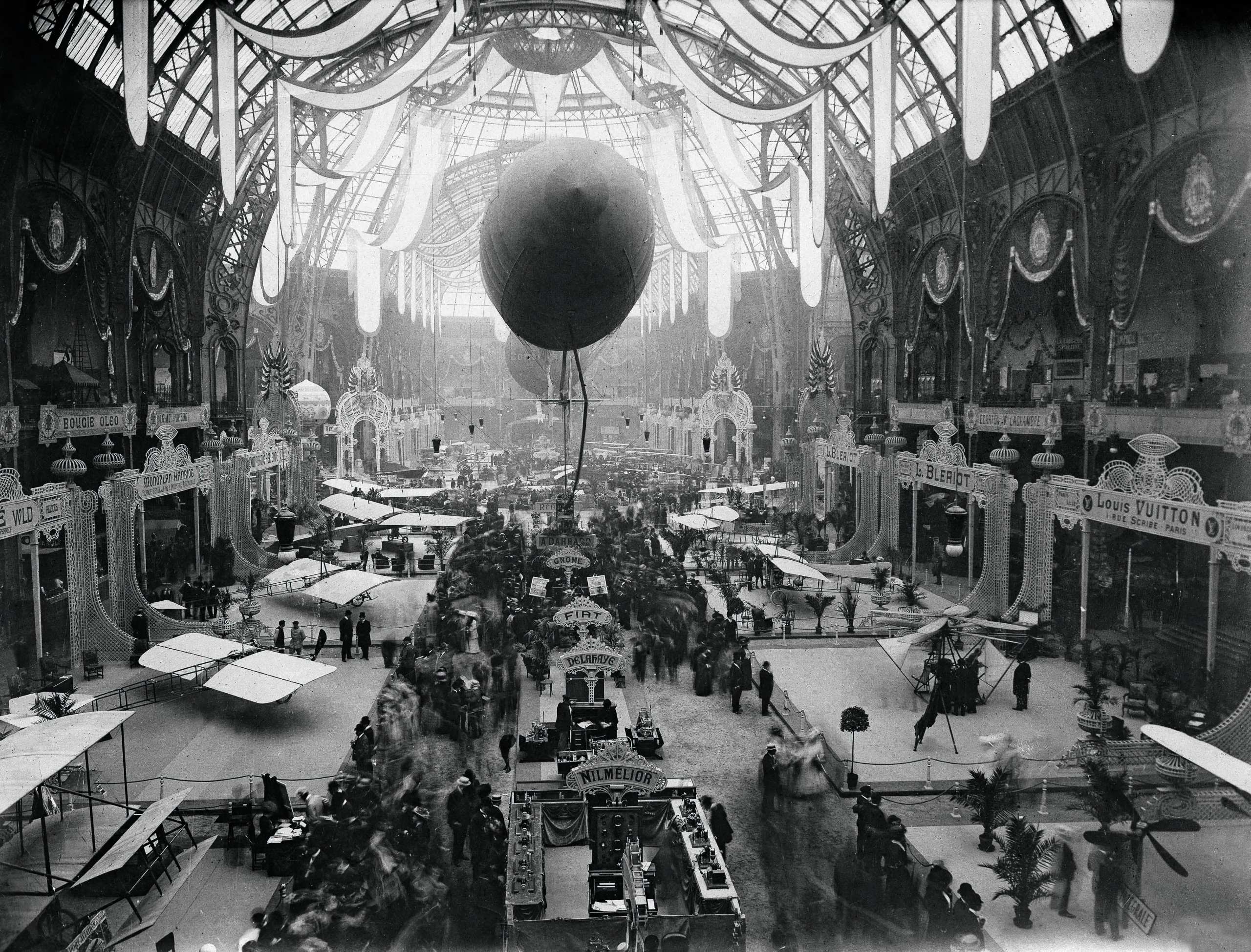
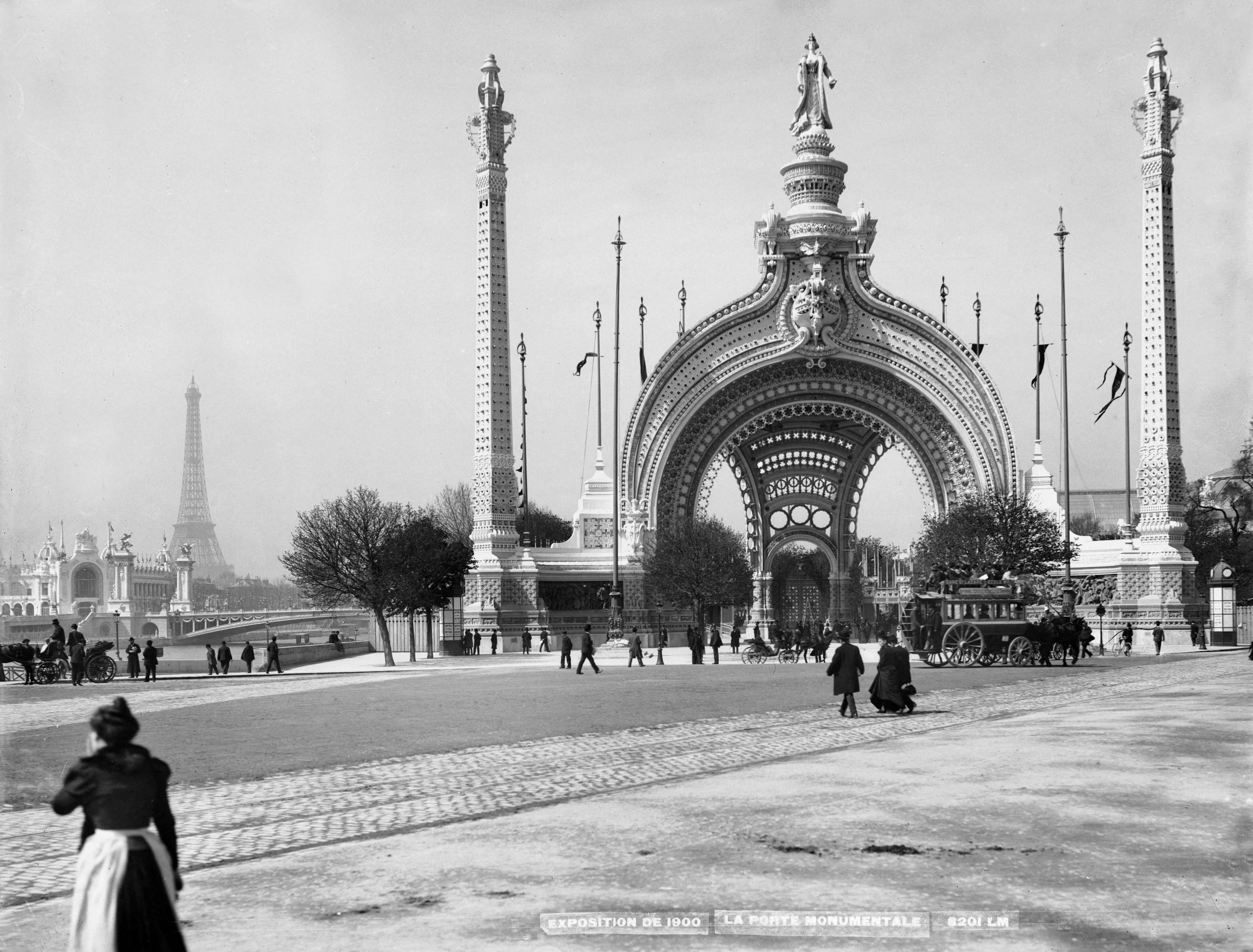
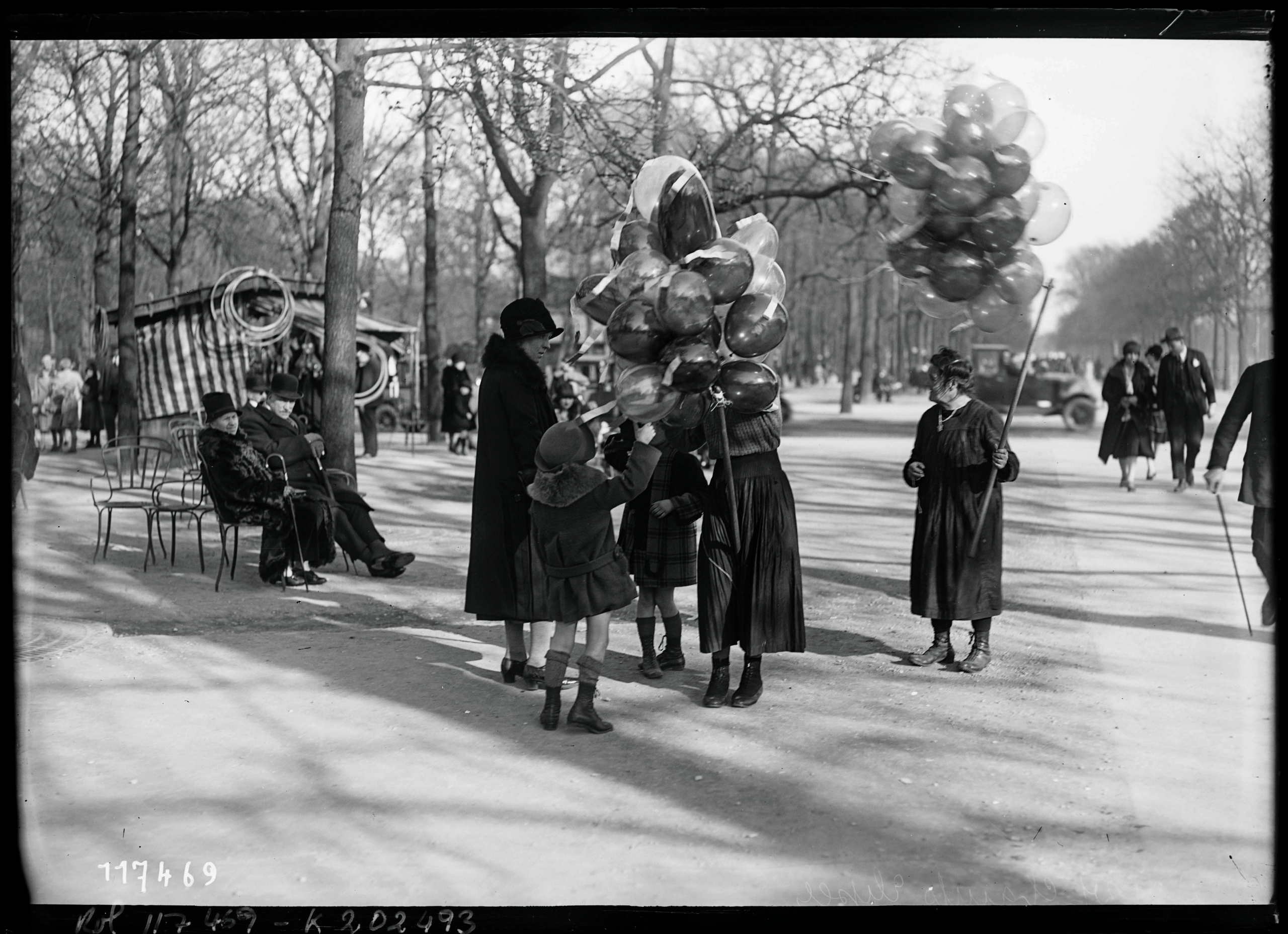
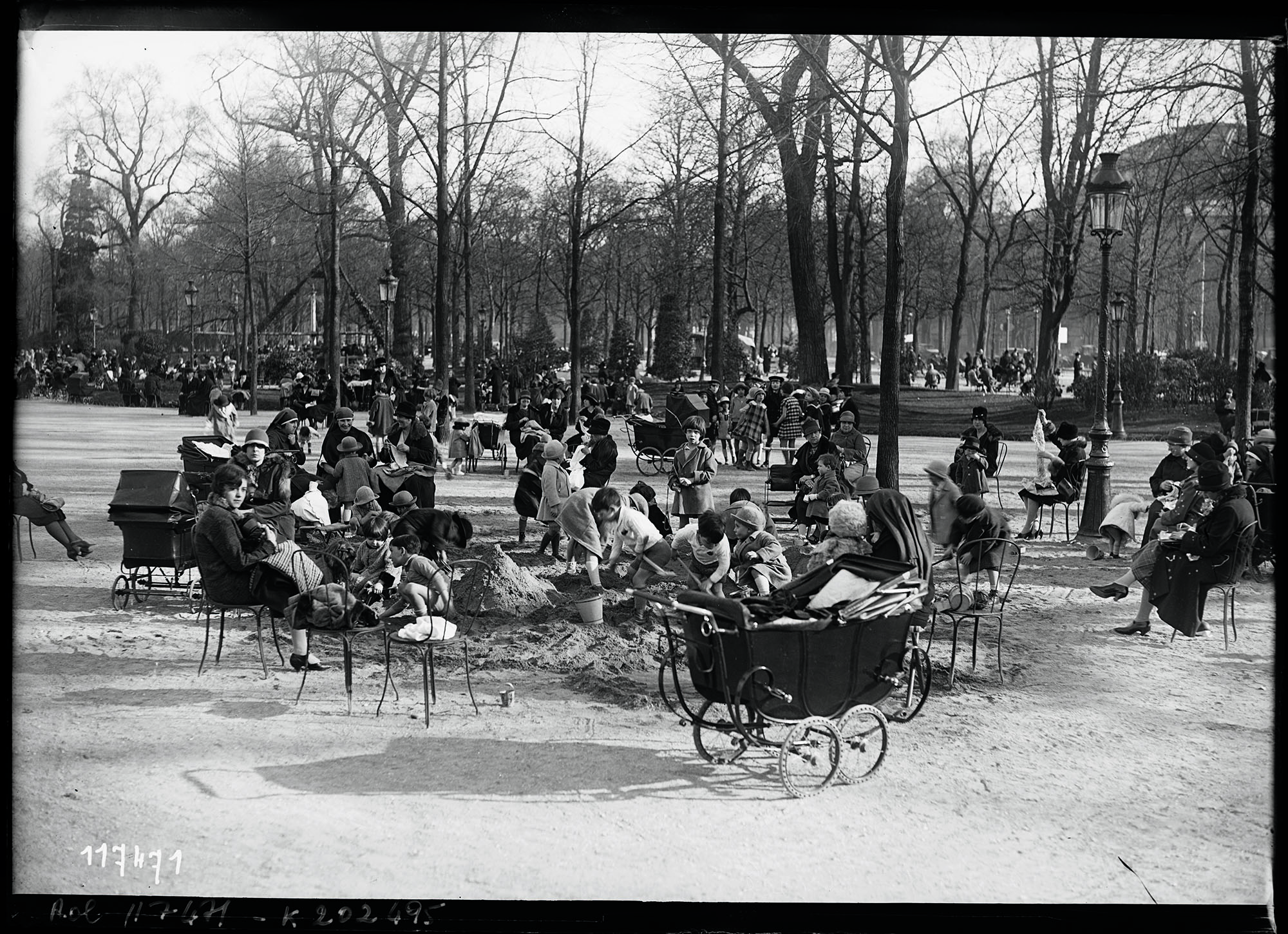
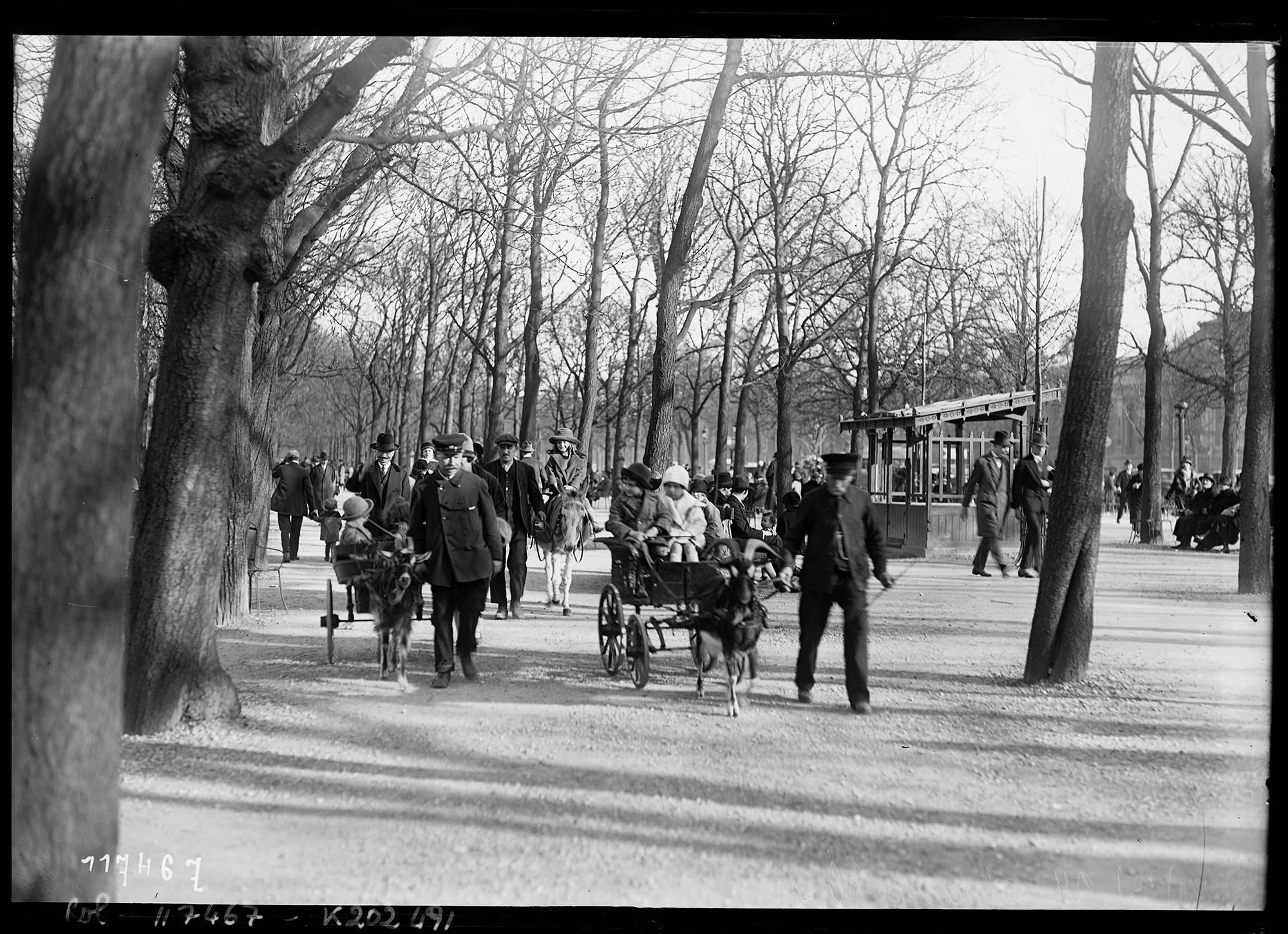
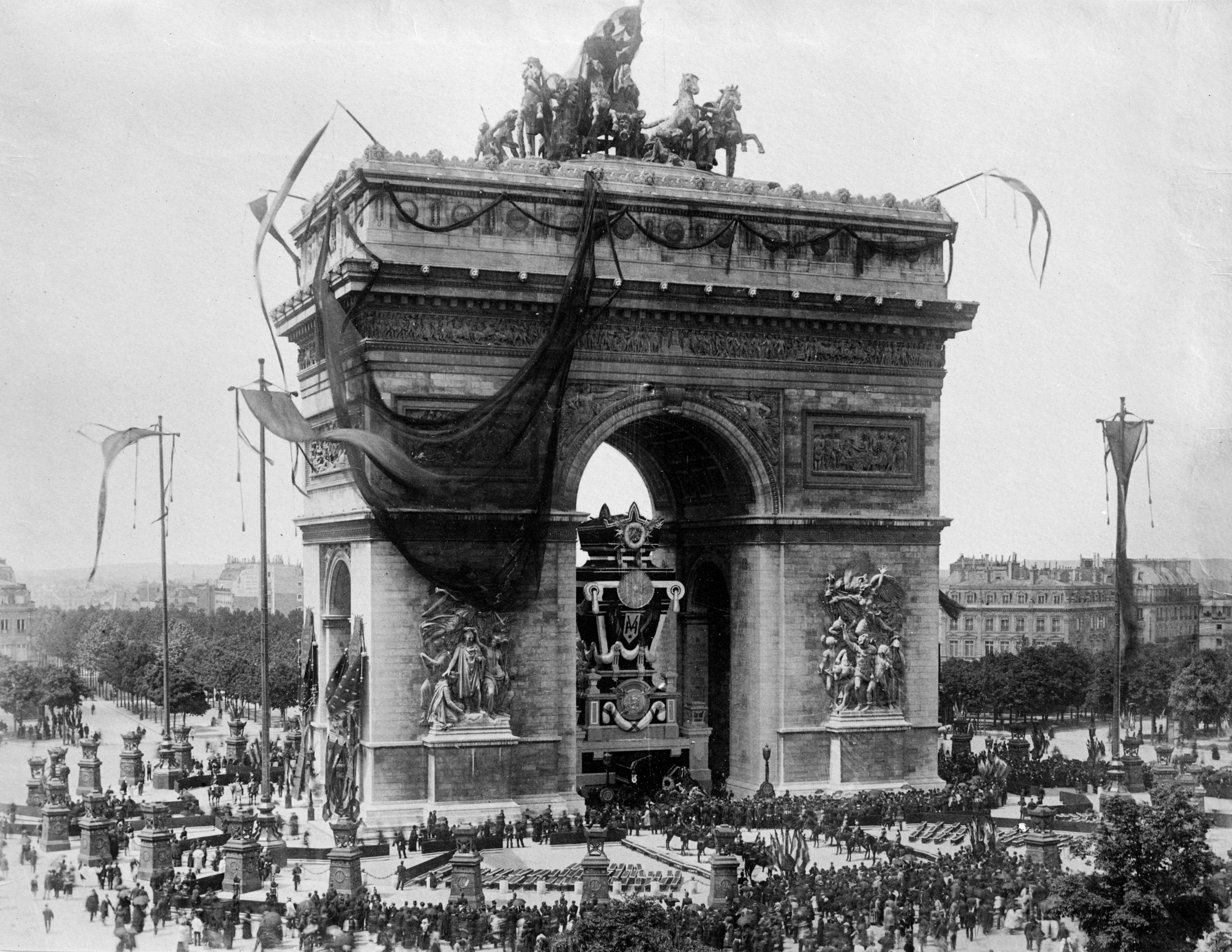
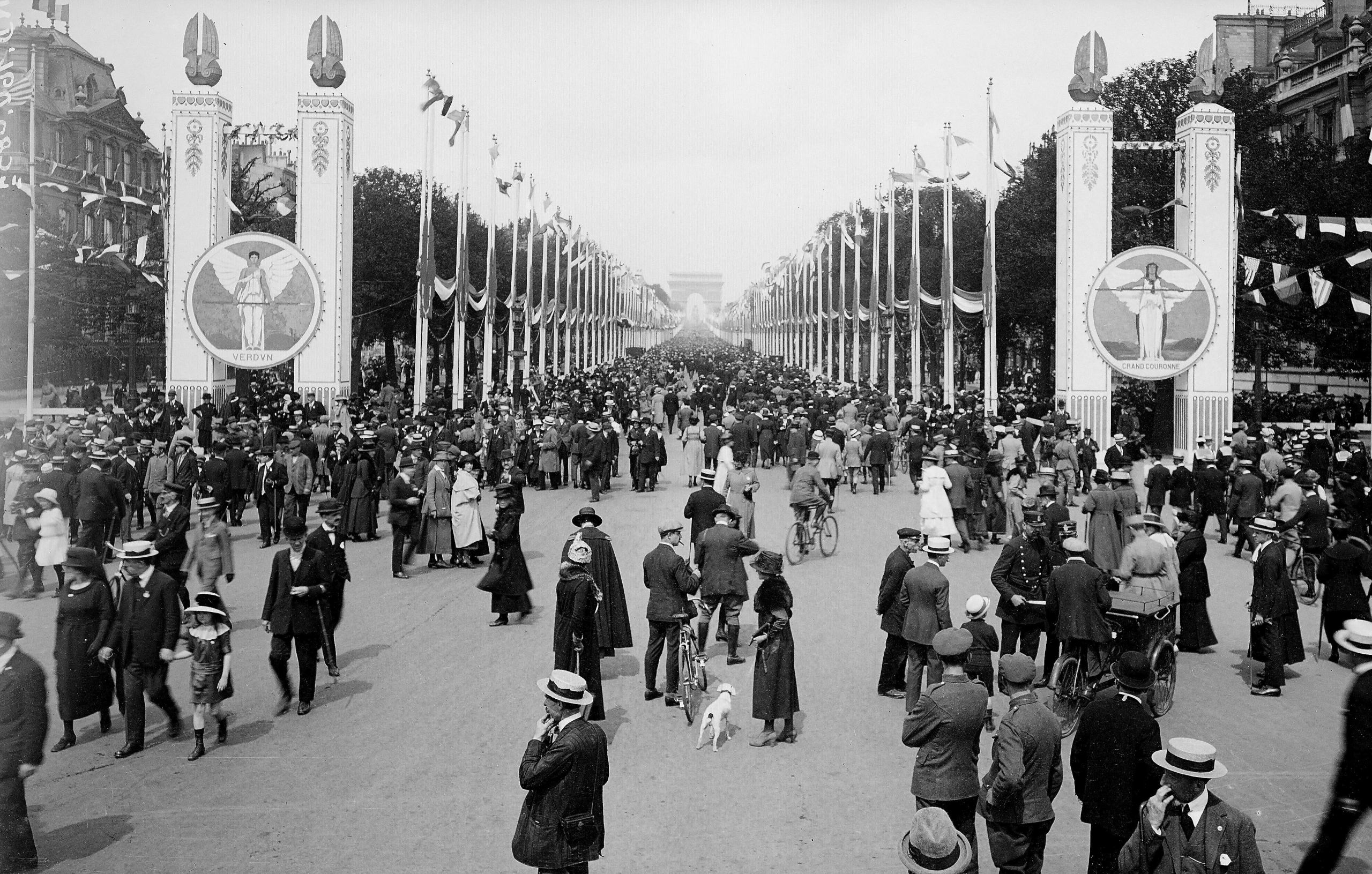
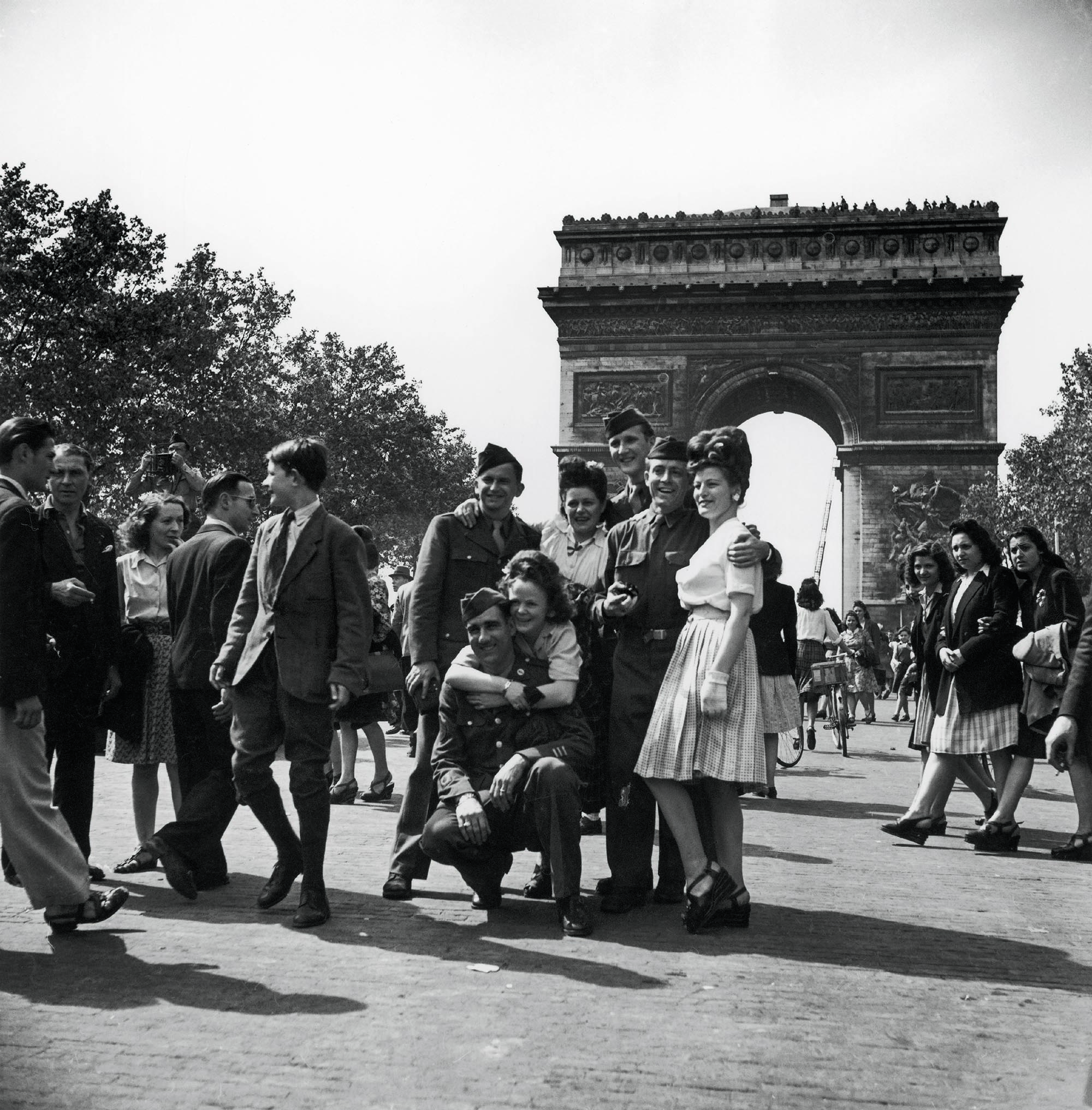
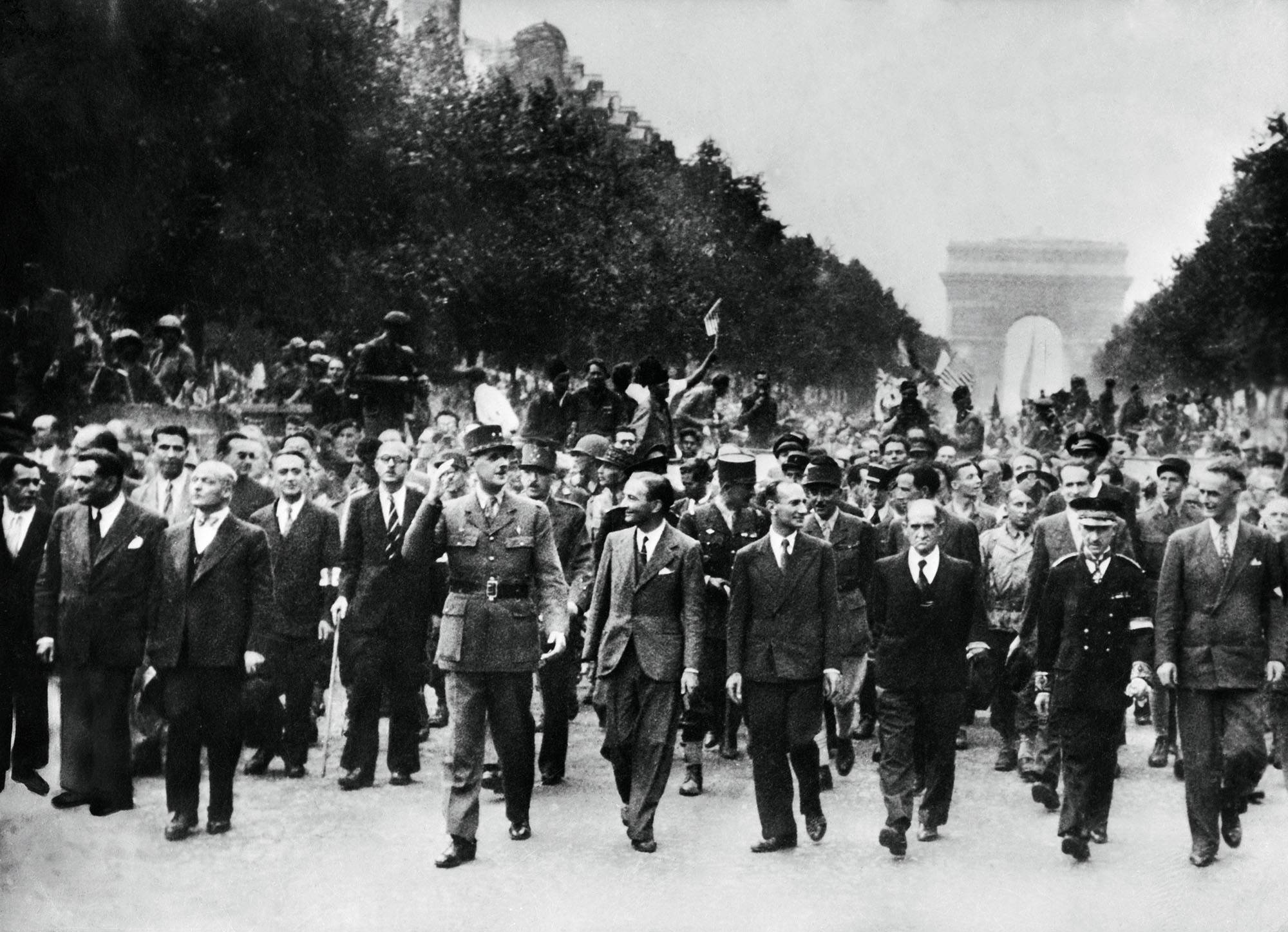
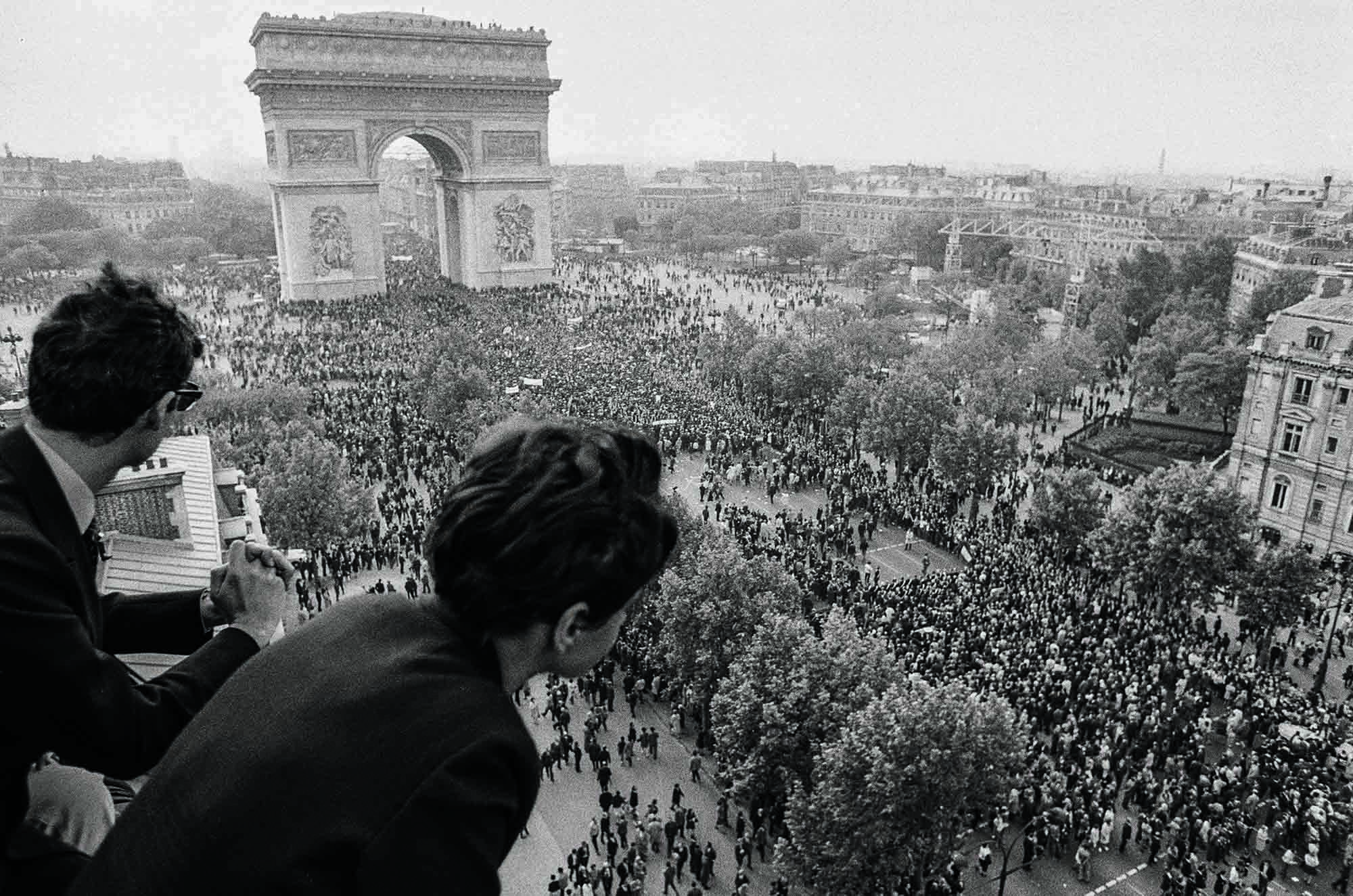
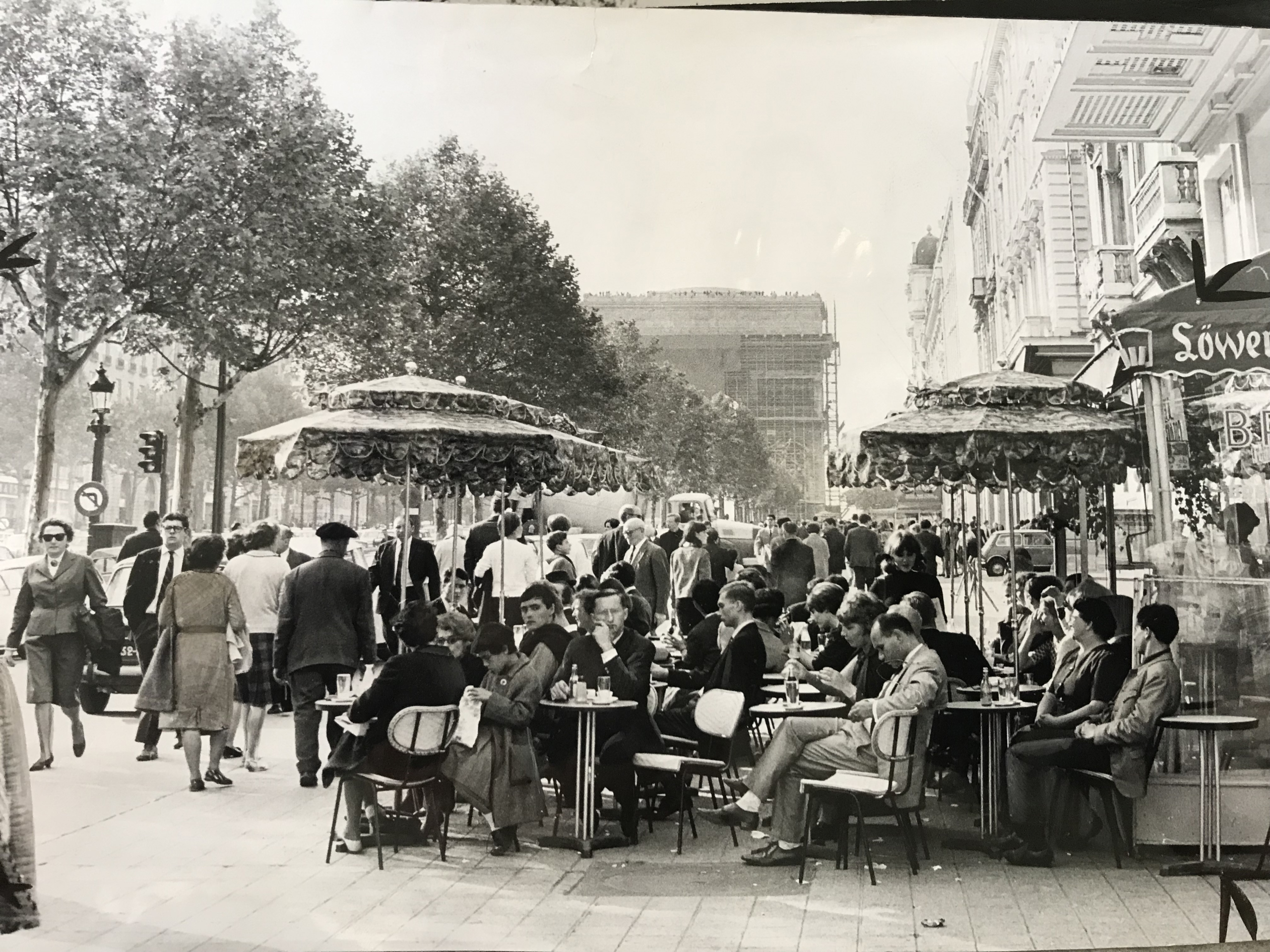
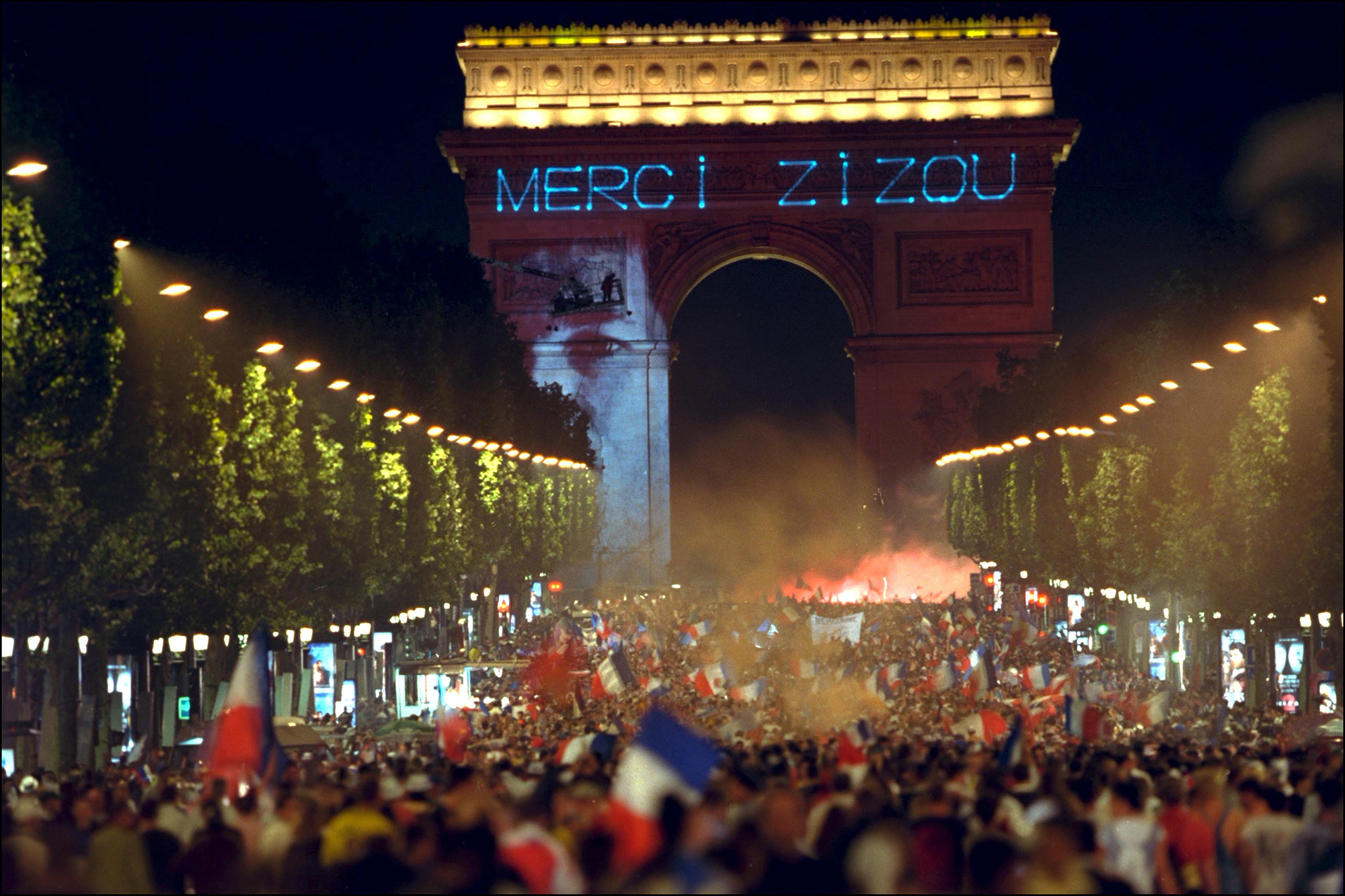
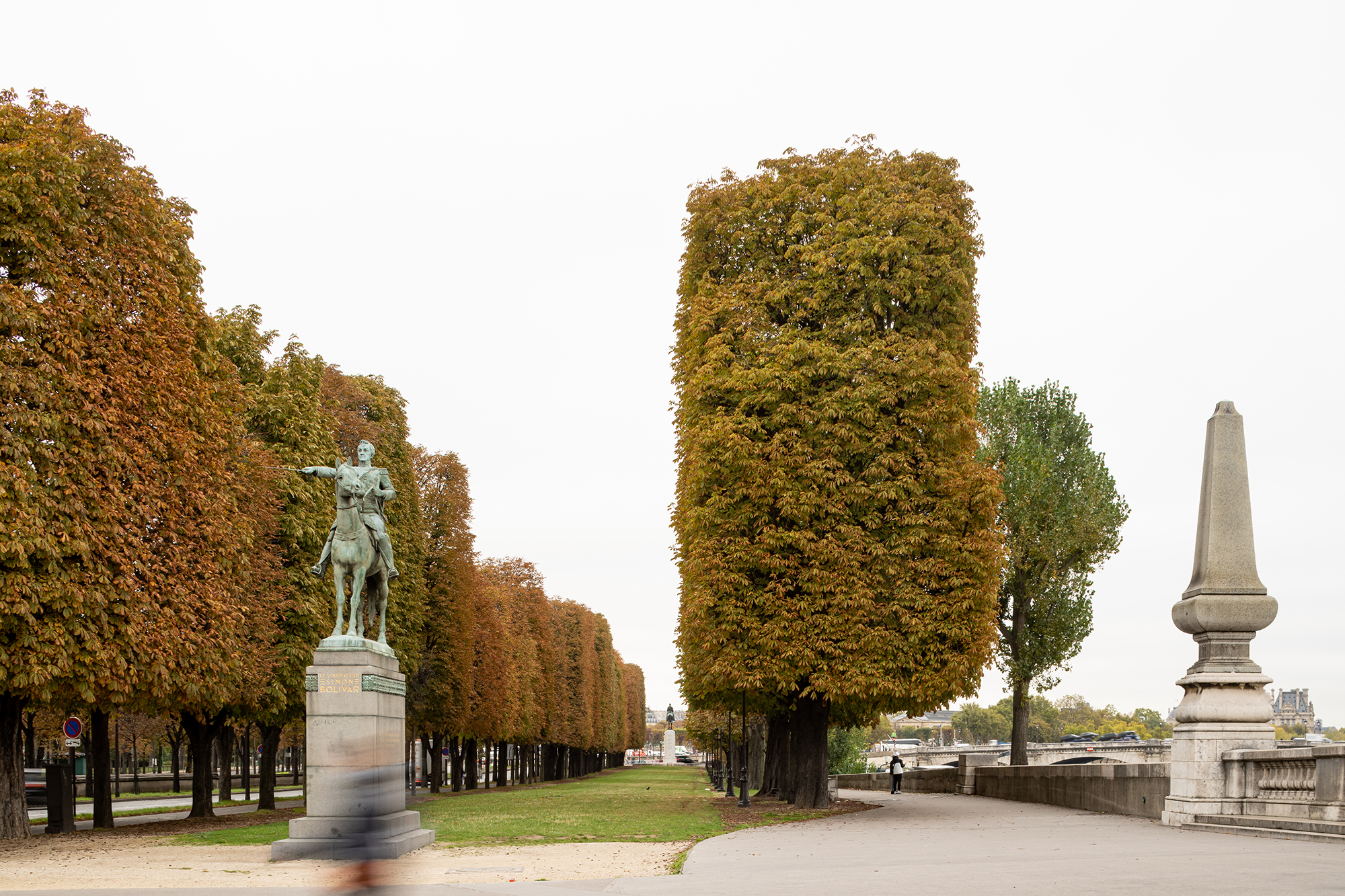
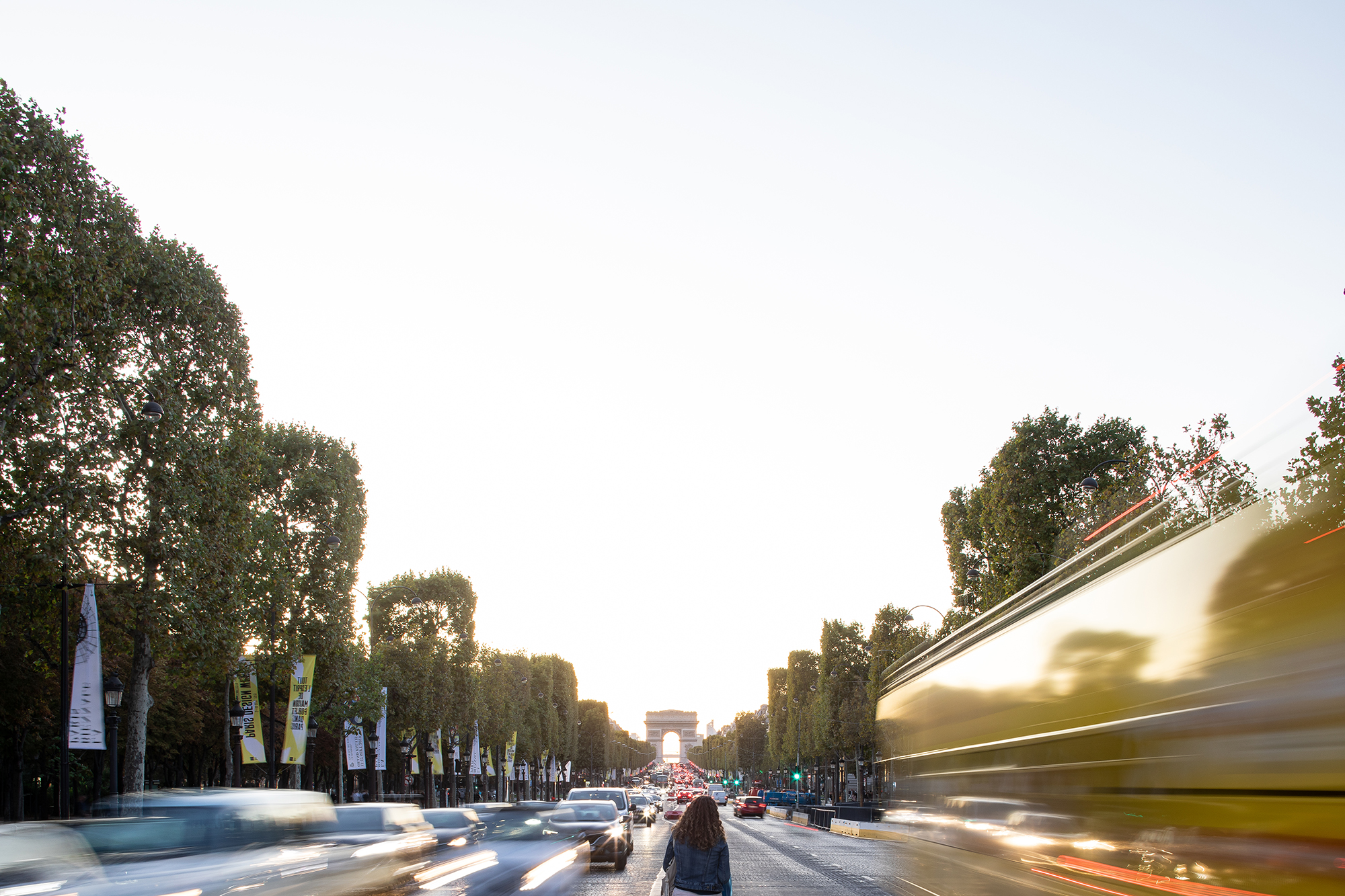
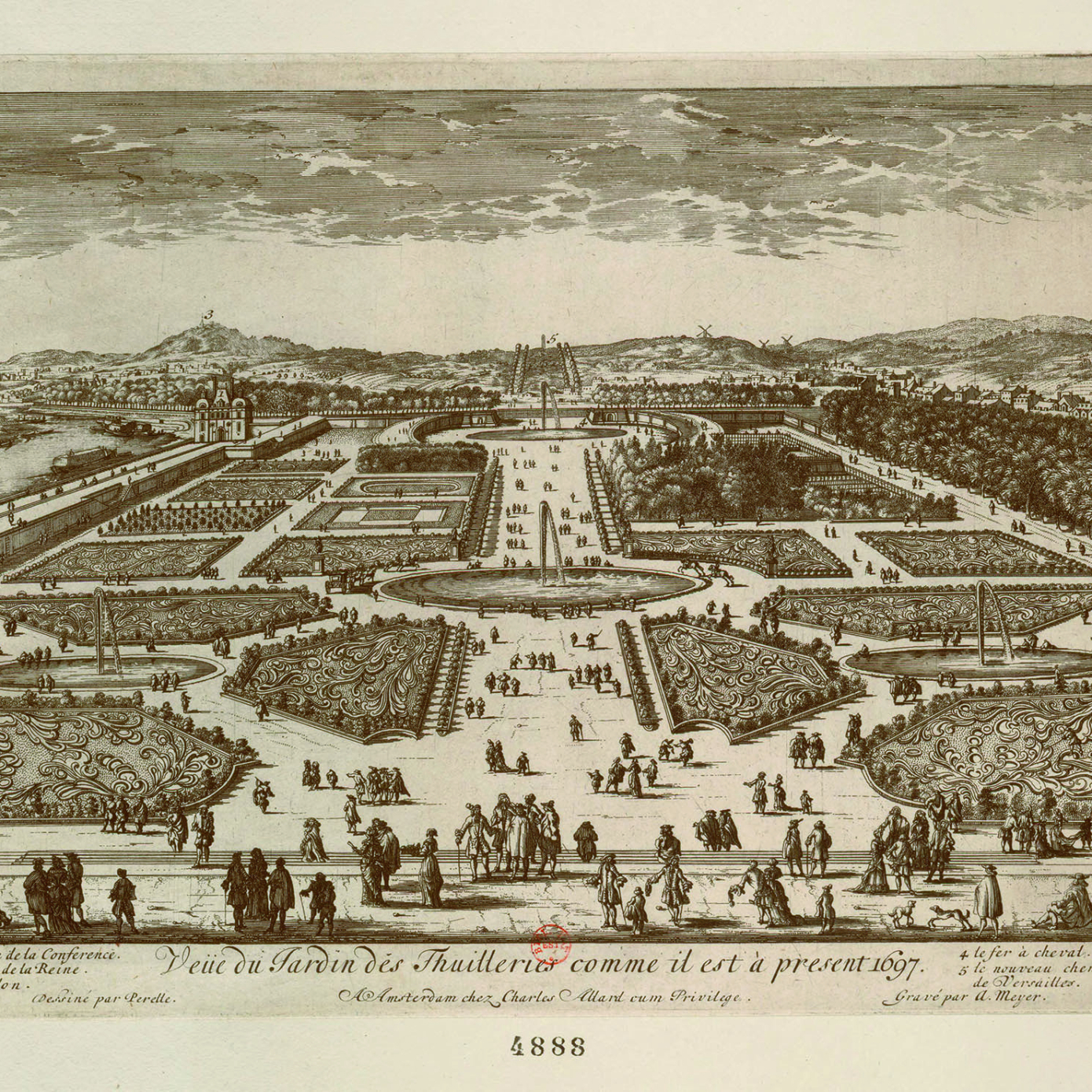
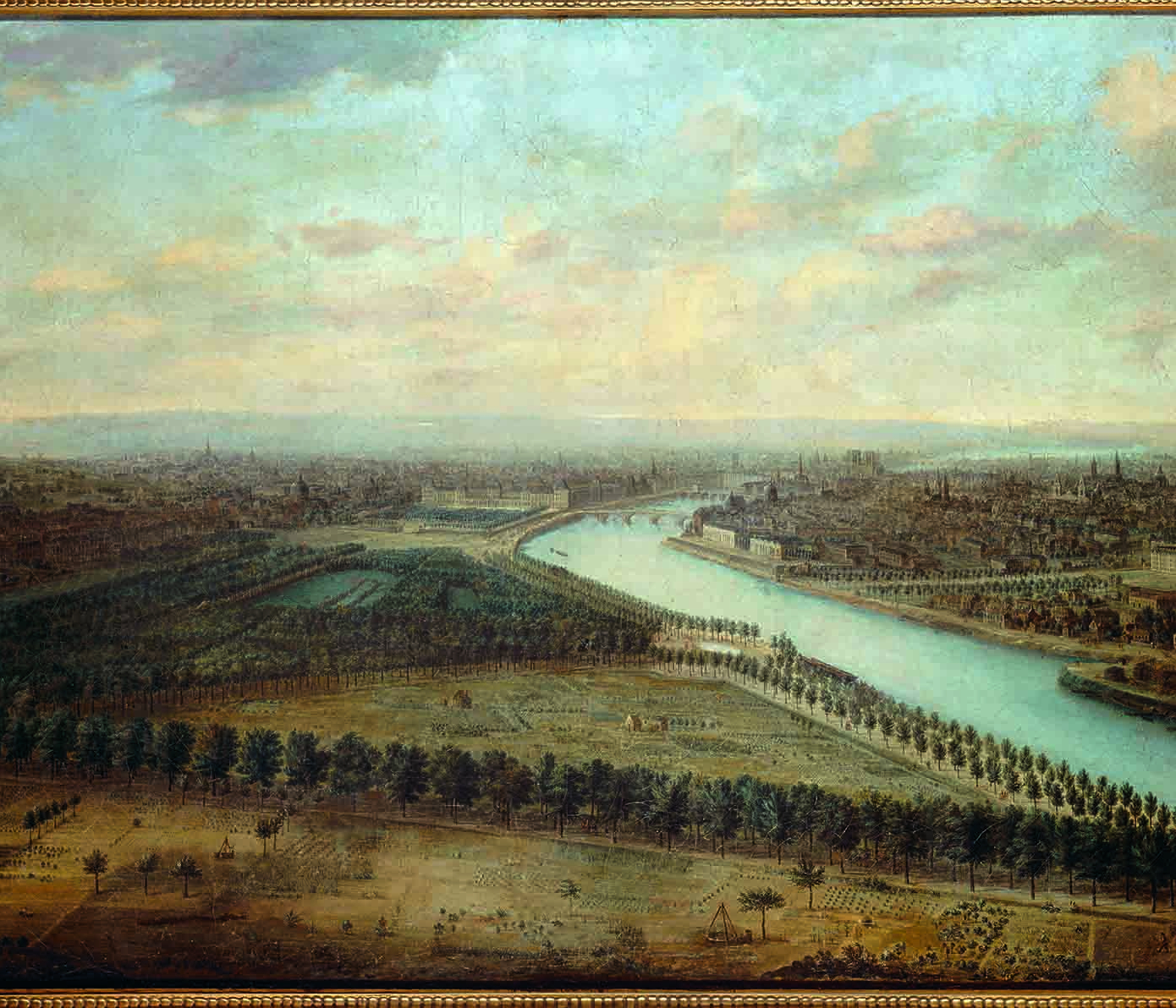
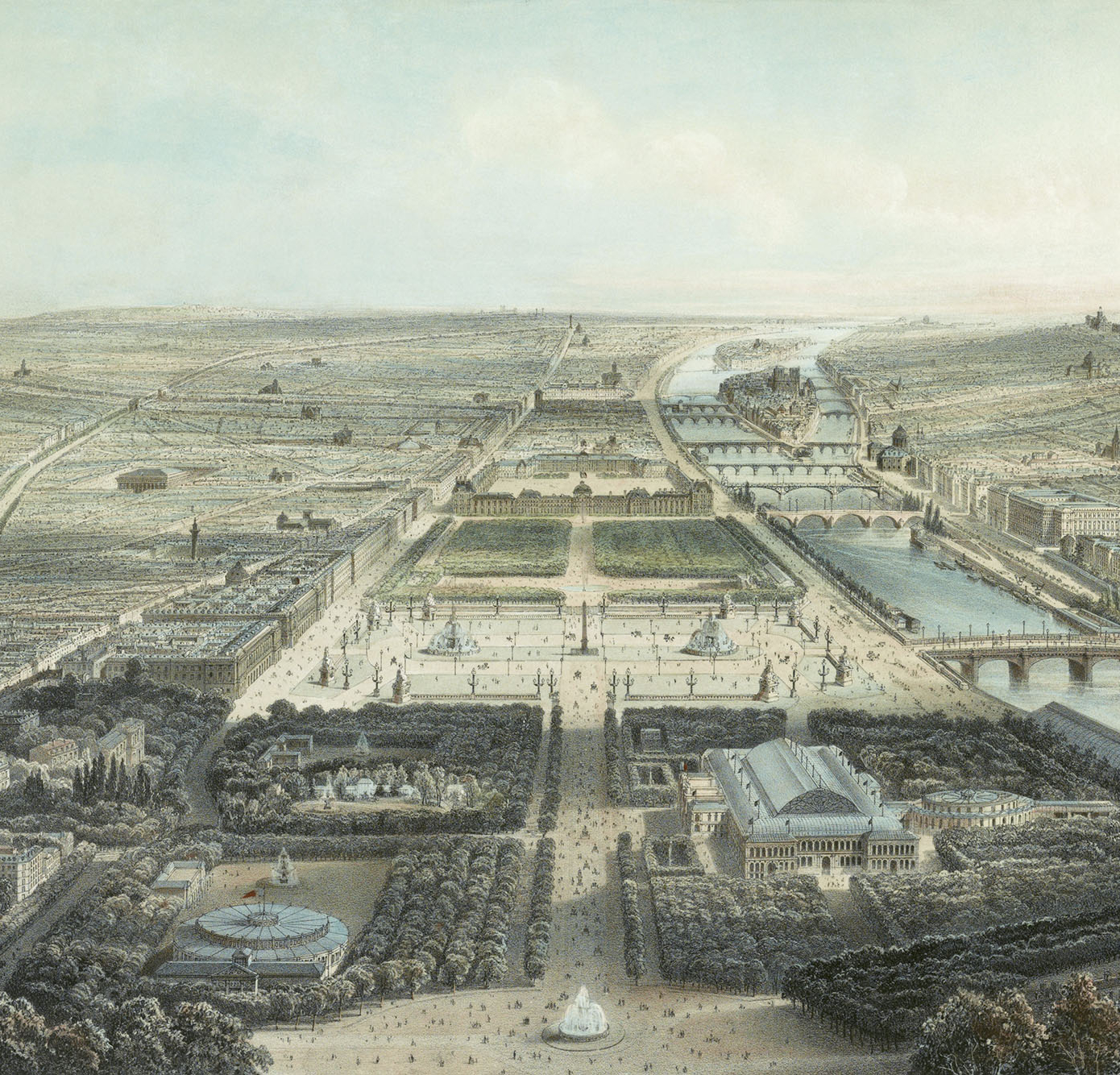
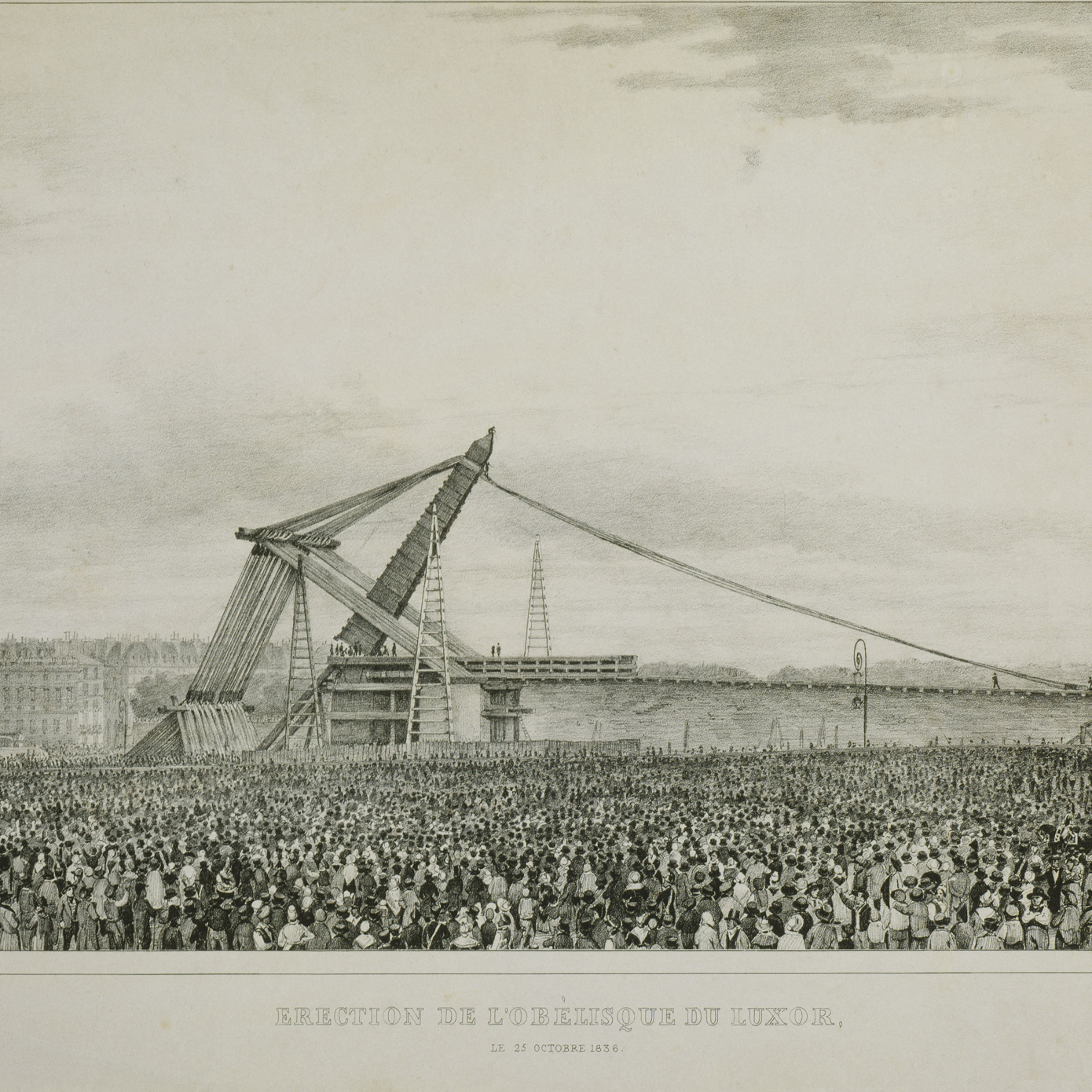
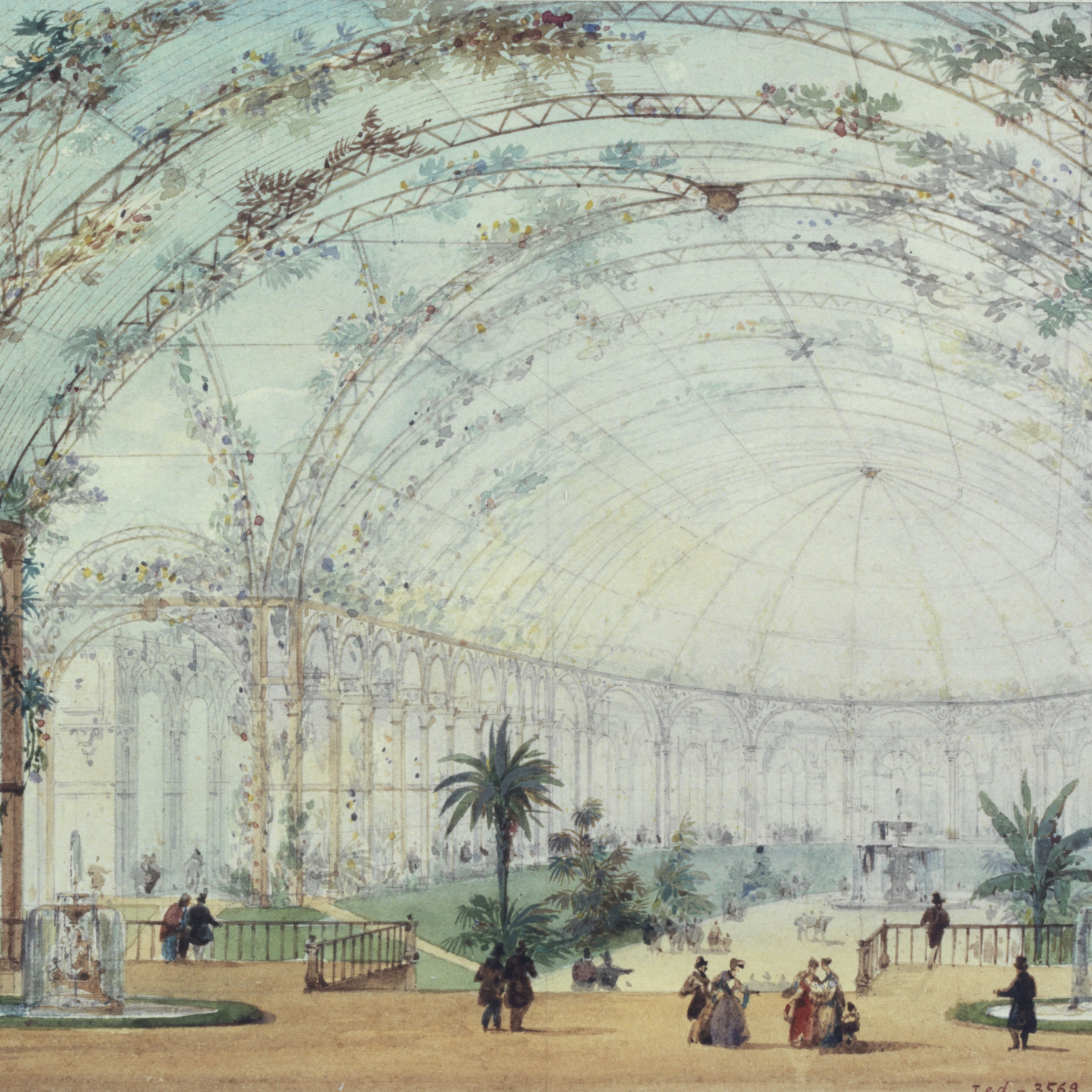
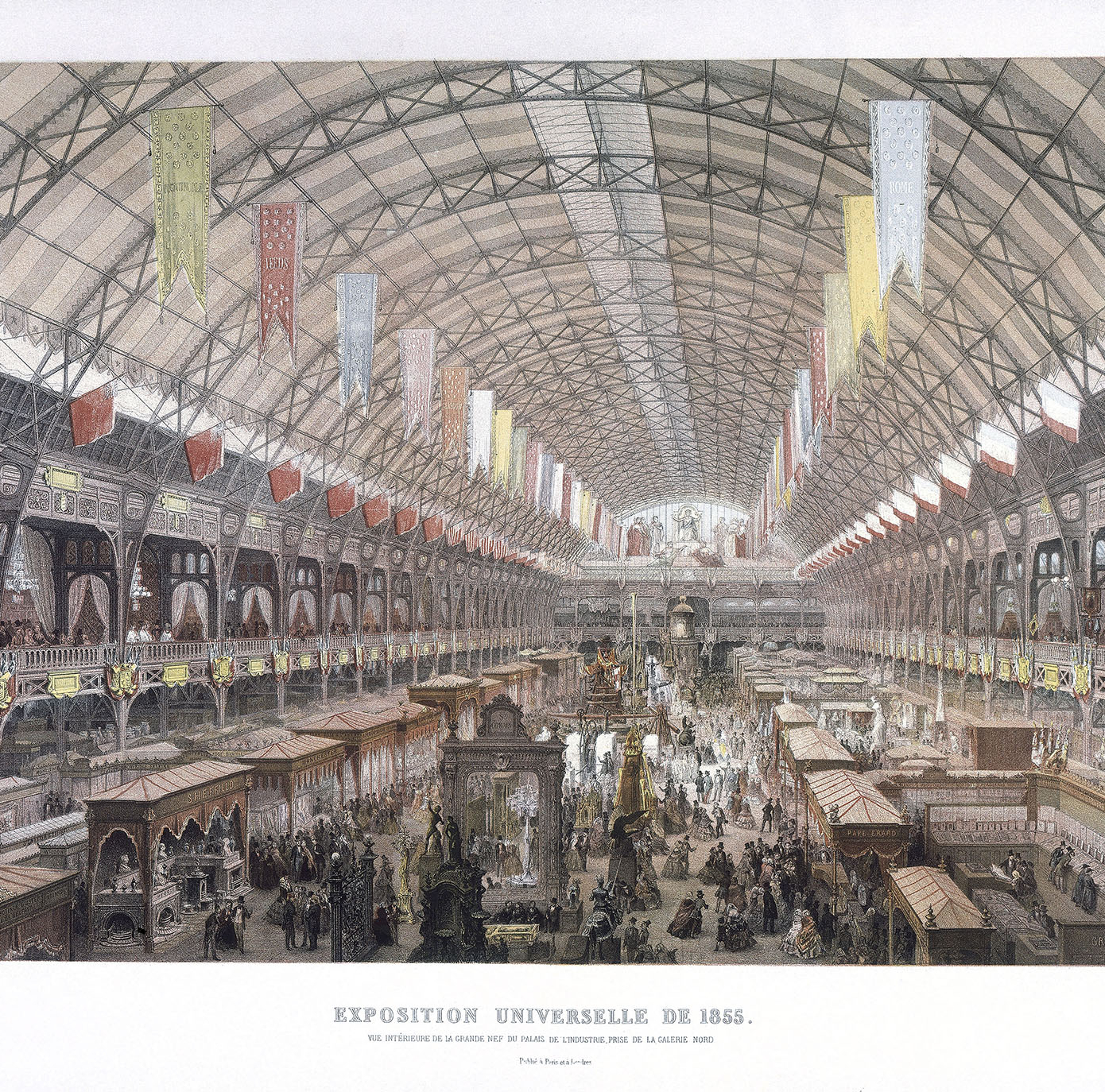
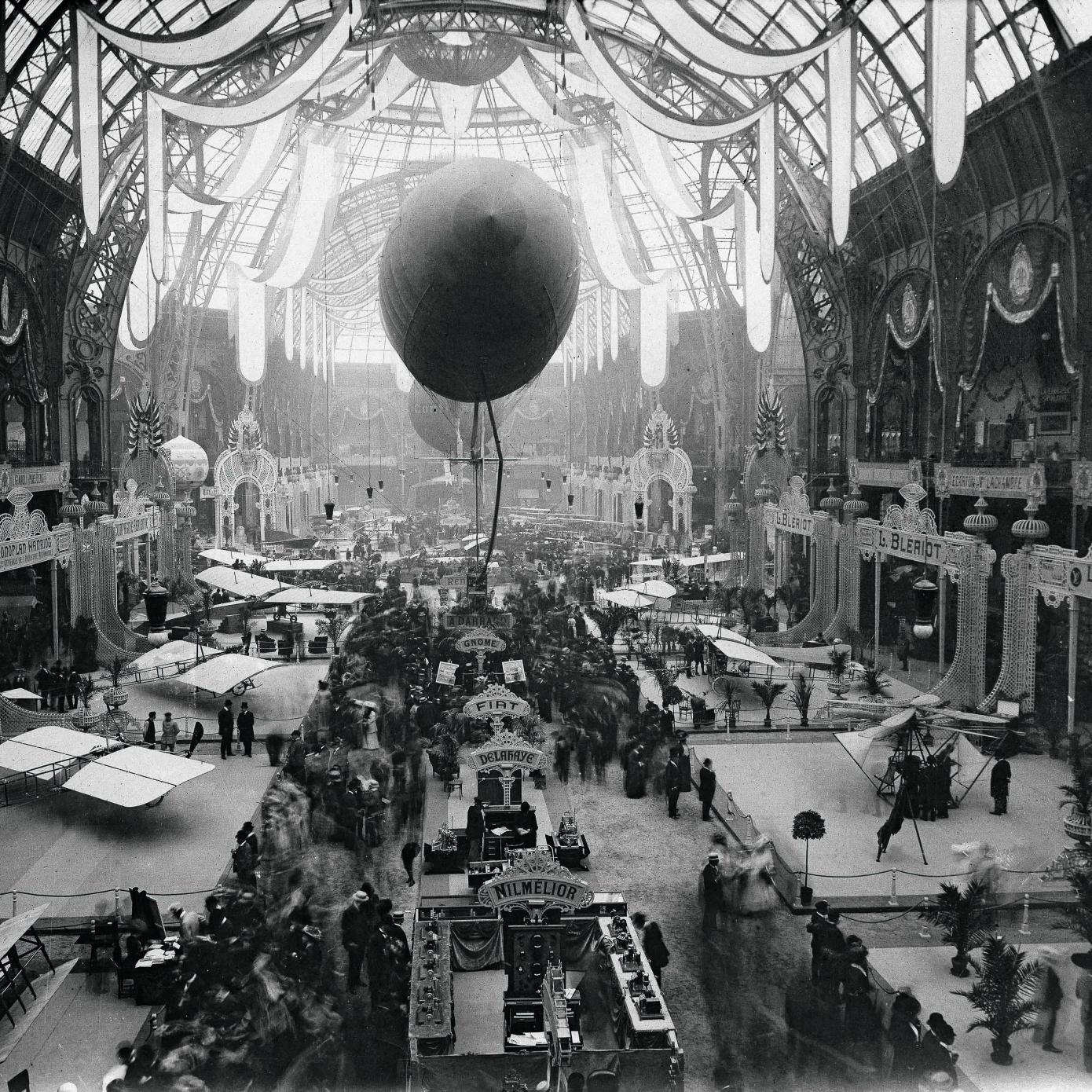
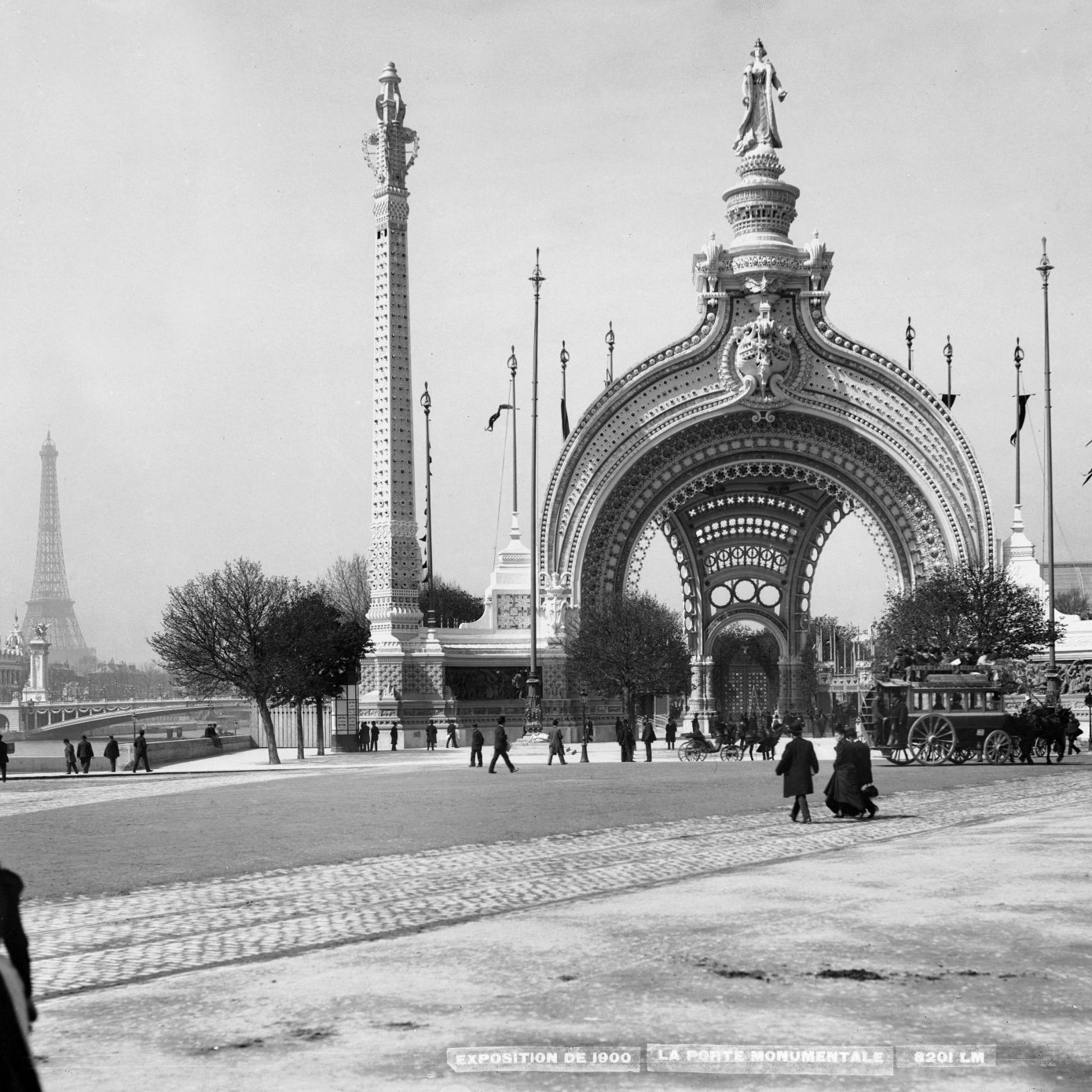
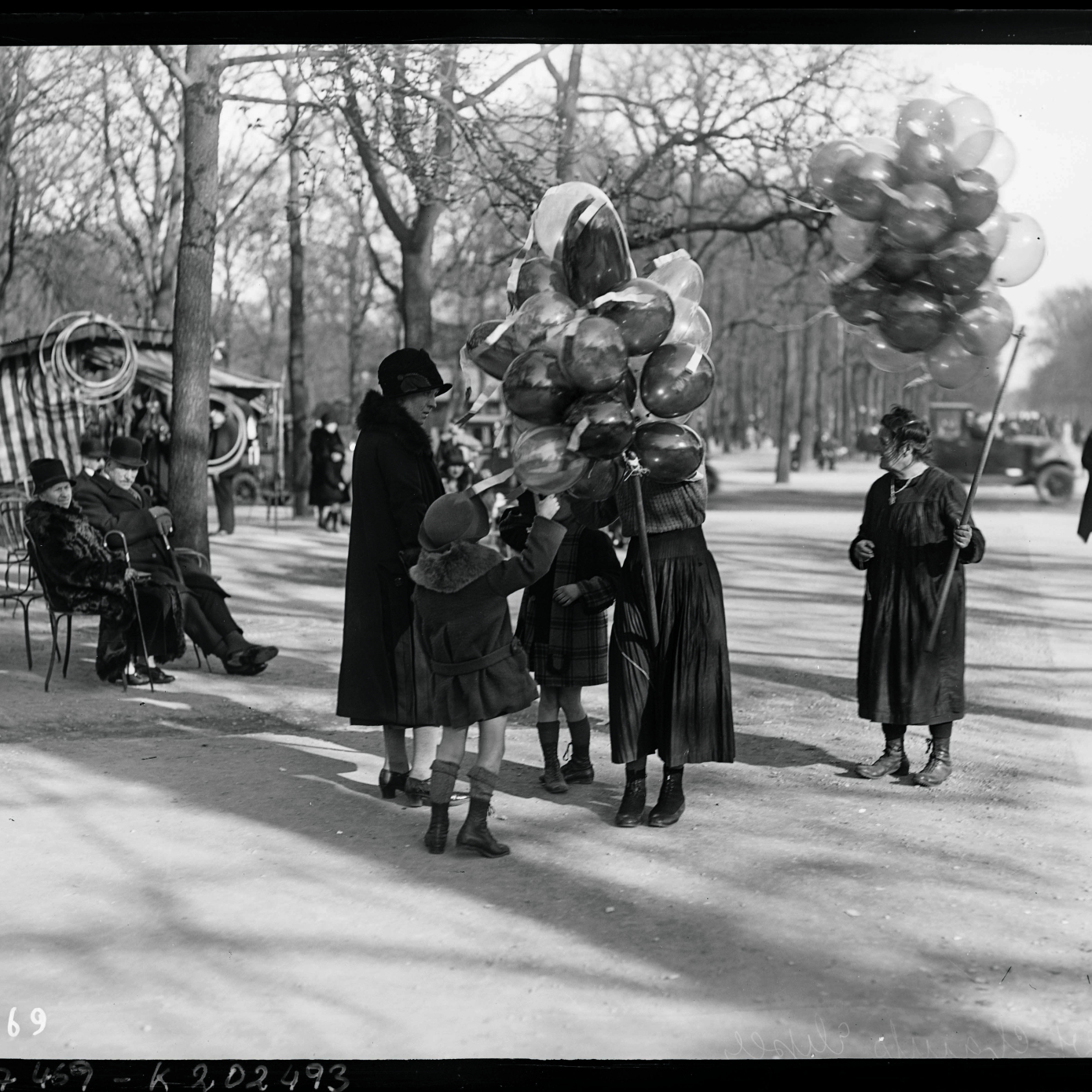
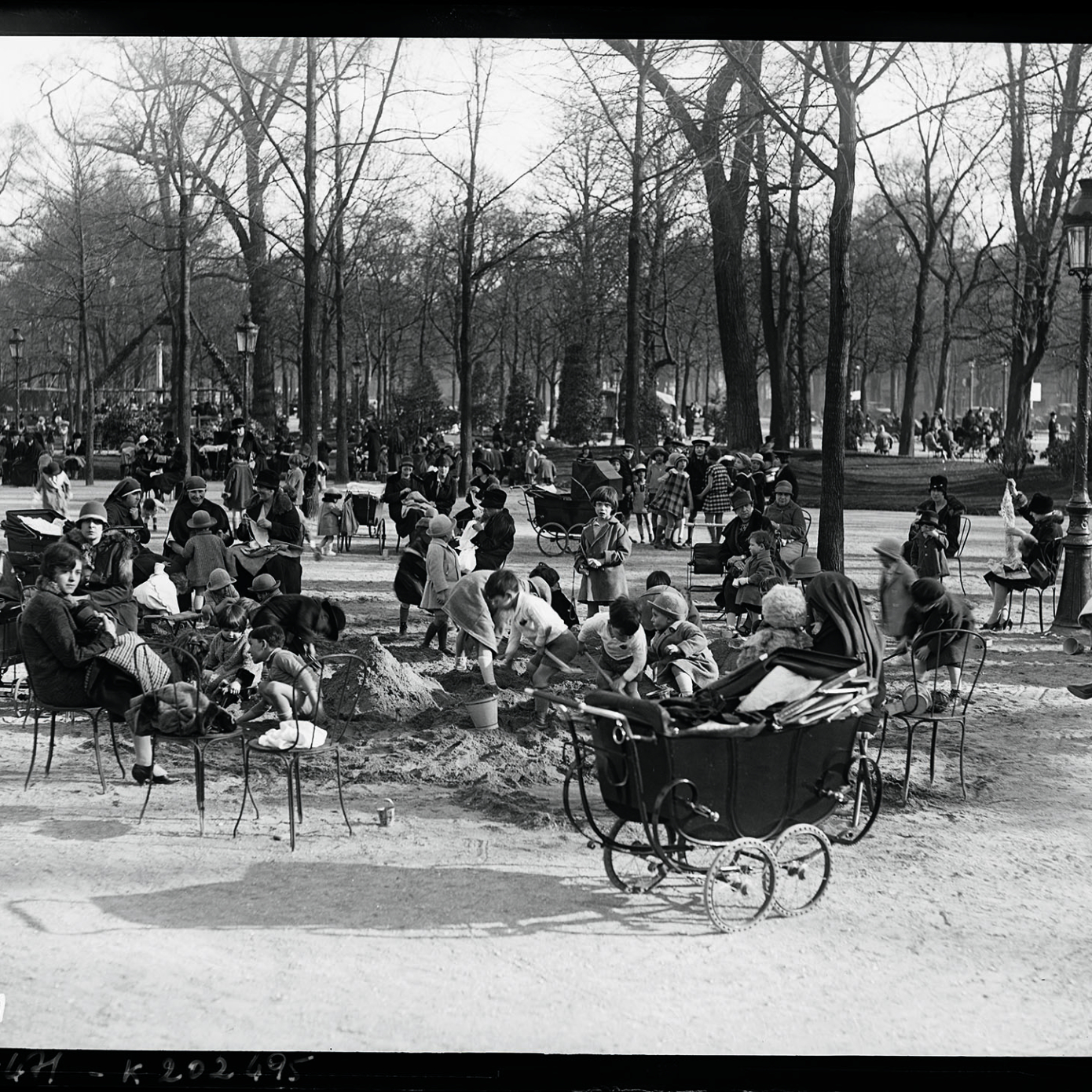
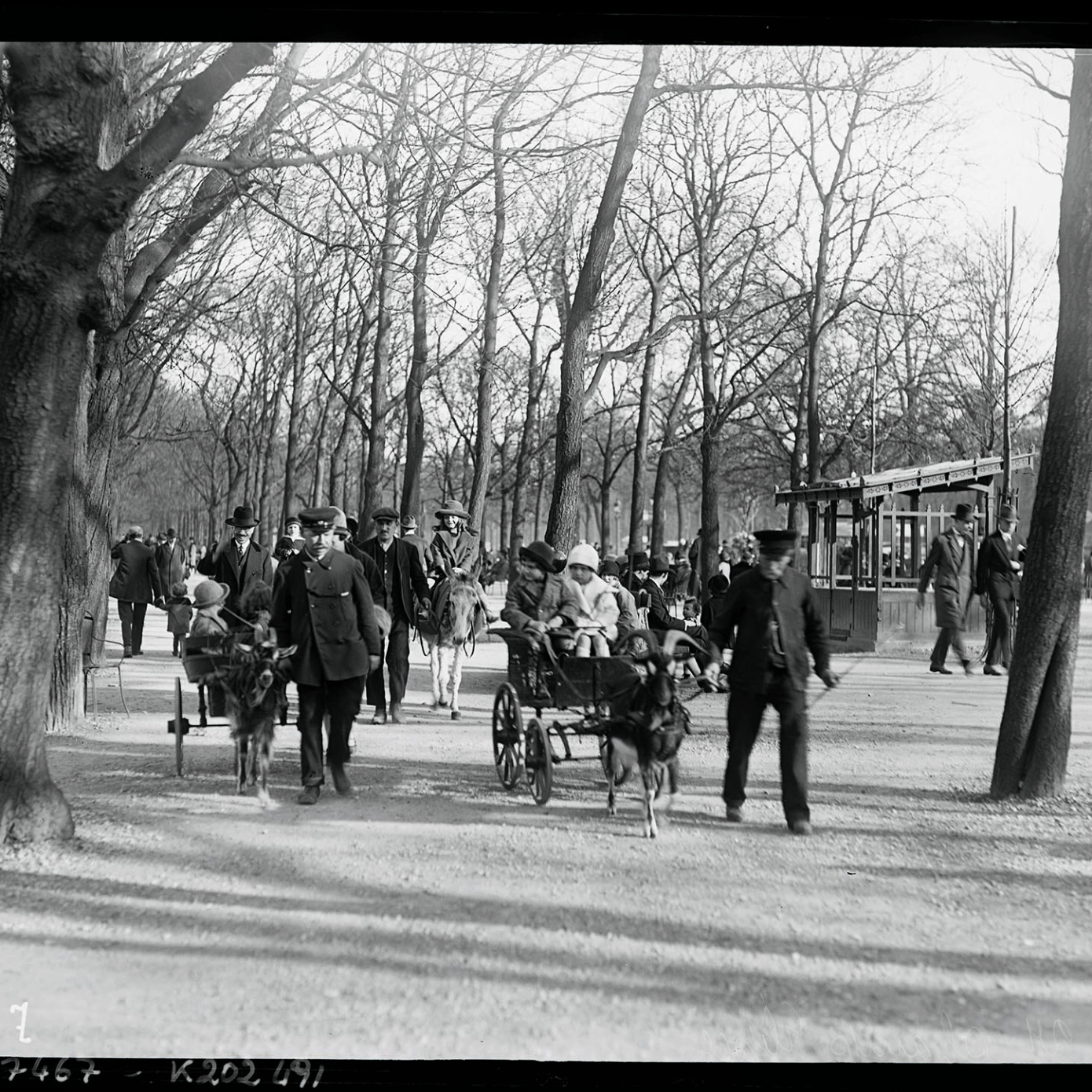
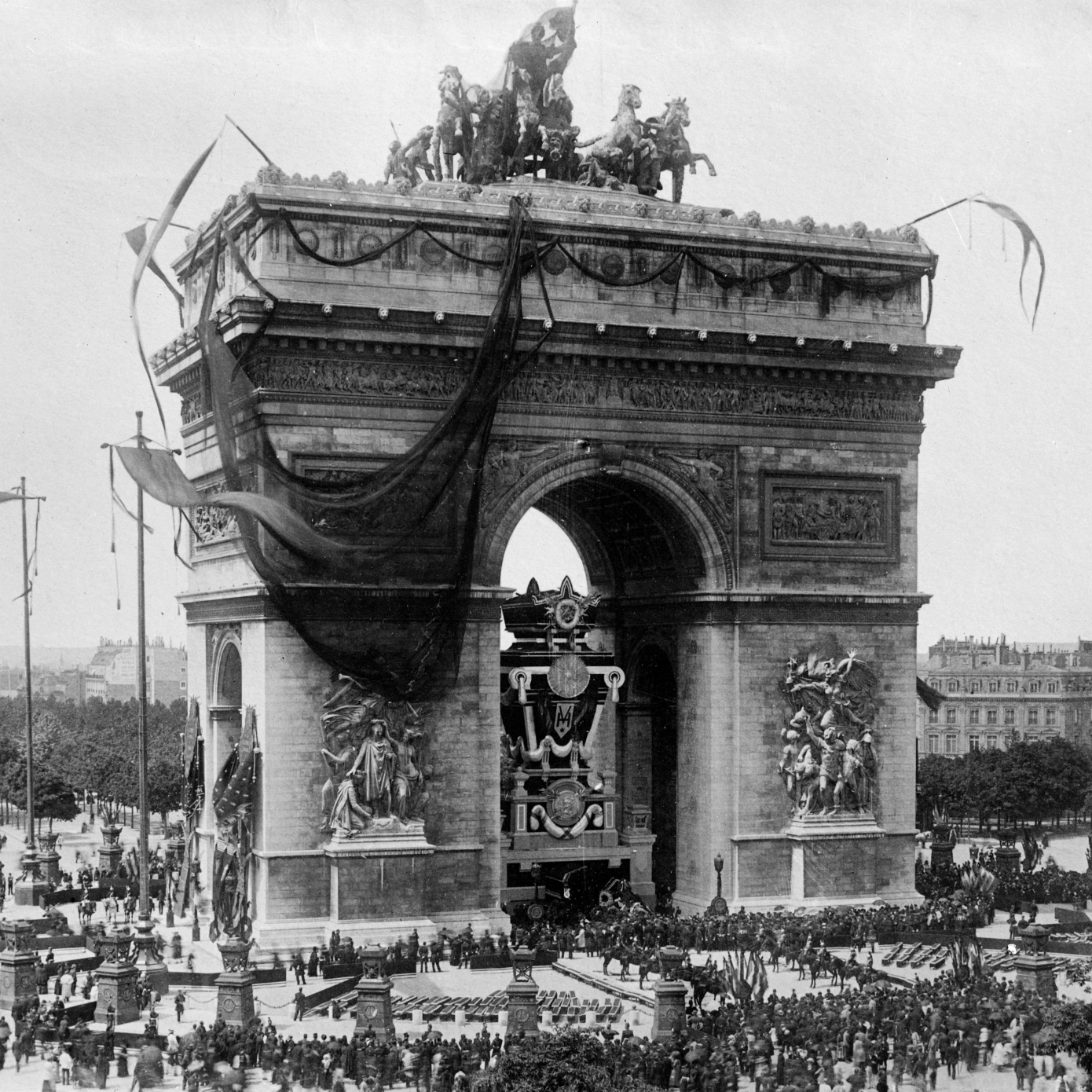
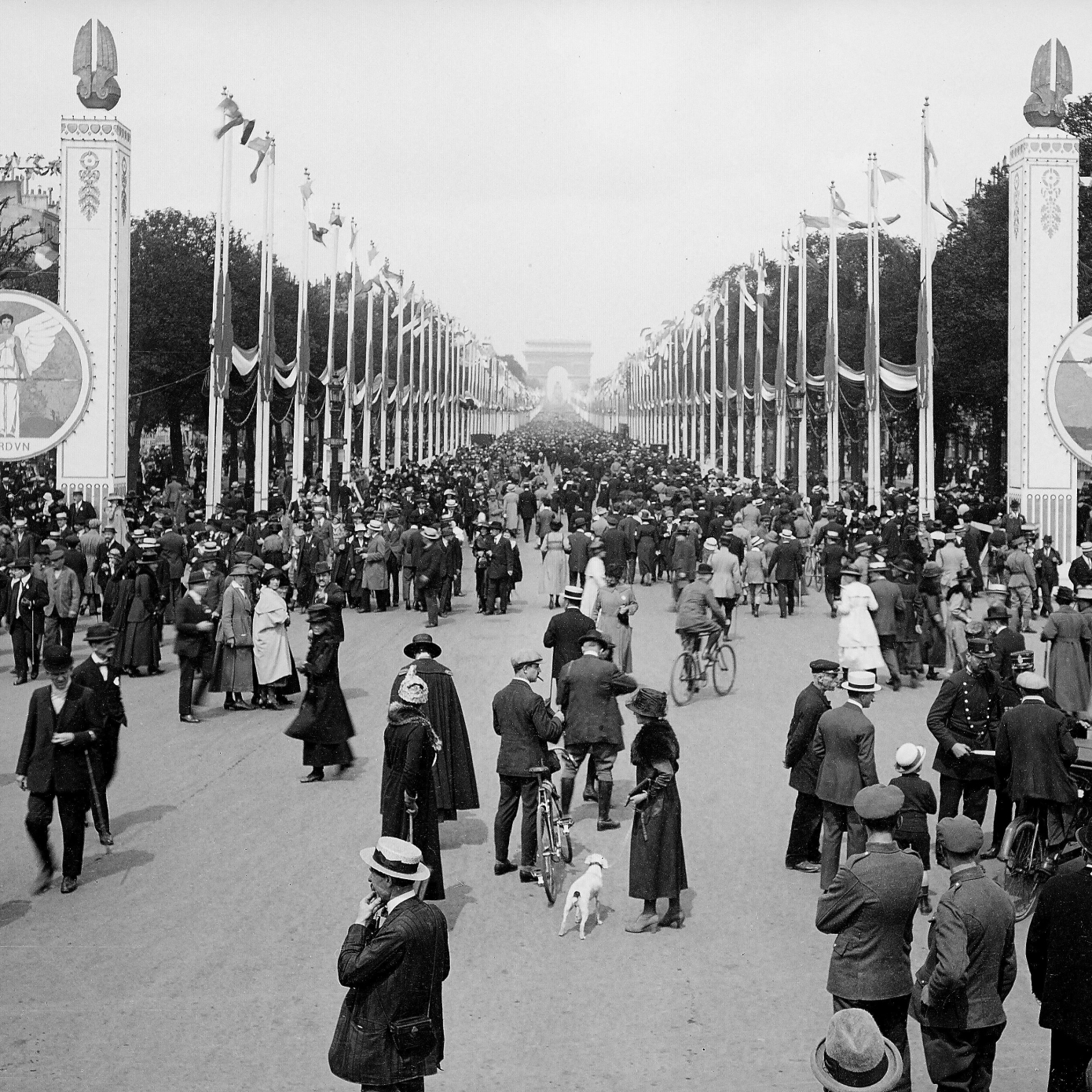
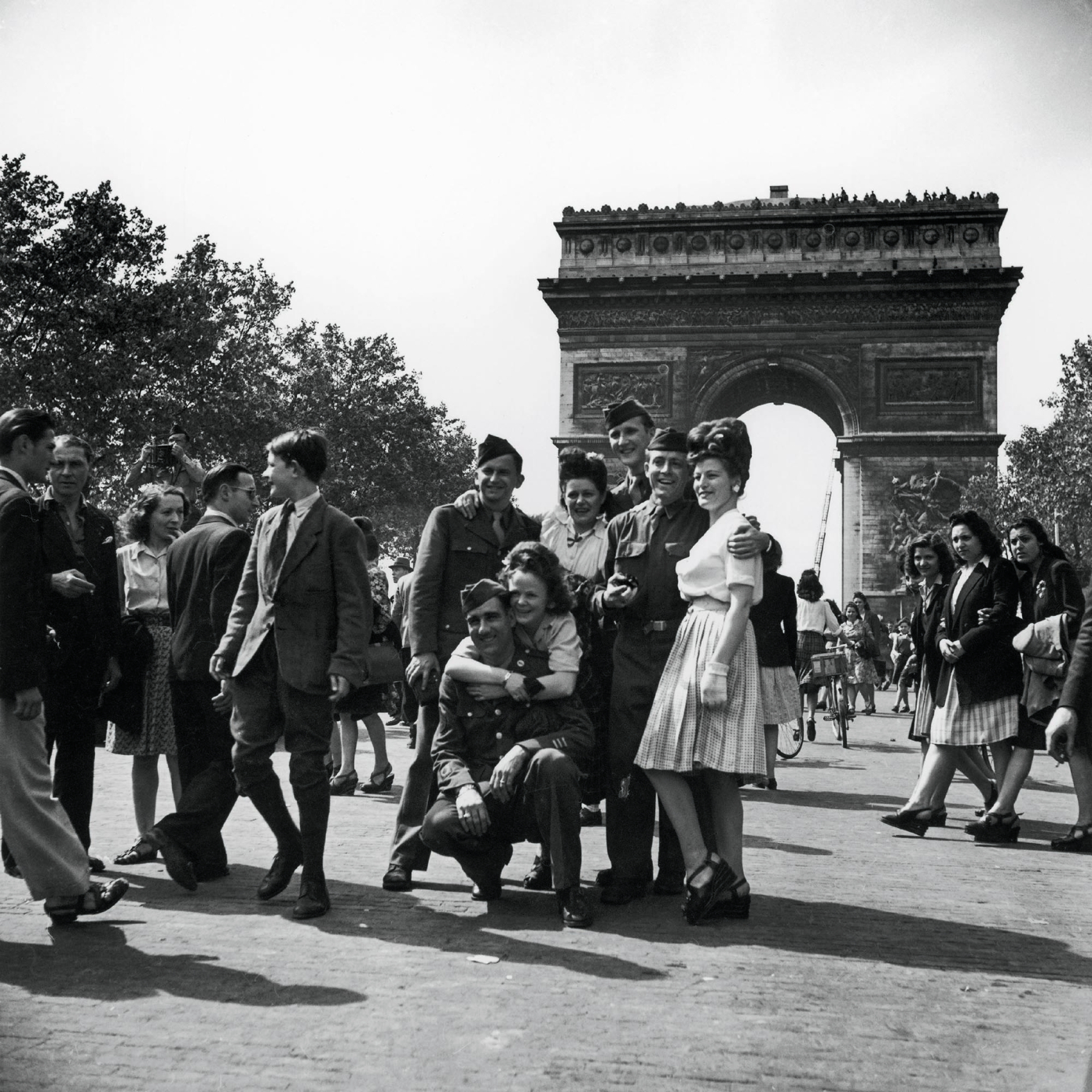
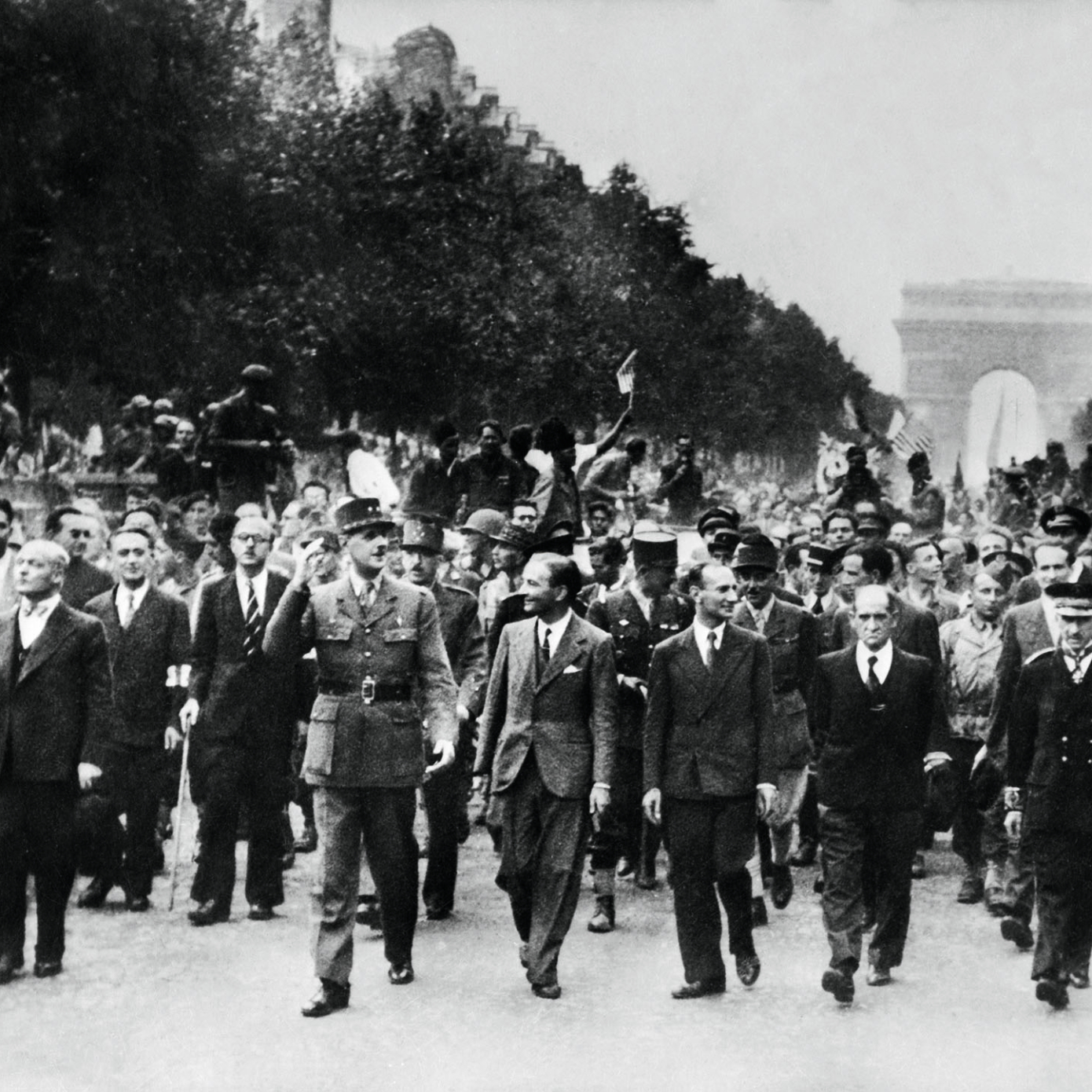
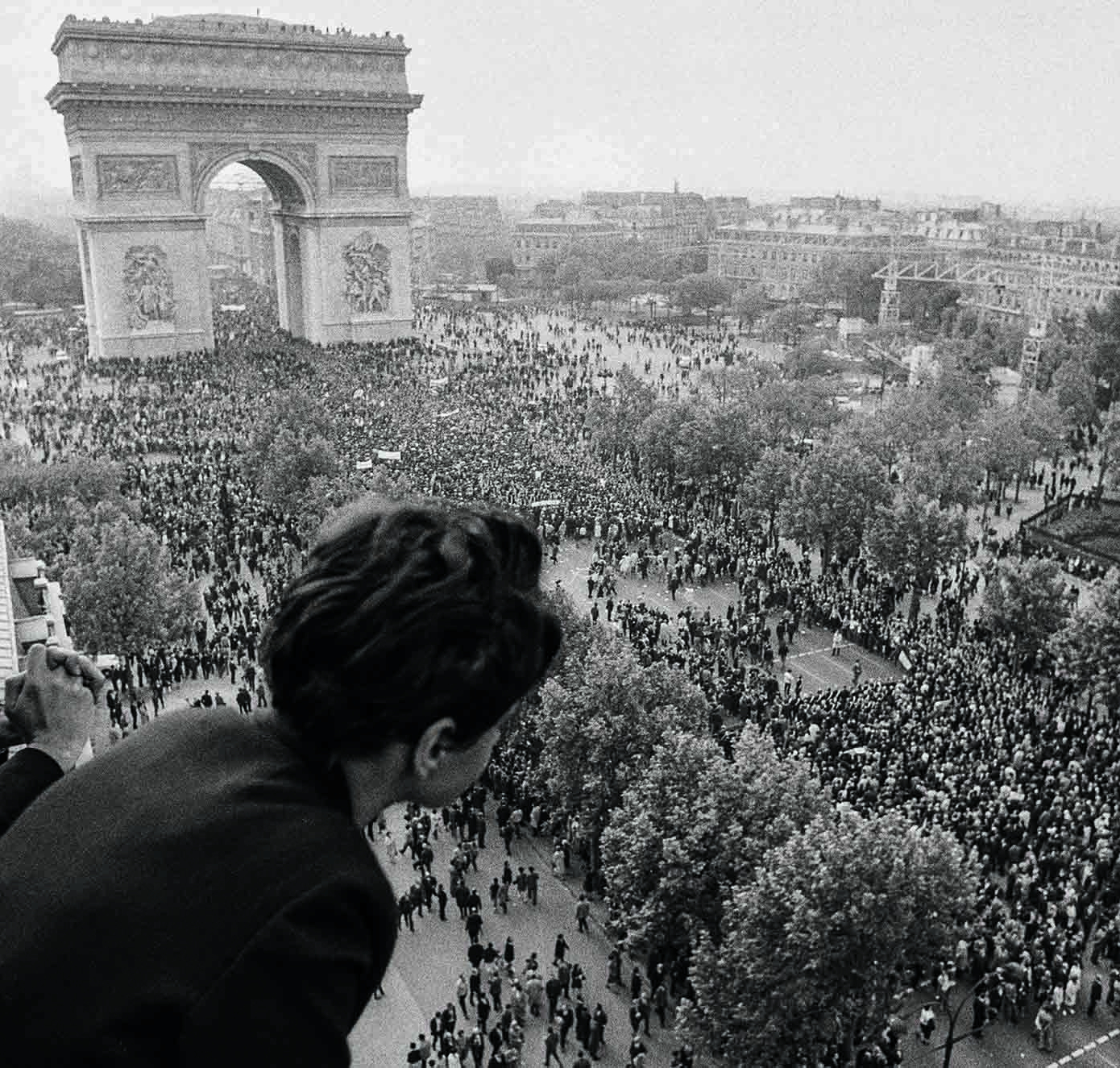
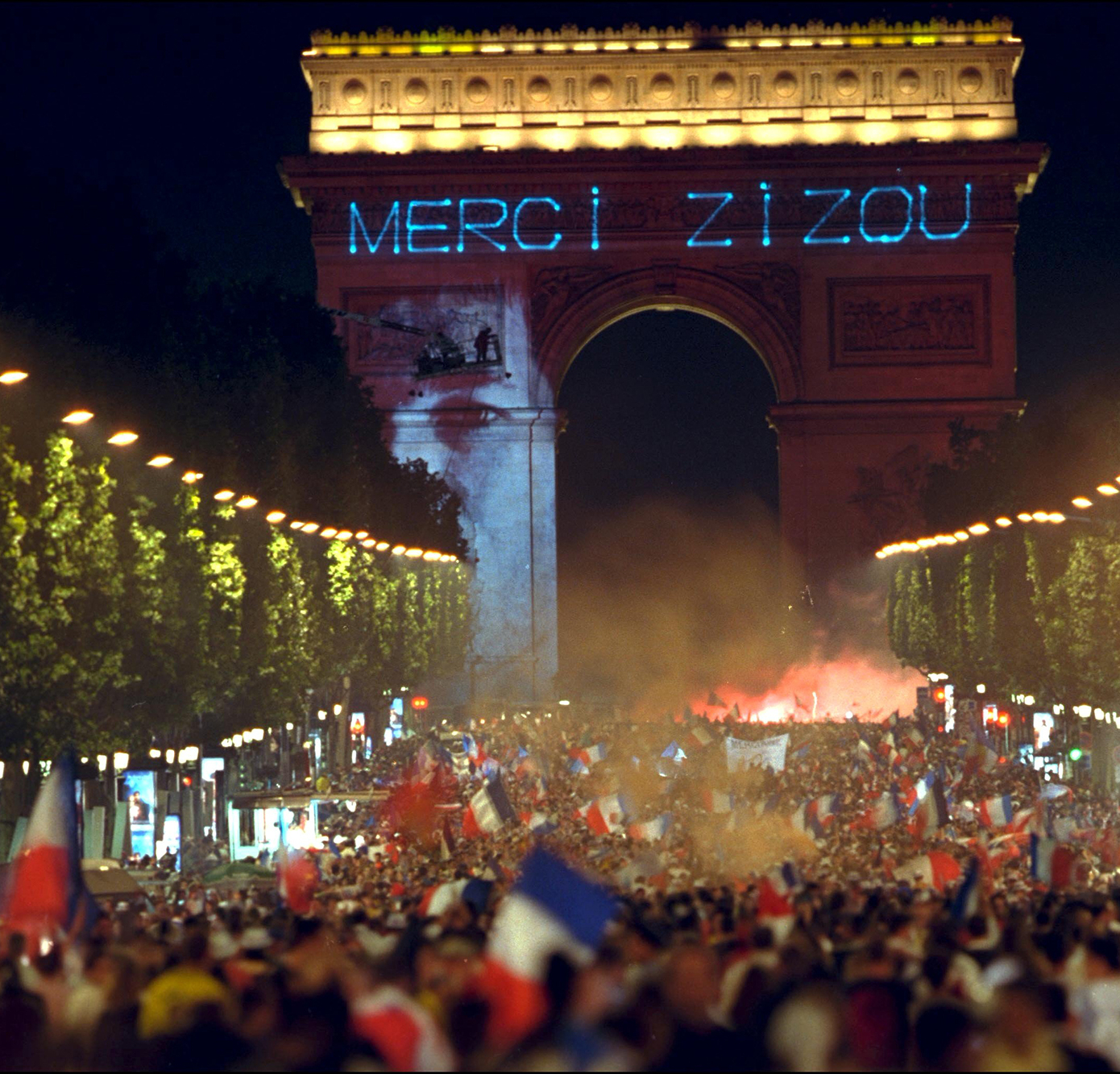
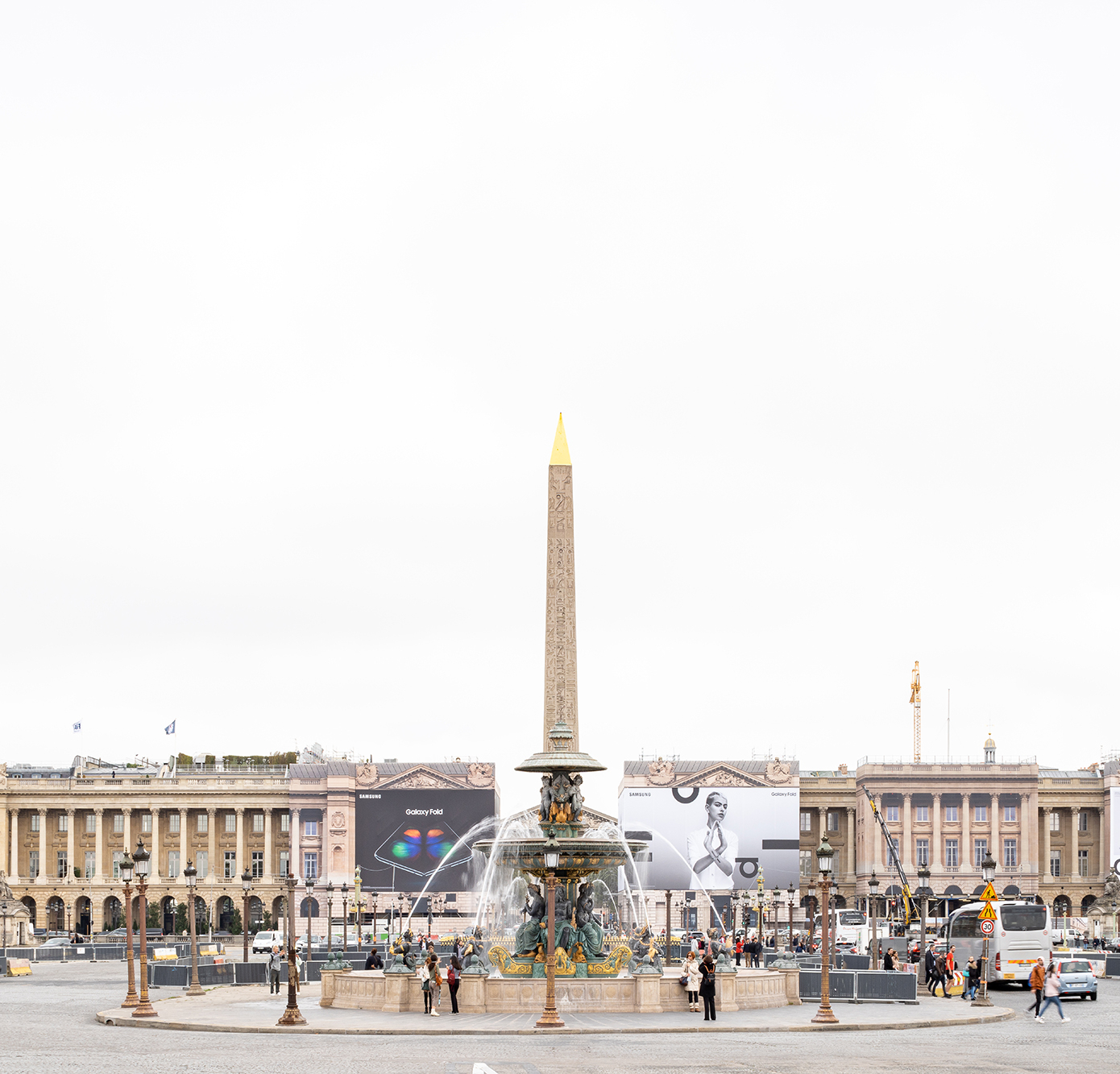
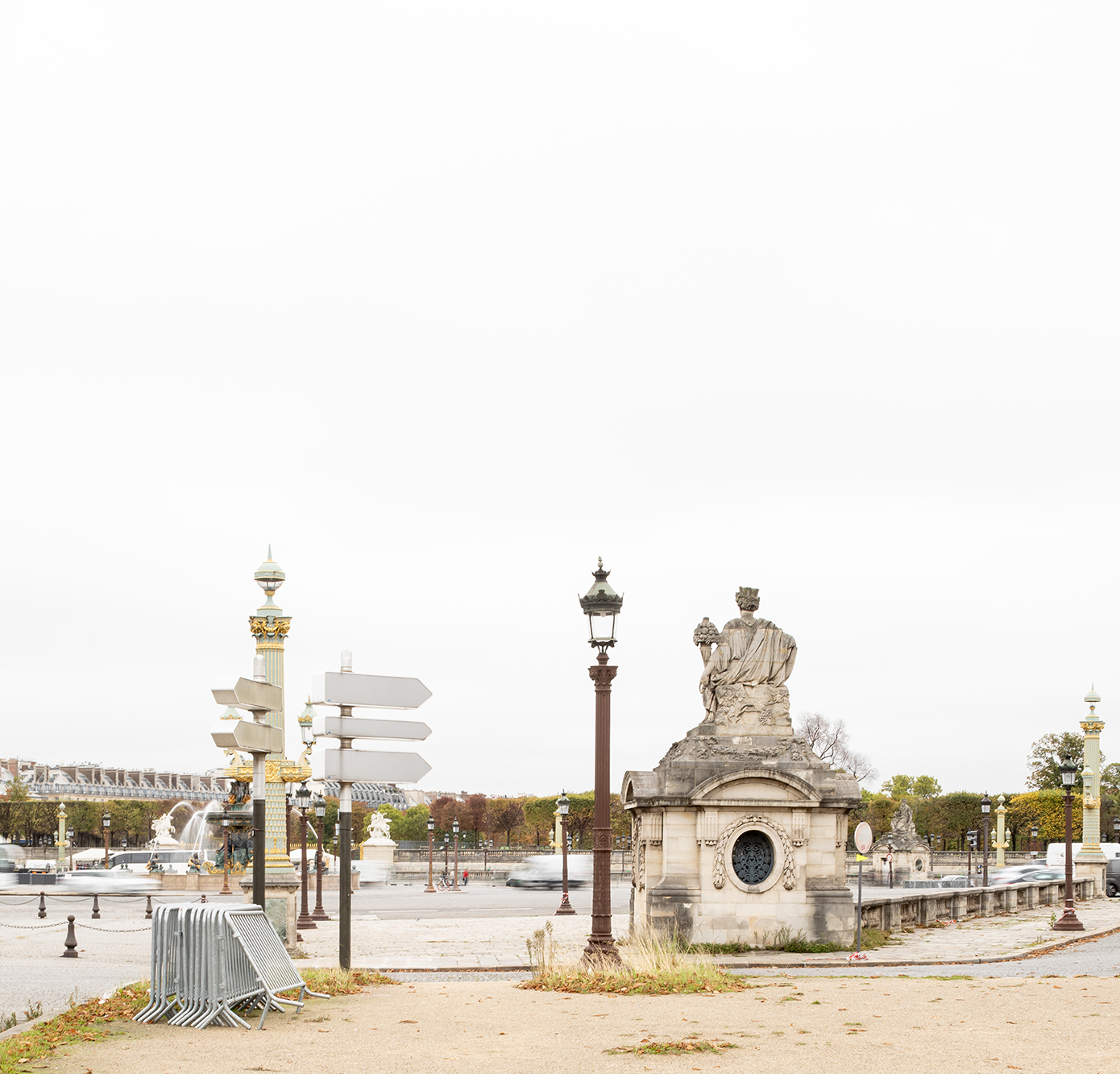
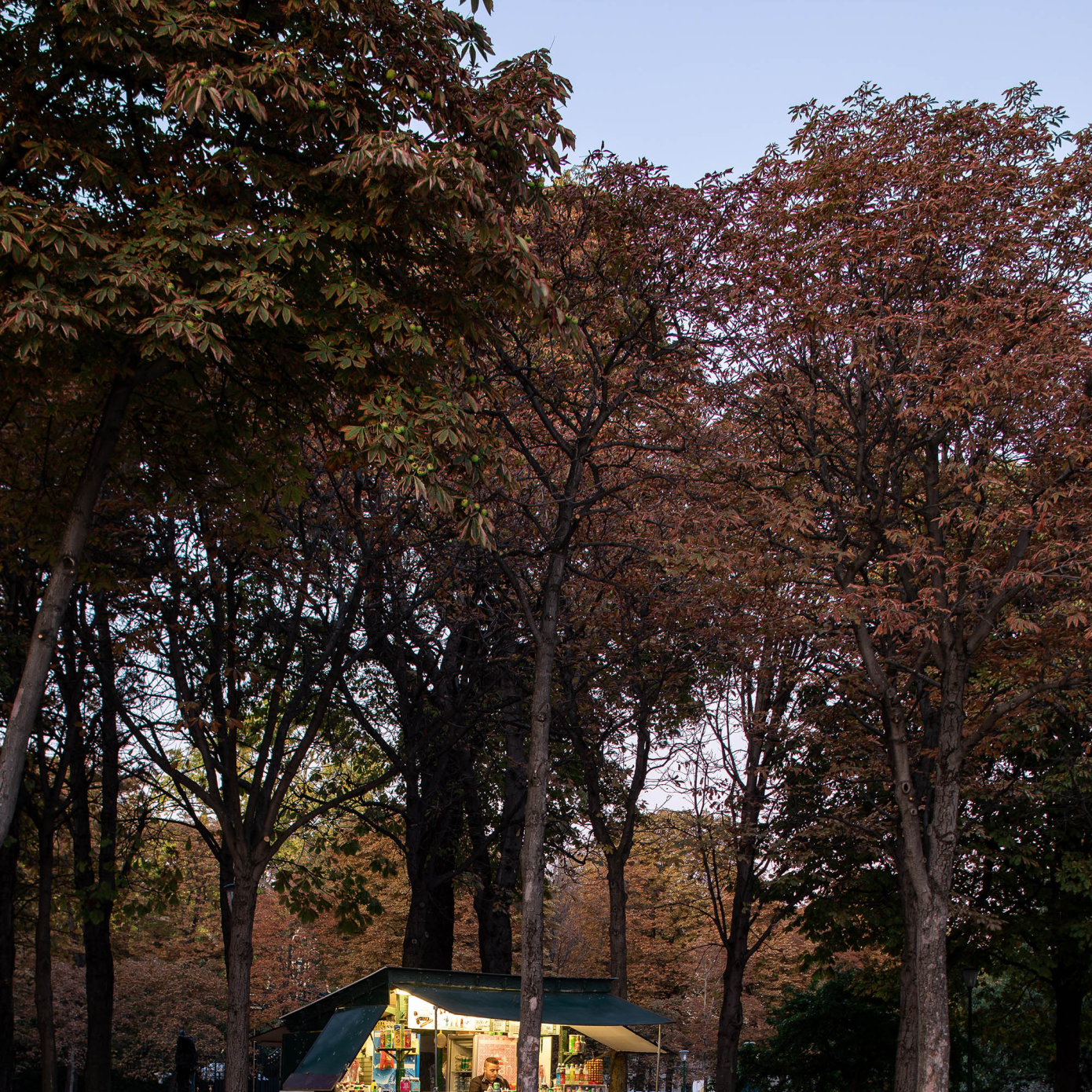
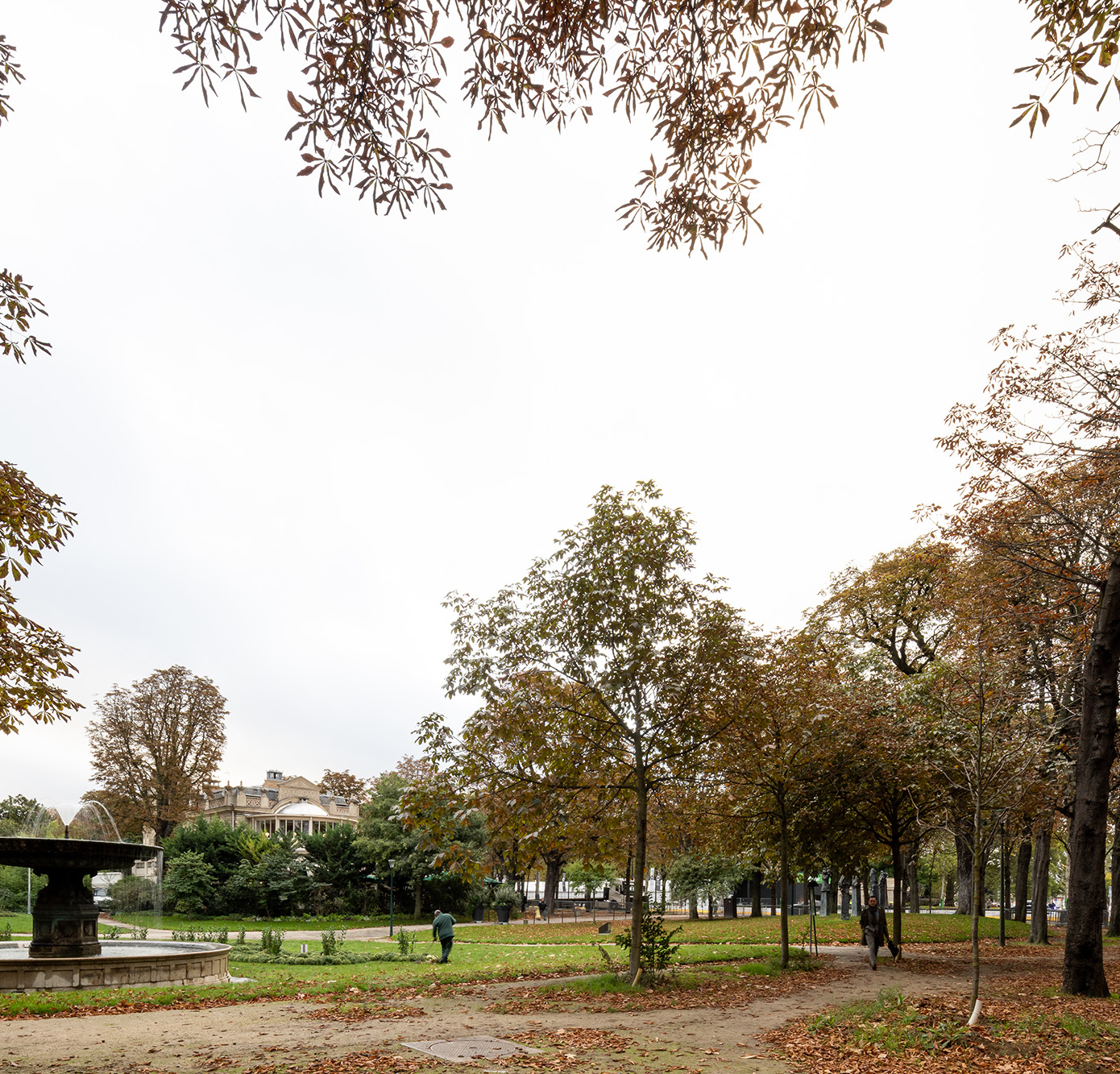
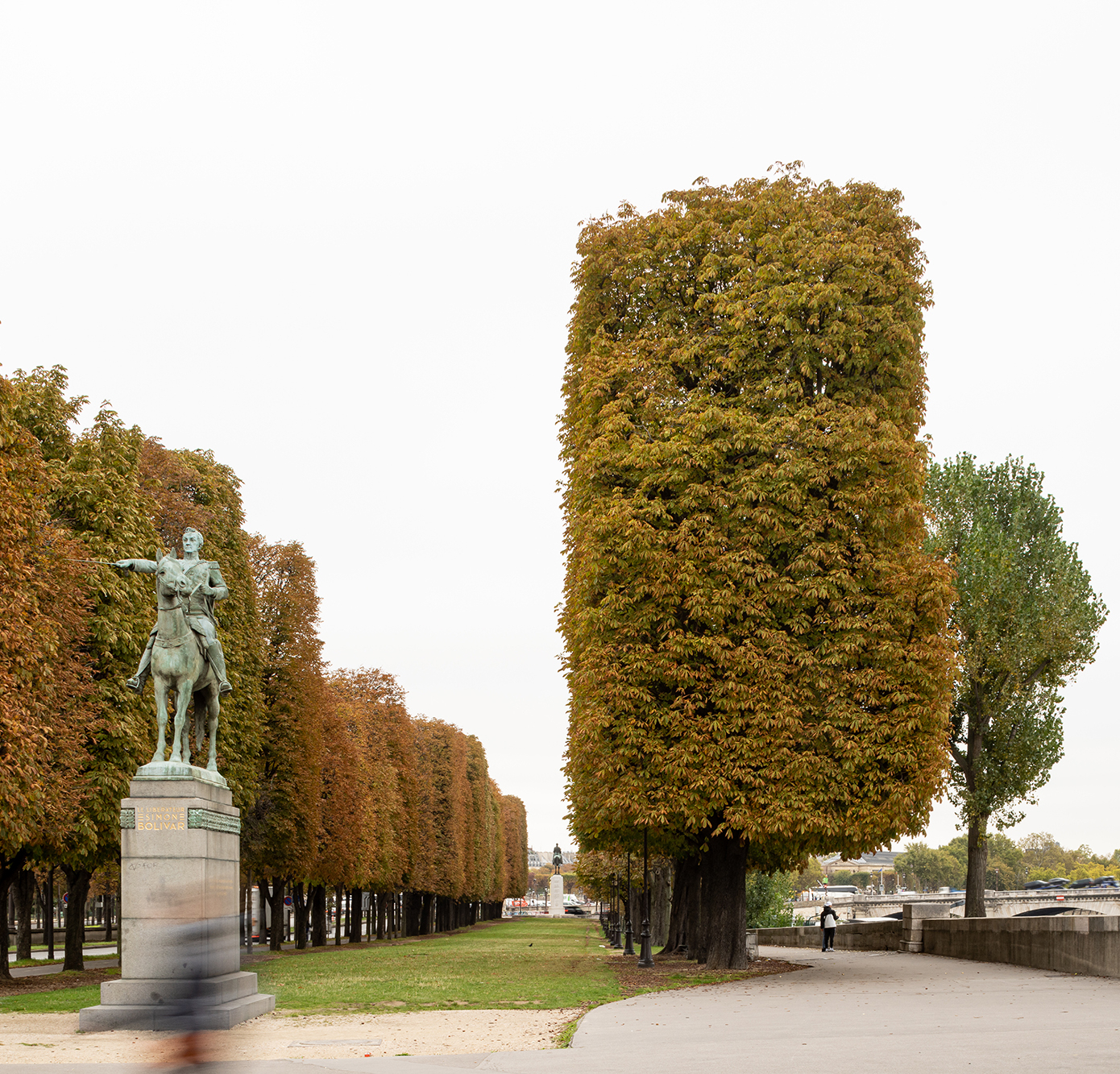
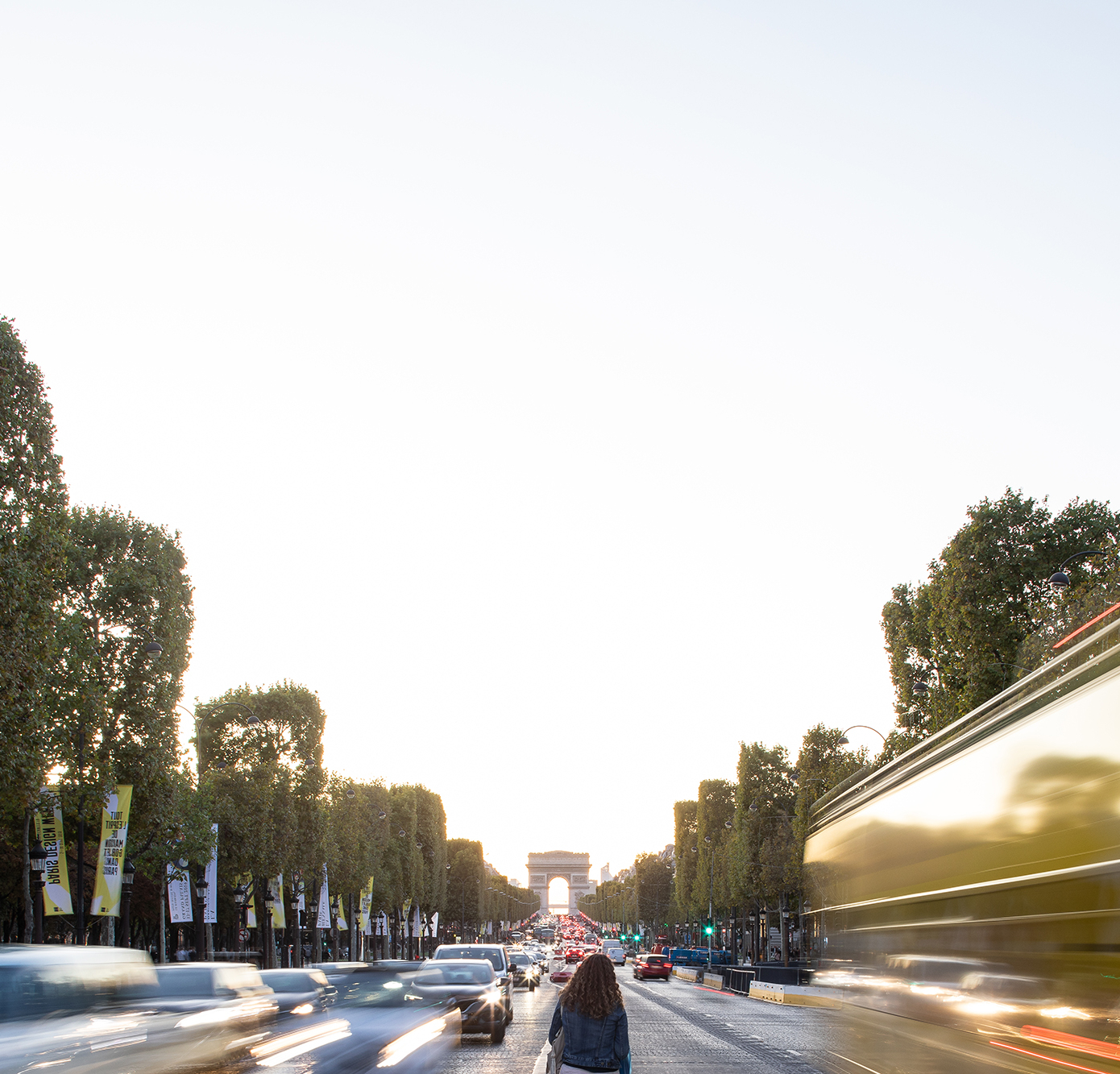
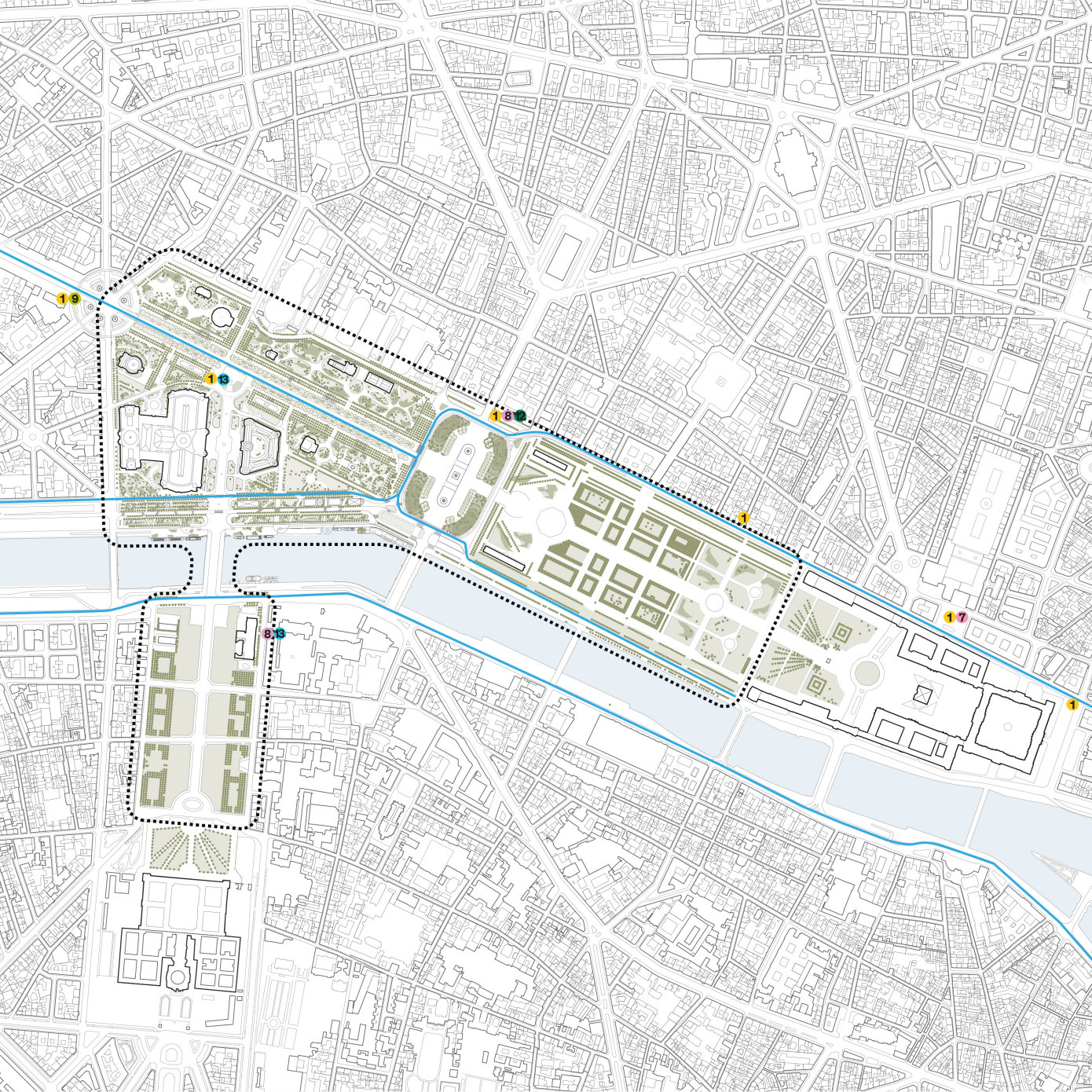
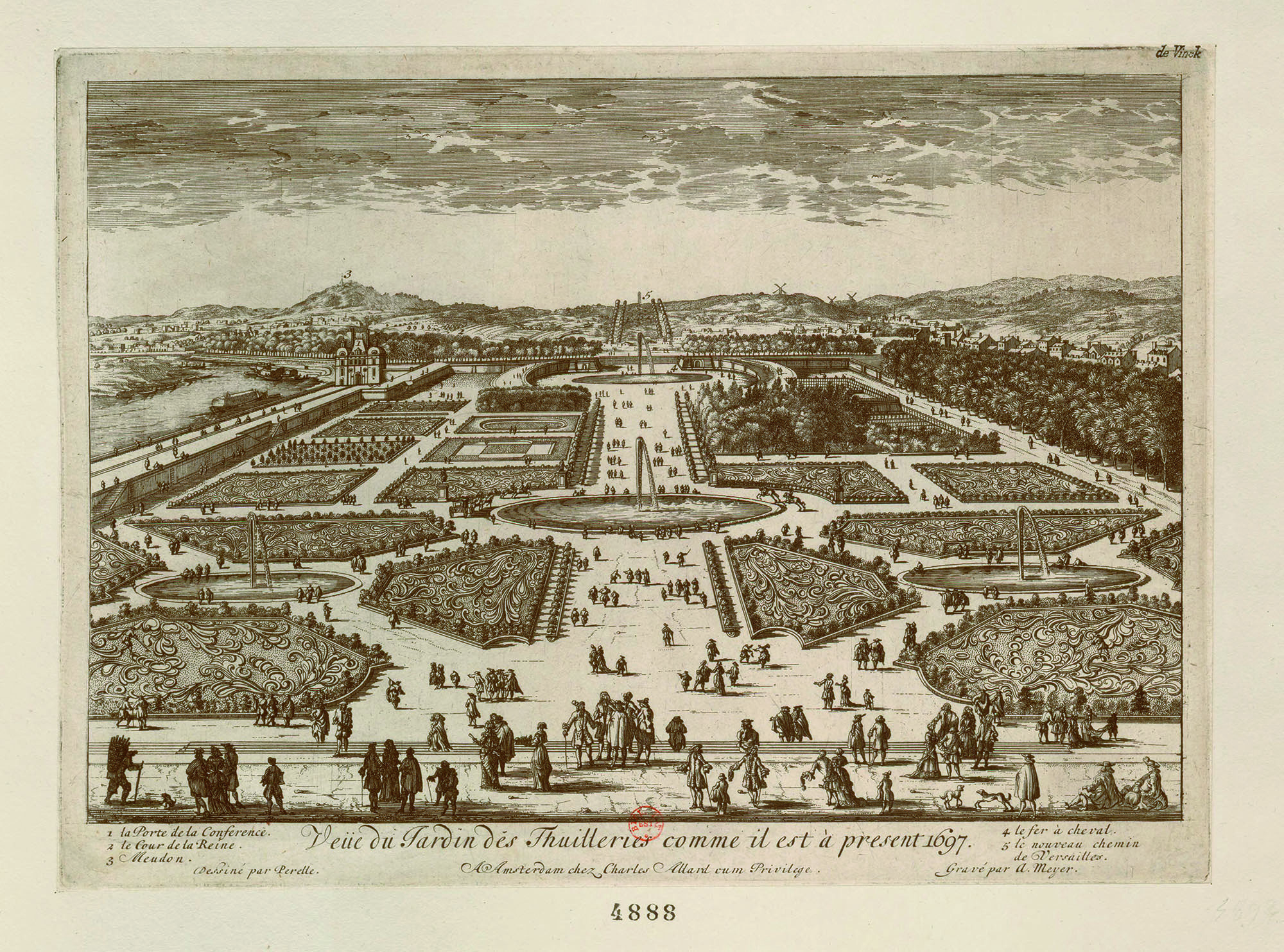
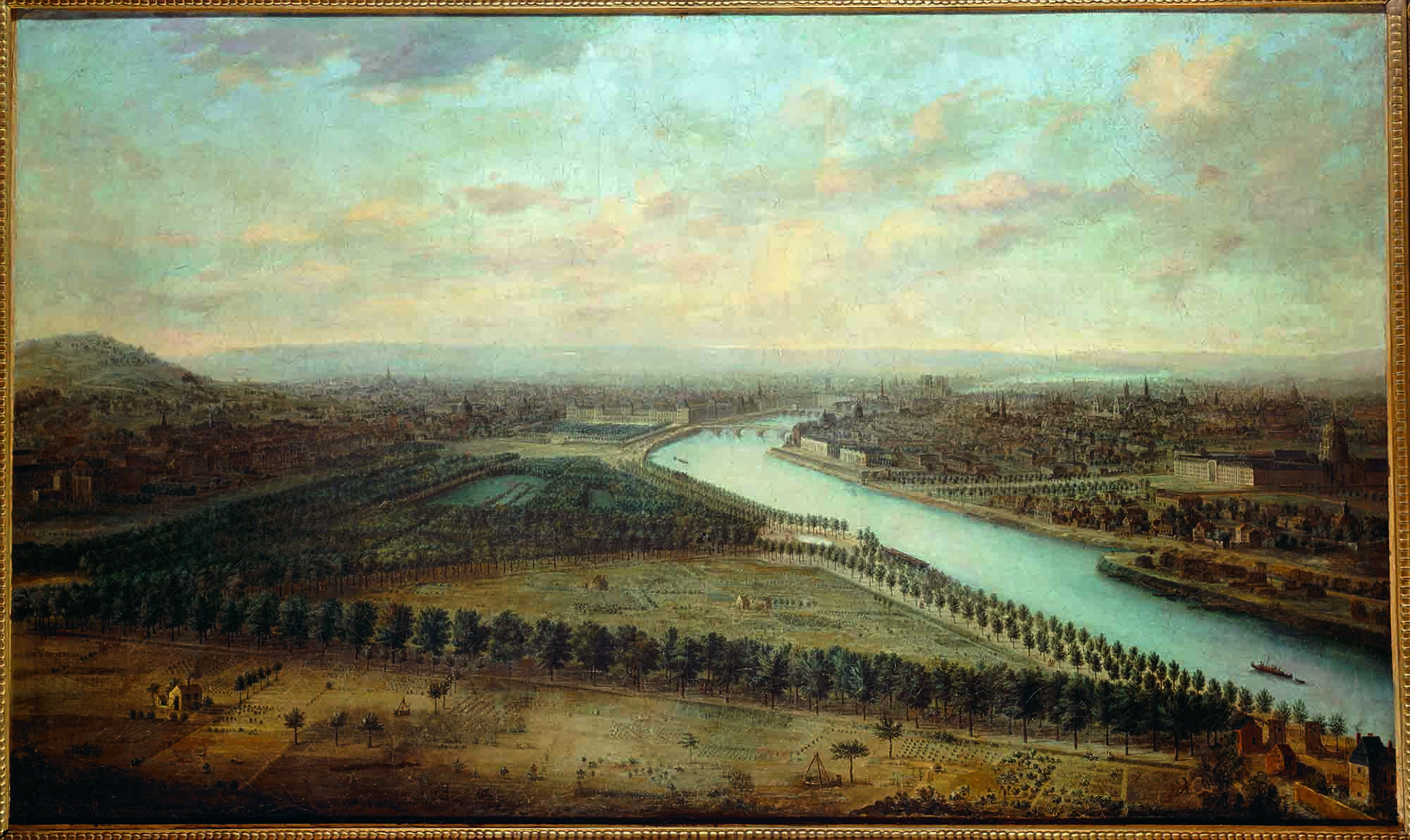
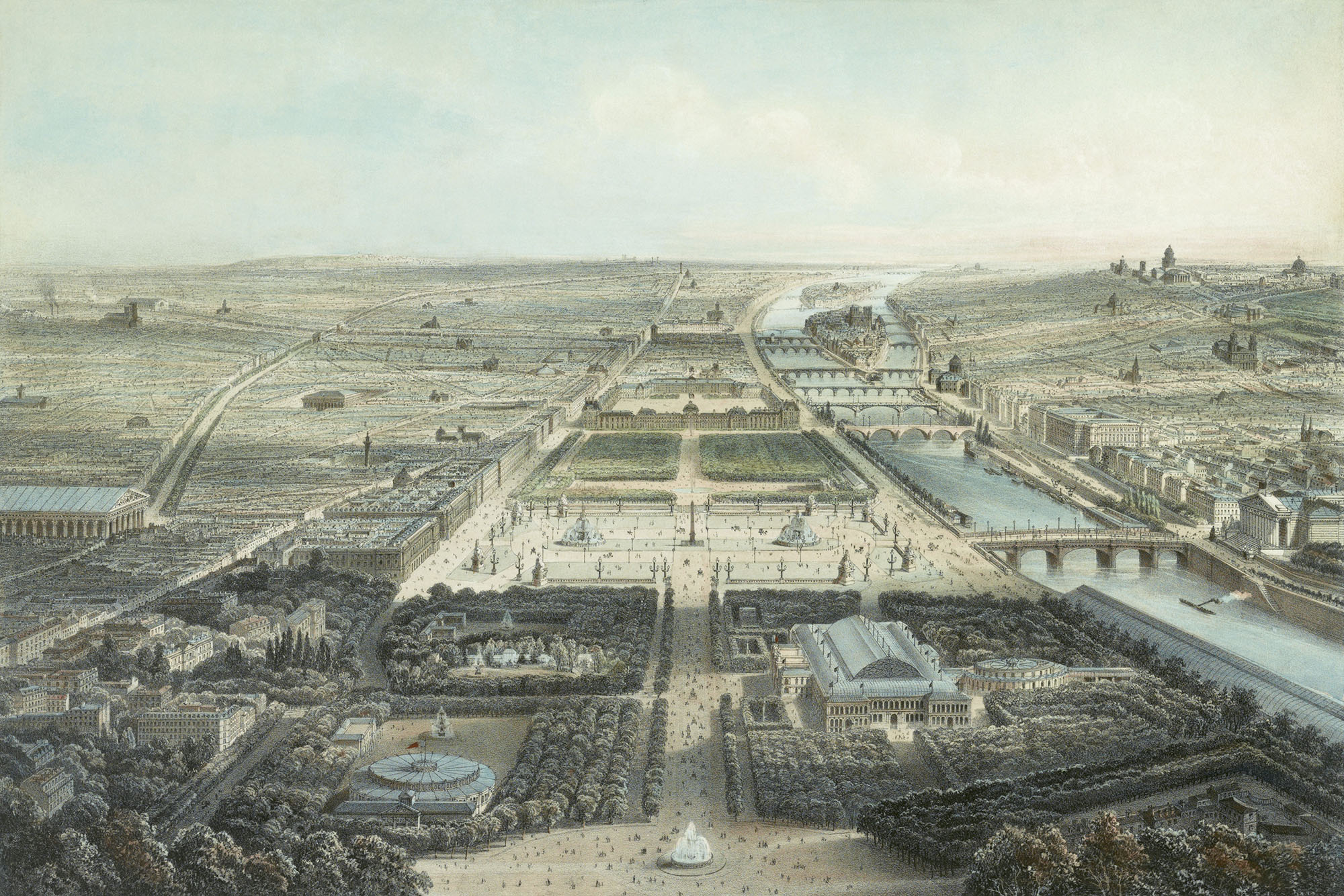
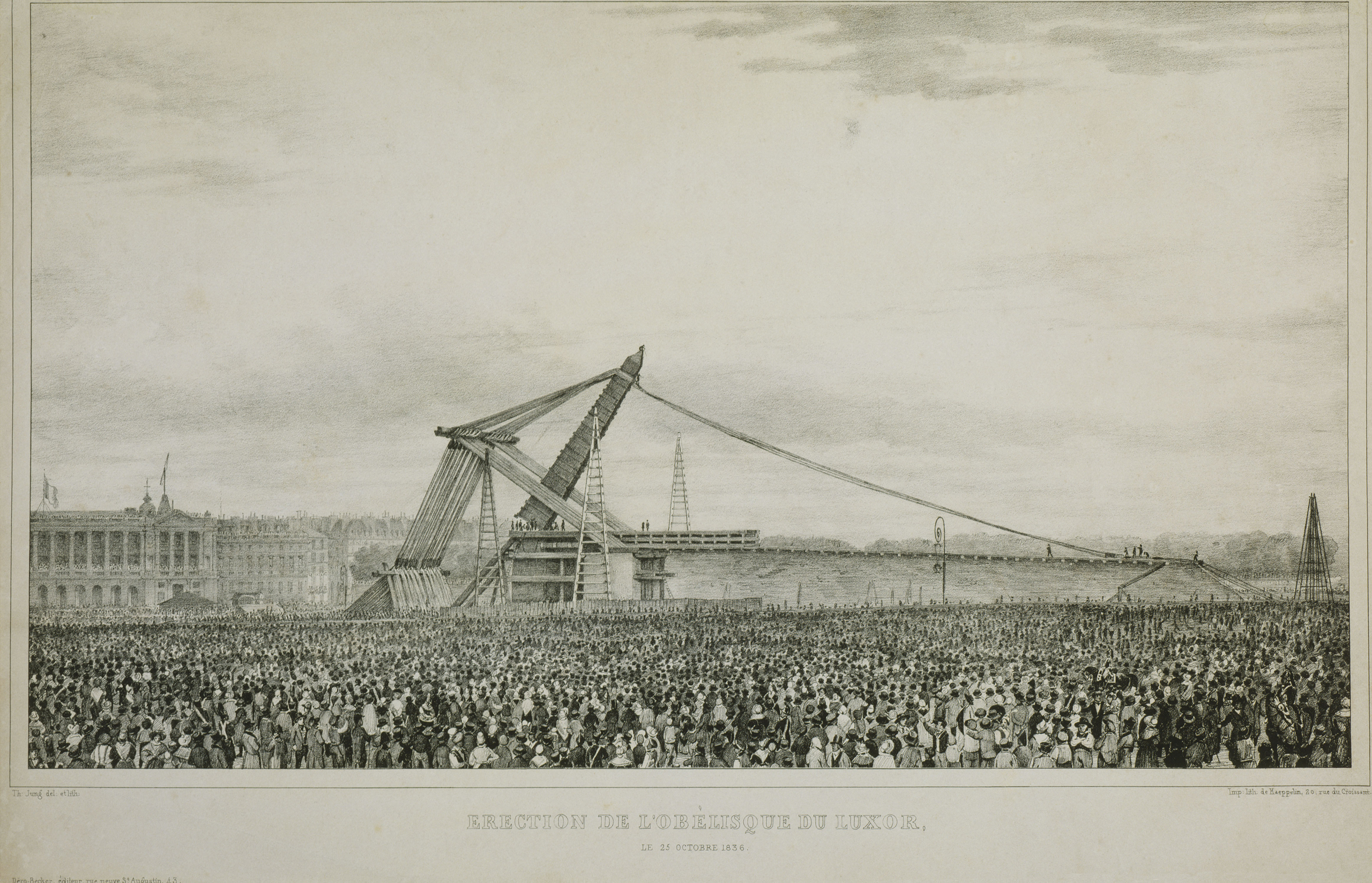
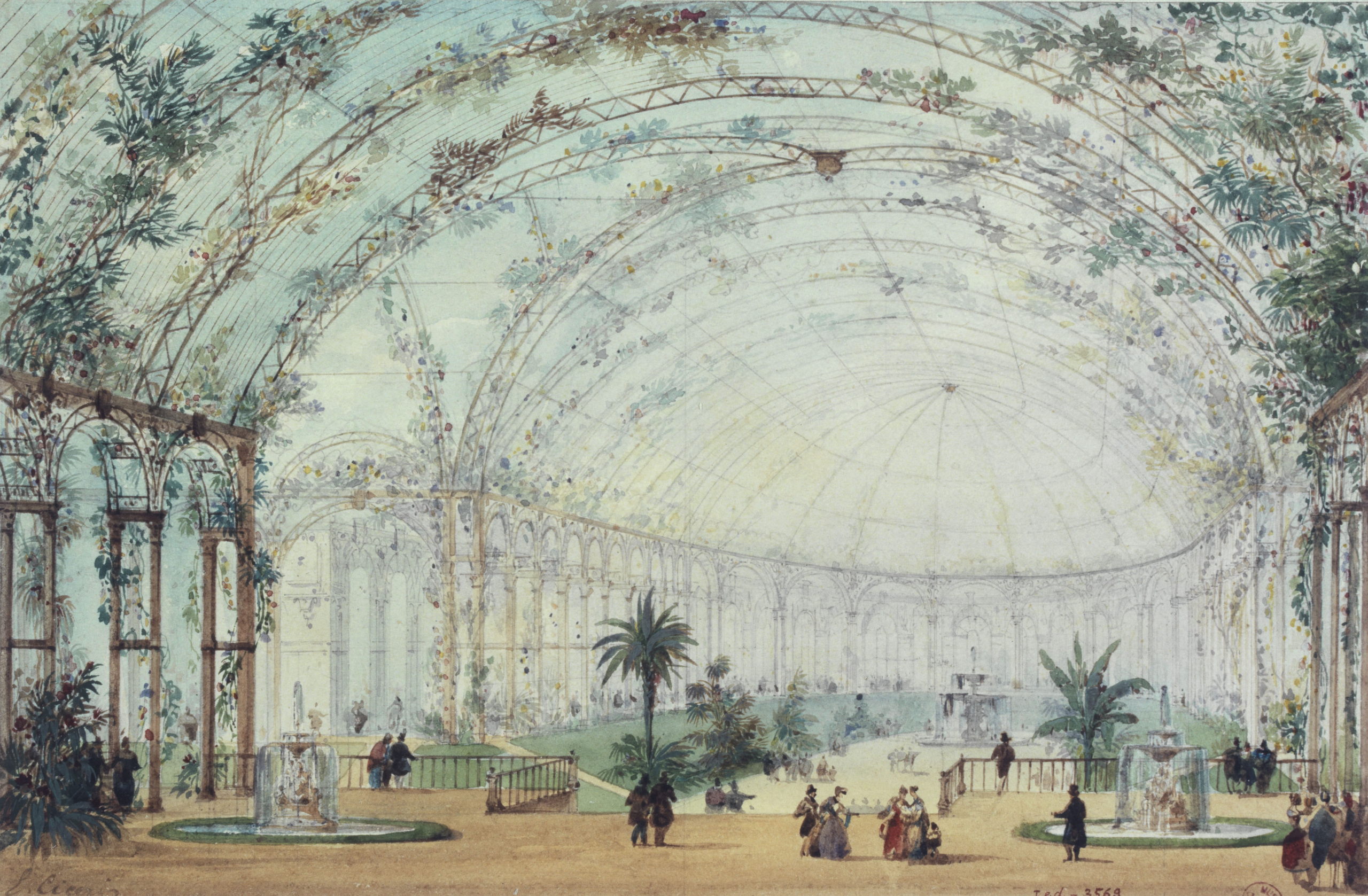
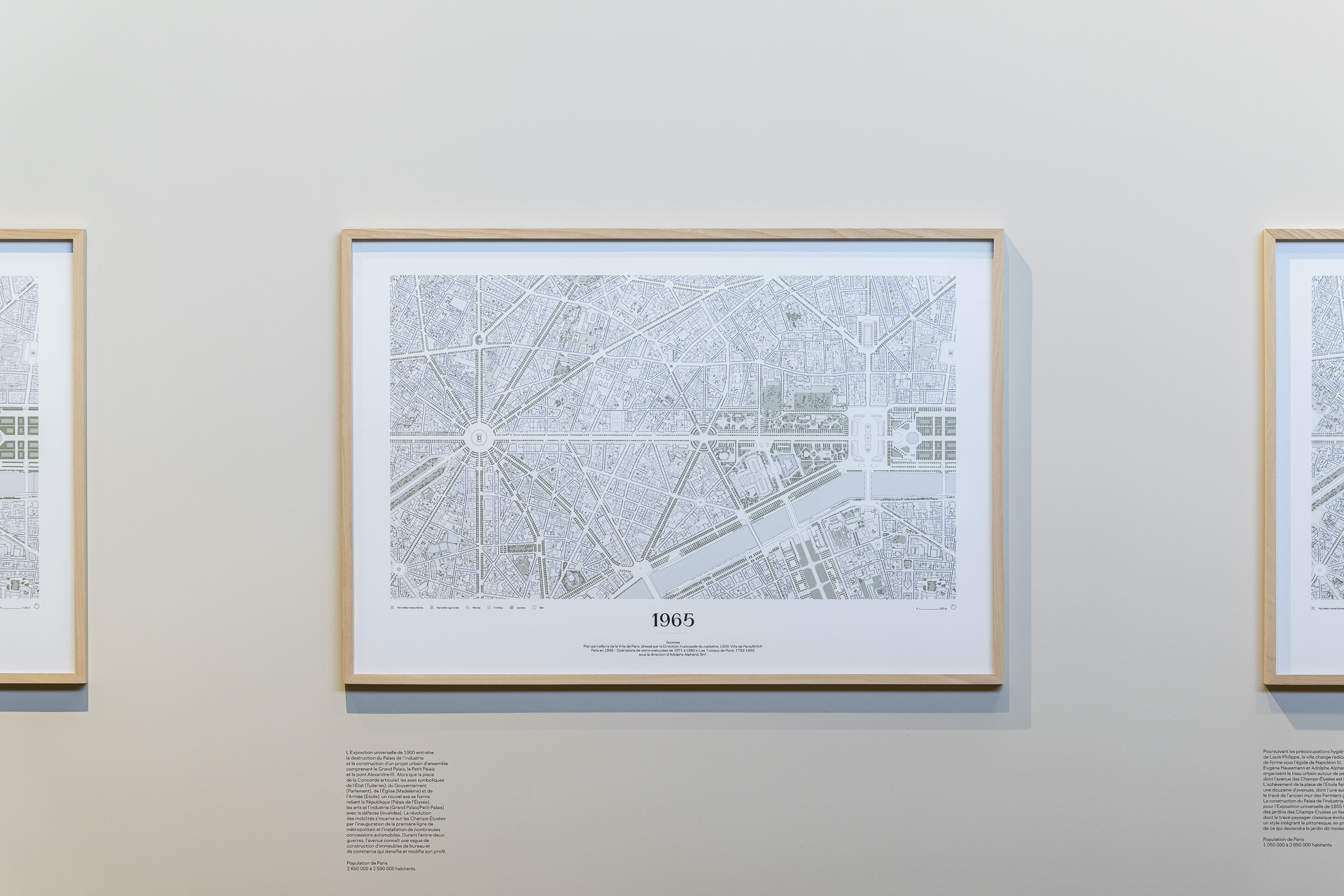
In the 17th century, modern thought—which prioritizes reason—emerged in Europe with Descartes, Bacon, and Galileo. The geometrization of the world was reflected in the design of French formal gardens, which introduced a central perspective. The enclosed garden, symbolizing the finite space characteristic of the ancients, gave way to open views into the distance, laid out according to new rules and new mathematical and optical tools. From this perspective, the Avenue des Champs-Élysées can be considered the “ground zero” of Western modernity. Le Nôtre’s visionary vision continued through the end of the 19th century with the developments by Jacques-Ignace Hittorff, followed by the major works of Eugène Haussmann. Under Haussmann’s direction, Adolphe Alphand’s team created the modern garden on the Champs-Élysées, a blend of classical and picturesque styles. Reflecting a vision of domesticated nature, the avenue became a showcase of progress, a character it has retained over time, hosting the Palais de l’Industrie, the World’s Fairs, the Grand and Petit Palais, and the Paris Motor Shows. Since its creation, the avenue has celebrated the power of the sovereign or head of state, and every government has sought to associate its name with the prestige of the place, as have the great industrial and commercial powers of the 20th century, by developing iconic architecture there. This symbolic dimension makes the Champs-Élysées the site of national celebrations and major public events.
The “Champs-Élysées — history & perspectives” study
Paris 8
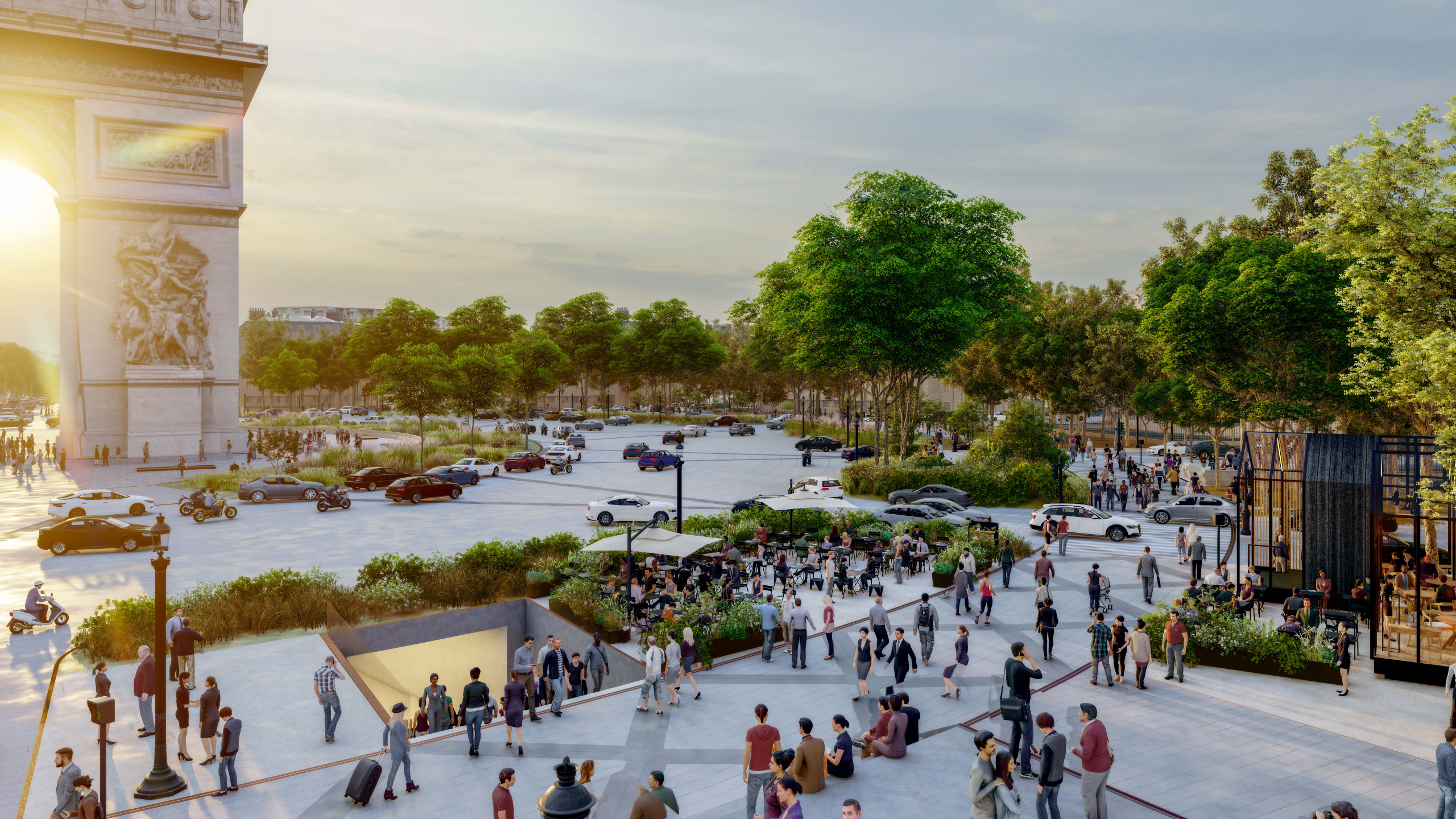
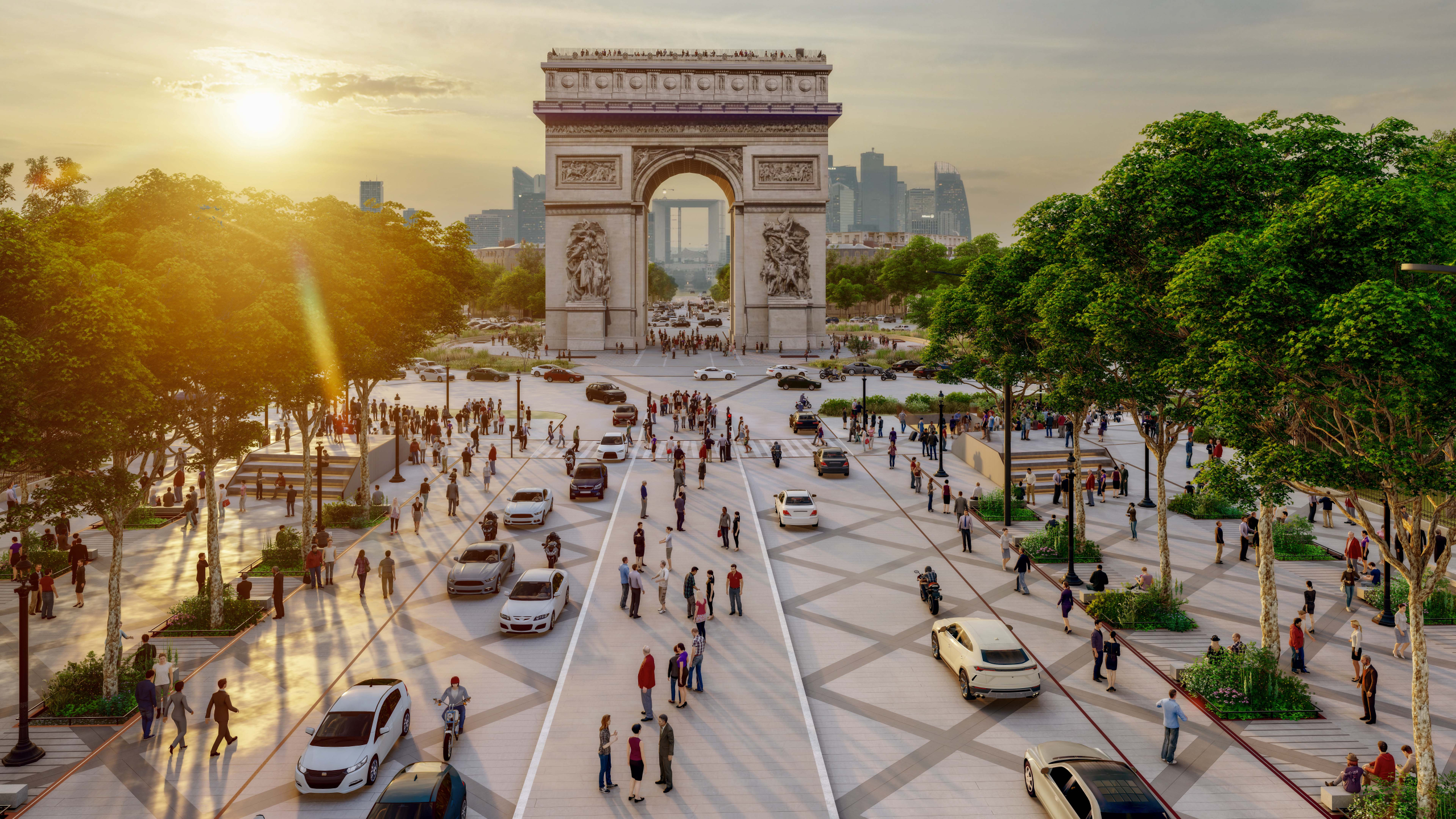
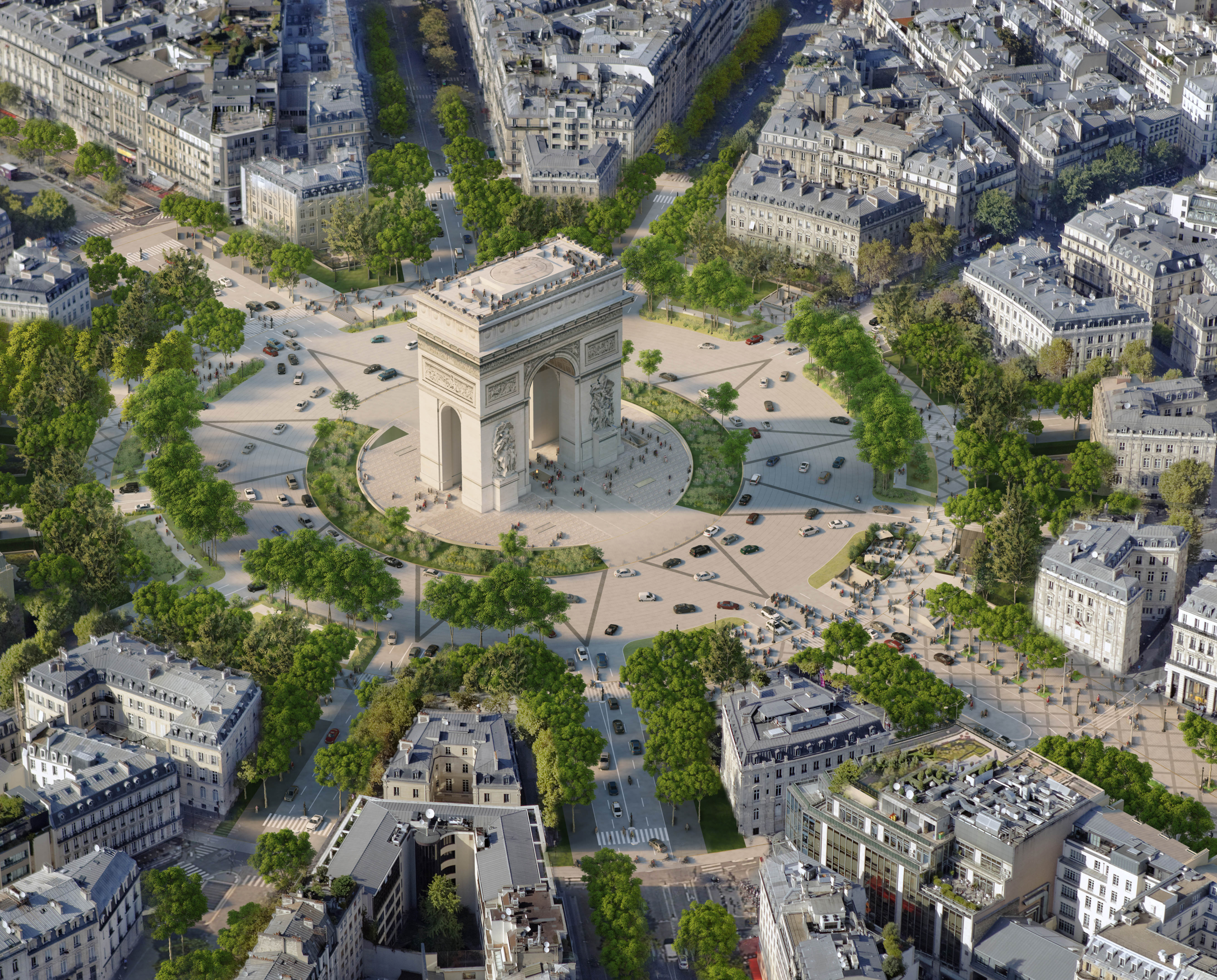
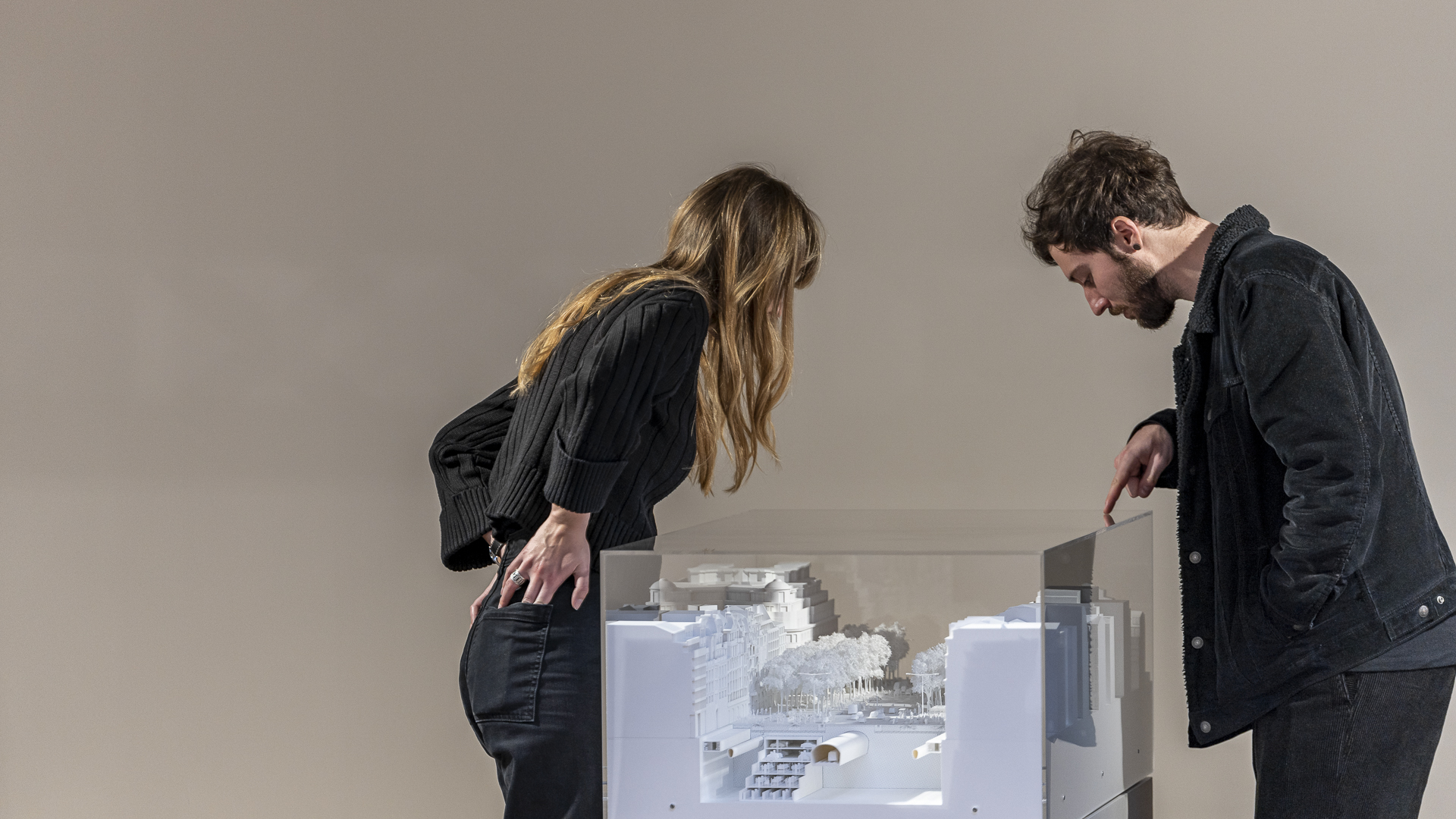
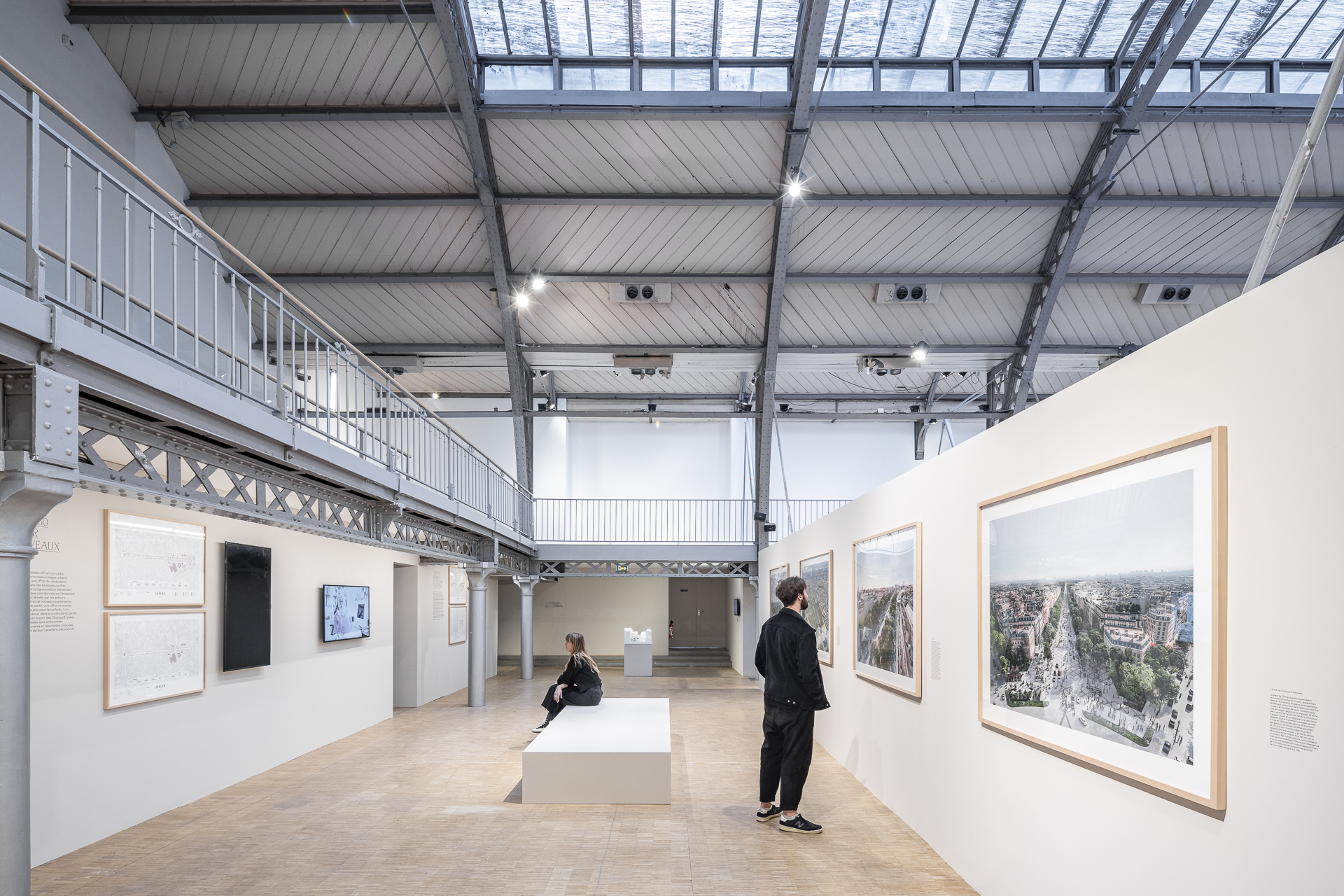
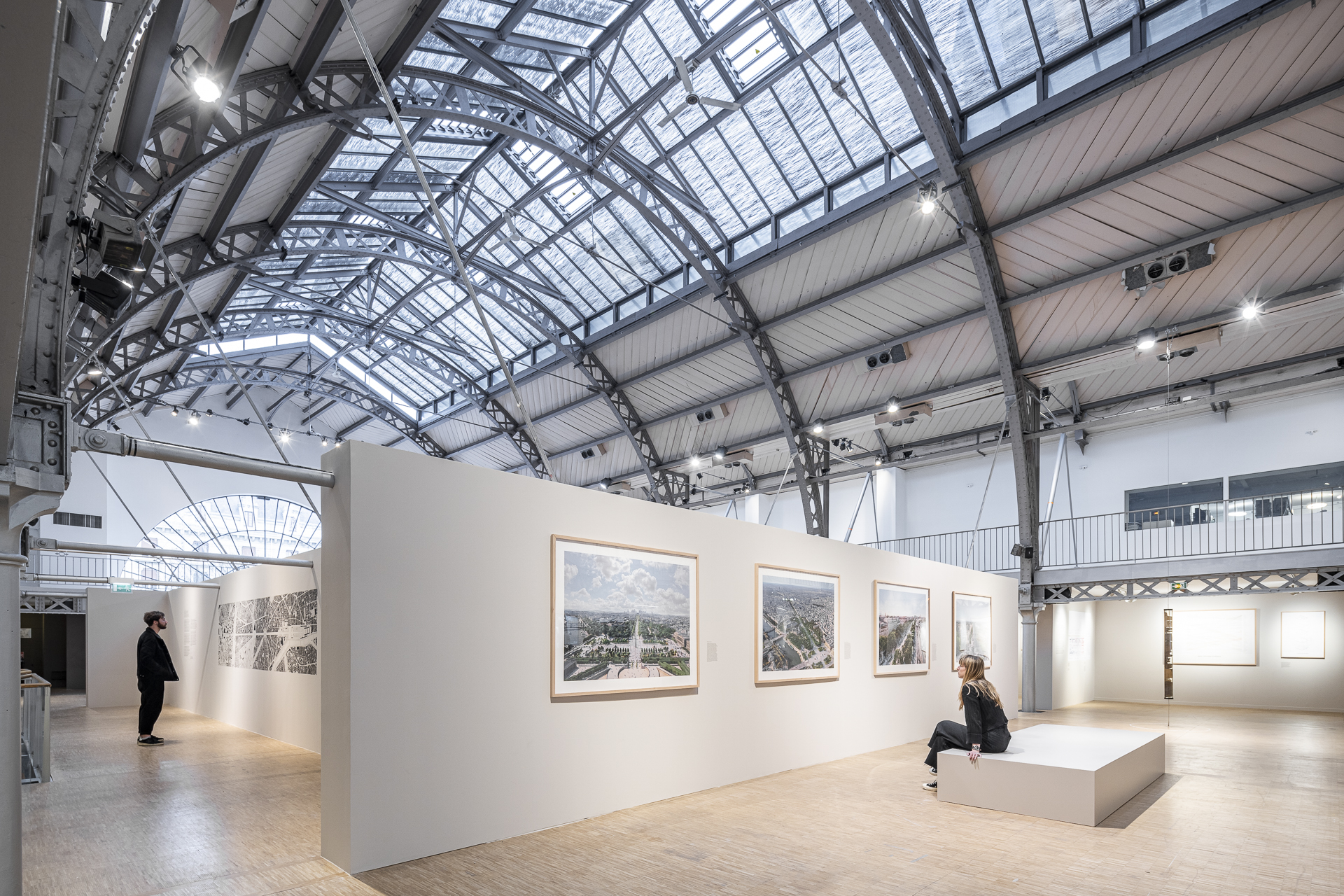
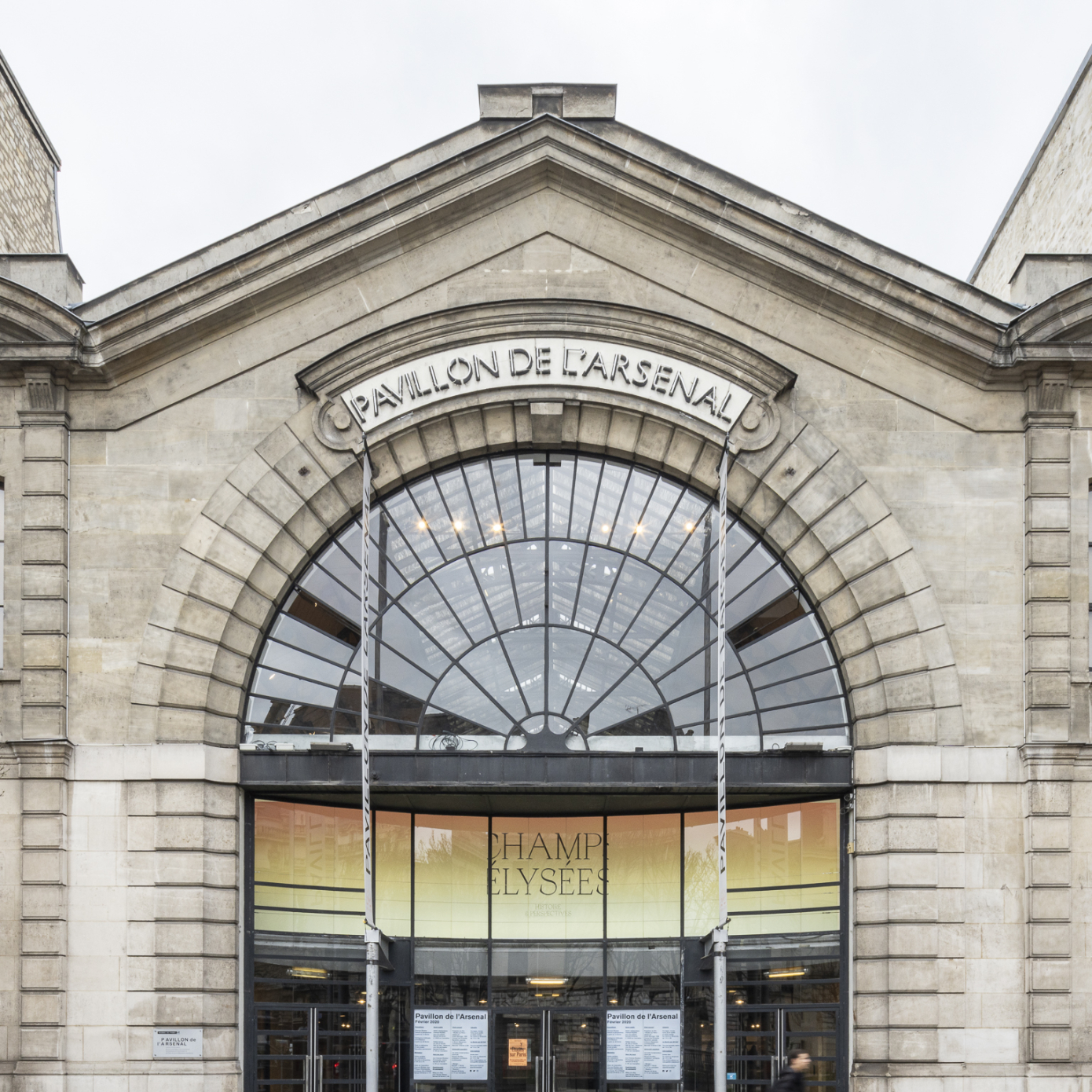
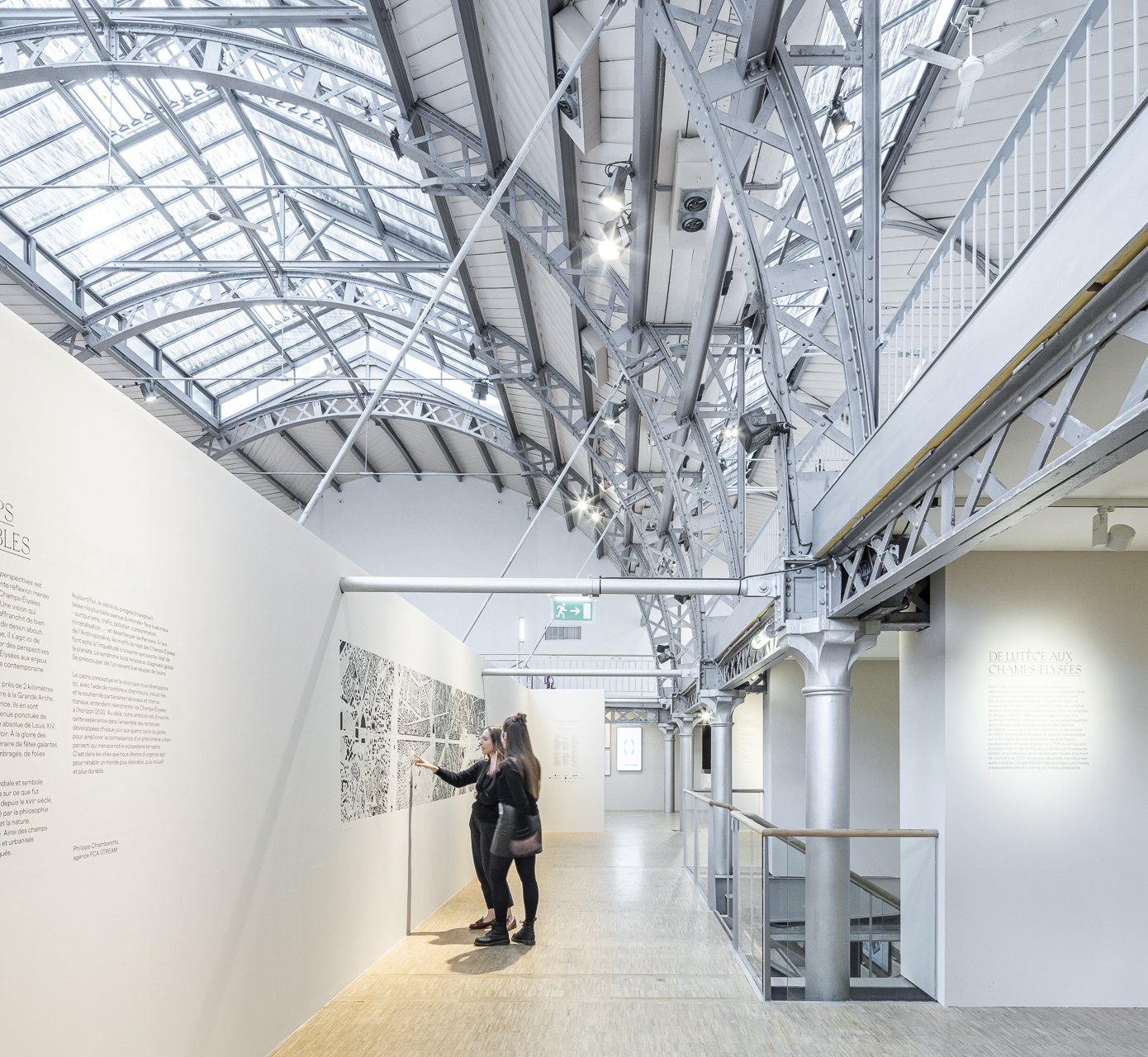
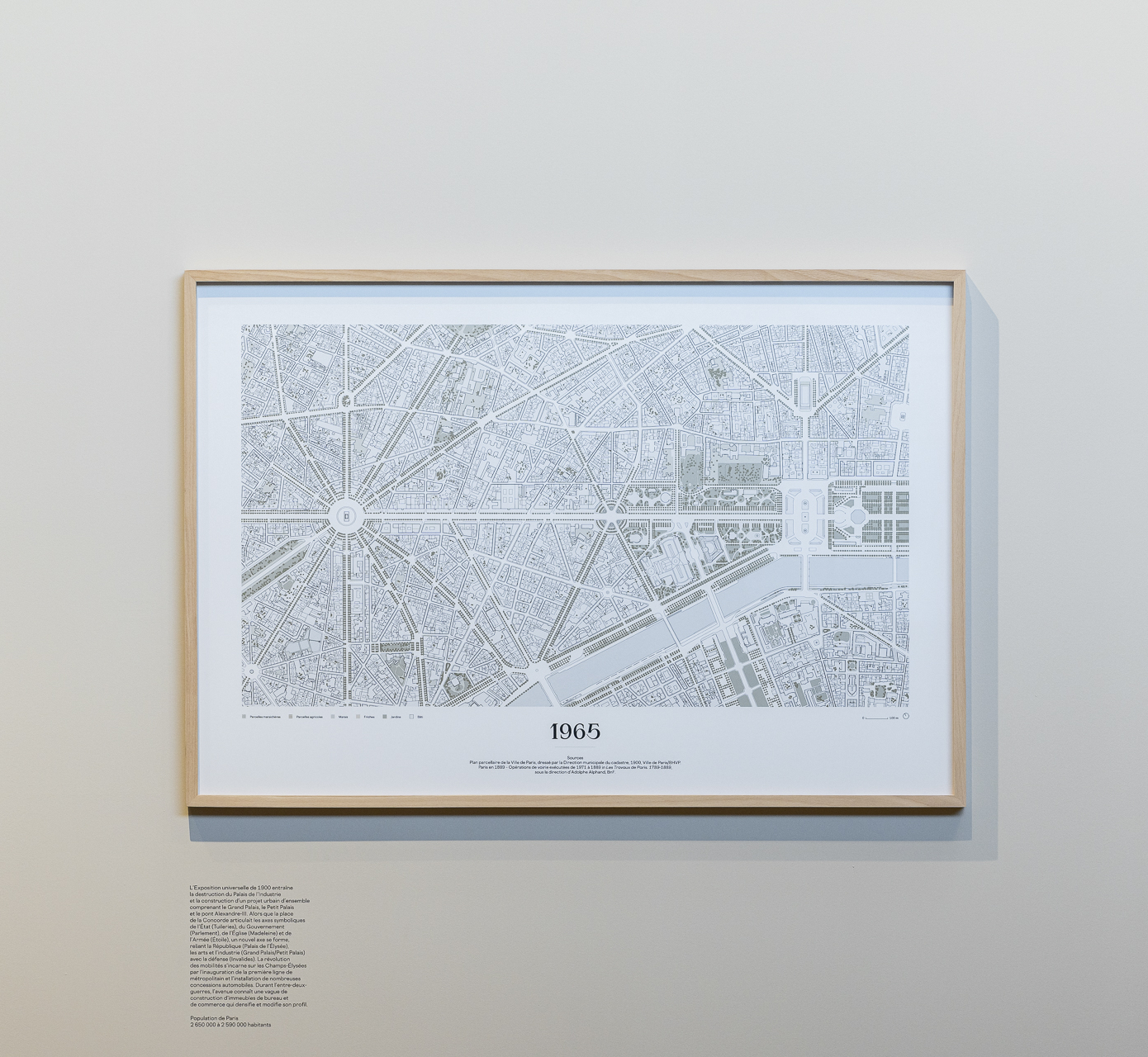
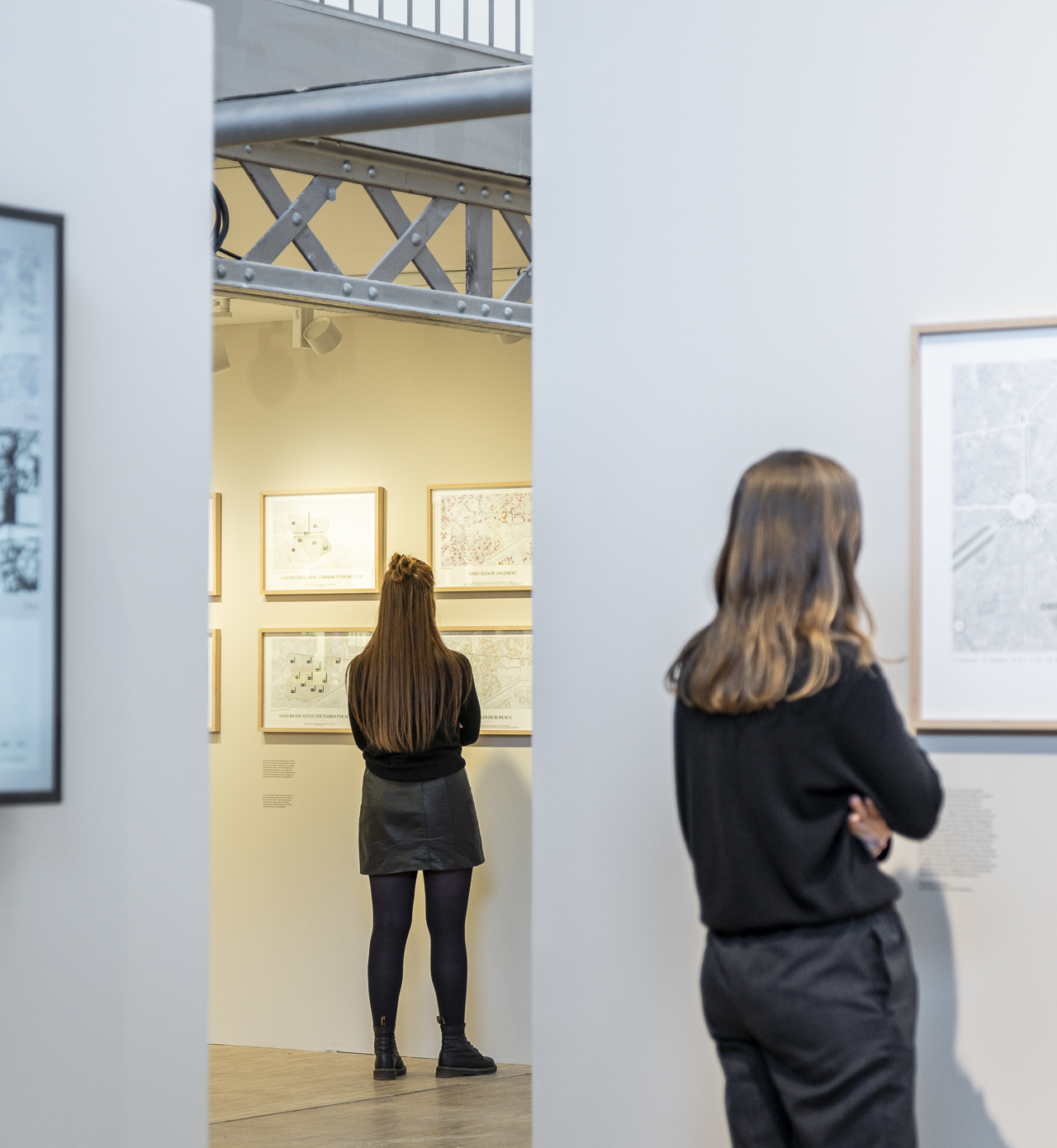
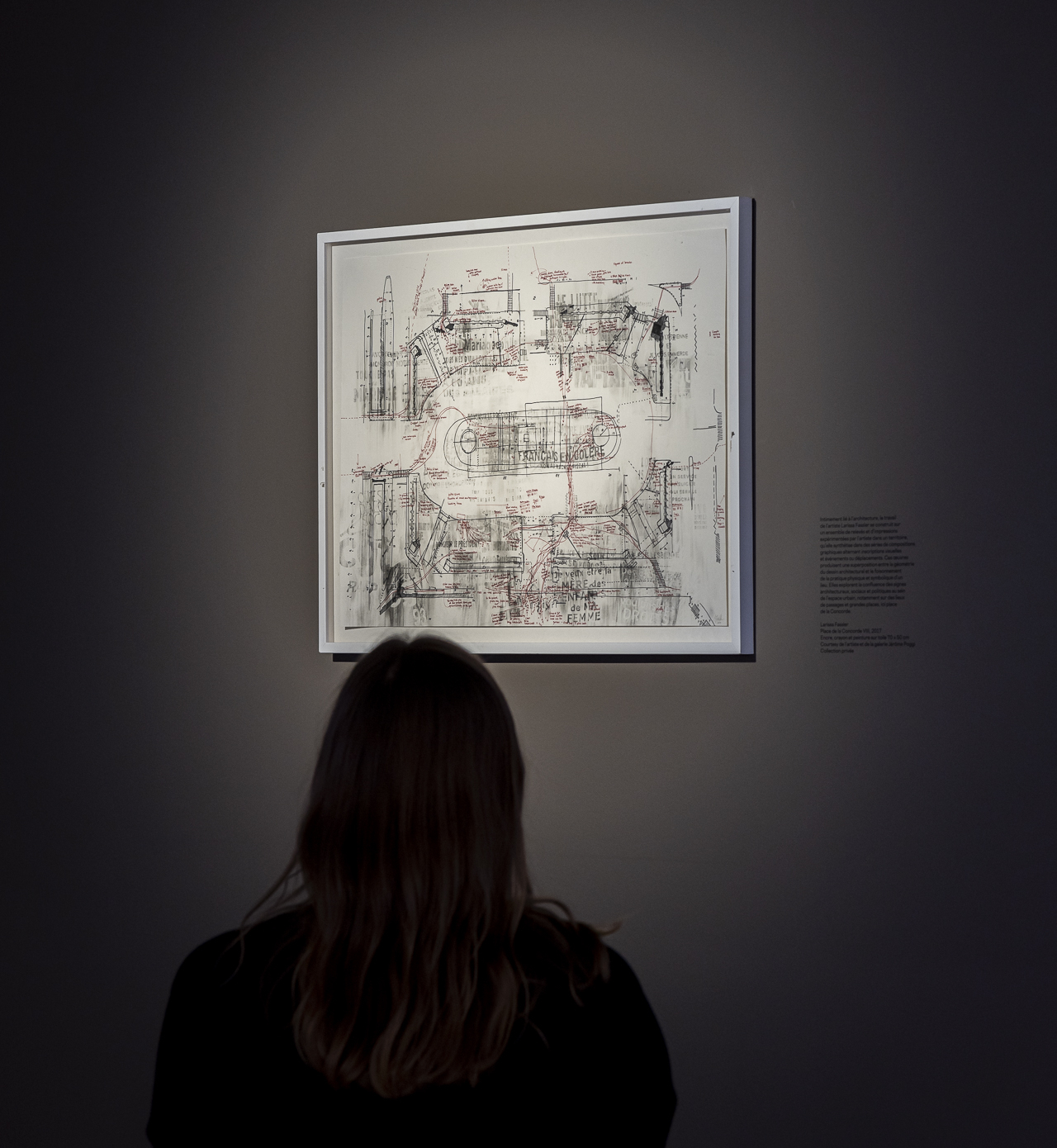
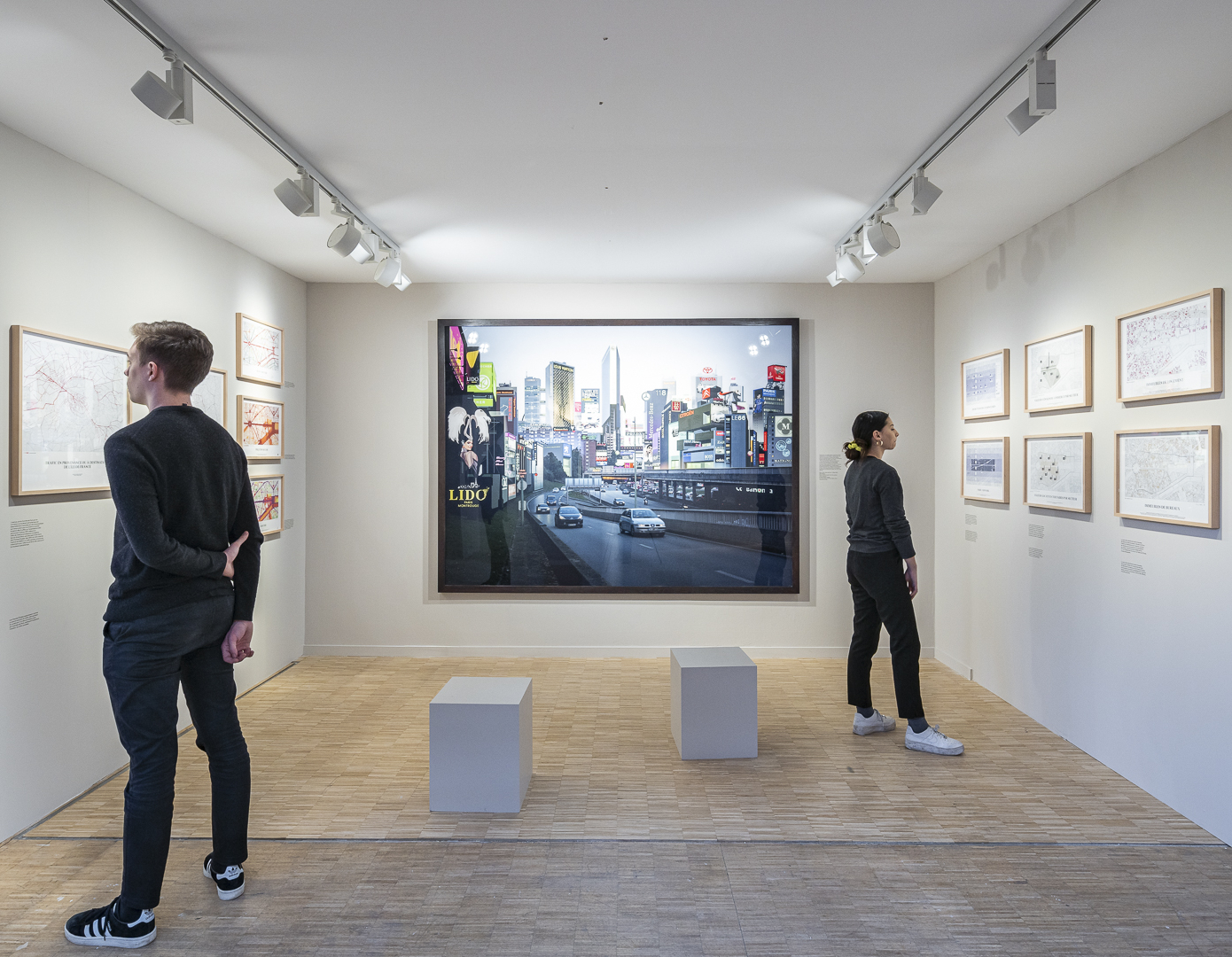
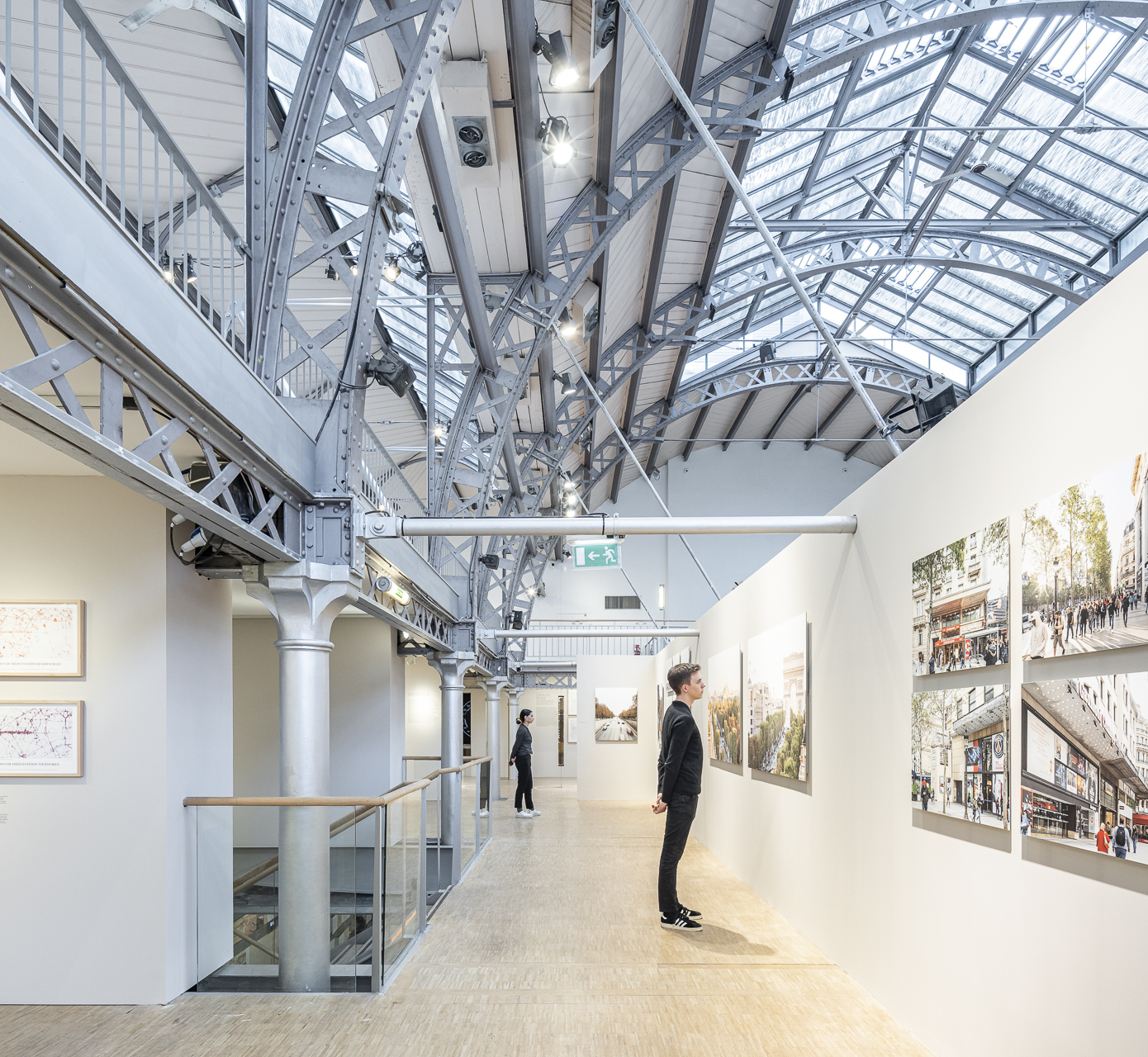
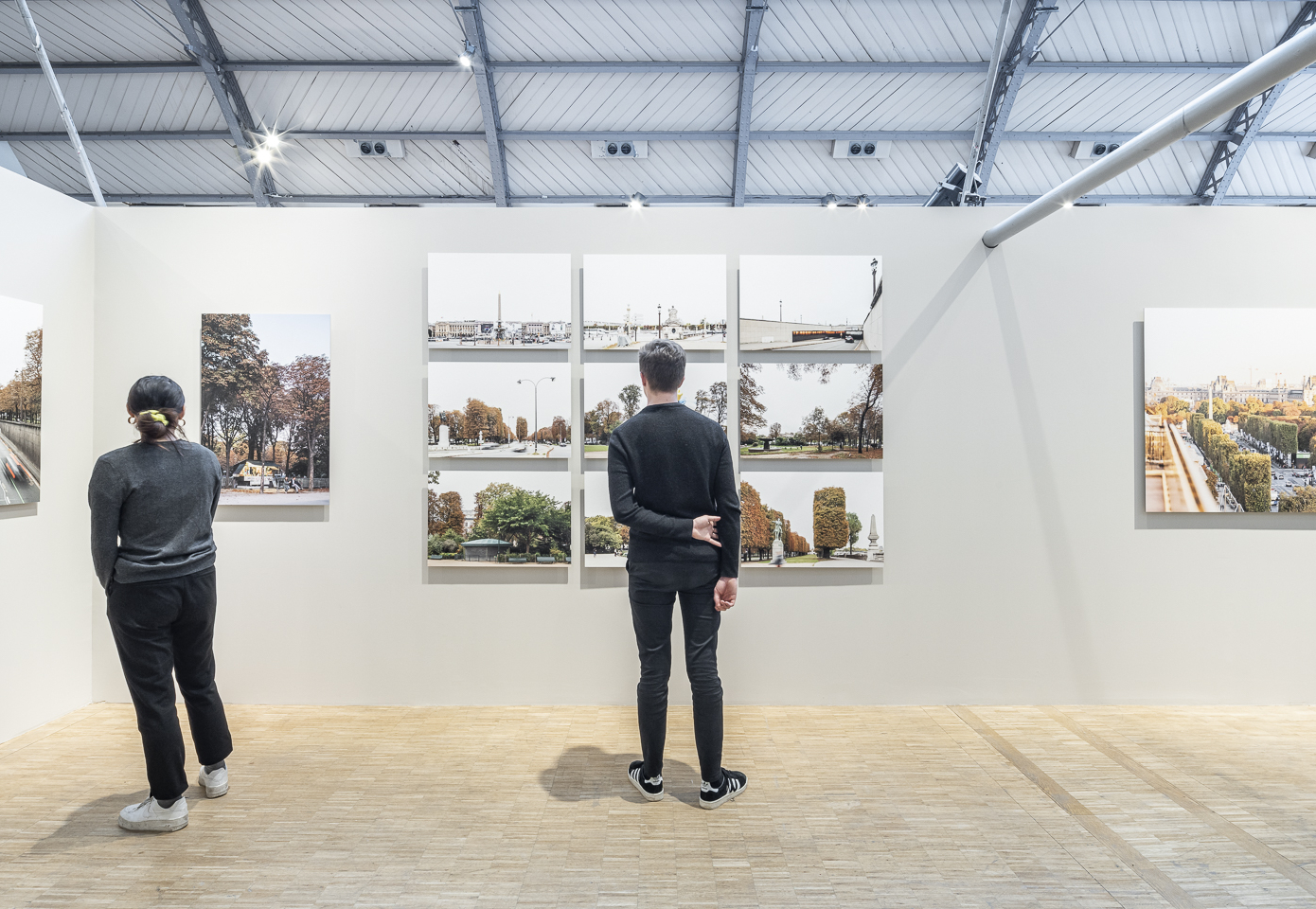
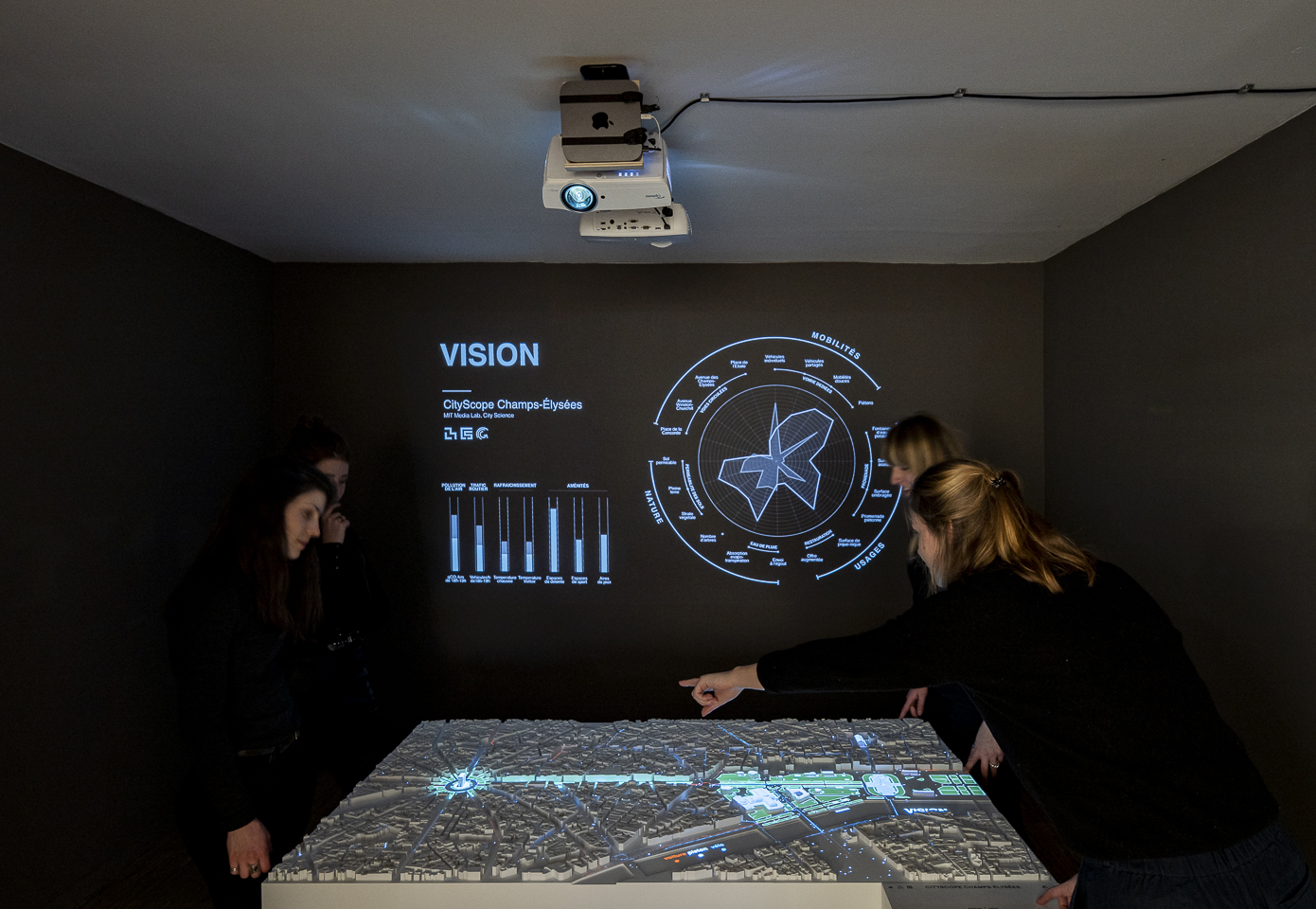
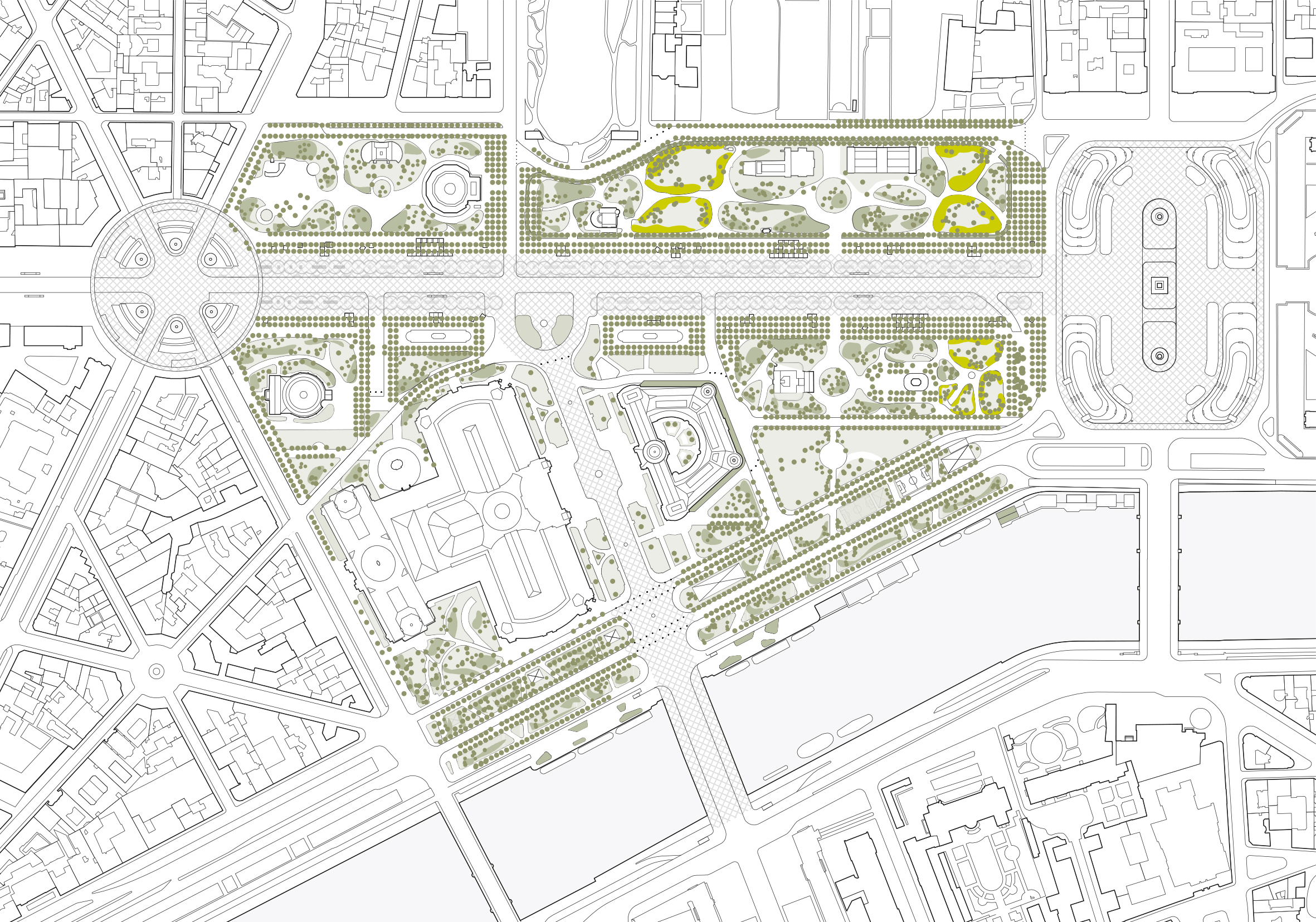
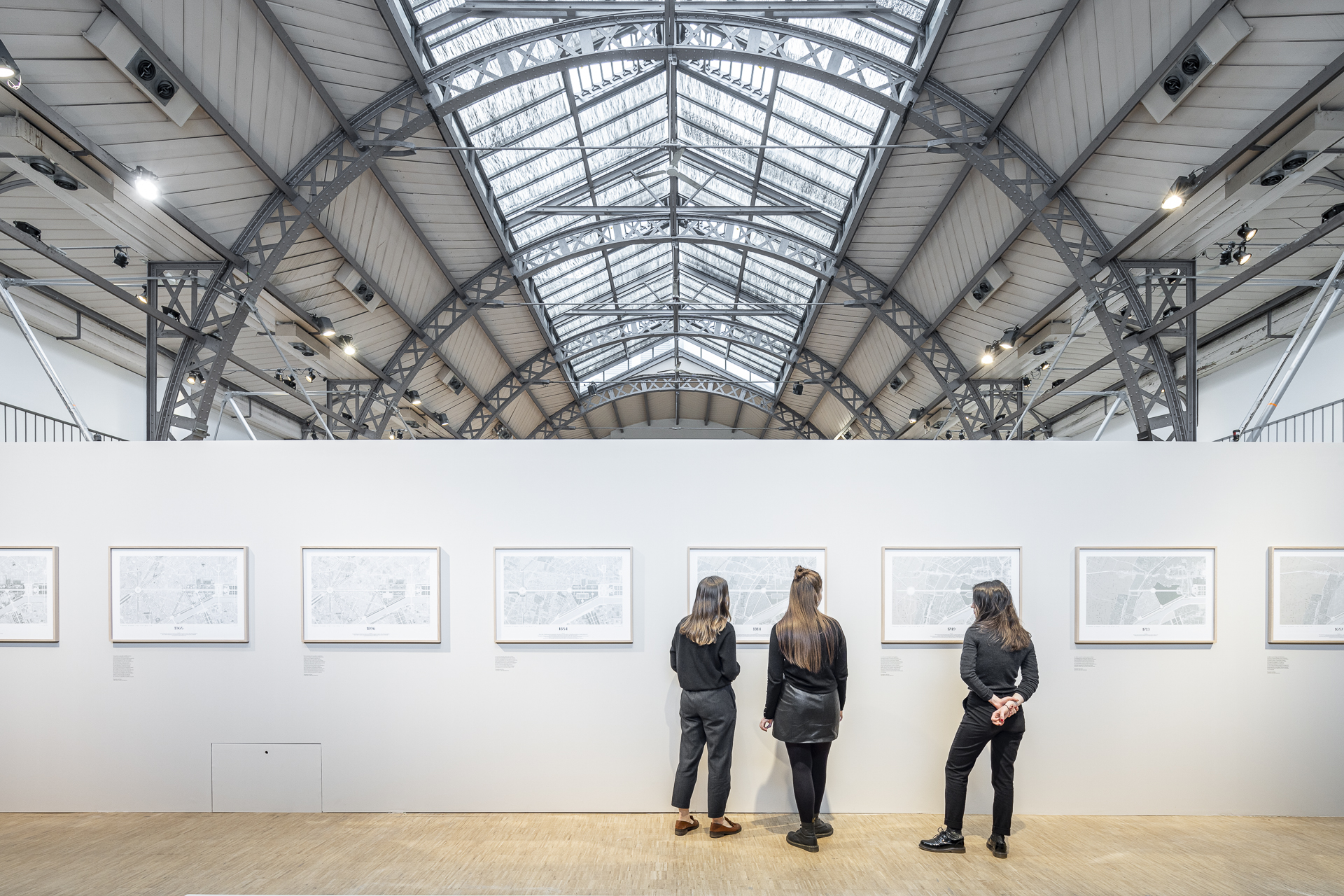
In 2018, the Champs-Élysées Committee—an association of major public and private stakeholders along the avenue—commissioned PCA-STREAM to develop a study titled Re-enchanting the Champs-Élysées, which was presented at a symposium in April 2019. The agency continued this exploration with the study Champs-Élysées, History & Perspectives, broadening the discussion of the Champs-Élysées to the future of urban areas—a project that led to an exhibition at the Pavillon de l’Arsenal in February 2020. As a counterpoint to a historical narrative, the aim is to conduct an analysis and outline perspectives to connect the local context of the Champs-Élysées with the challenges of contemporary urban globality. PCA-STREAM is undertaking this groundbreaking urban research with a multidisciplinary team of experts, including researchers from renowned academic institutions (MIT, Harvard, Sciences Po, etc.) as well as creators, in line with its approach that blends art and science.

Images

The Avenue of Modern Times
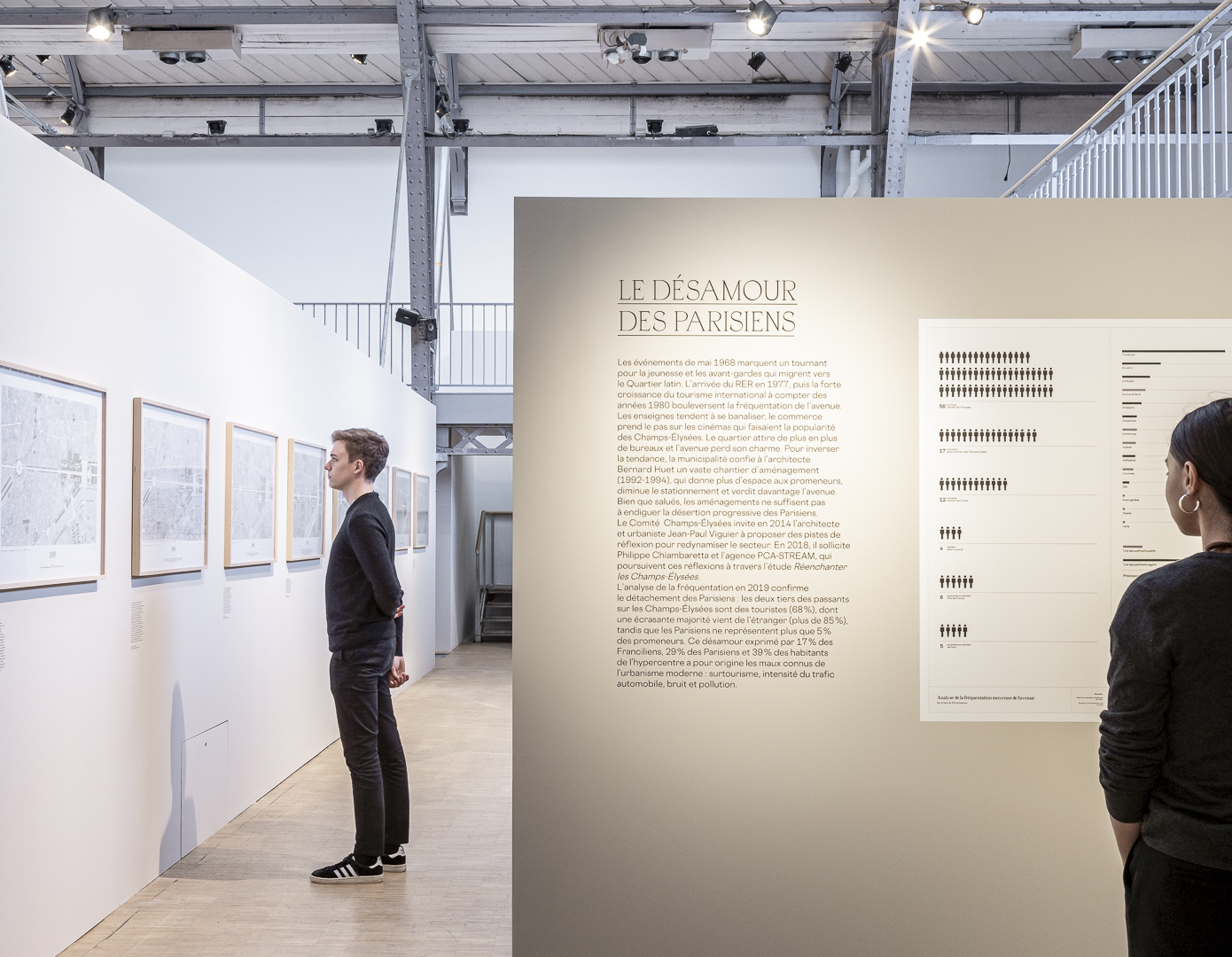
The Parisians' loss of interest
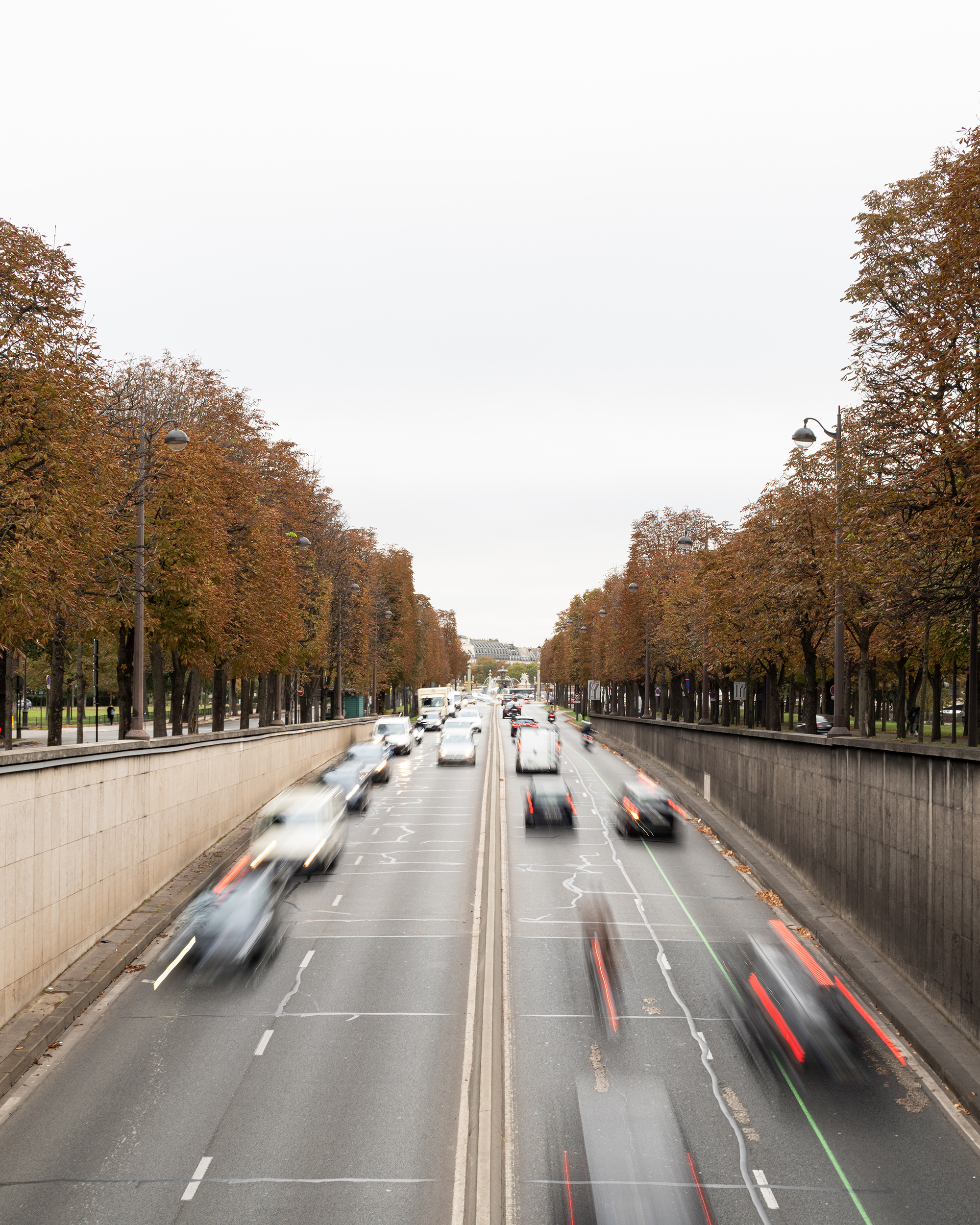
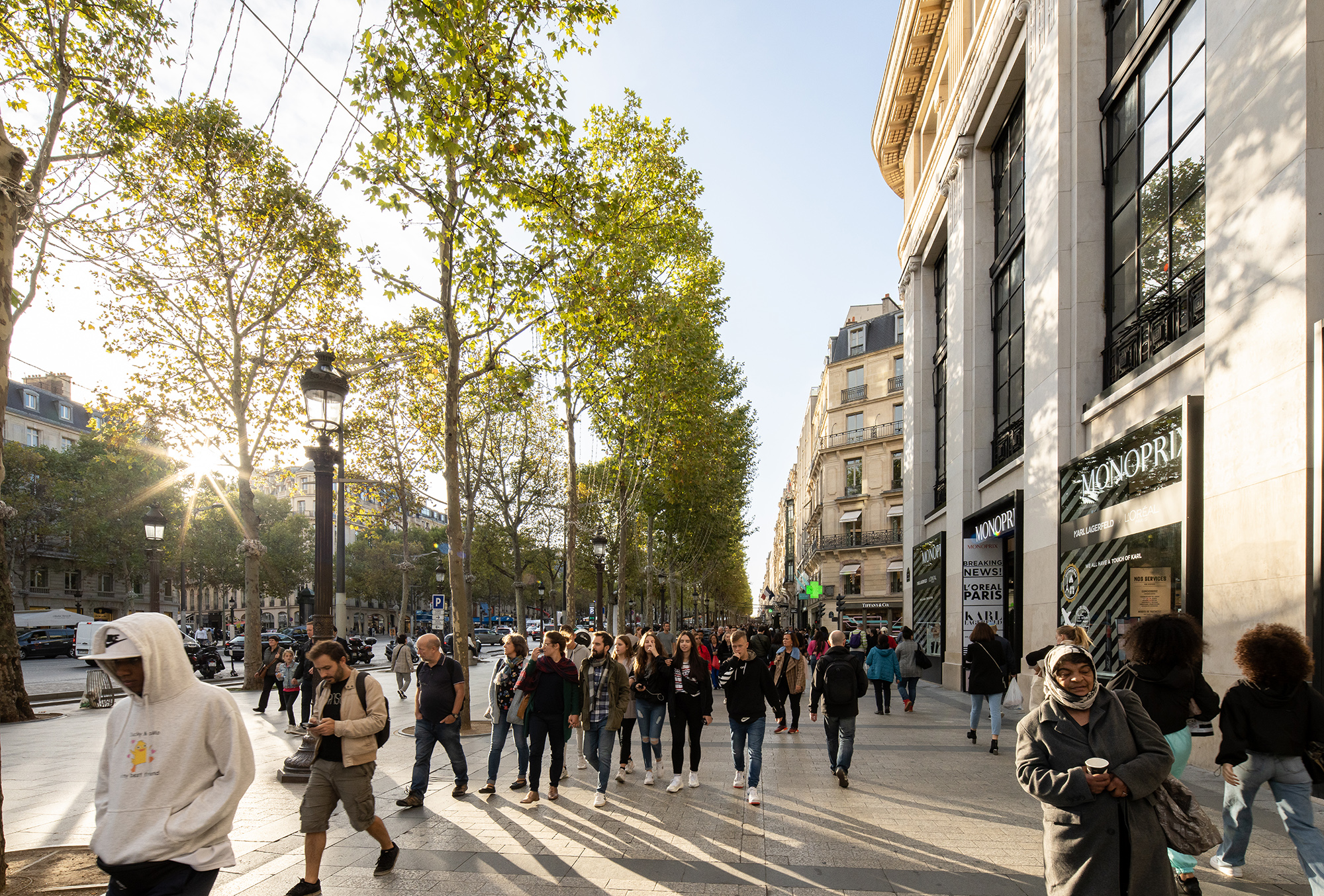
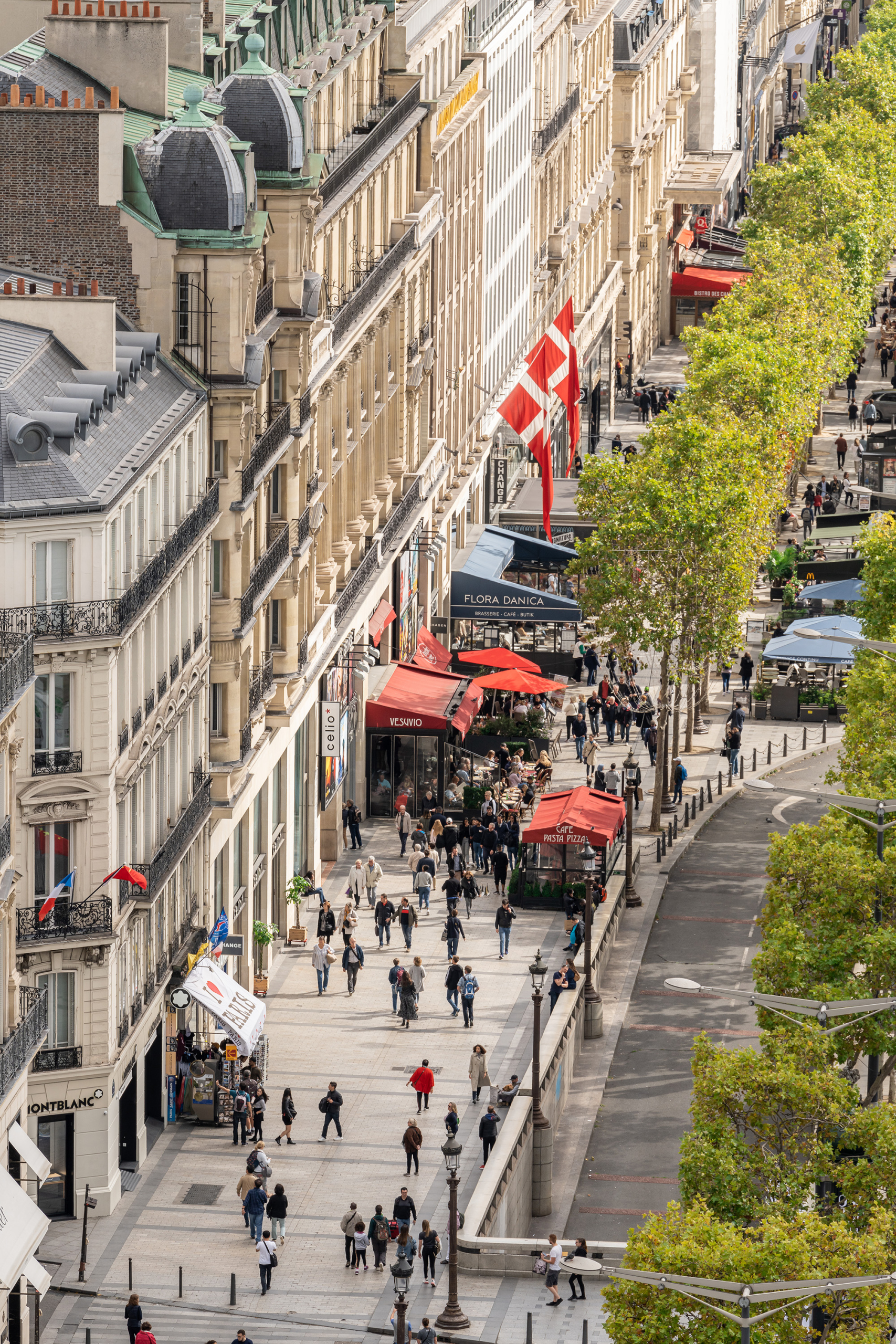
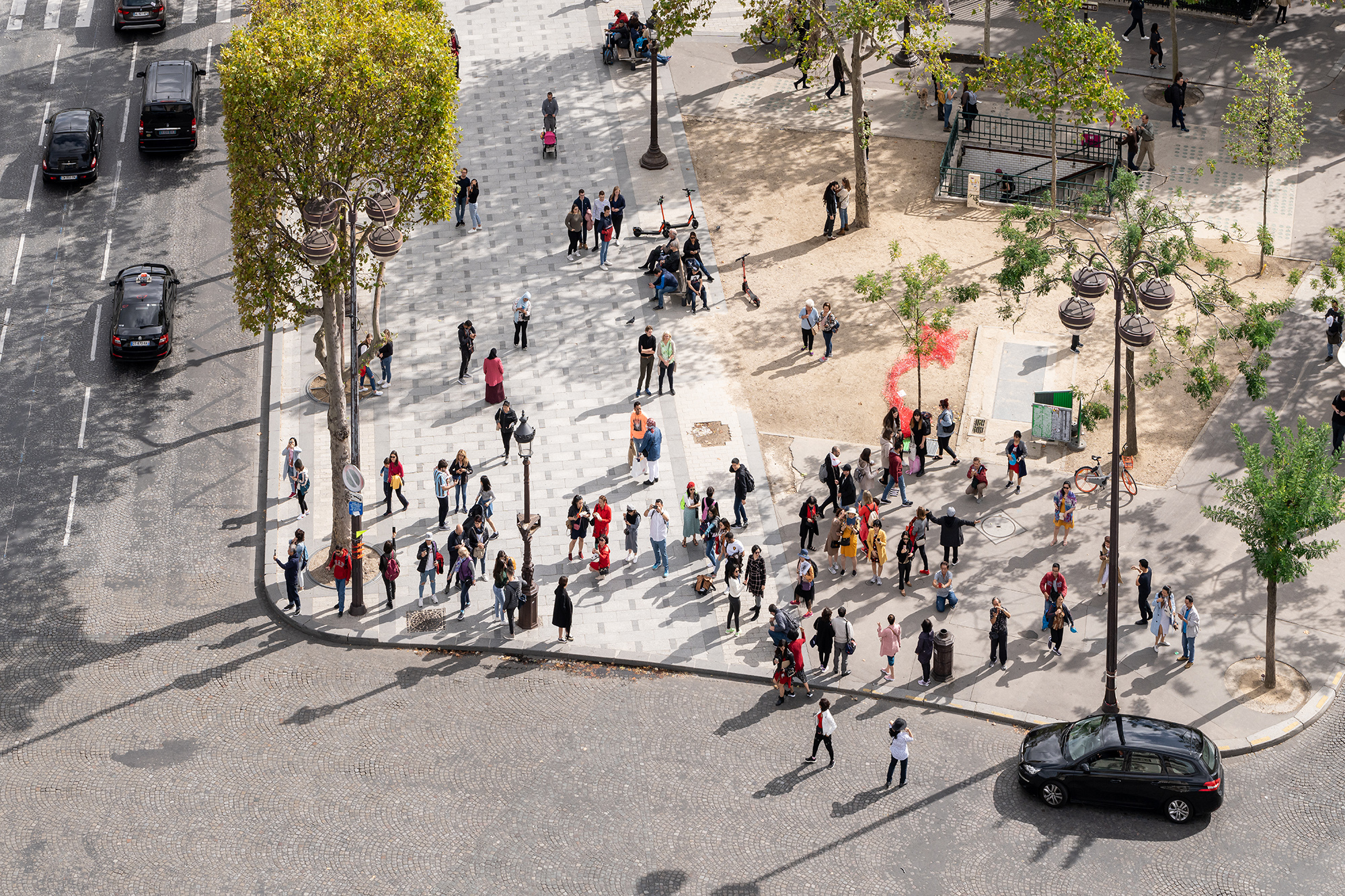
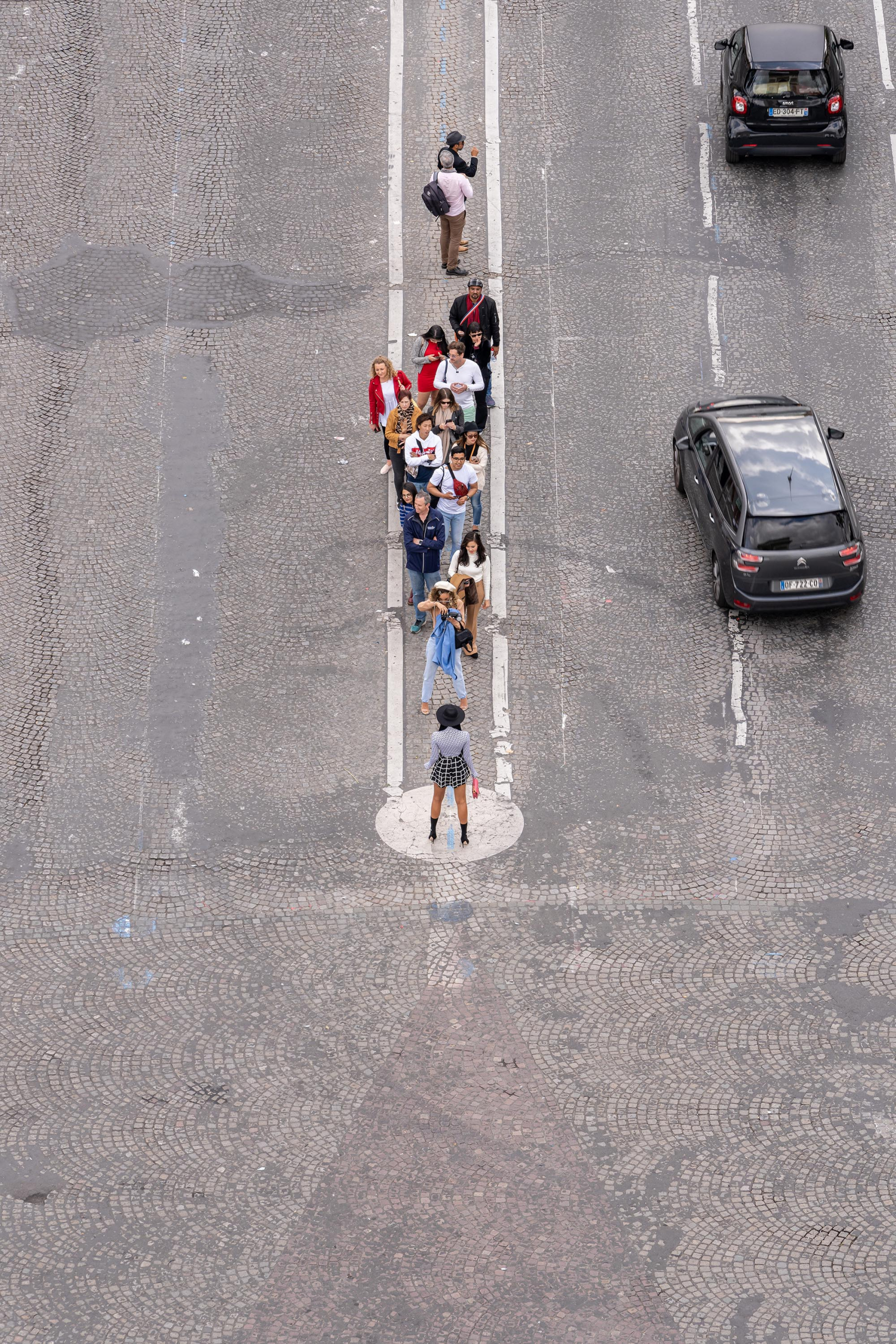
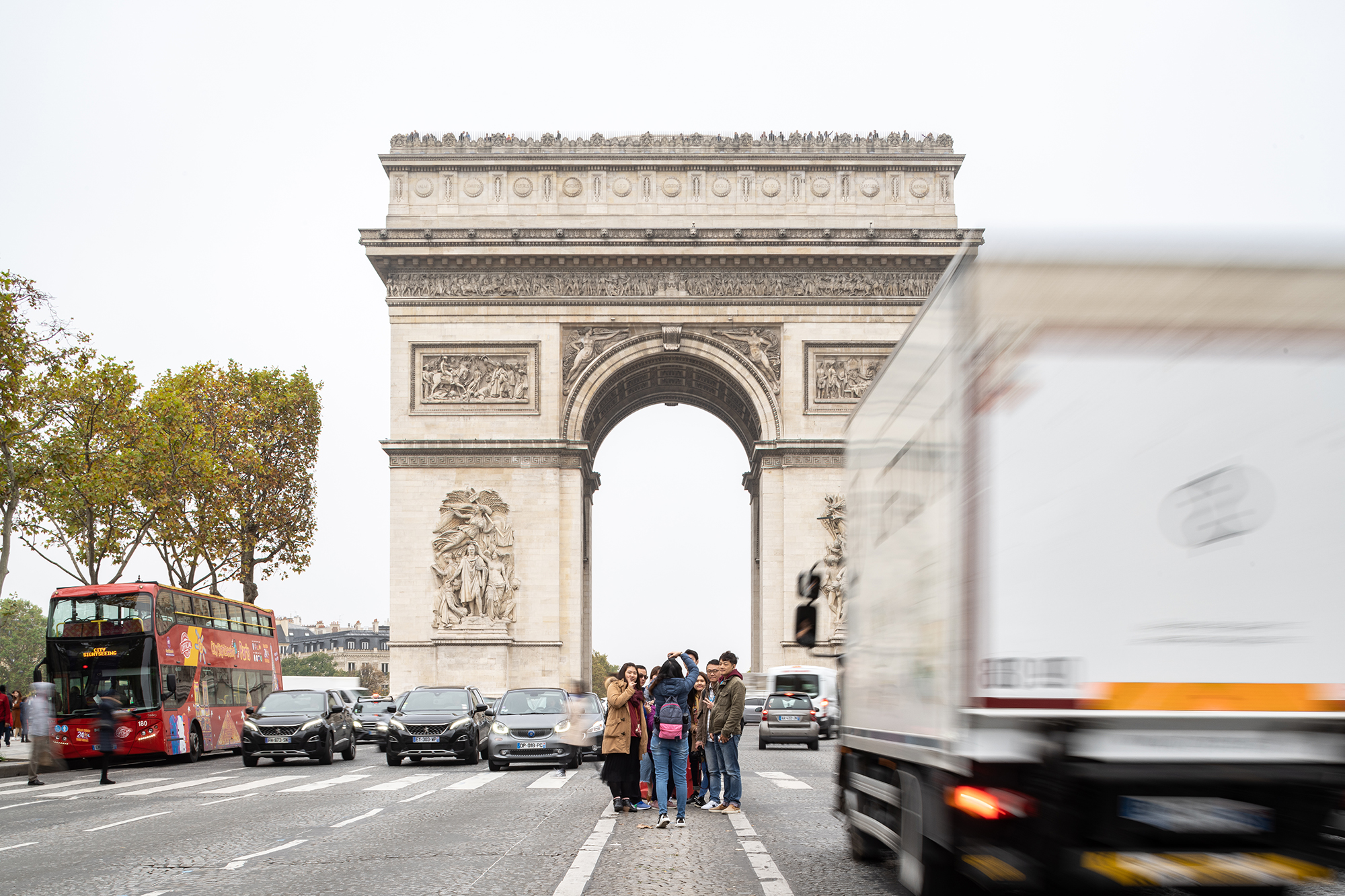
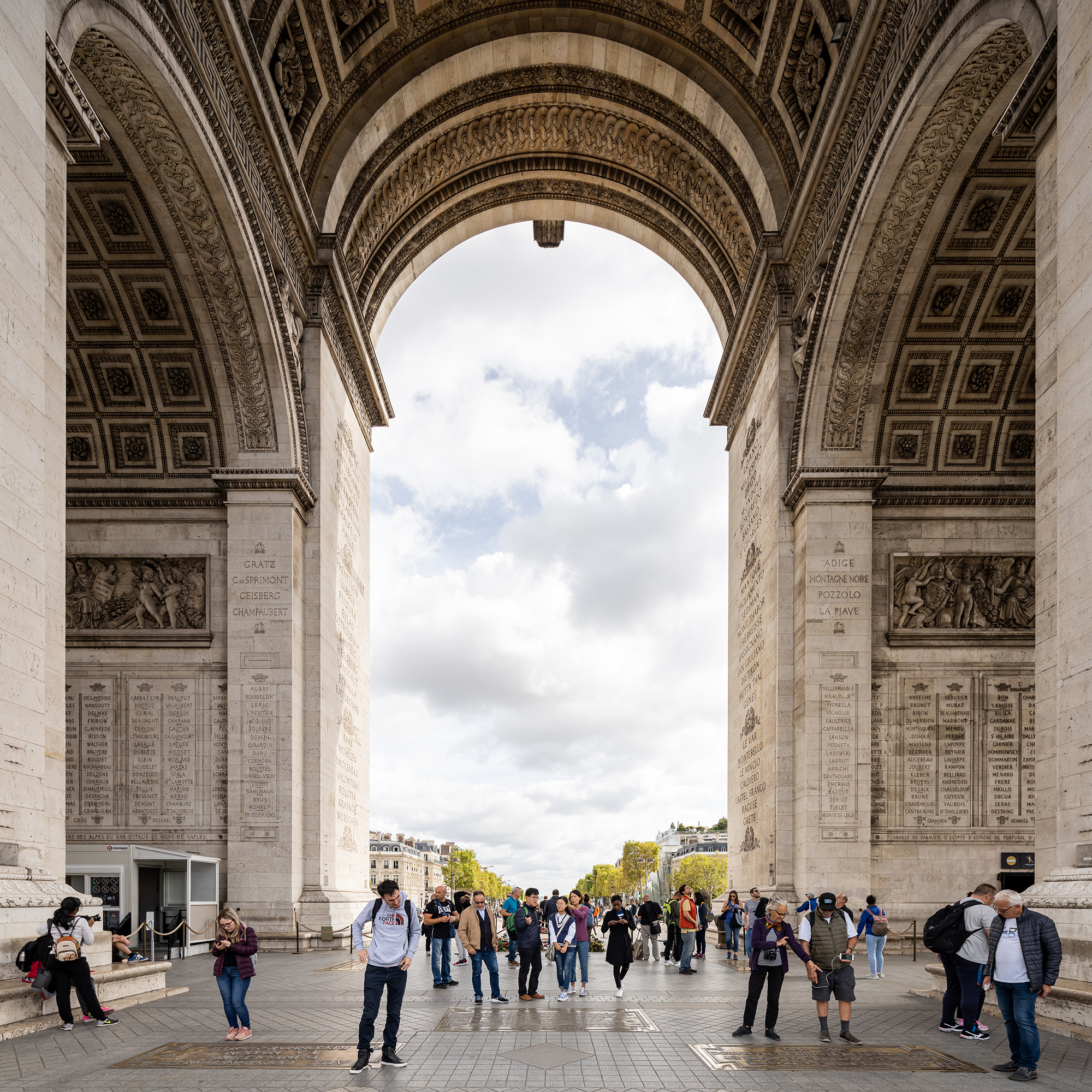
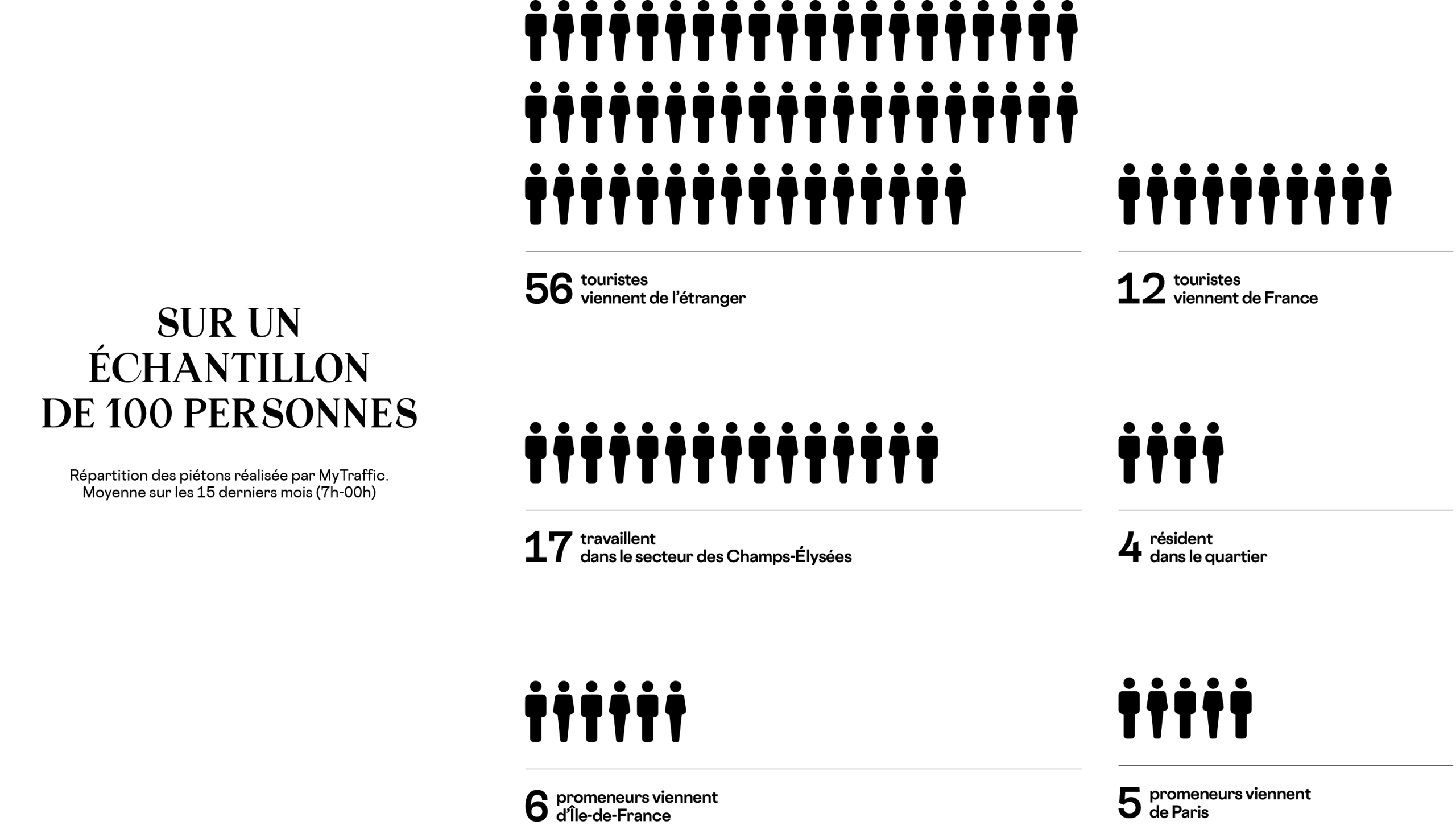
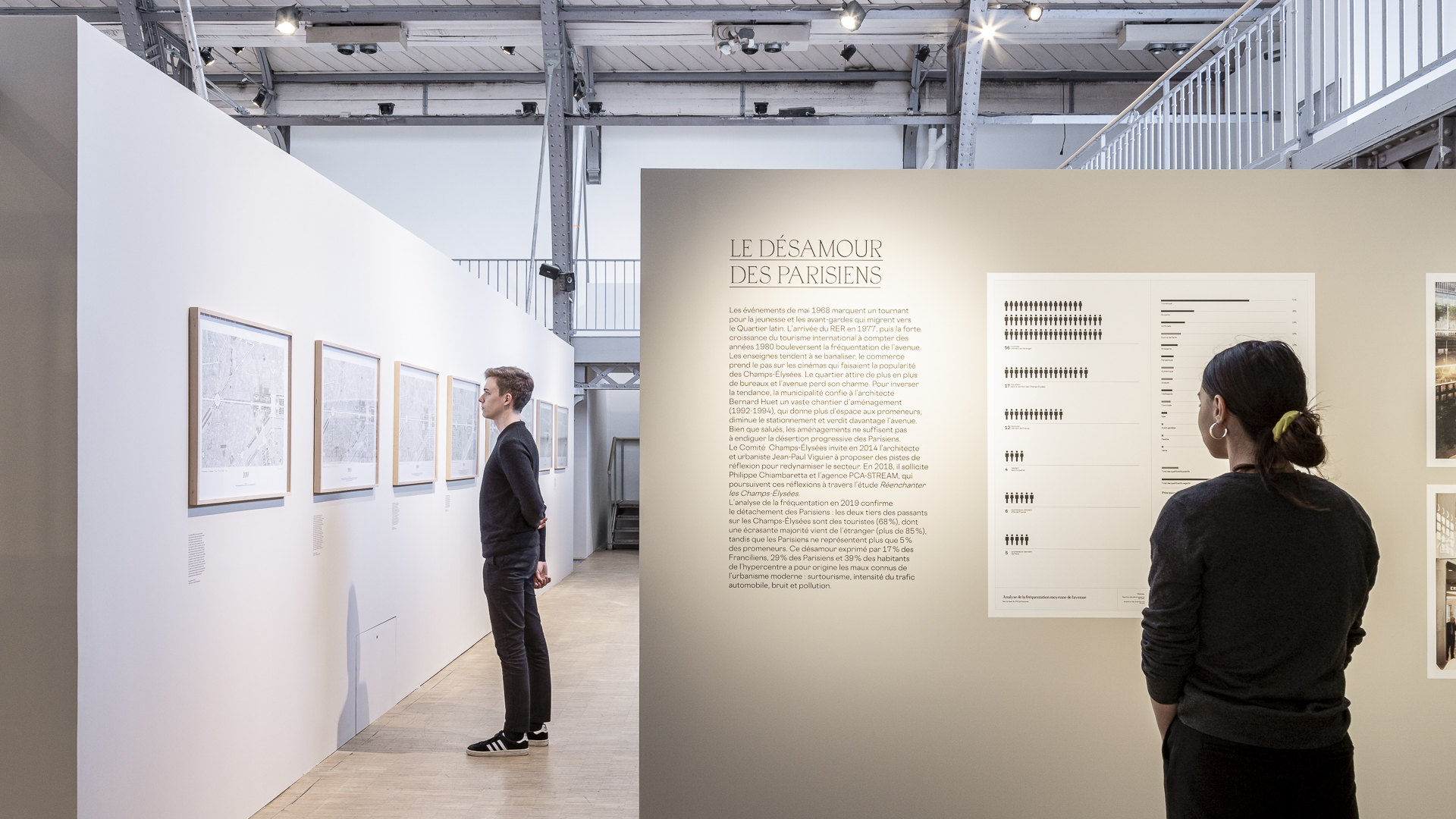
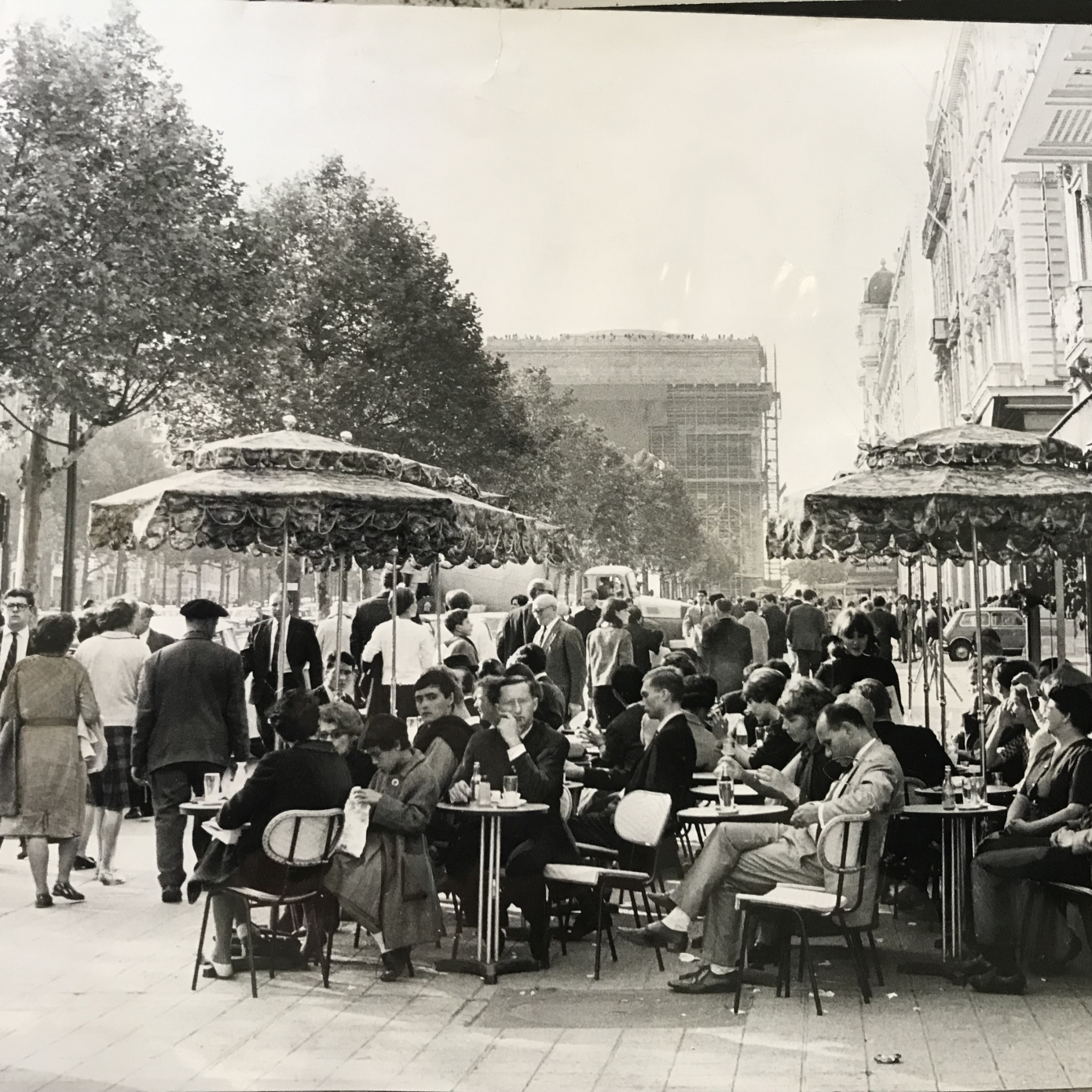
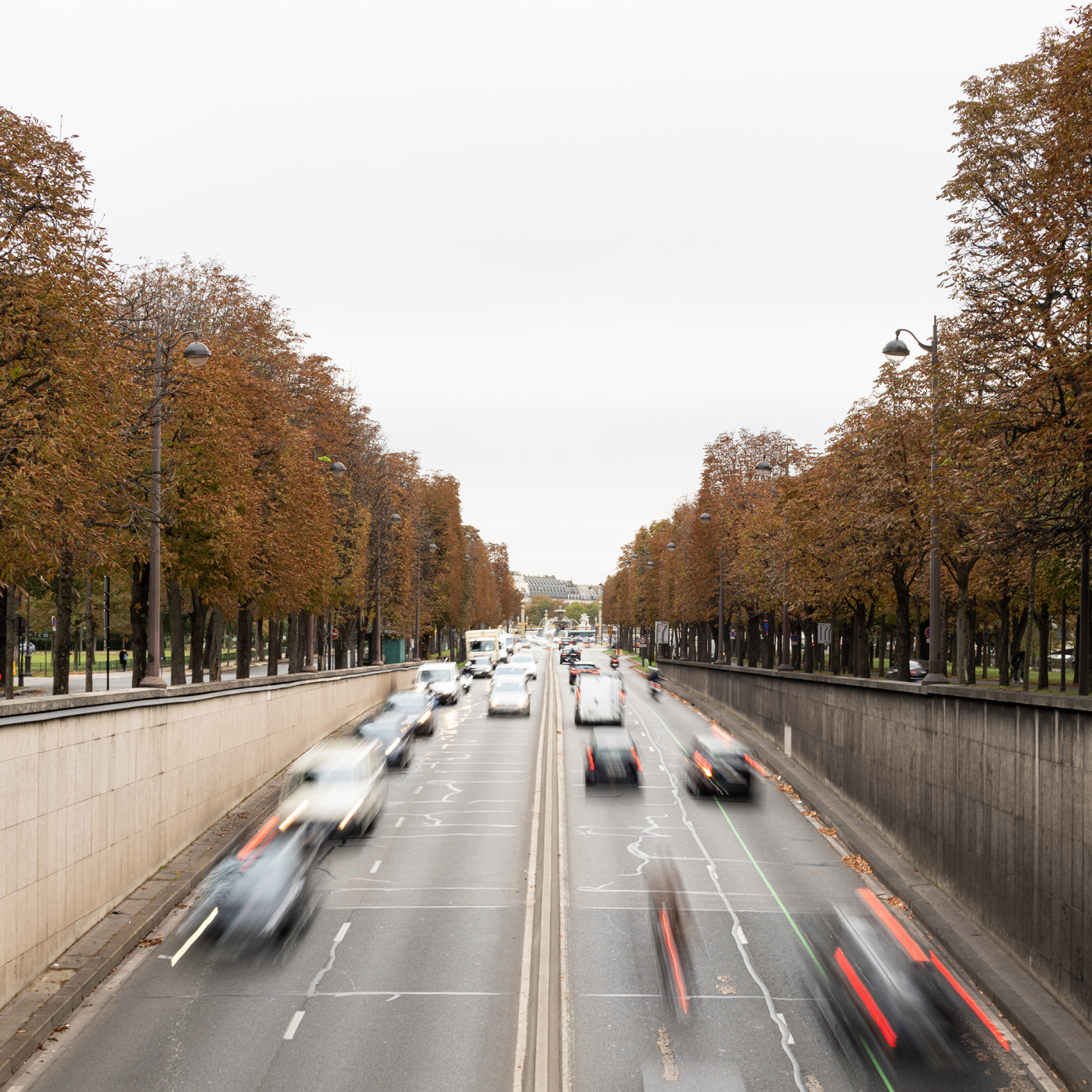
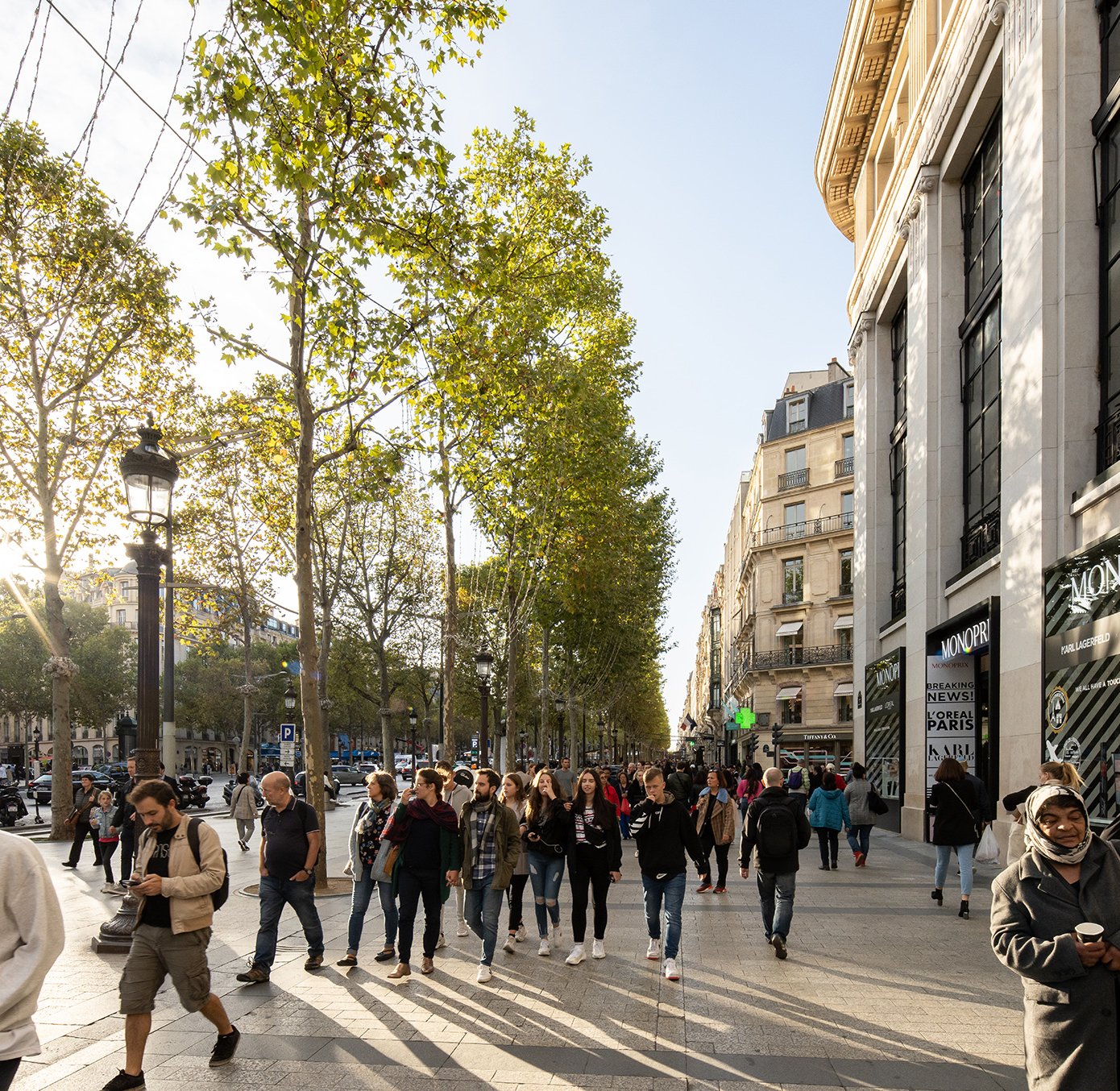
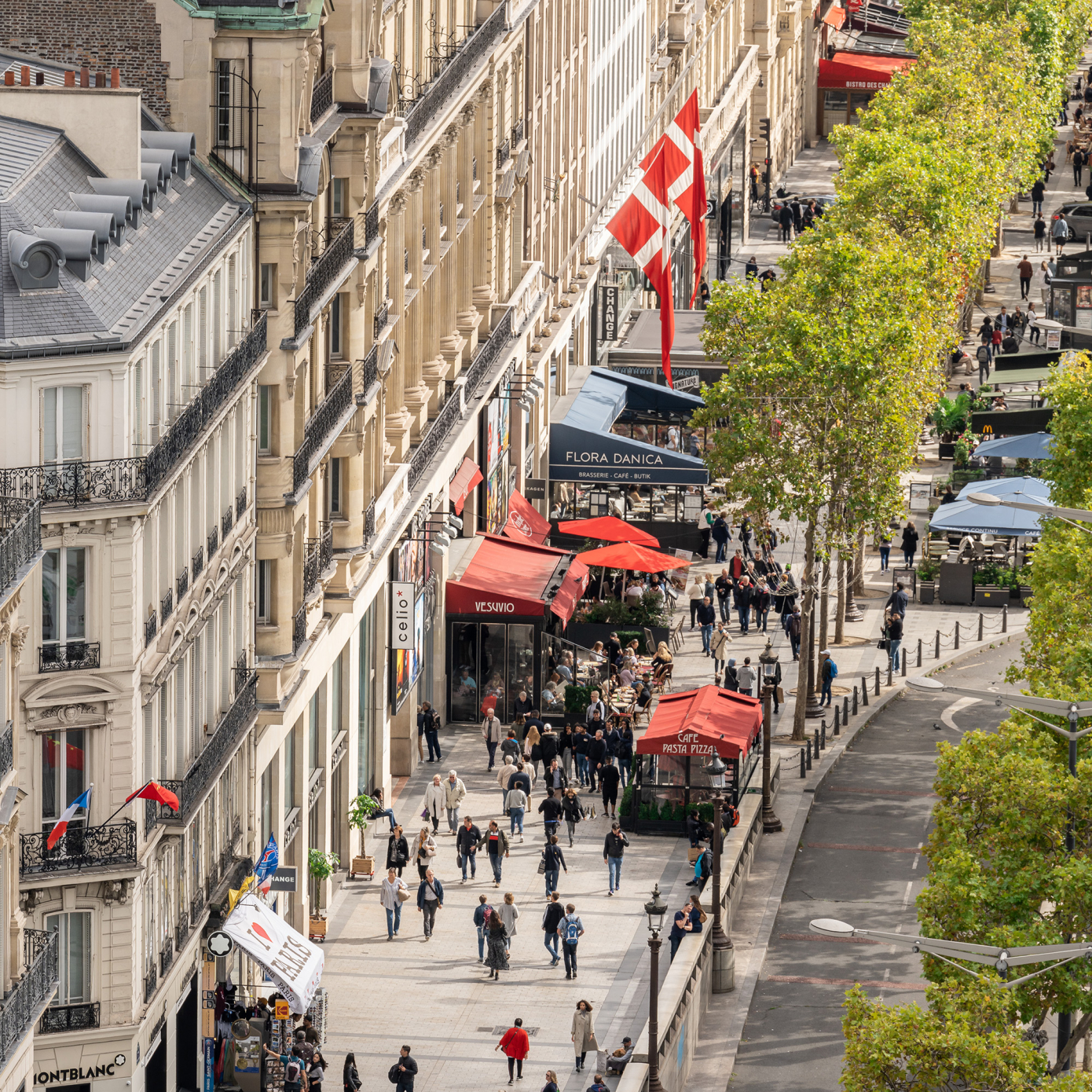
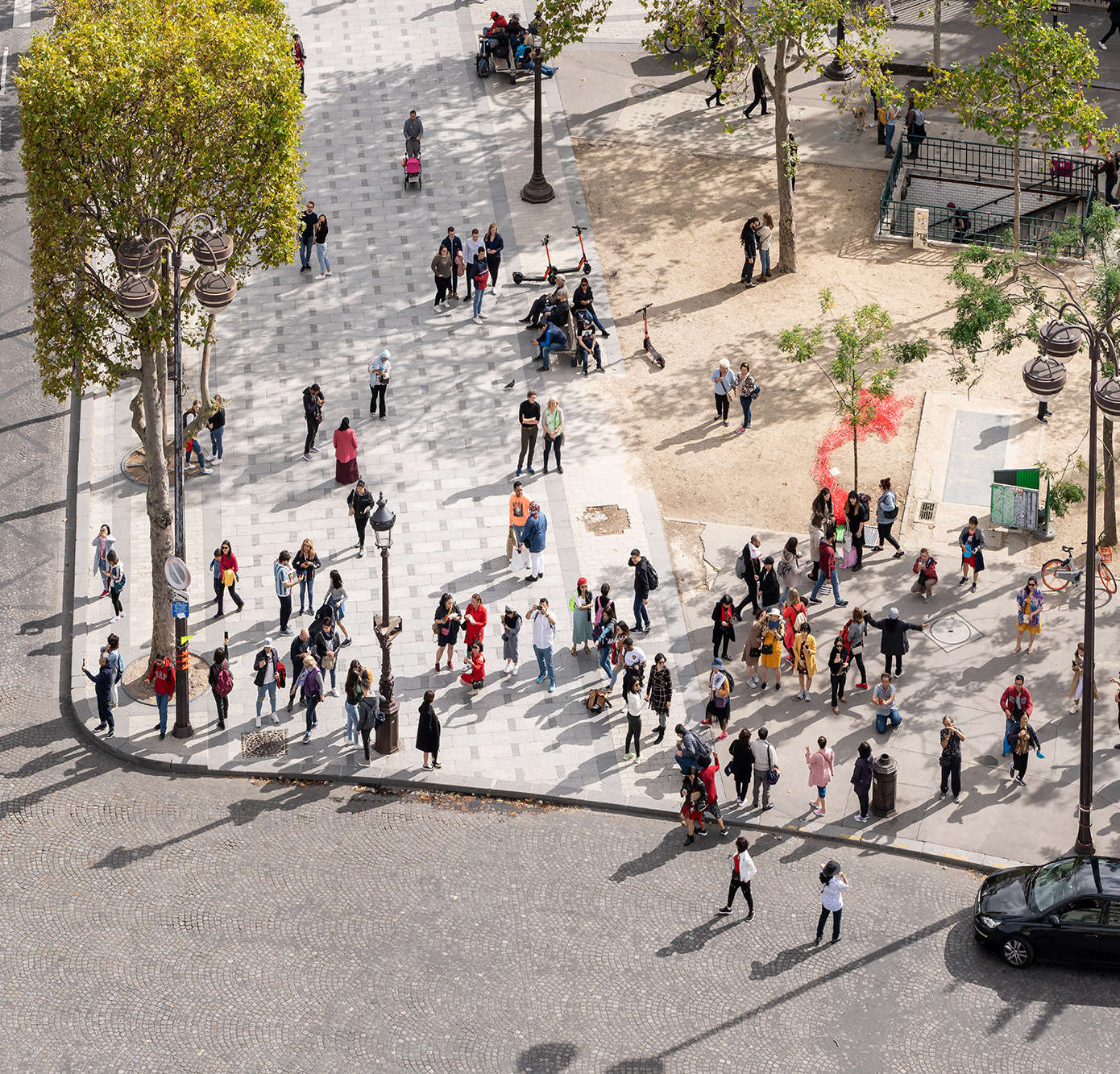
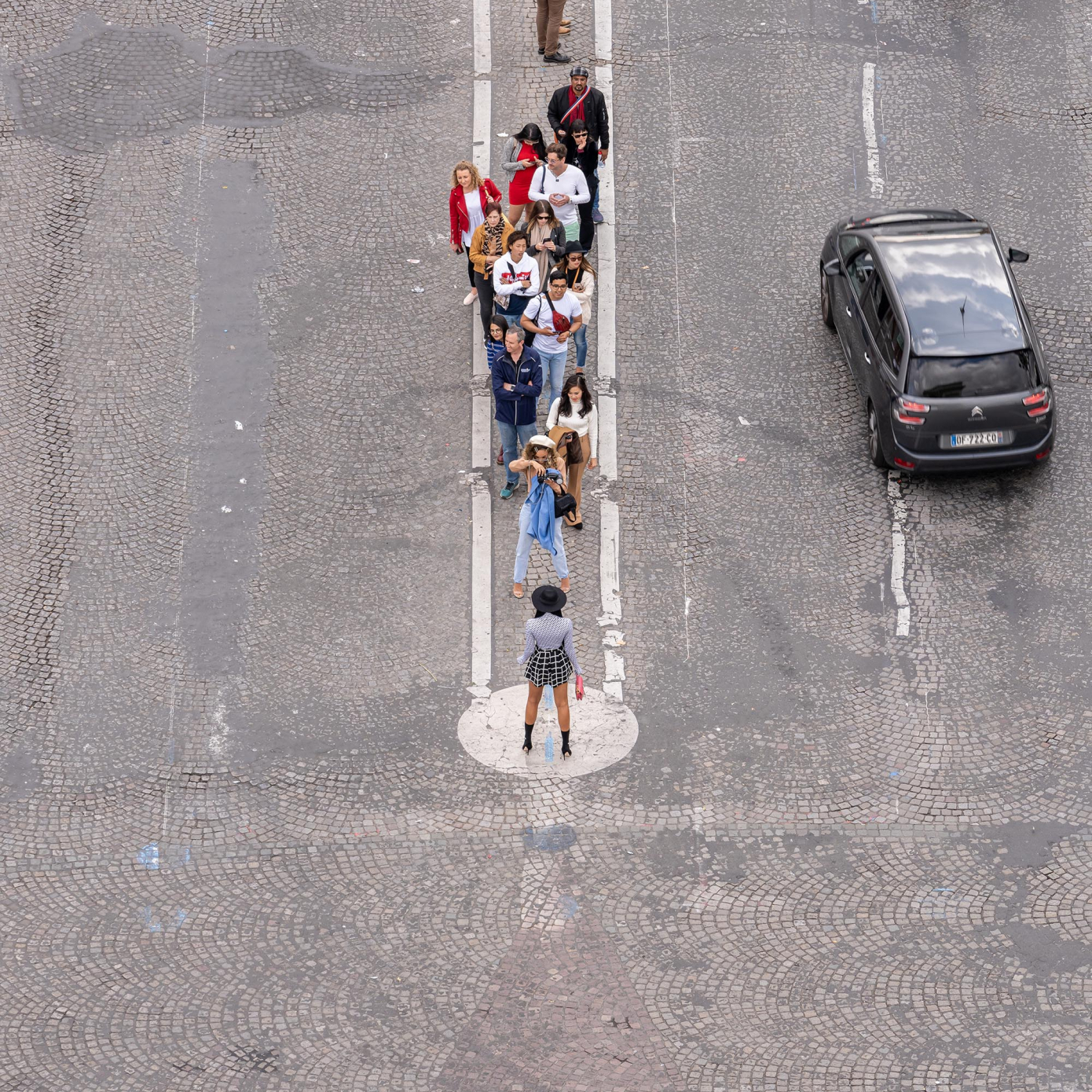
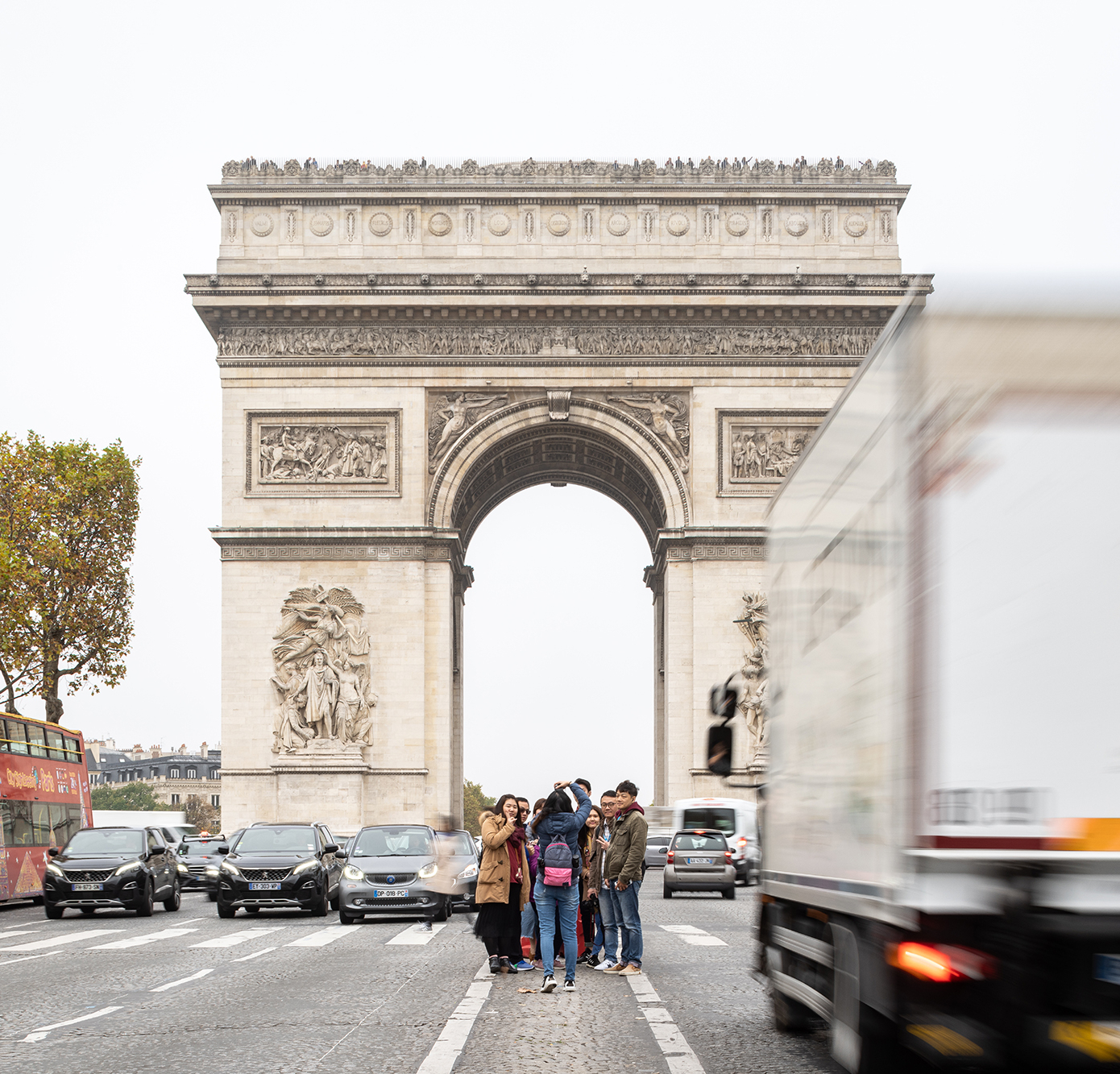
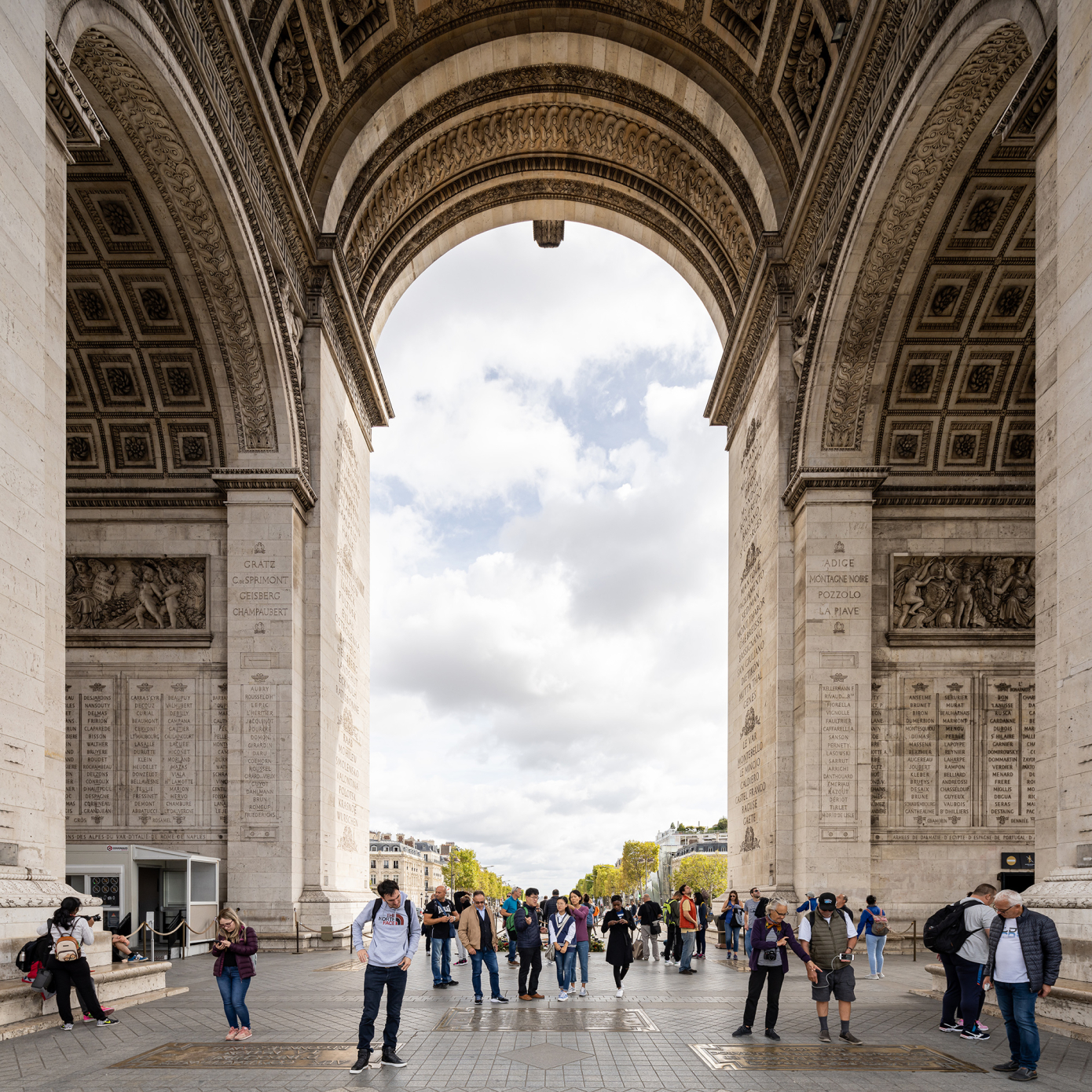
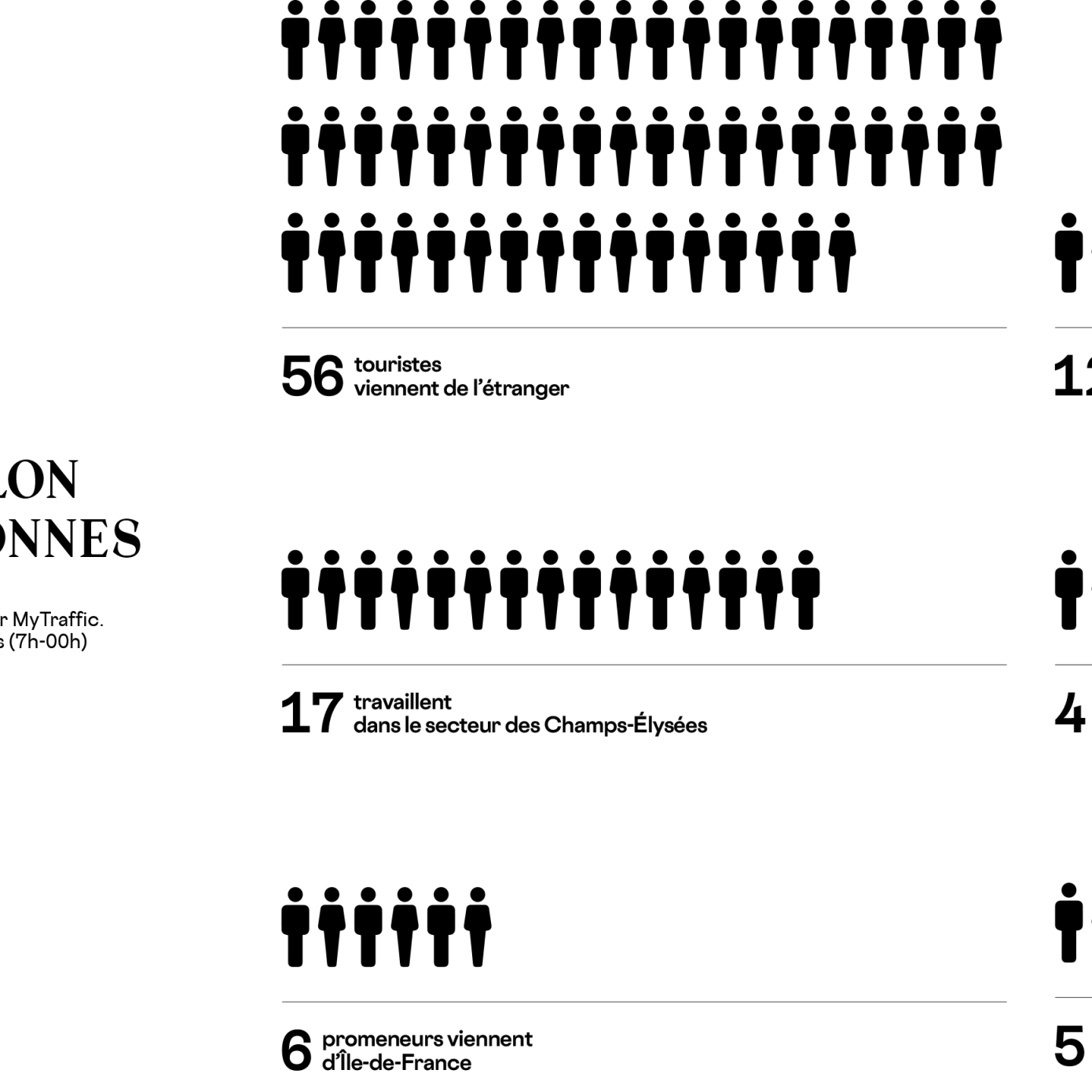
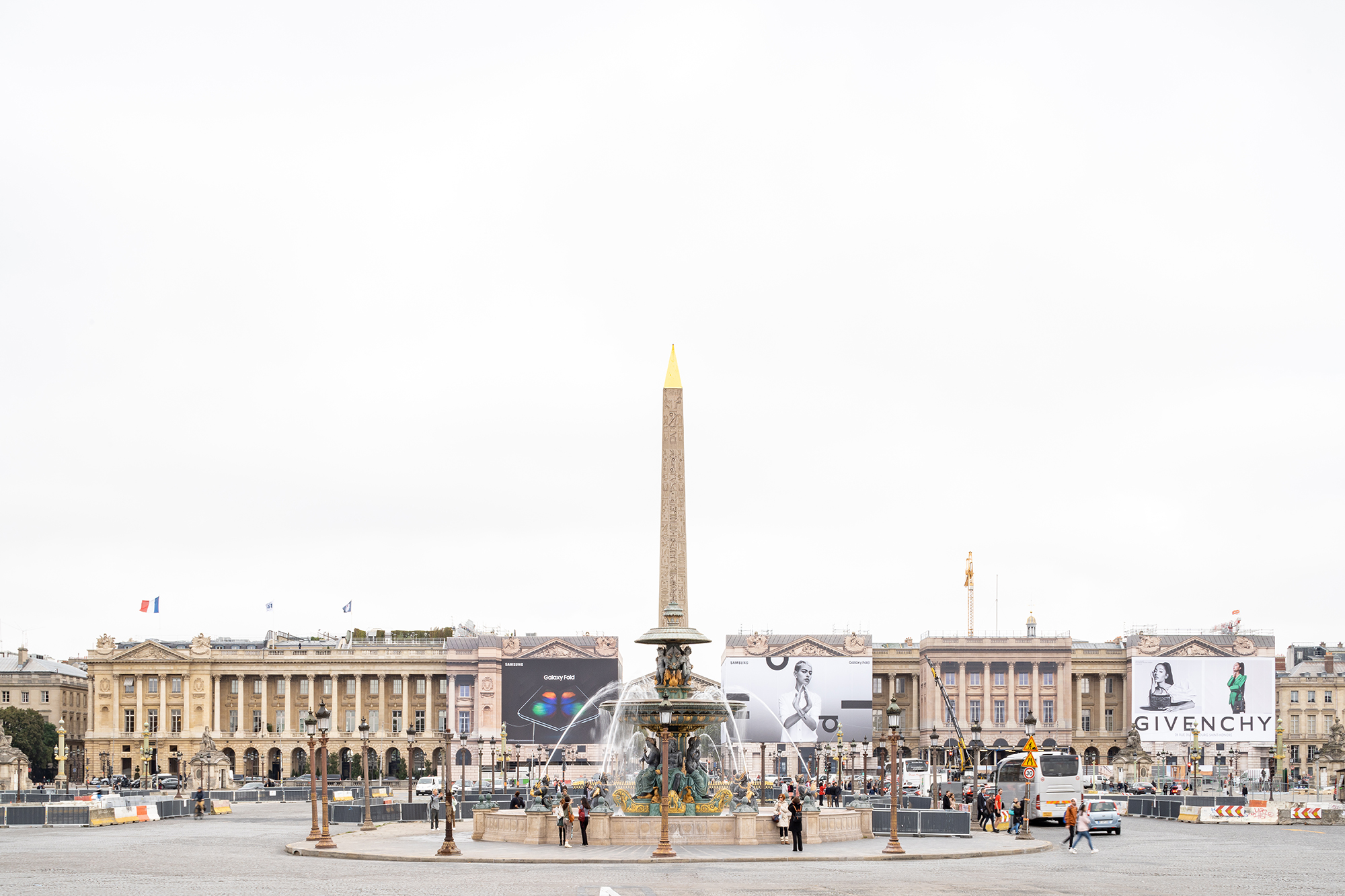
The rift between Parisians and the avenue now seems to be well and truly established. An analysis of its annual foot traffic reveals the extent of this estrangement: two-thirds of those walking along the Champs-Élysées are tourists, the overwhelming majority of whom come from abroad, while Parisians now account for only 5% of pedestrians. Such disaffection stems from a broken promise: that of a better future, of the perpetual triumph of progress. From its very inception, the Champs-Élysées has offered a spectacle of the conquest of nature with these fields patiently transformed and urbanized; in the Anthropocene era, the reasons Parisians reject the avenue (overtourism, traffic, pollution, overconsumption, mineralization) resonate surprisingly with their growing concern about the state of the planet.
The Metabolism City
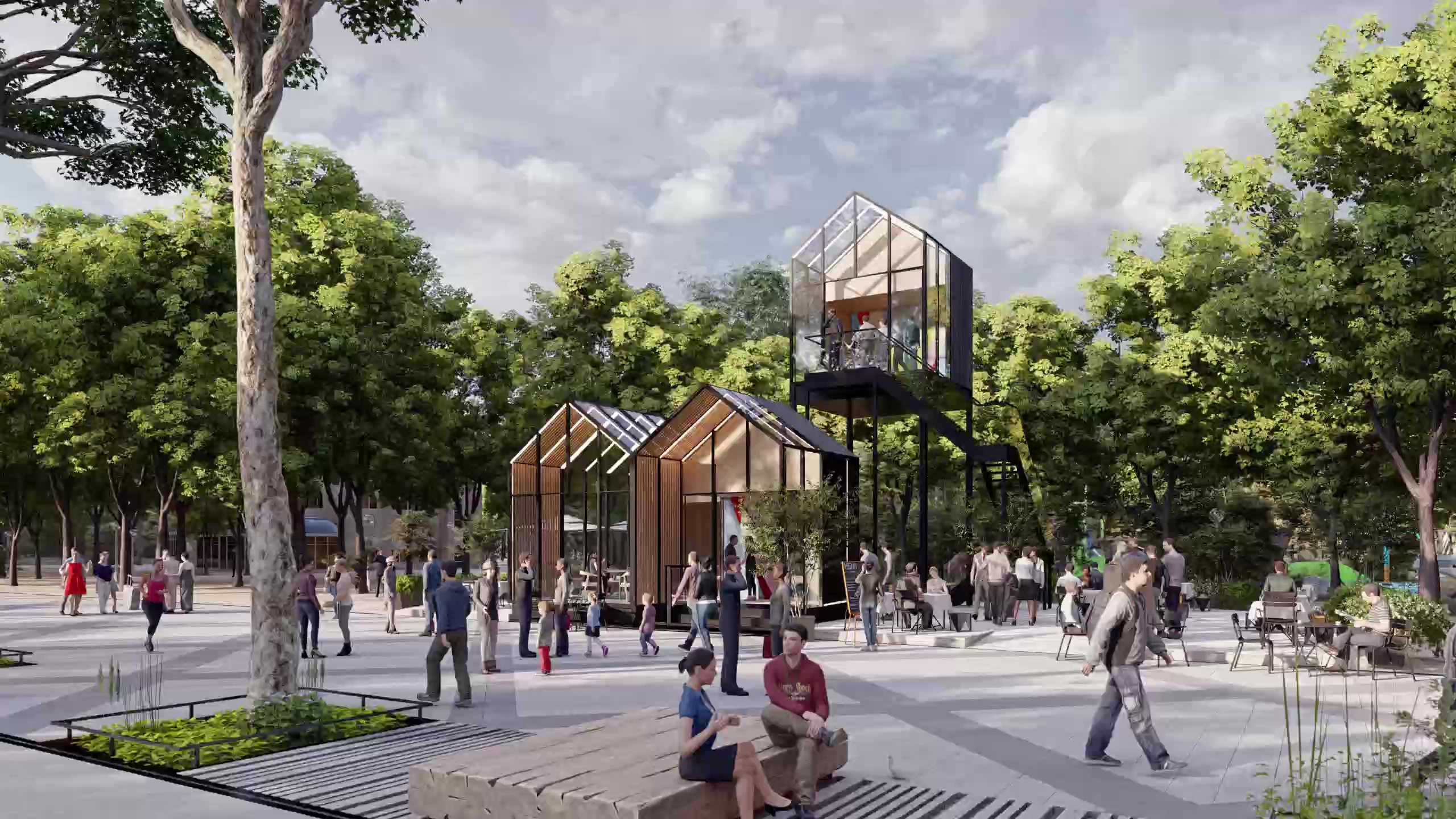
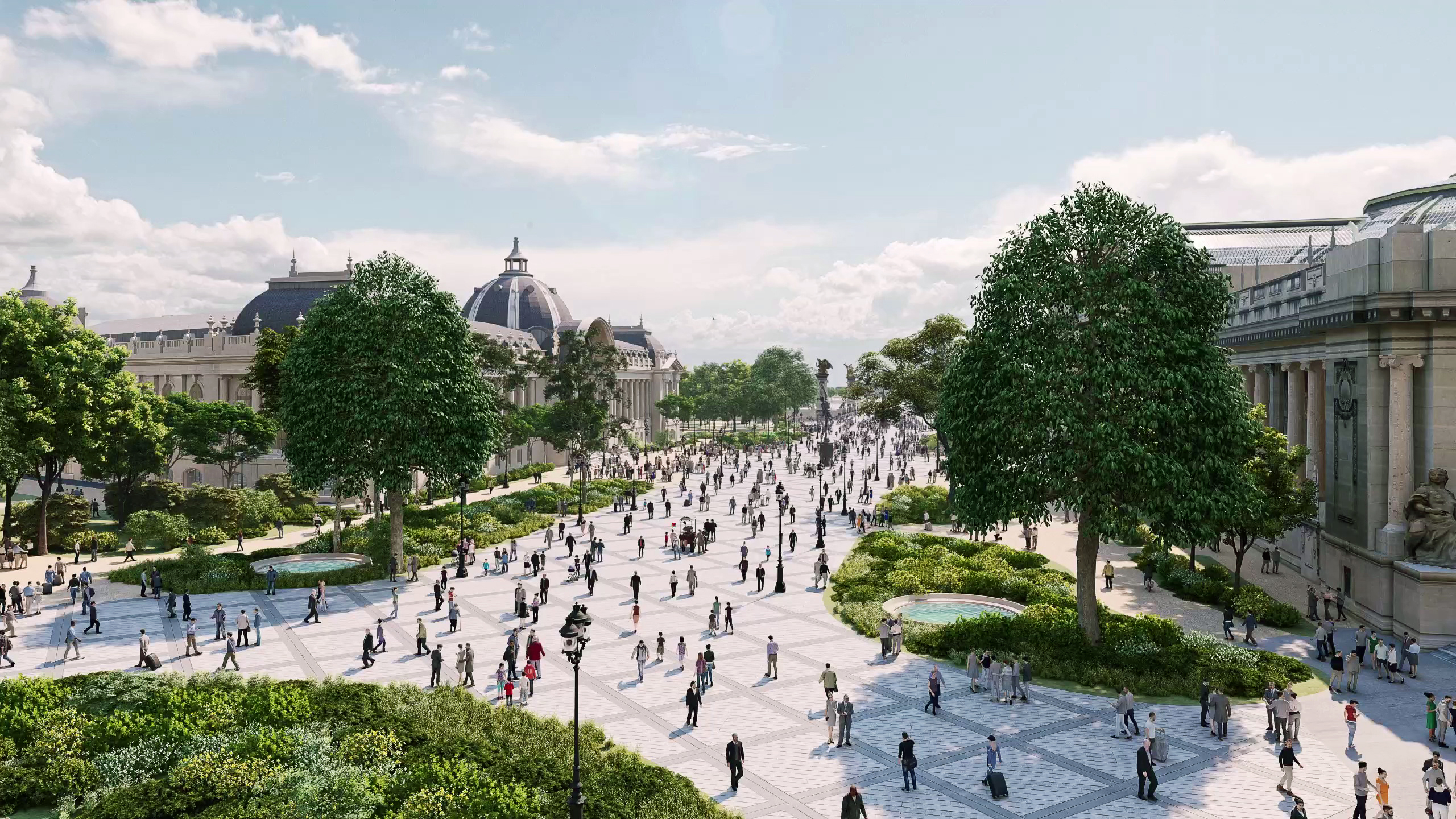
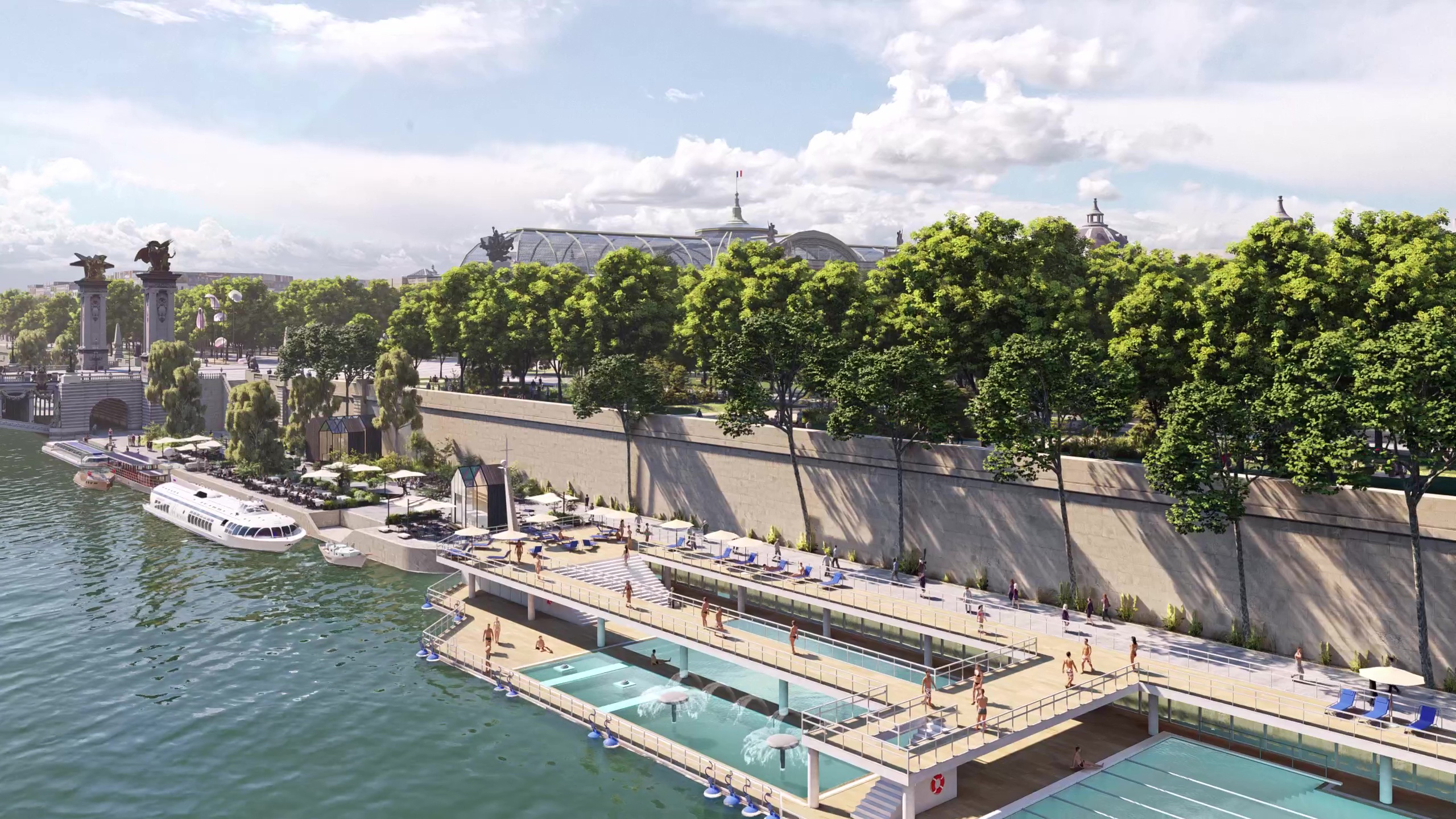
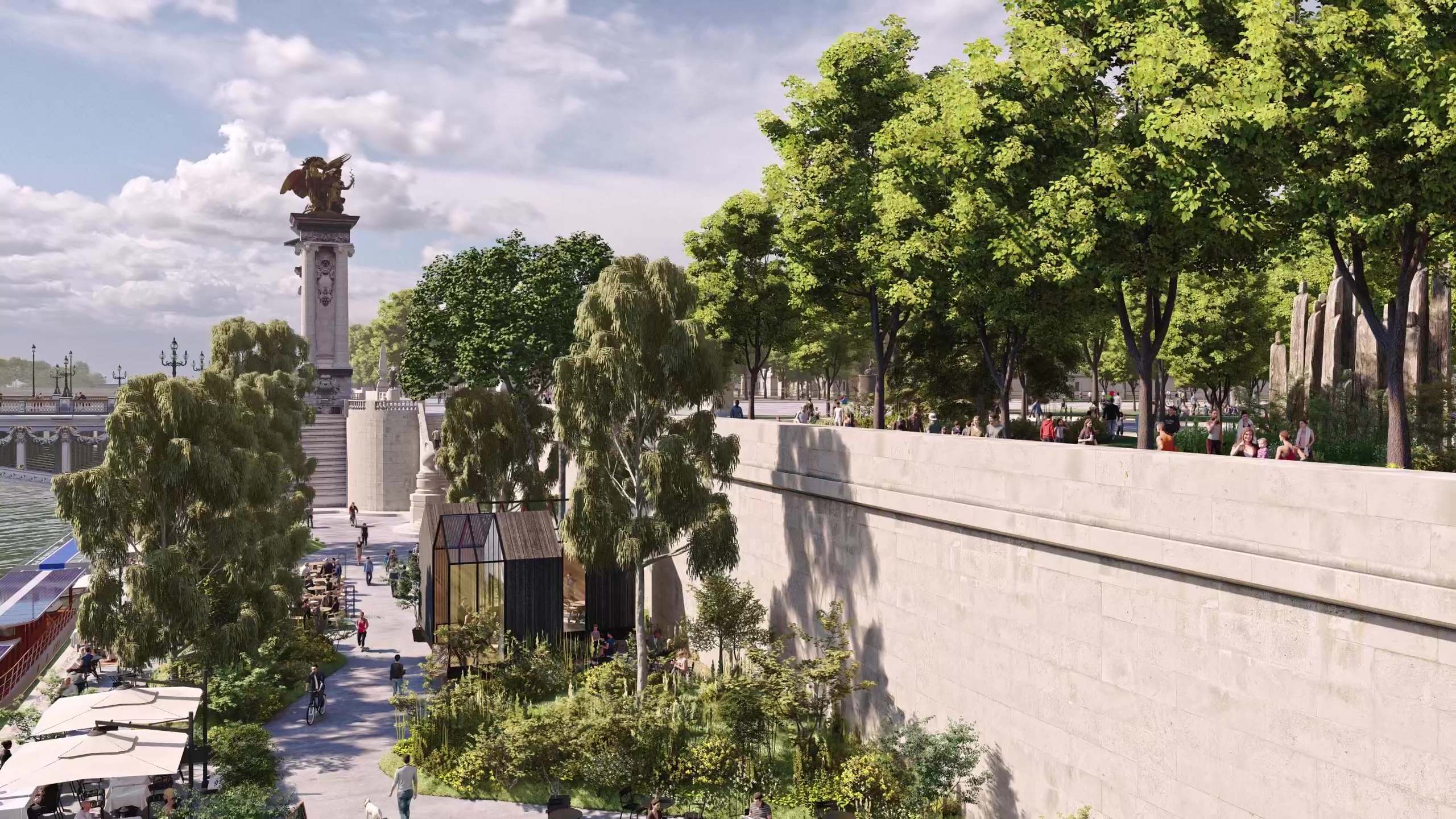
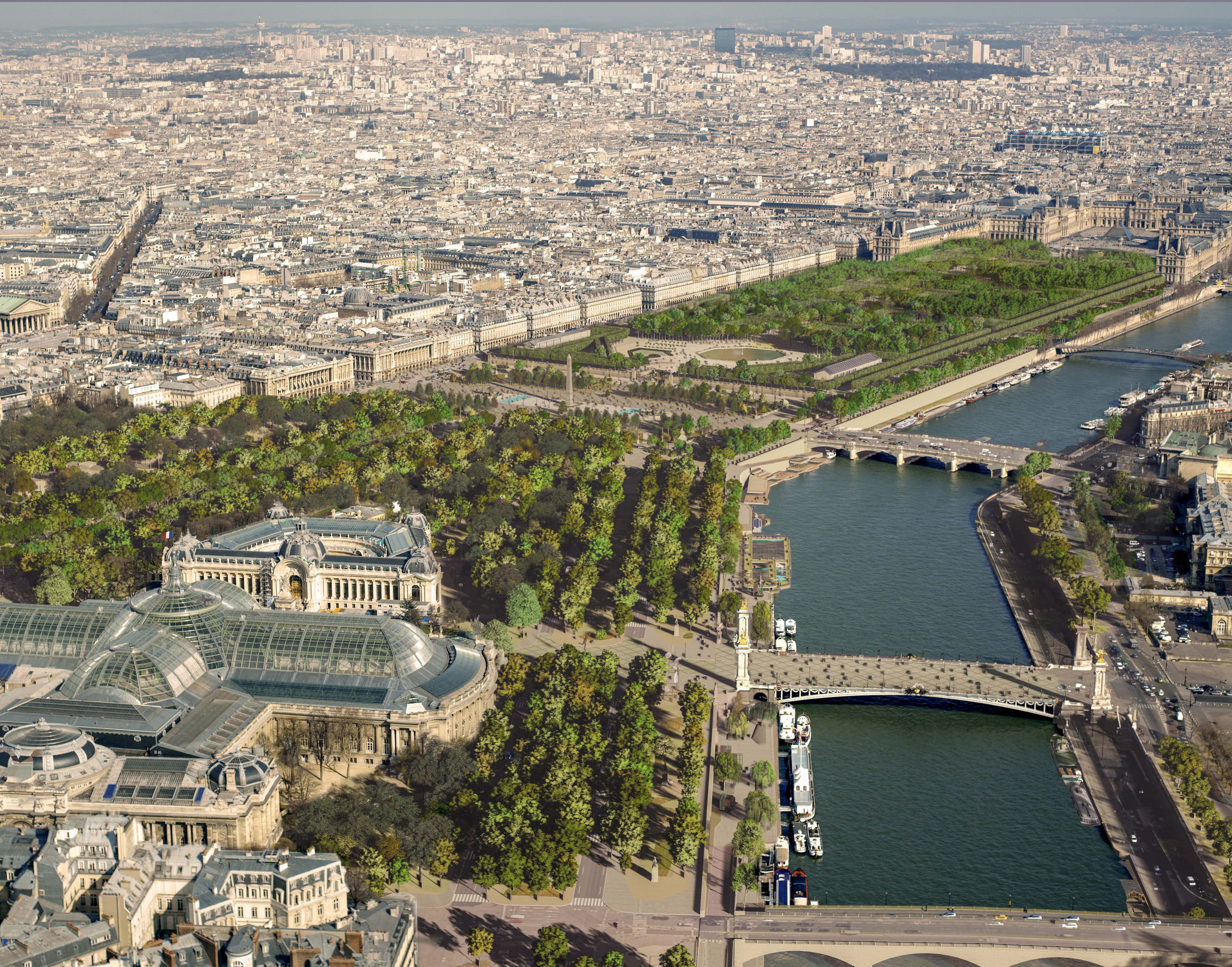
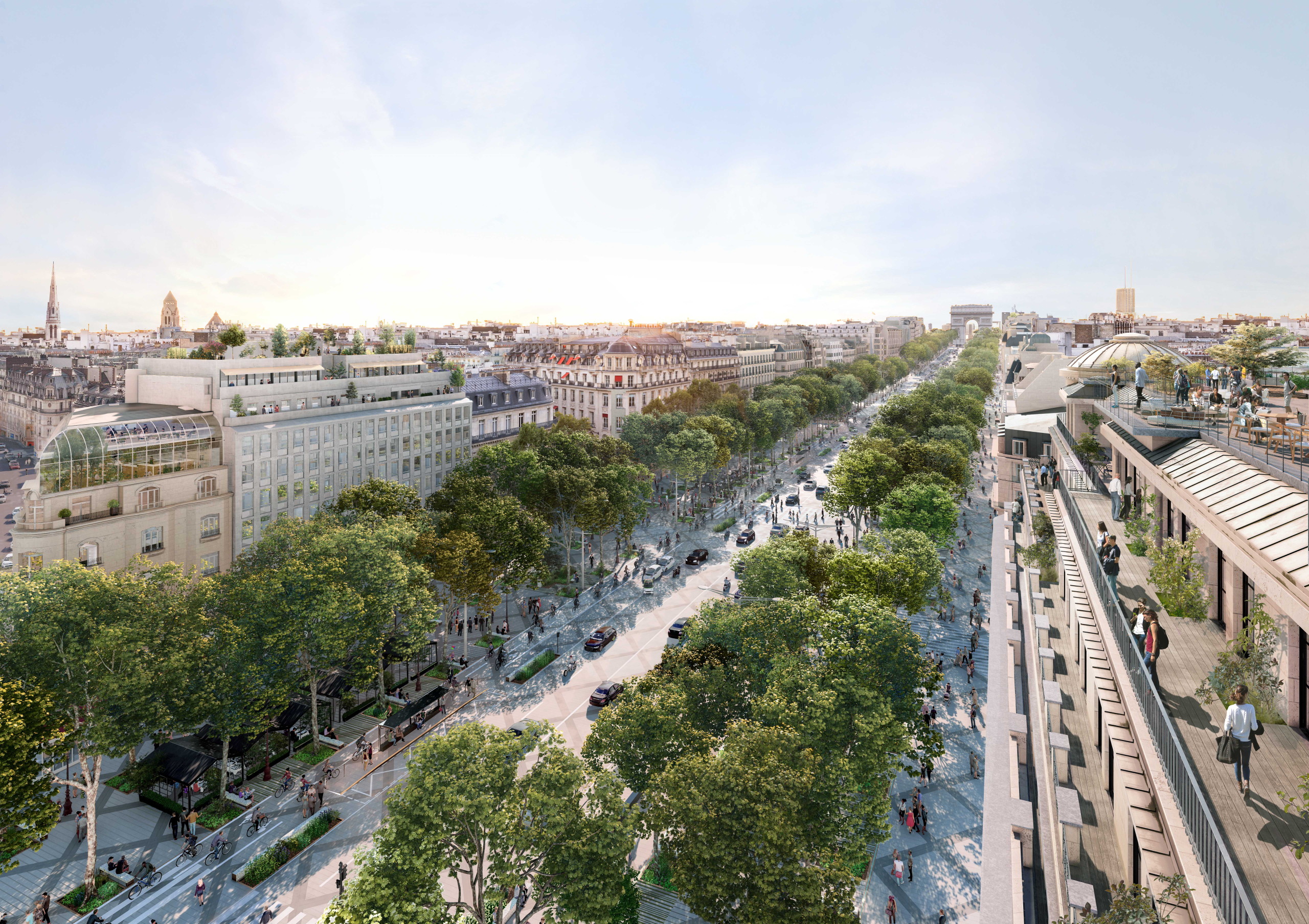
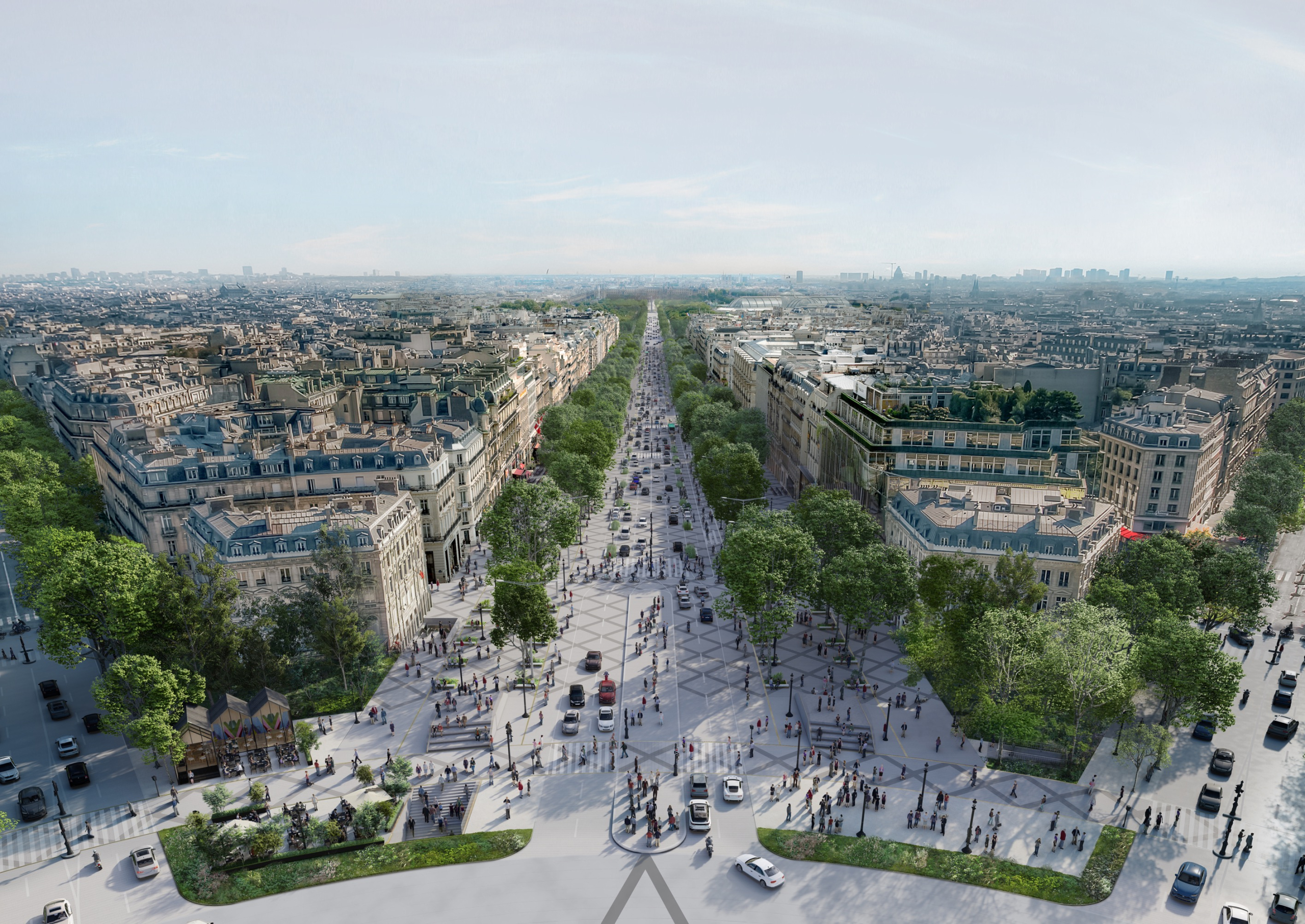
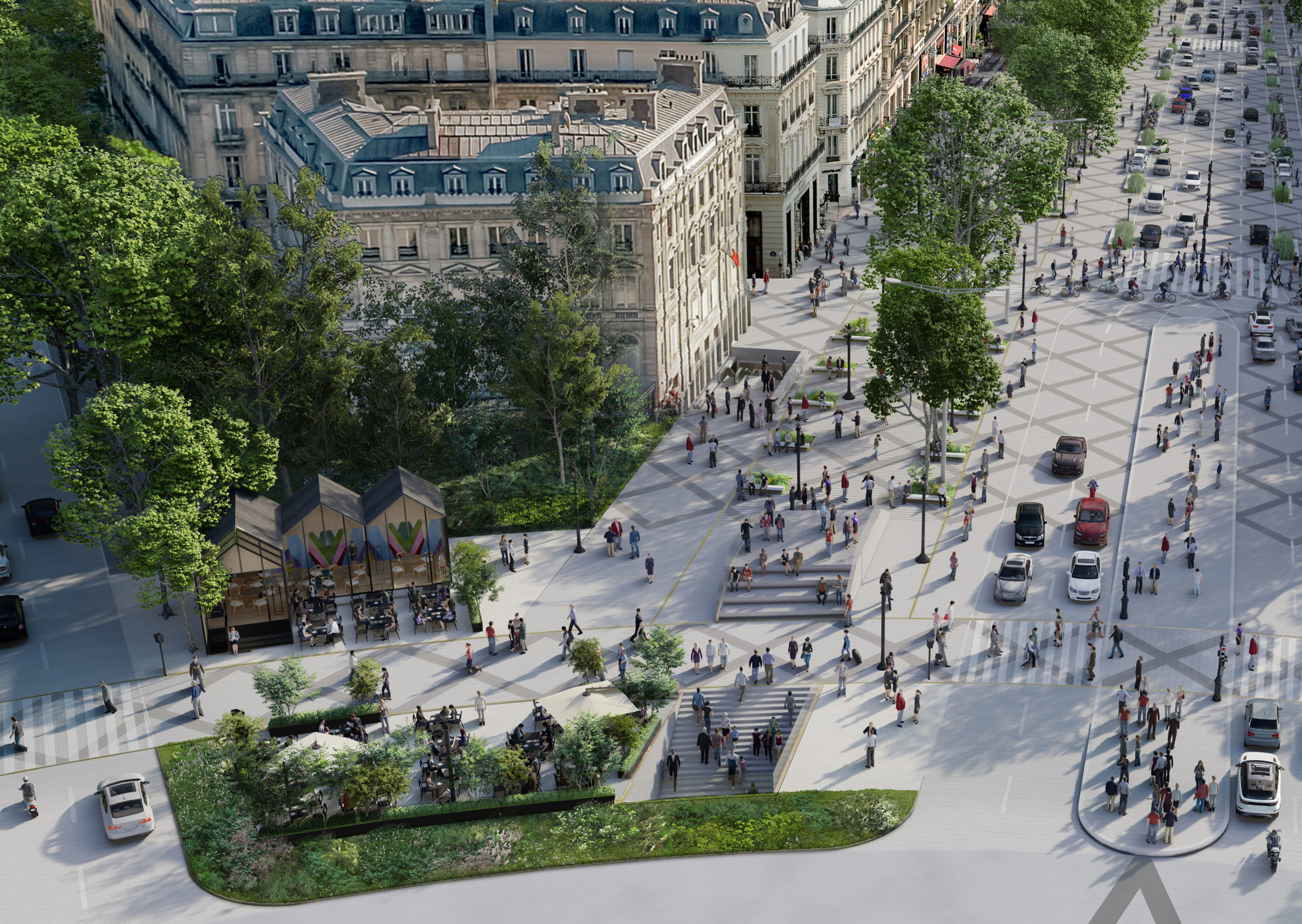
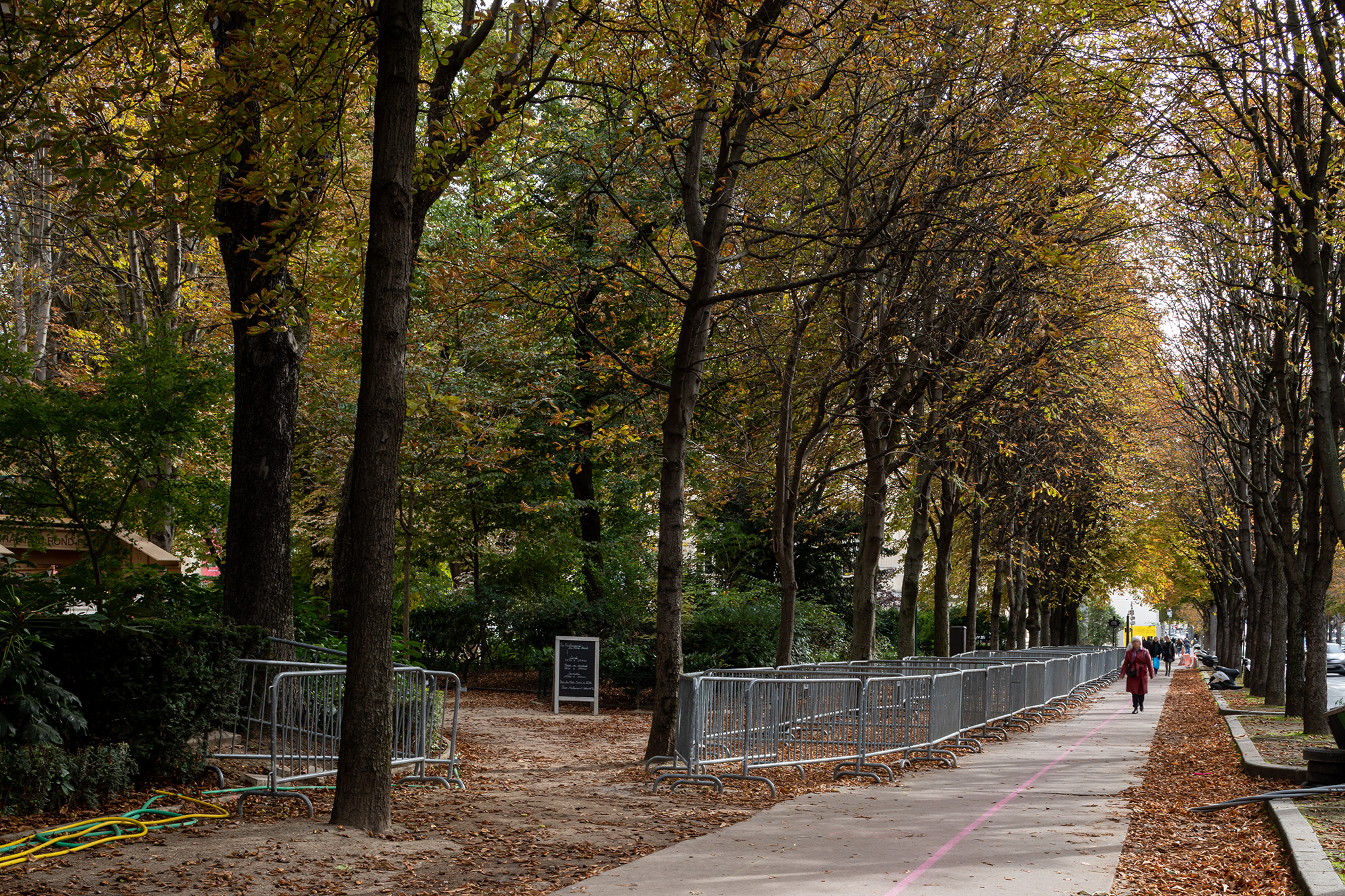
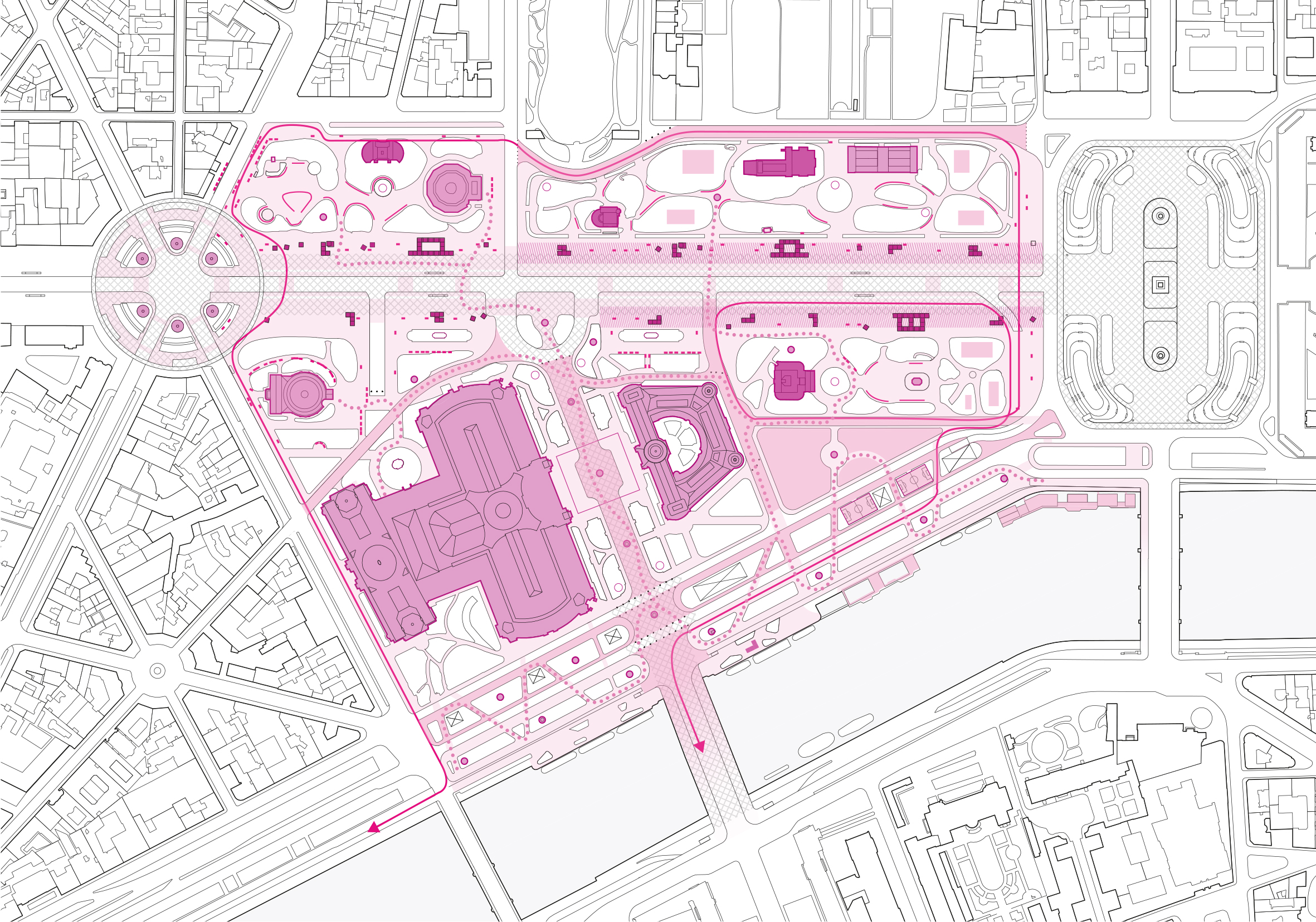
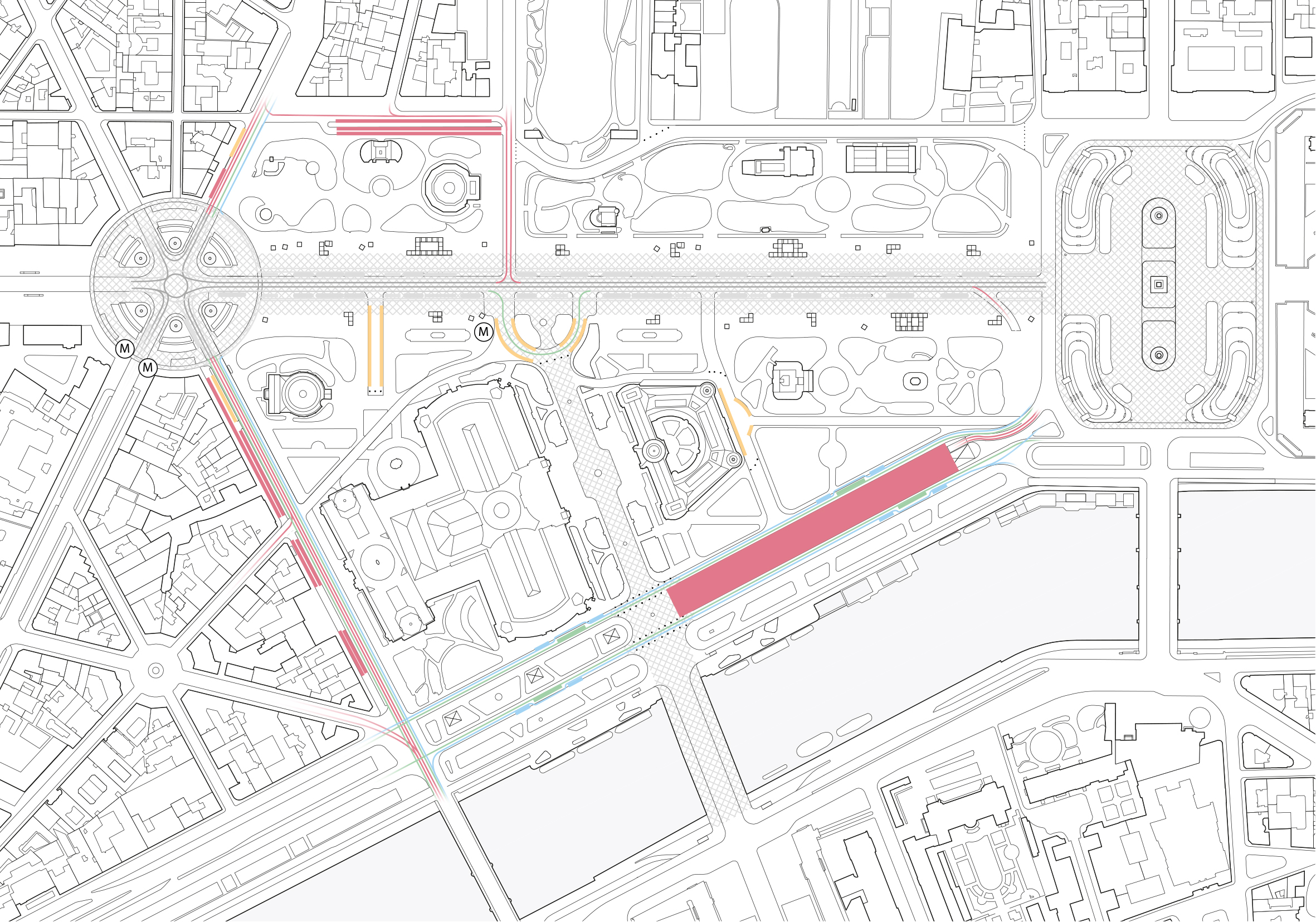
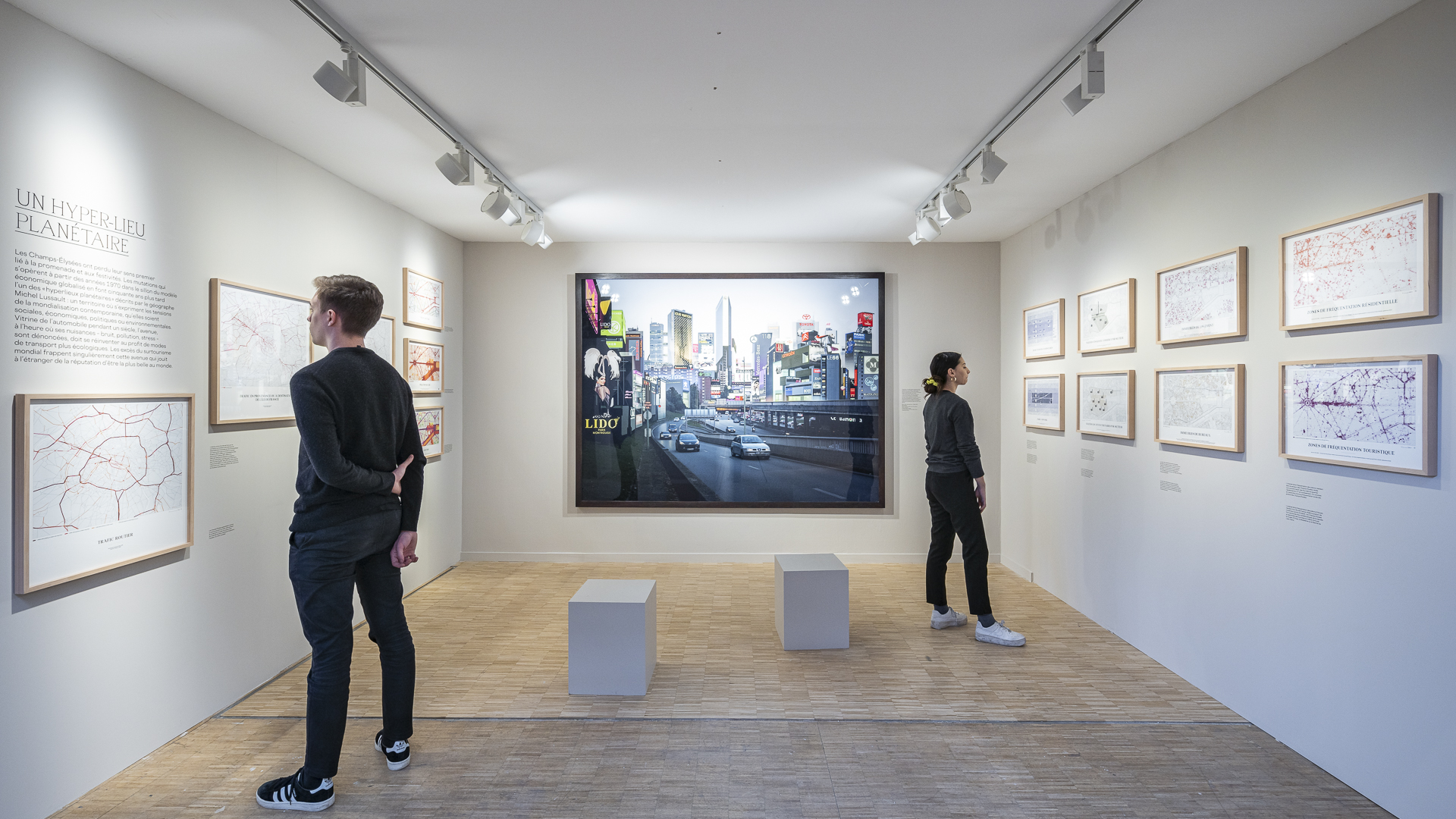
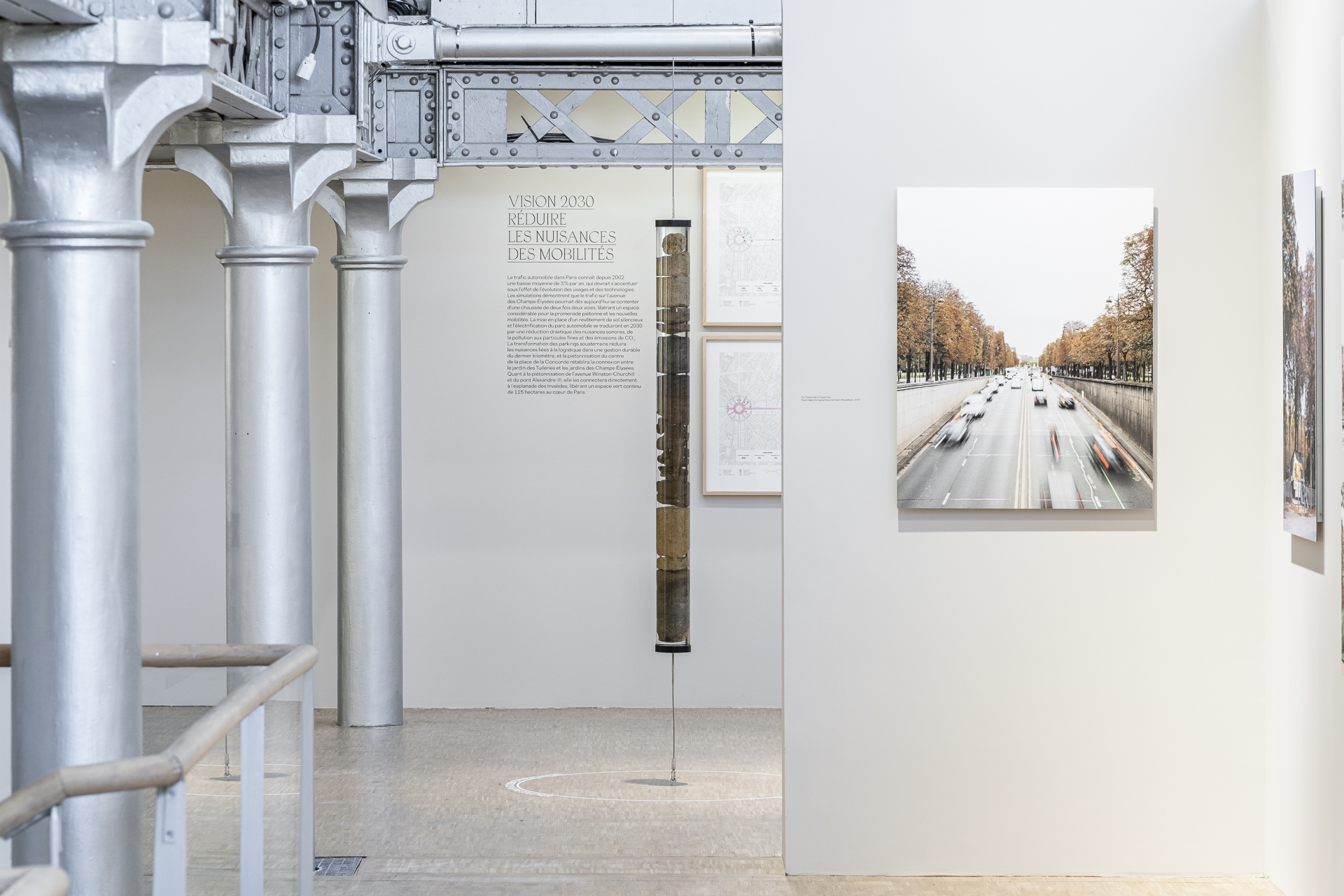
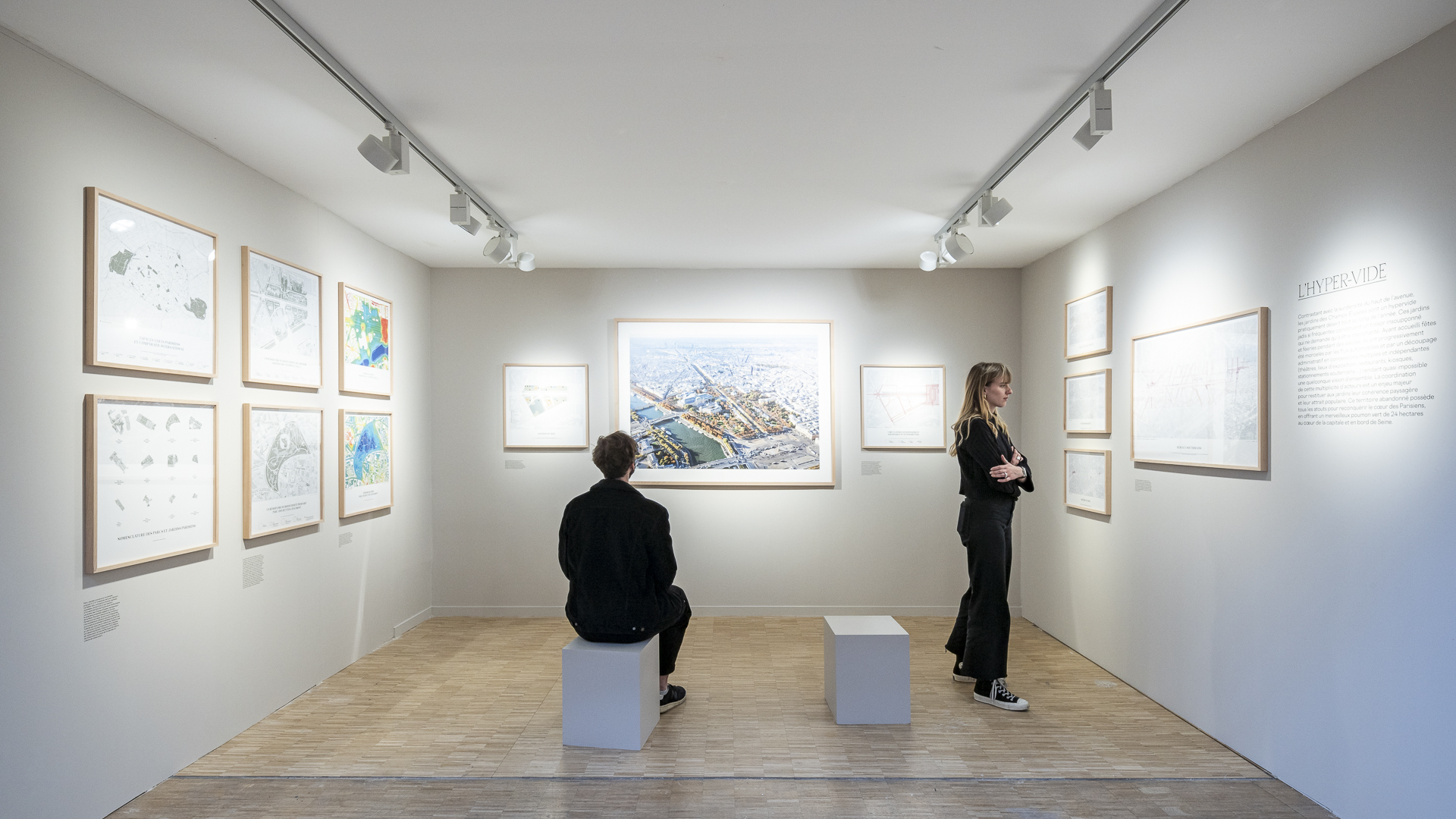
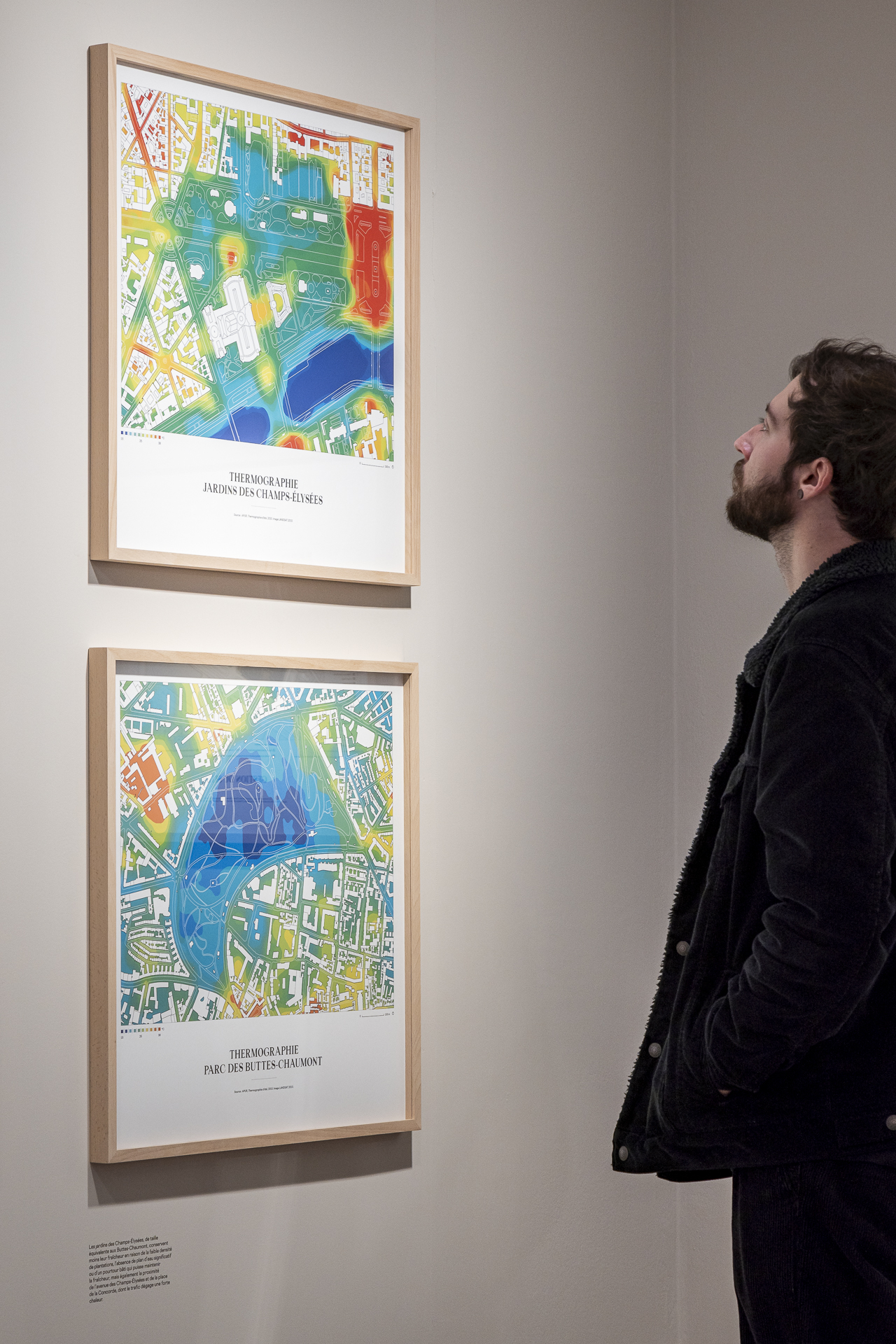
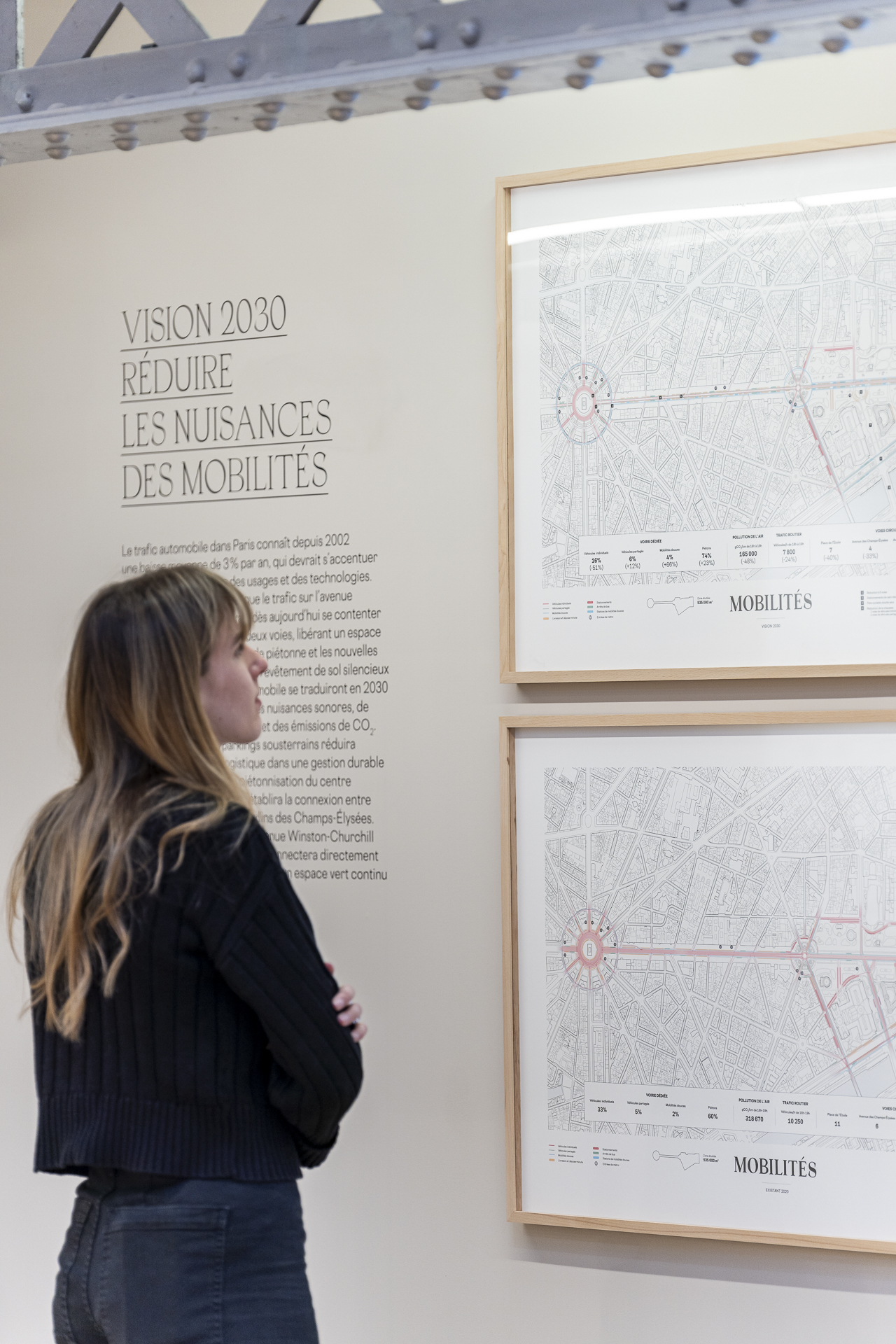
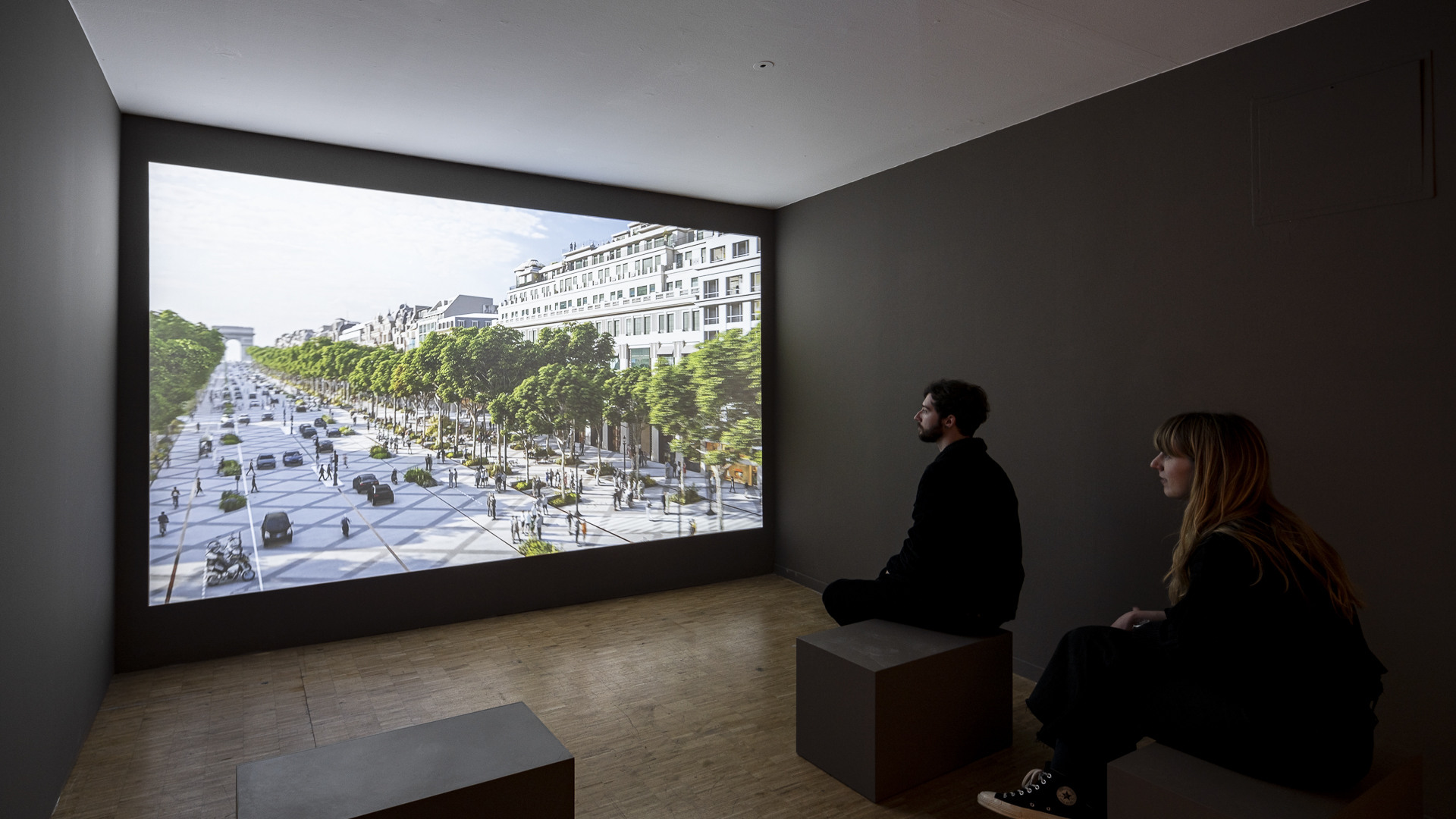
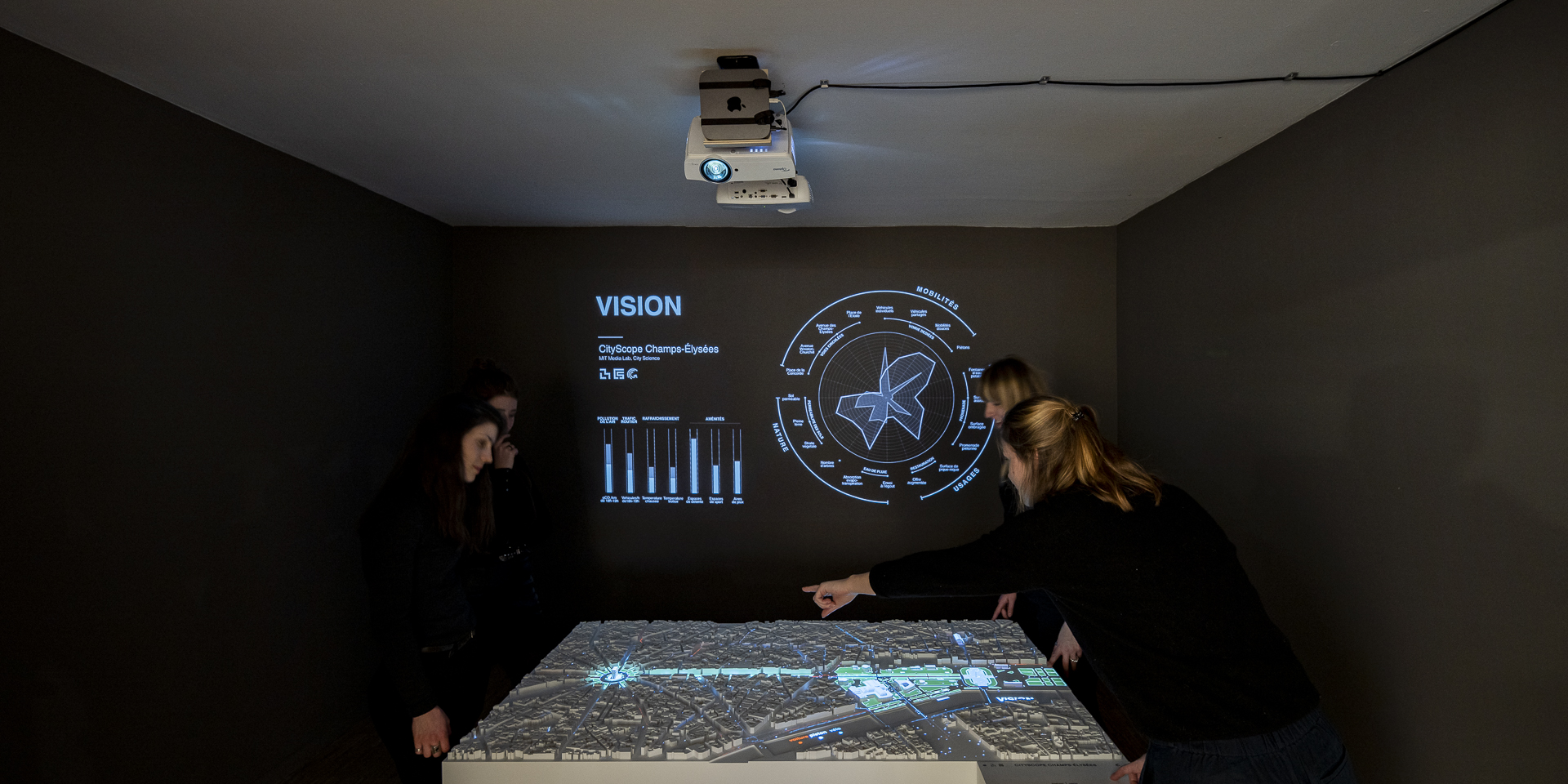
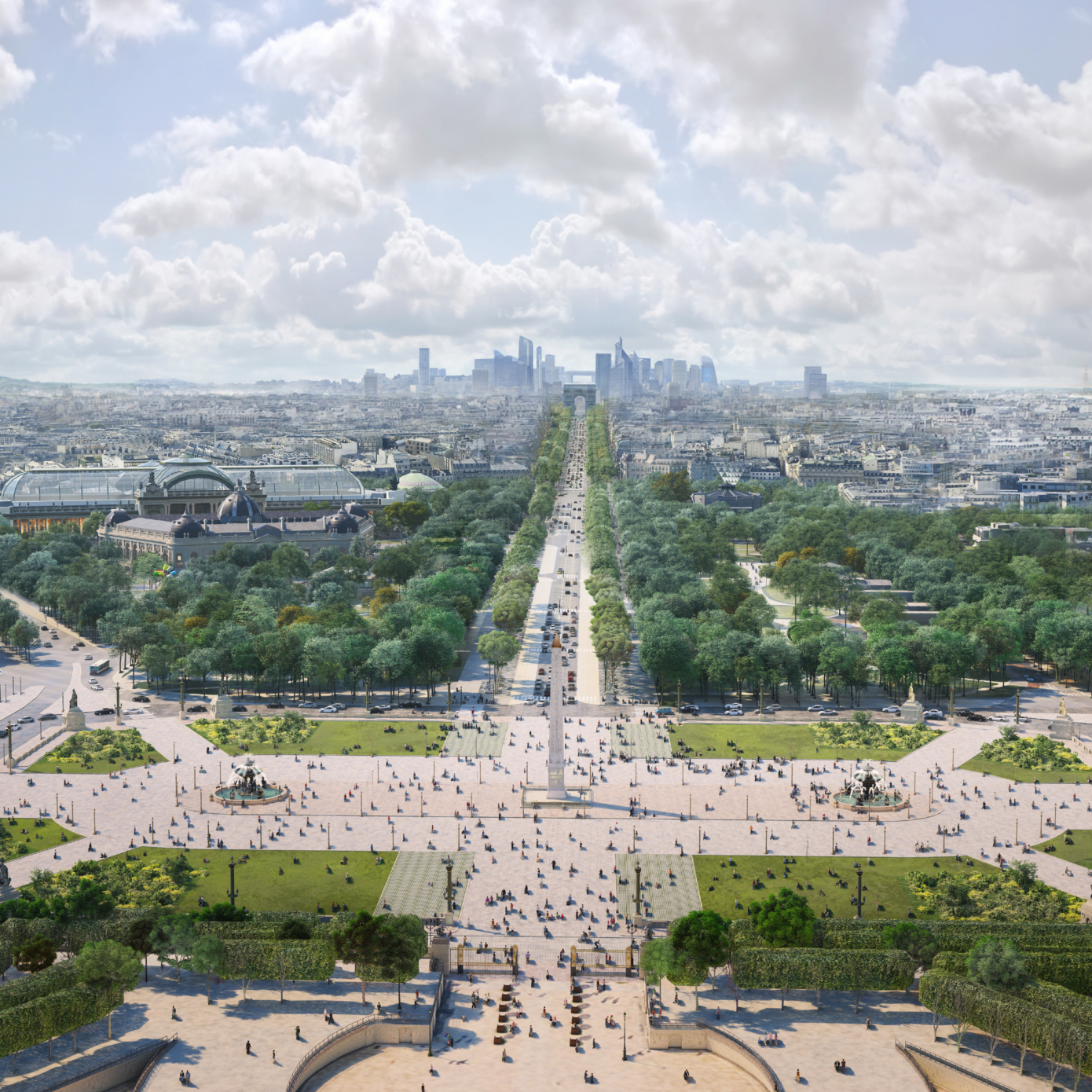
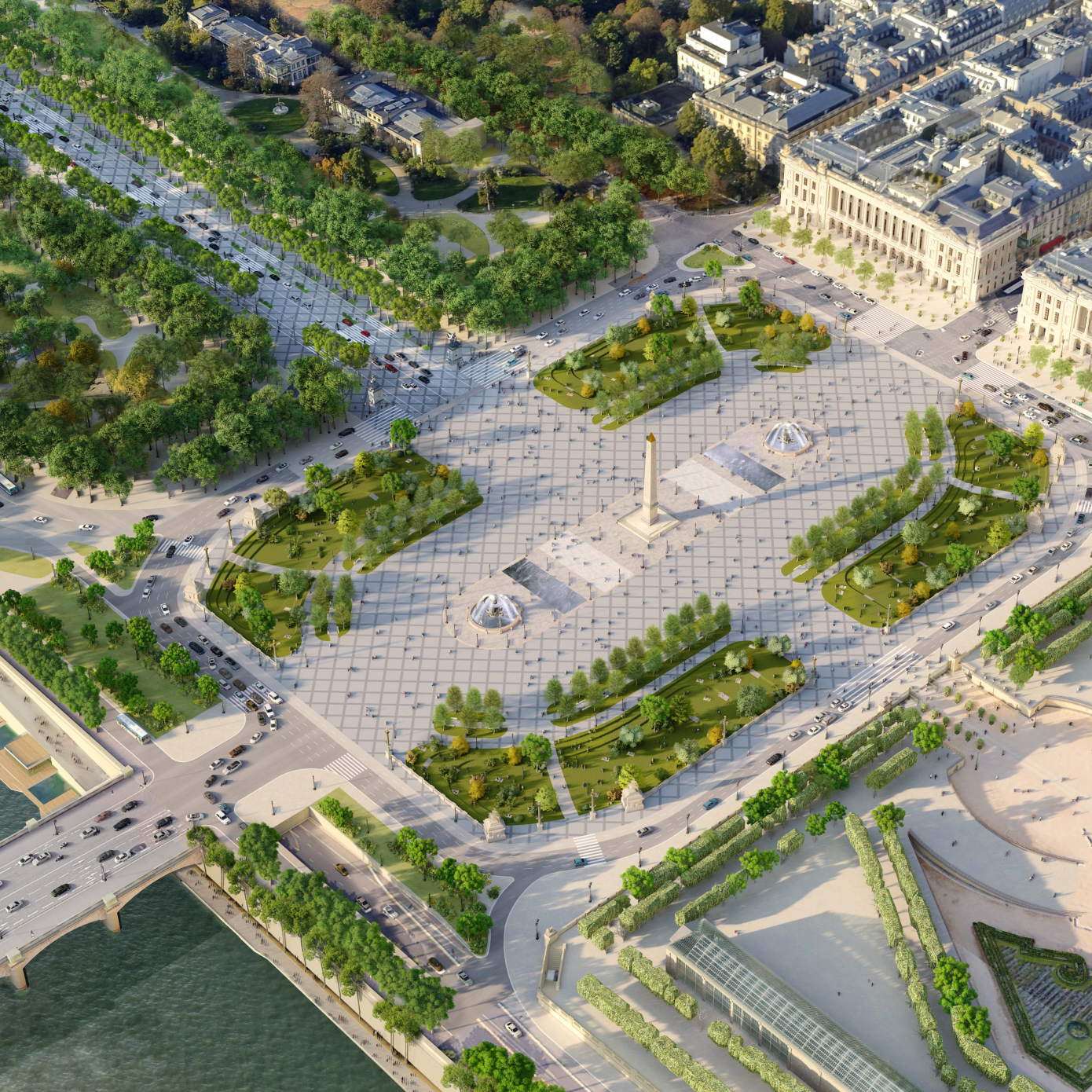
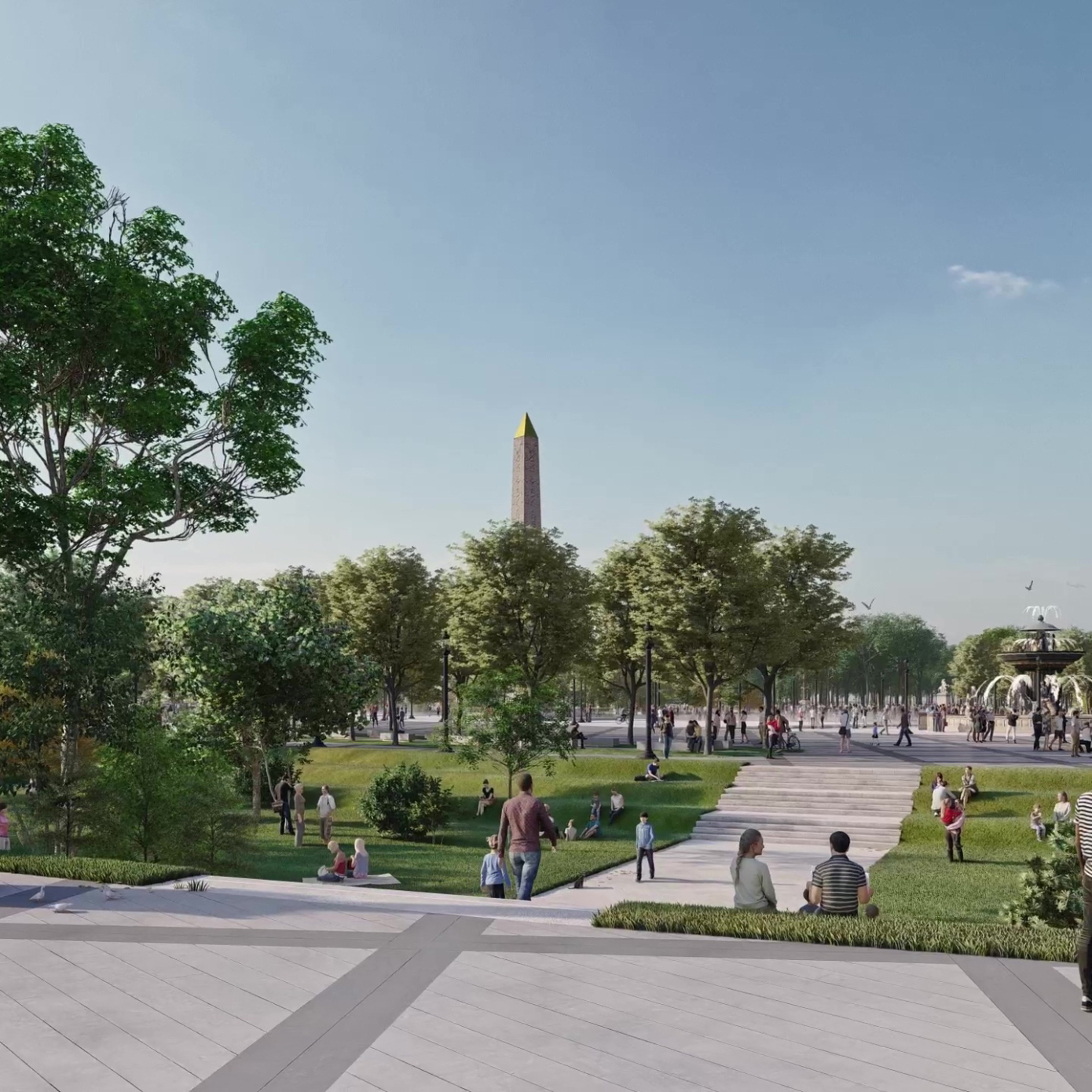
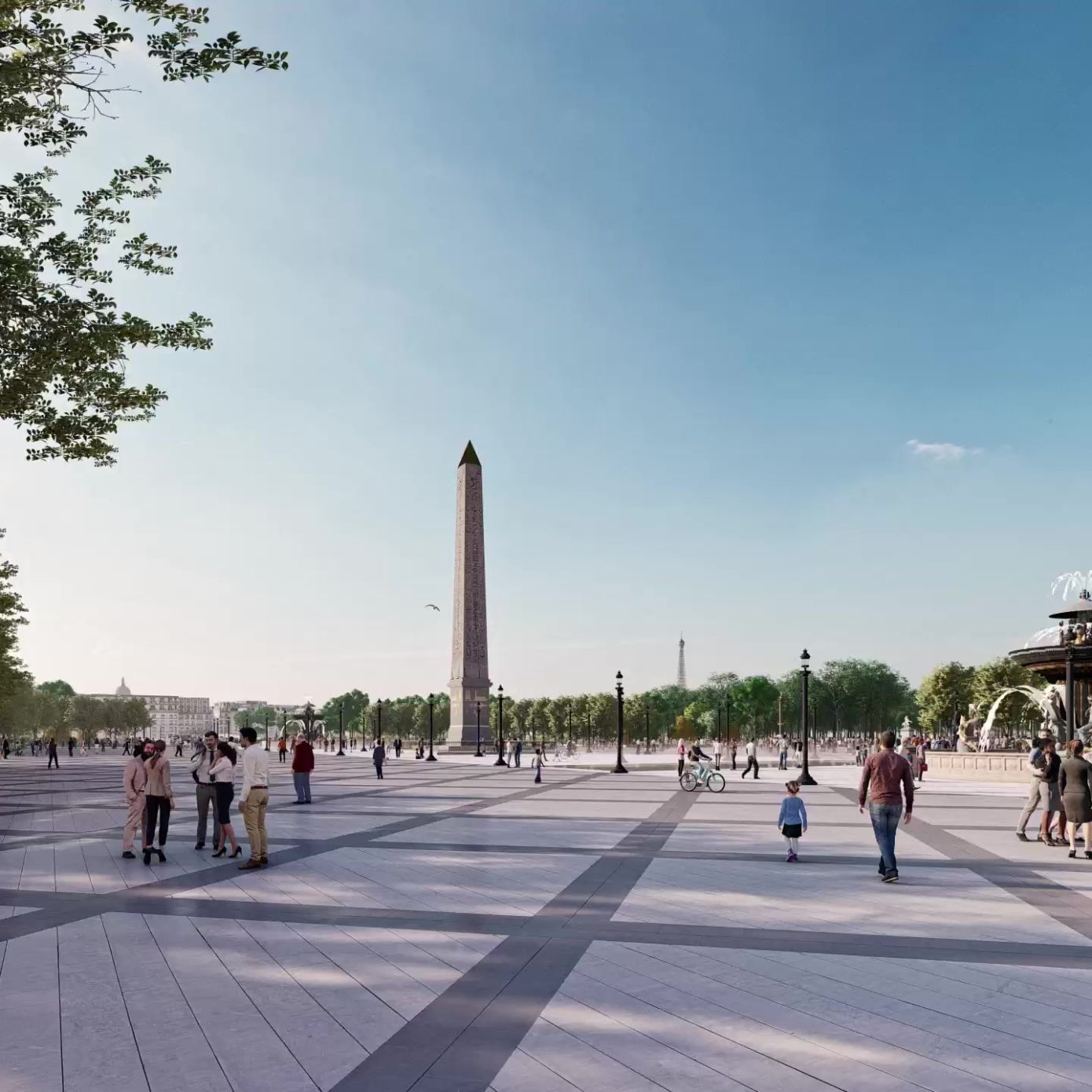
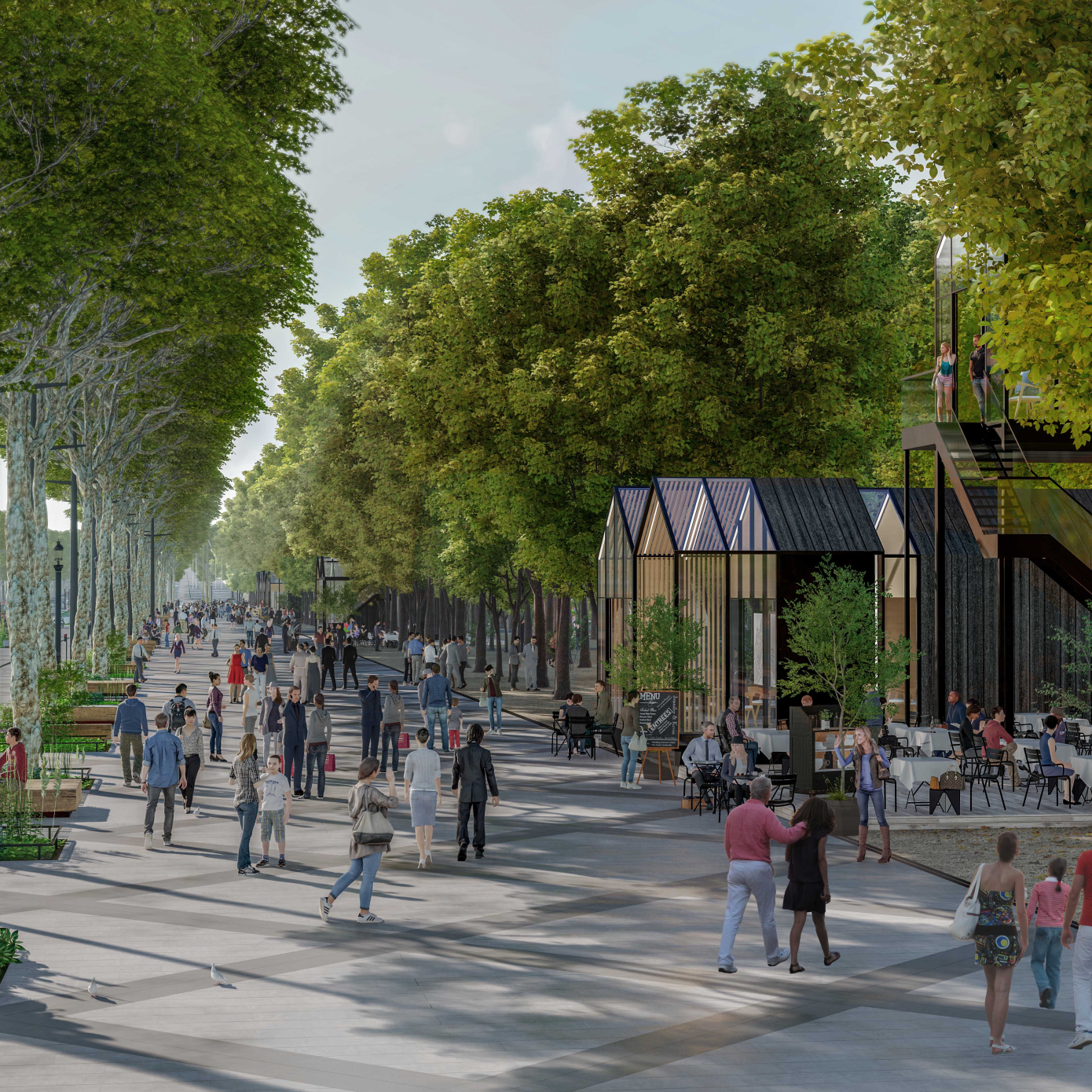
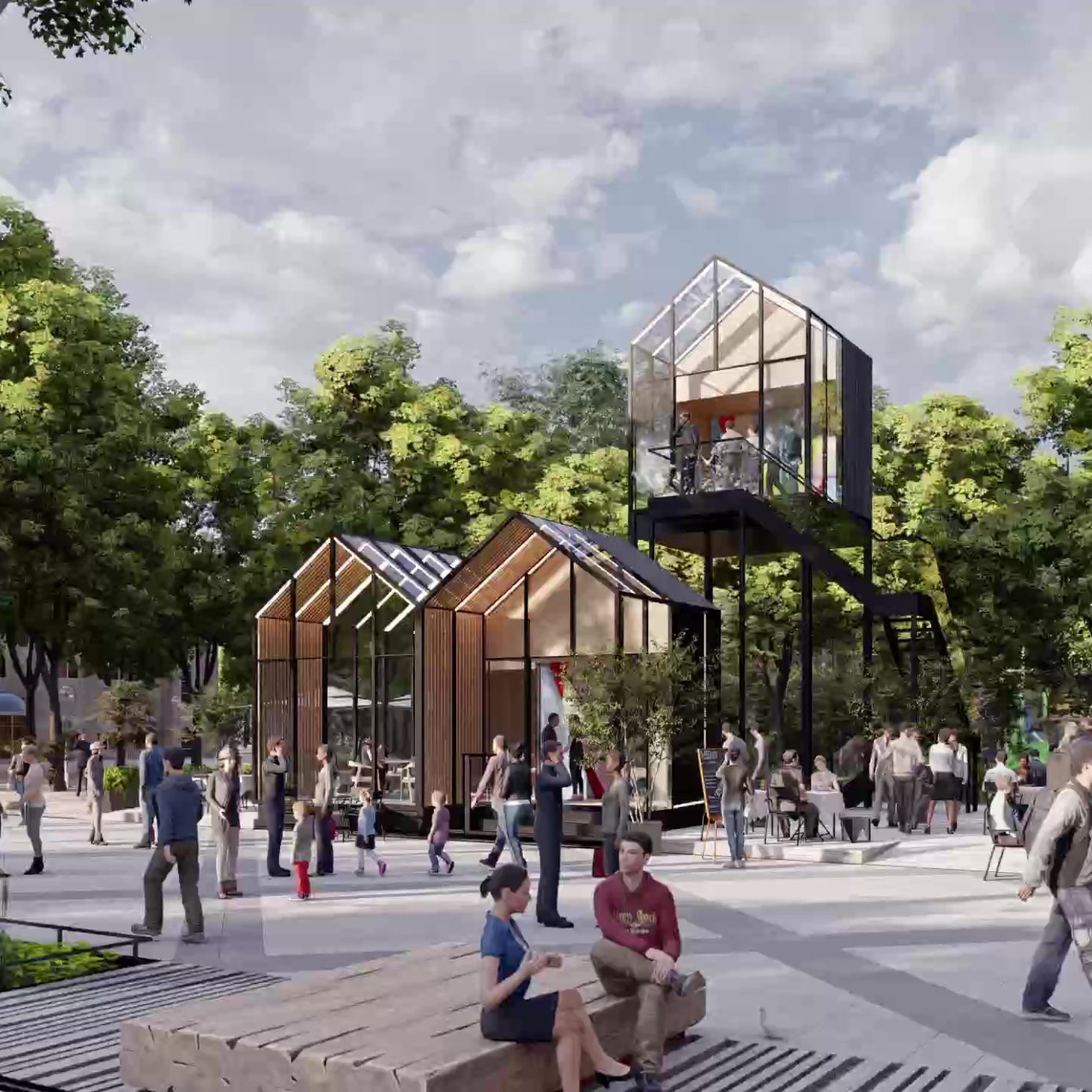
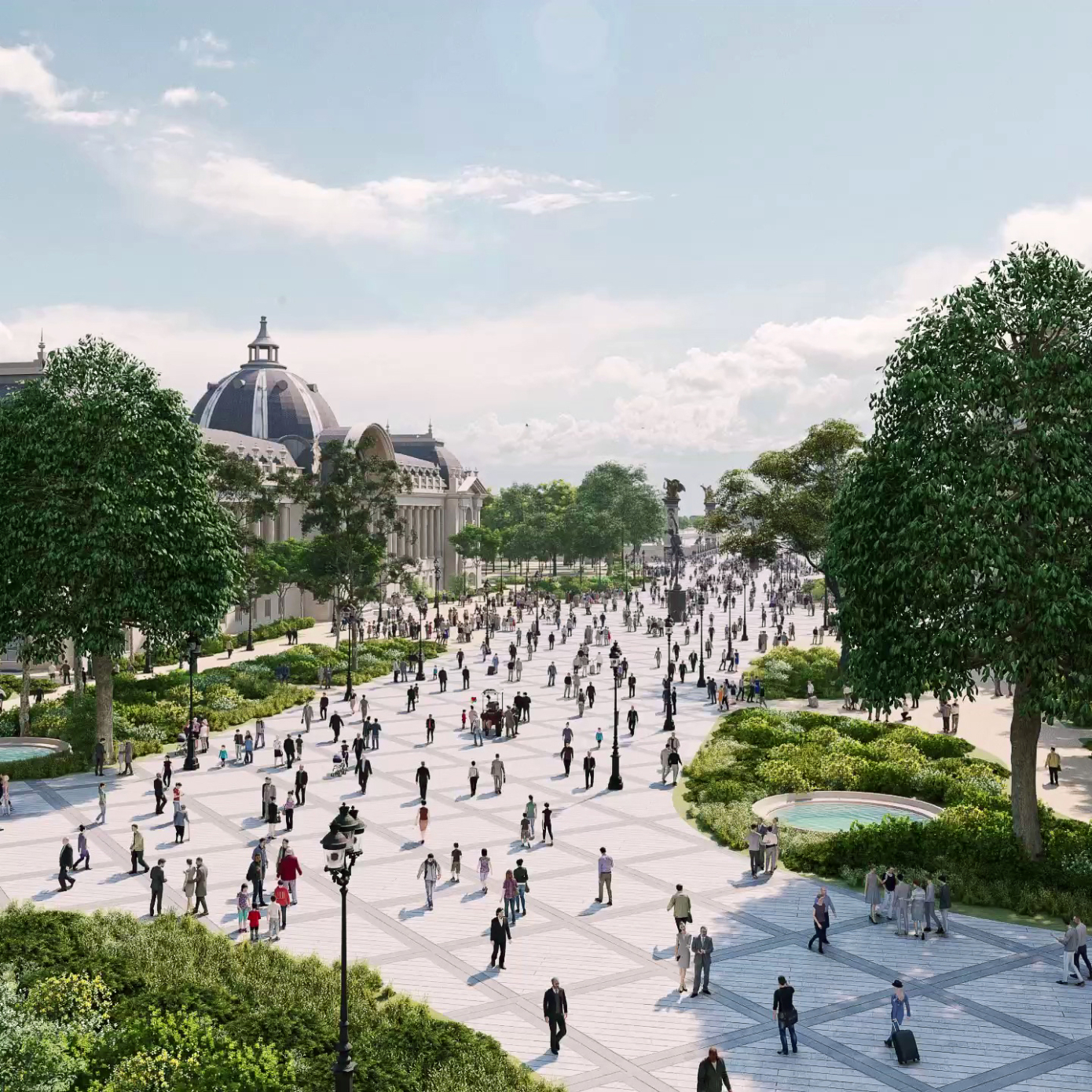
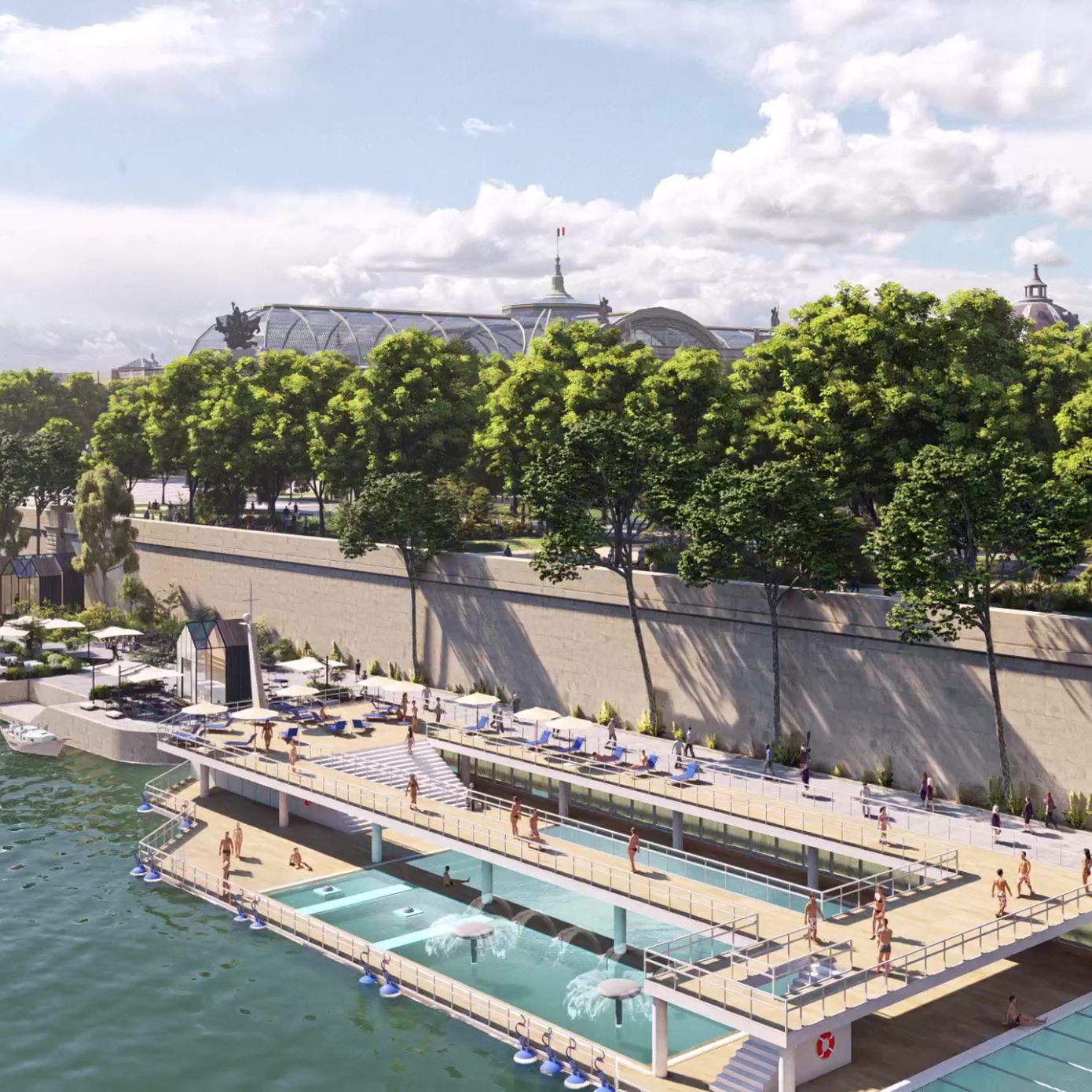
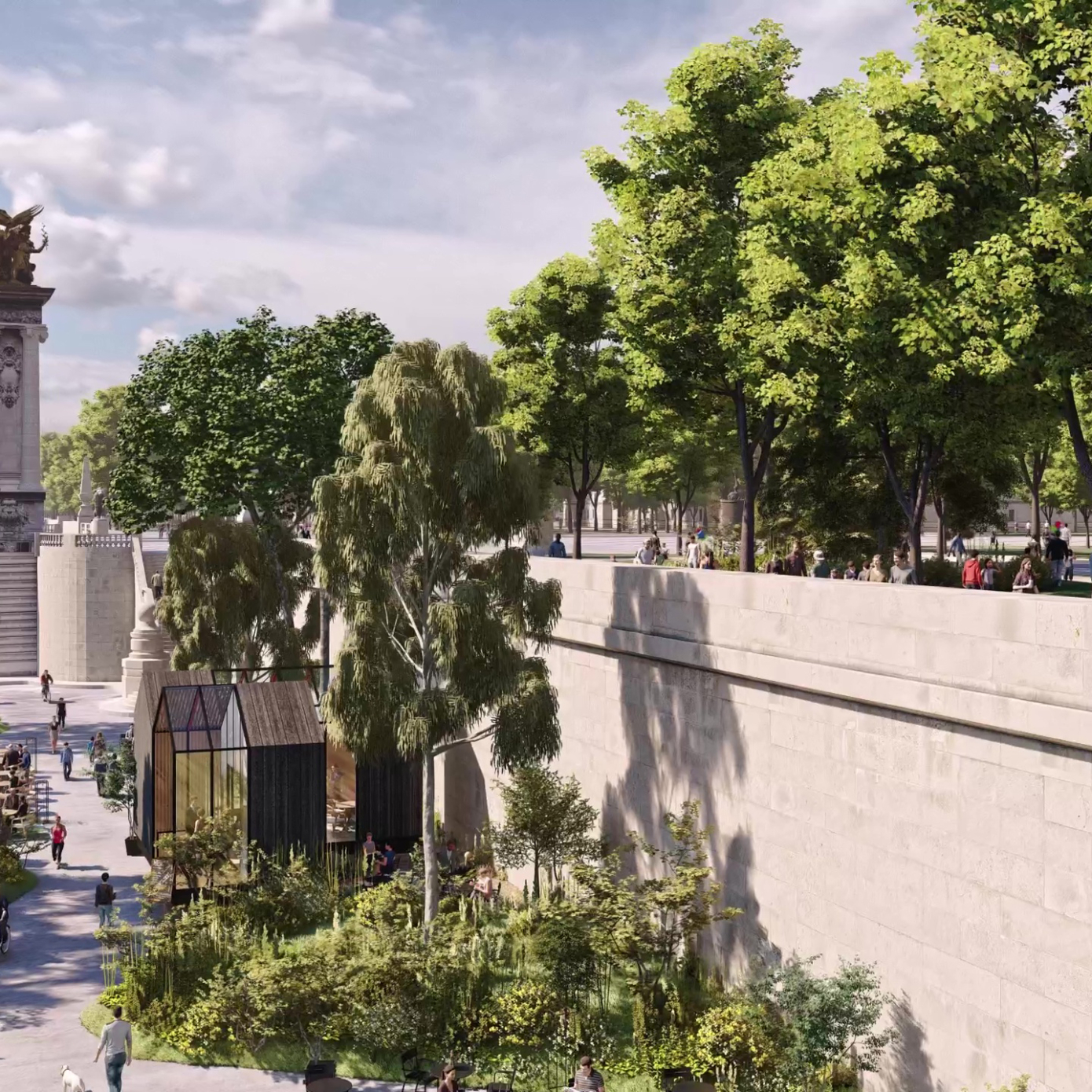
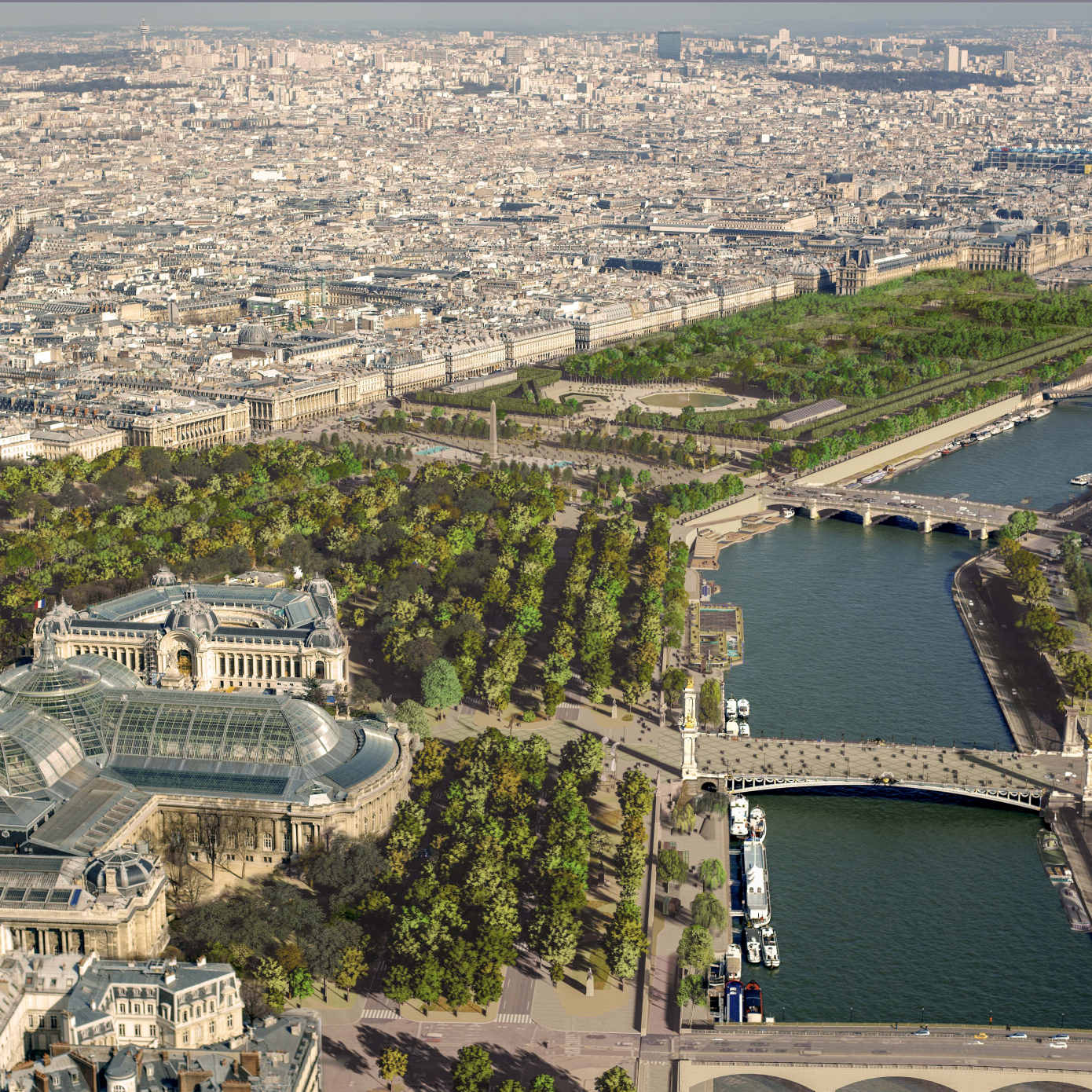
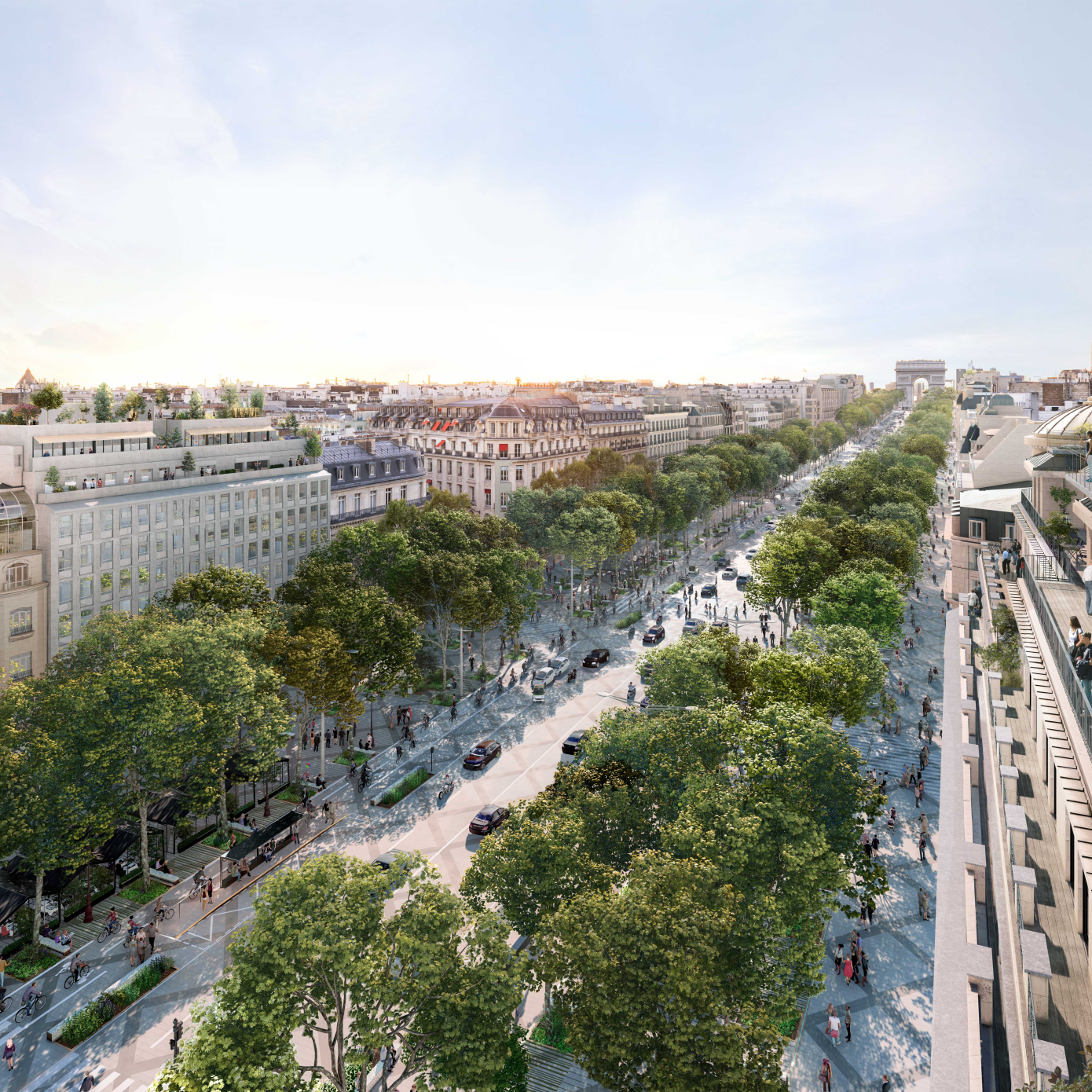
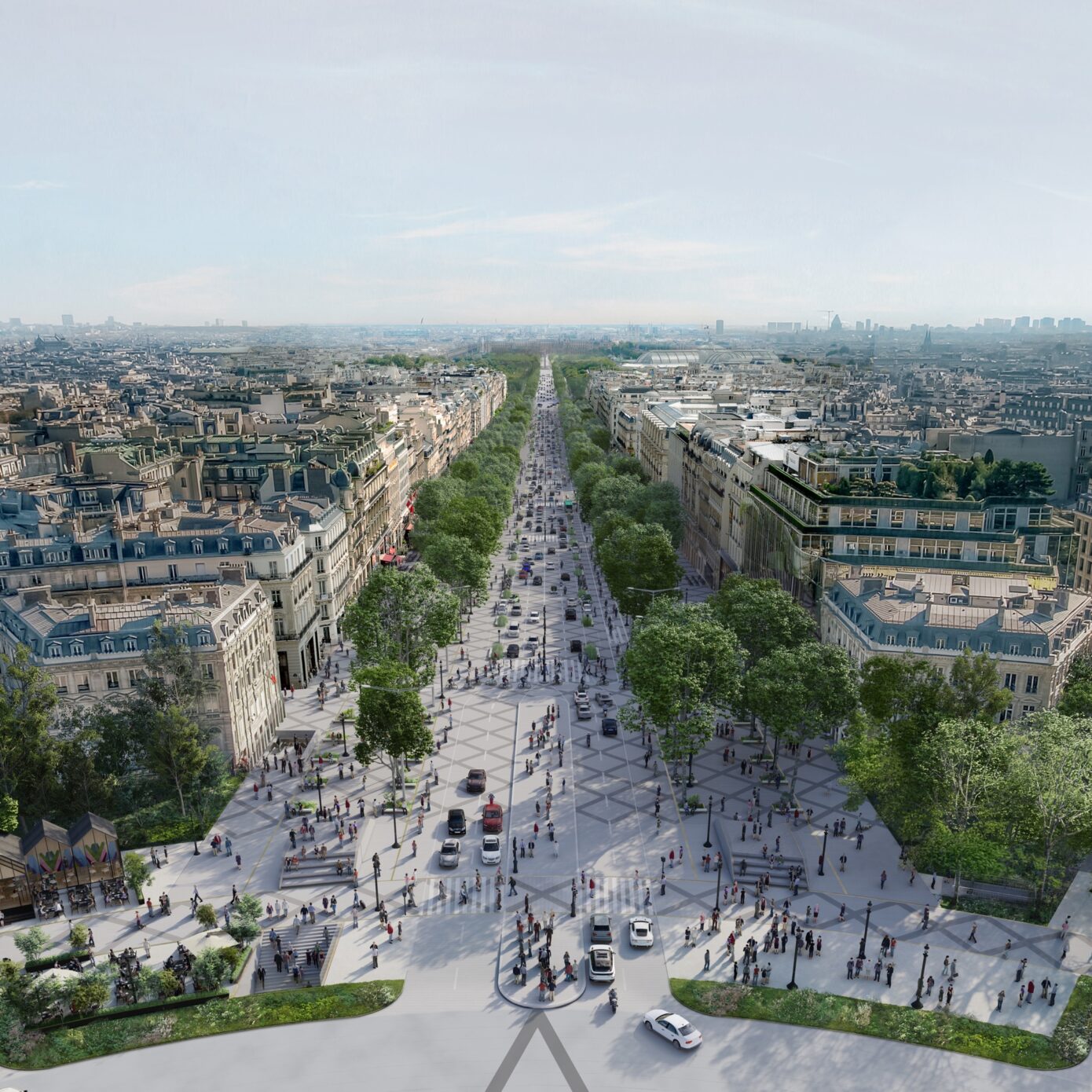
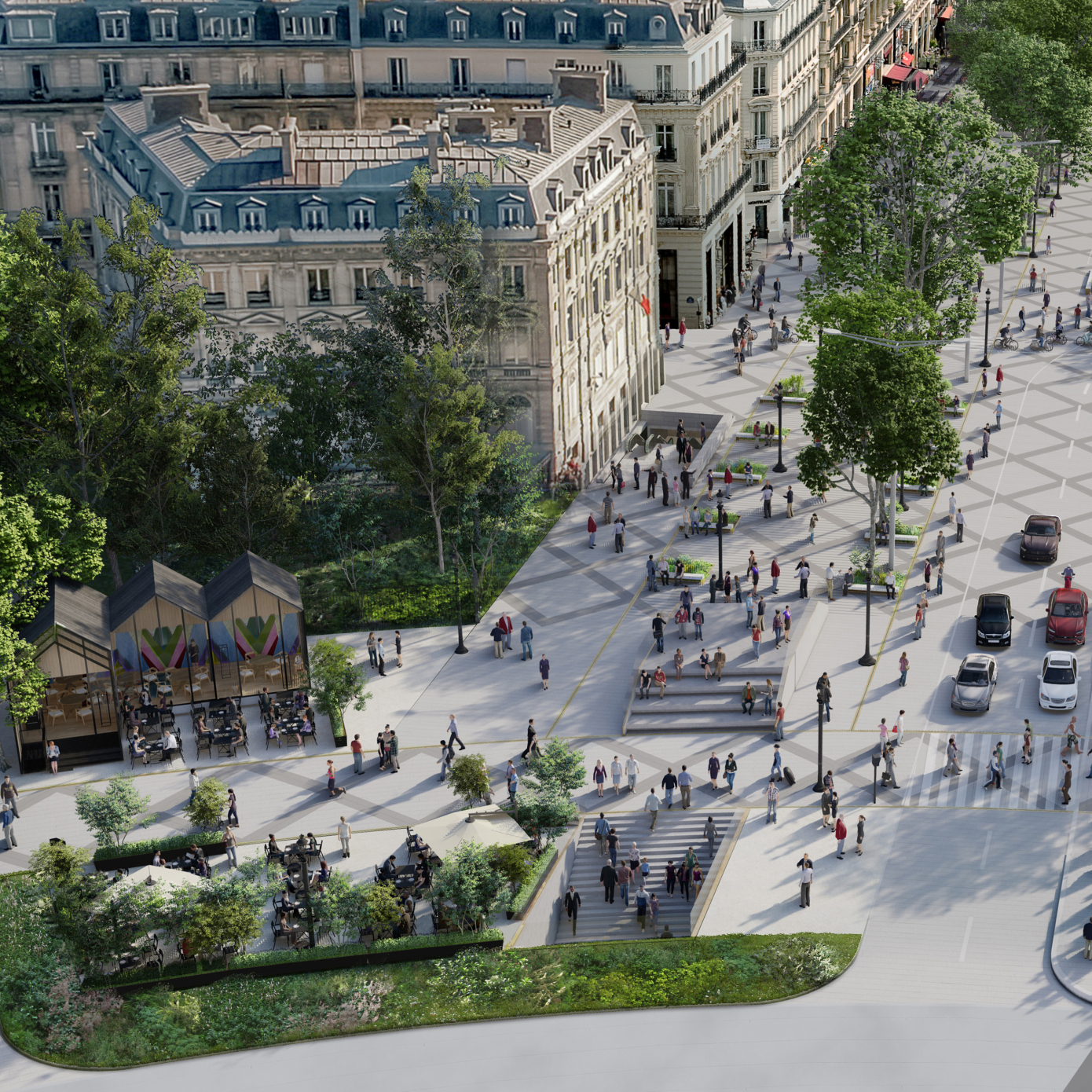
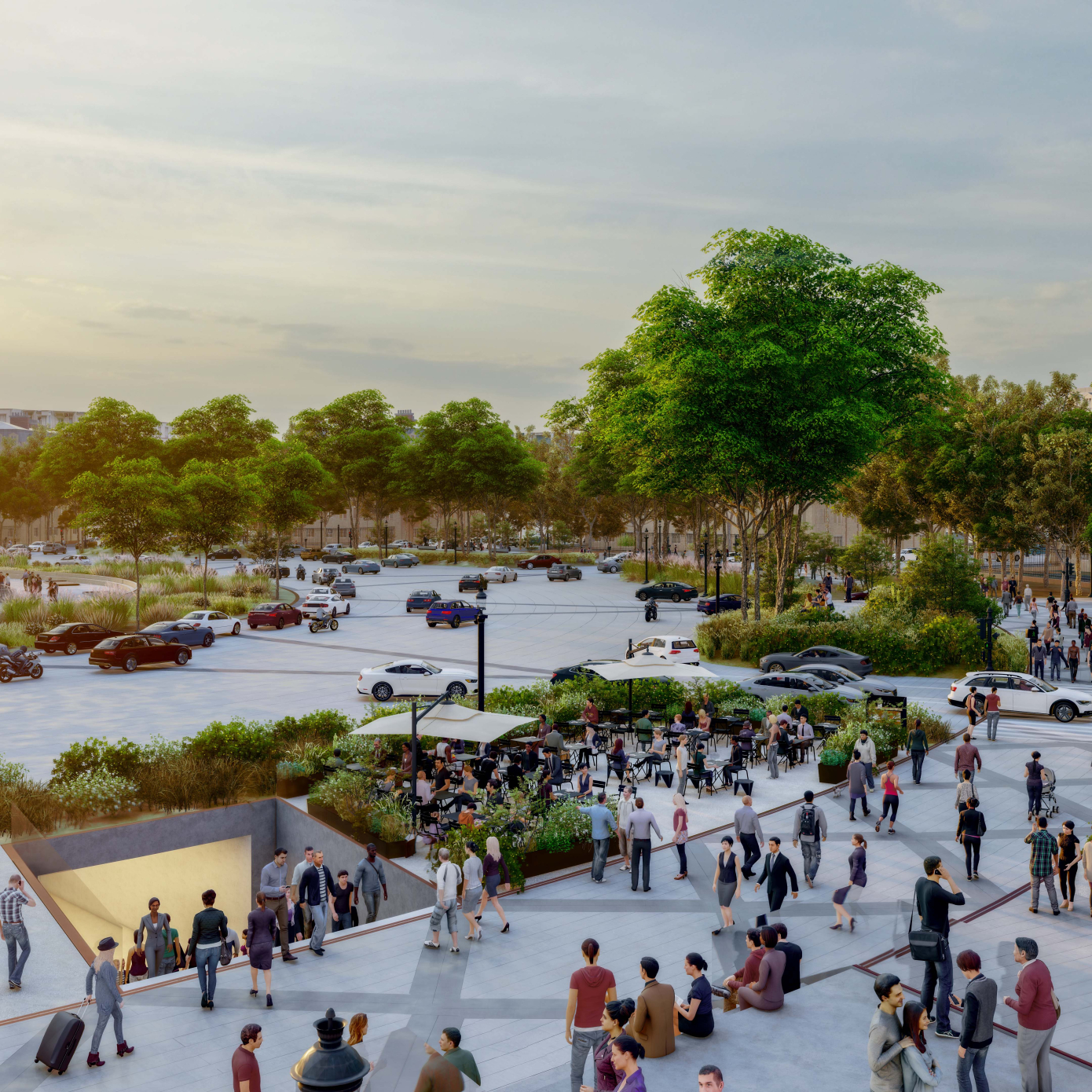
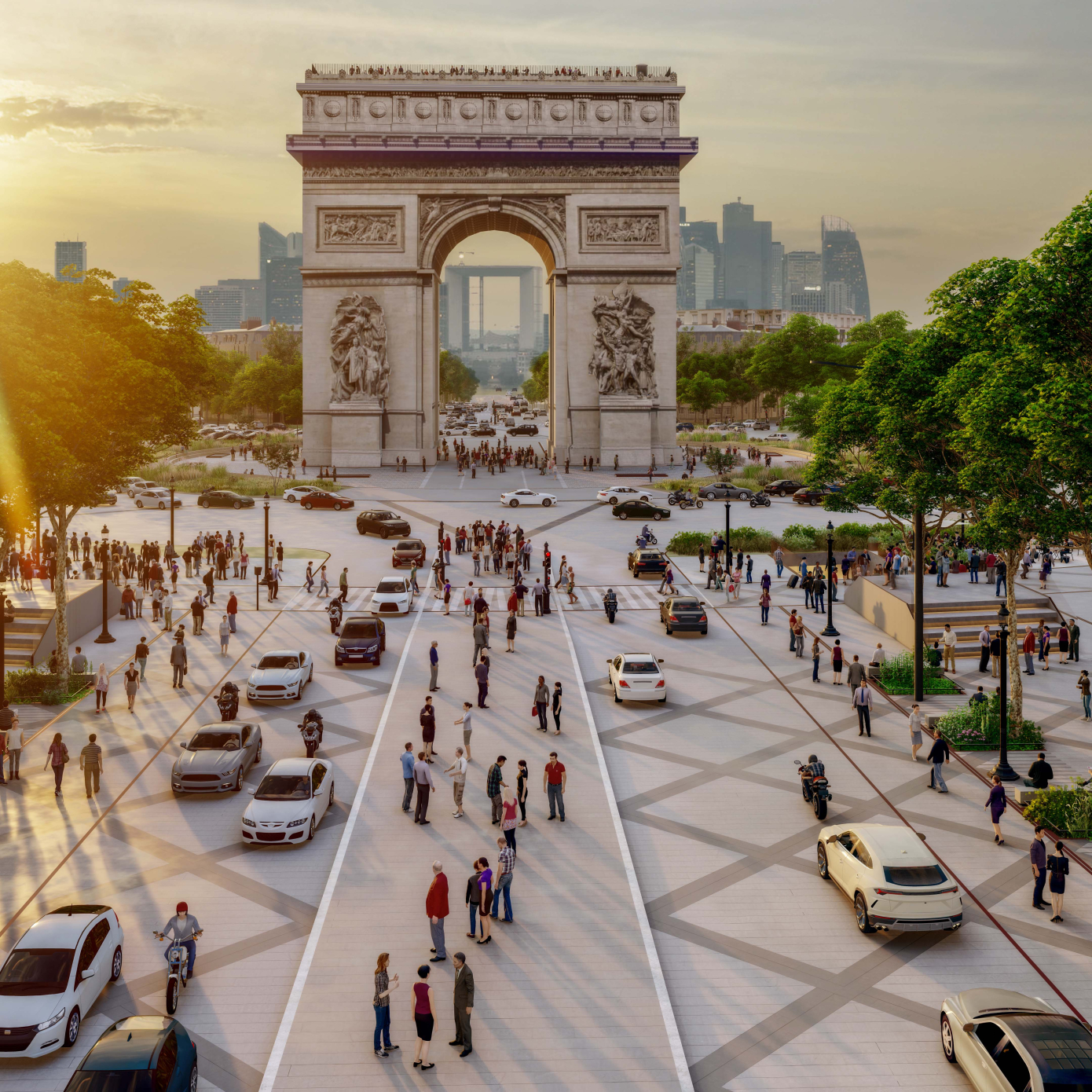
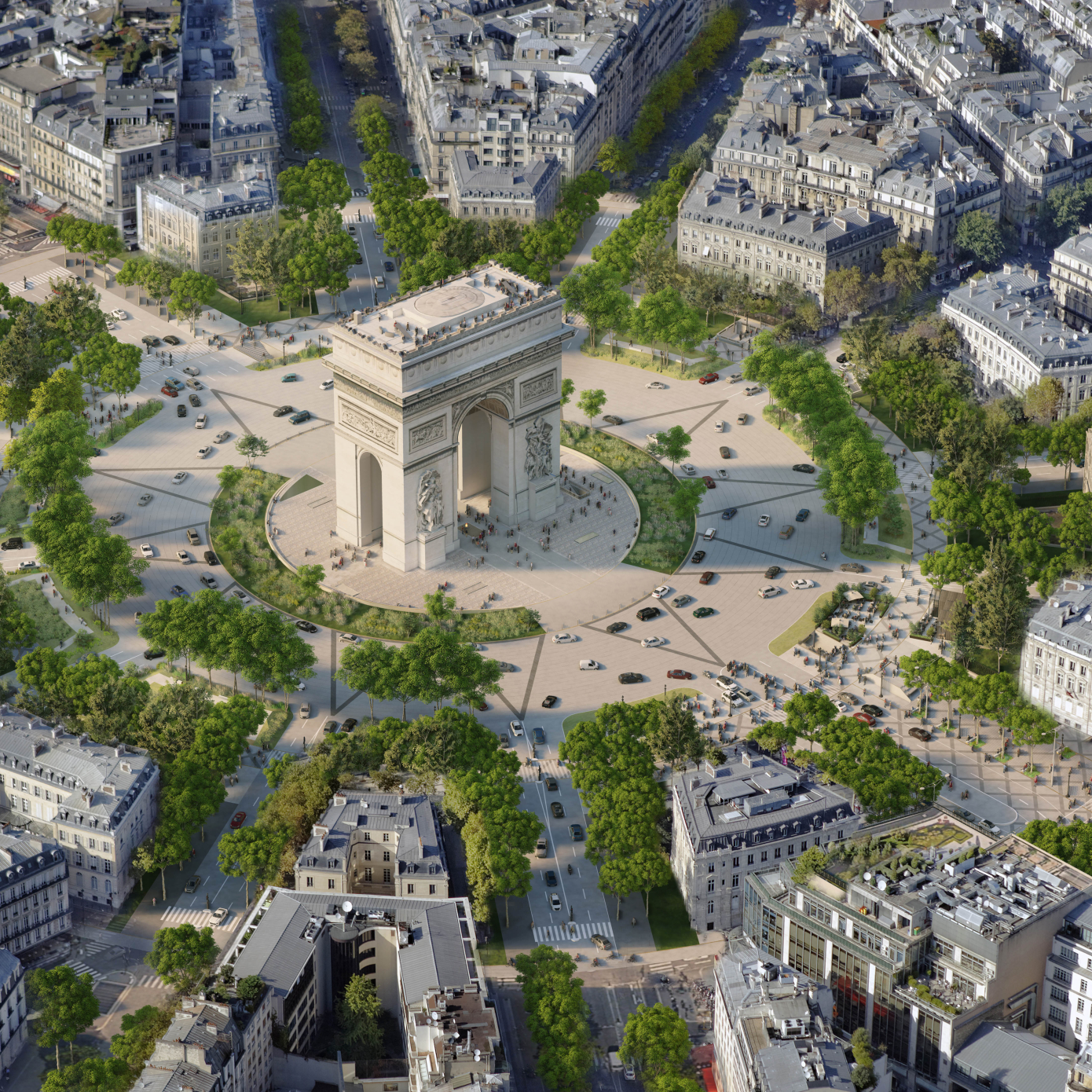
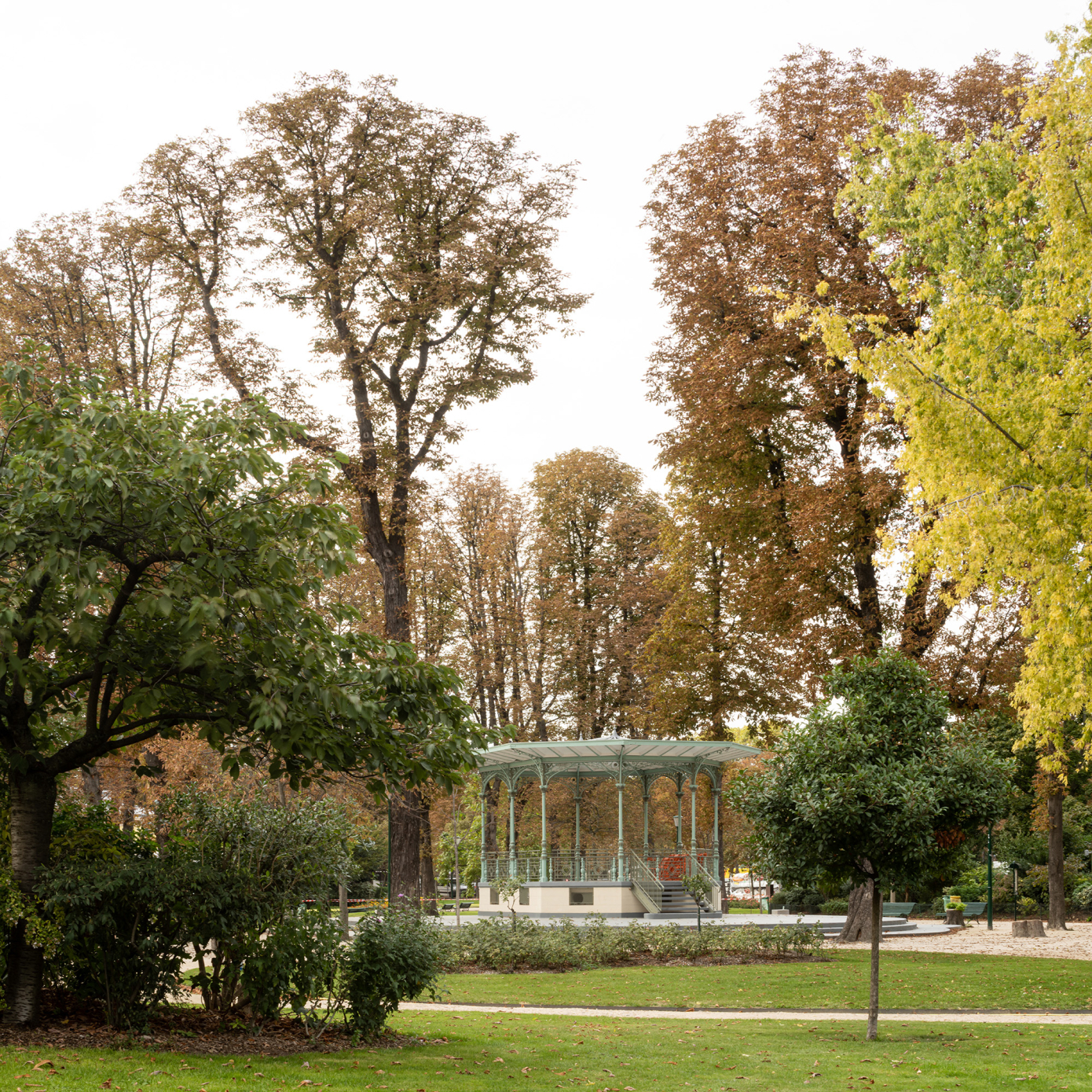
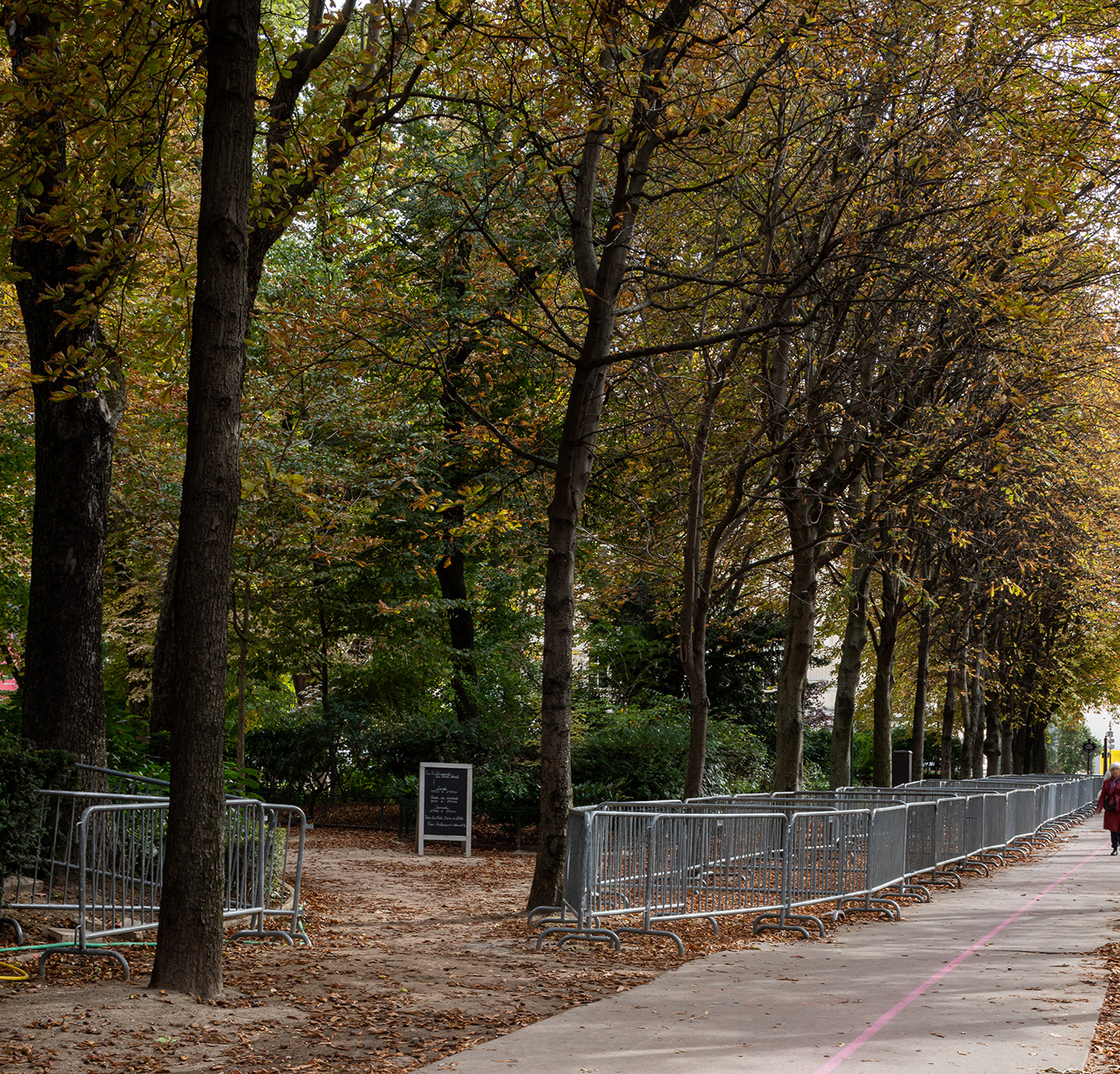
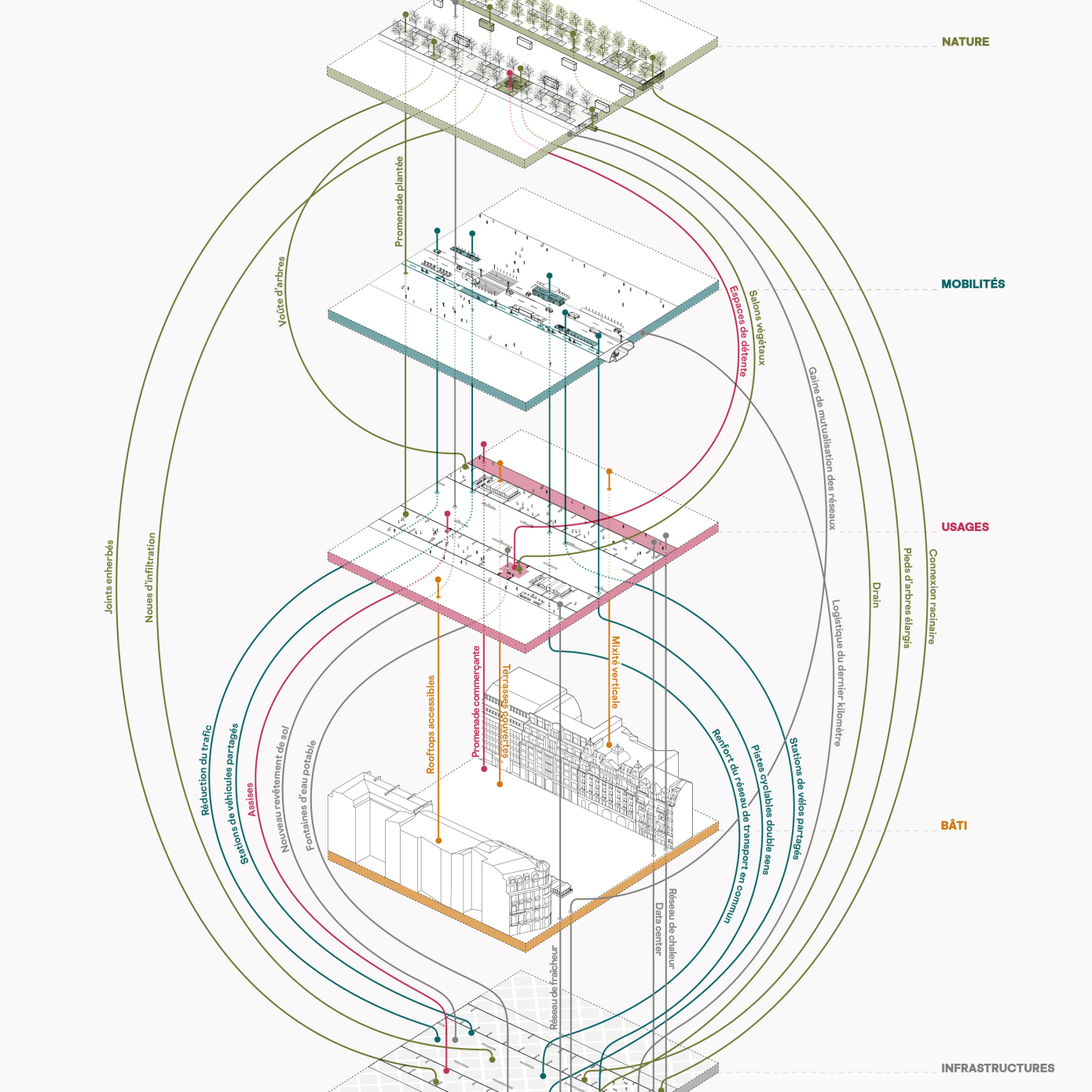
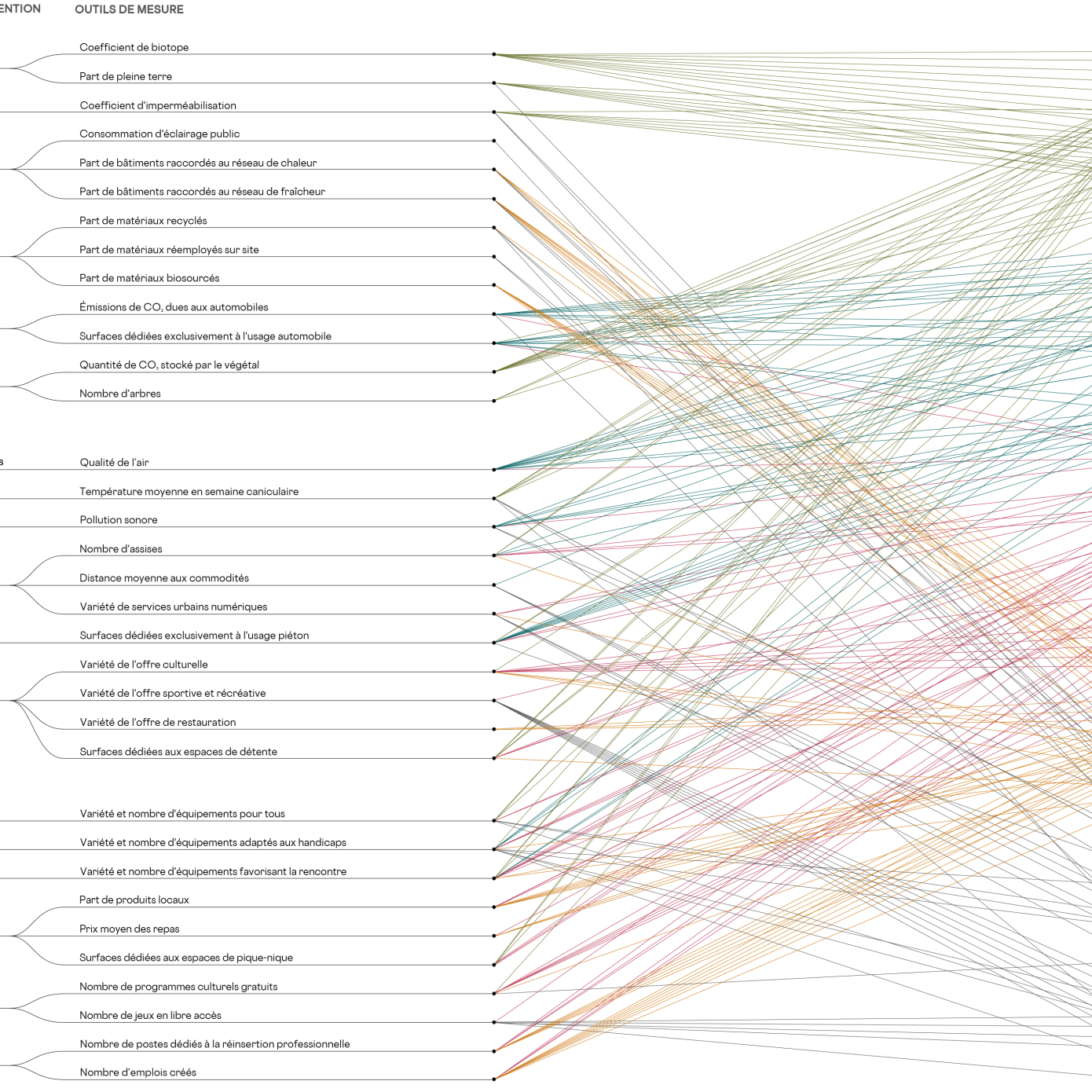
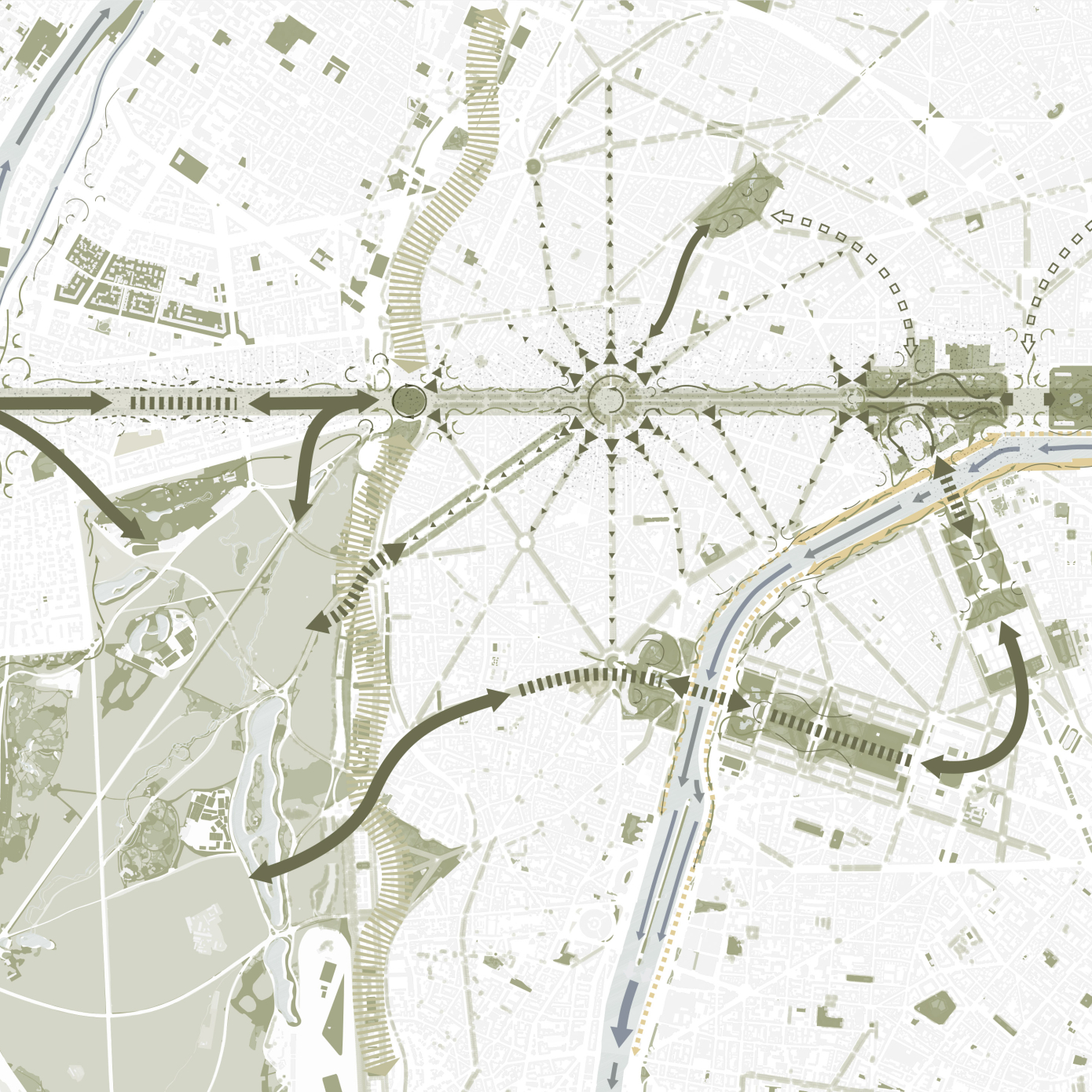
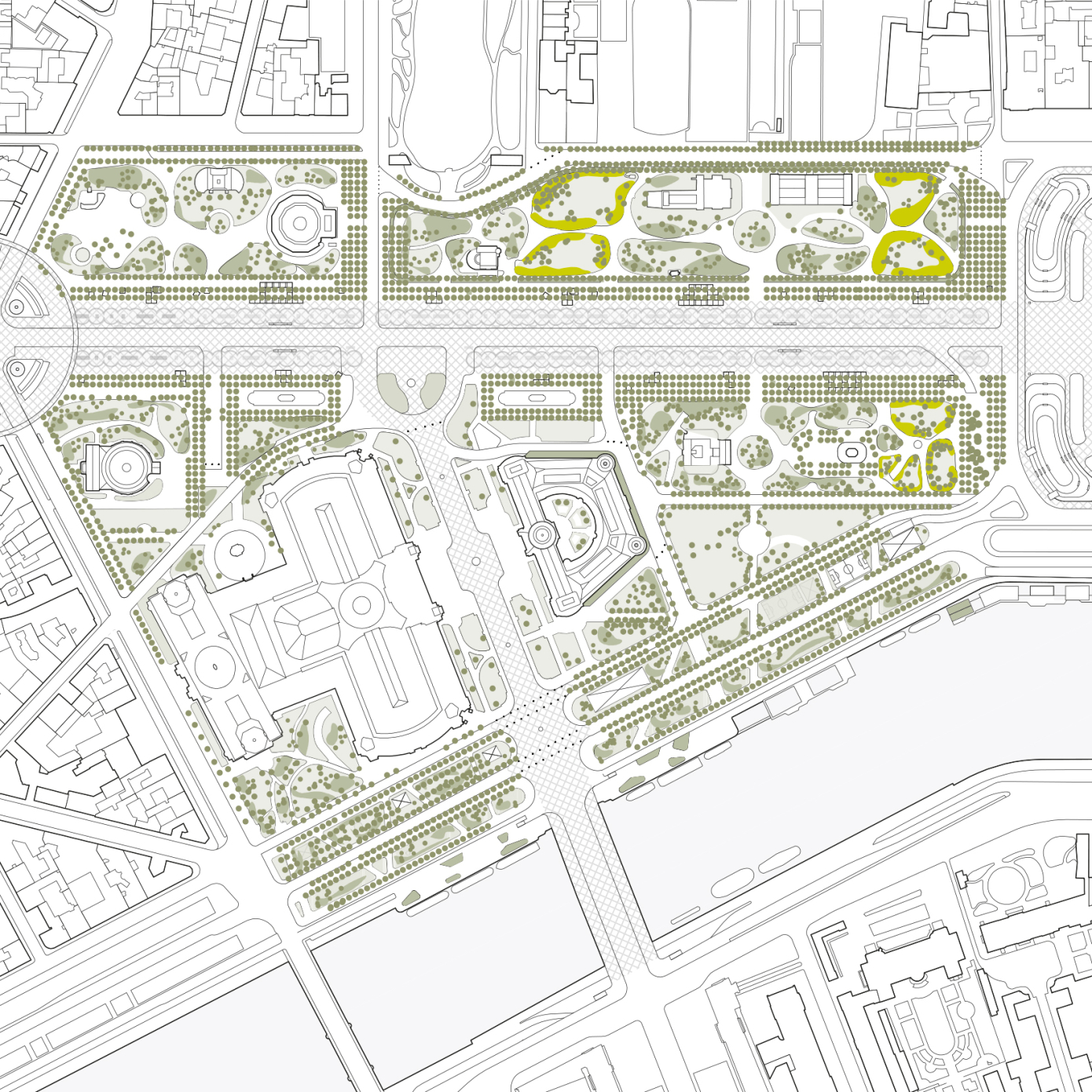
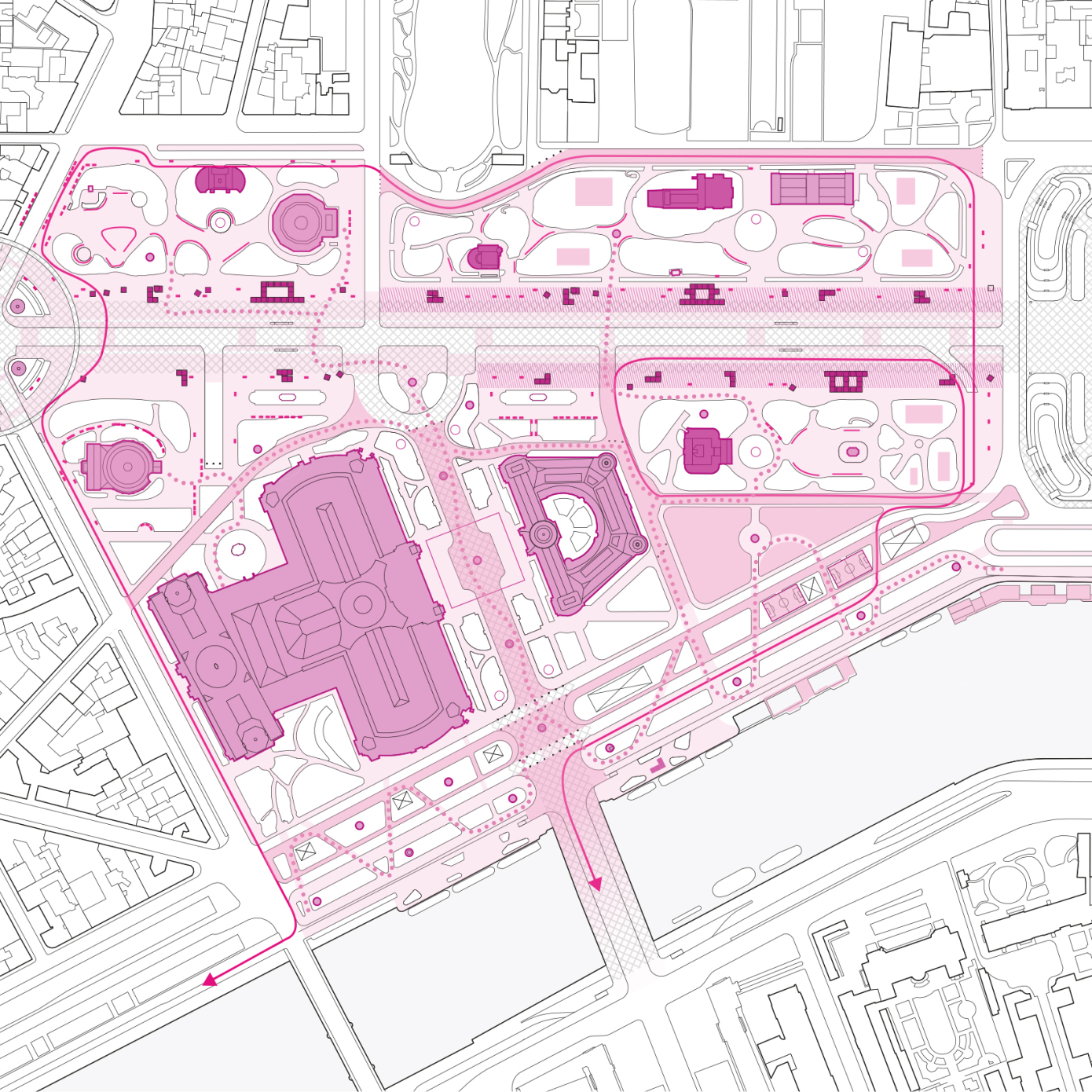
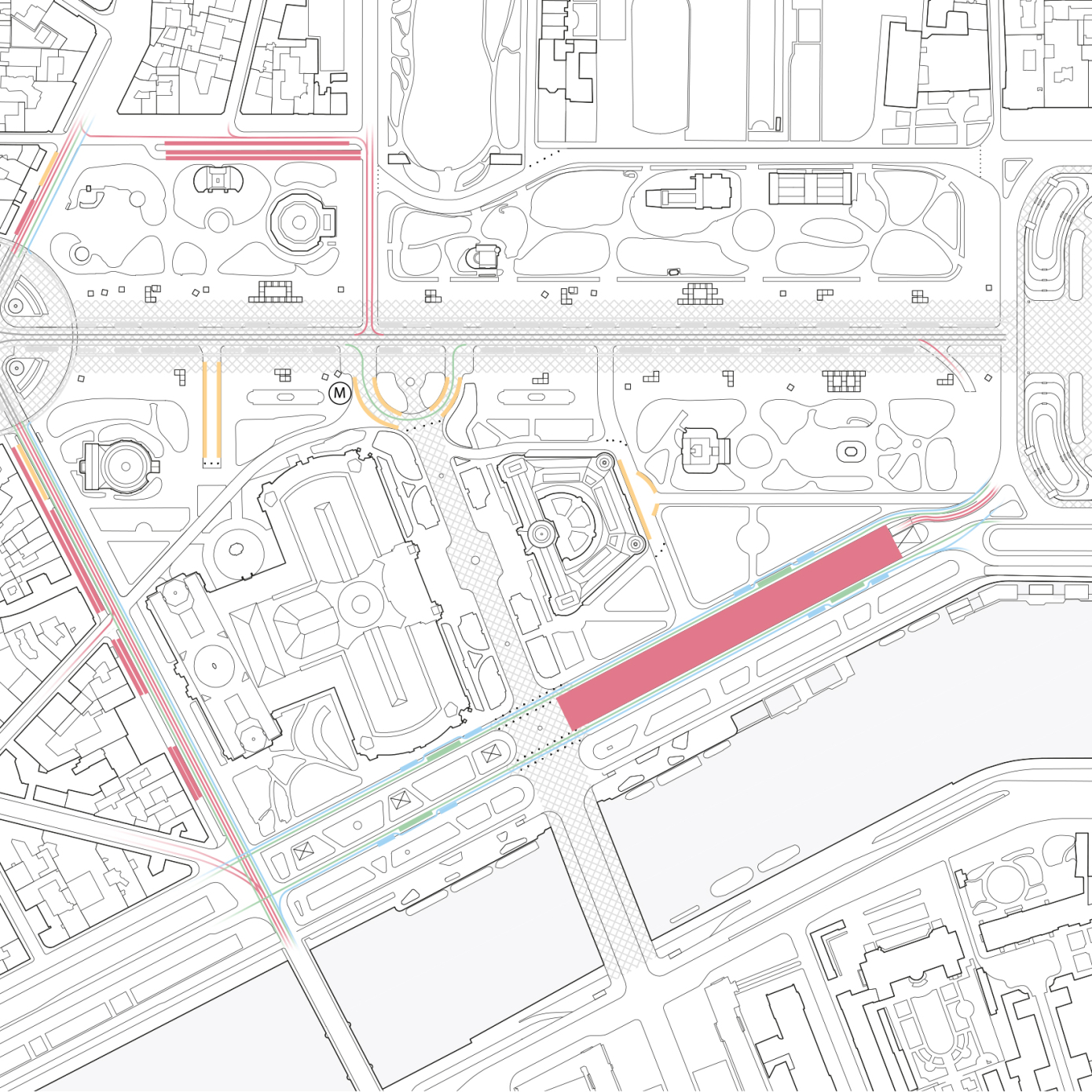
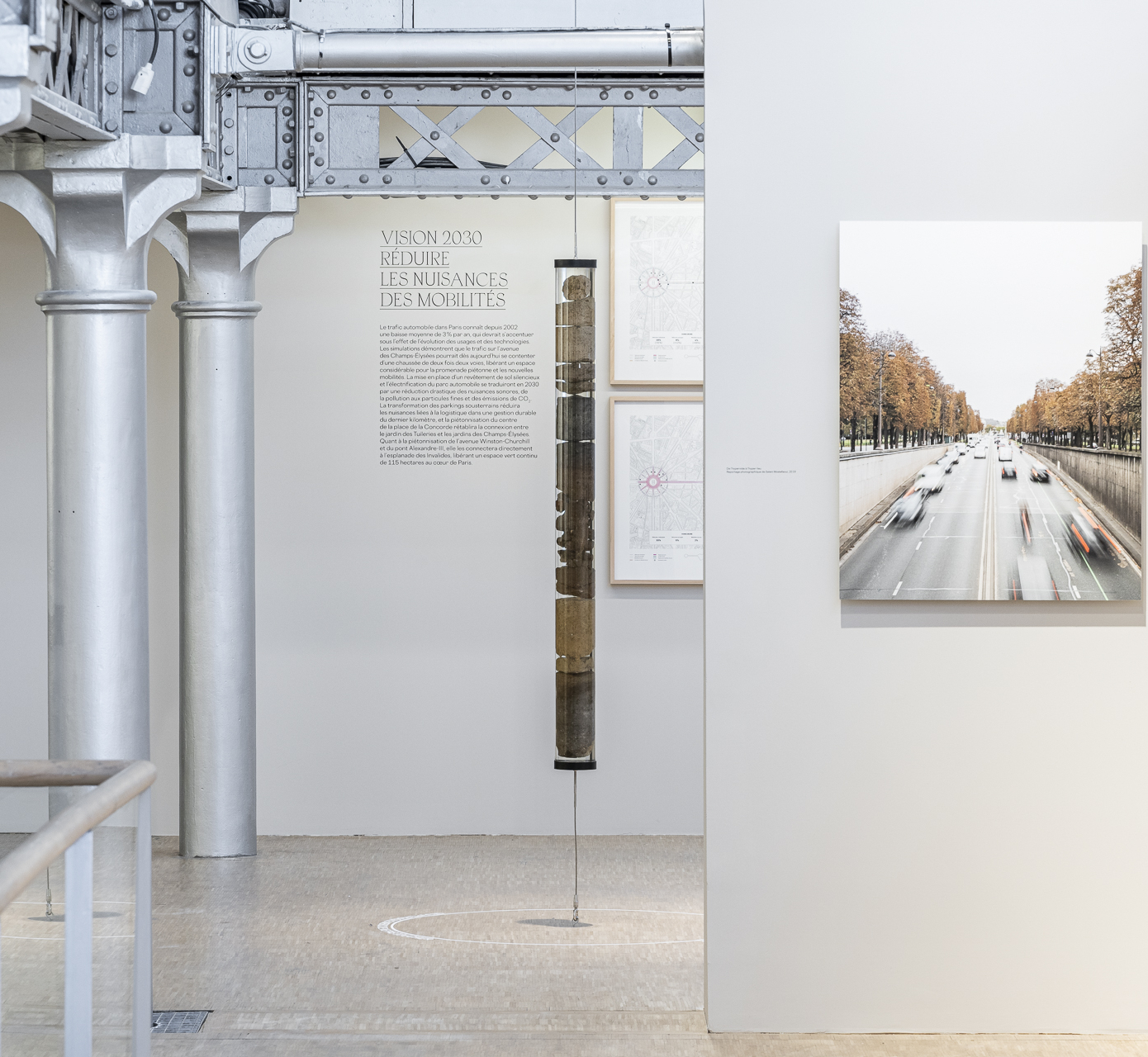
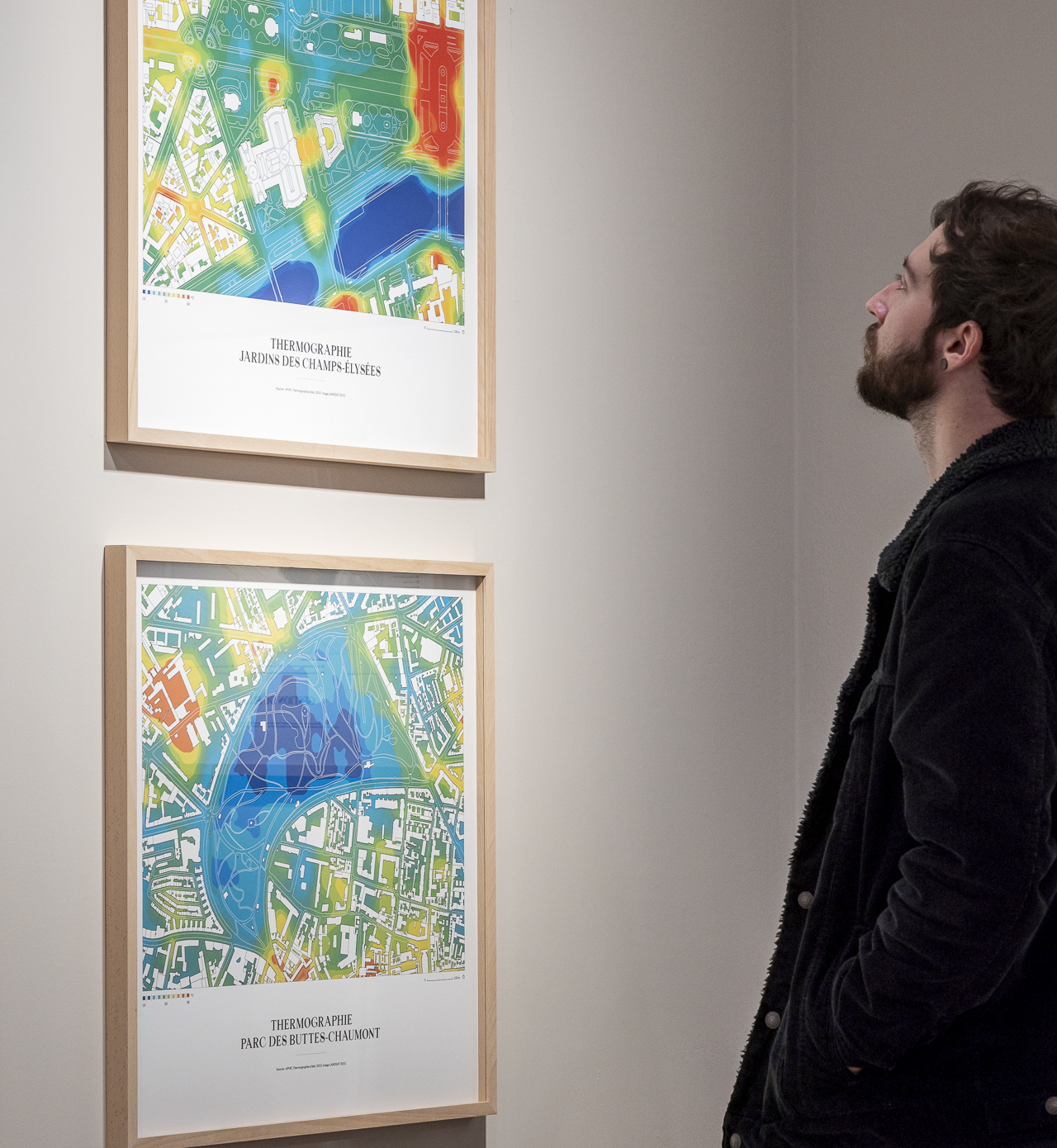
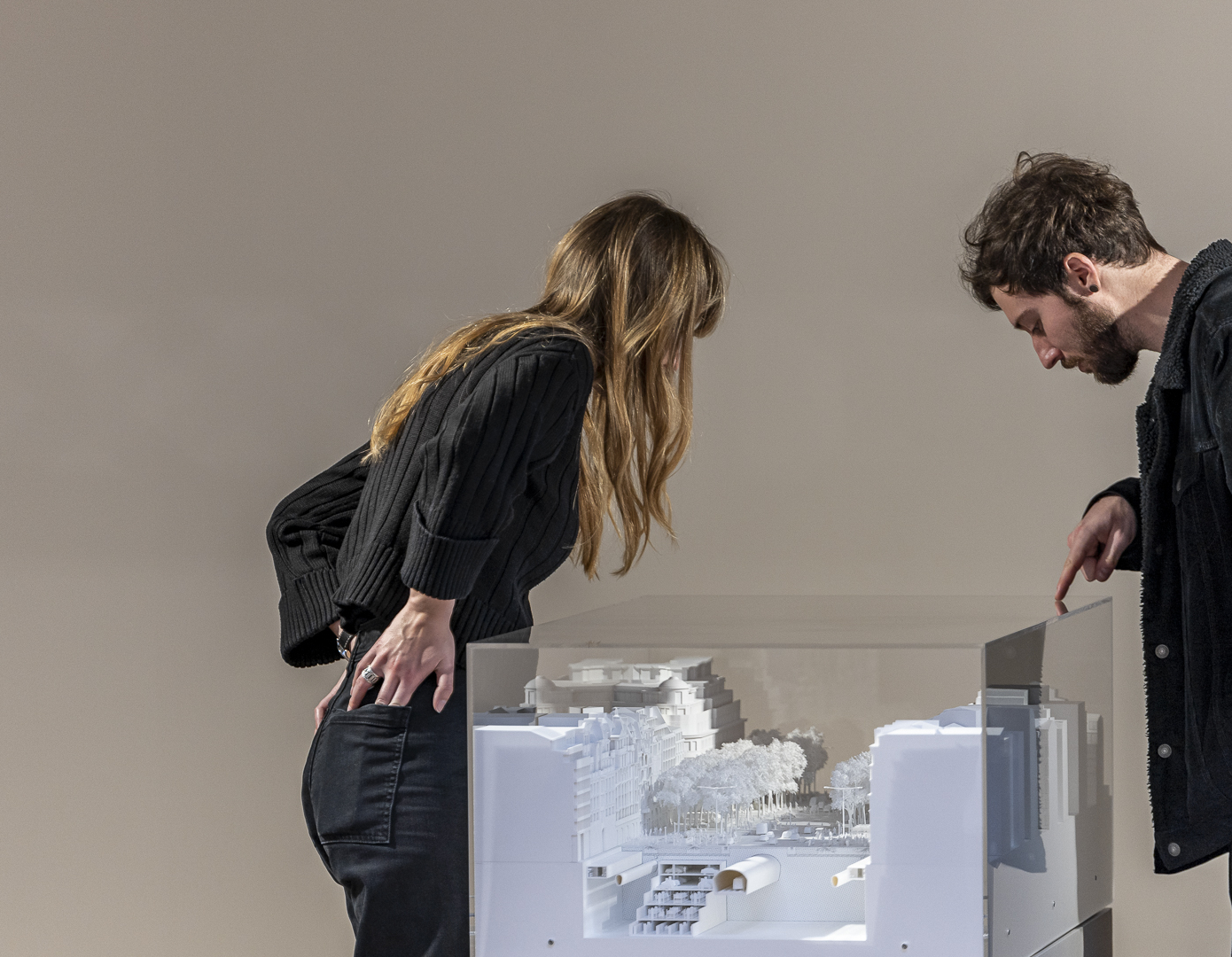
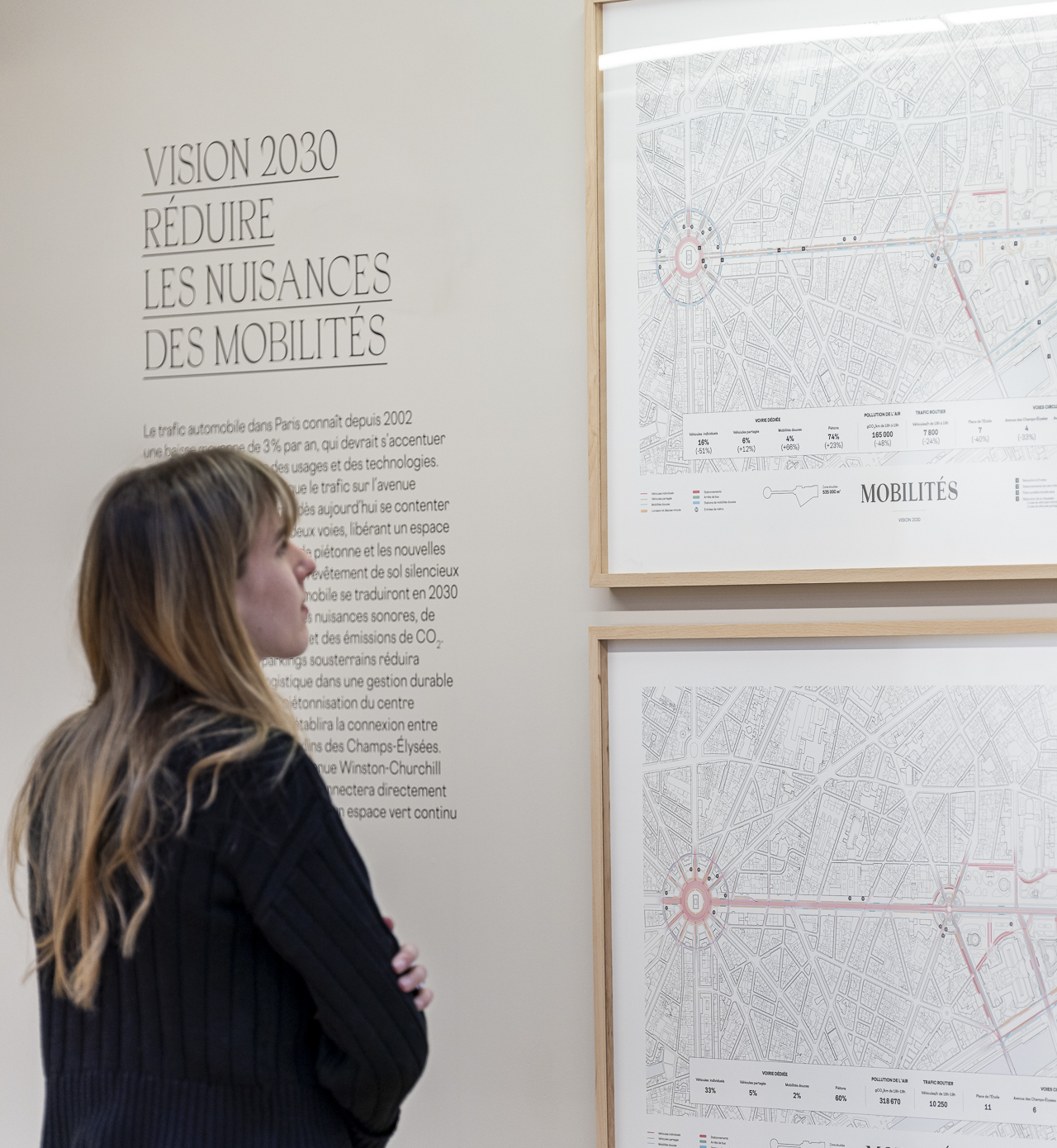
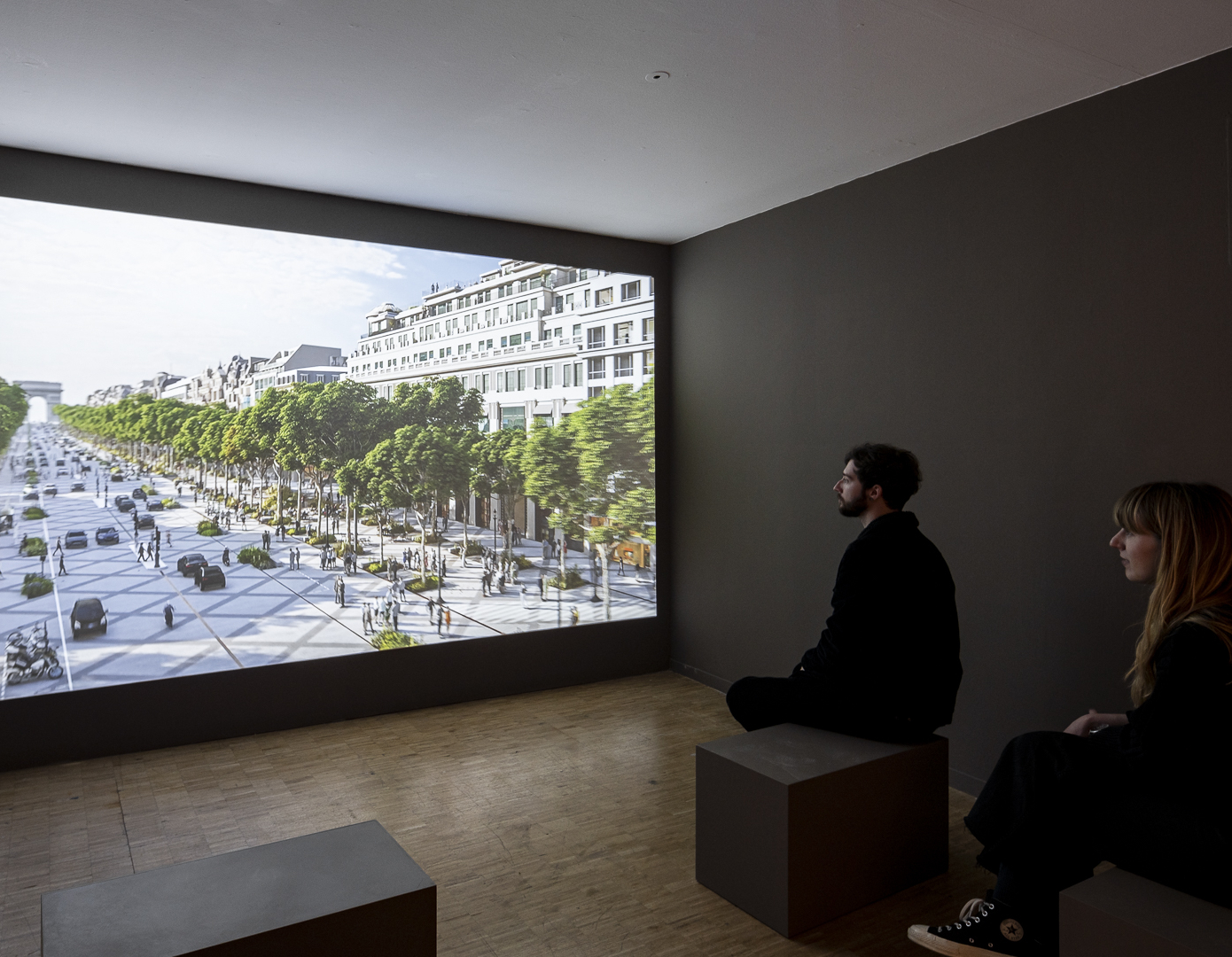
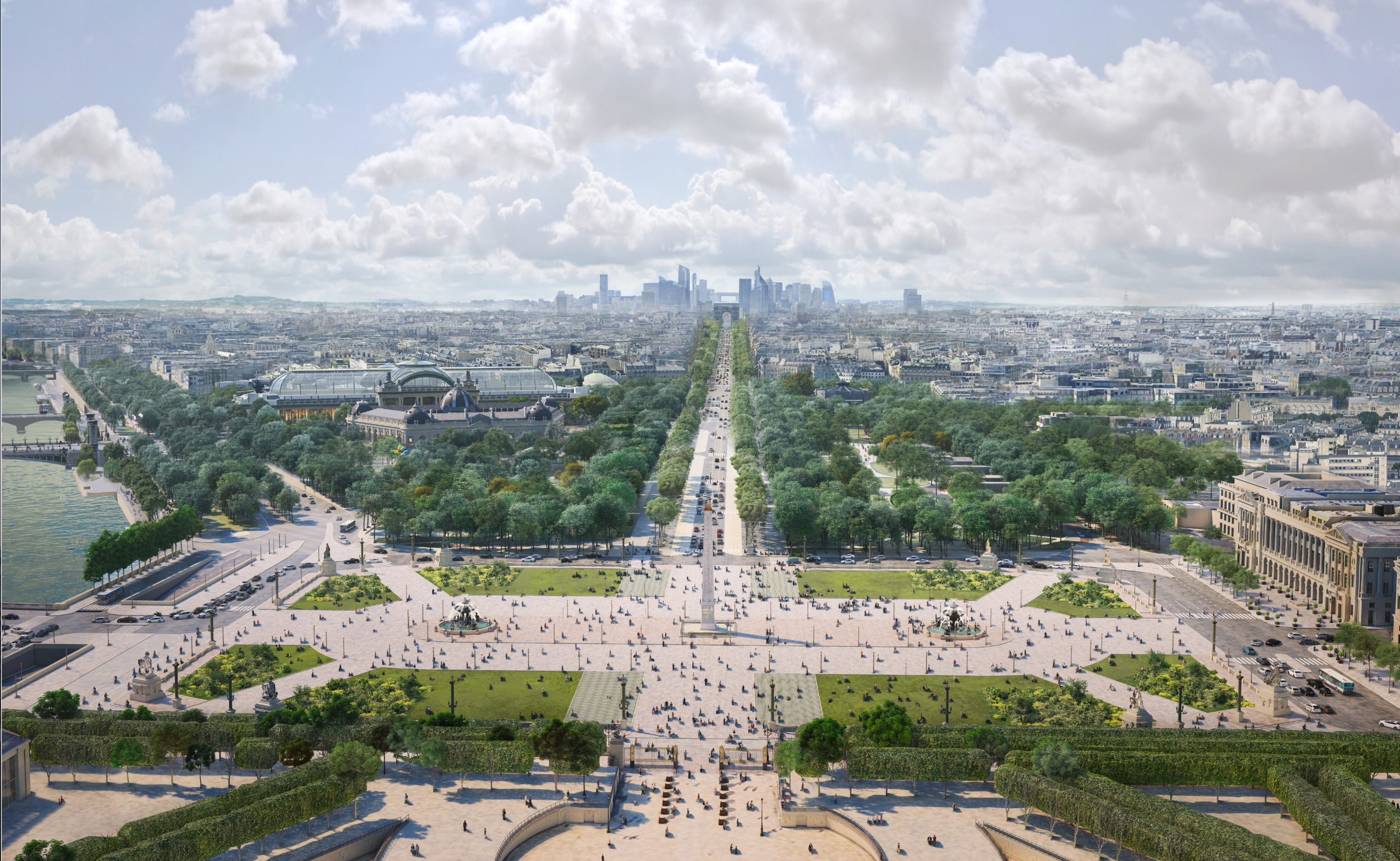
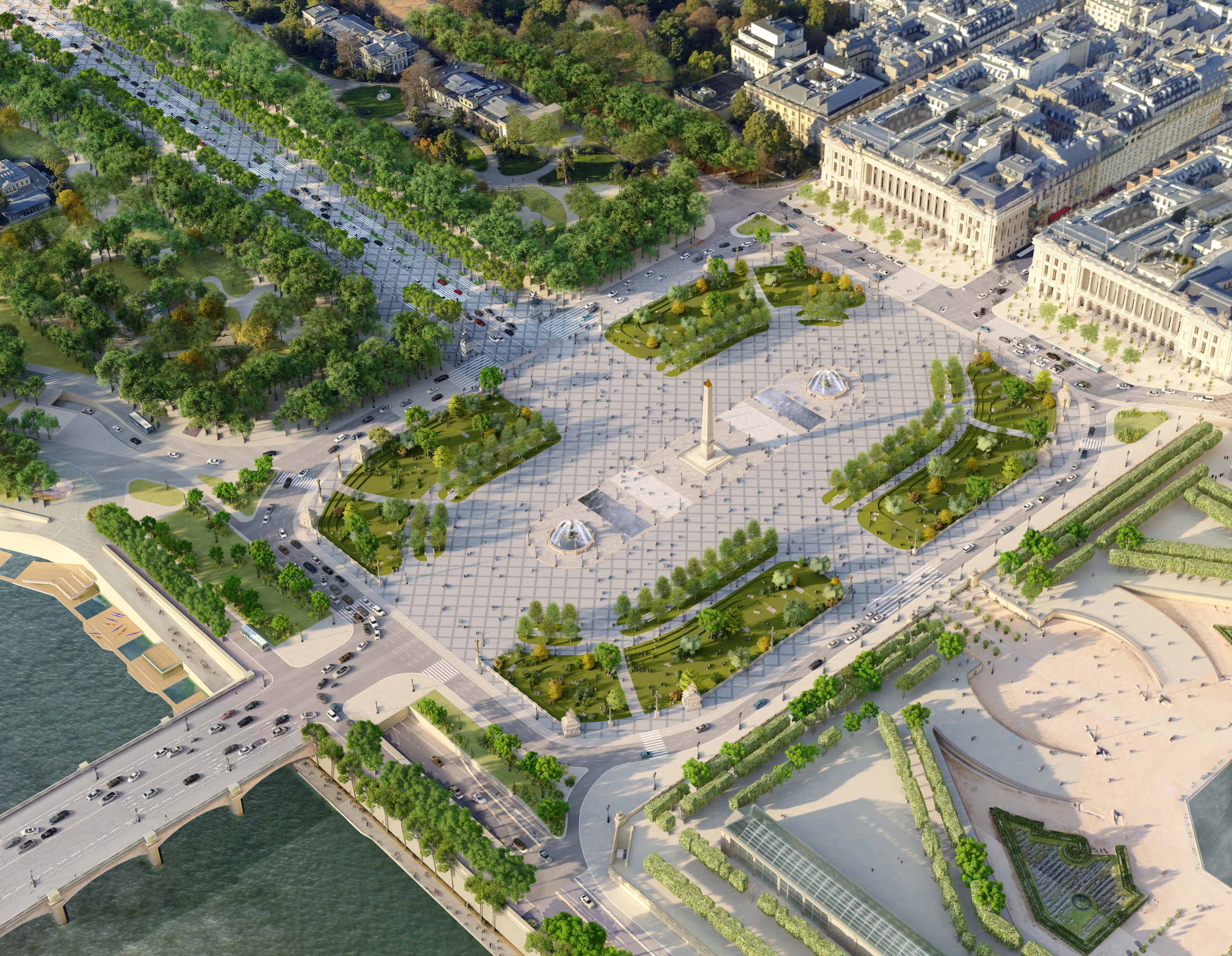
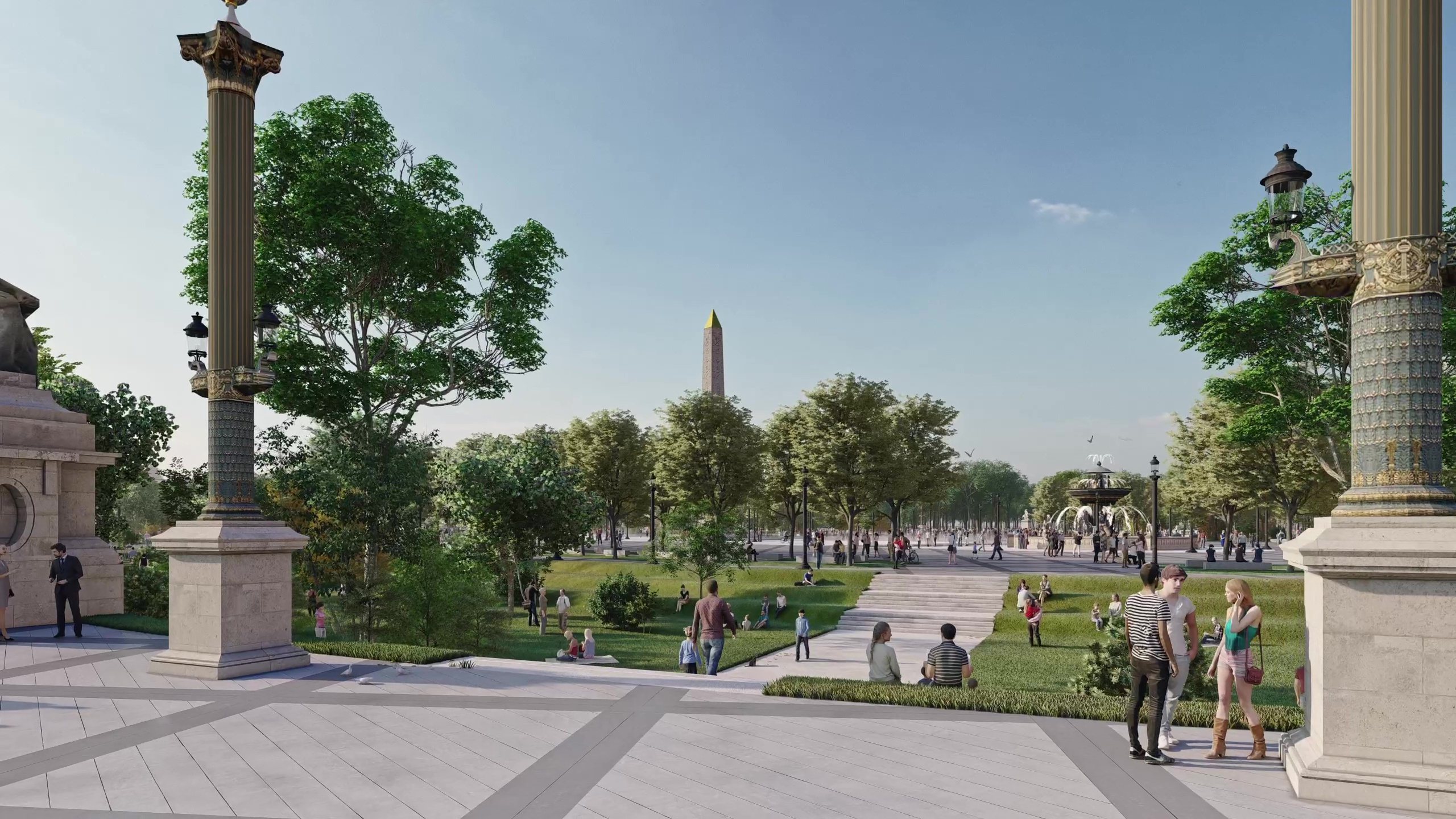
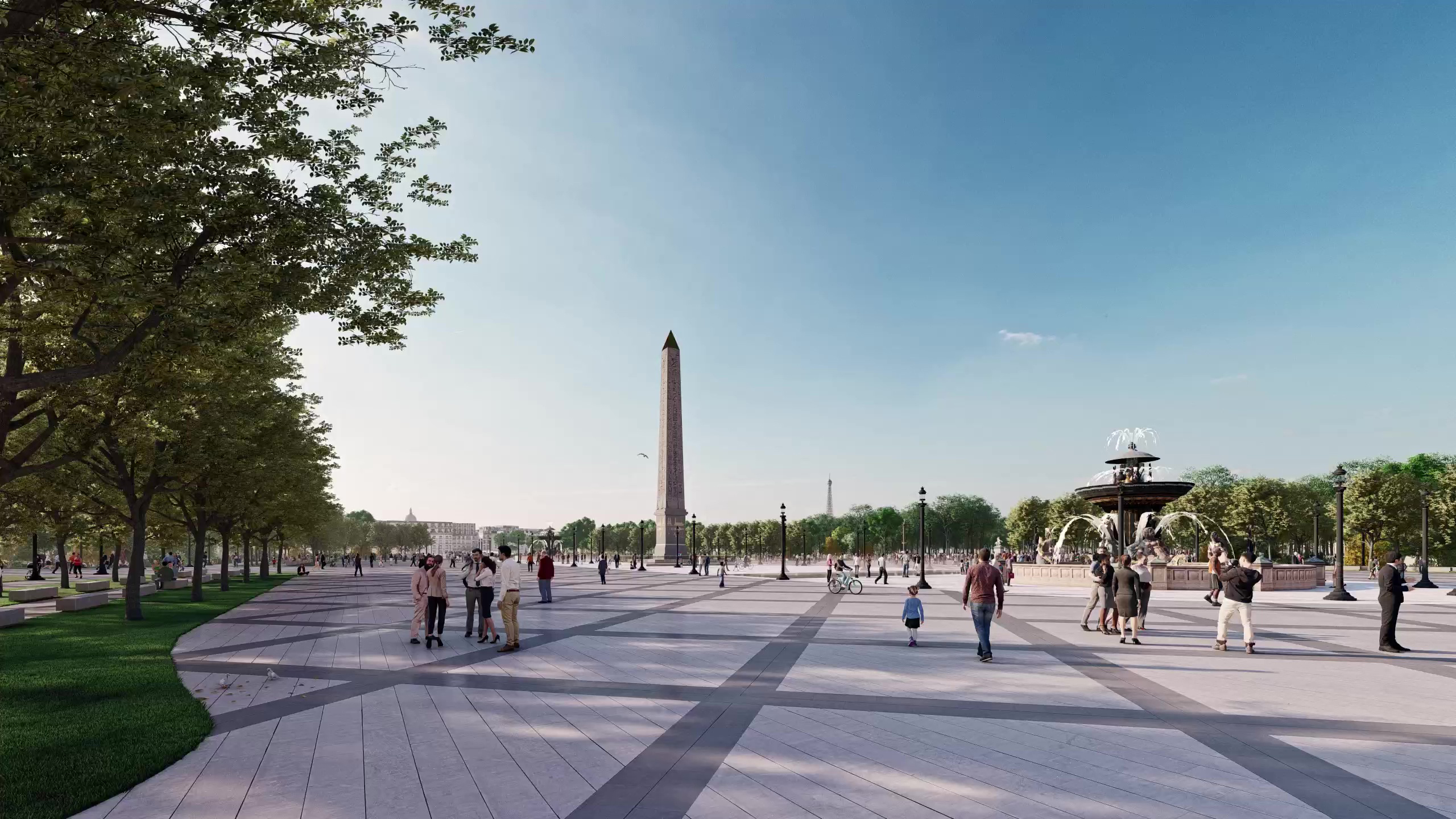
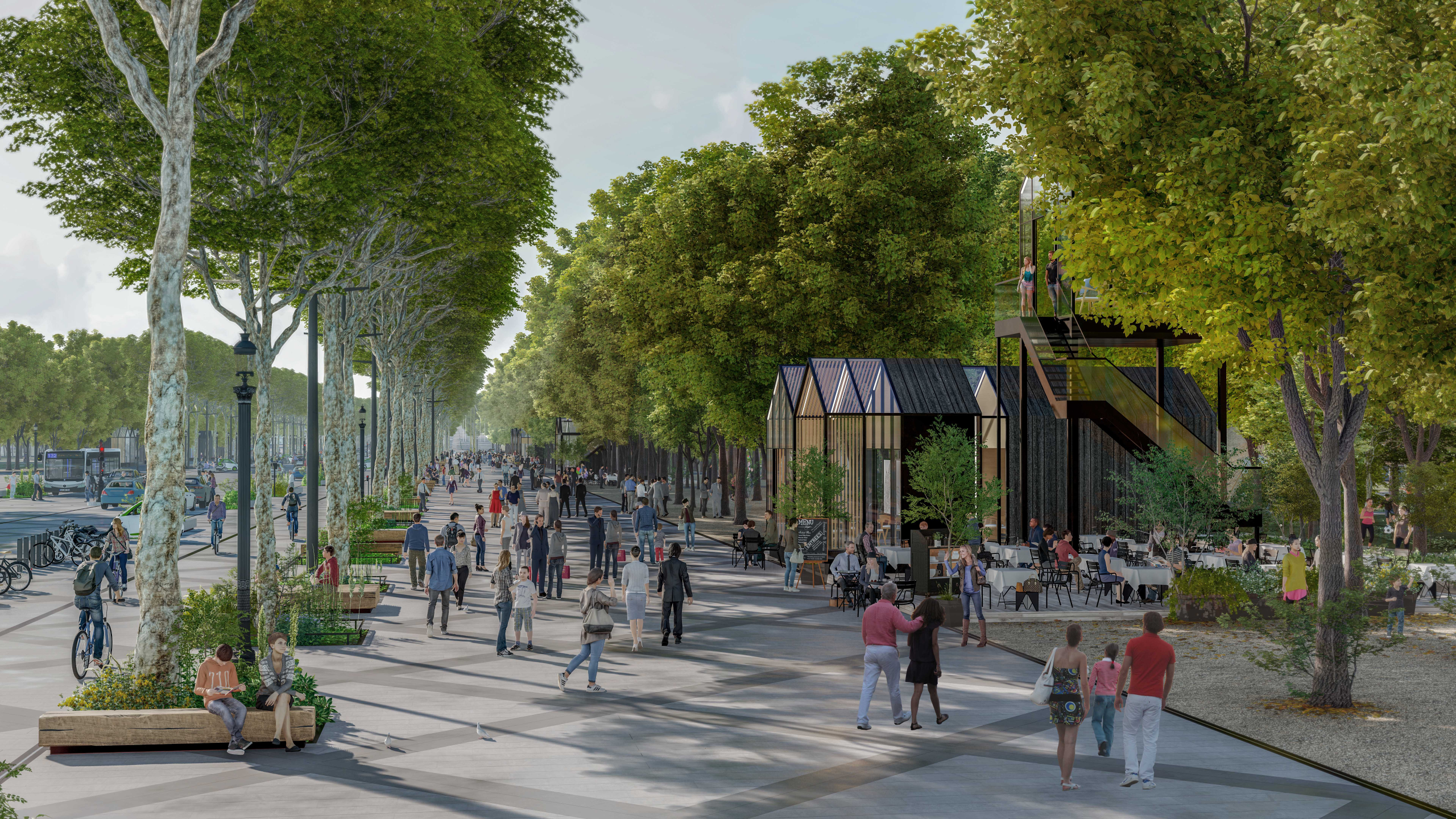
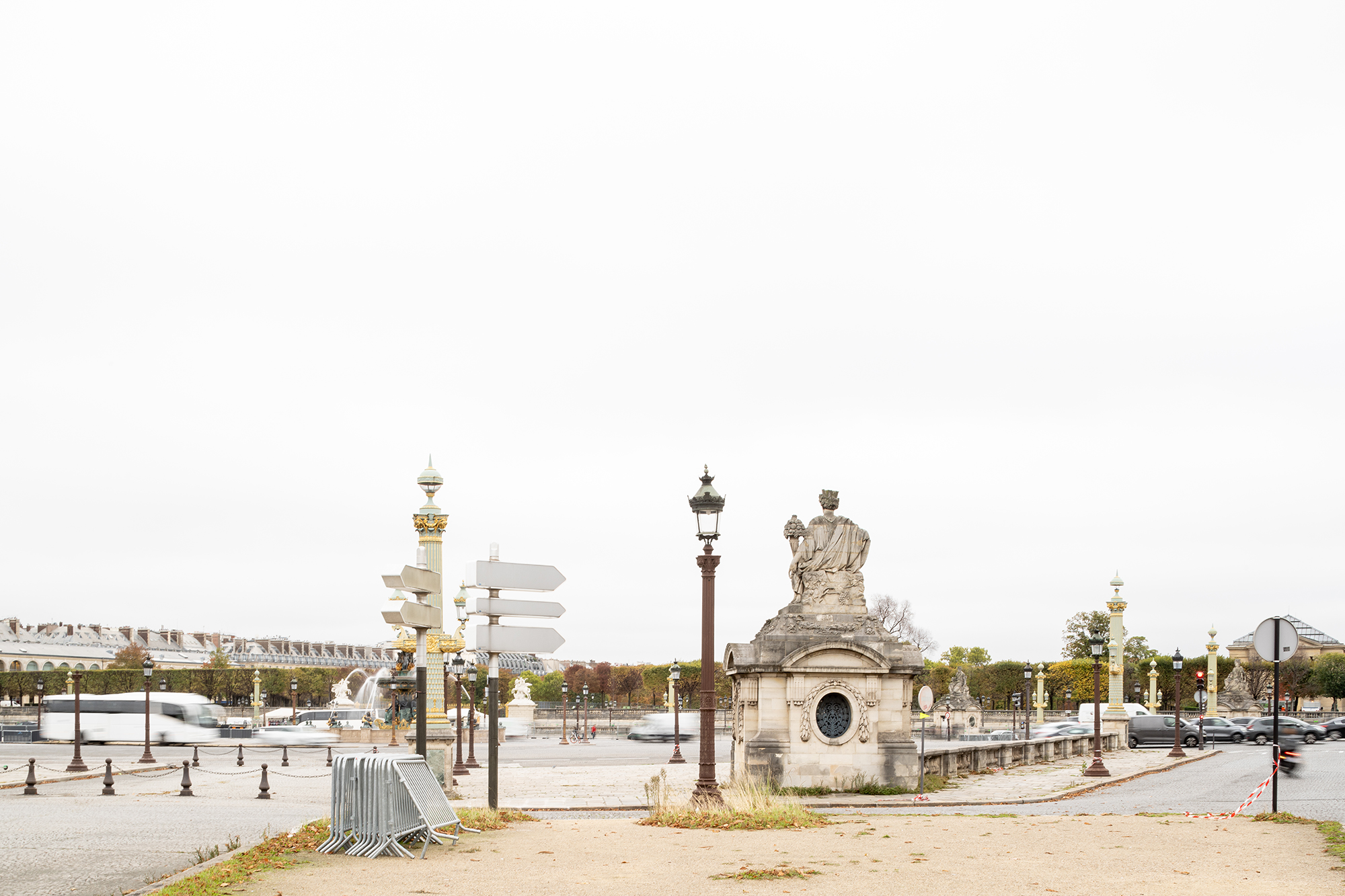
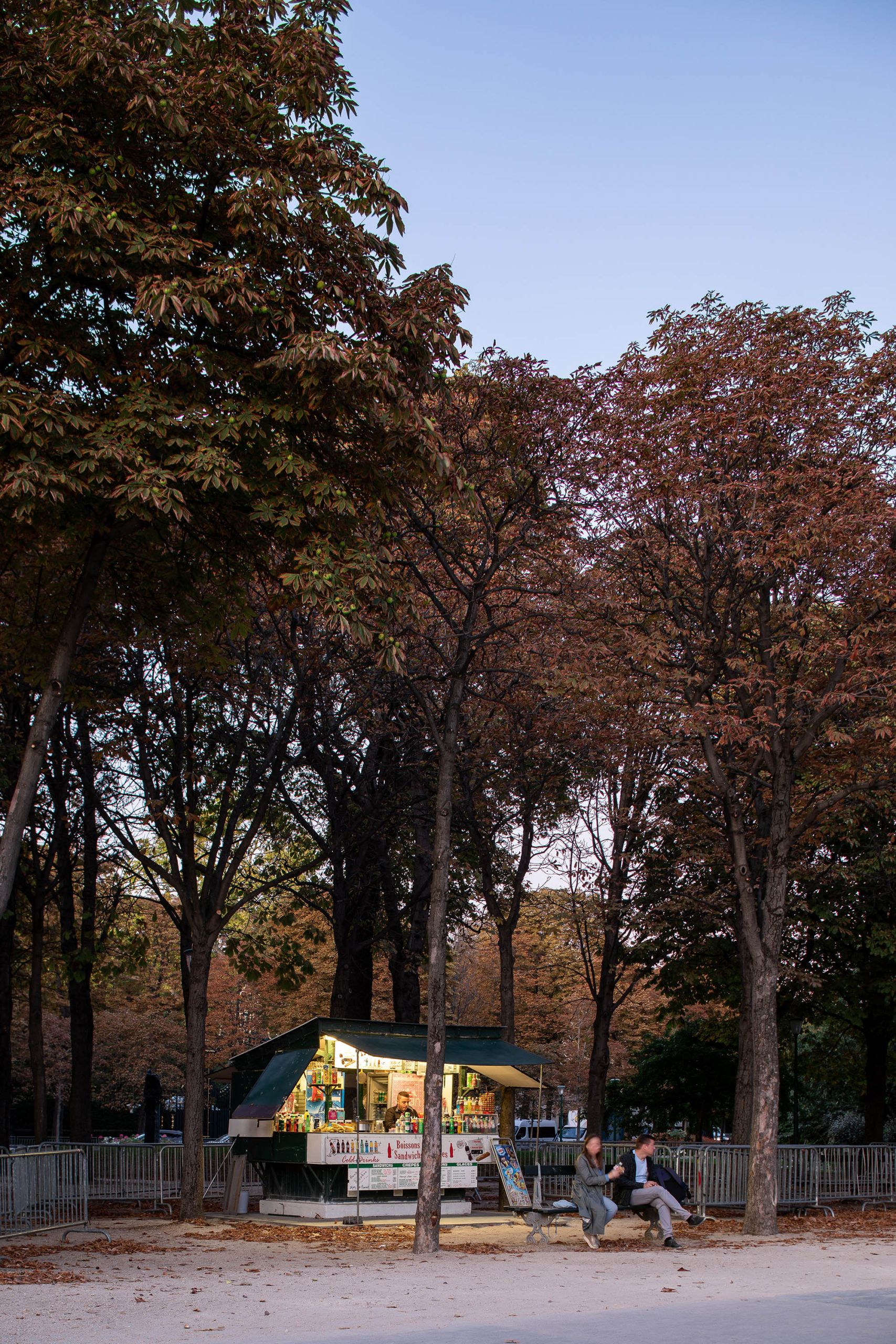
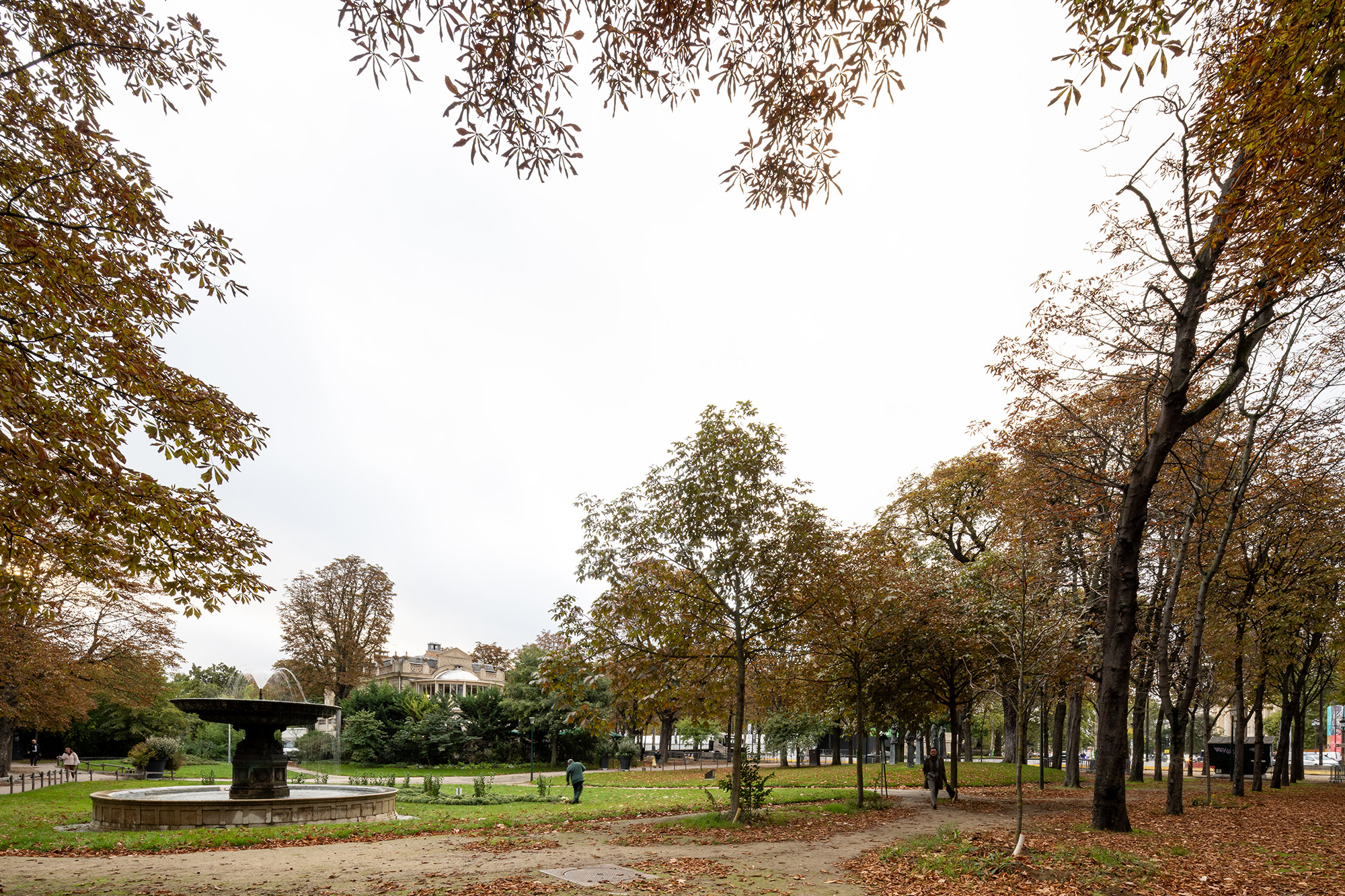
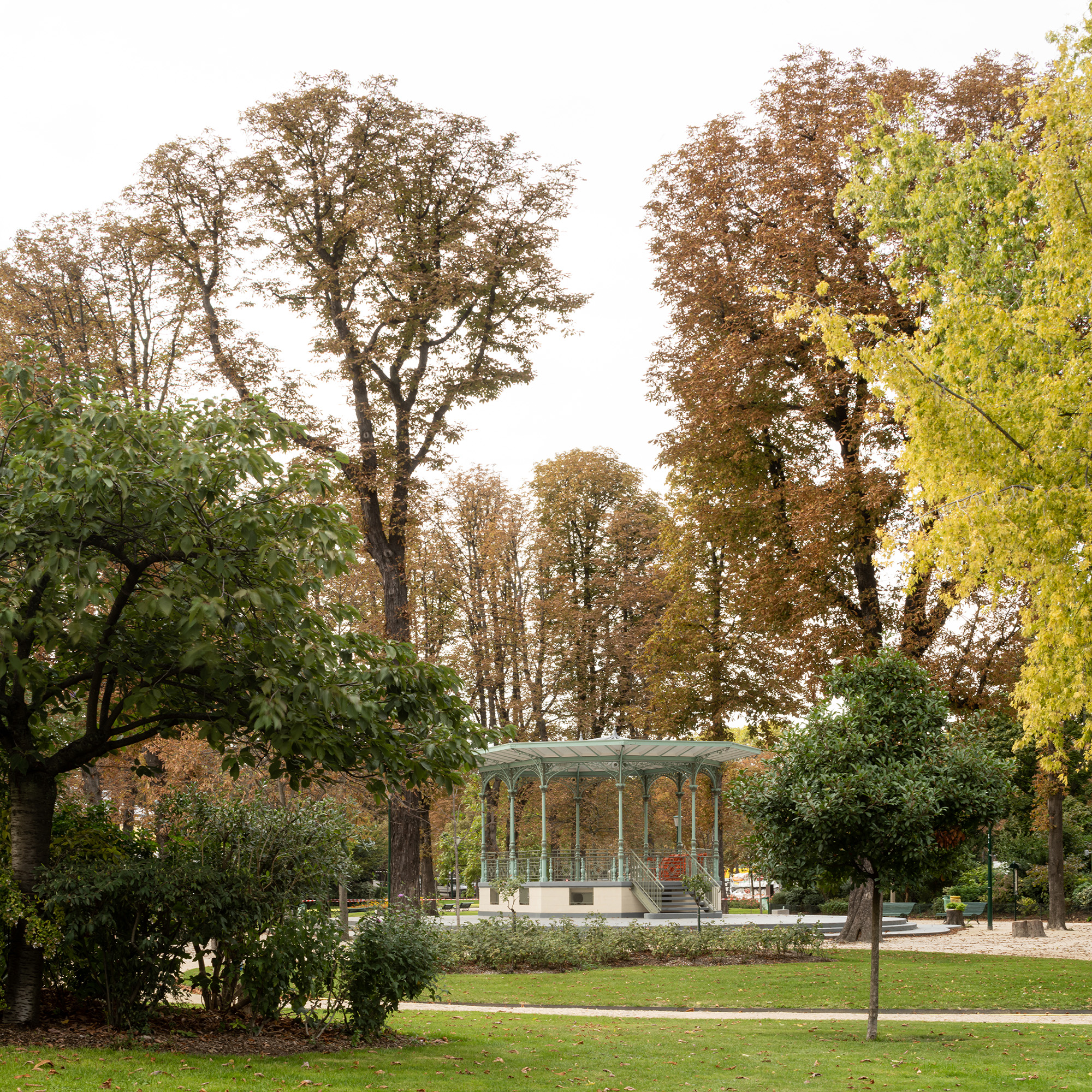
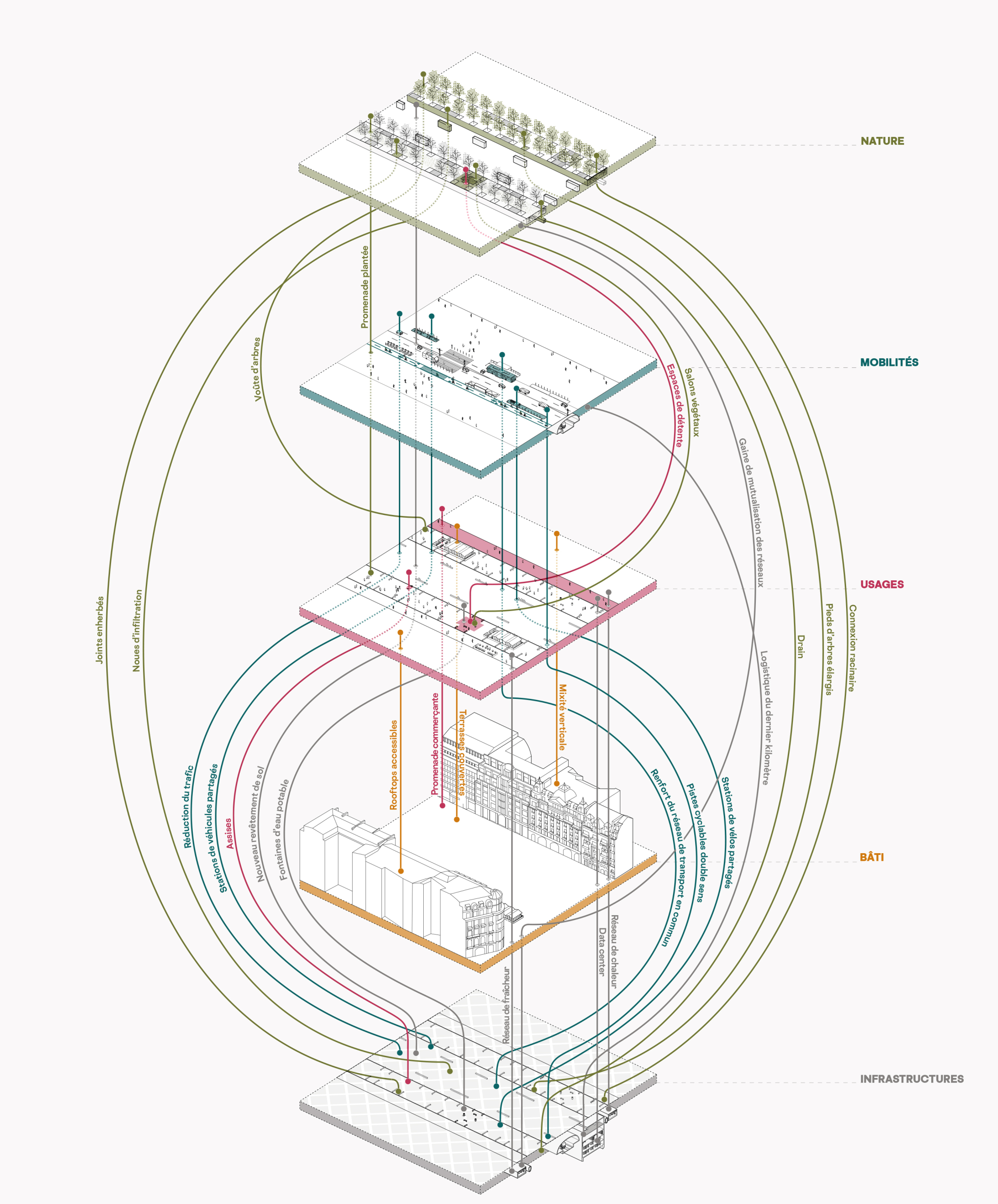
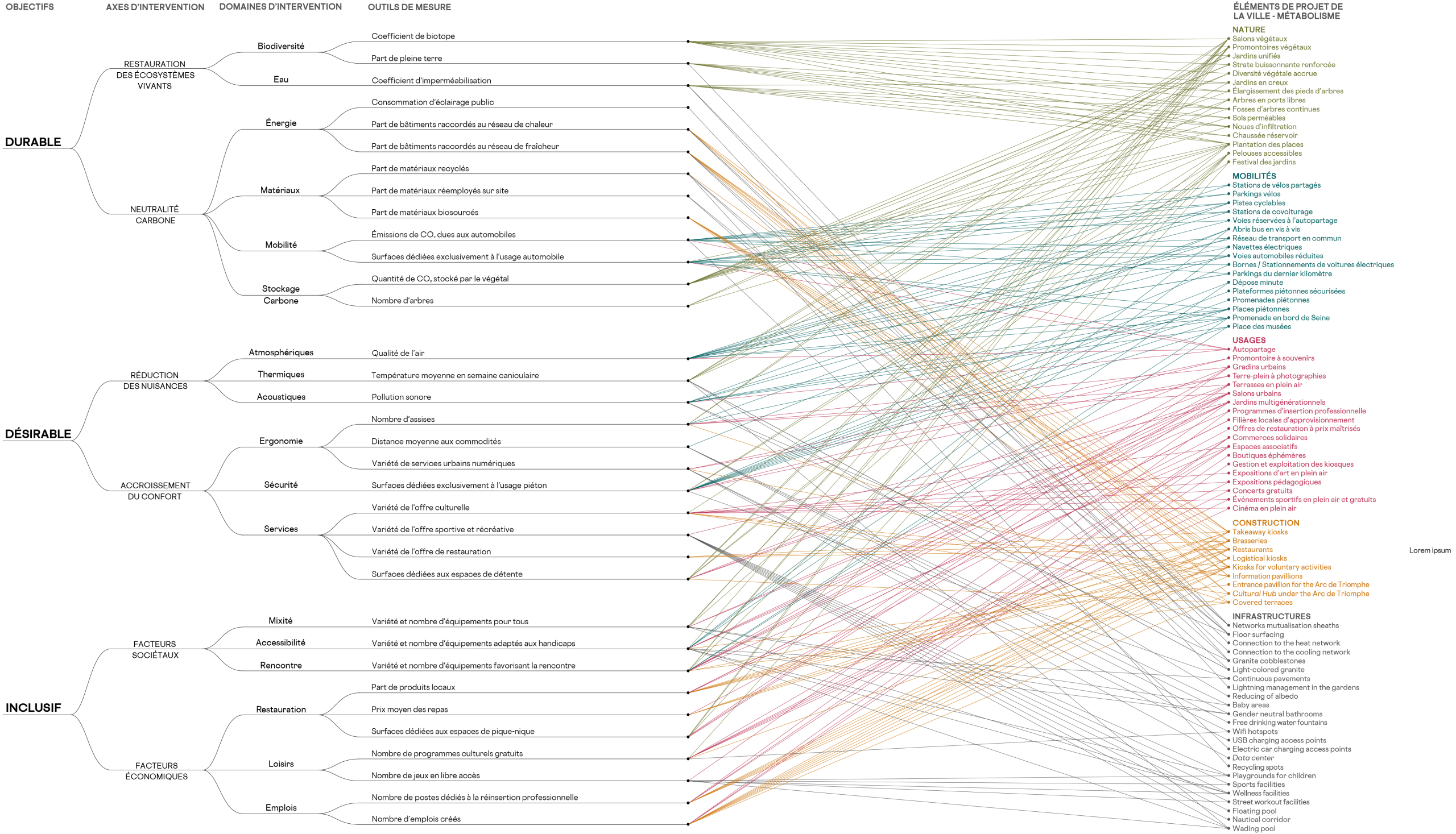
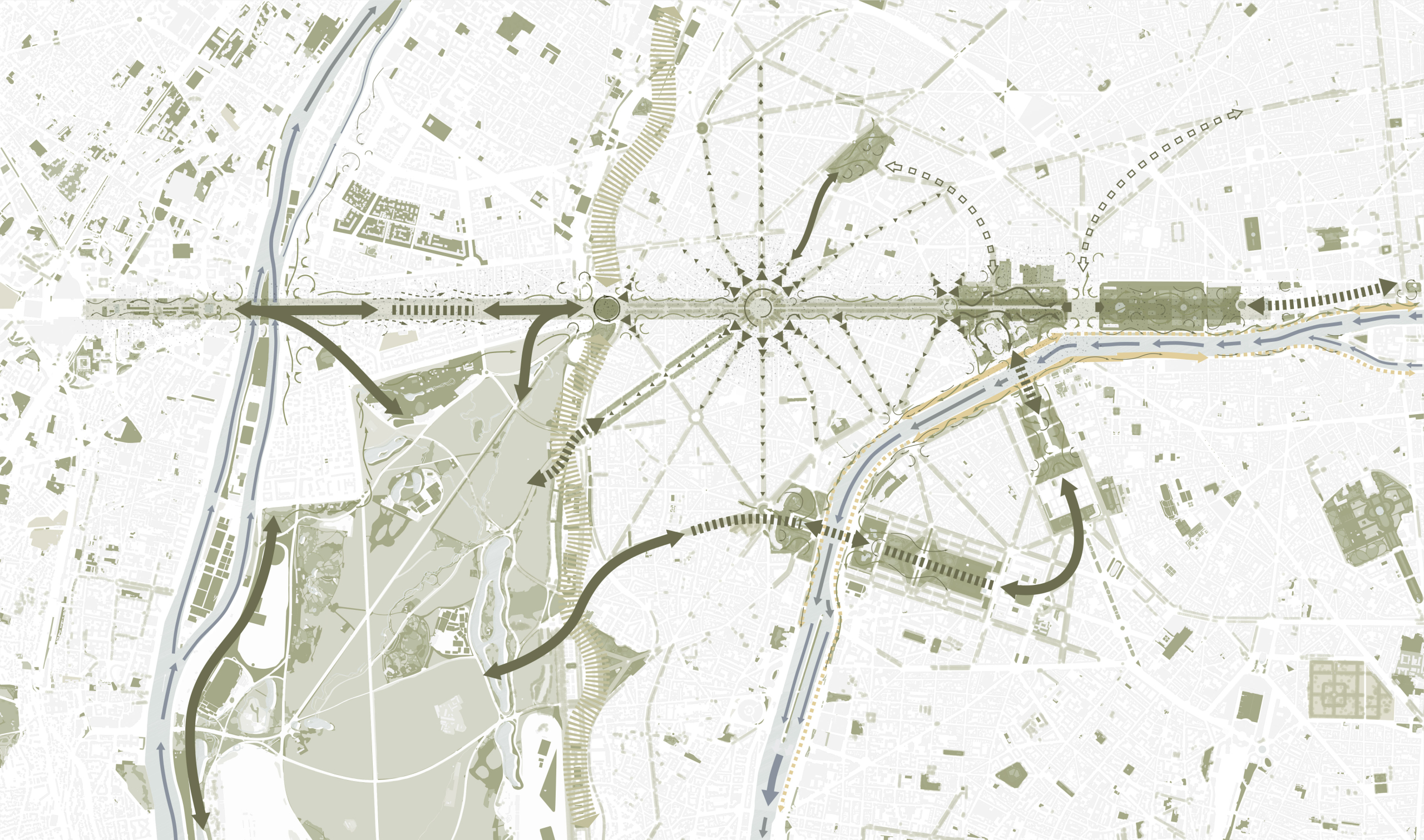
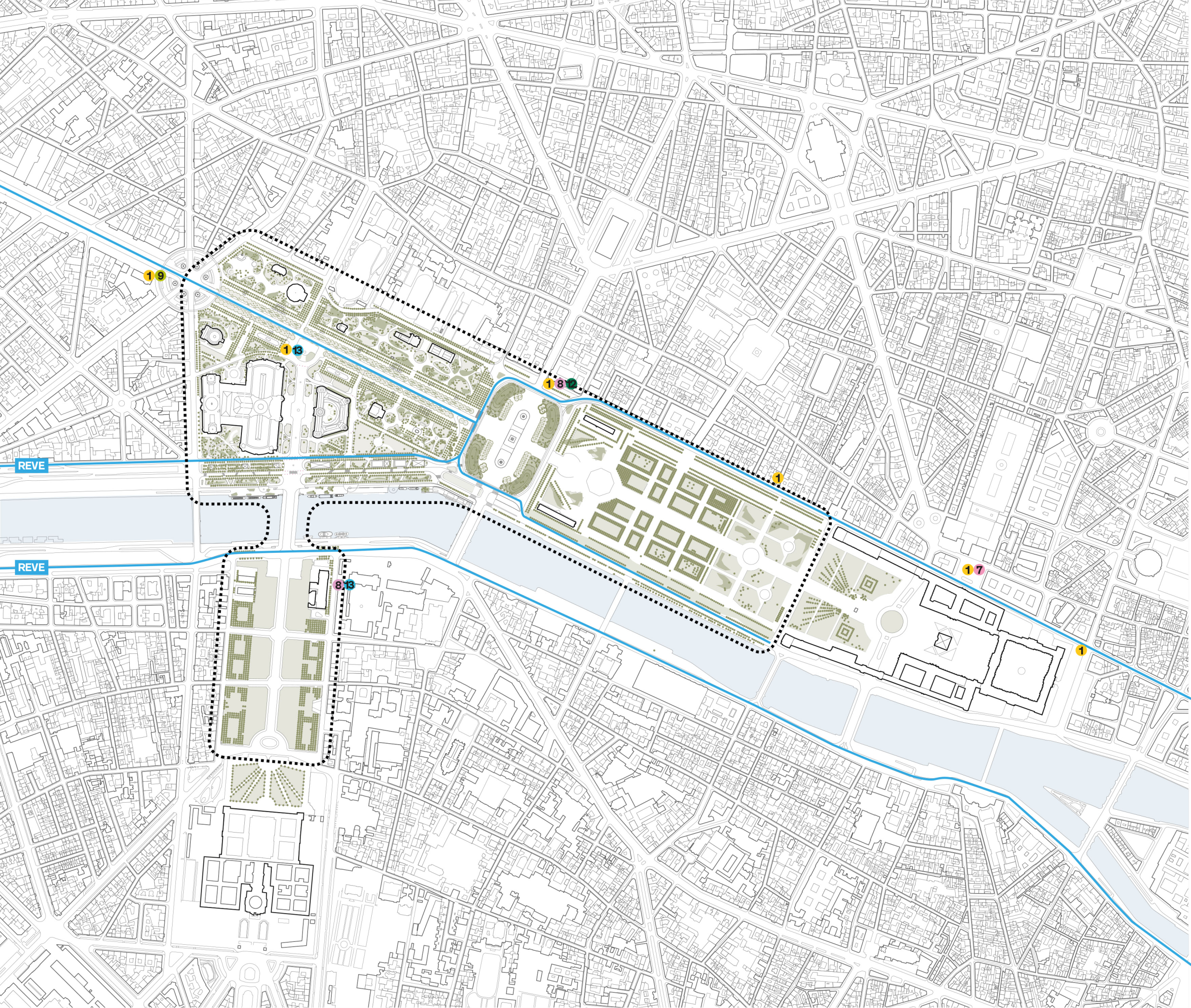
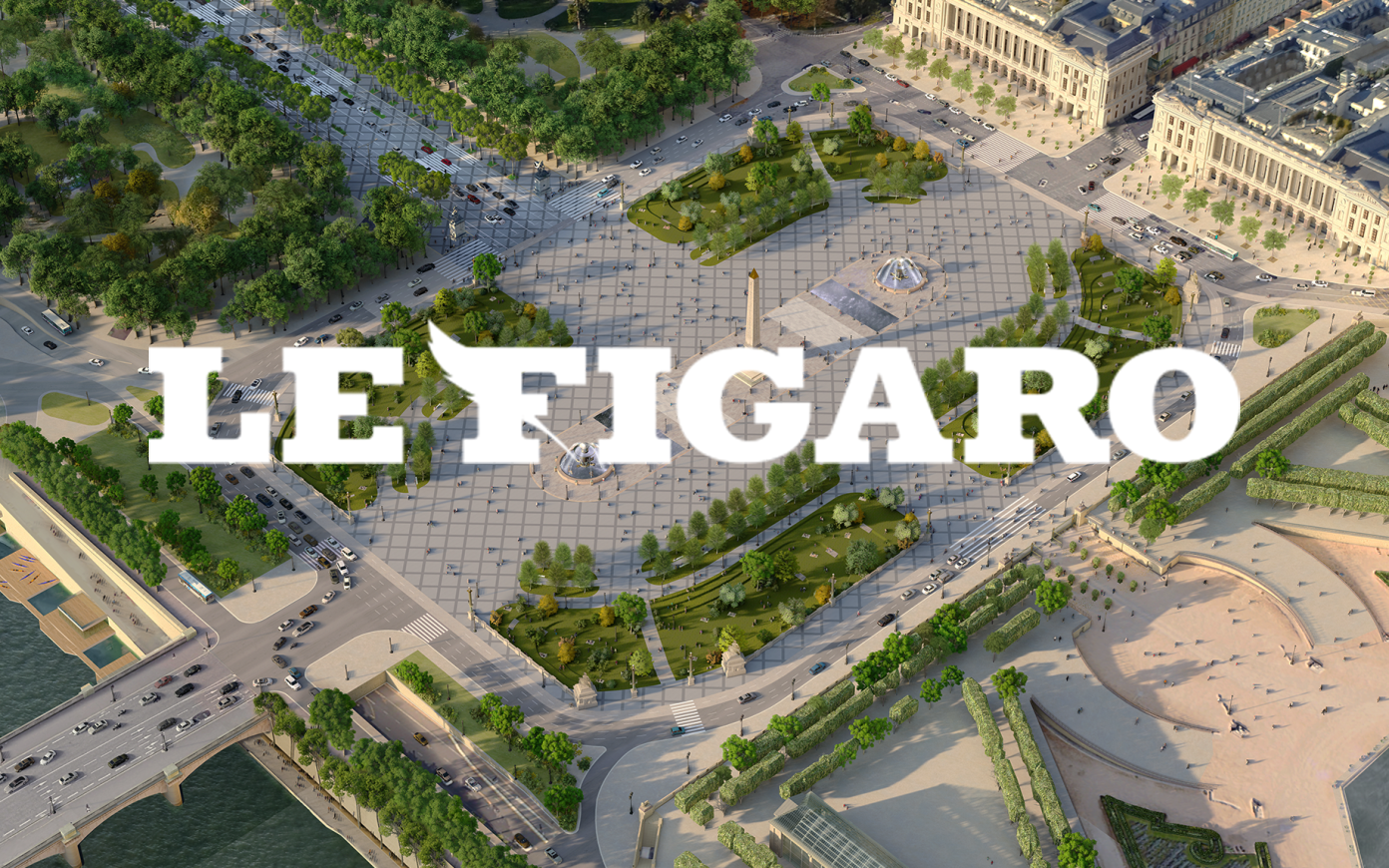
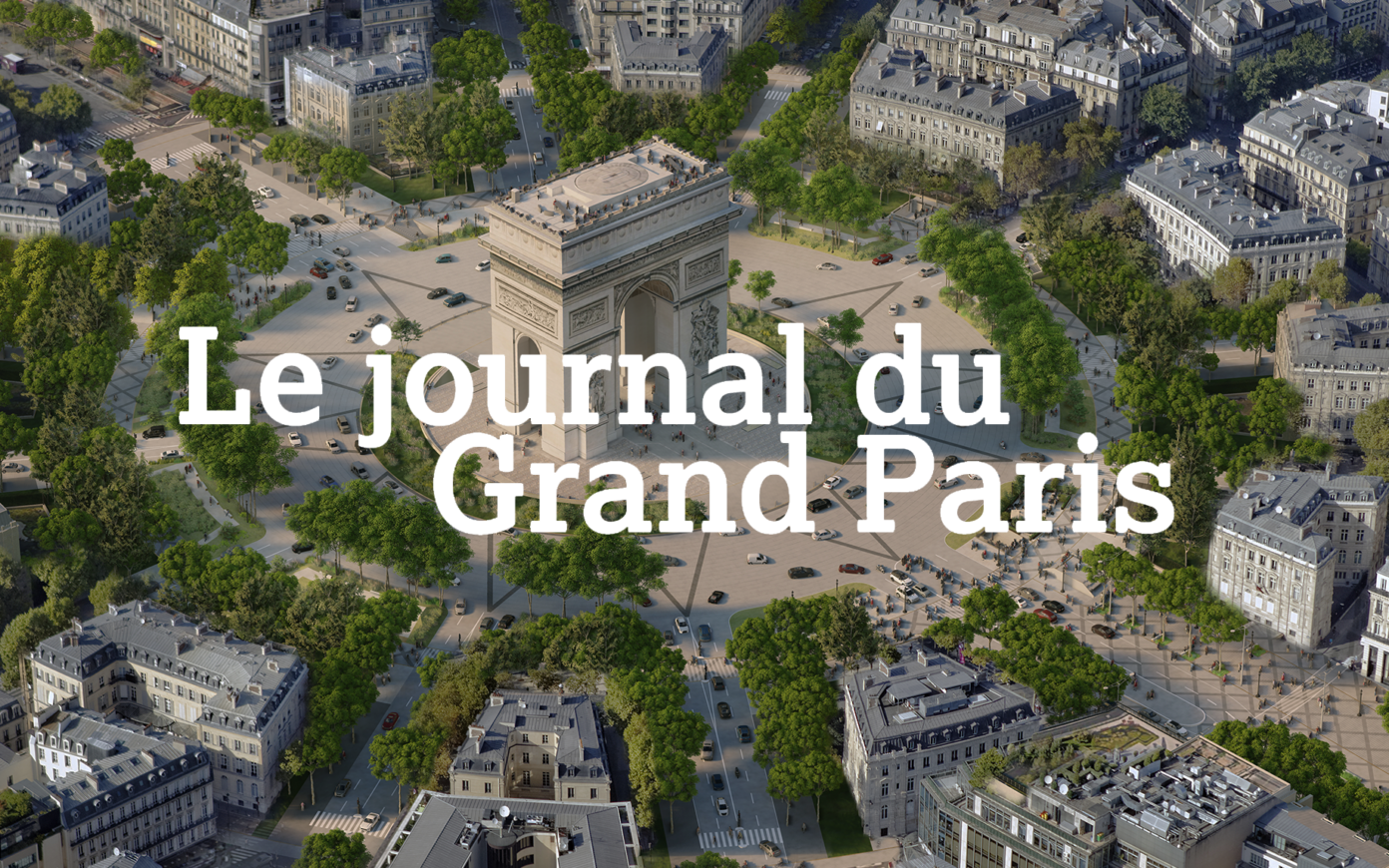
A tourist hotspot that is polluted in its upper section and a desolate wasteland in its lower section, with its forgotten, fragmented, and poorly maintained gardens, the Avenue exhibits contrasting yet complementary urban ills. The vision developed by PCA-STREAM proposes leveraging the symbolic power of the Champs-Élysées to engage national talent—both public and private—and transform the avenue into an urban showcase. To achieve this, the hyper-place must be pacified—by promoting sustainable uses and transportation—and the hyper-void must be re-enchanted through enhanced biodiversity and innovative programming. Operating across five urban layers—nature, infrastructure, mobility, uses, and built environment—the action plan is based on four operational pillars with measurable outcomes: rethinking nature as an ecosystem, inventing new uses, reducing the negative impacts of mobility, and using data as a tool. The Champs-Élysées will thus become a collective testing ground by 2030 to develop a sustainable, desirable, and inclusive city.
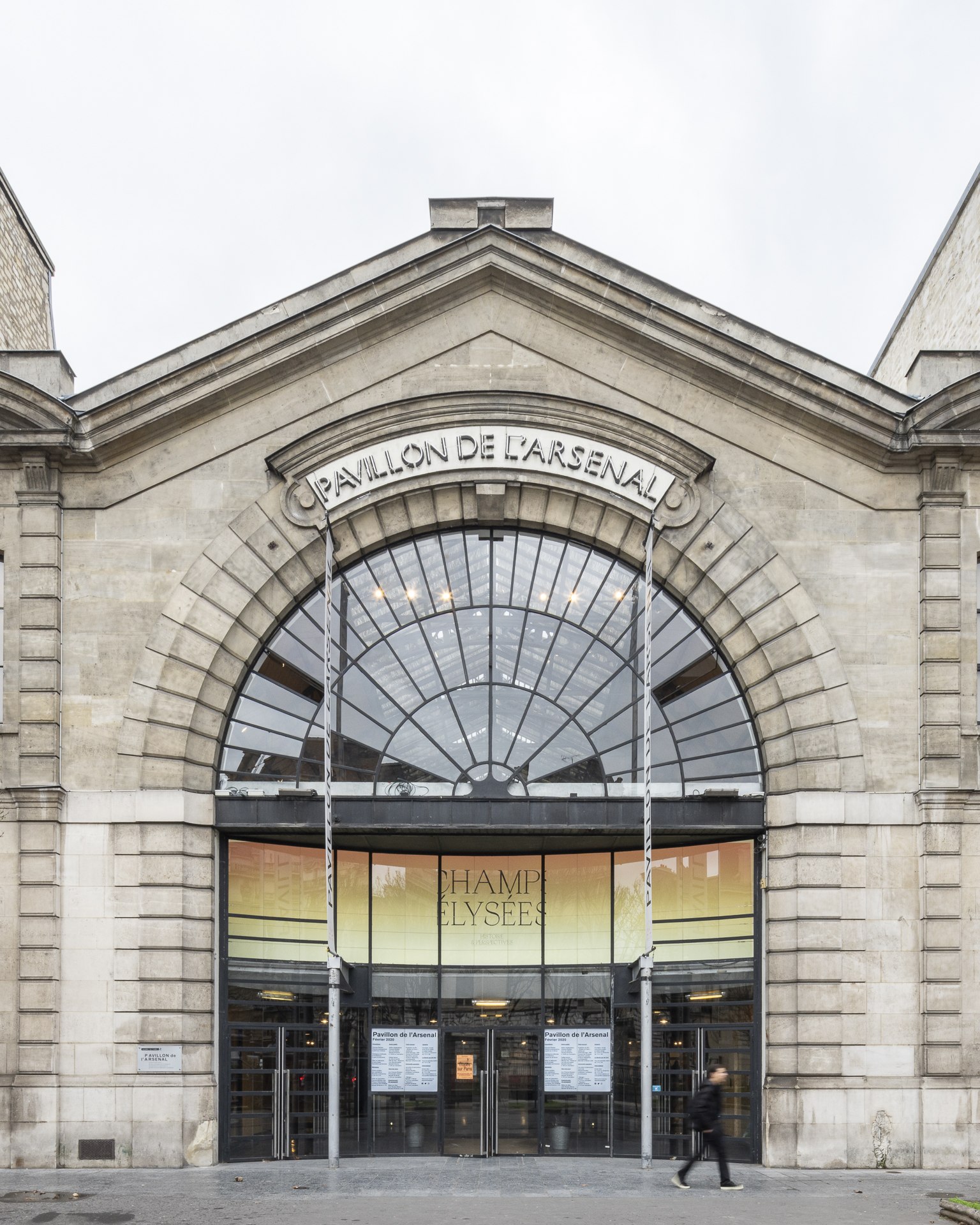
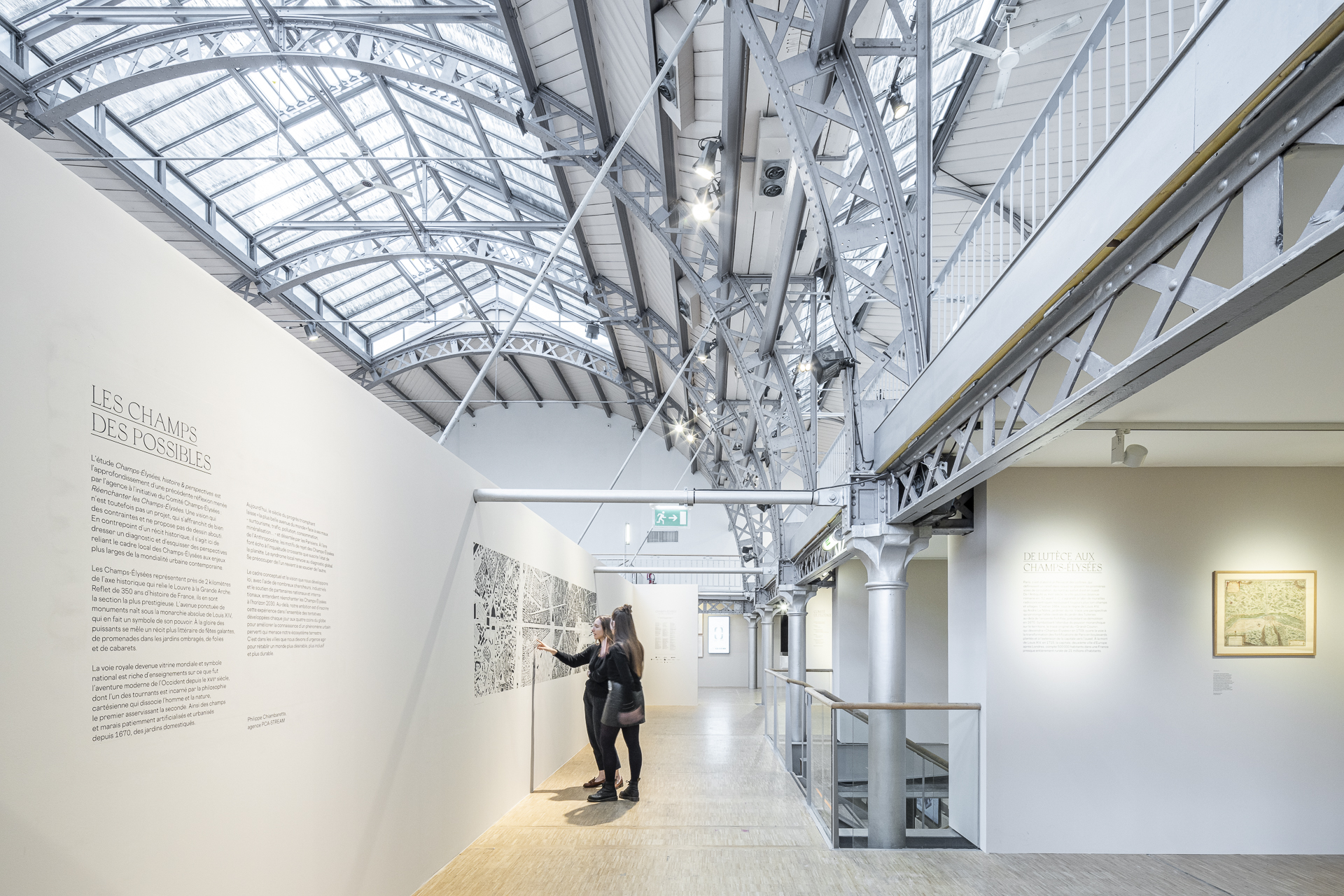
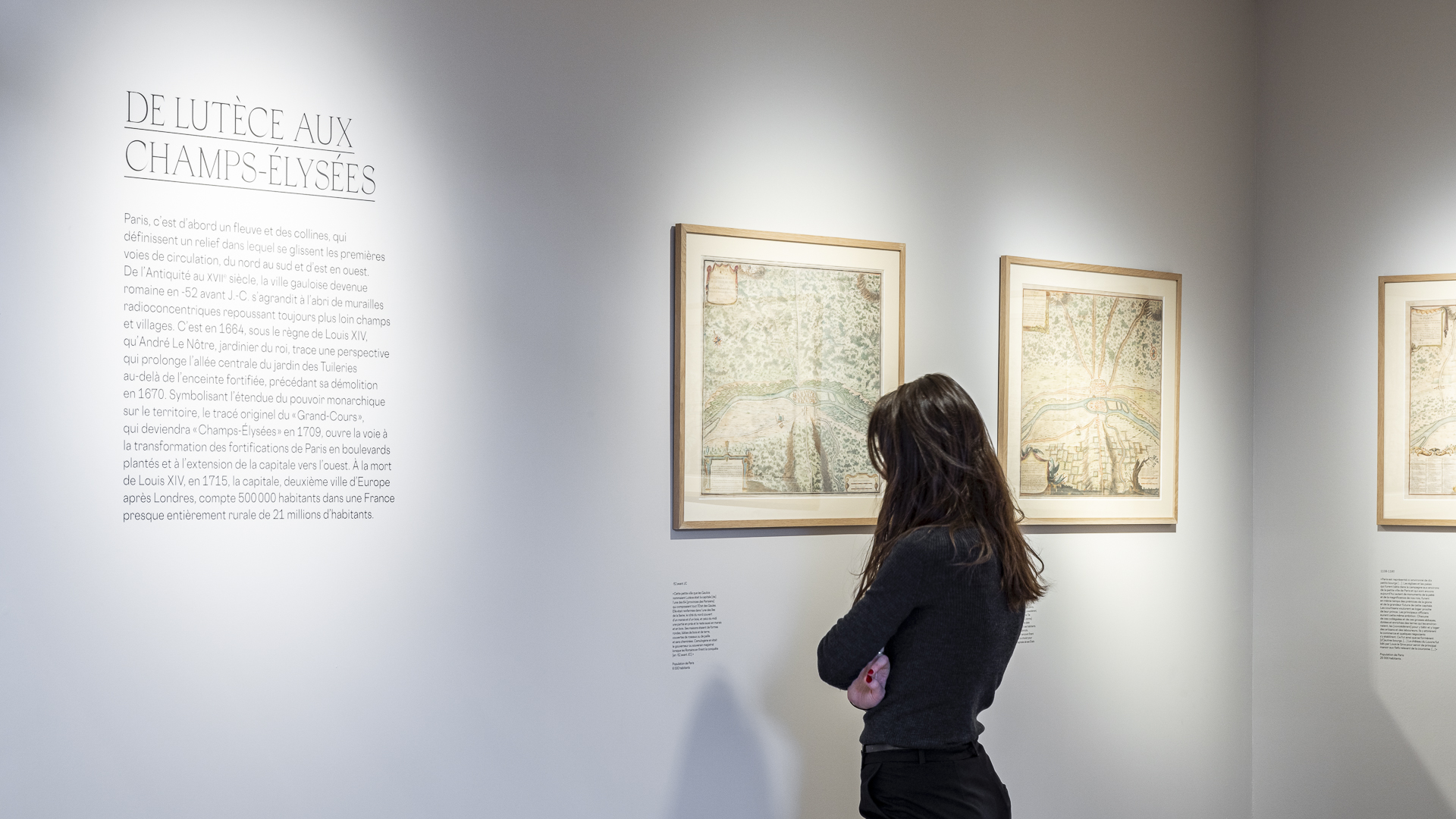
The exhibition at the Pavillon de l'Arsenal
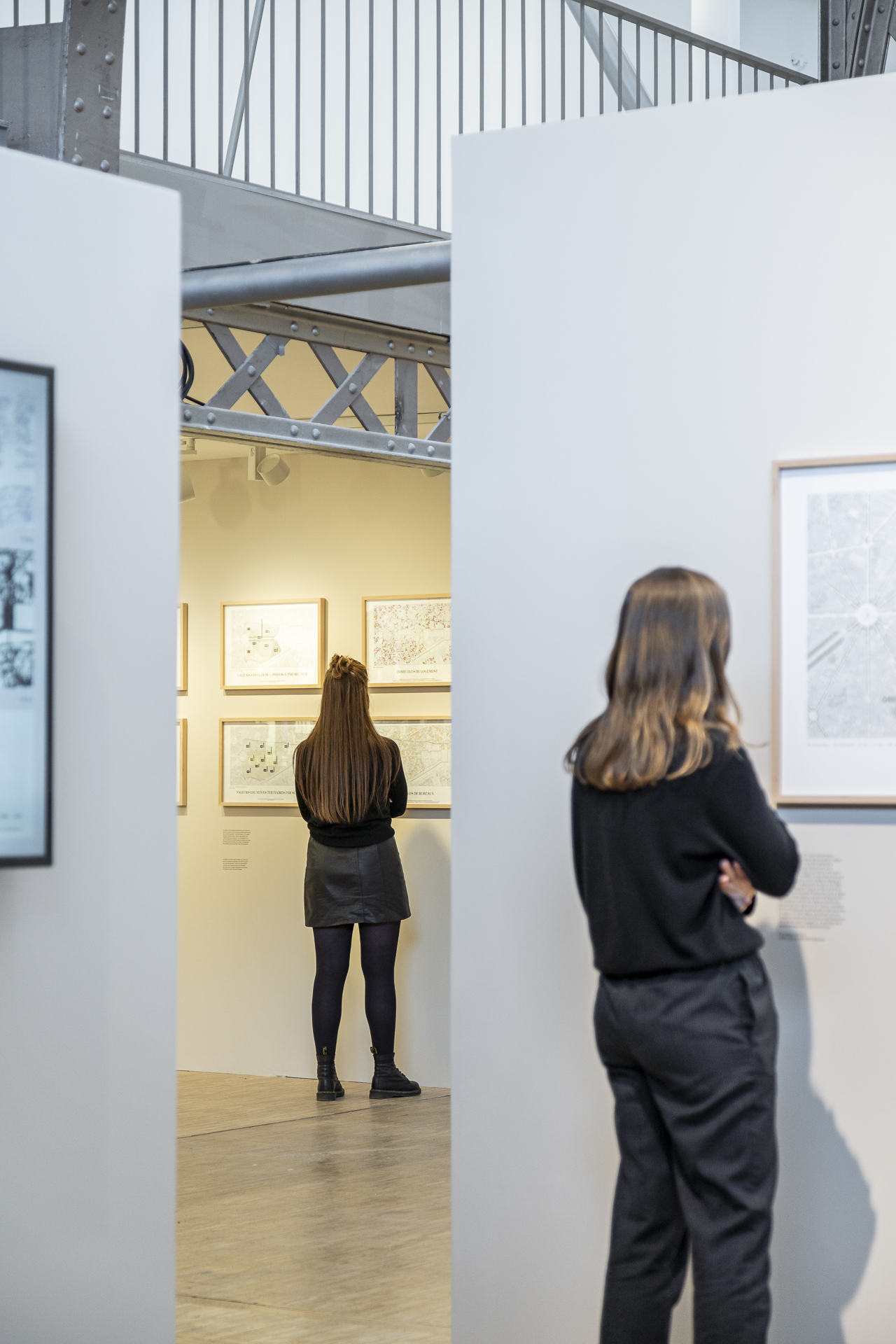
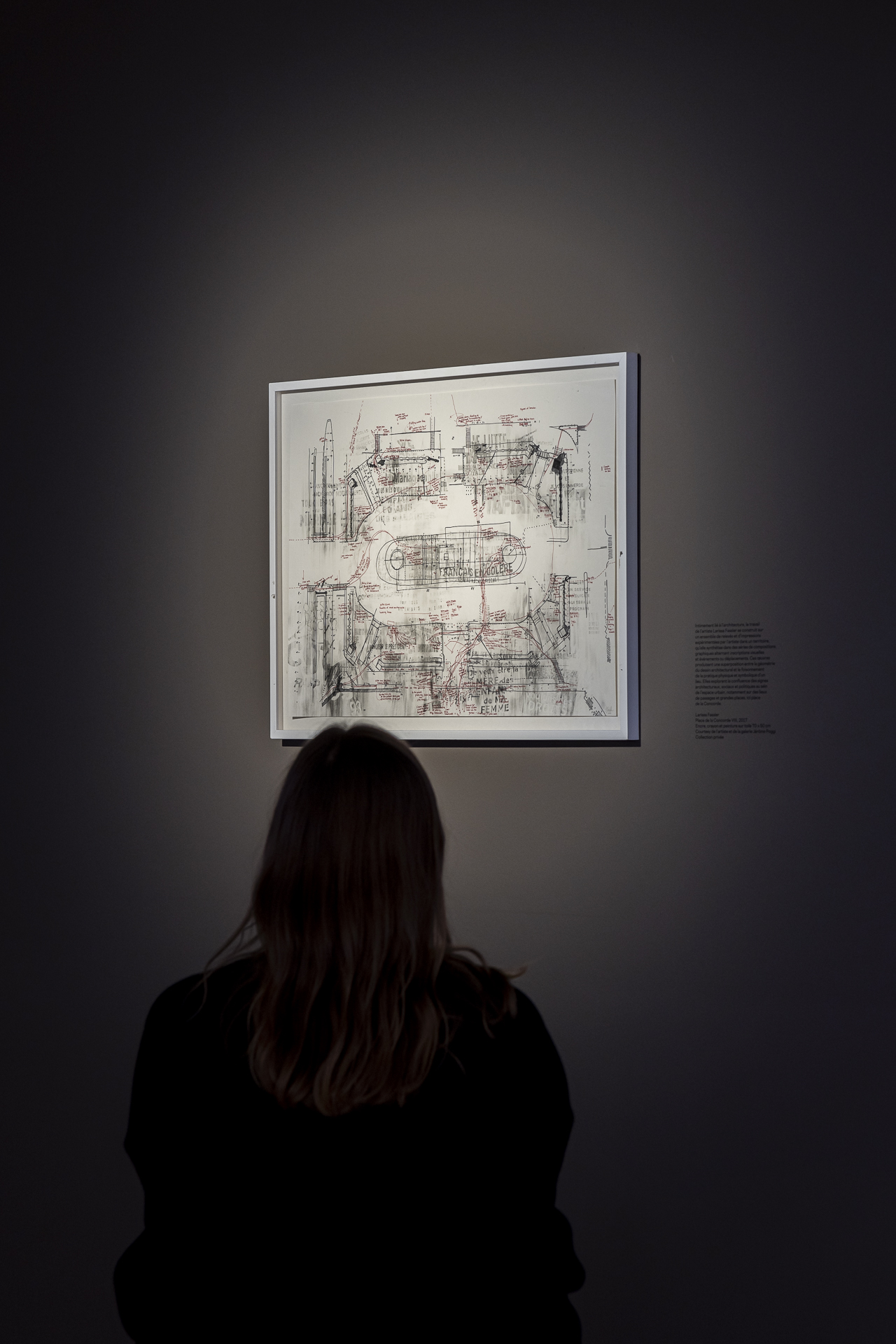
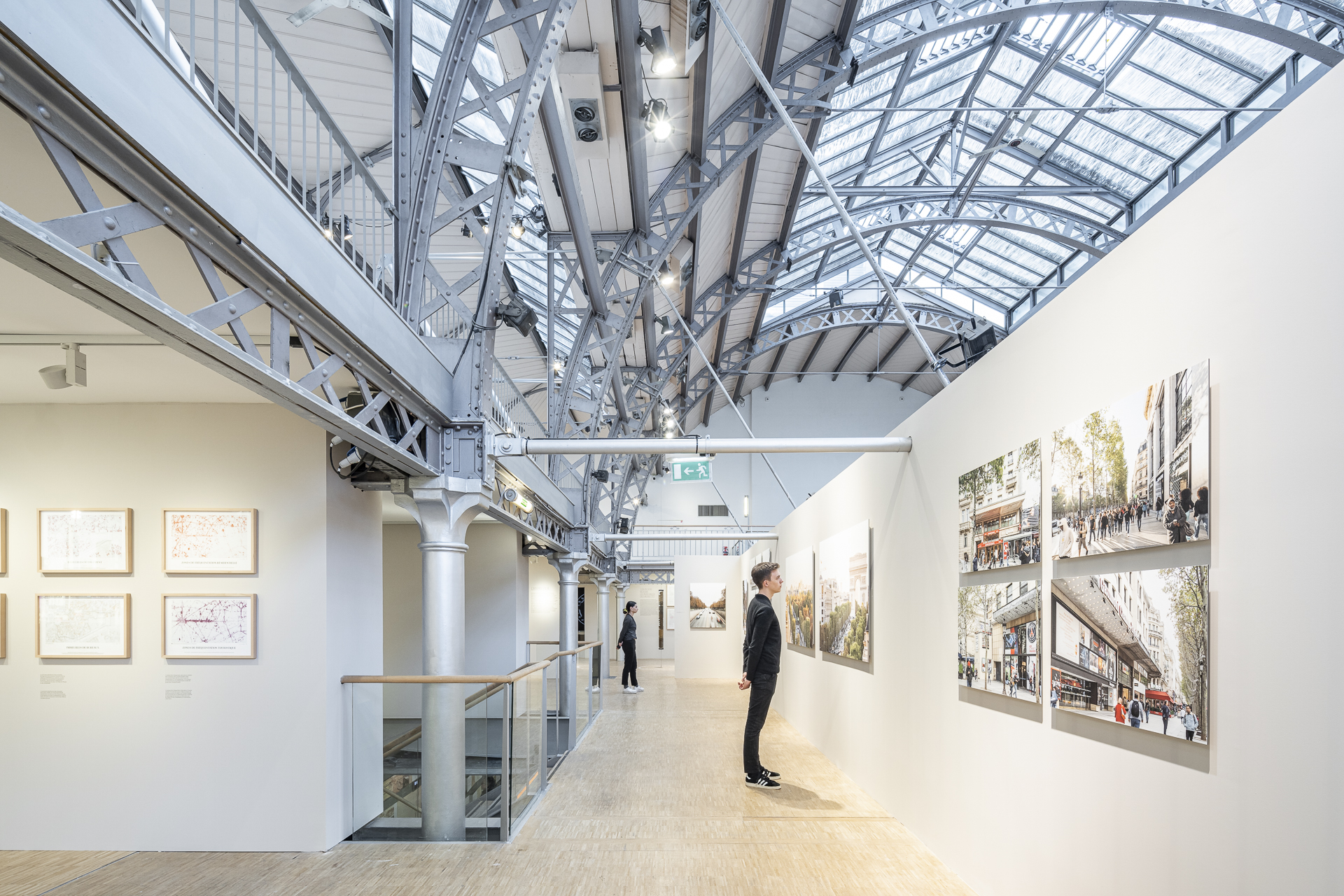
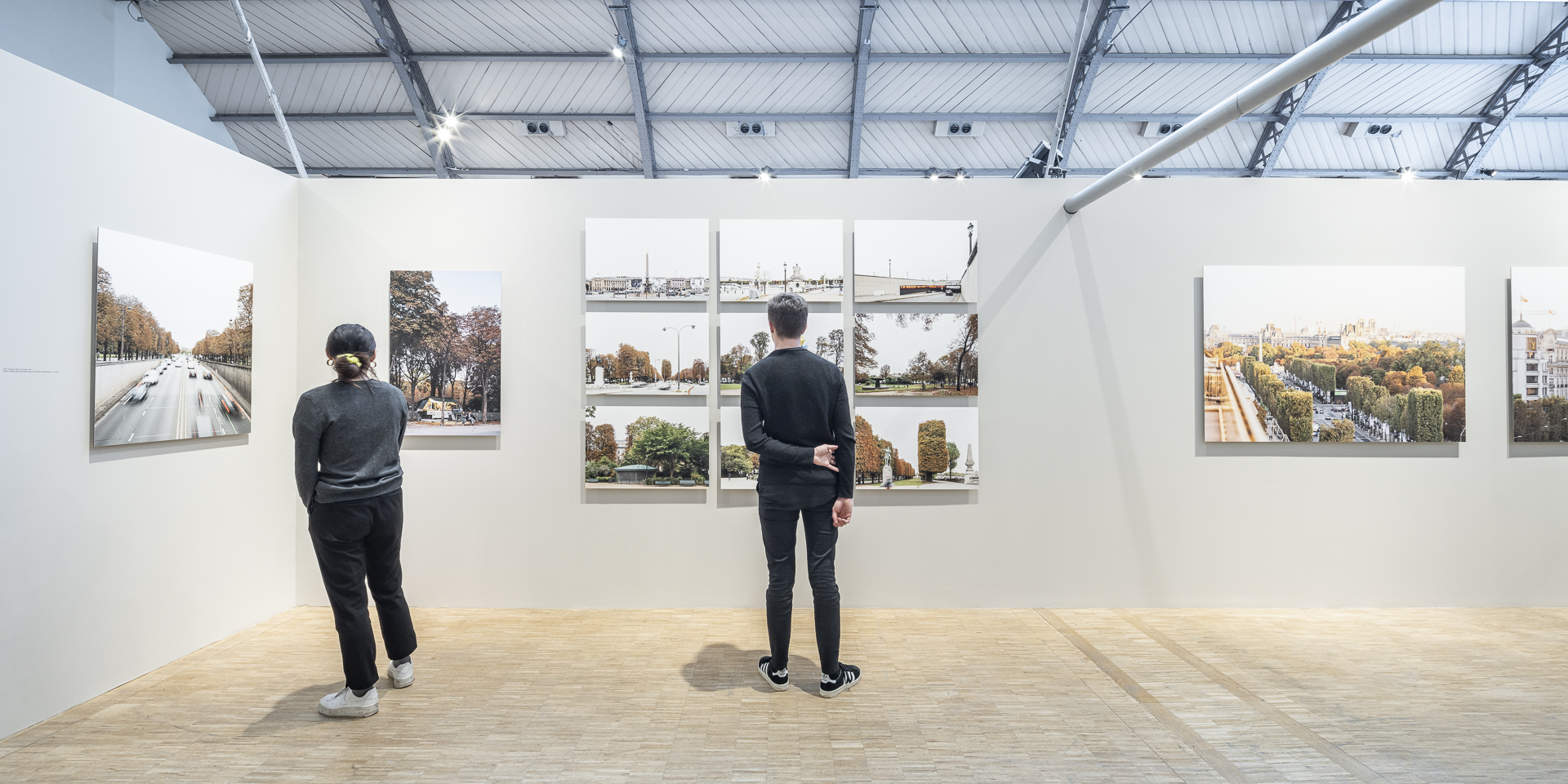
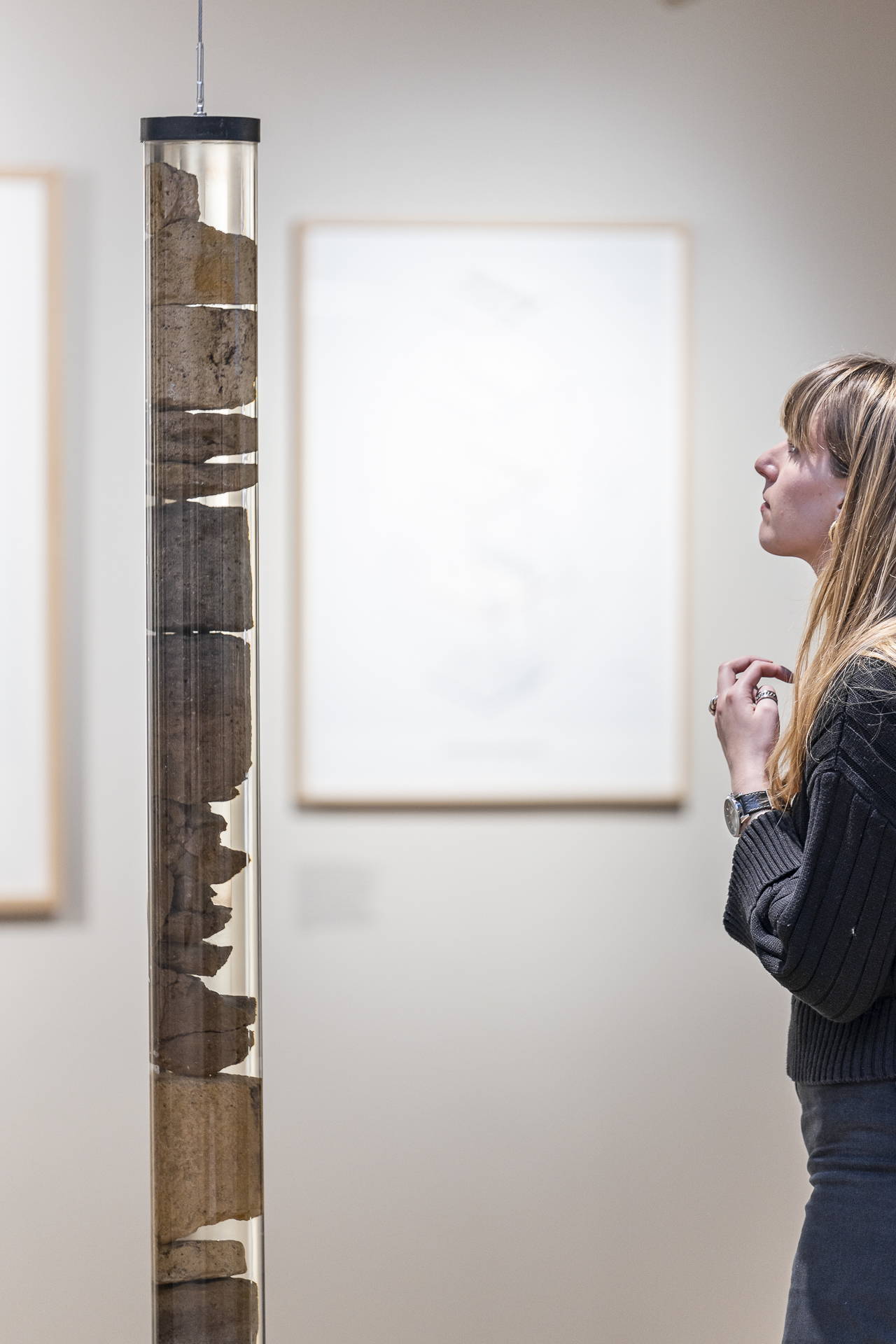
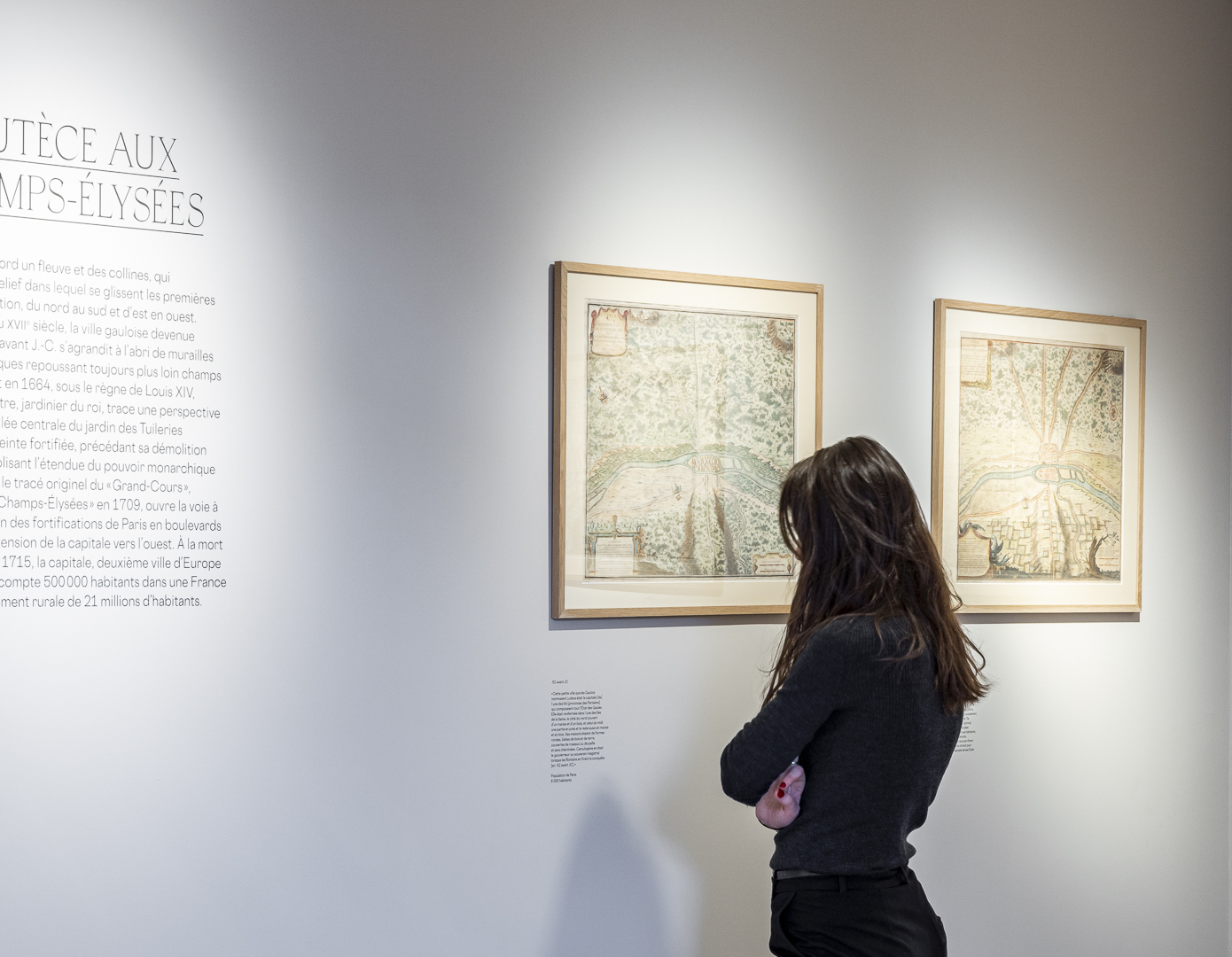
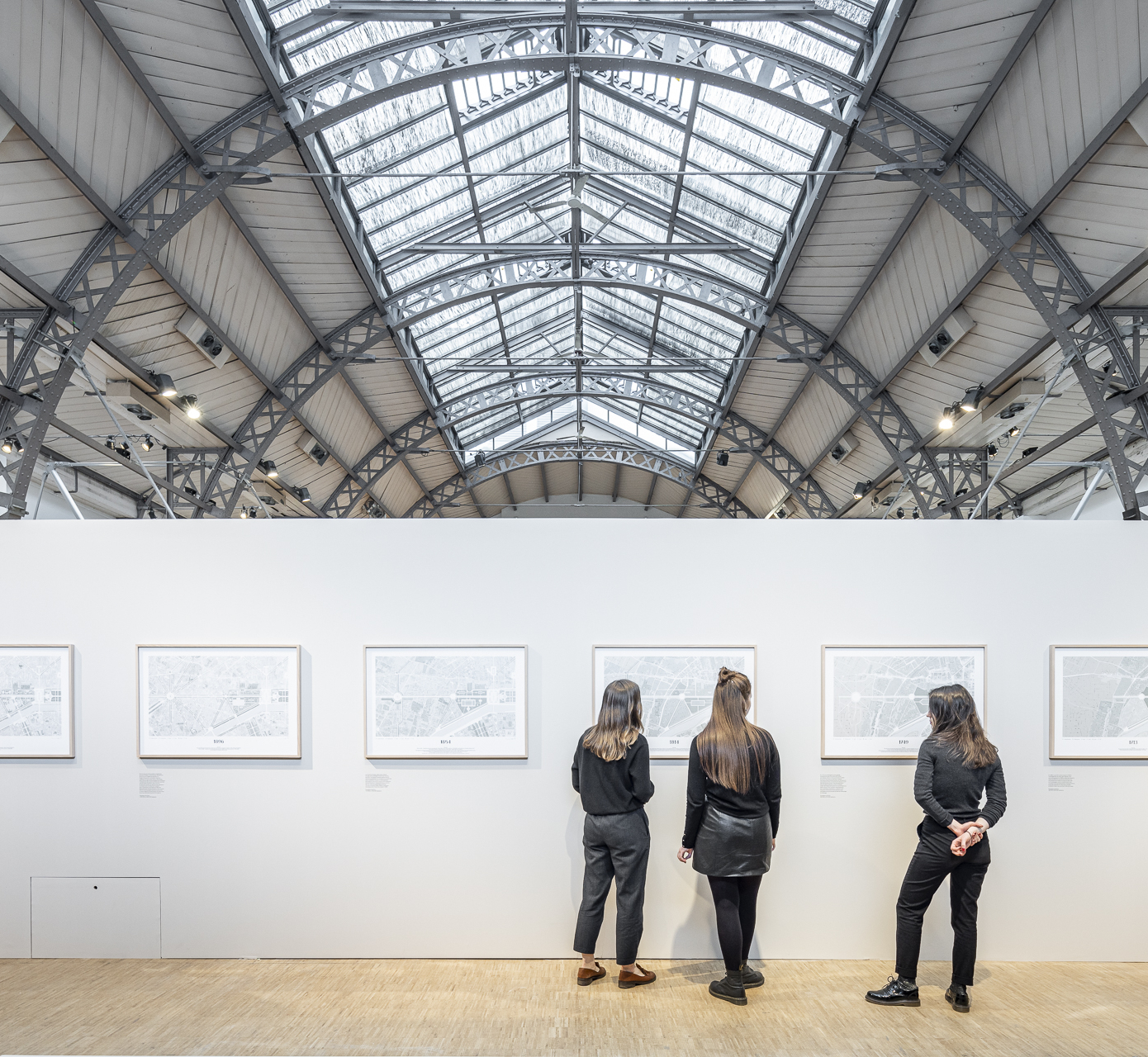
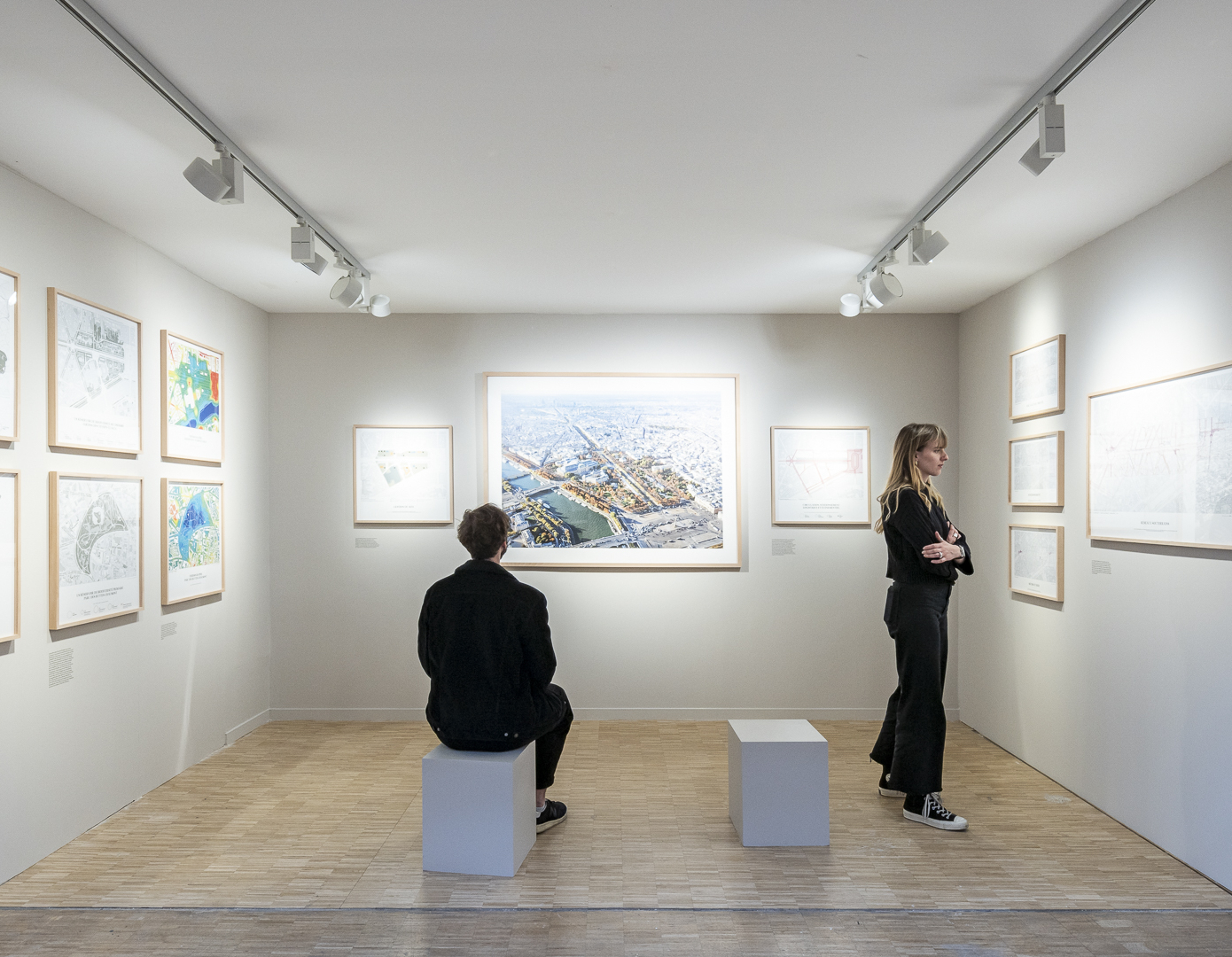
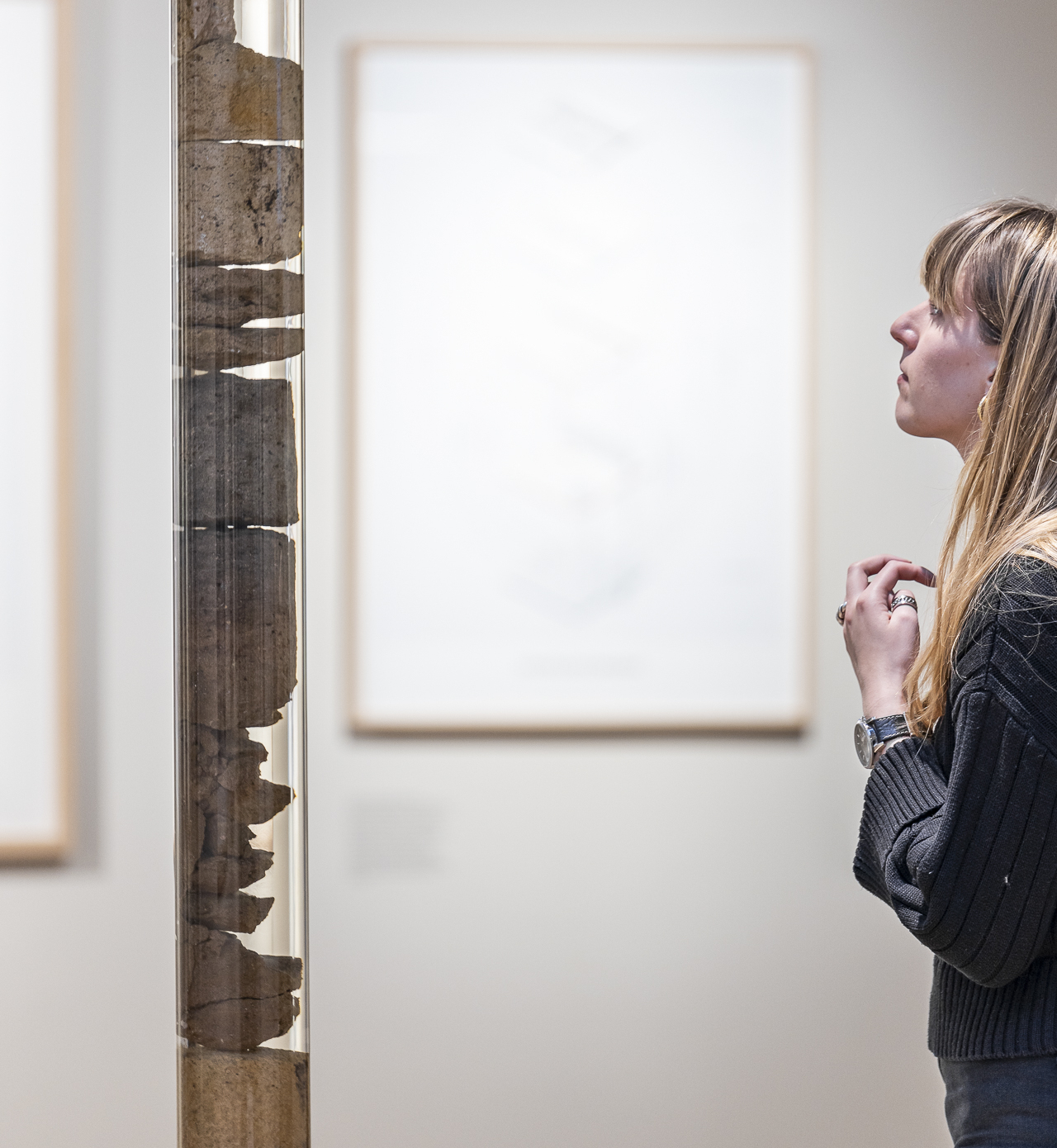
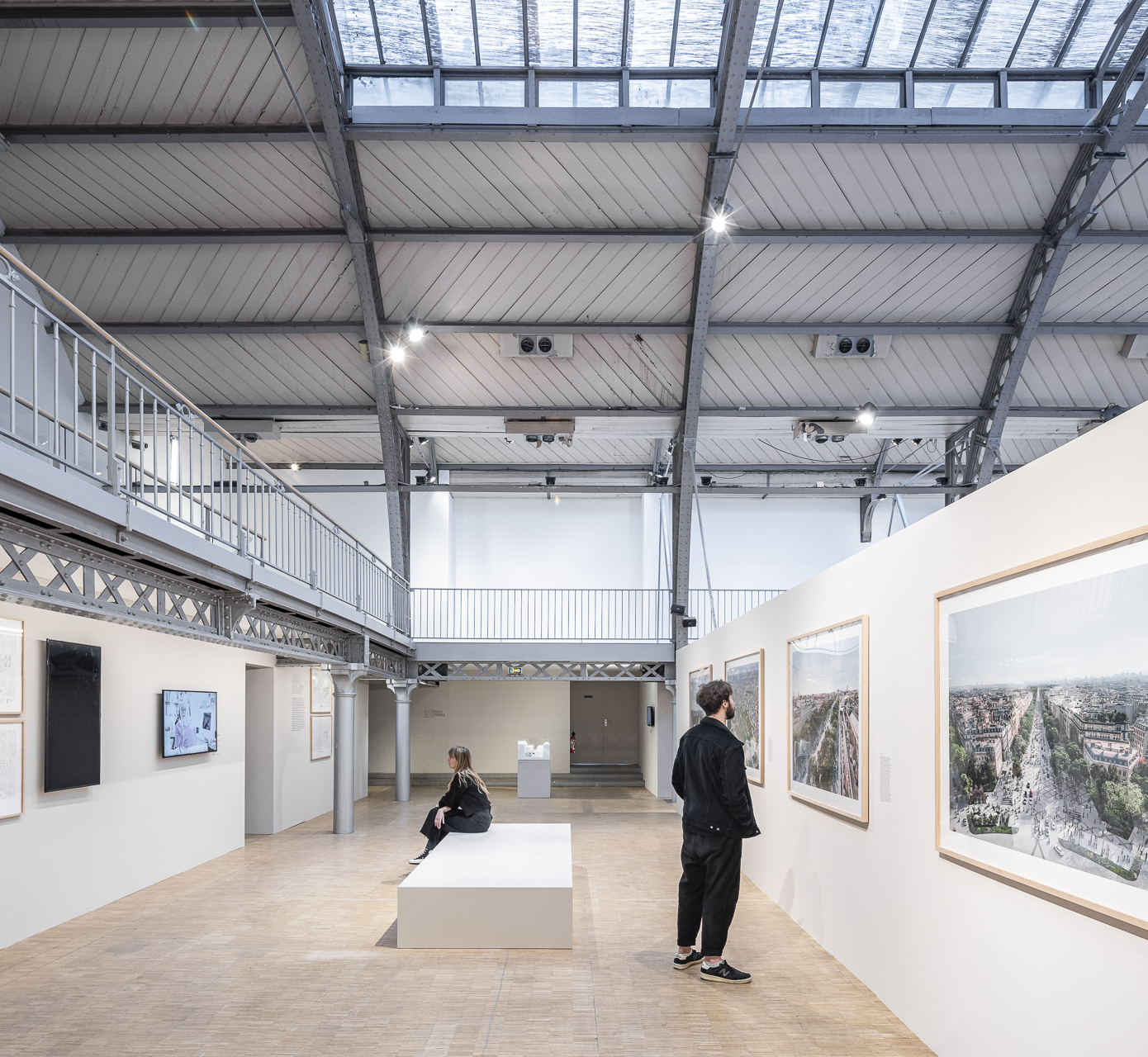
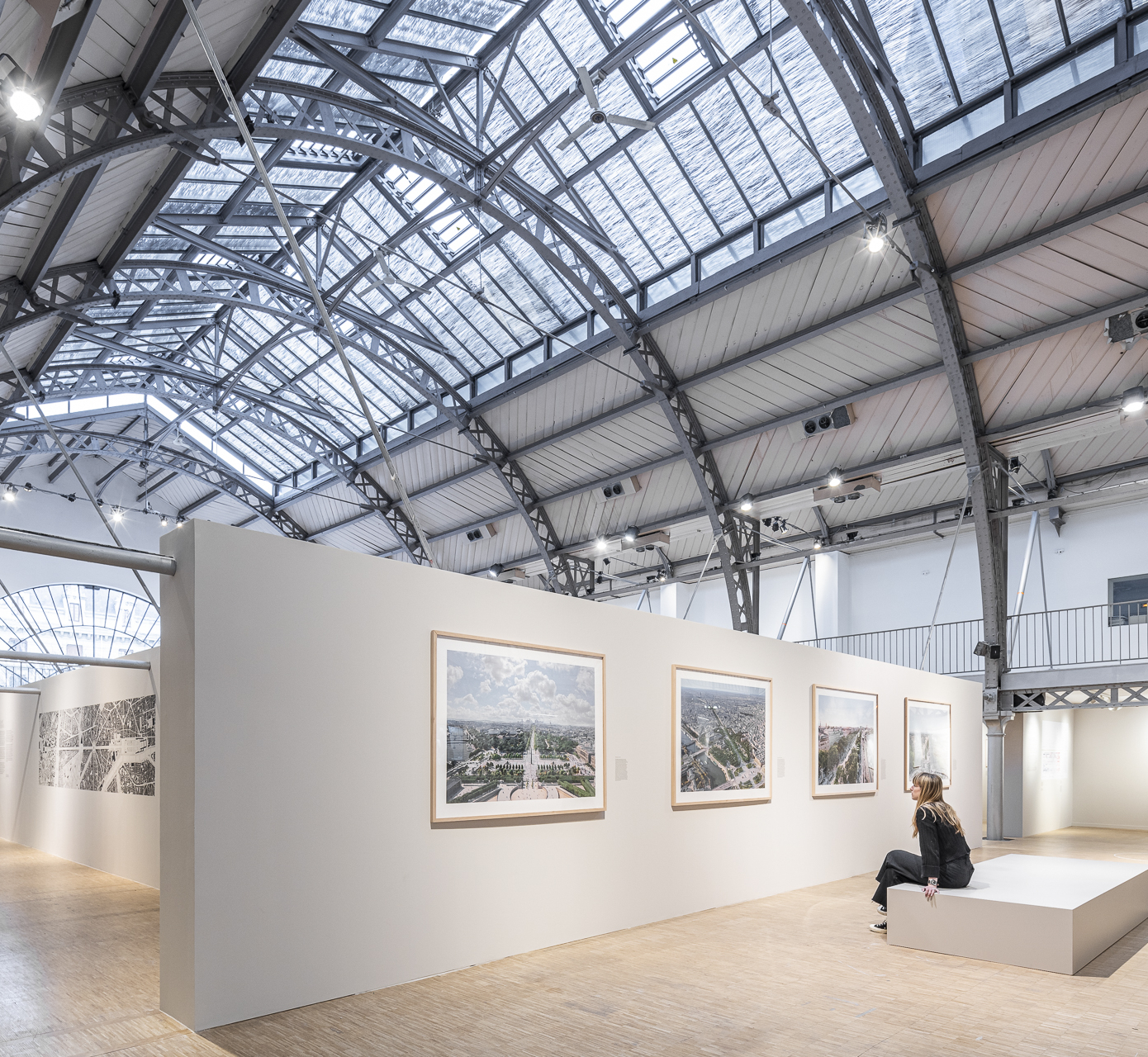
The exhibition *Champs-Élysées: History & Perspectives* presents a study conducted by PCA-STREAM between 2018 and 2020, at the initiative of the Champs-Élysées Committee, in collaboration with some fifty French and international researchers, scientists, and economic and cultural stakeholders. It traces the evolution of the “most beautiful avenue in the world” and offers a vision tailored to contemporary challenges.
Technical specifications
News & Awards
Related projects

Grande Armée 2030
Paris, 2023

Stream Building
Paris, 2023
AXA Matignon
Paris, 2025
52 Champs-Élysées
Paris, 2019