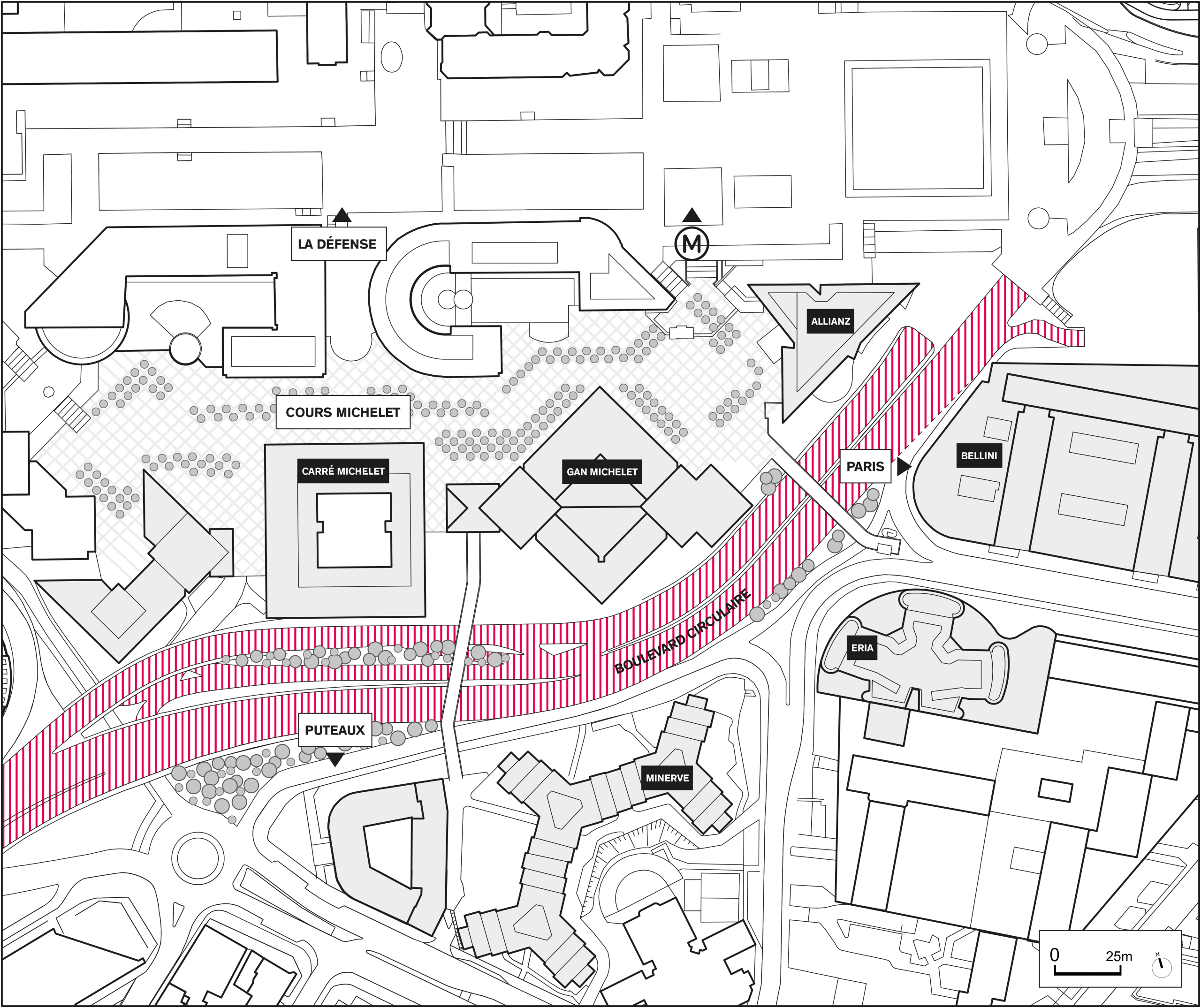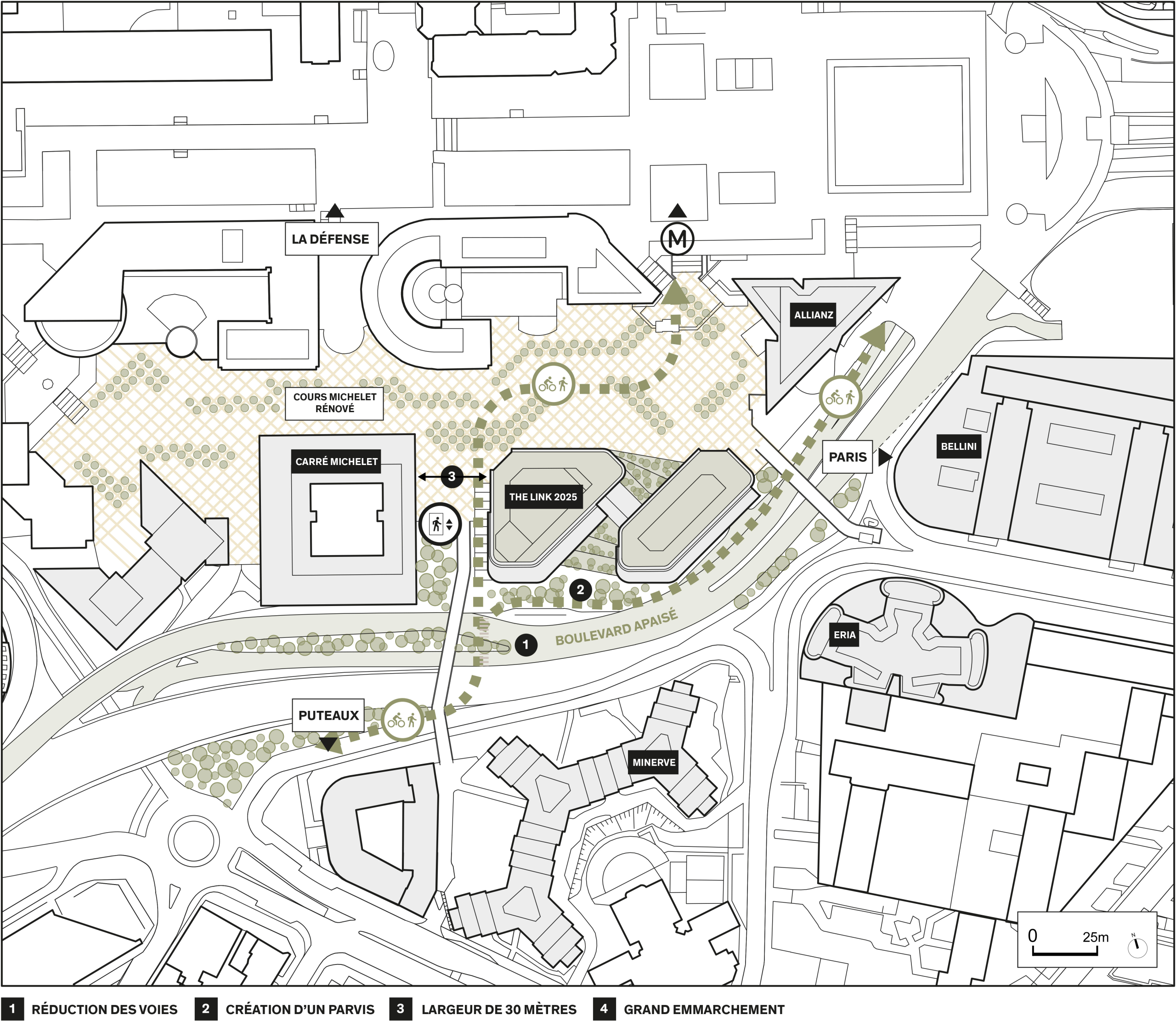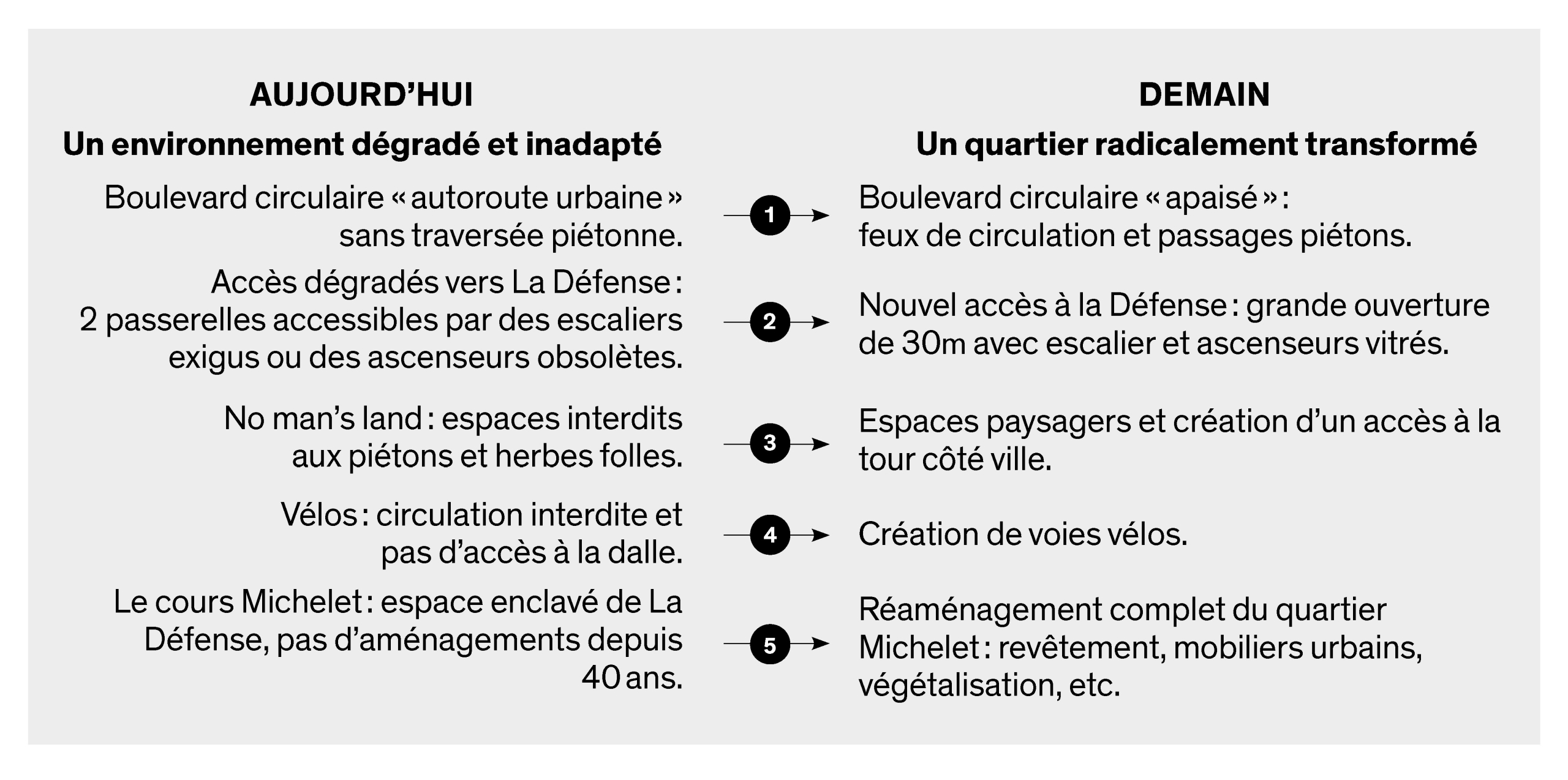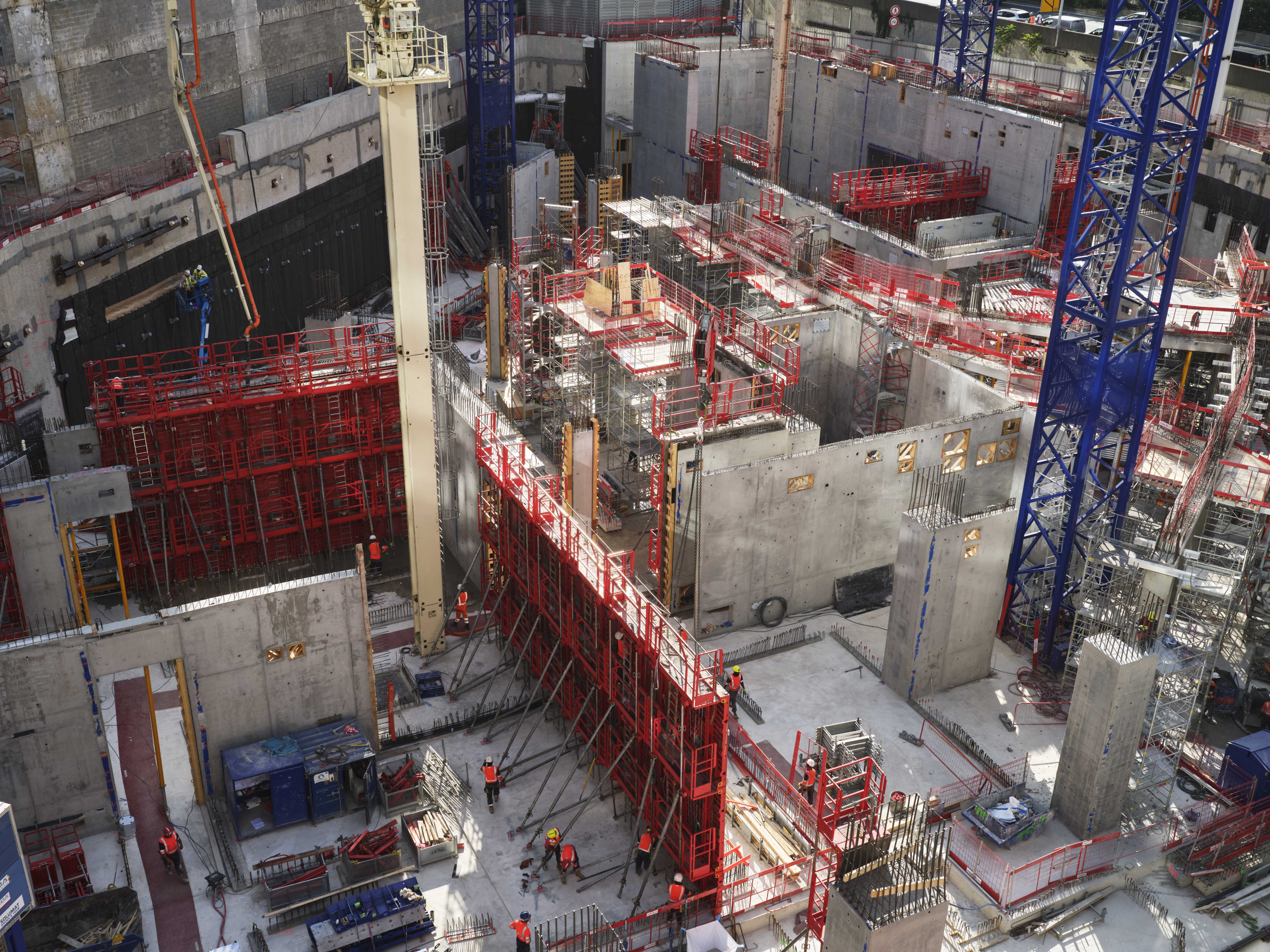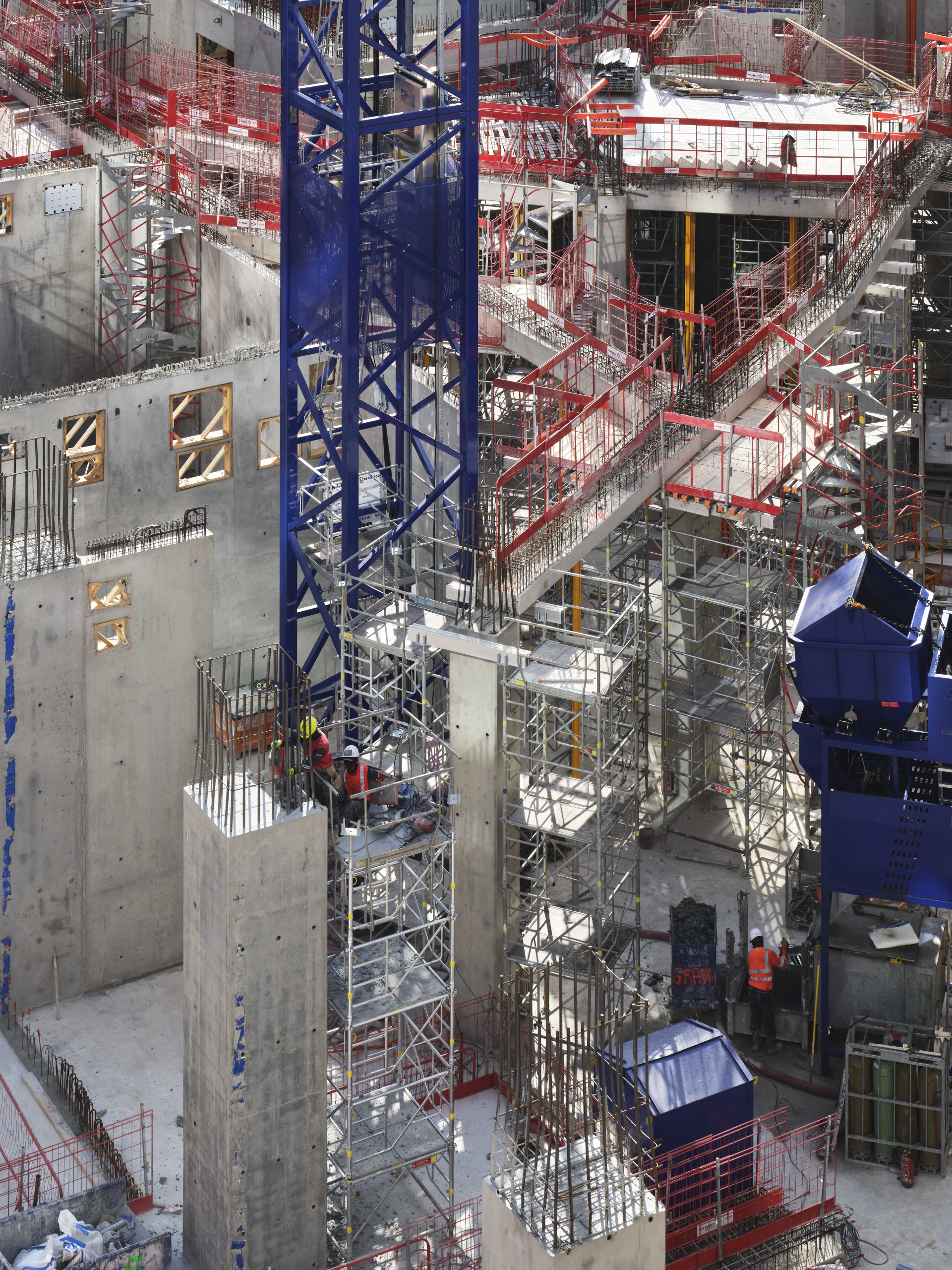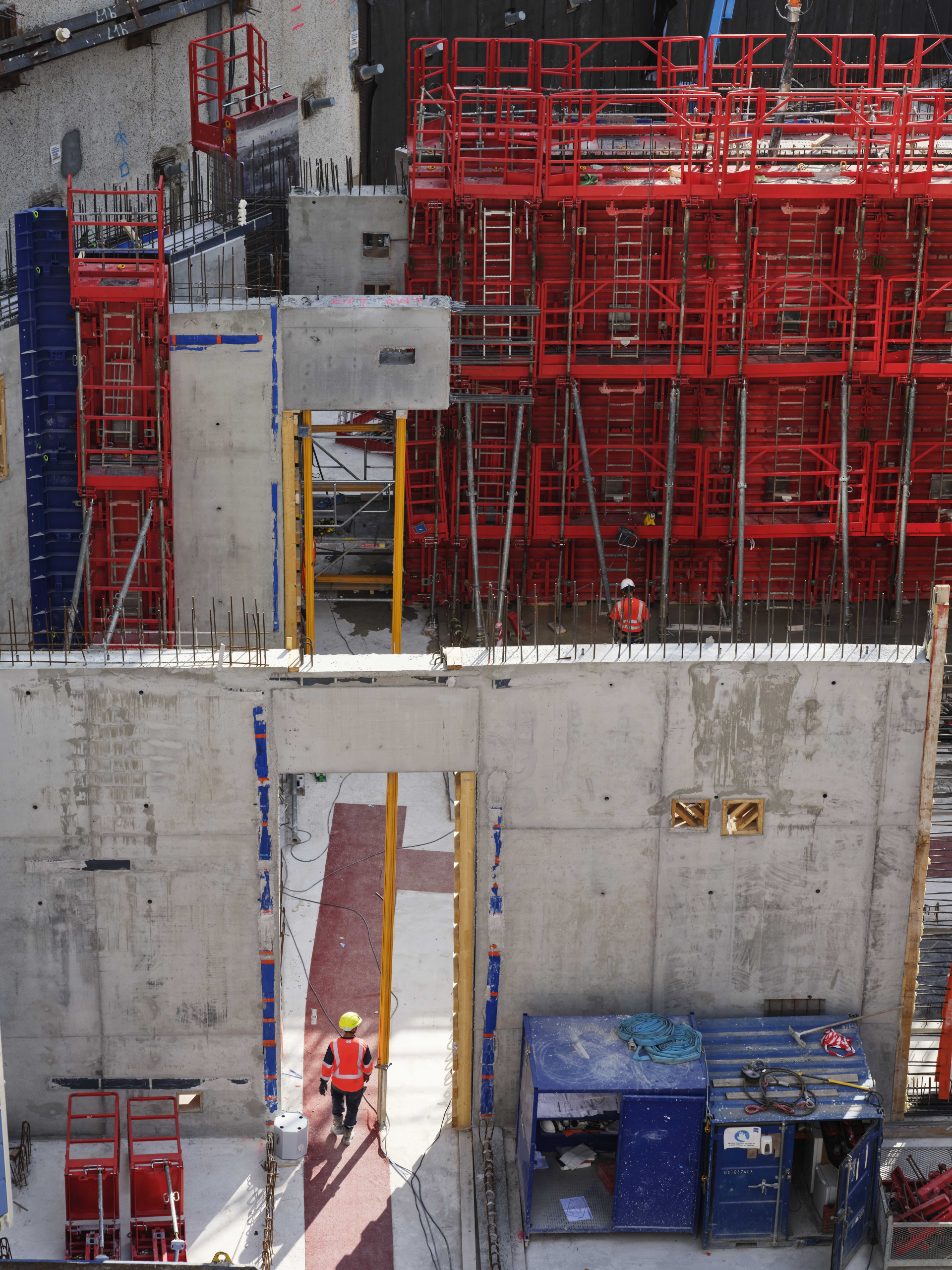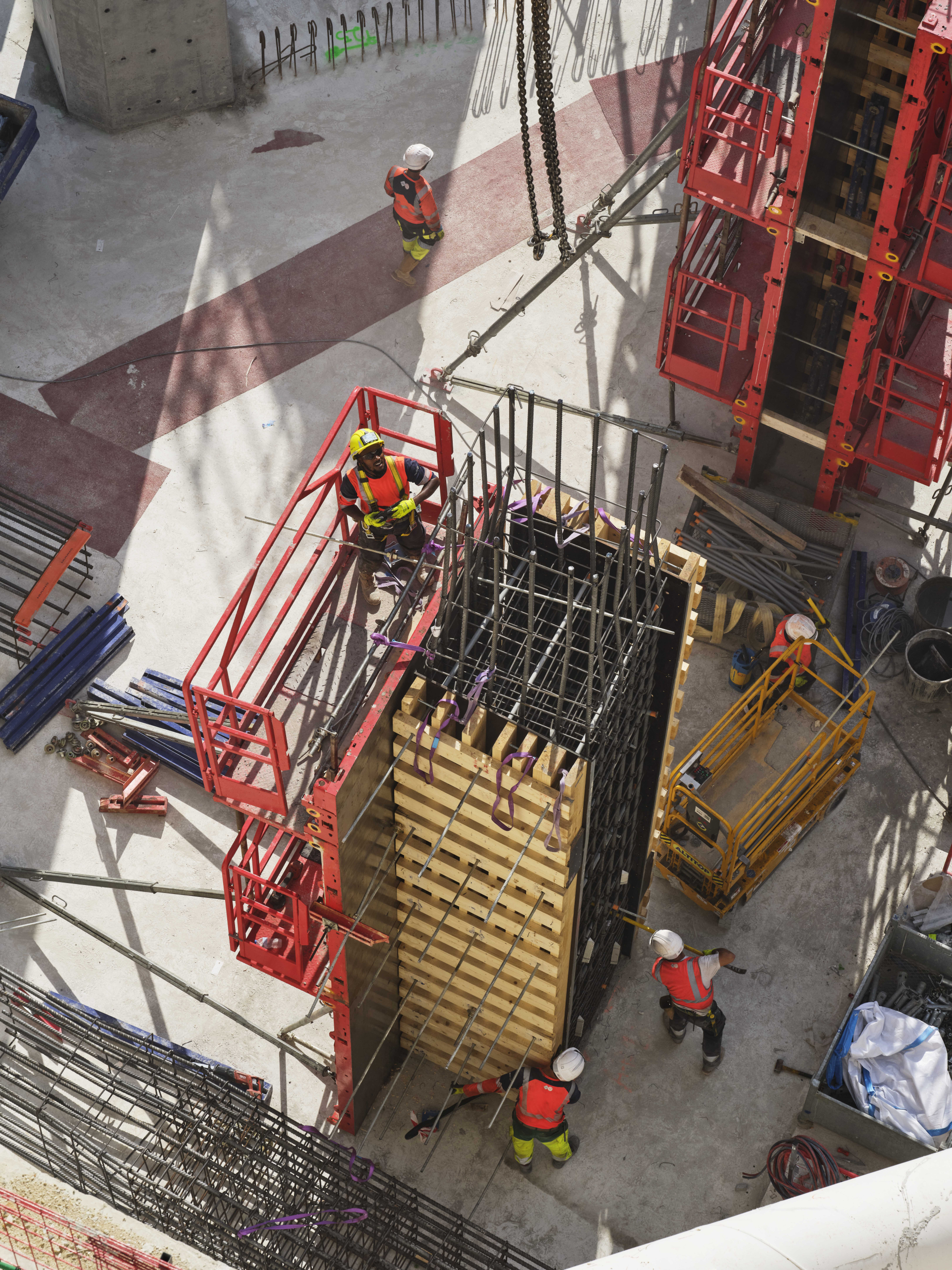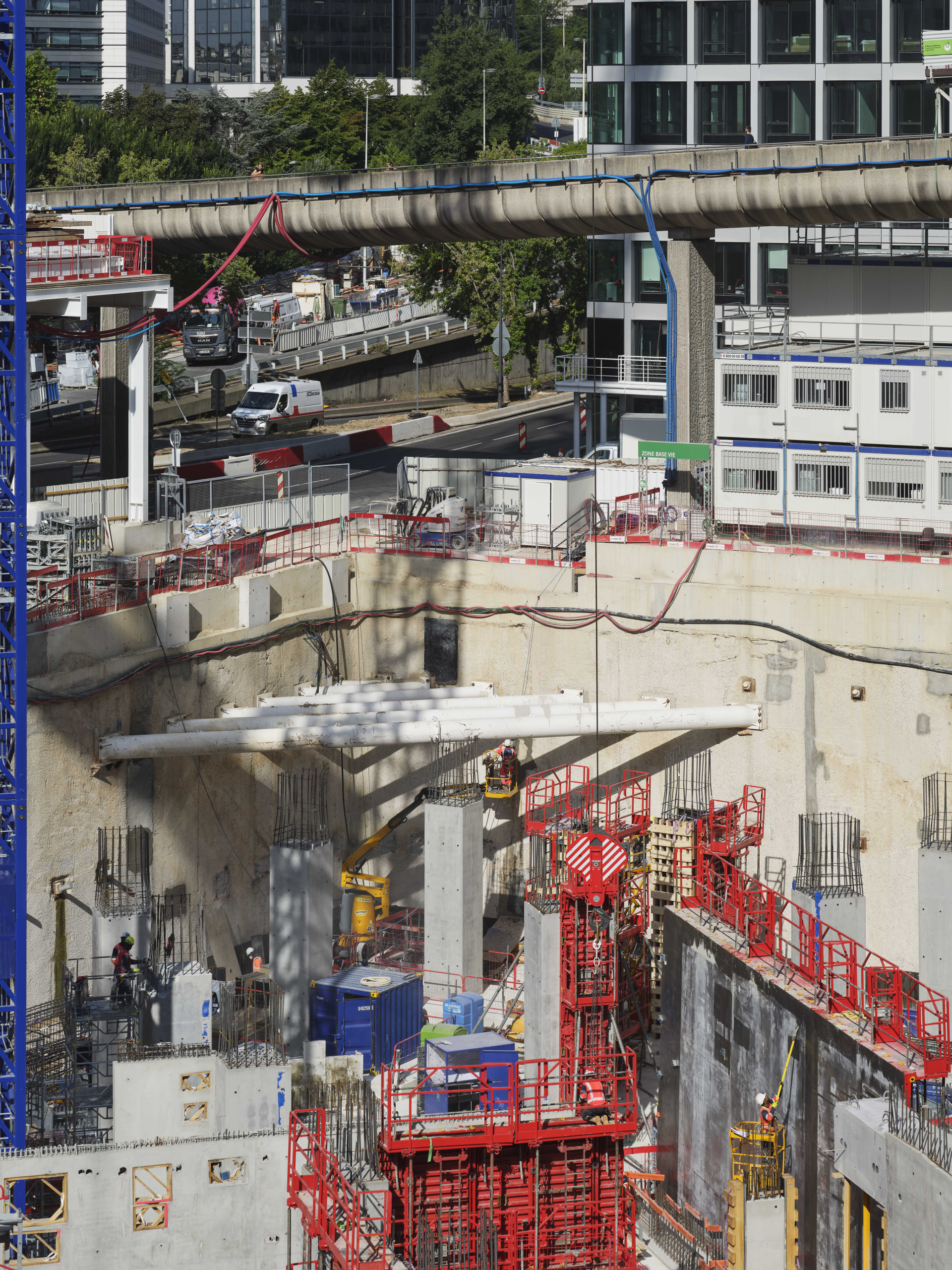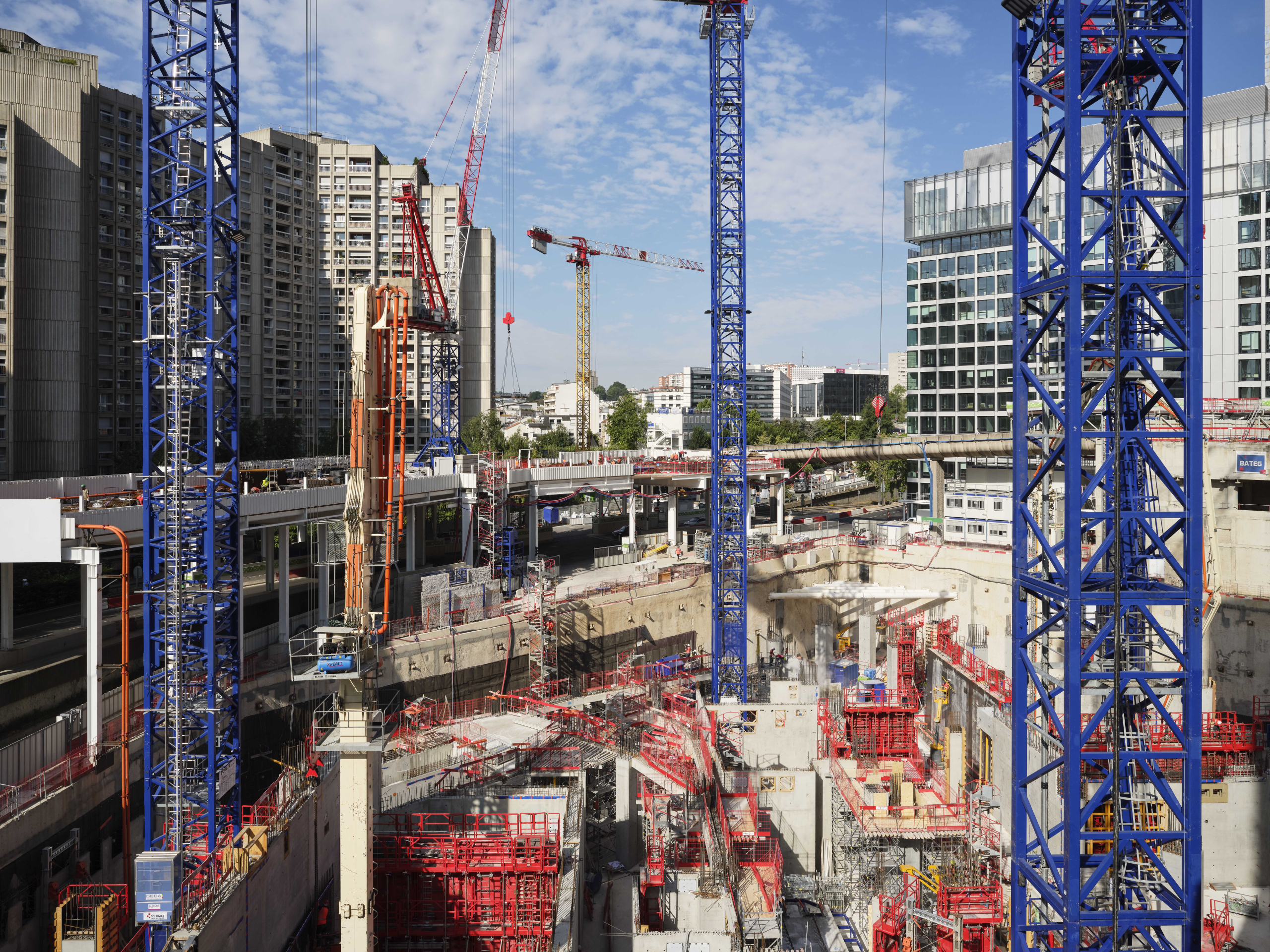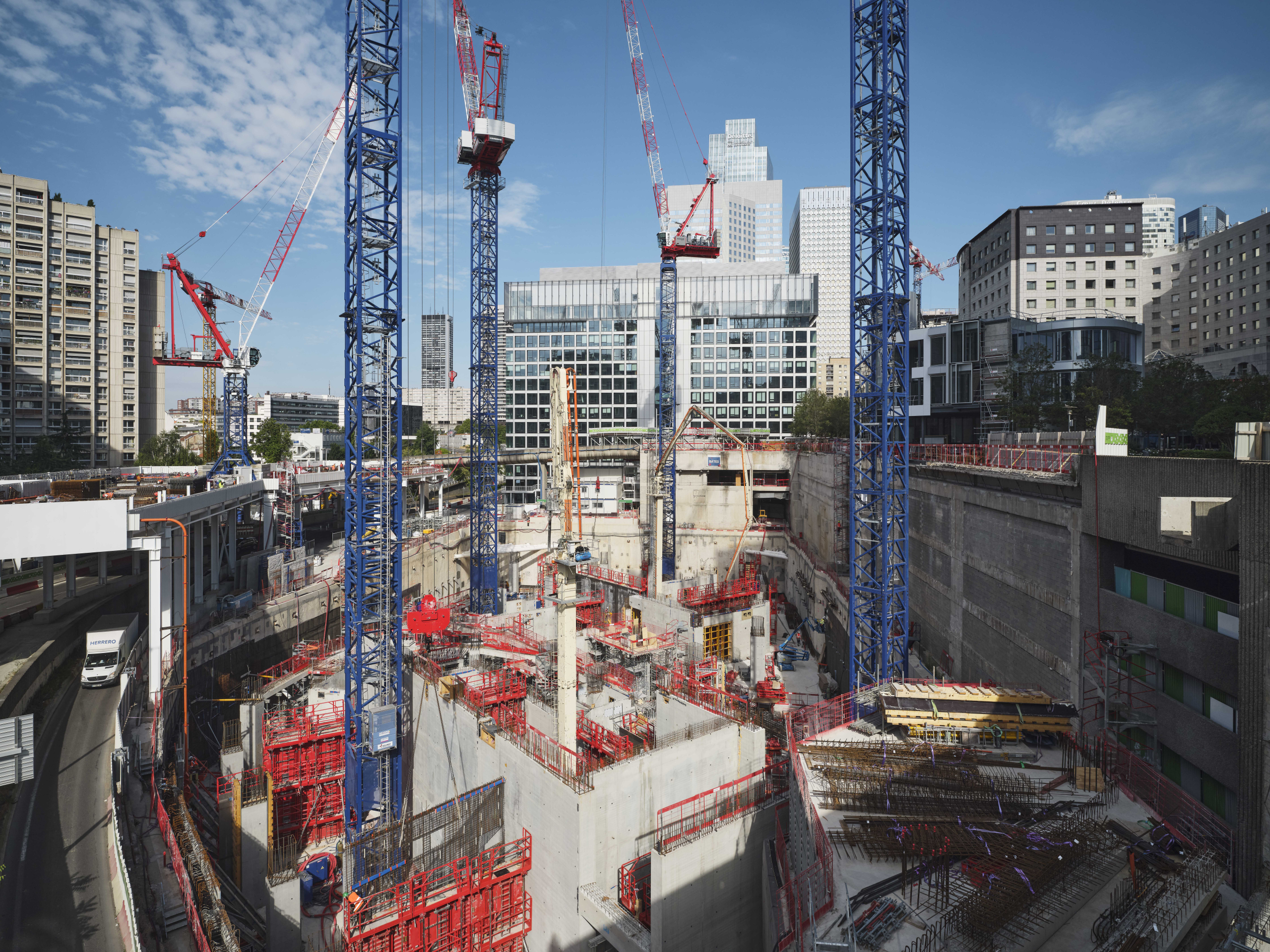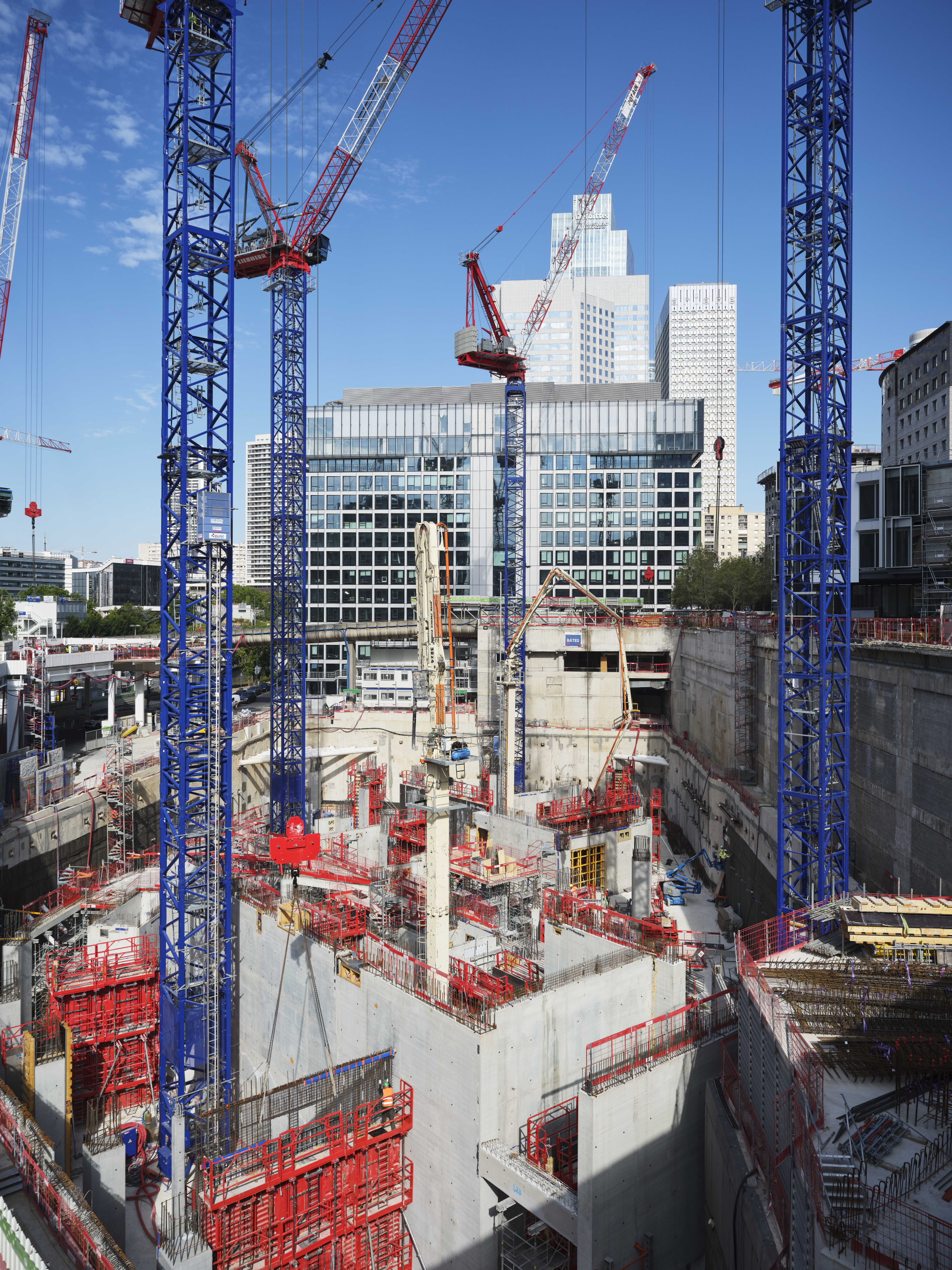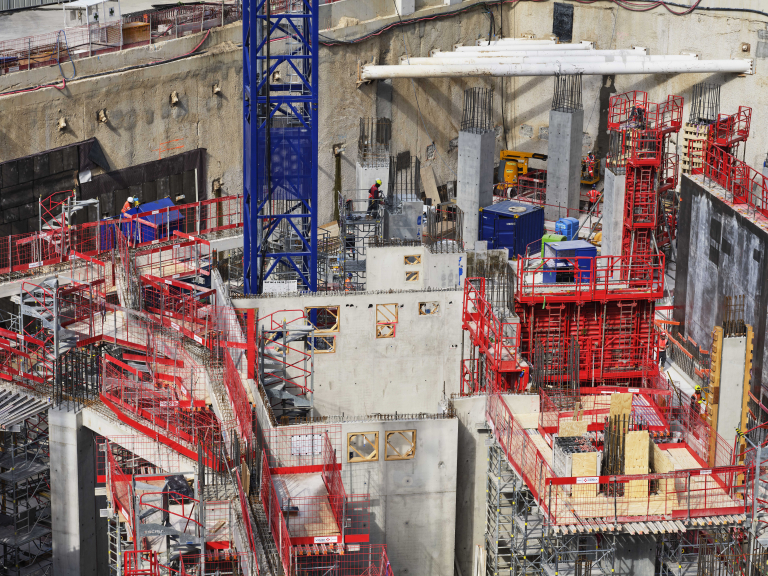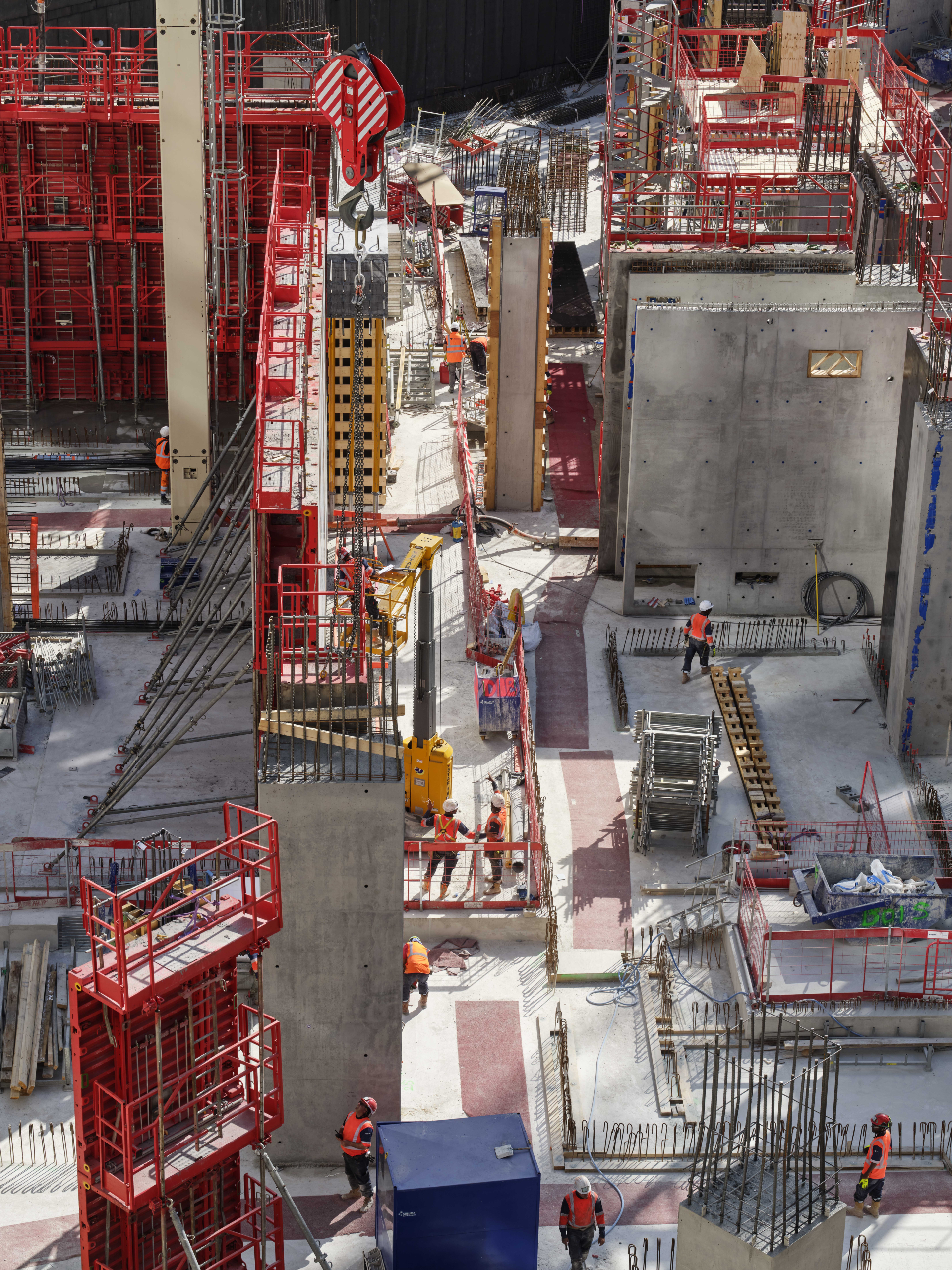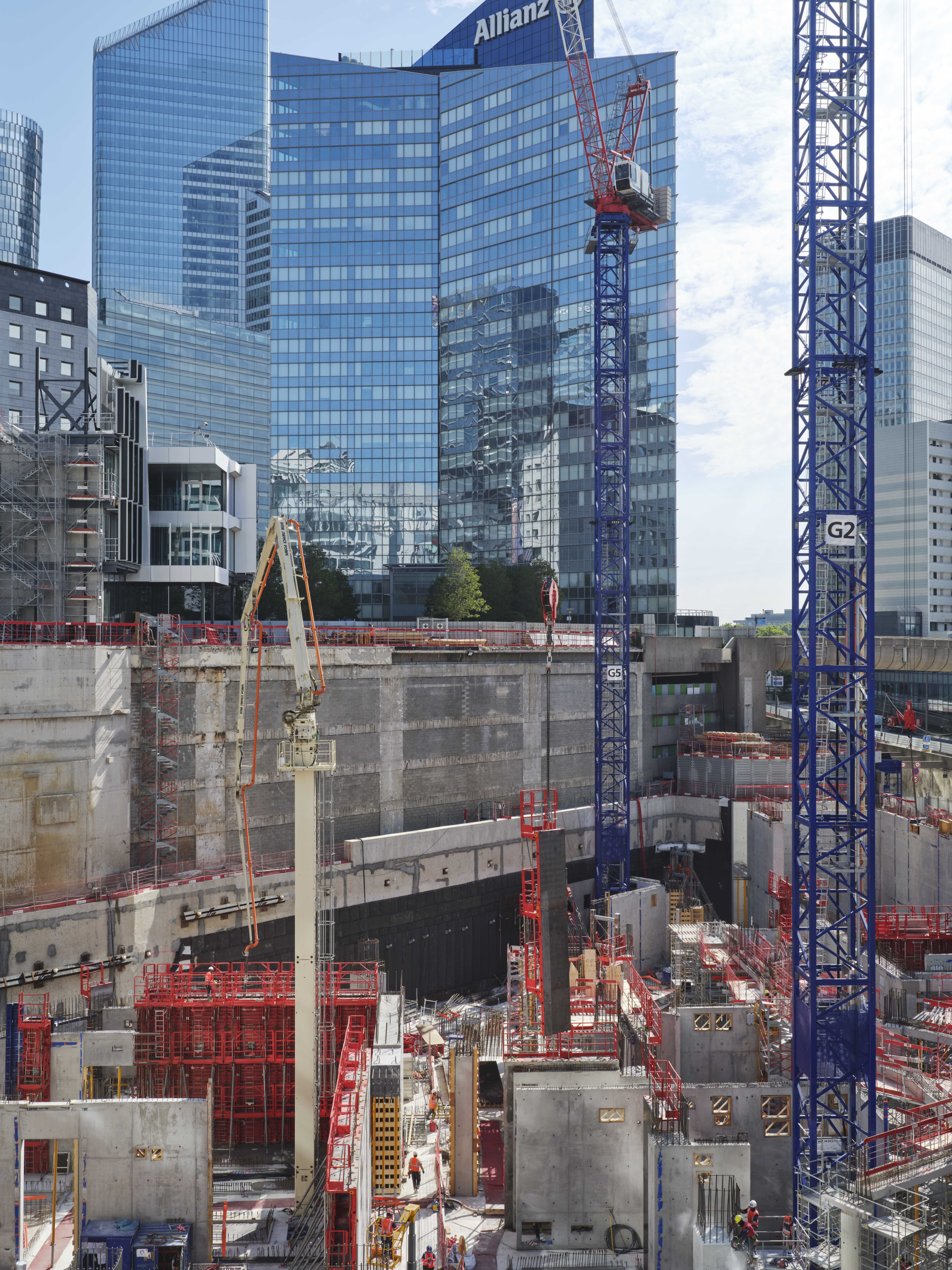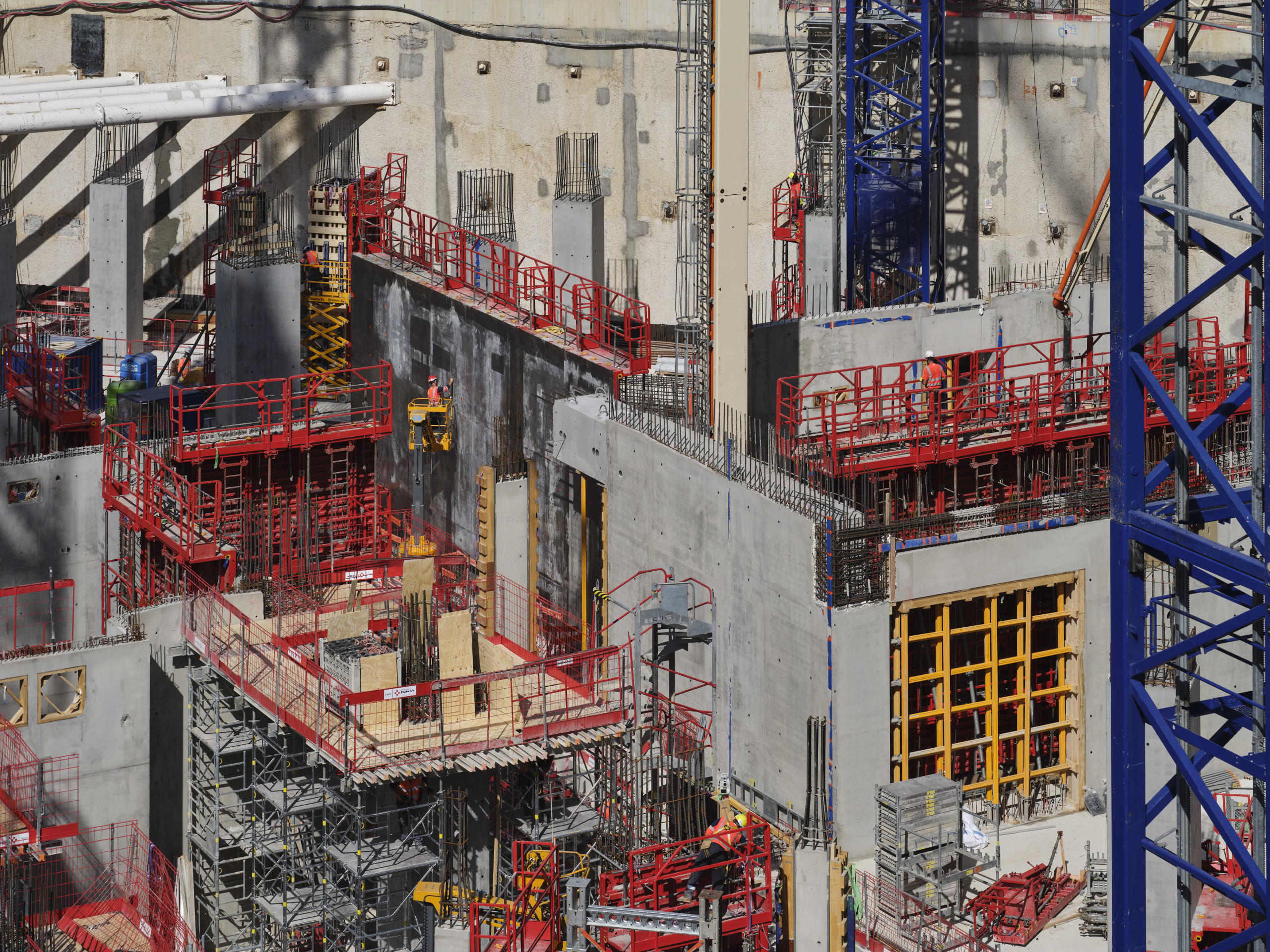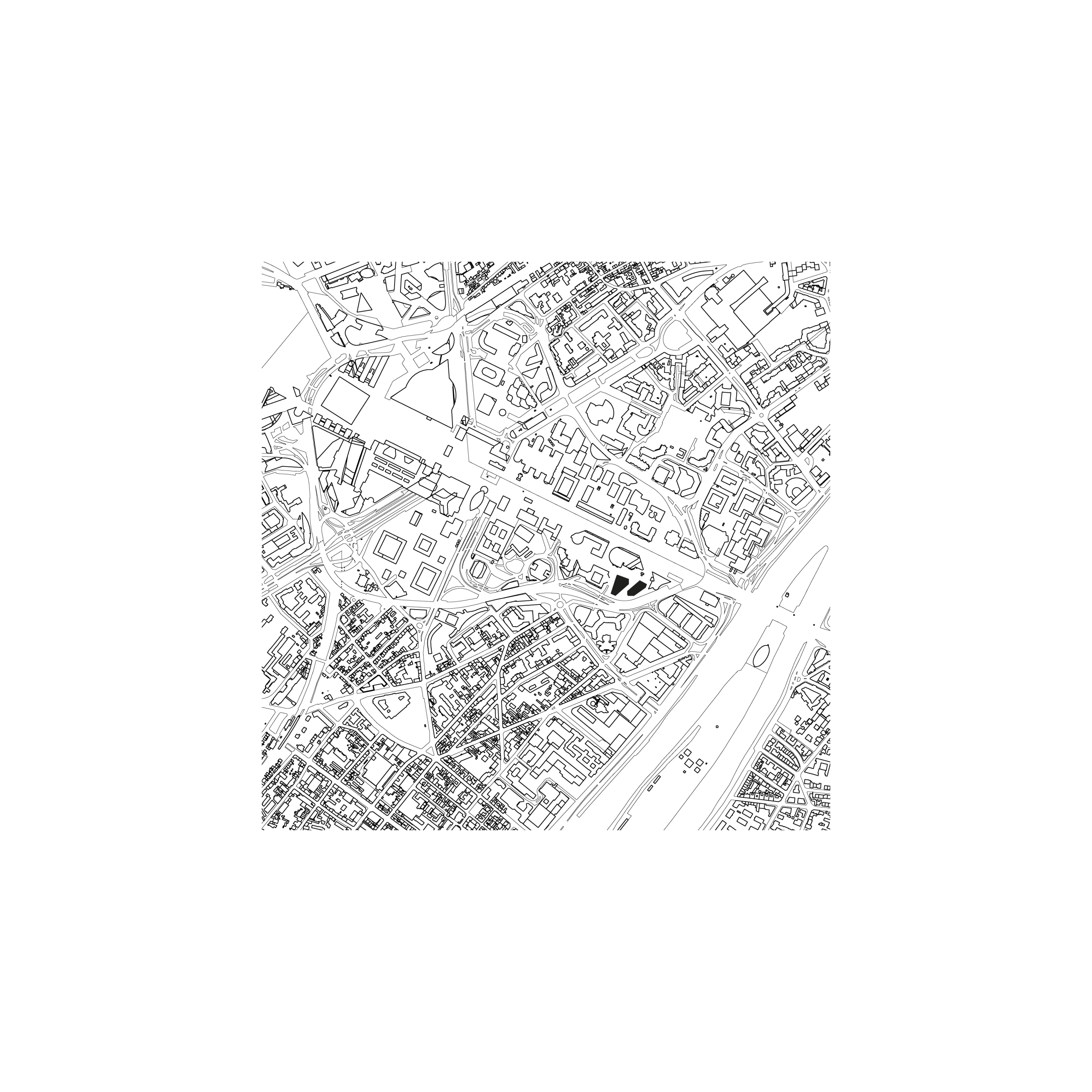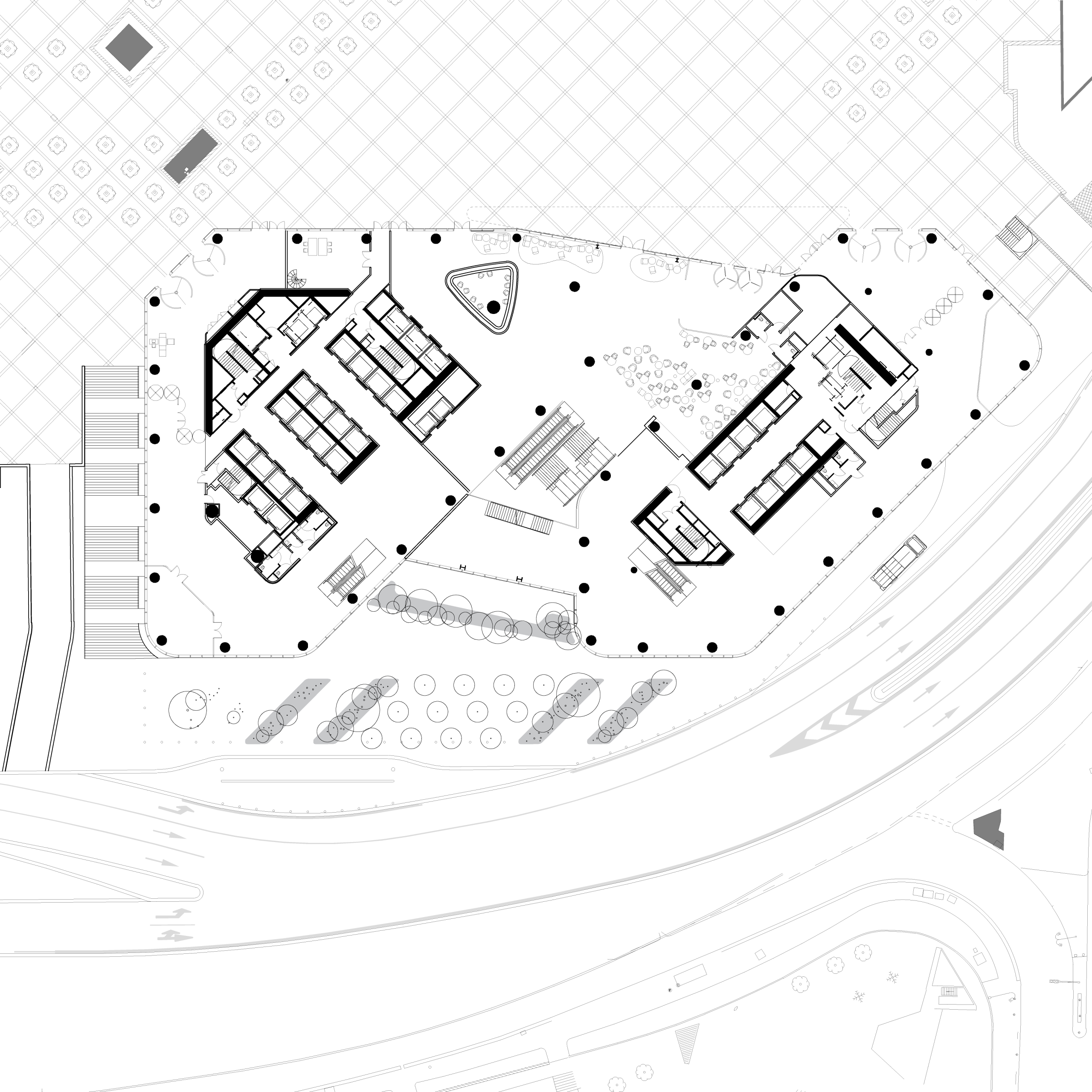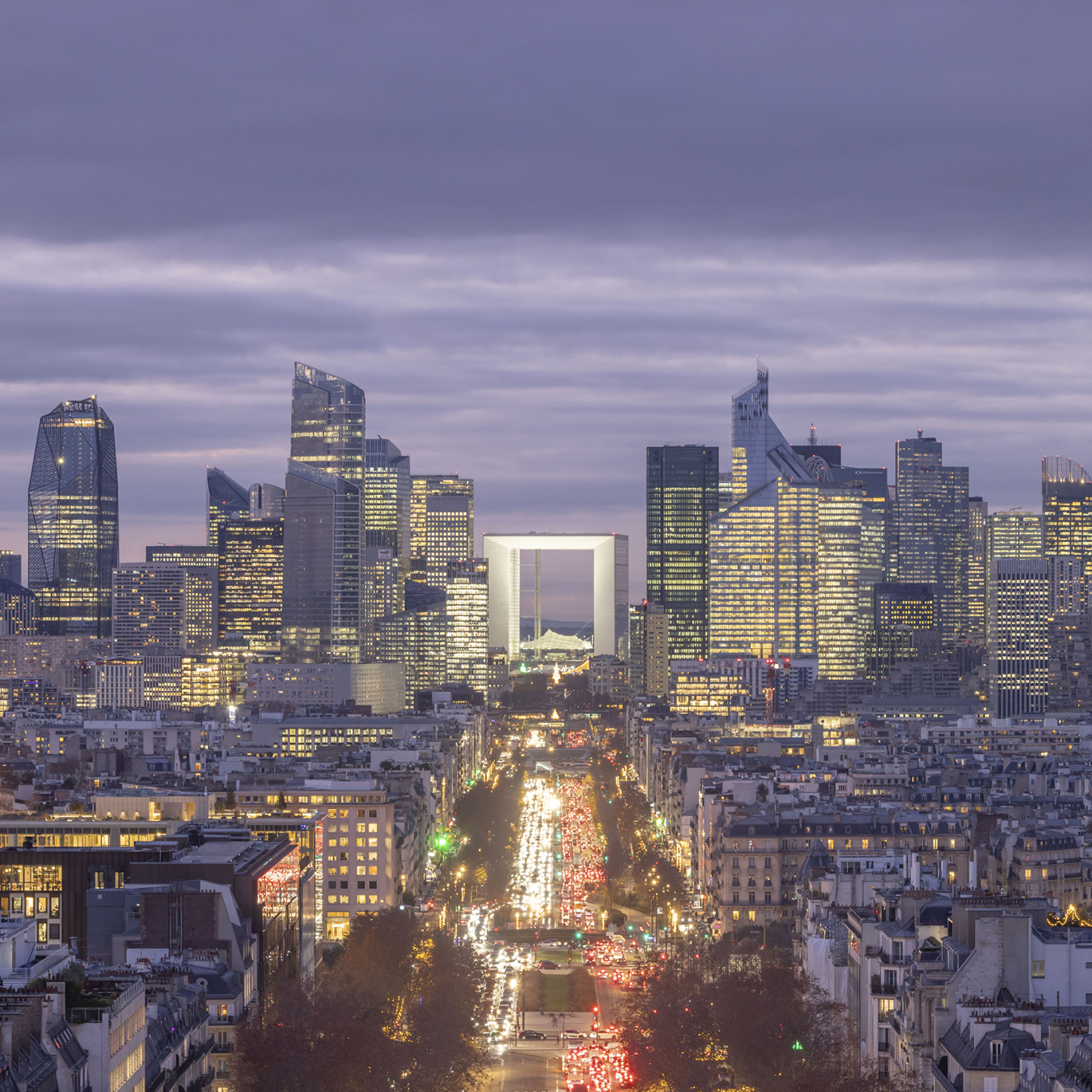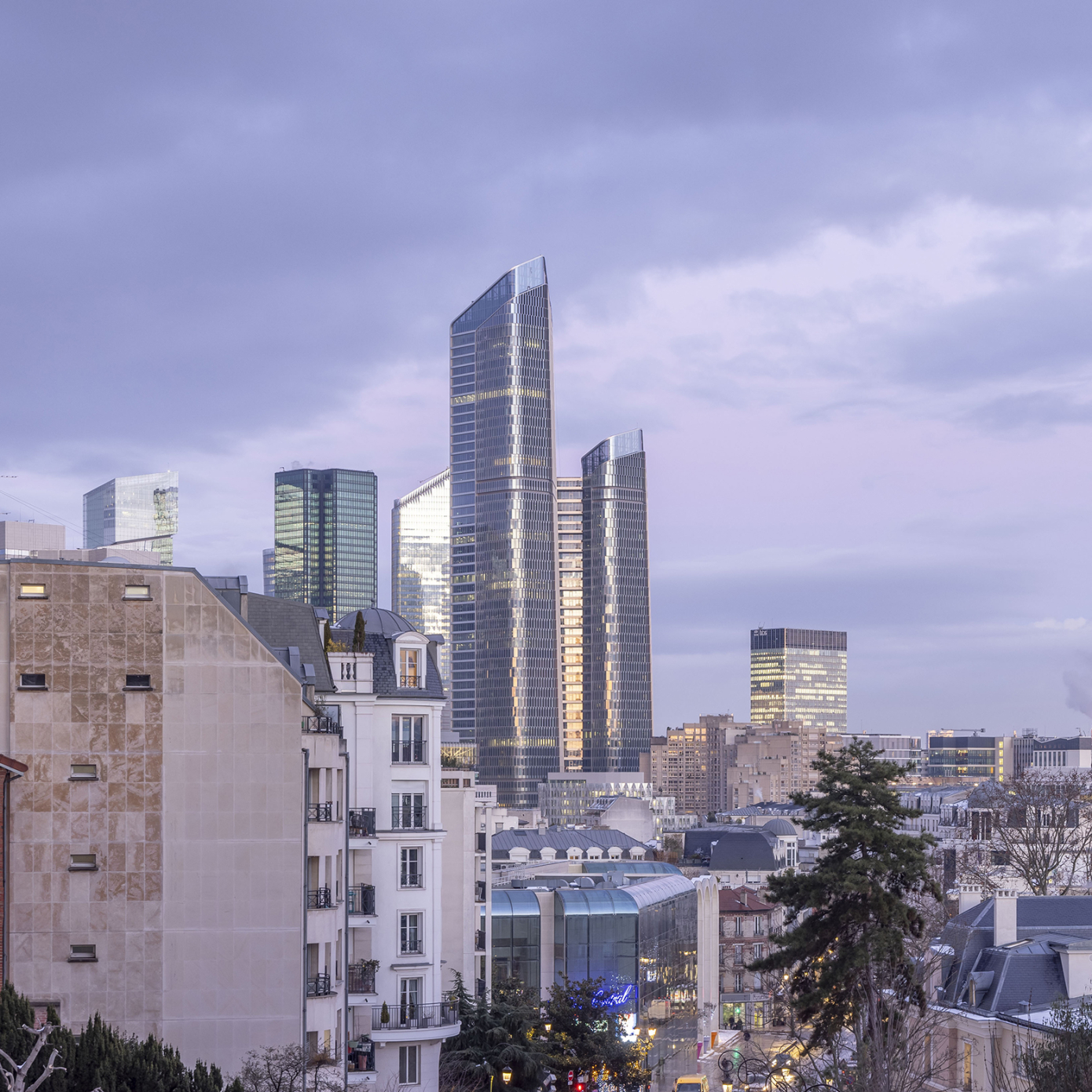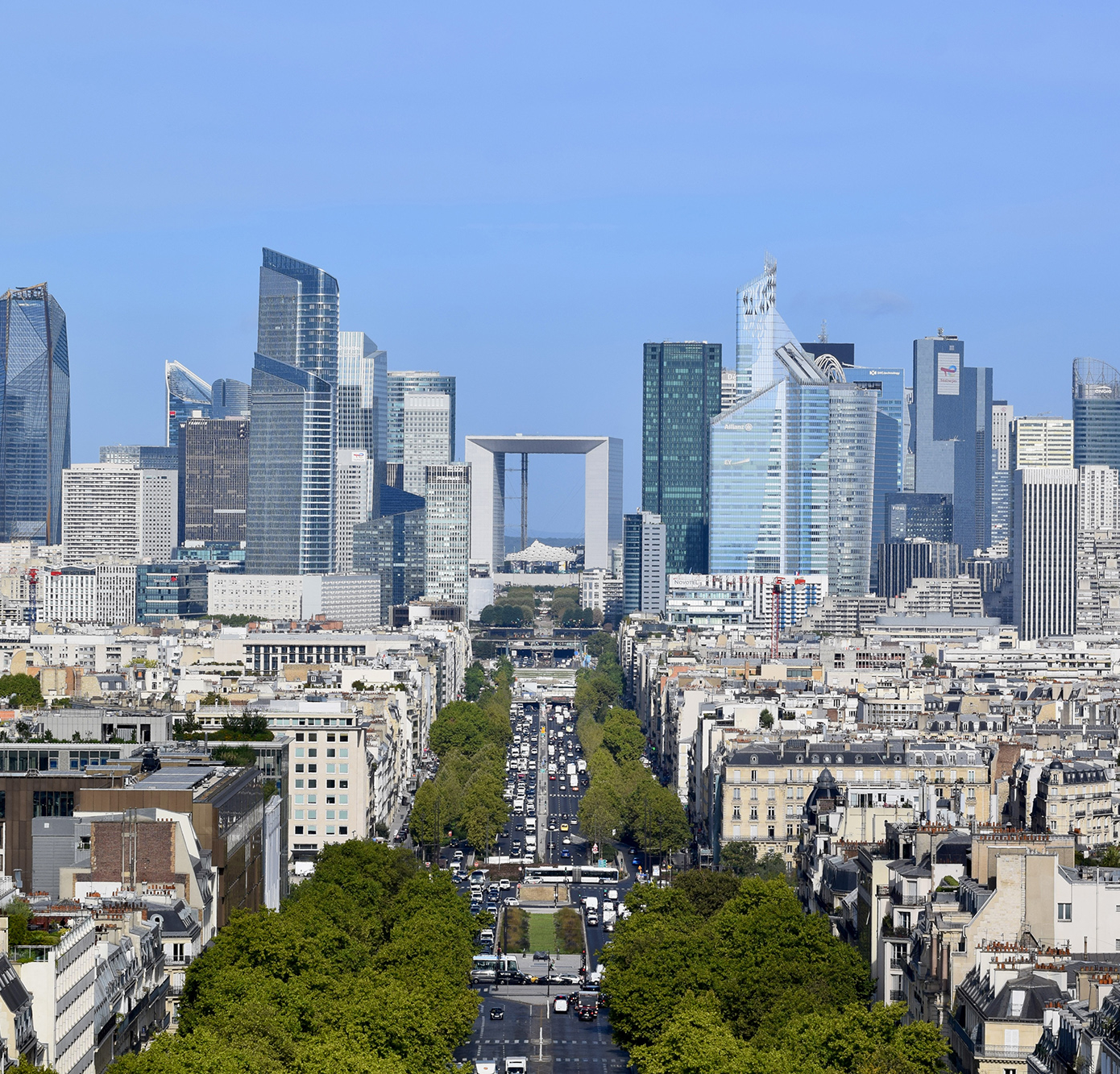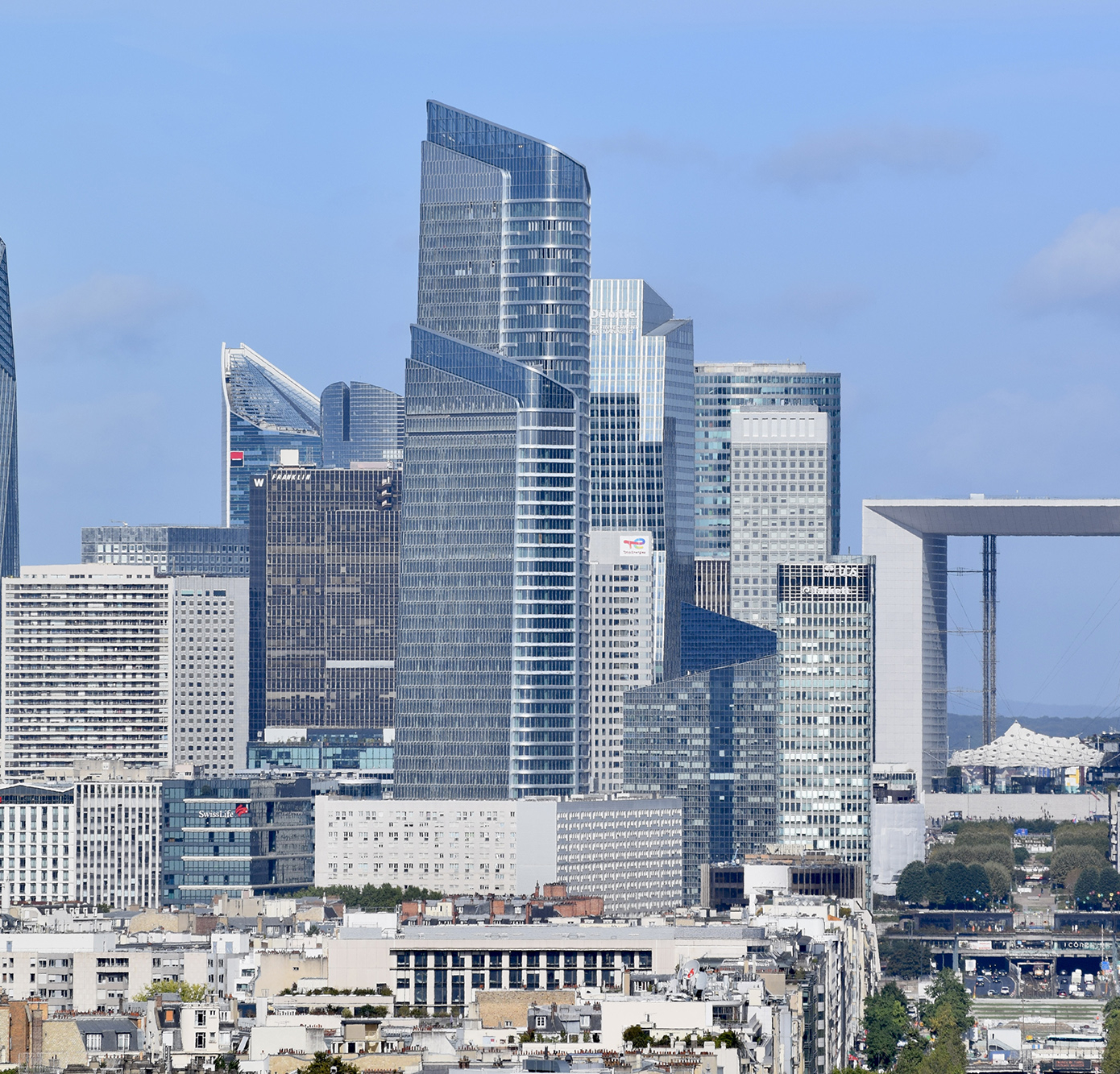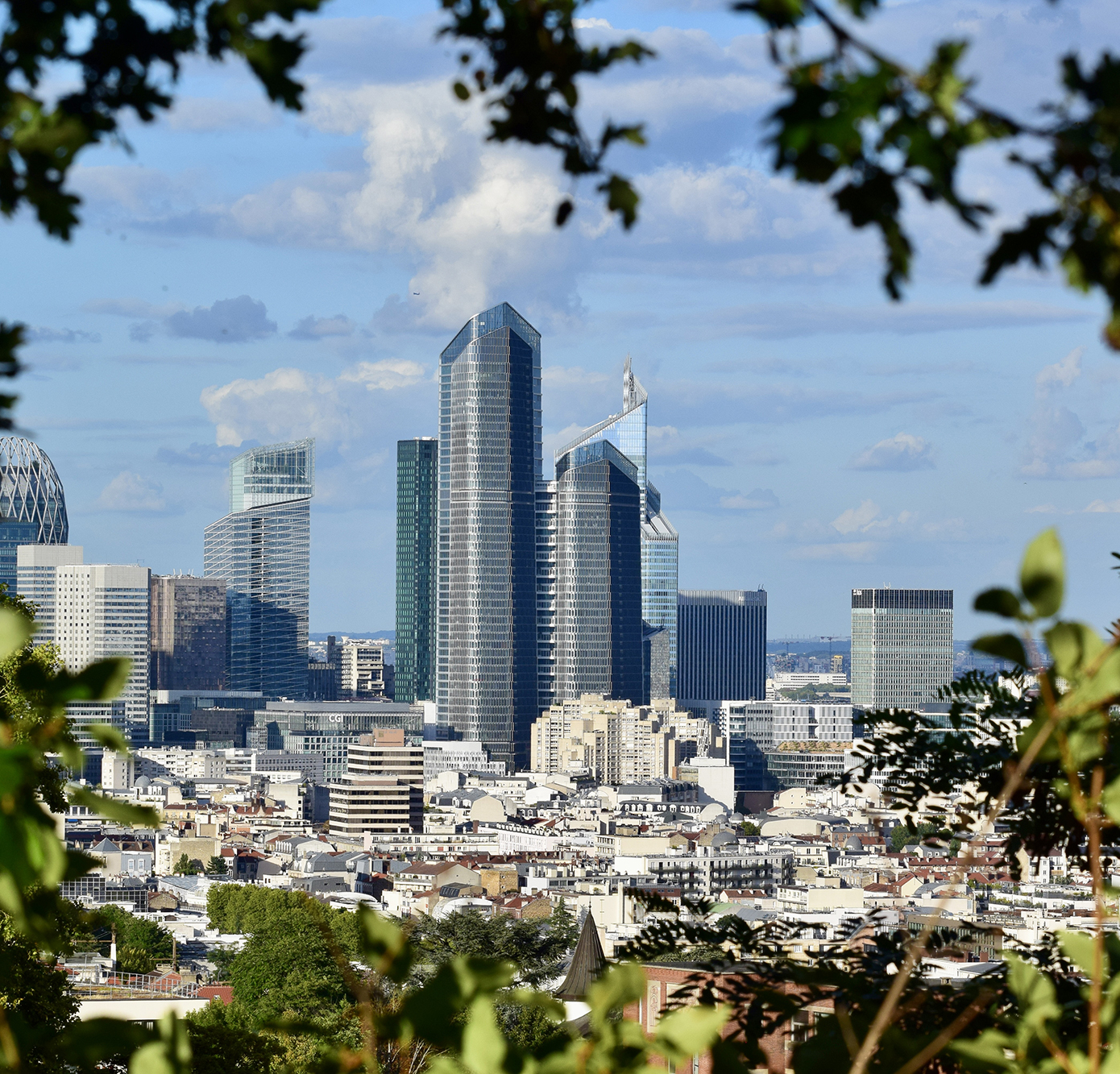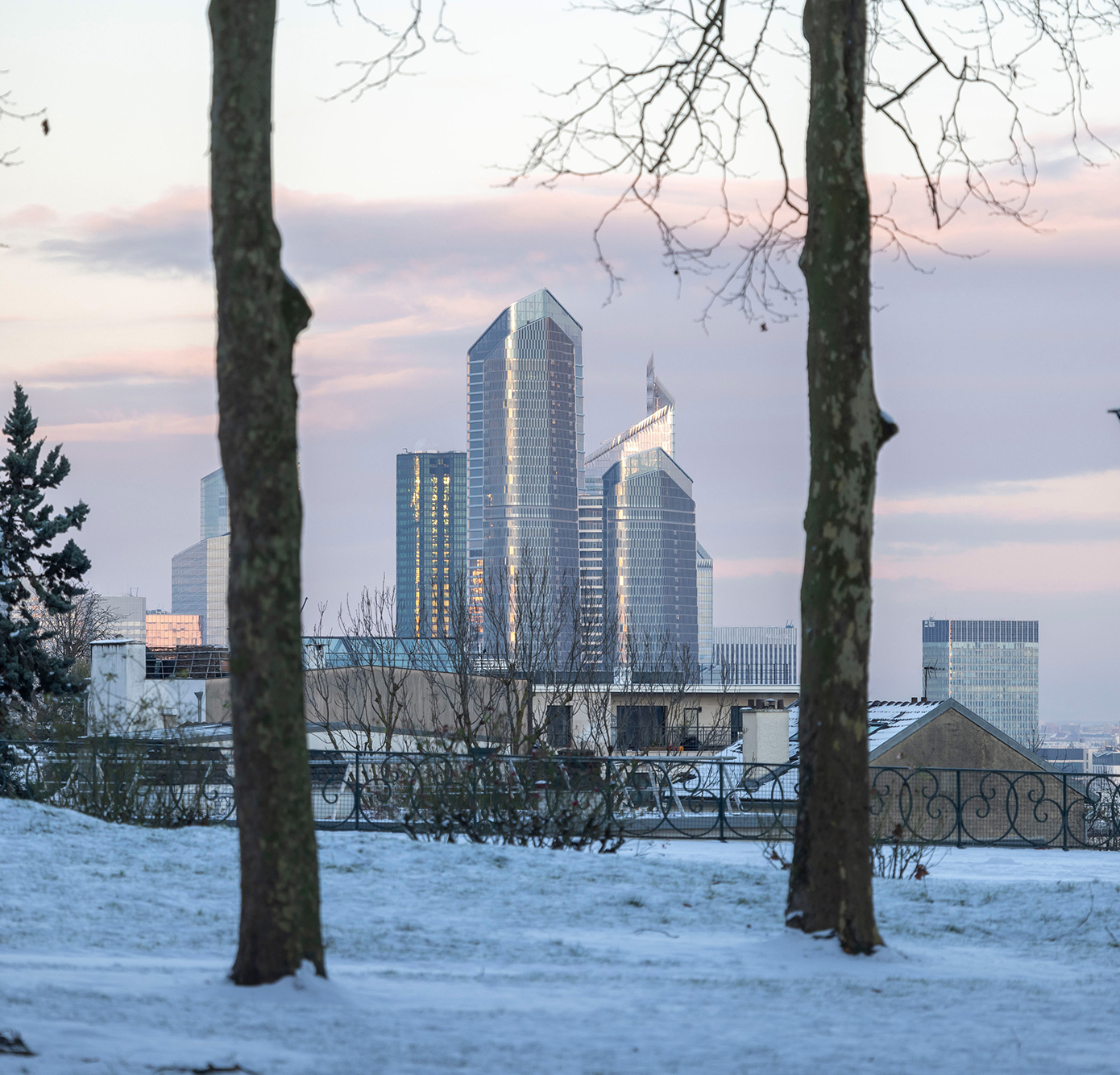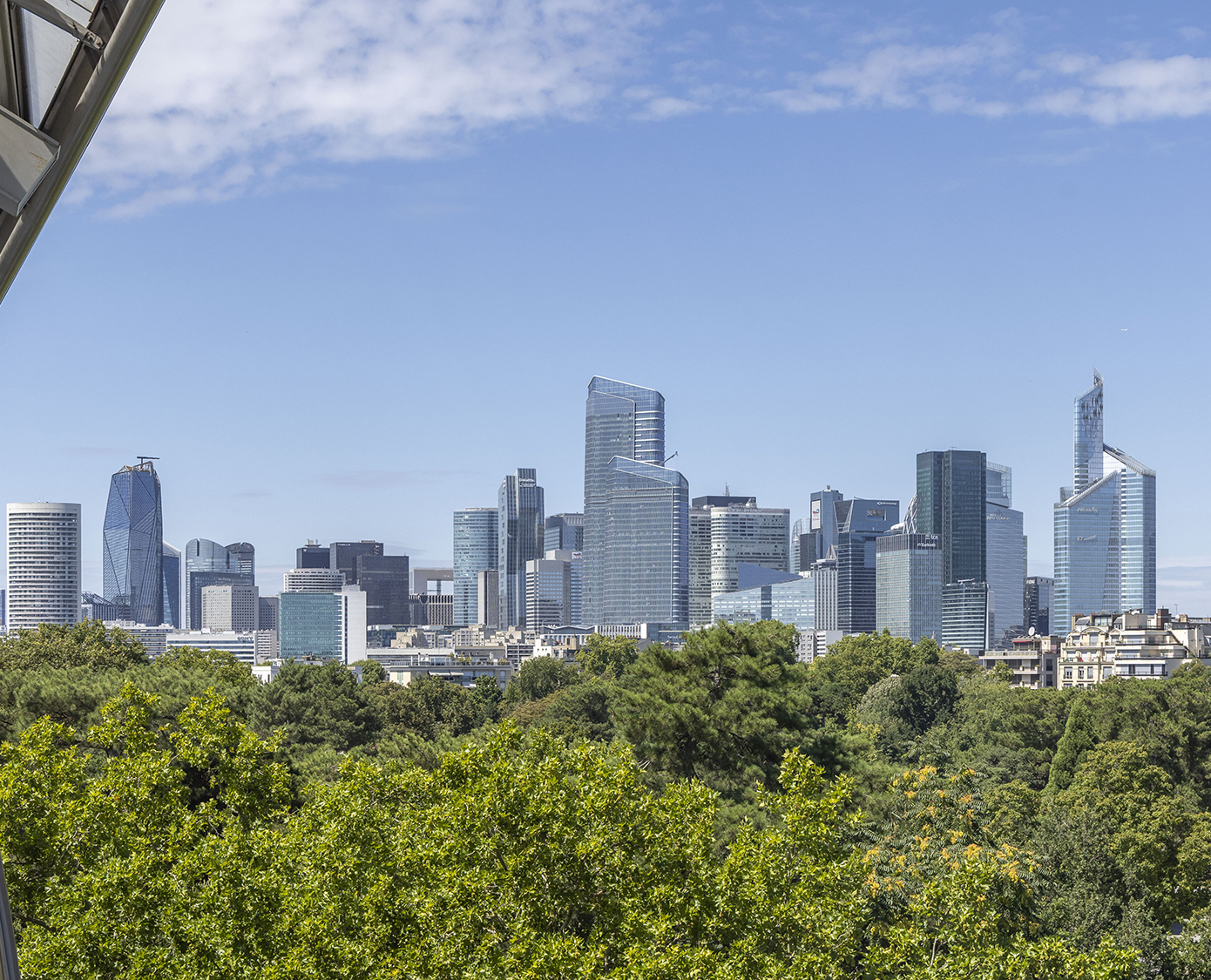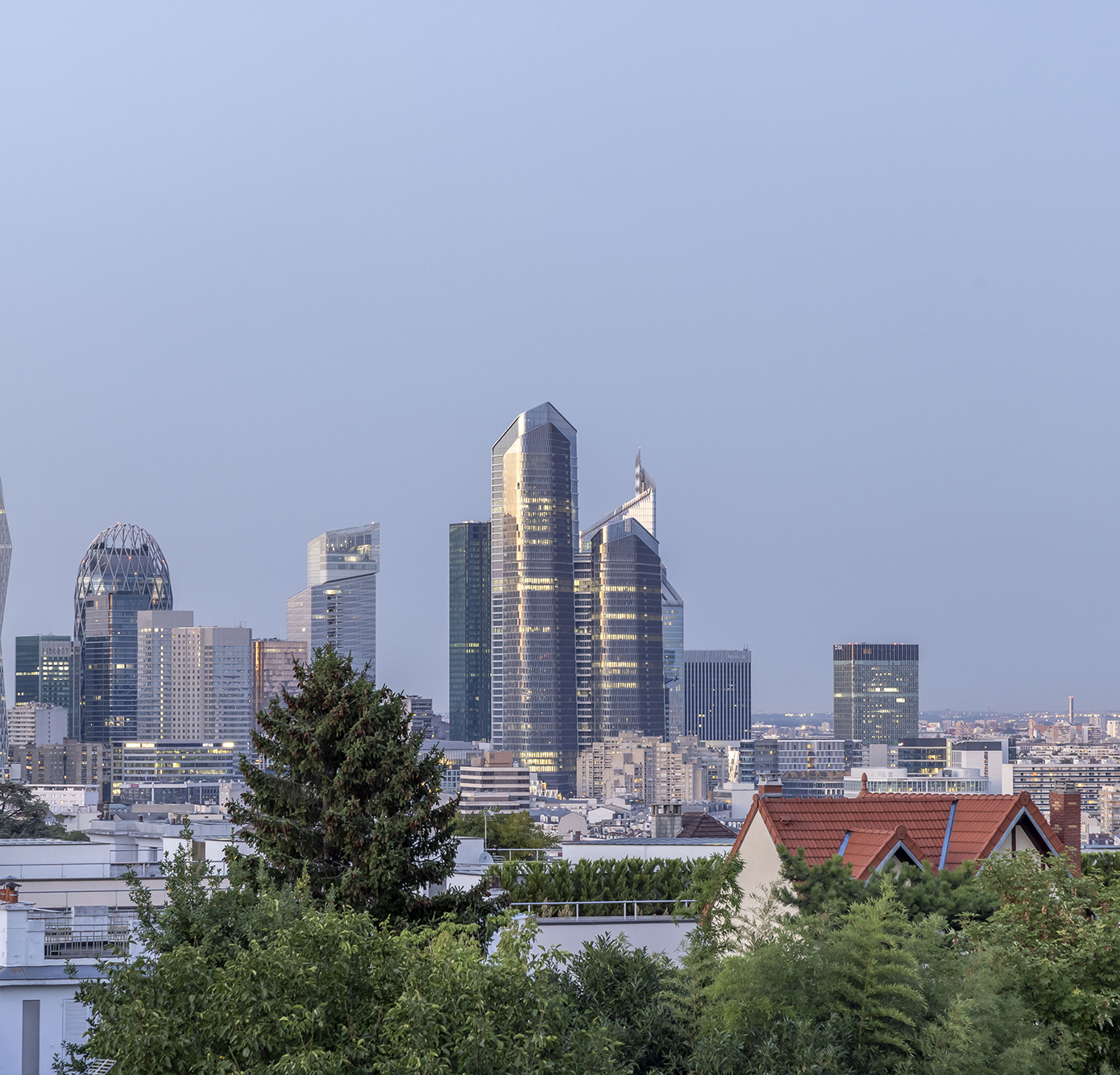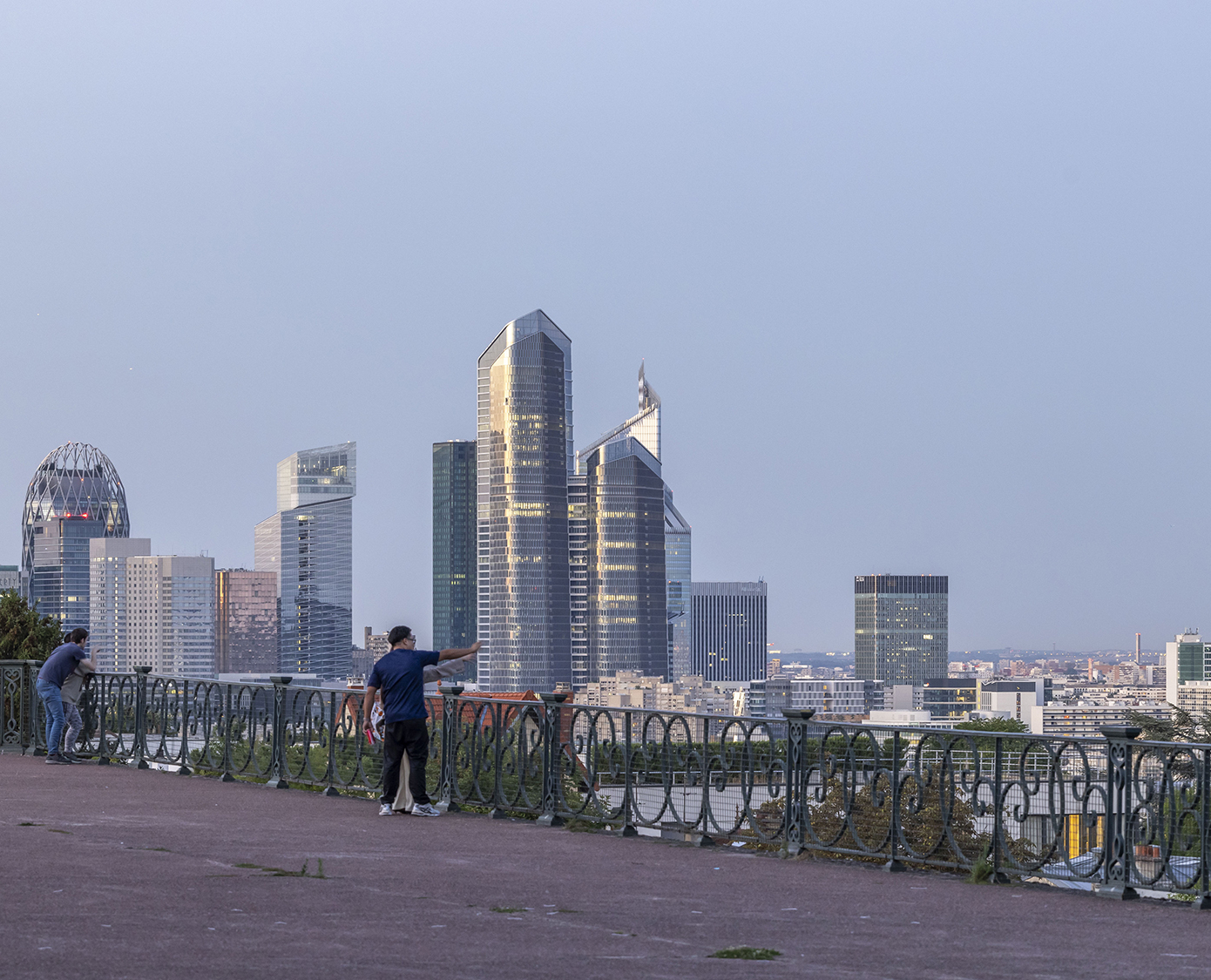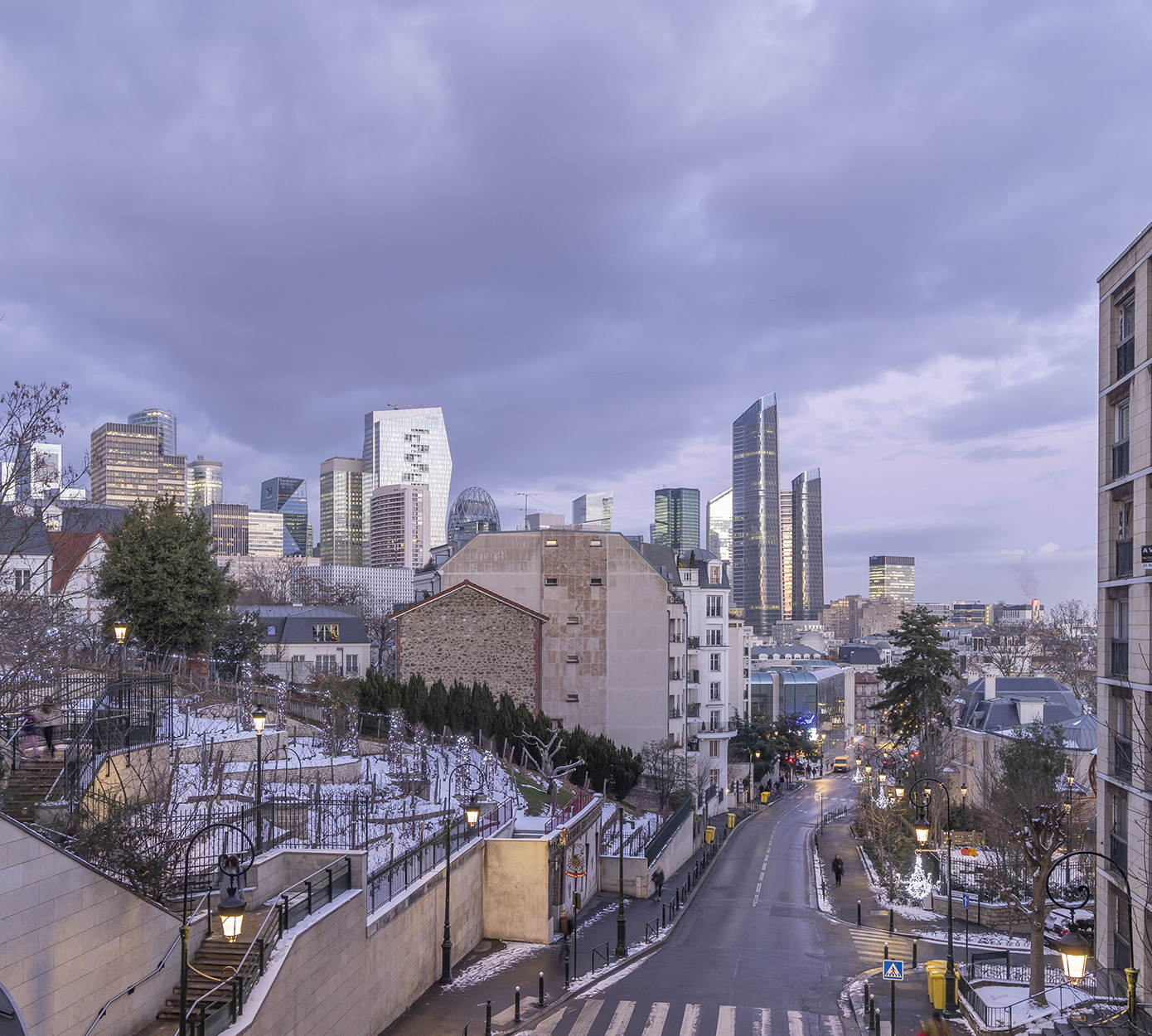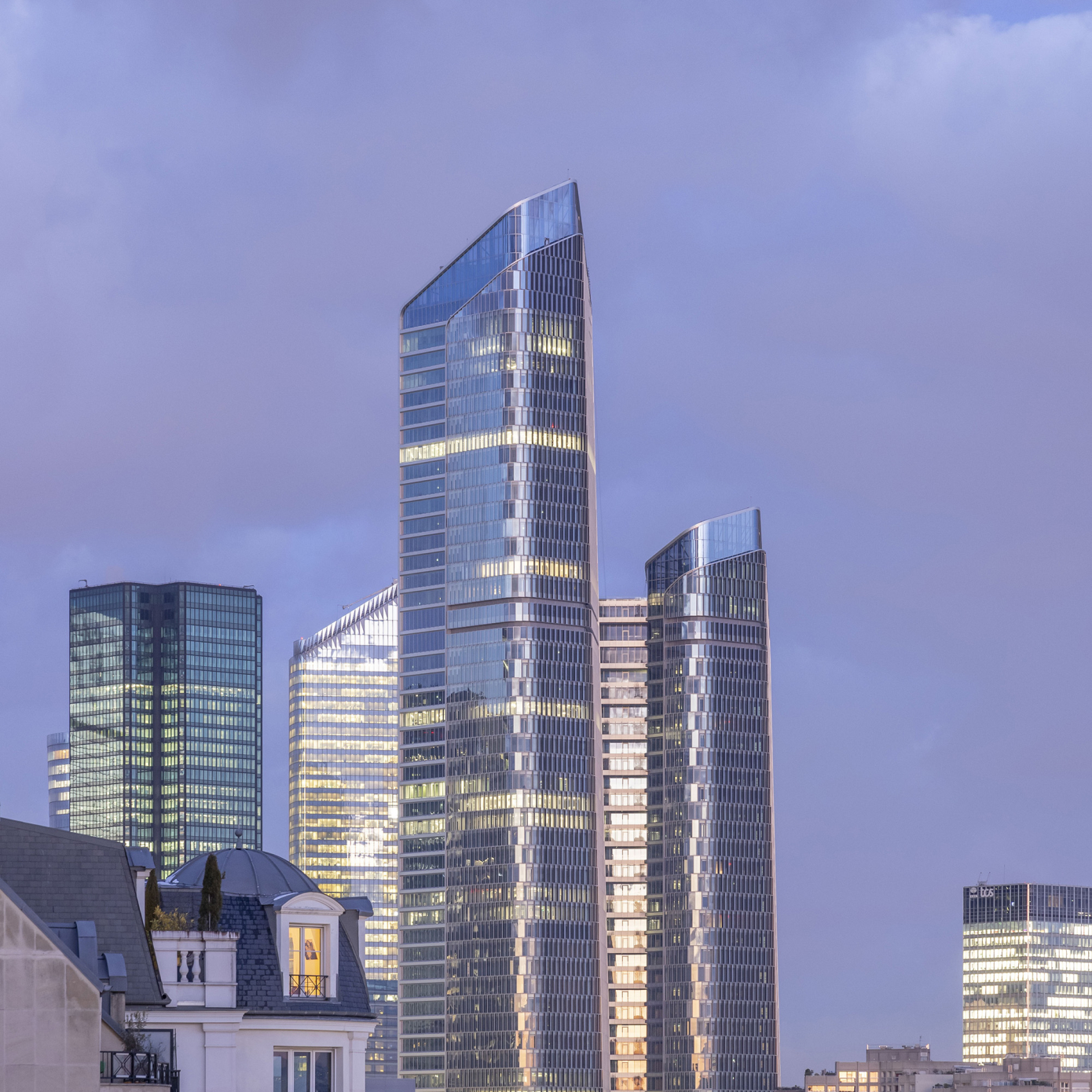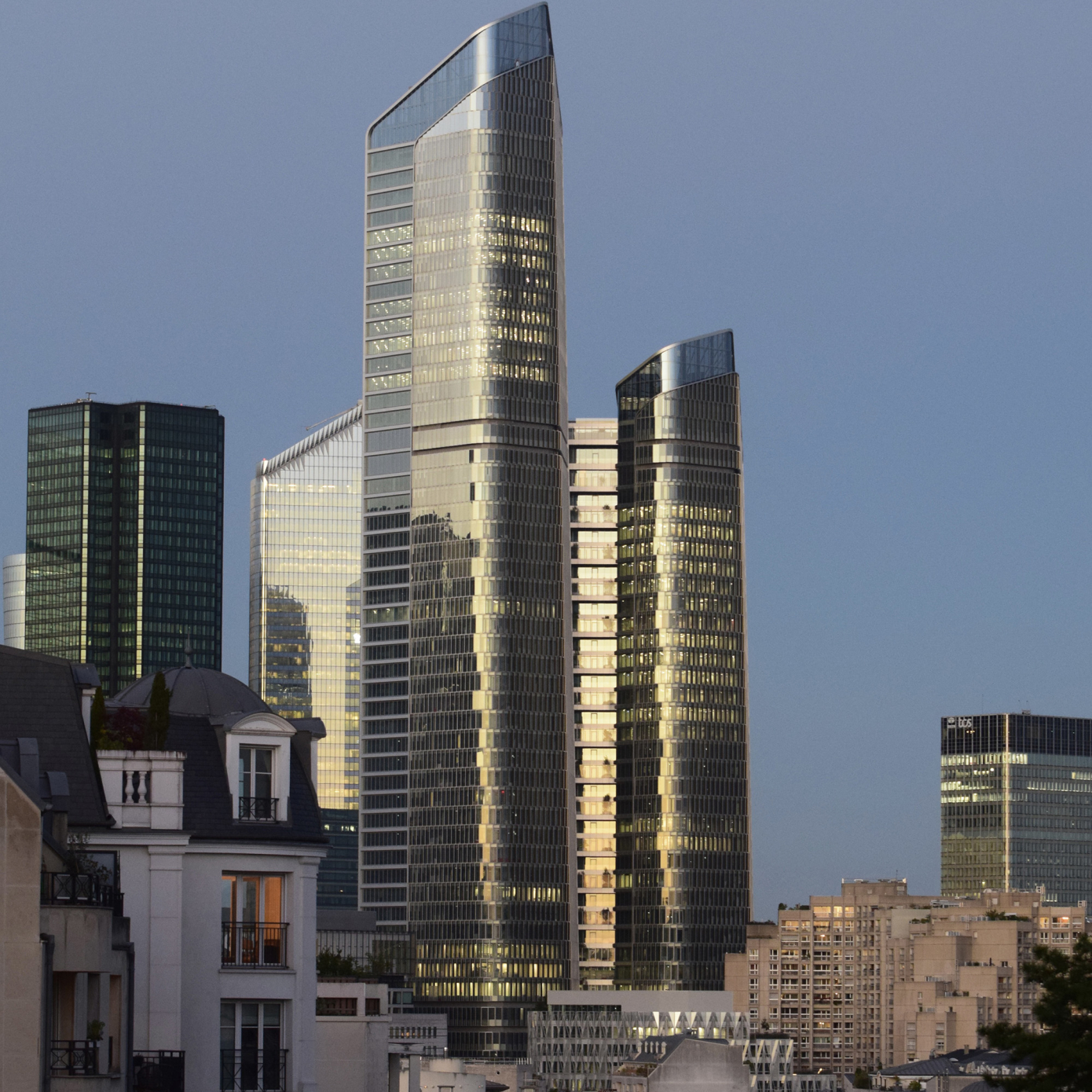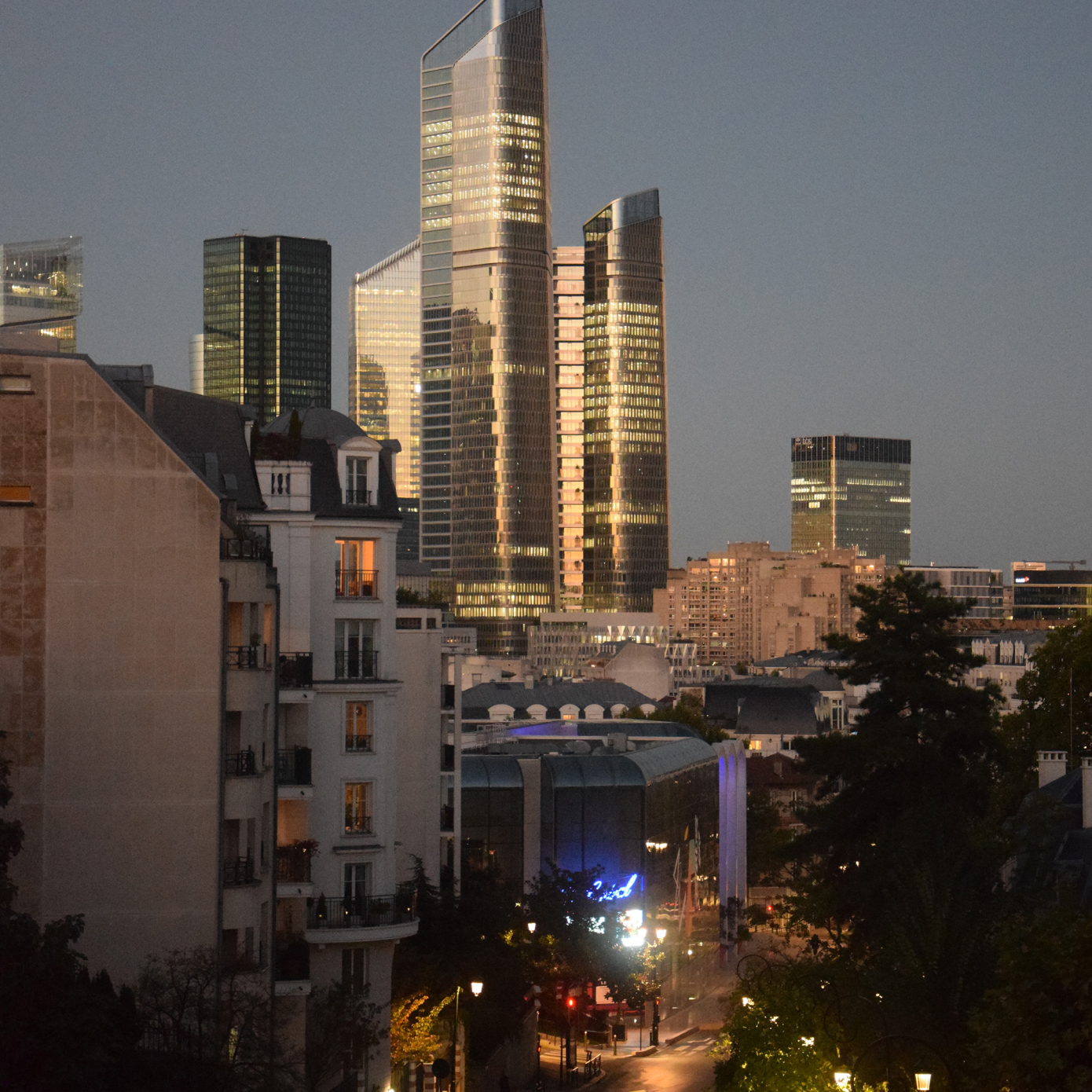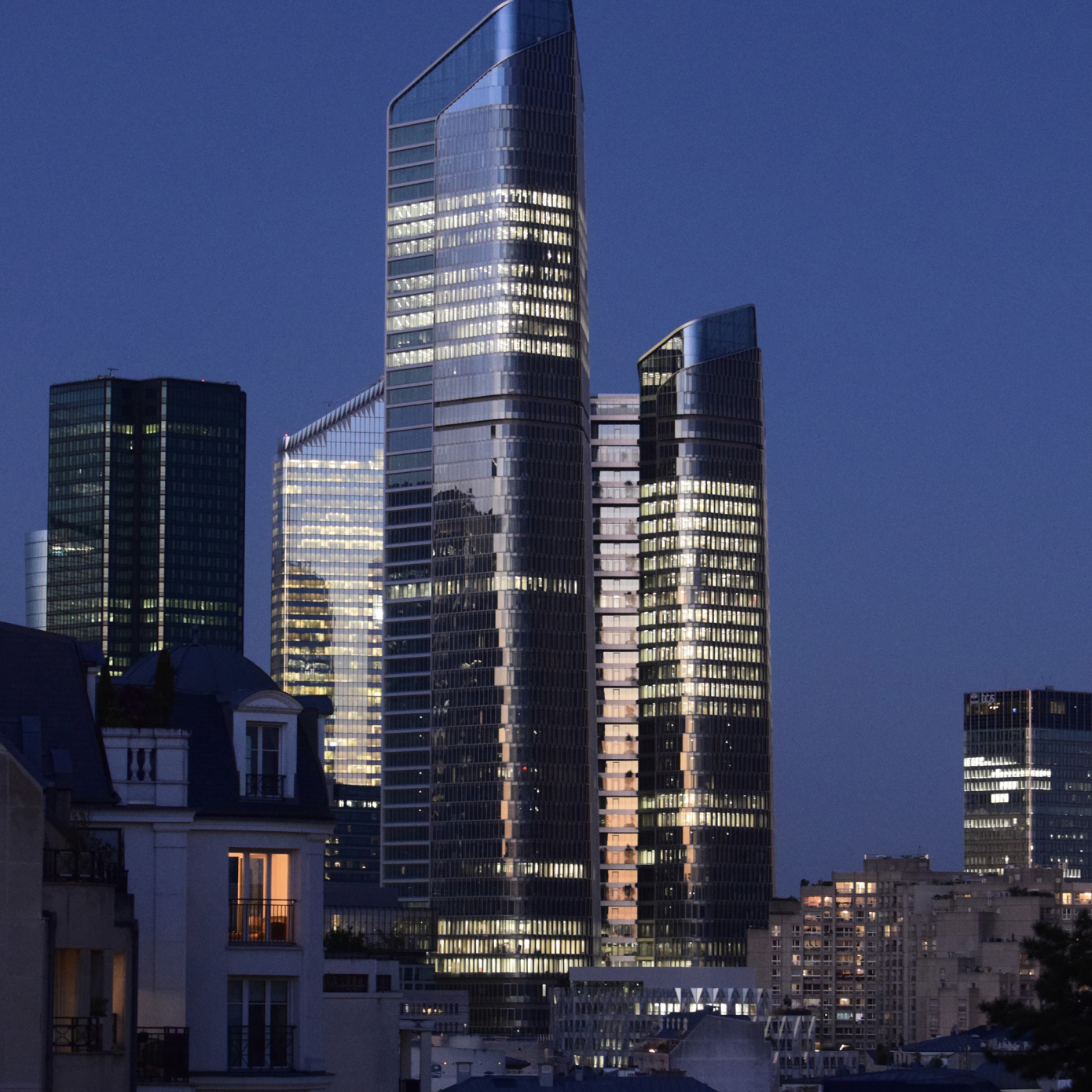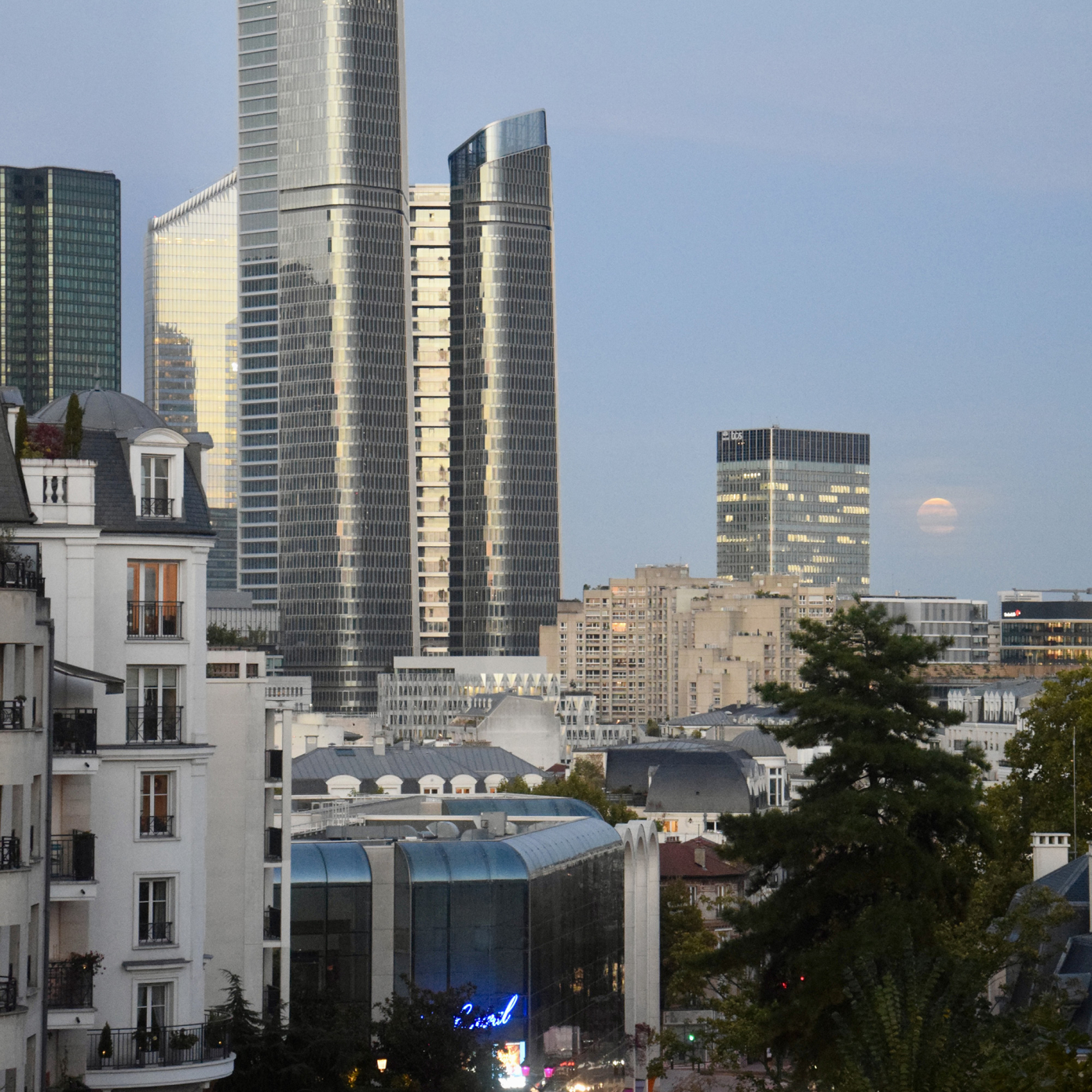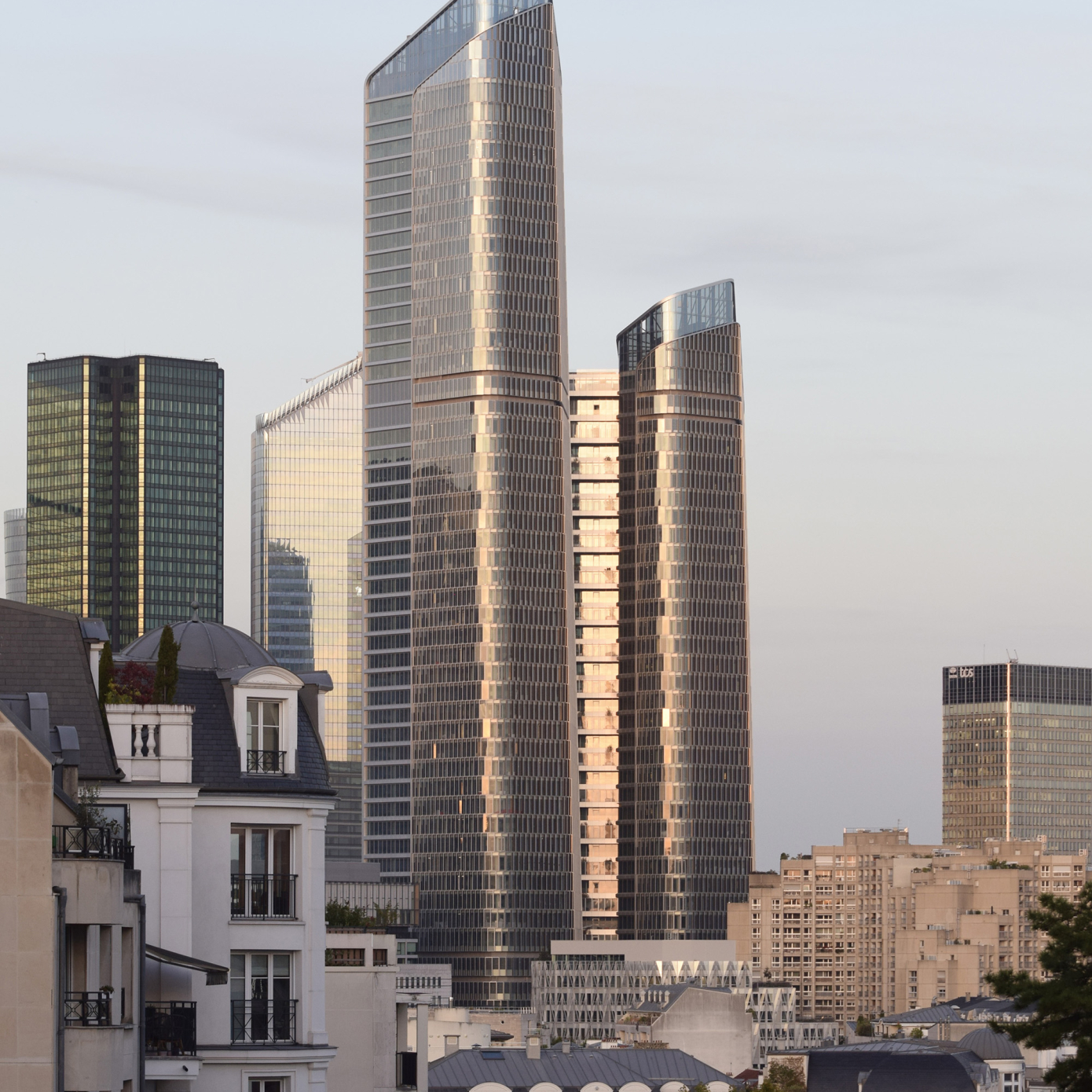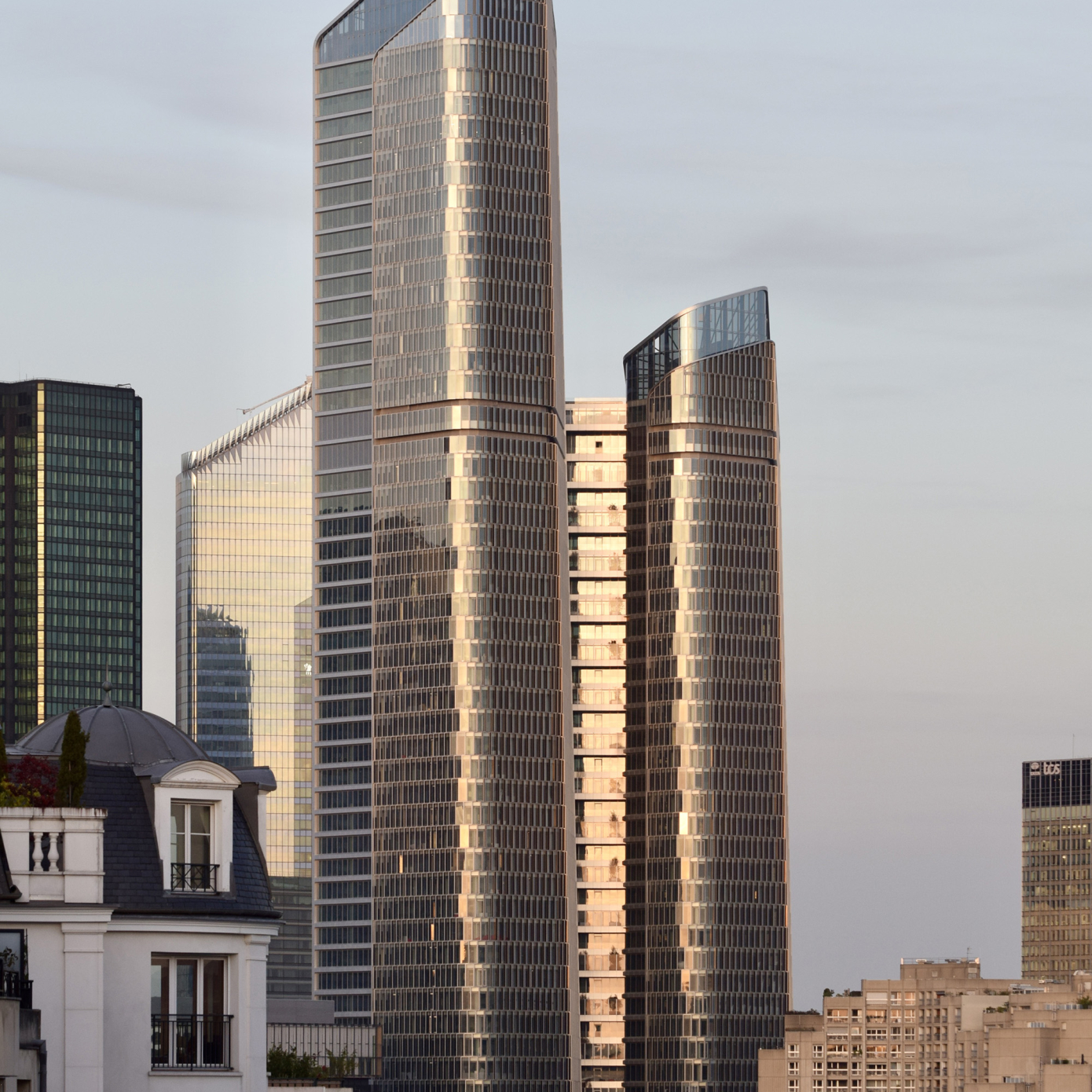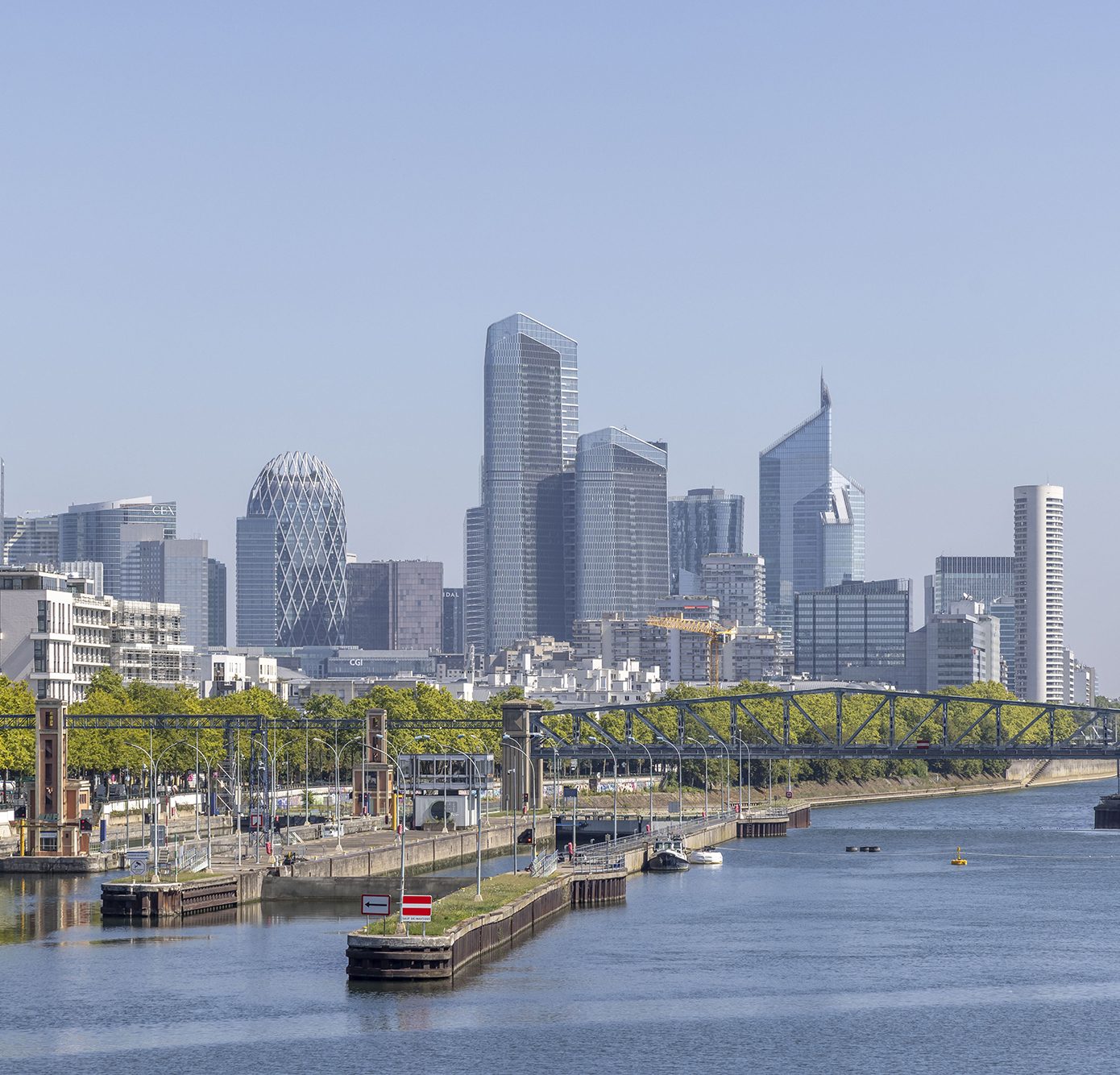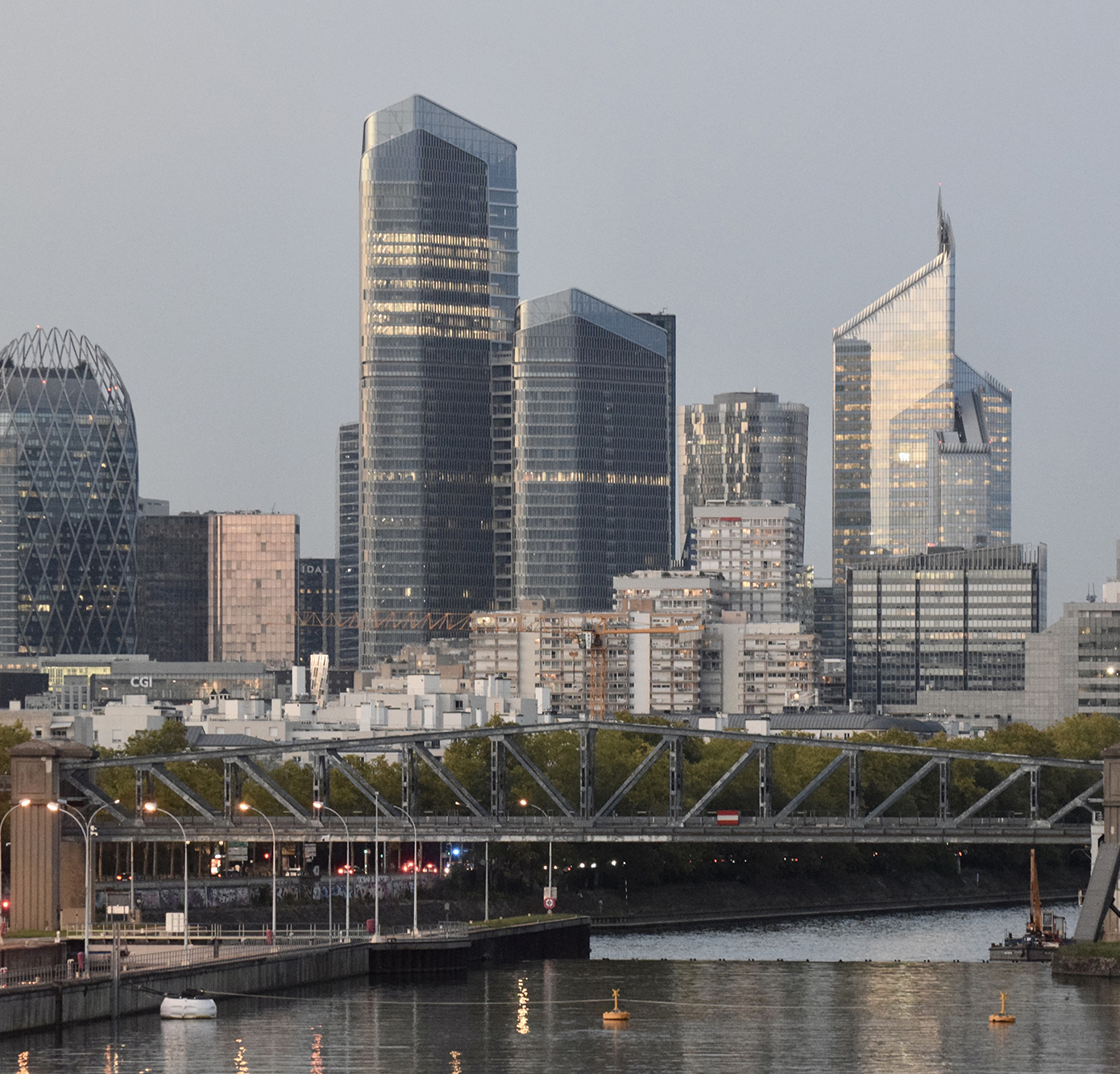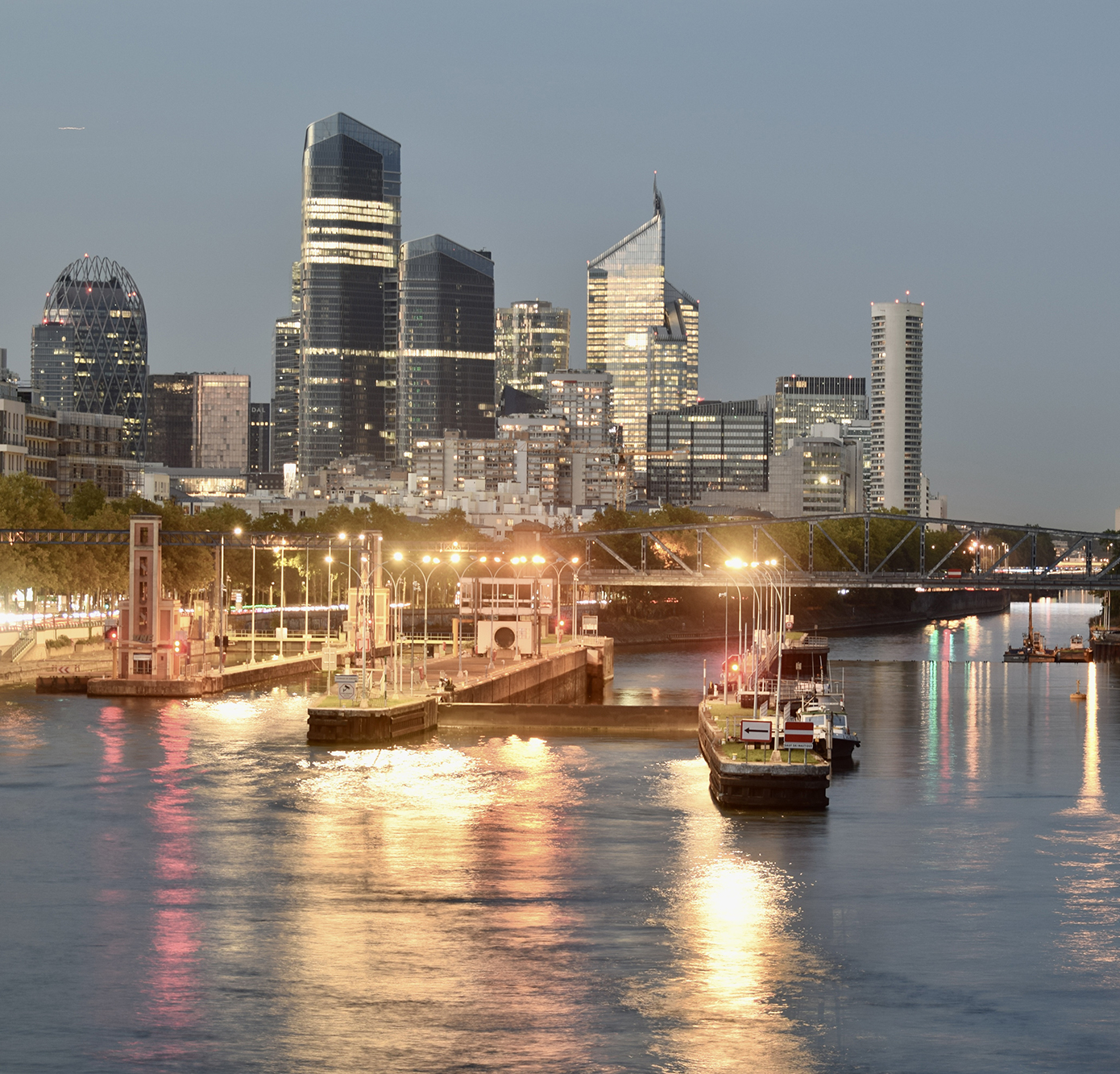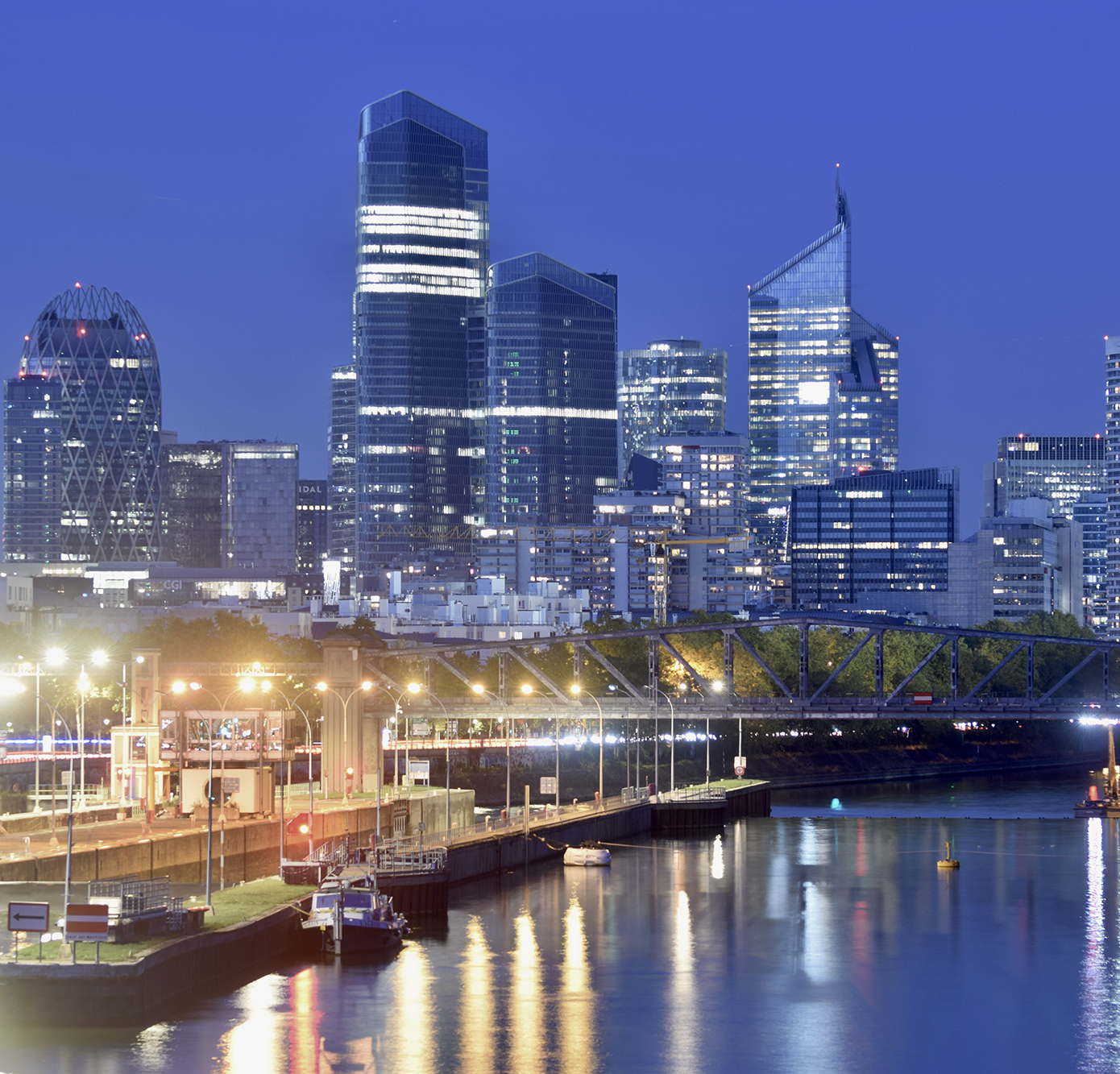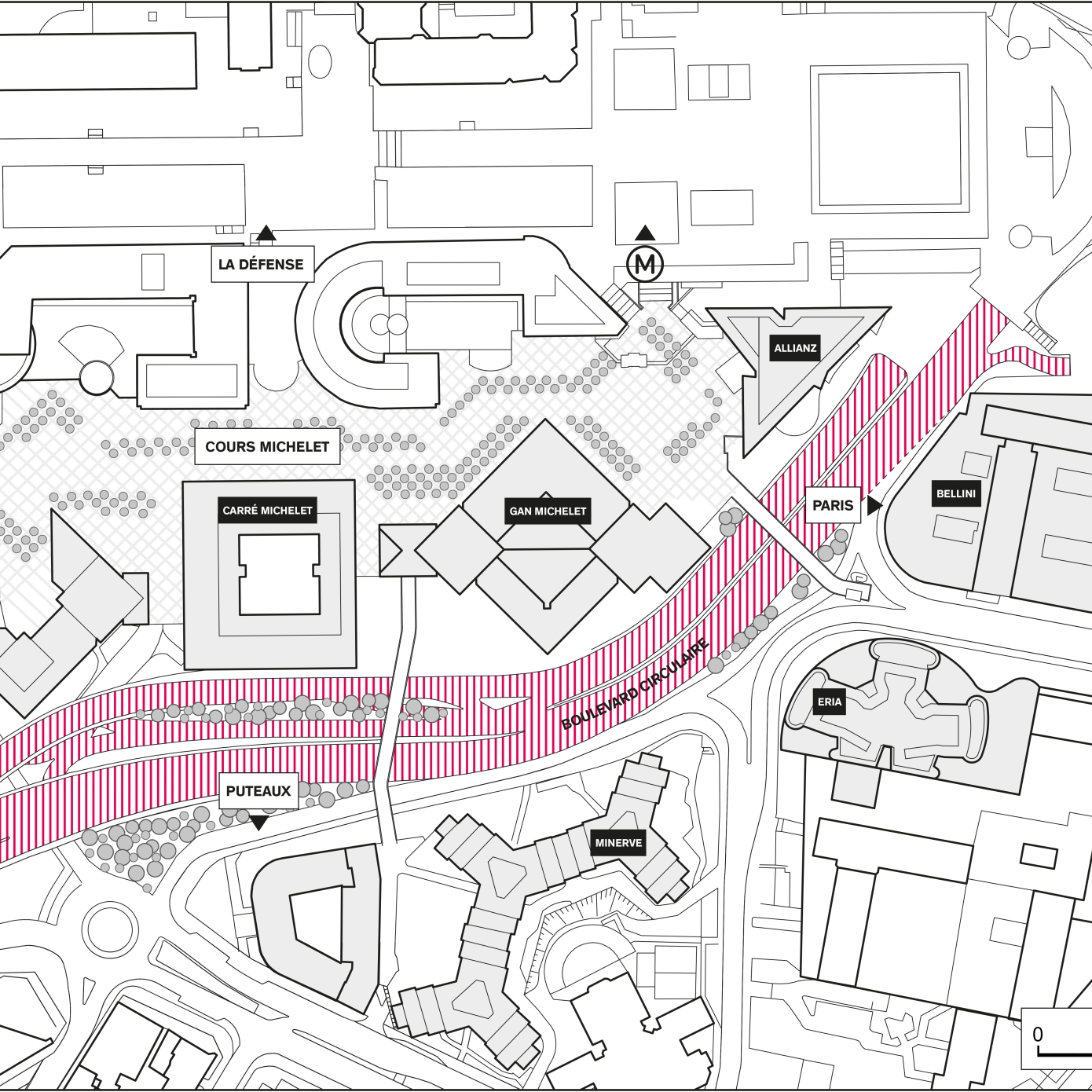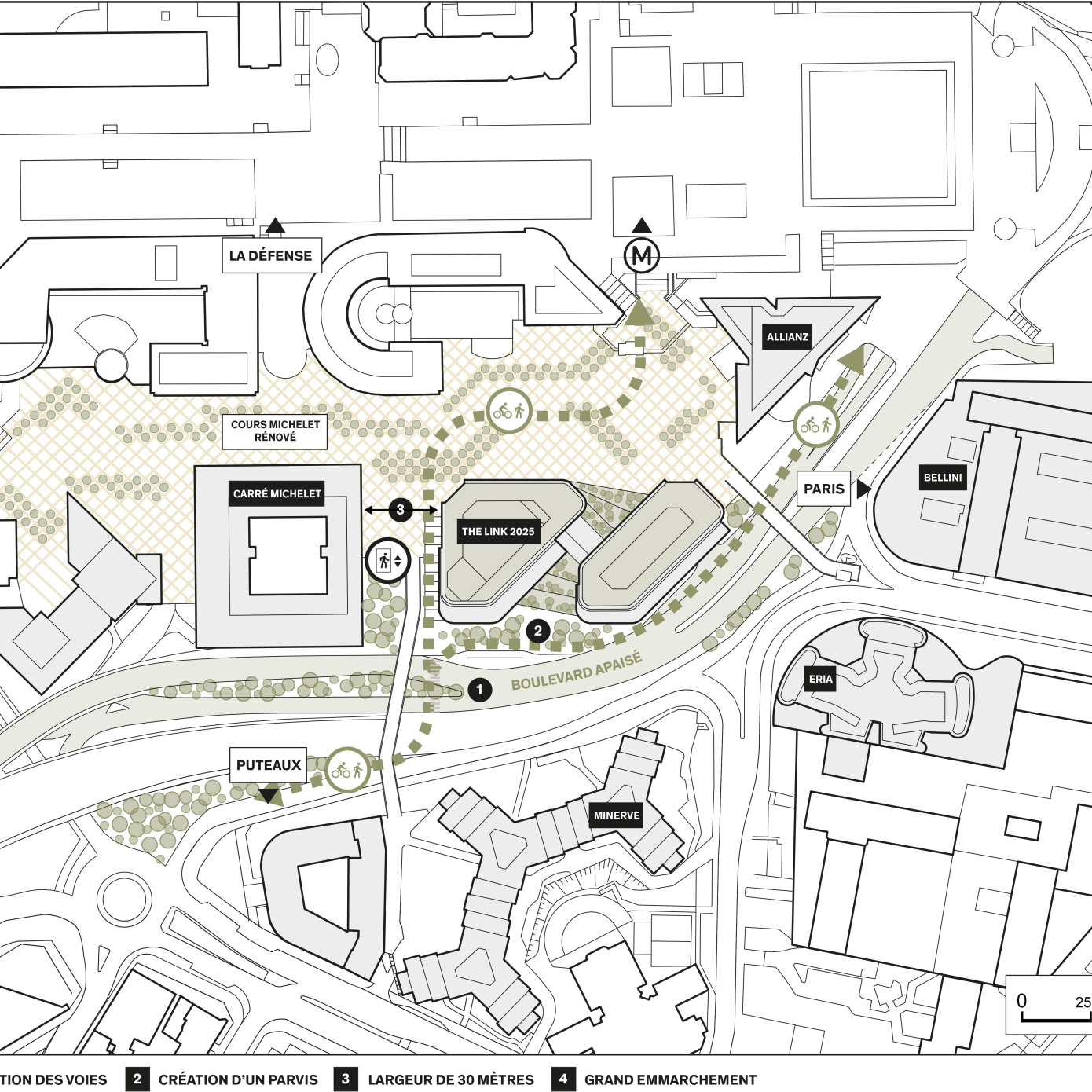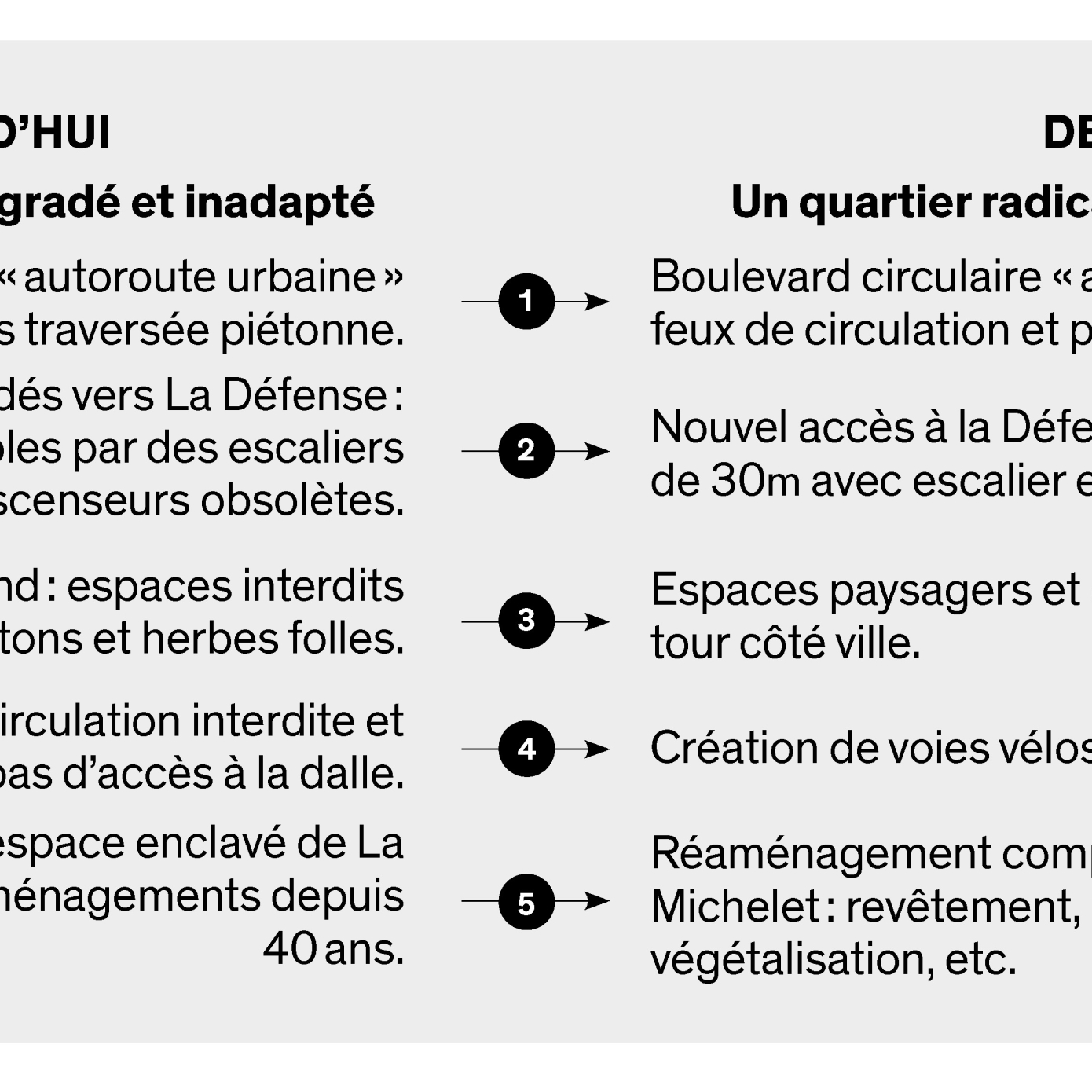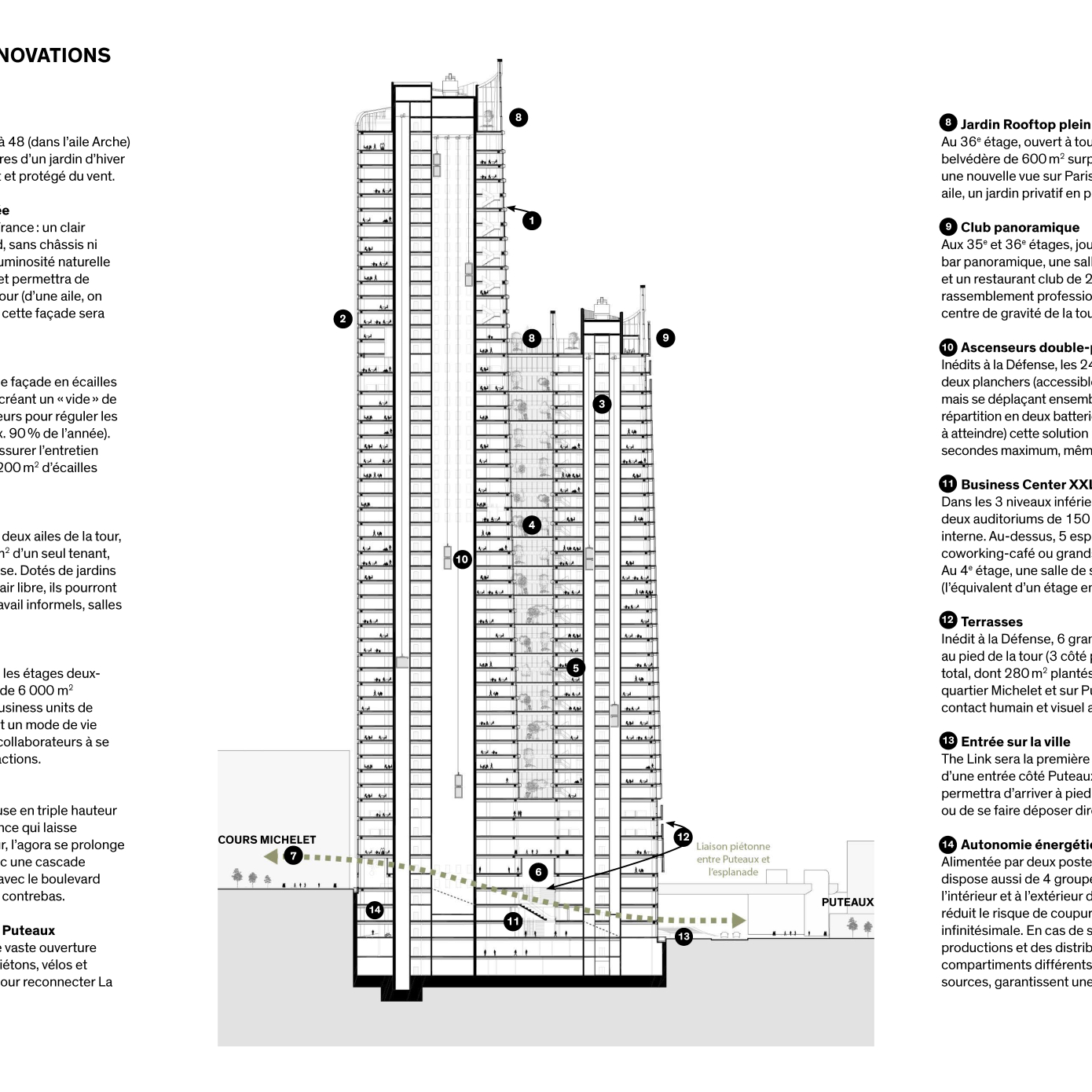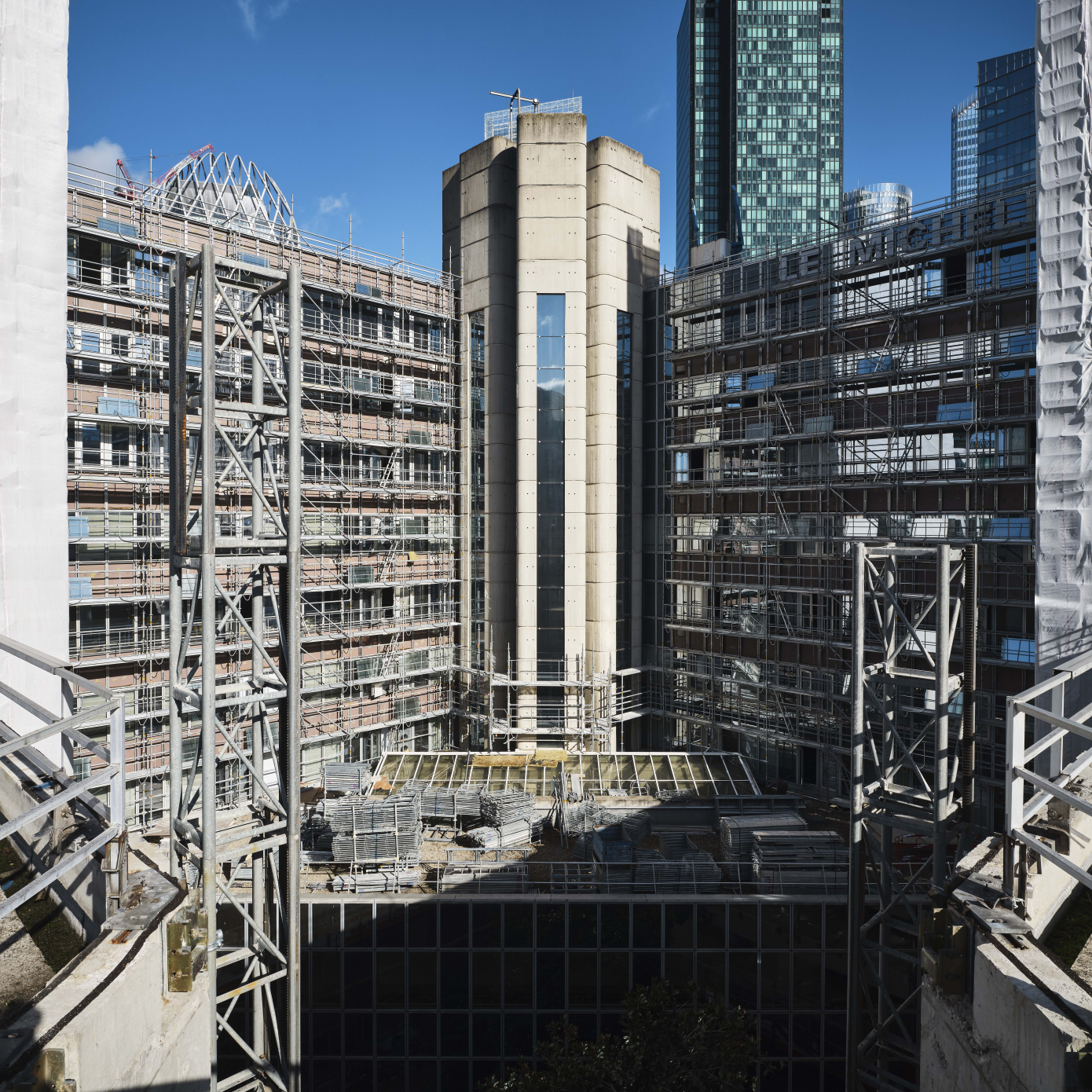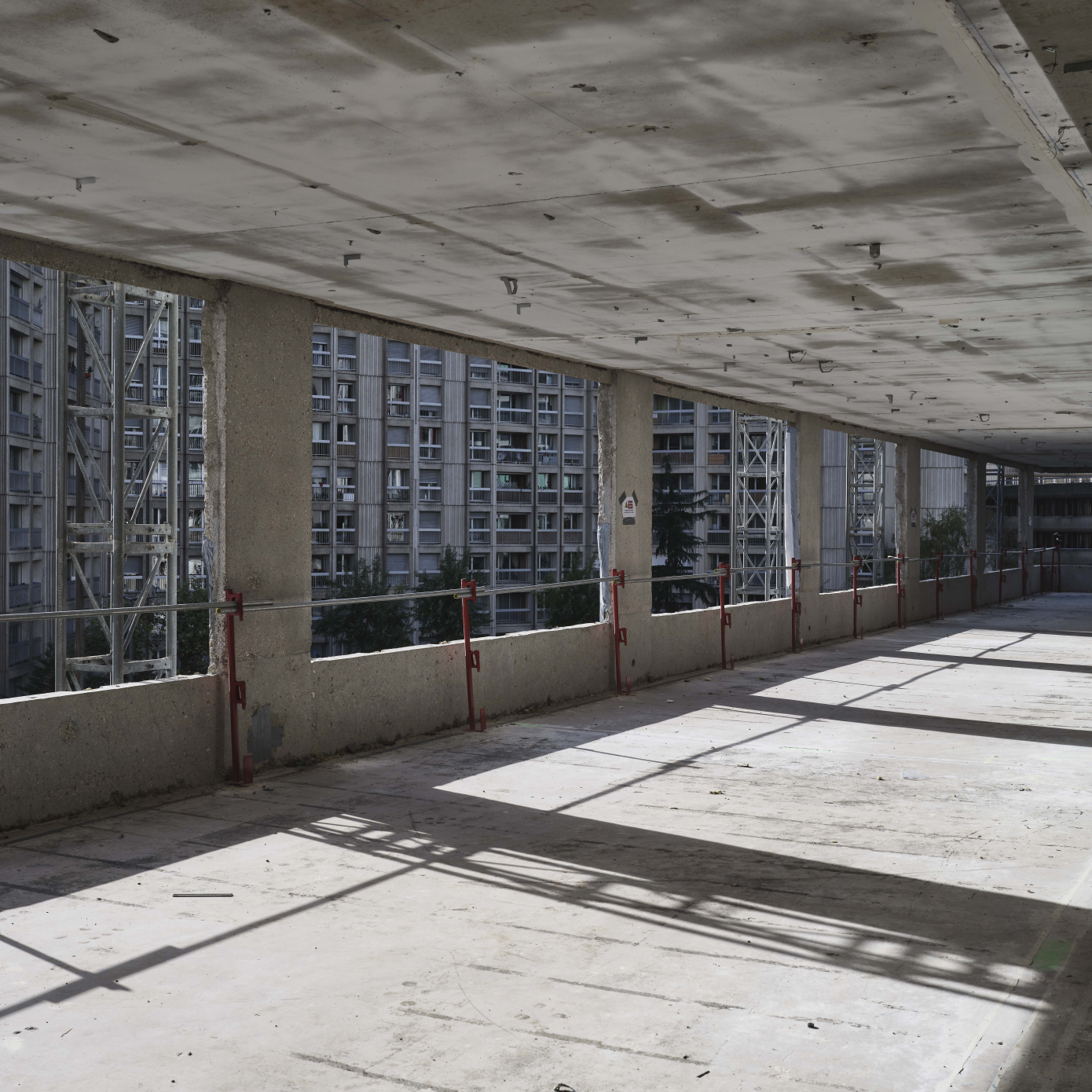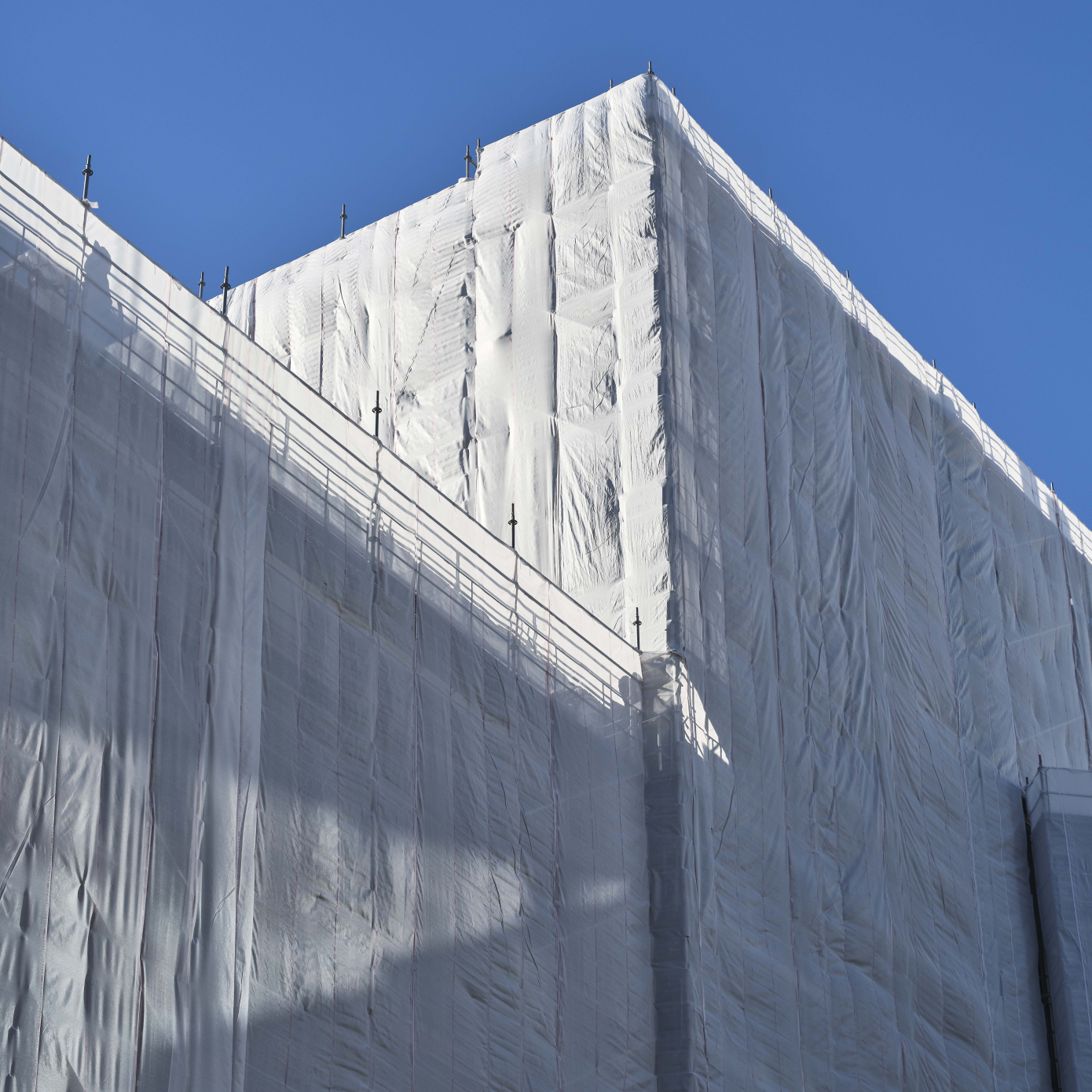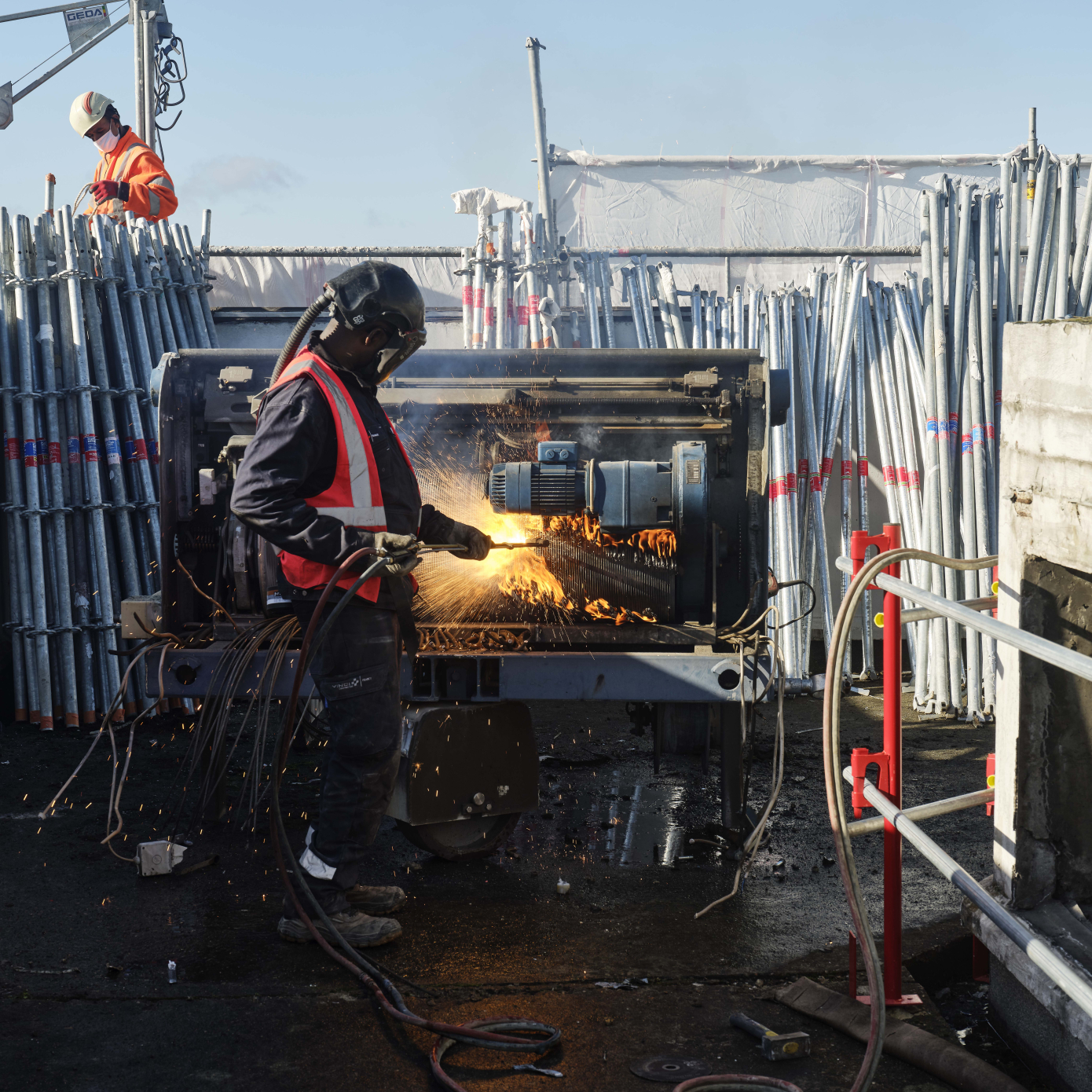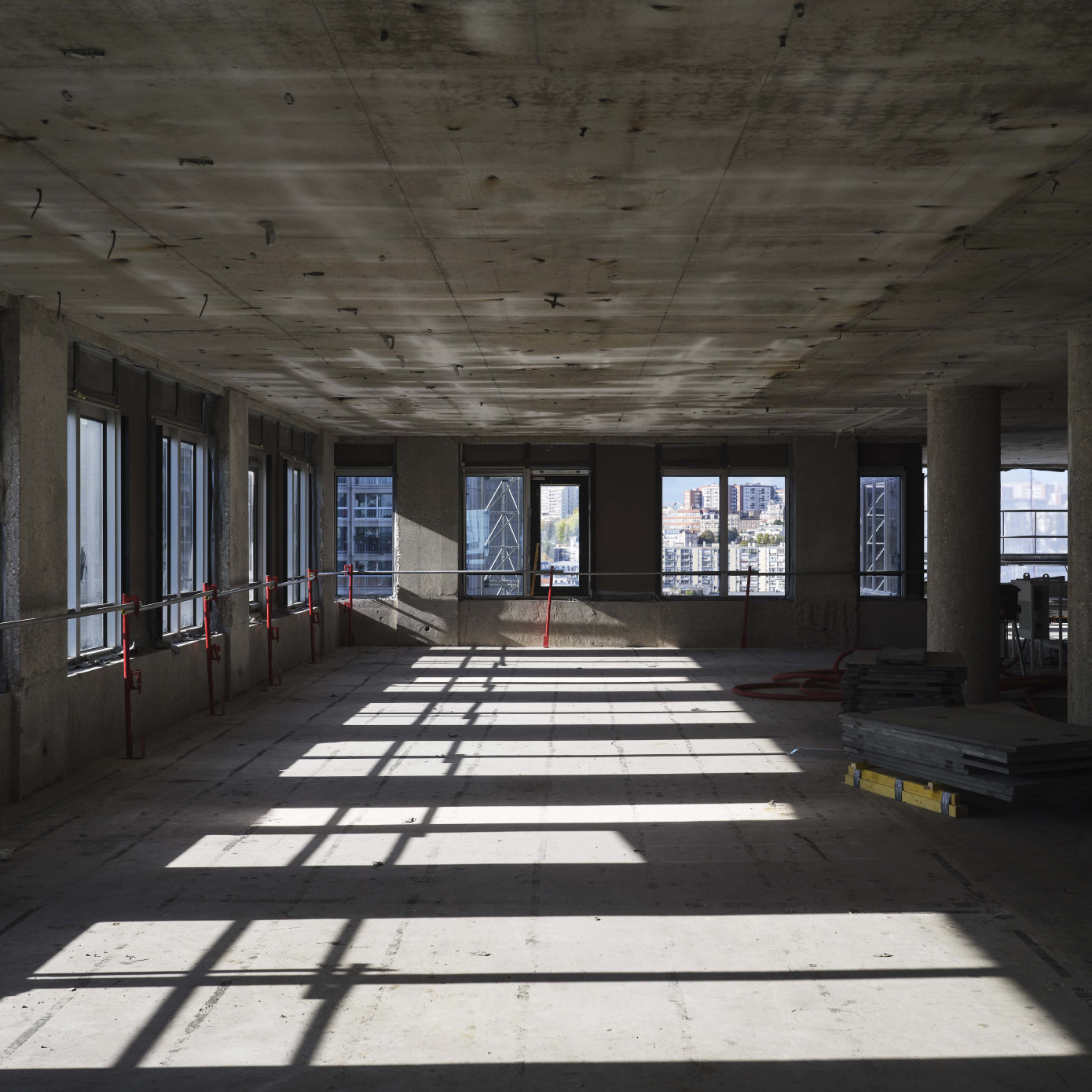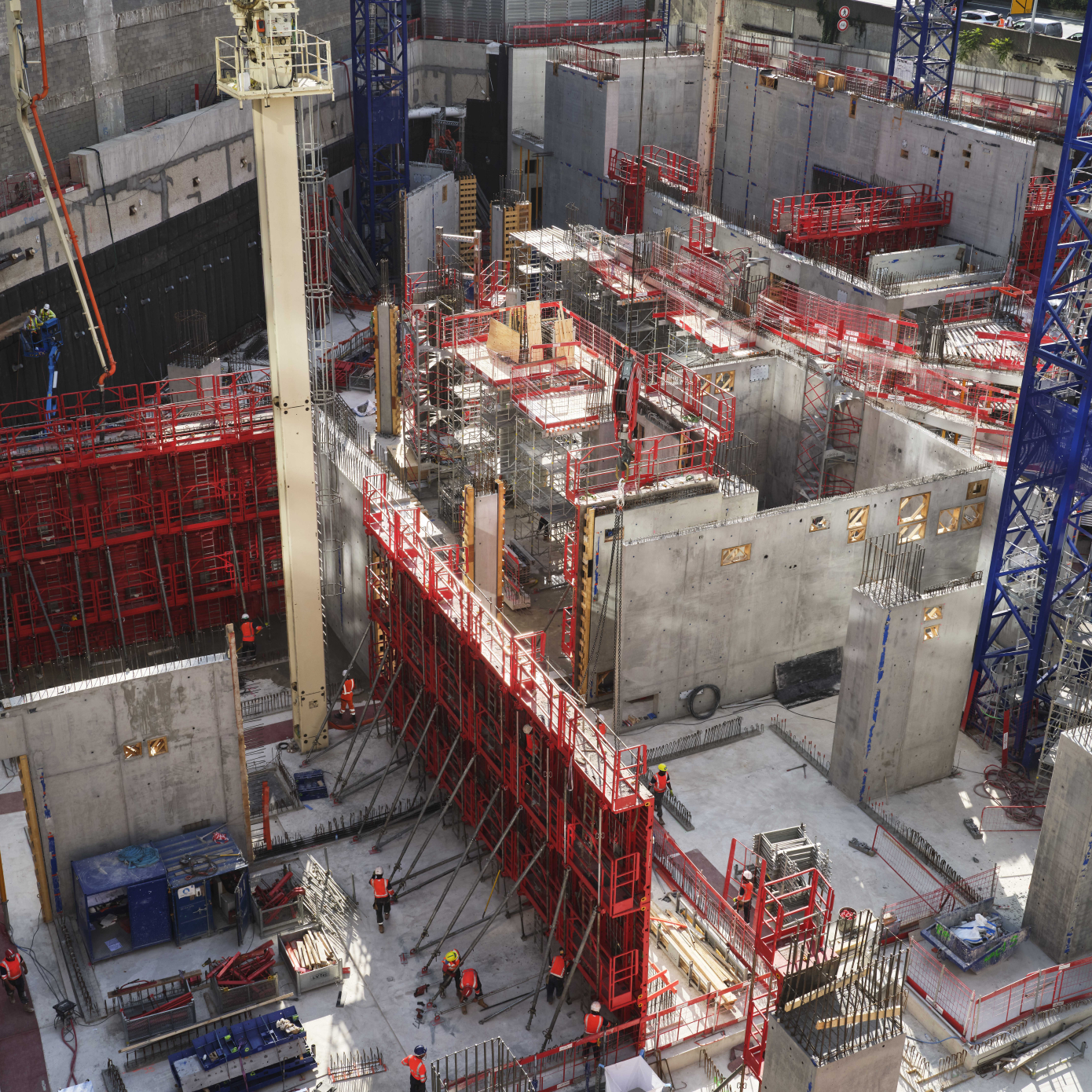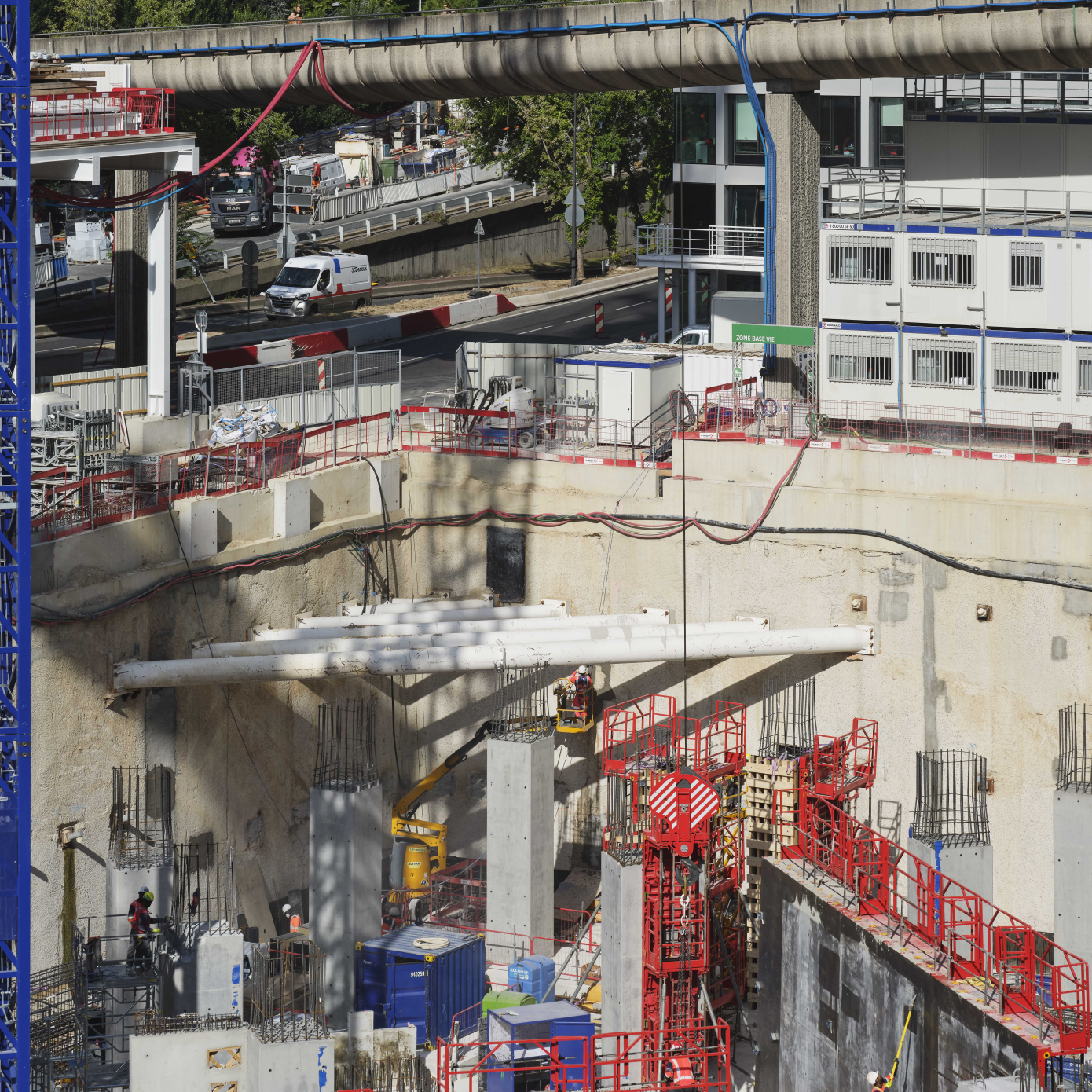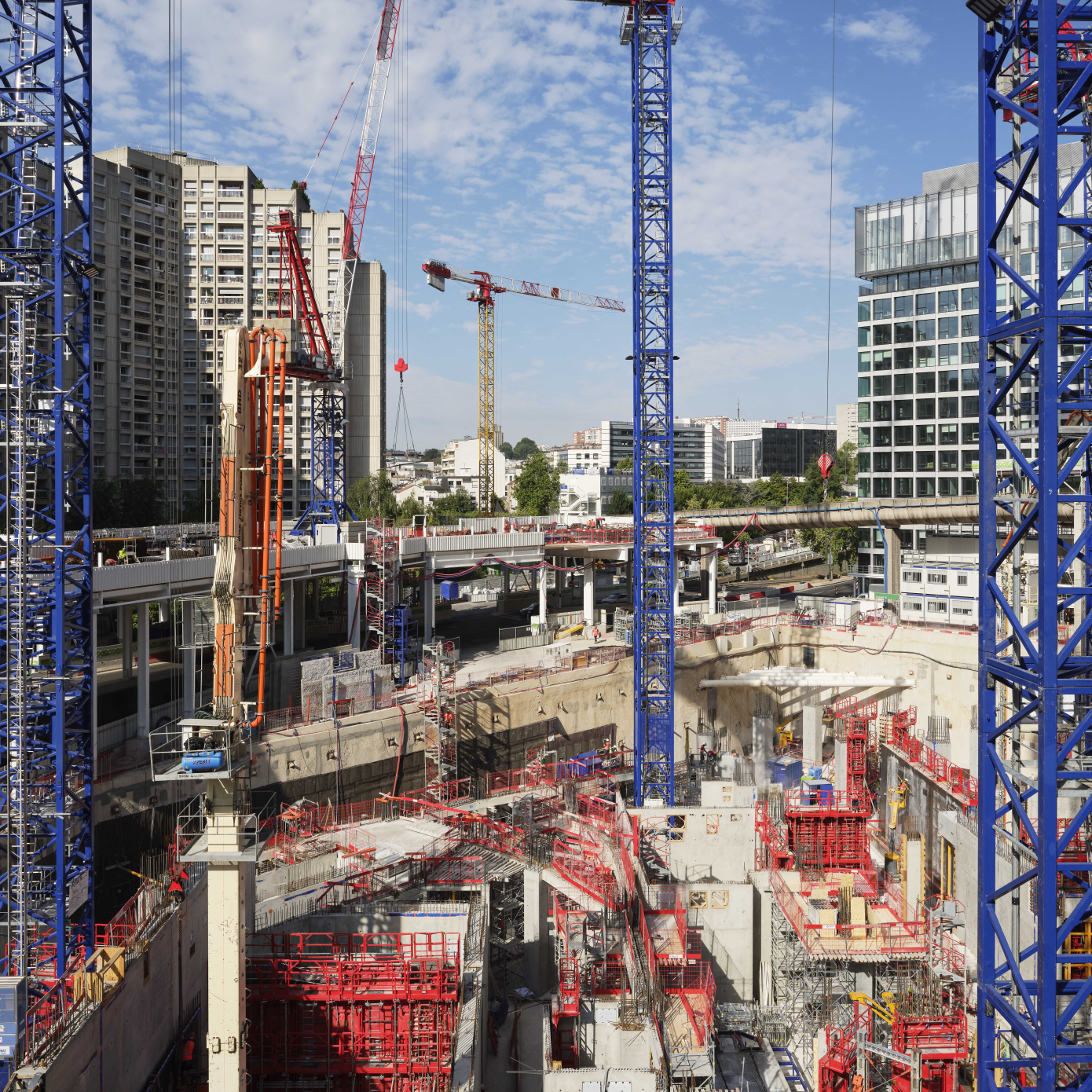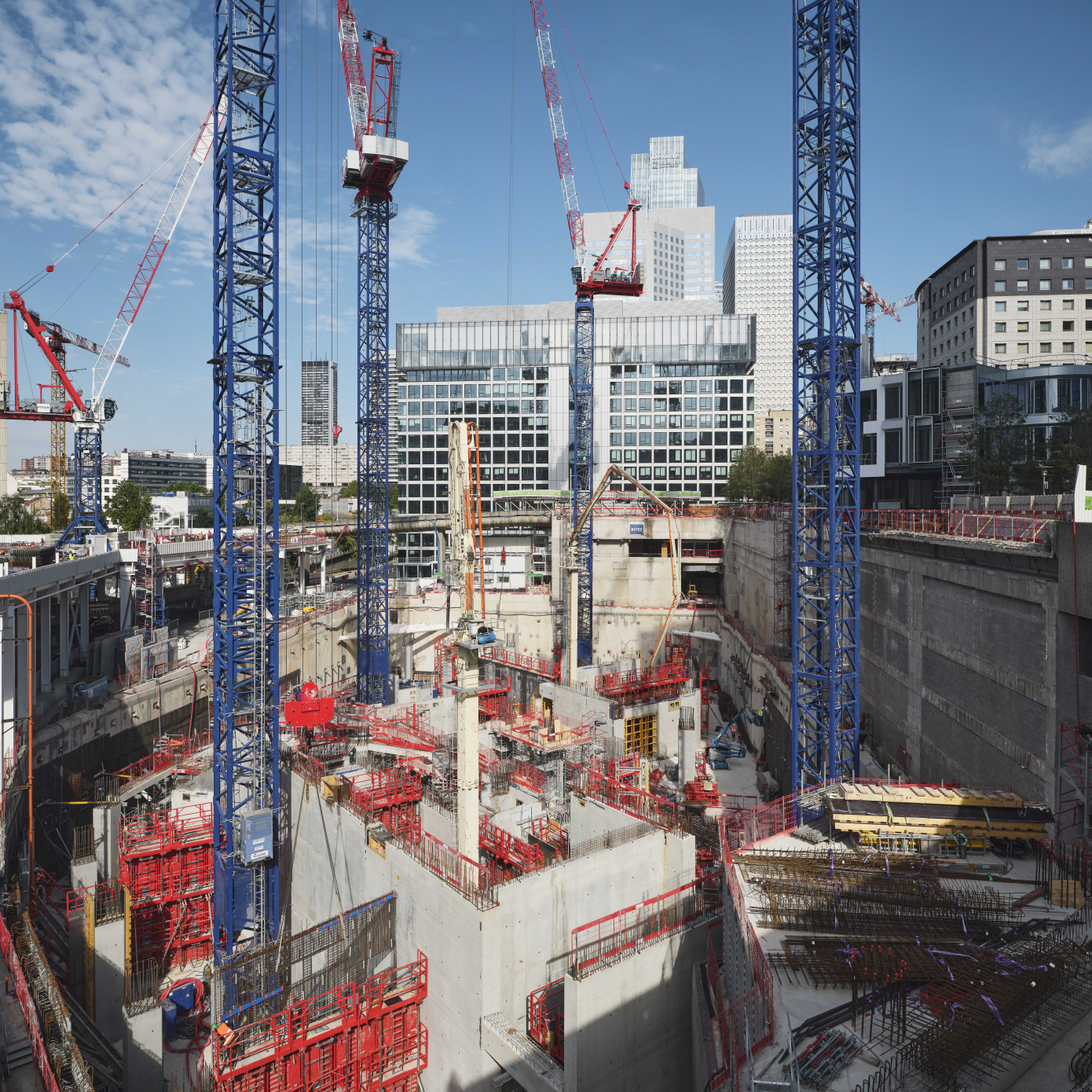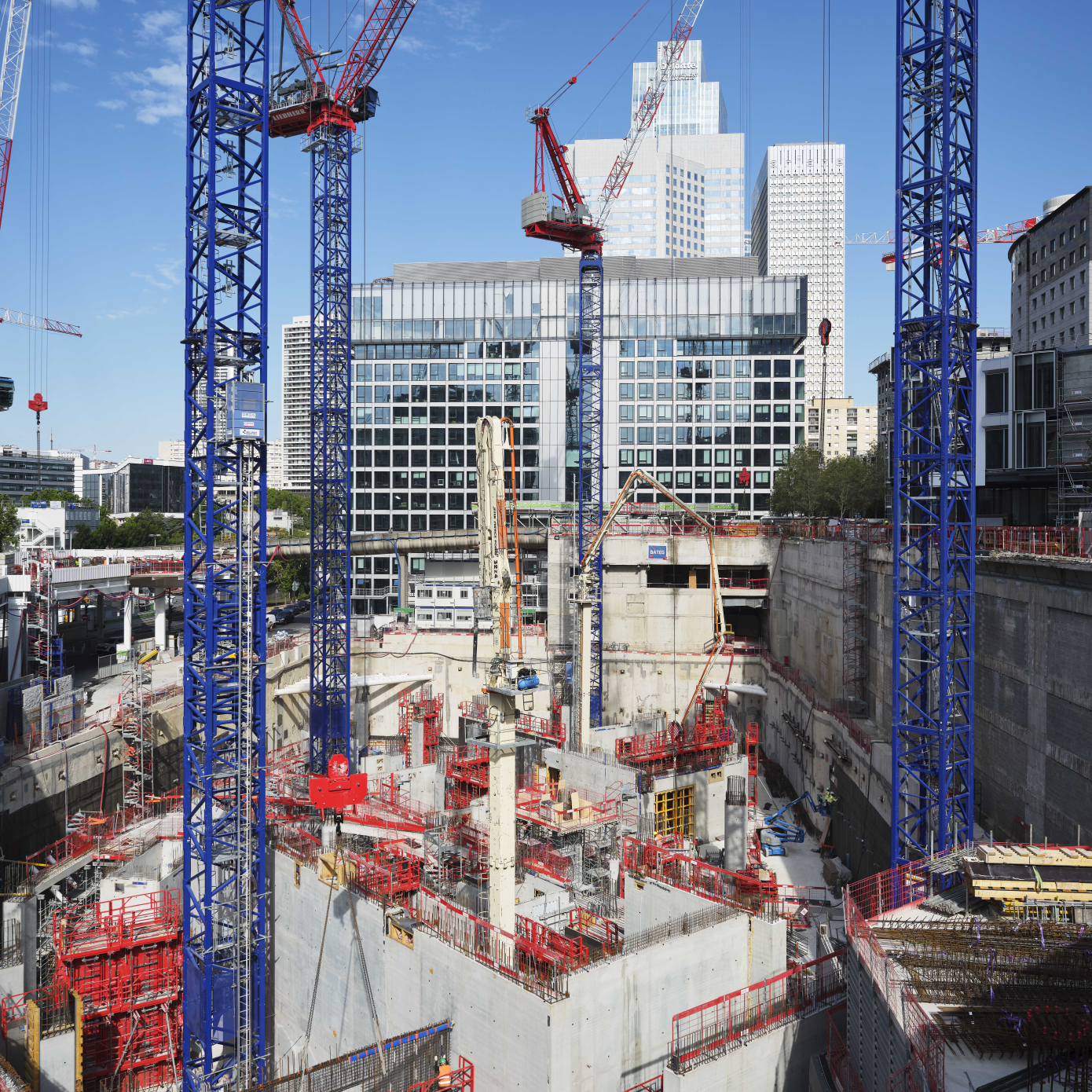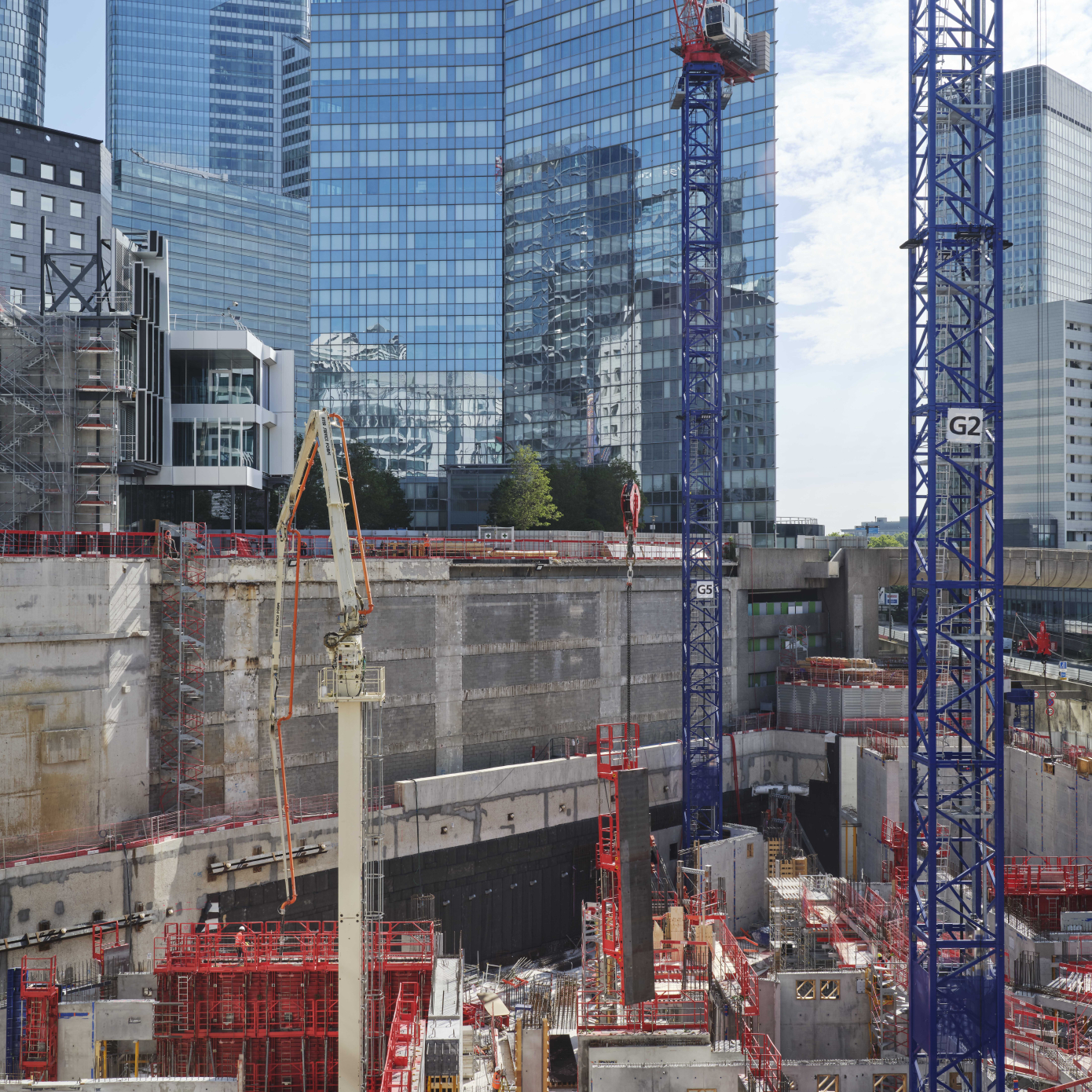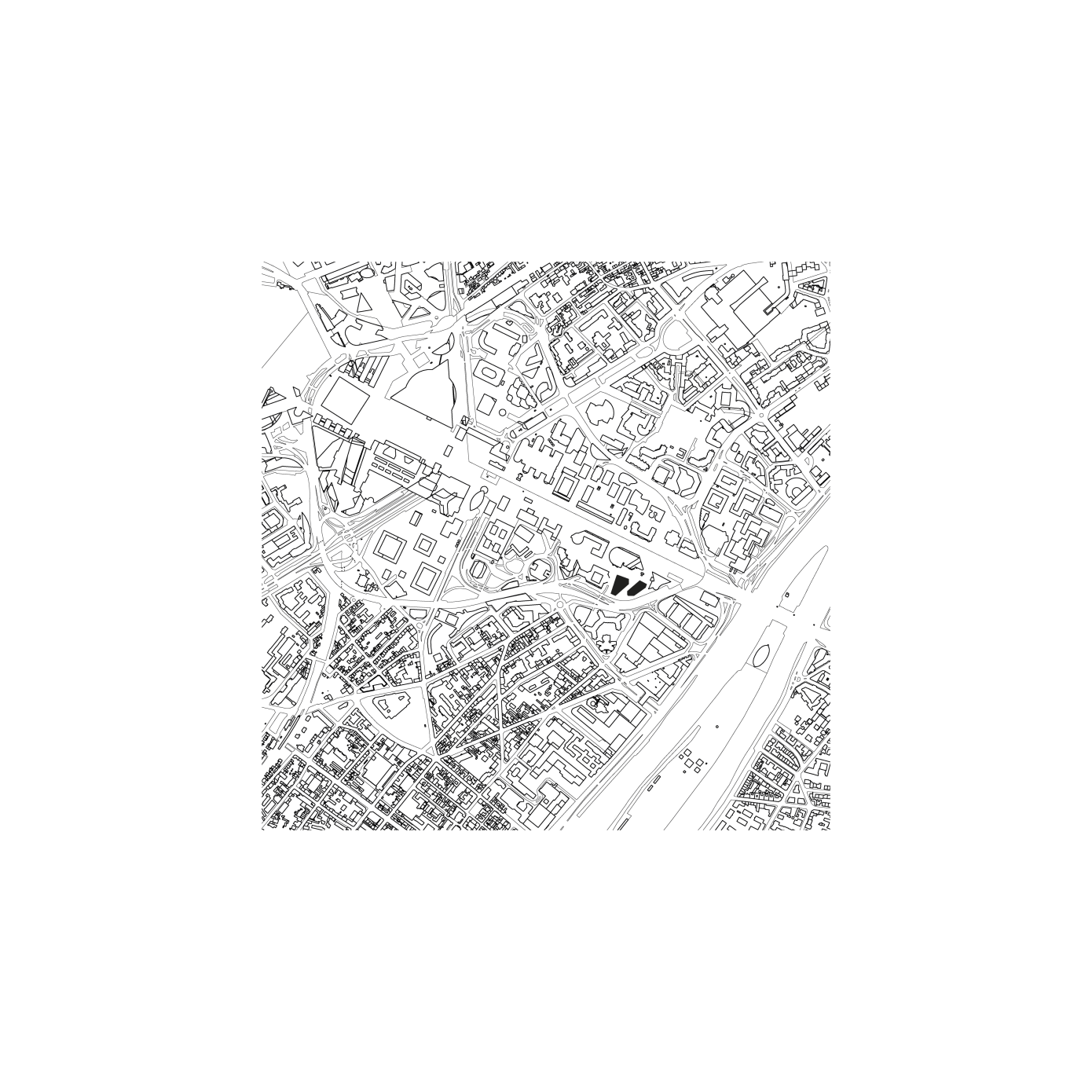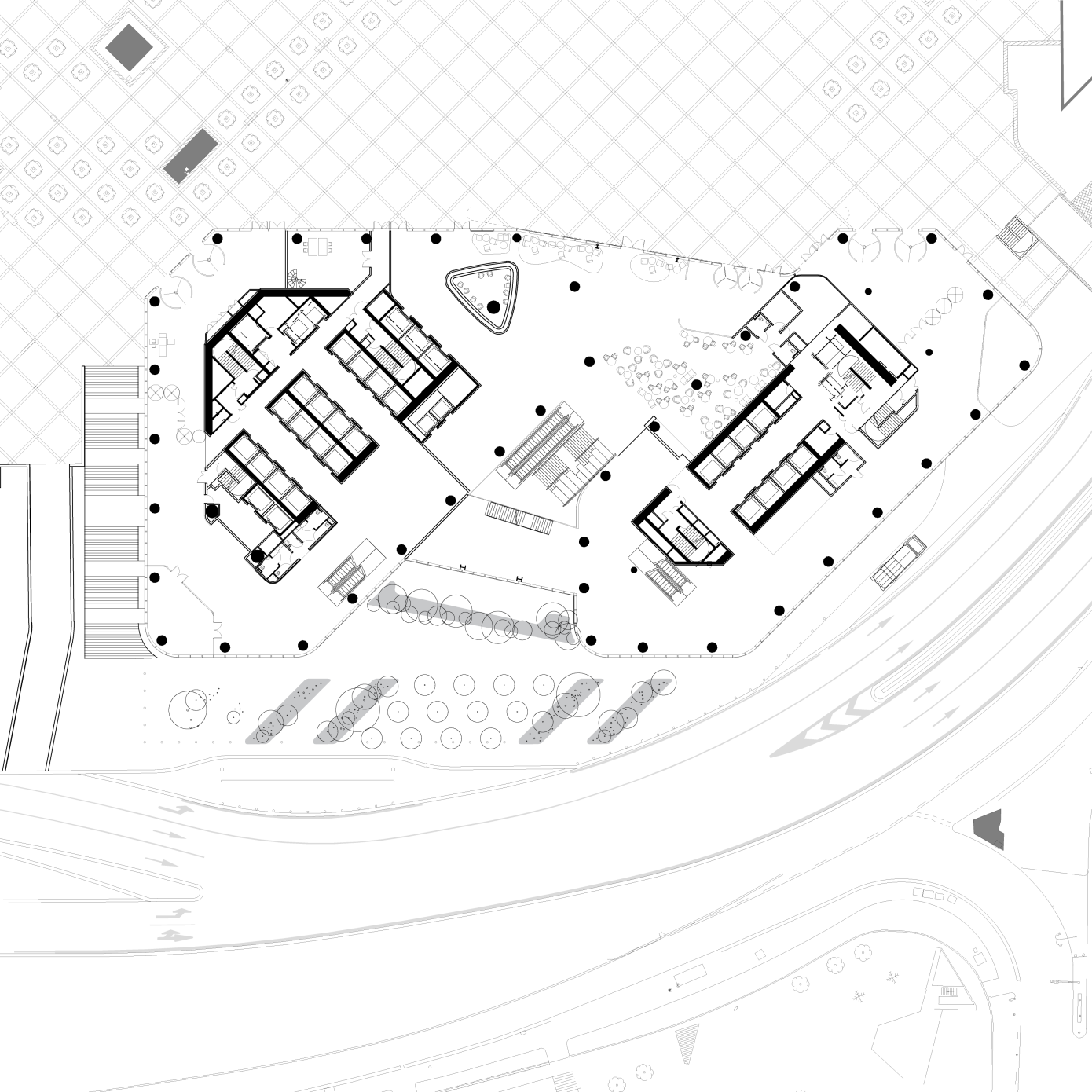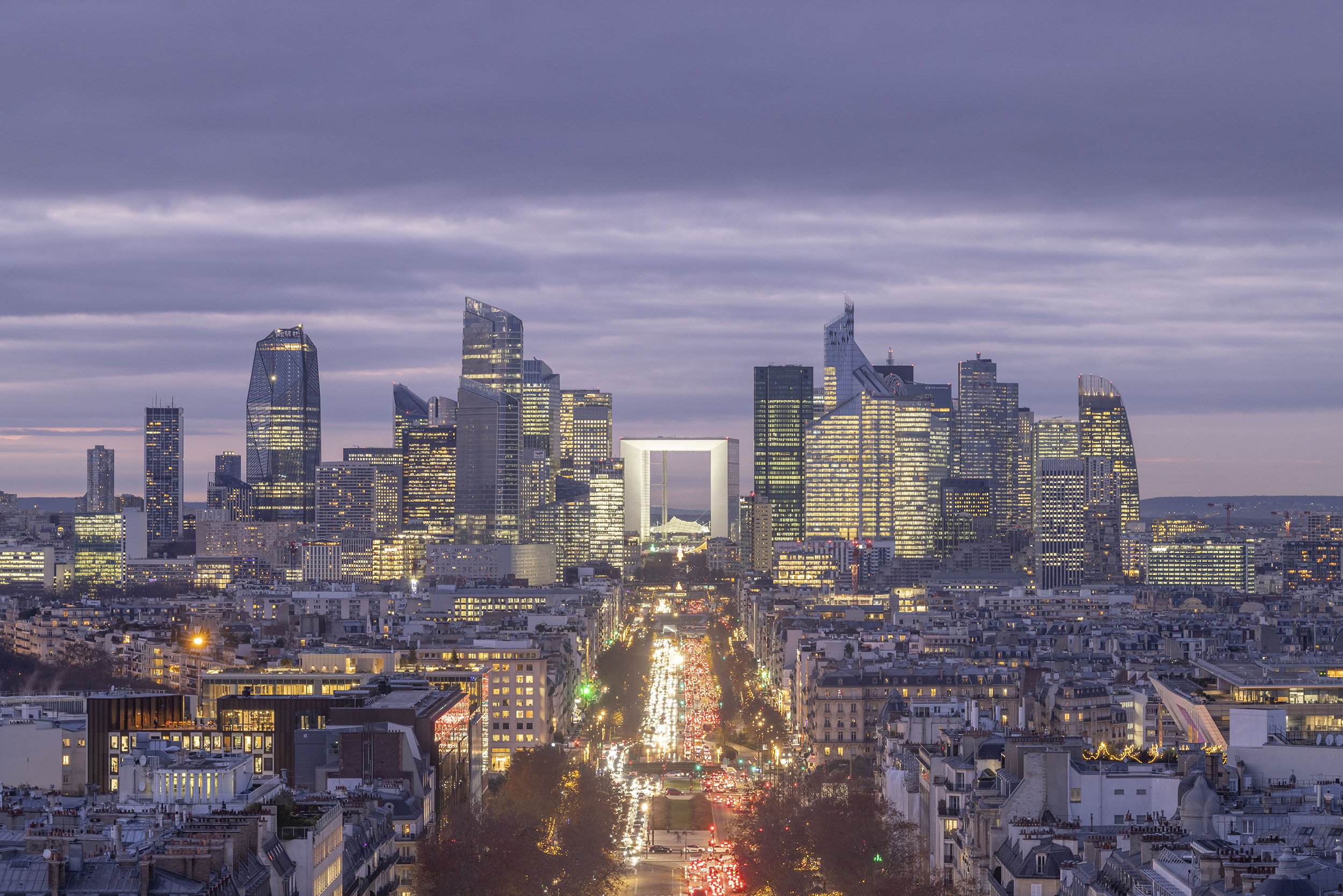
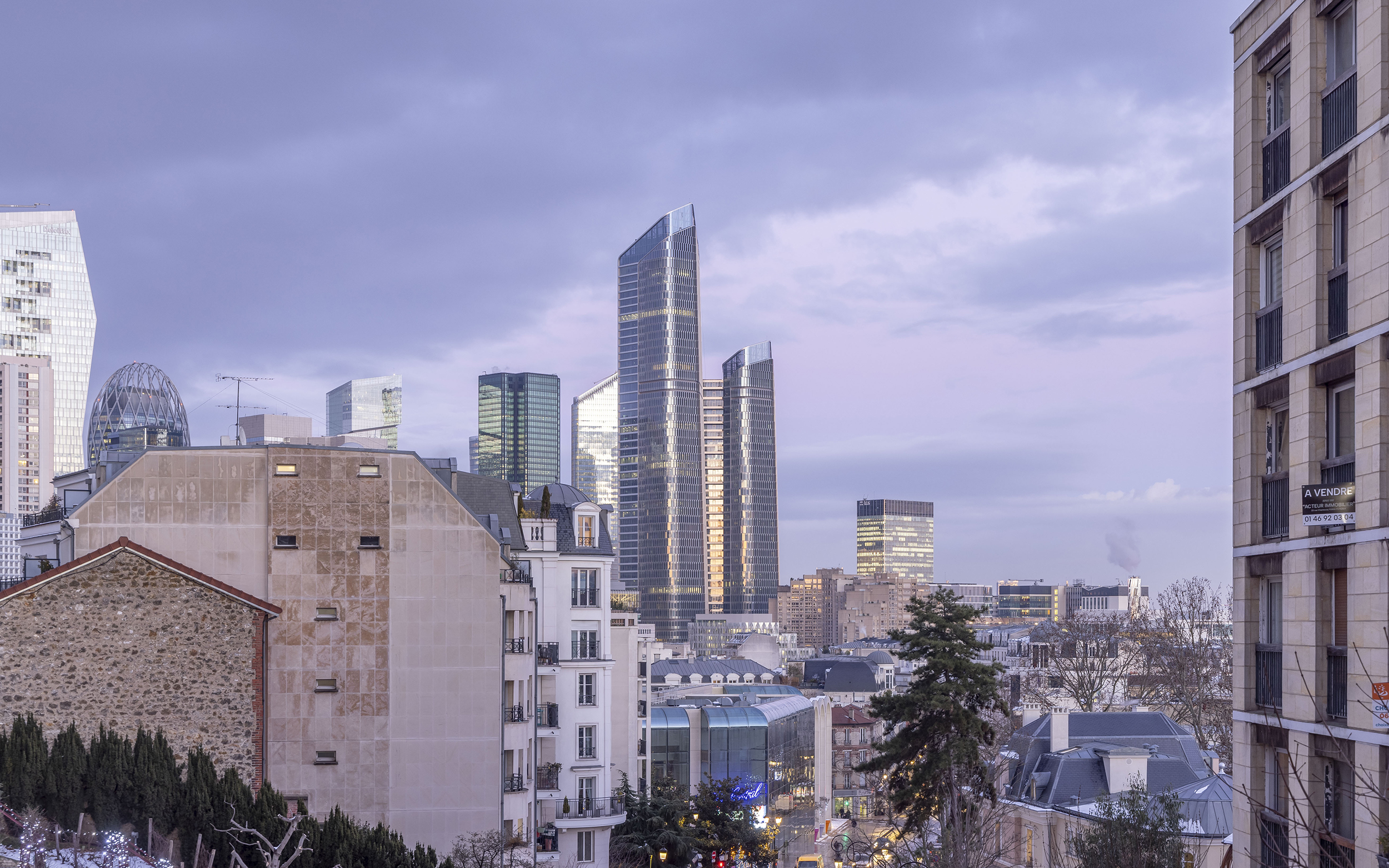
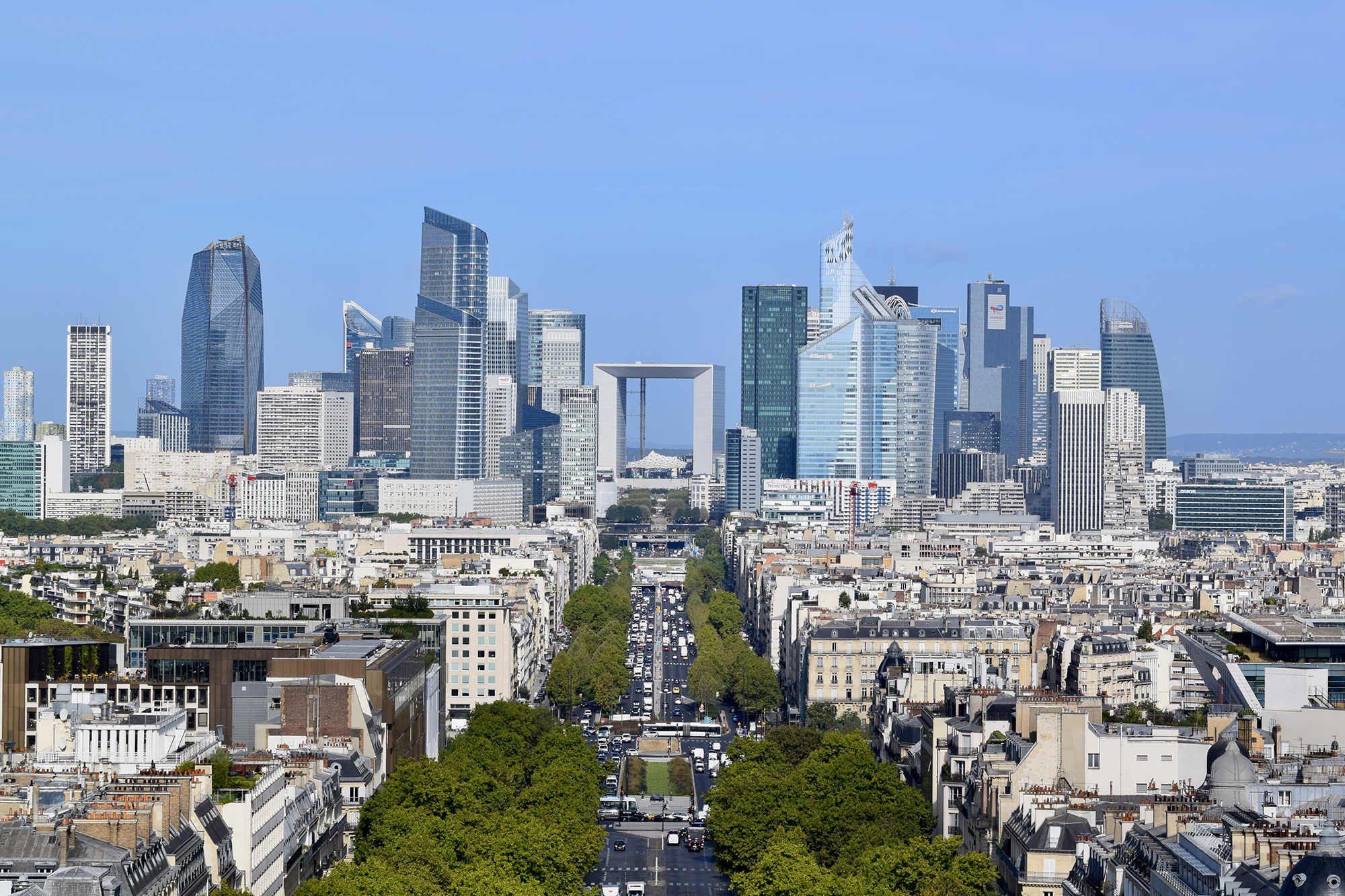
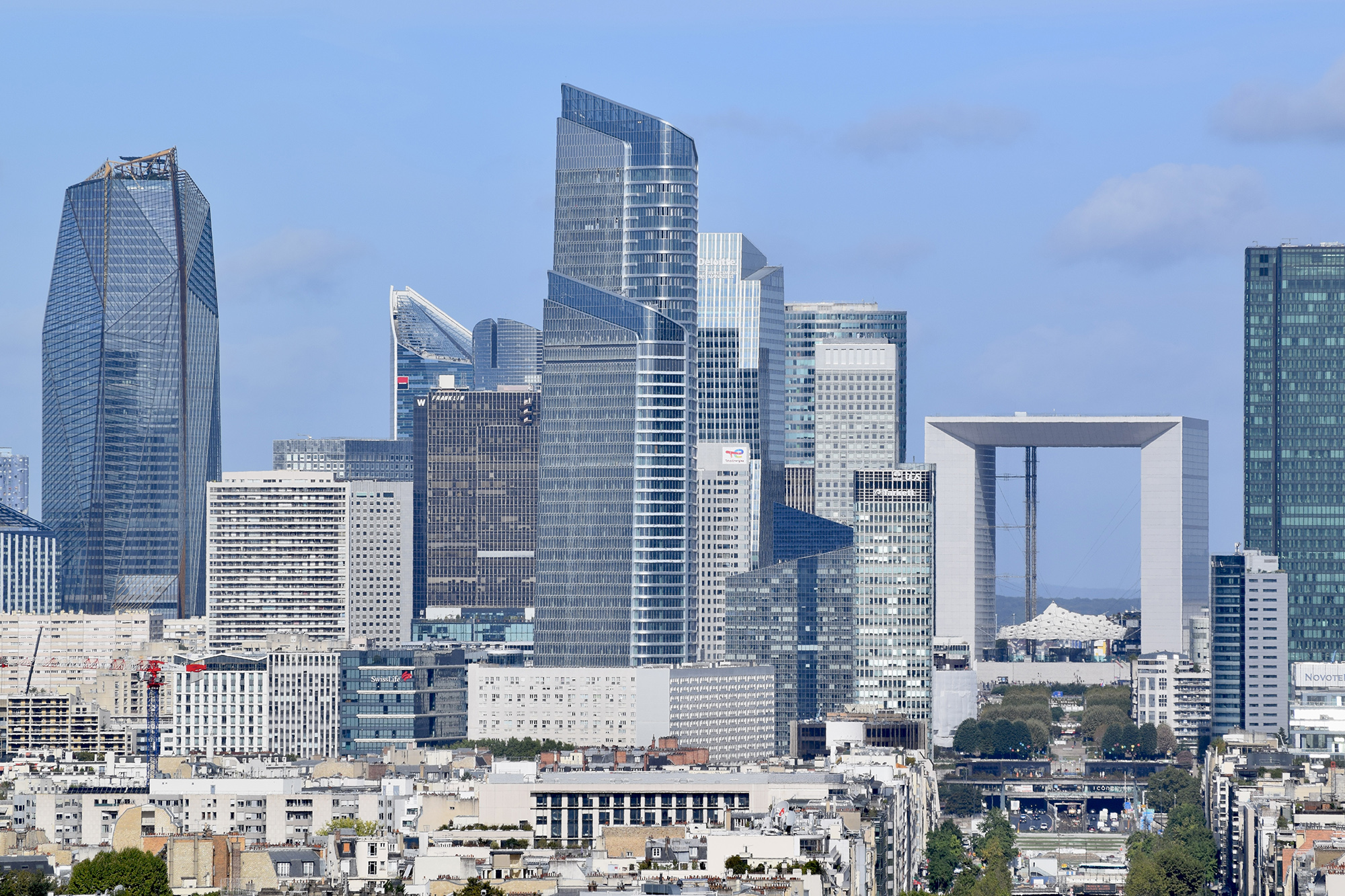
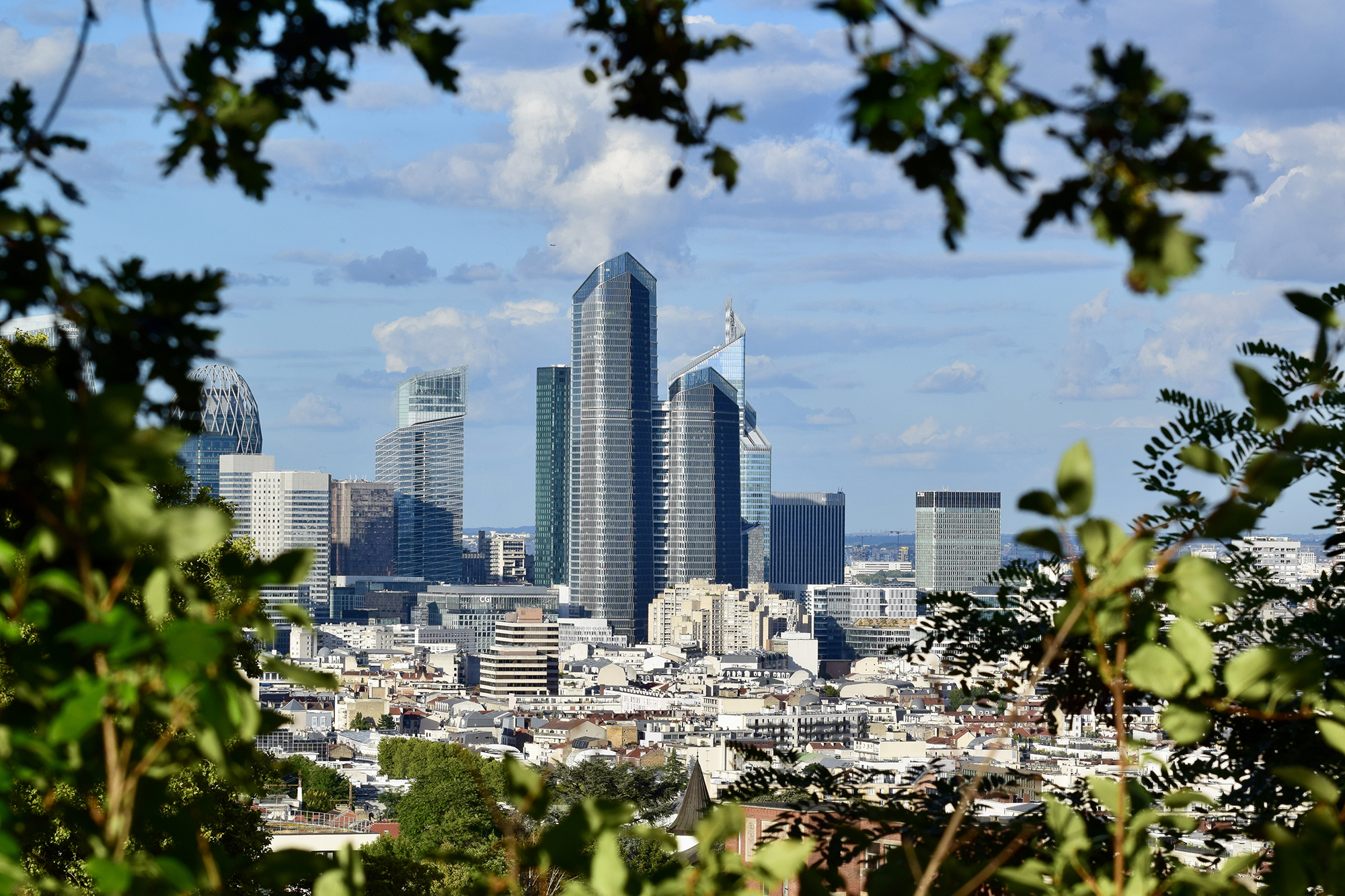
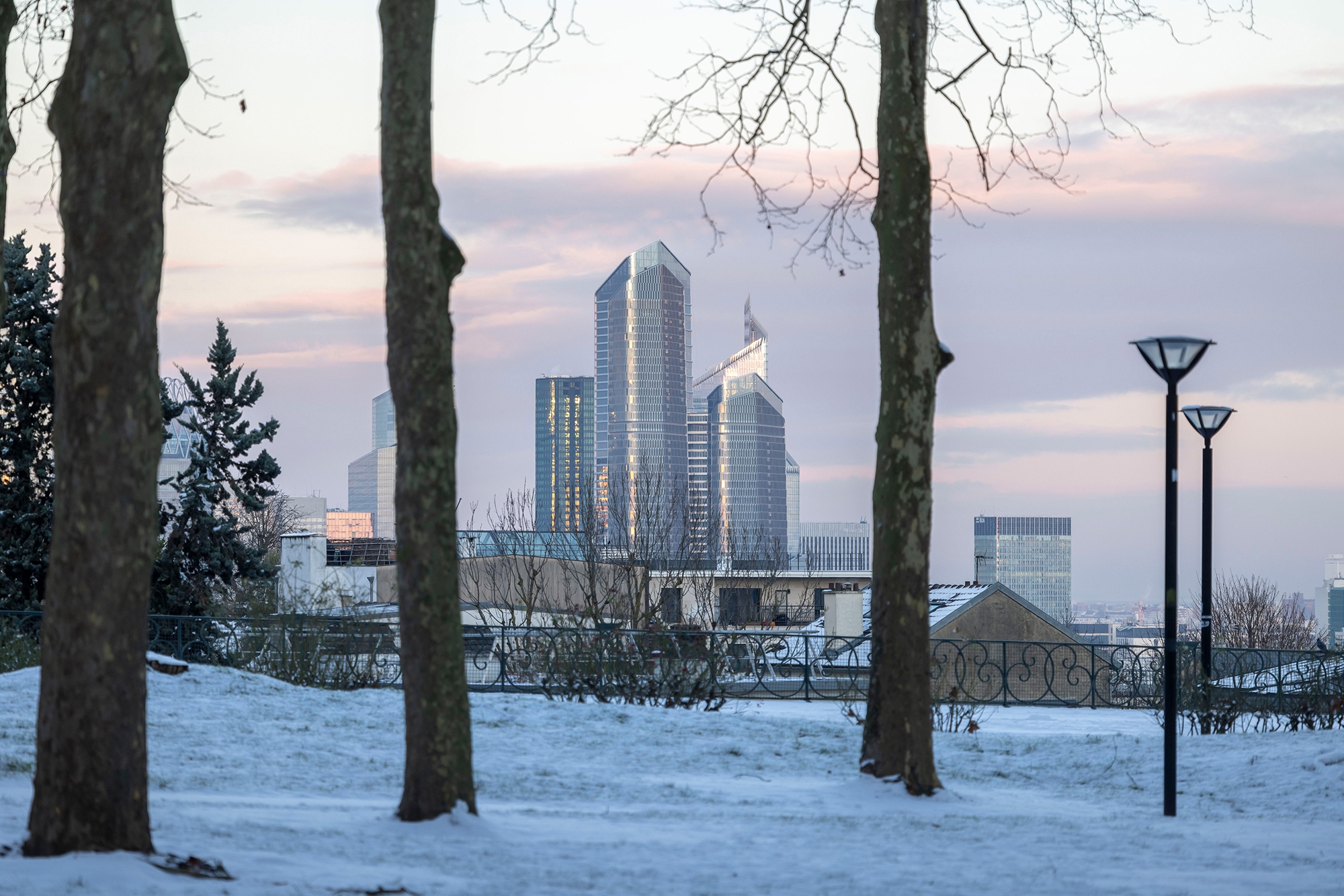
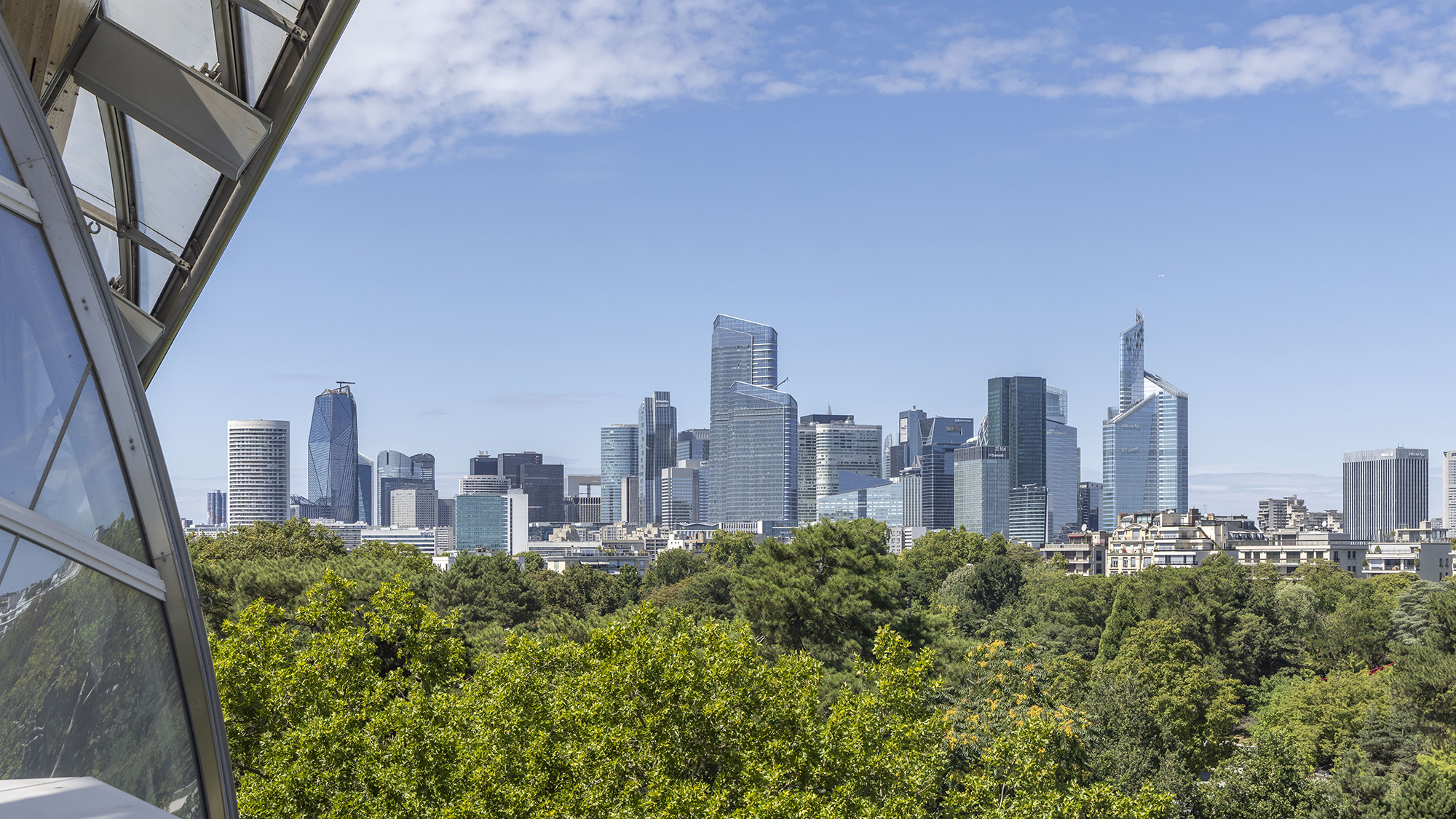
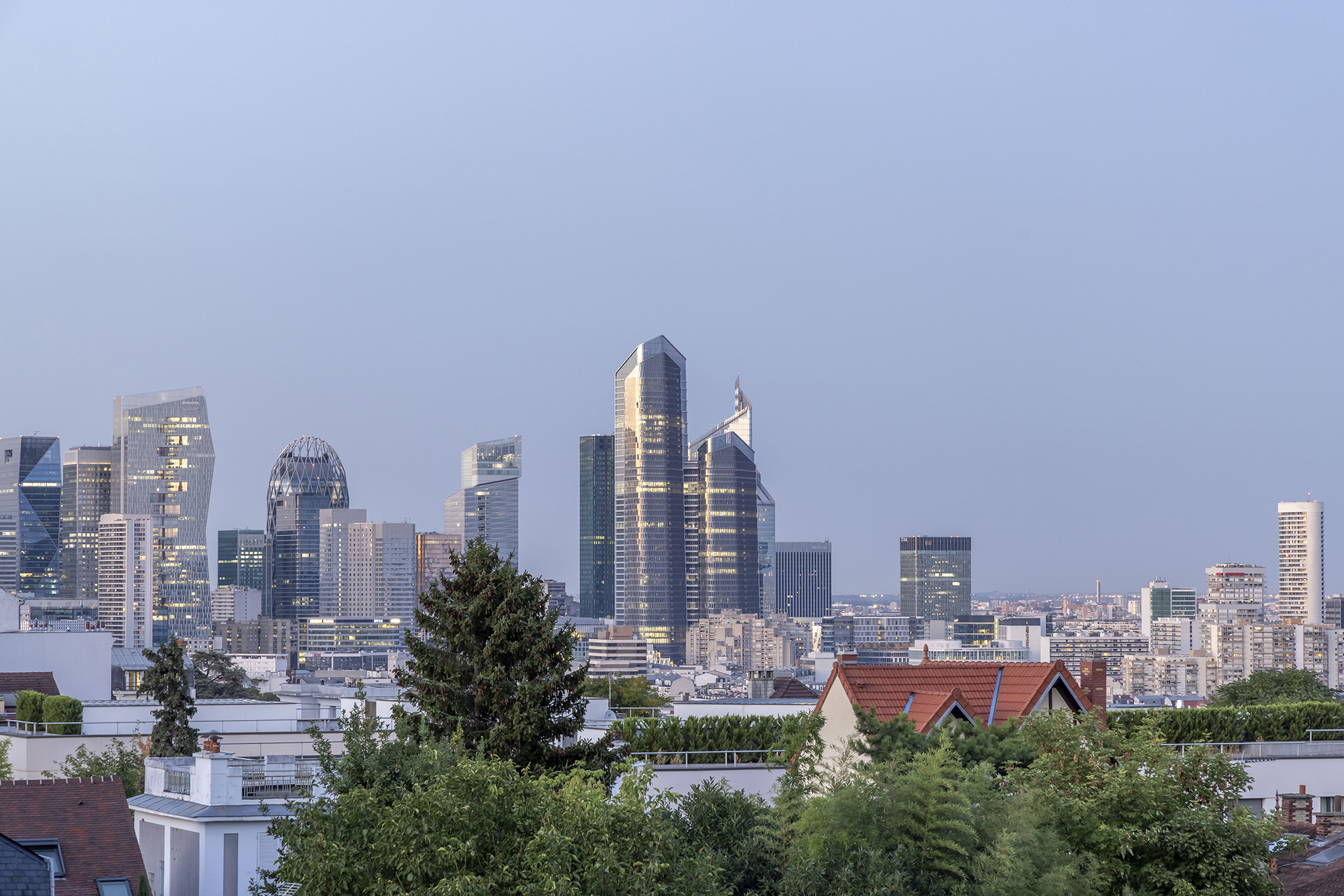
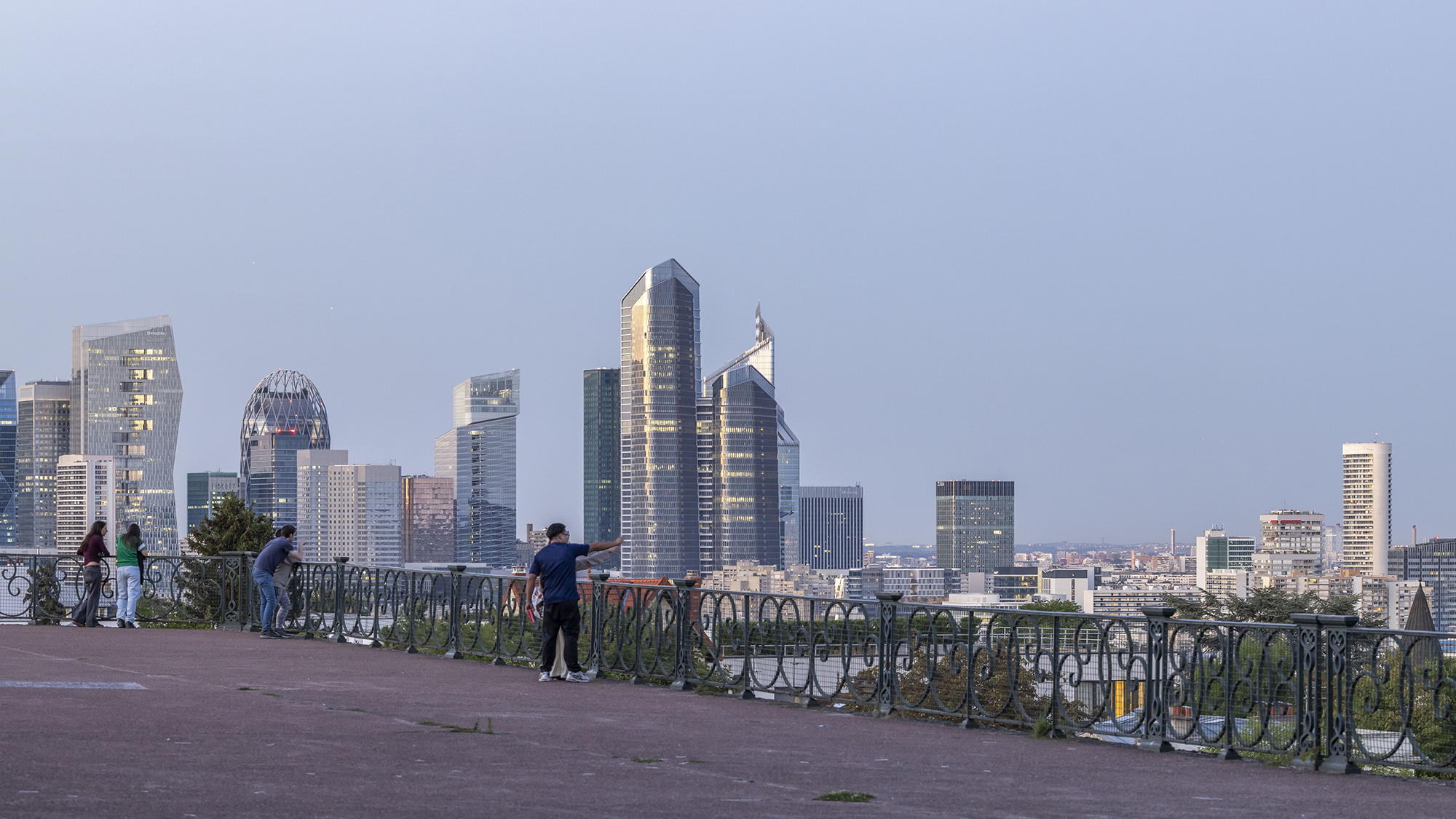
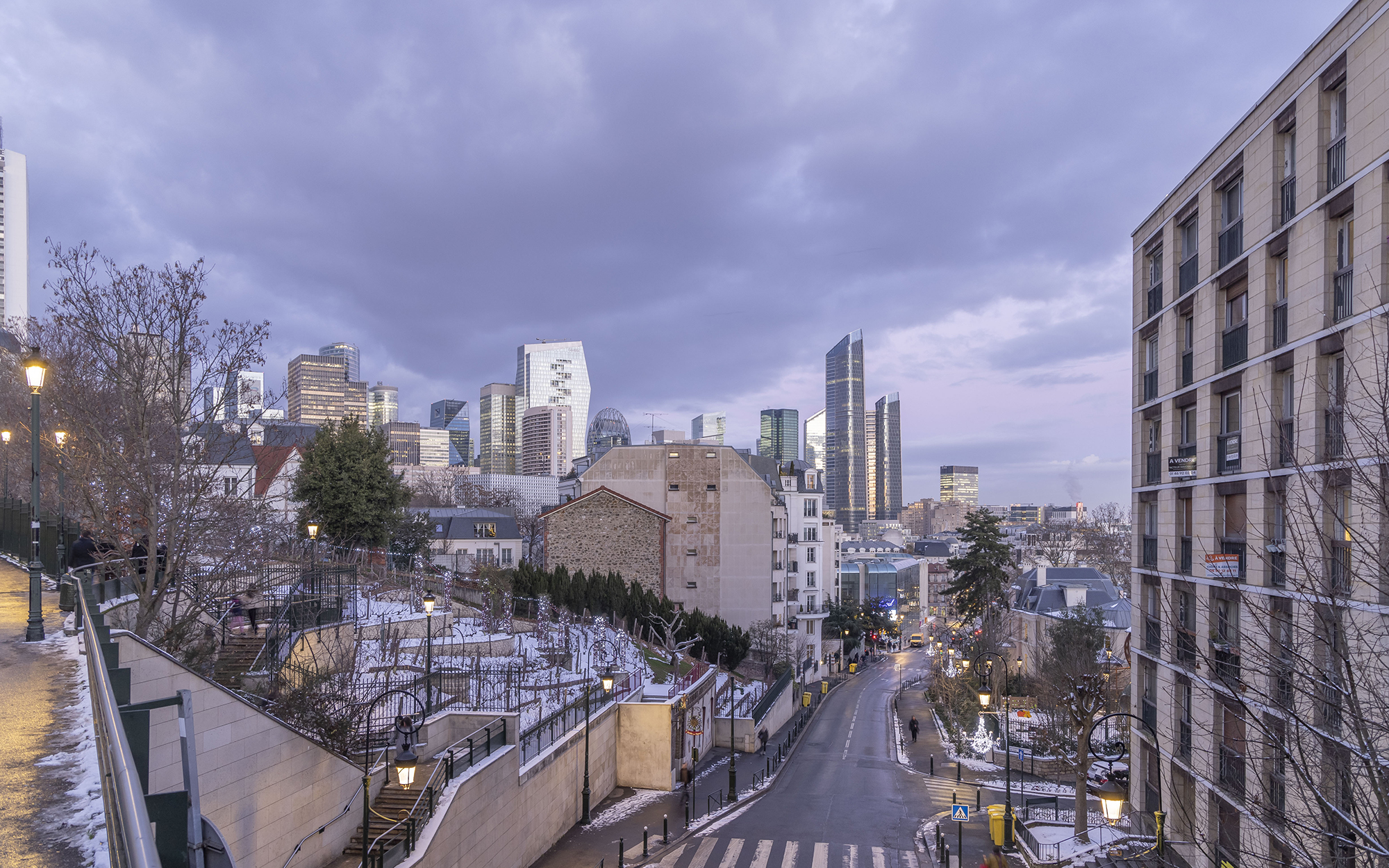
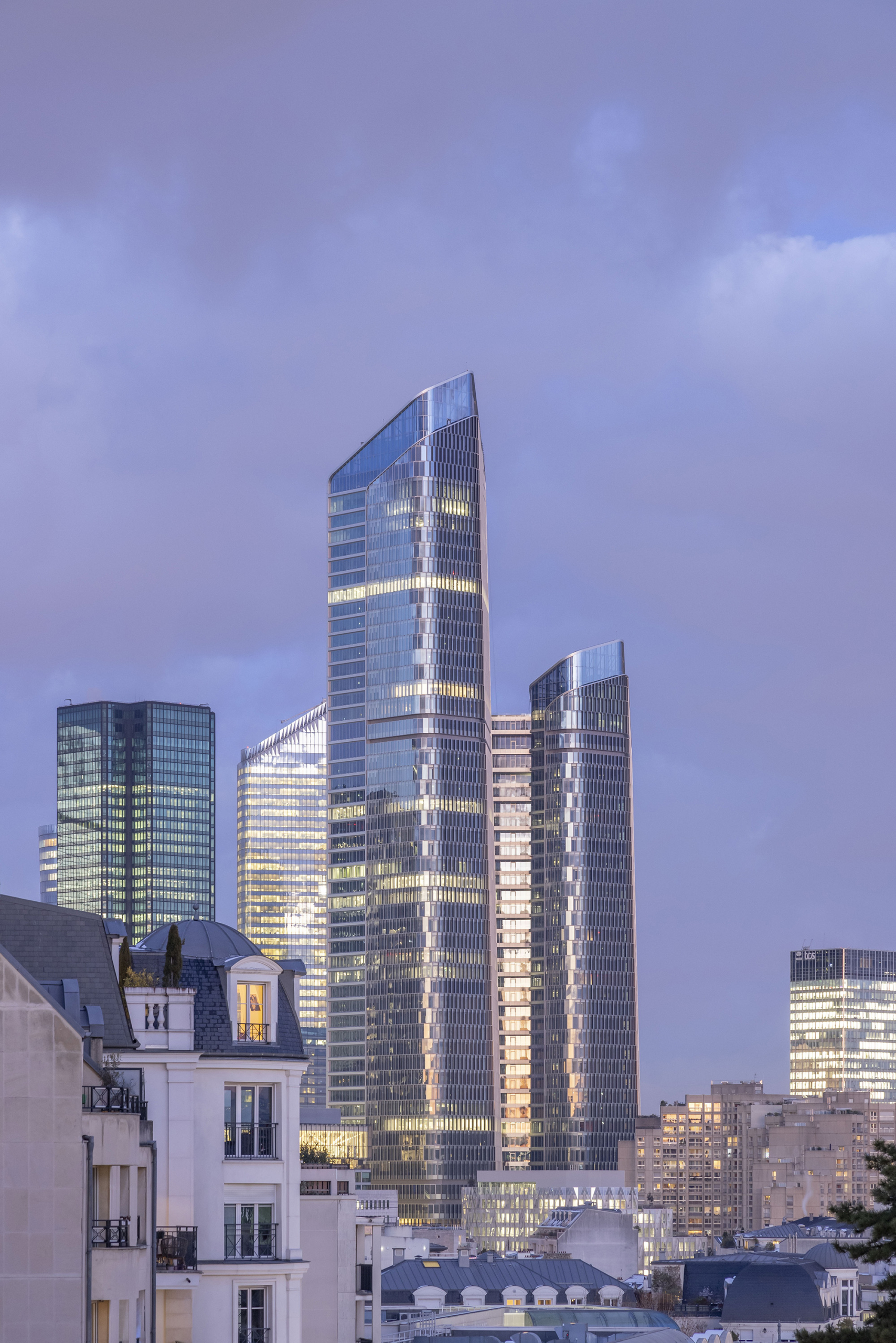
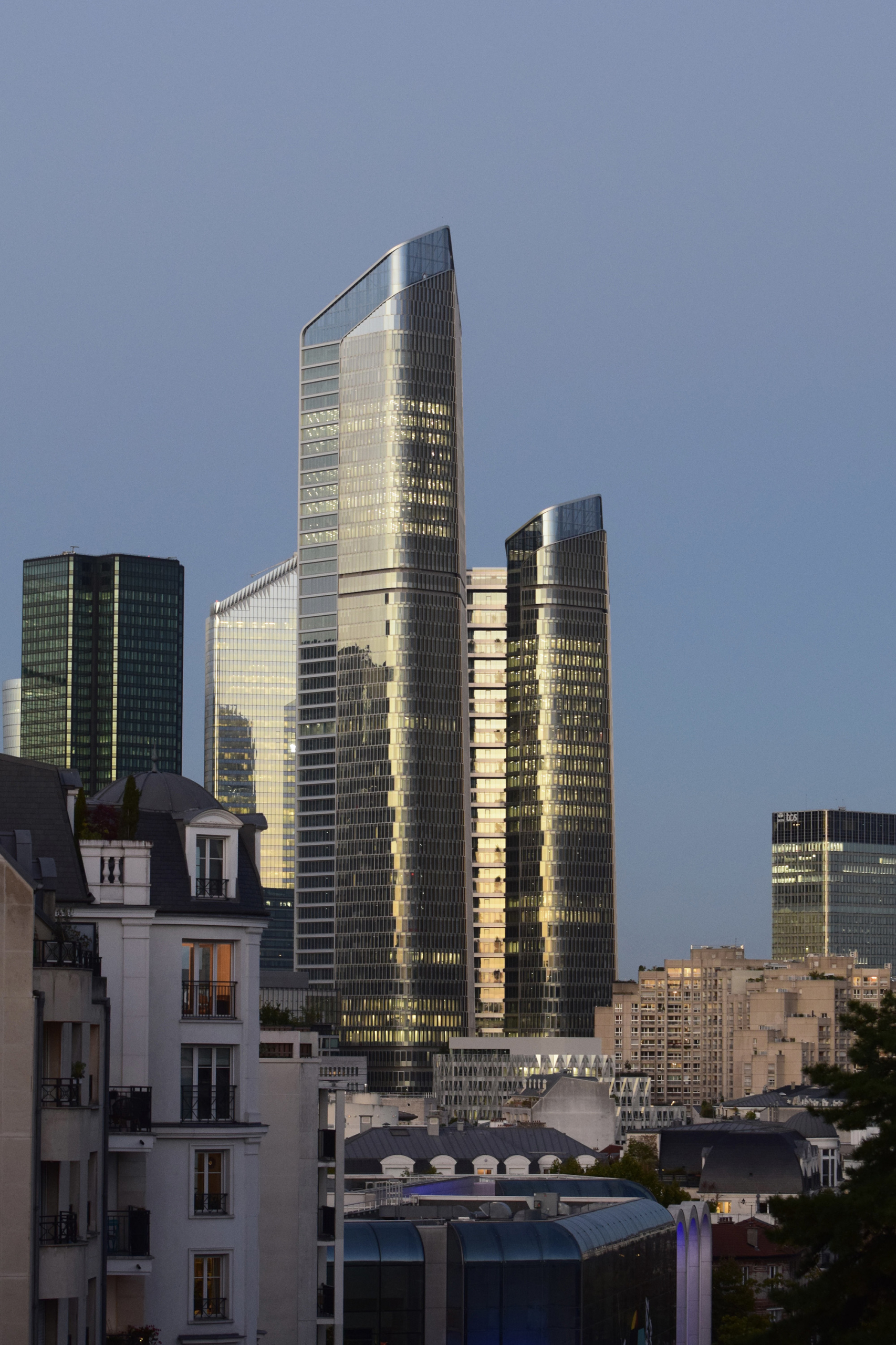
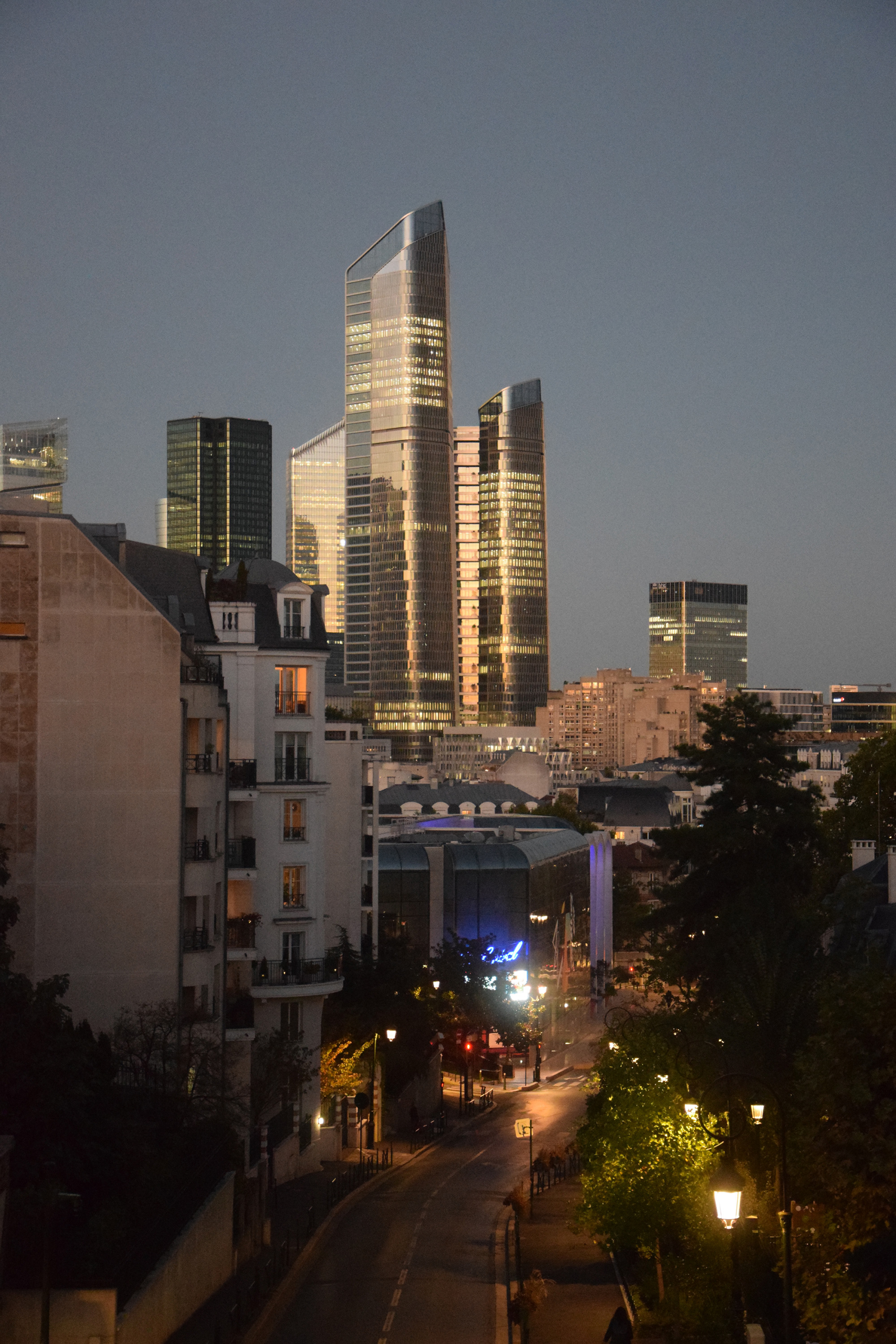
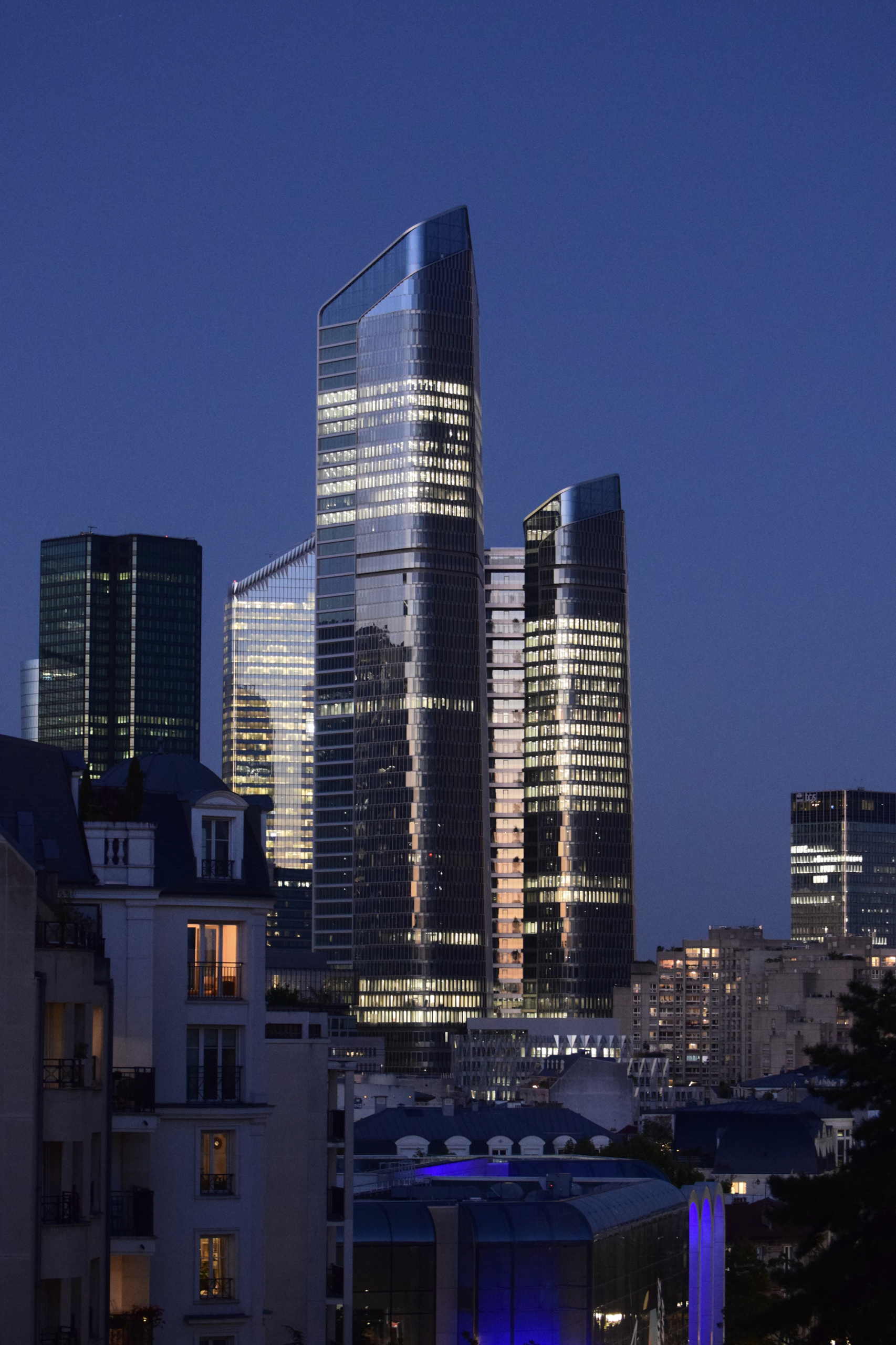
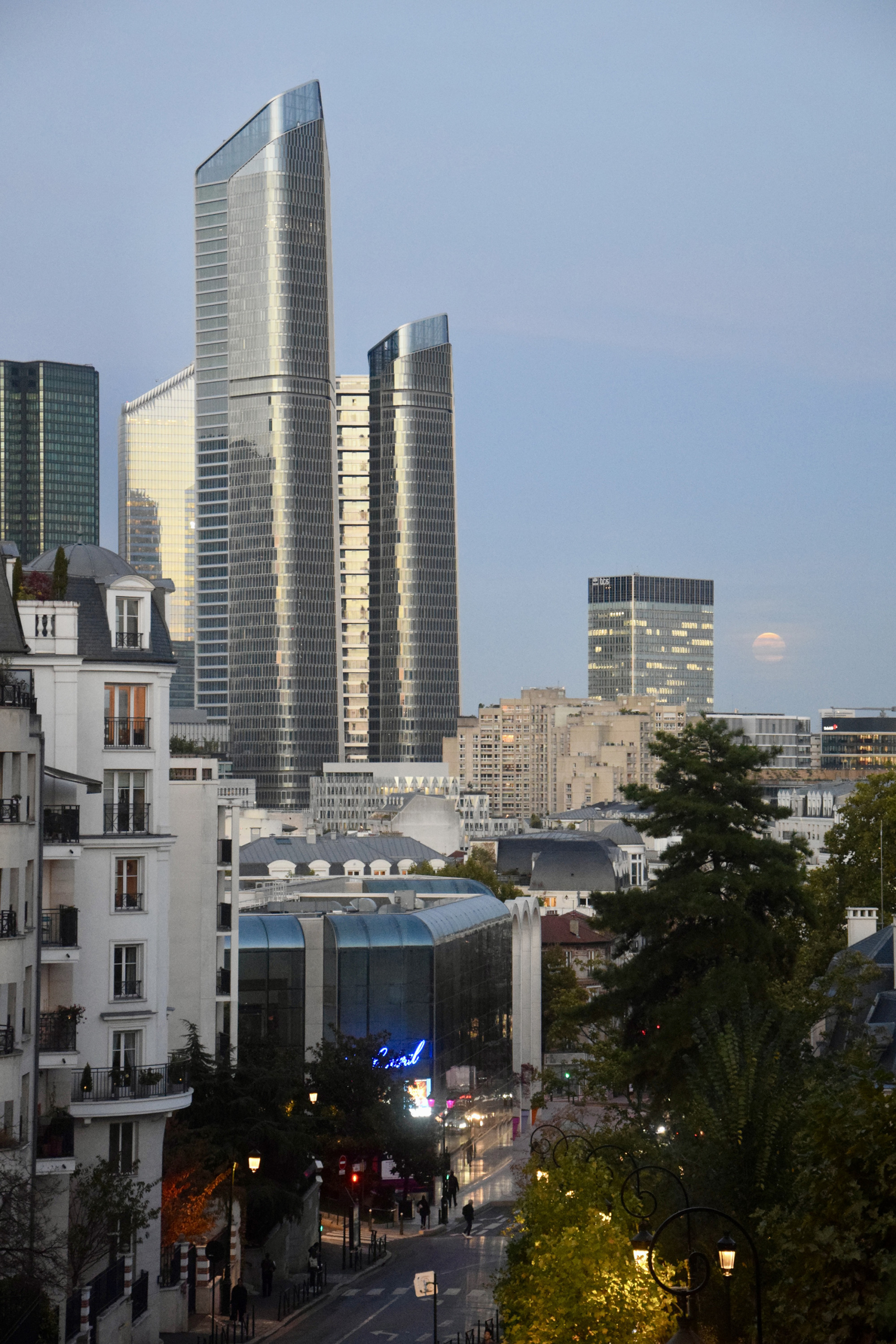
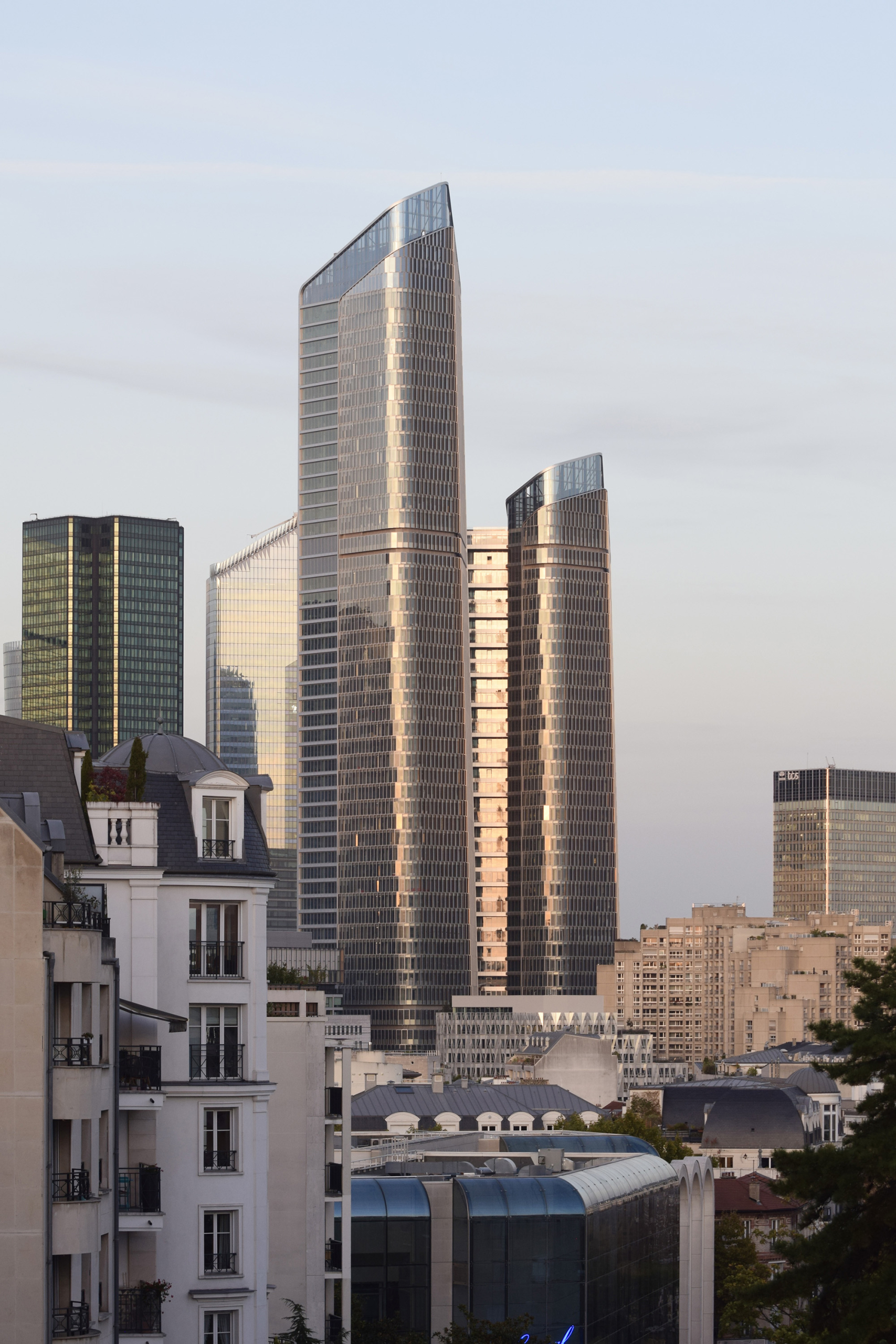
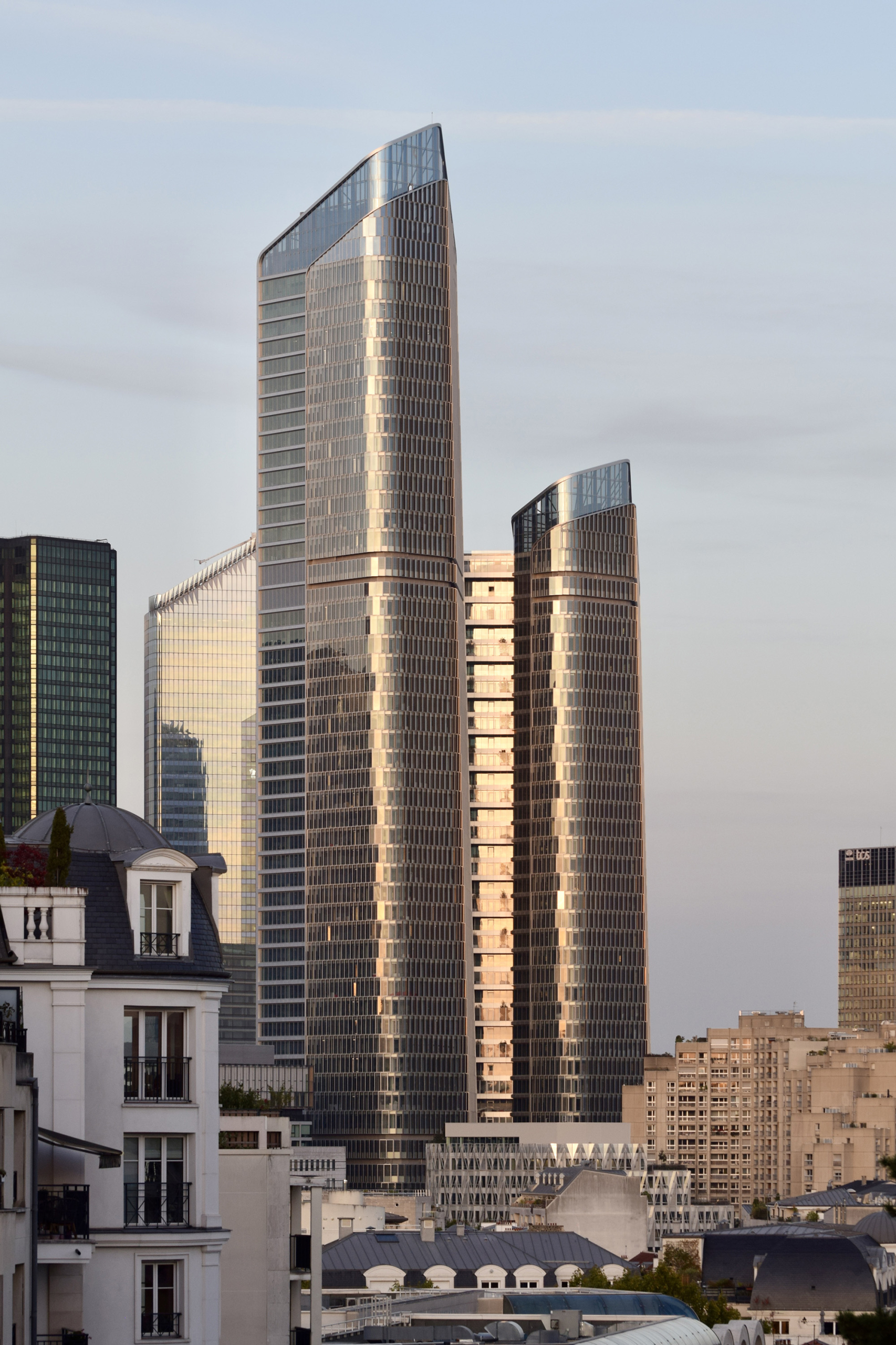
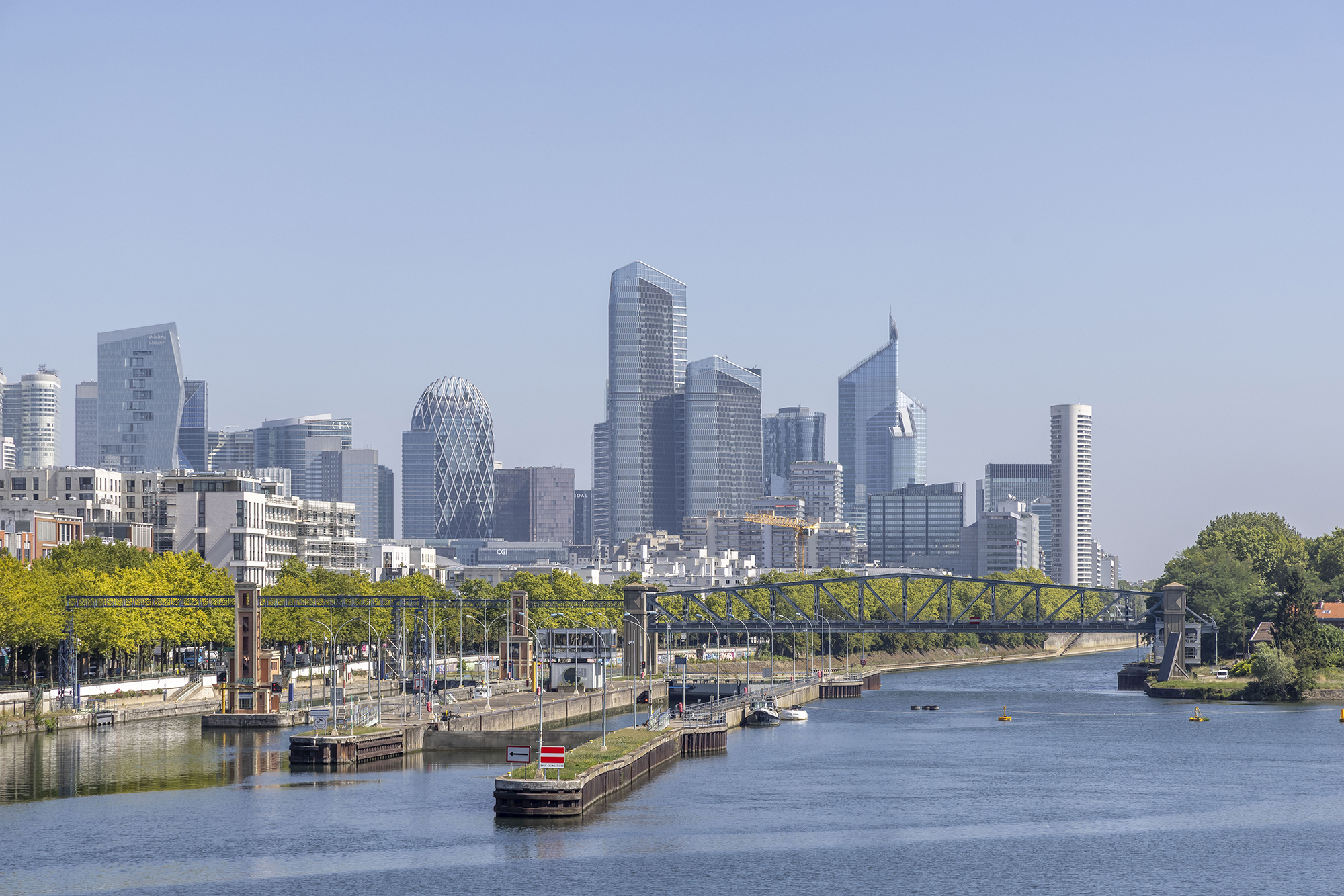
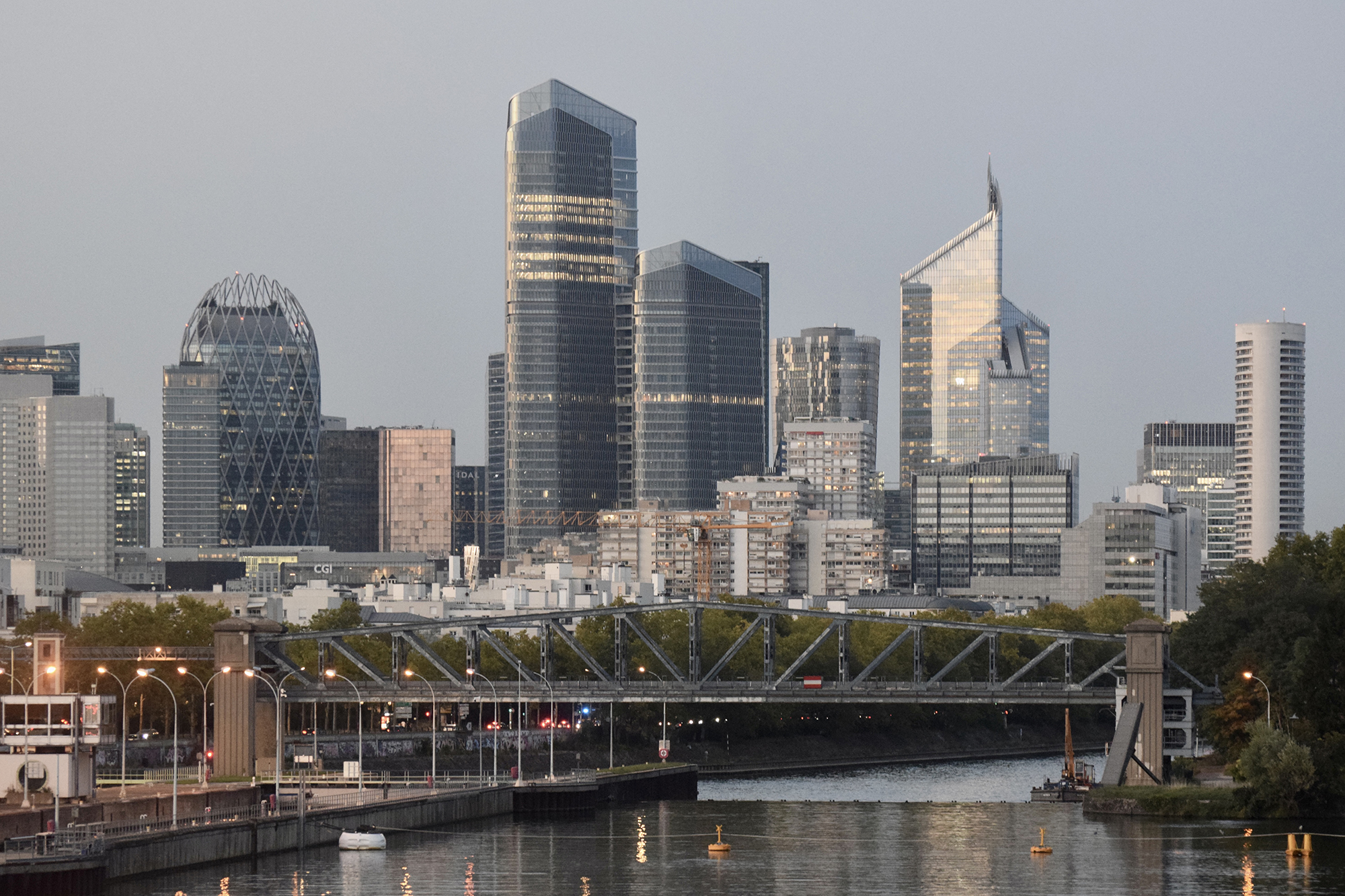
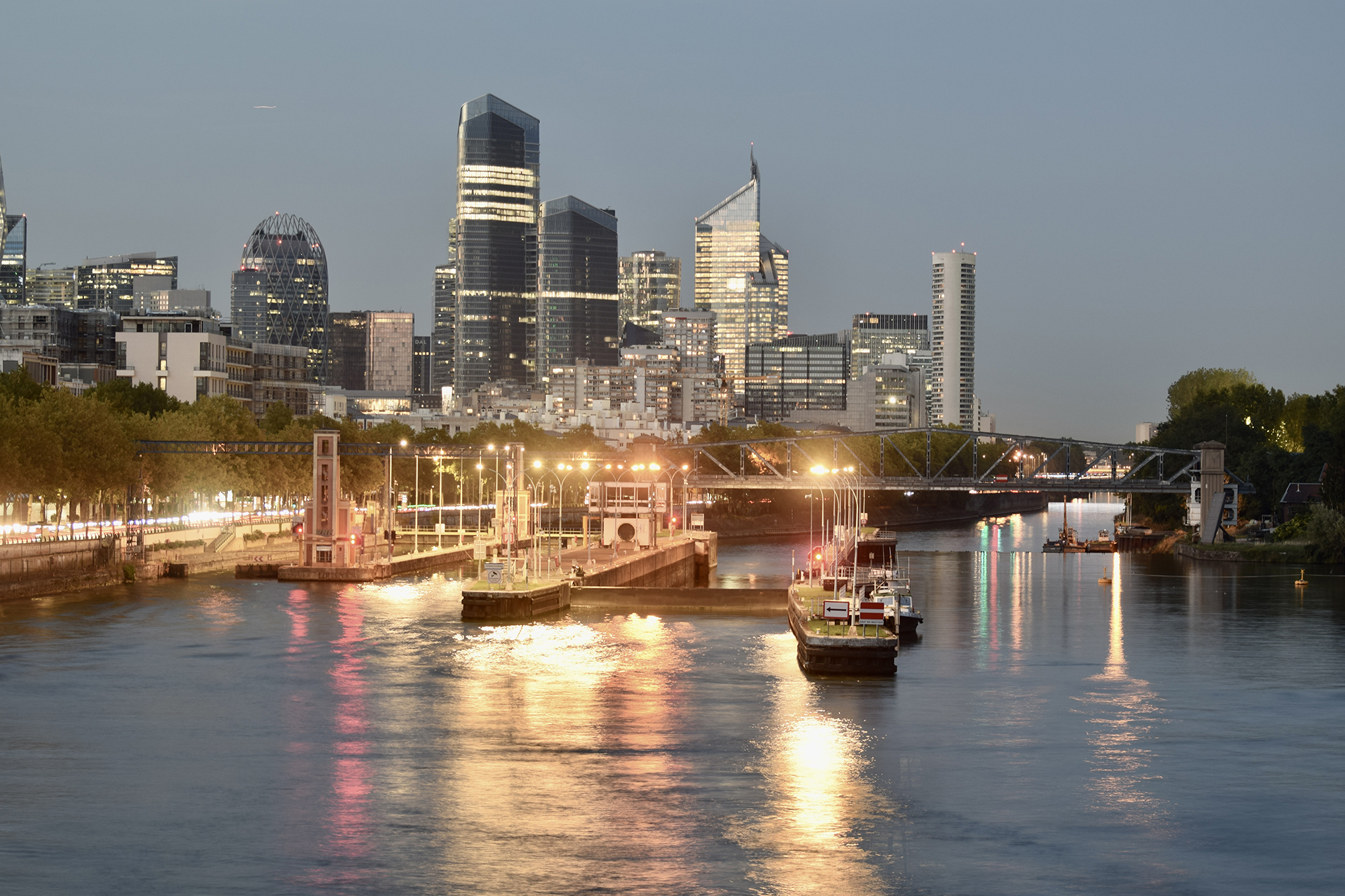
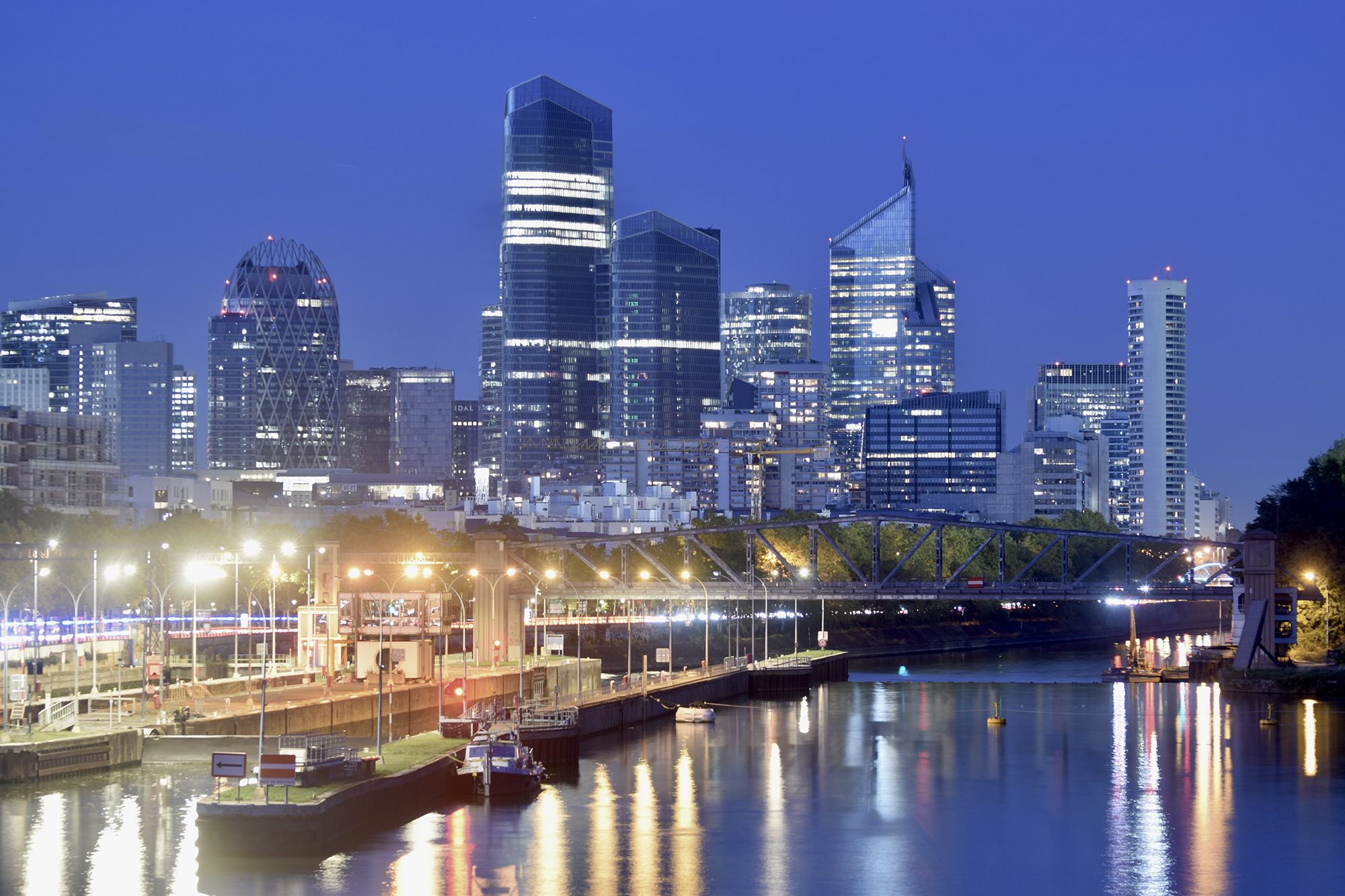
The Link rebalances the skyline of La Défense, mirroring the Tour First along the line of the historic axis that runs from the Louvre to the Grande Arche de La Défense via the Champs-Élysées. It offers a new landmark visible across the whole of the Paris metropolis and contributes to transforming the business district into a calmer place to live, reconnected with the city. The Link’s strategic location, at the boundary between the elevated deck and the town of Puteaux, makes it possible to create a new way into La Défense from the city — in particular for people with reduced mobility and for cyclists. These works prefigure the transformation of the ring road into a calmer urban boulevard, designed for pedestrians and soft mobility. Finally, The Link sets in motion the complete renovation of the cours Michelet — one of the historic neighbourhoods of La Défense, which had seen no major transformation since the 1980s — through a landscape project that opens it up.
Rethinking the tower model
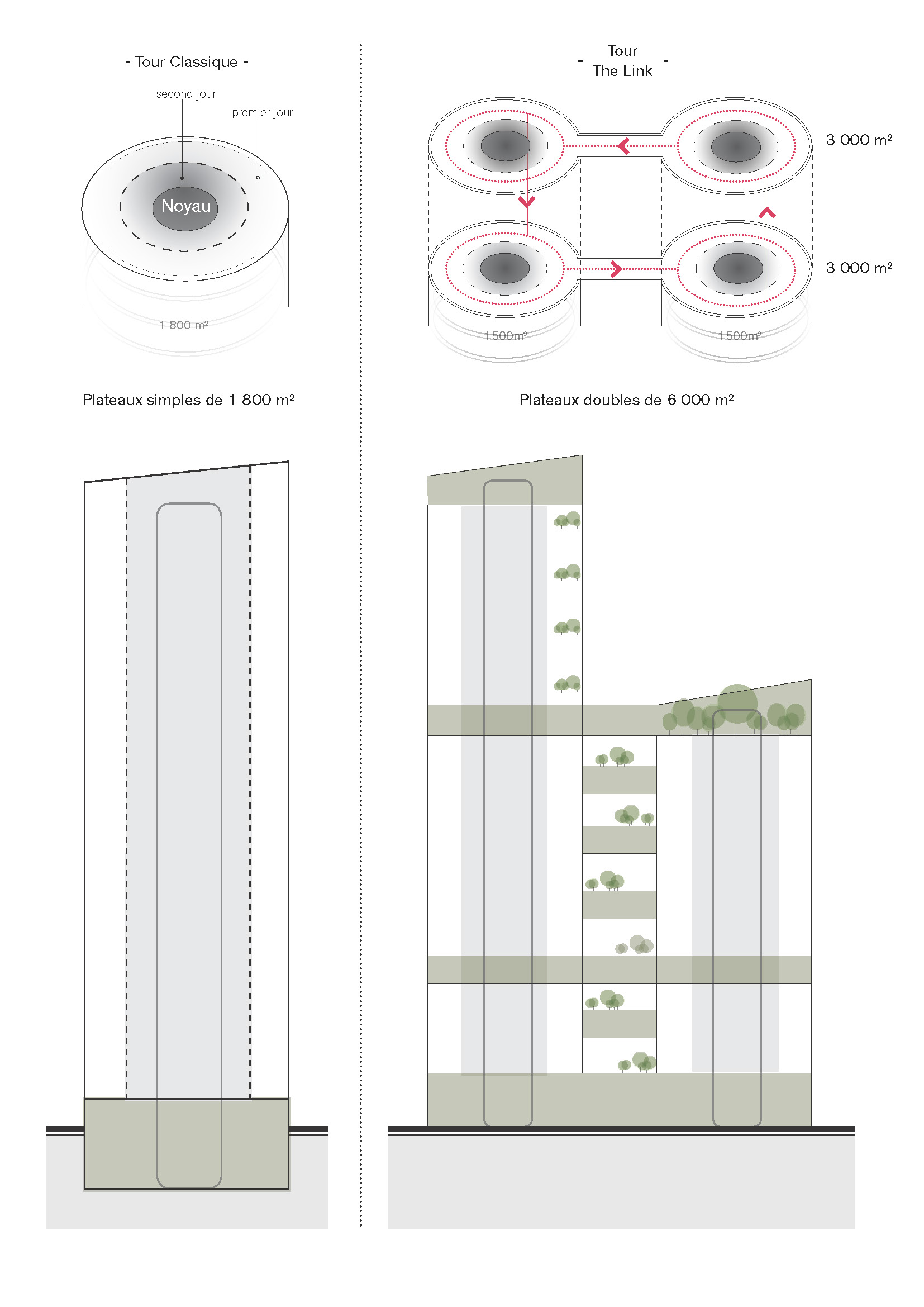
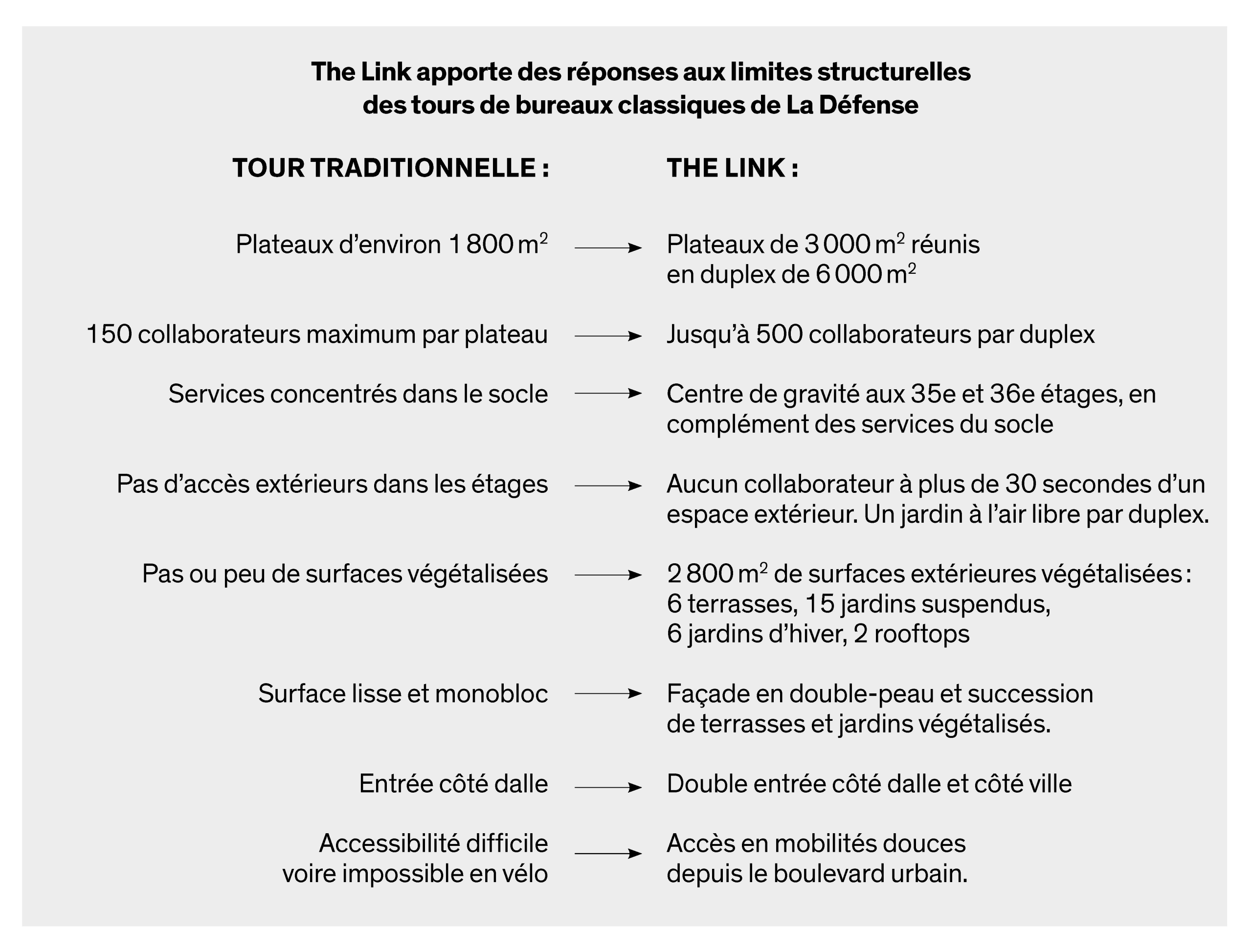
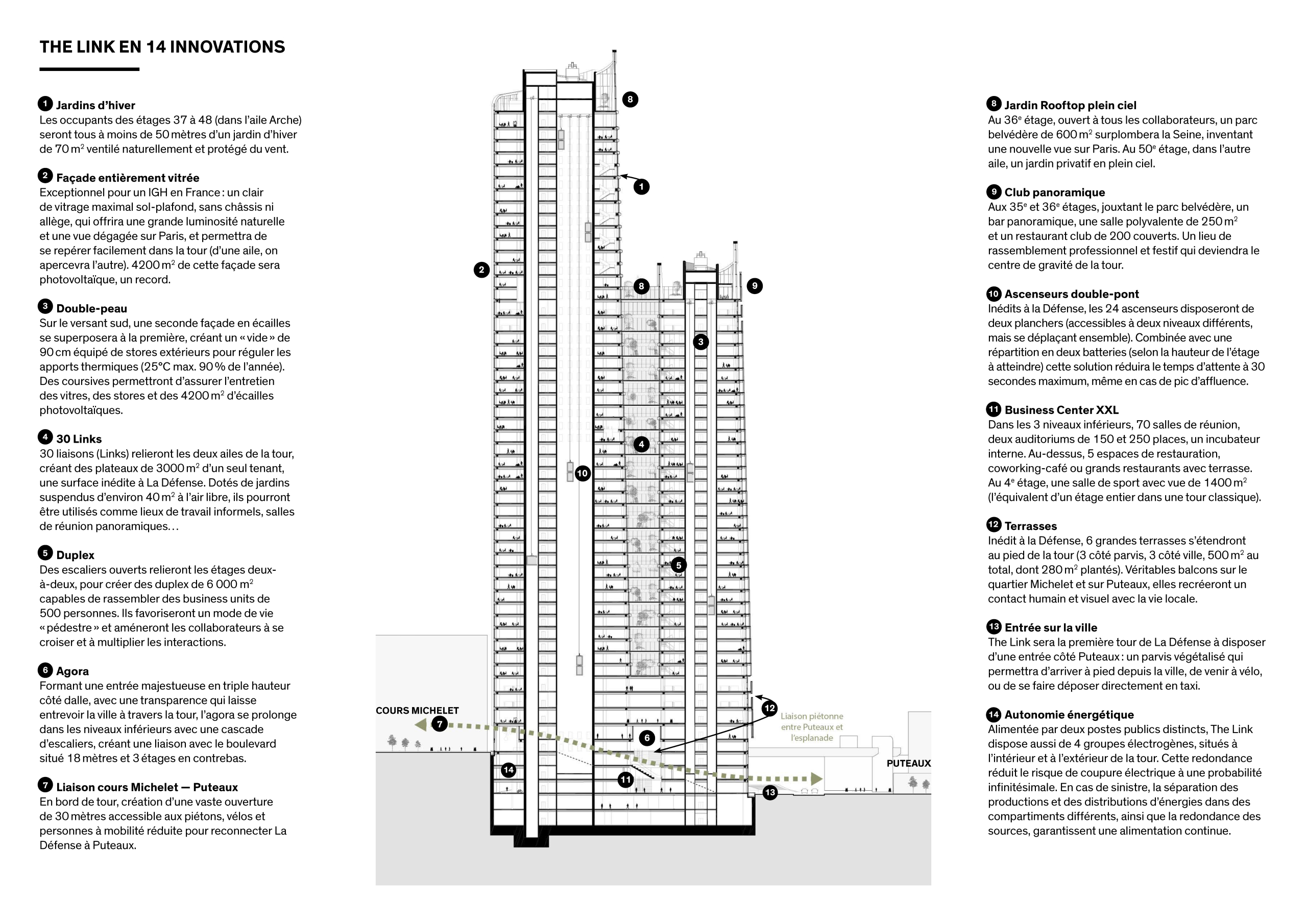
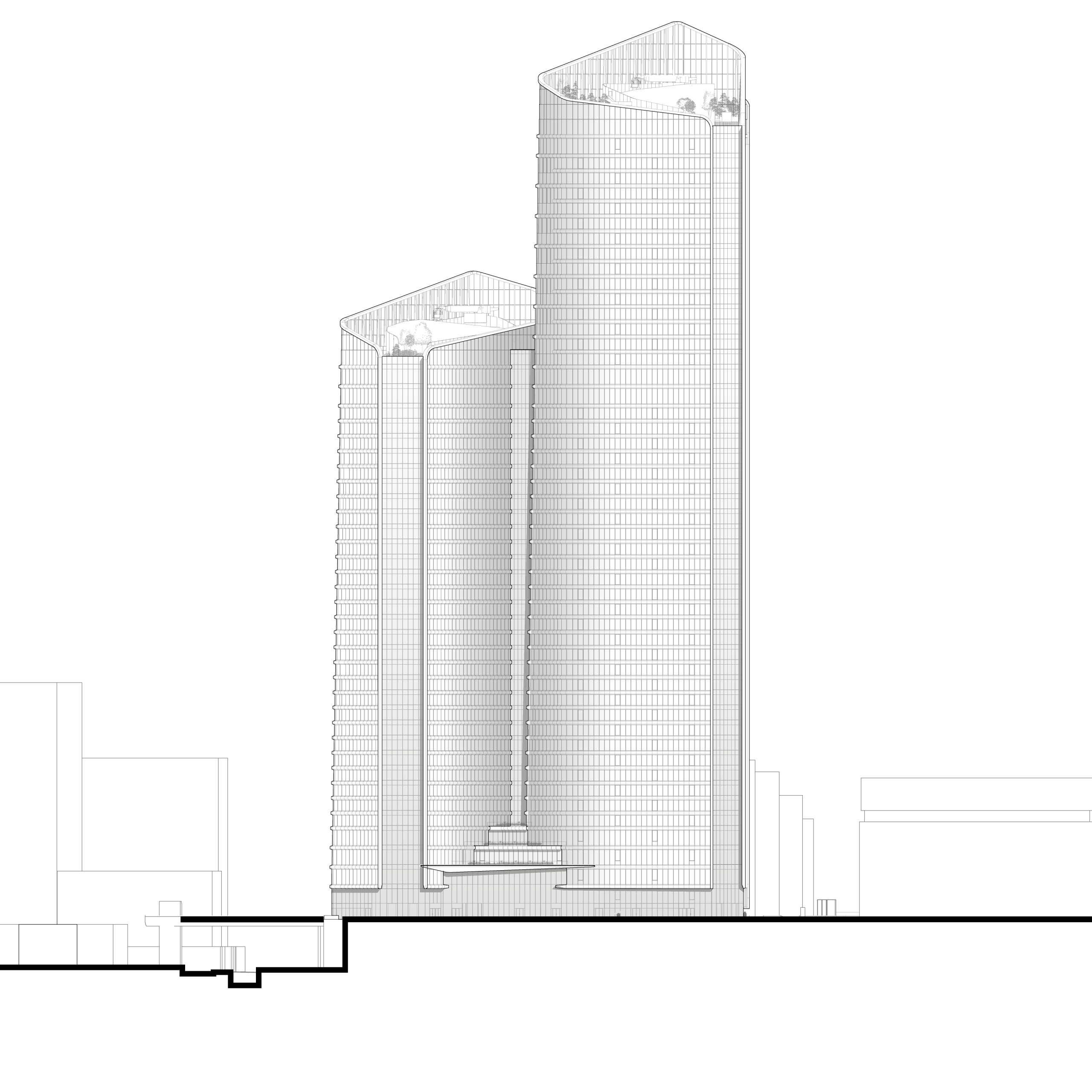
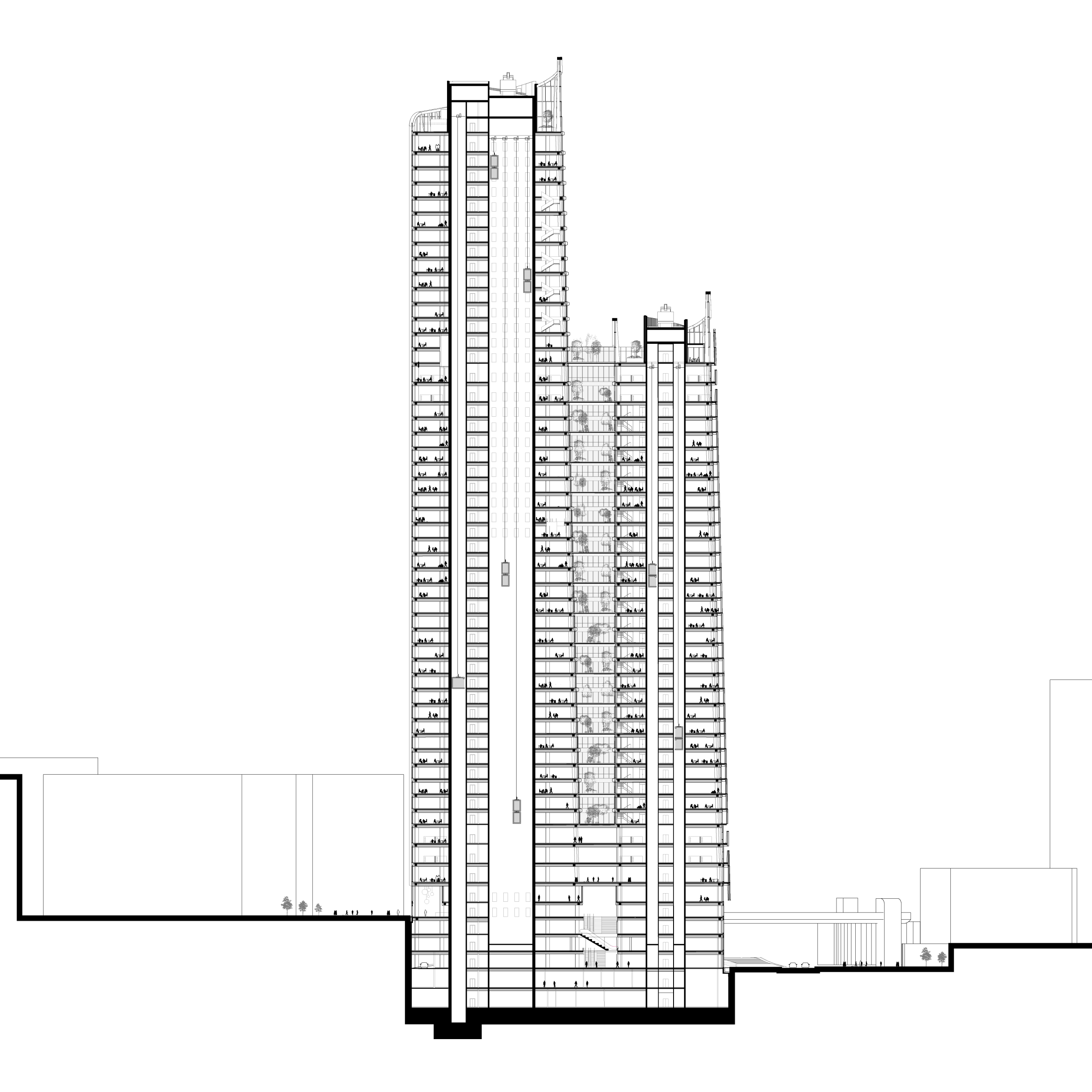
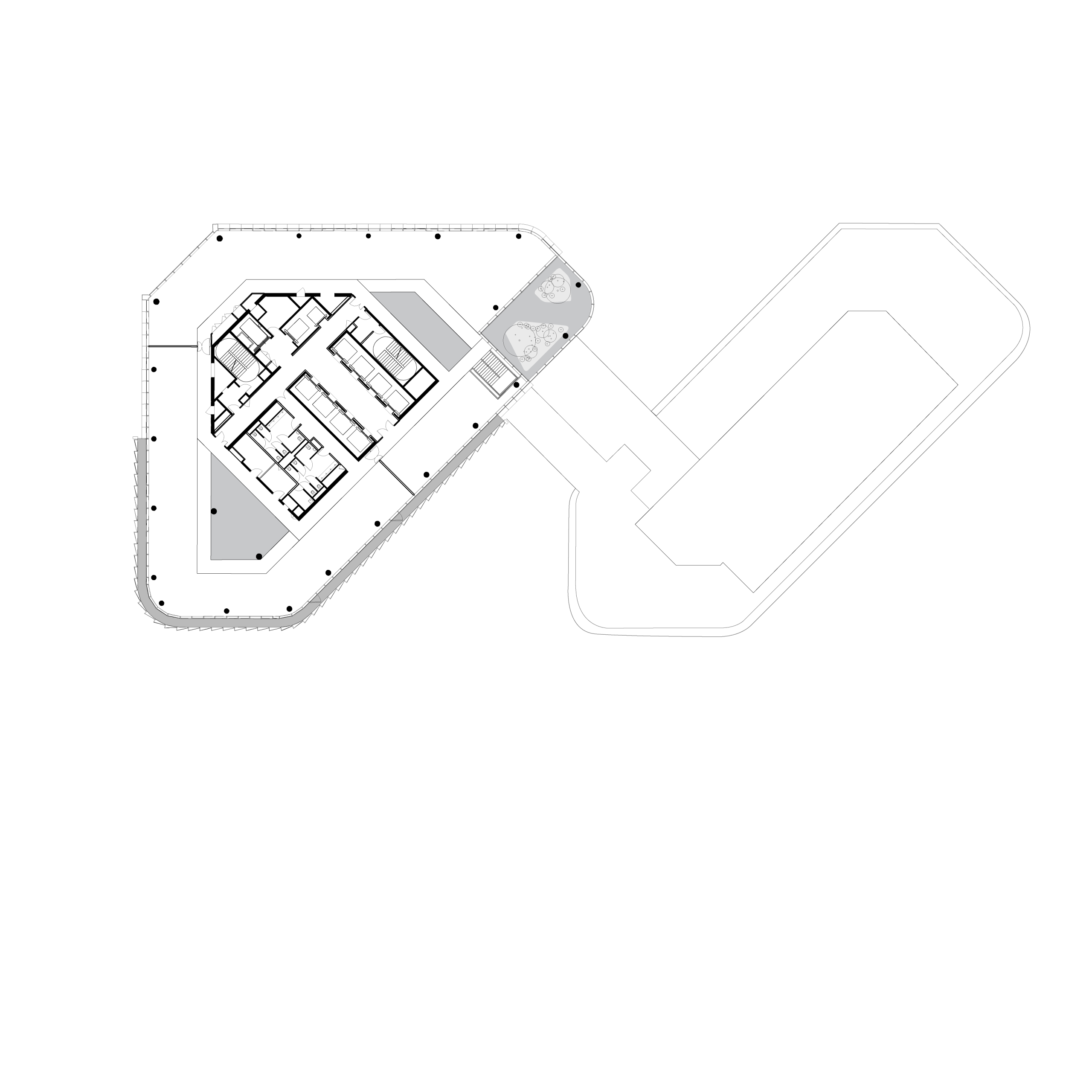
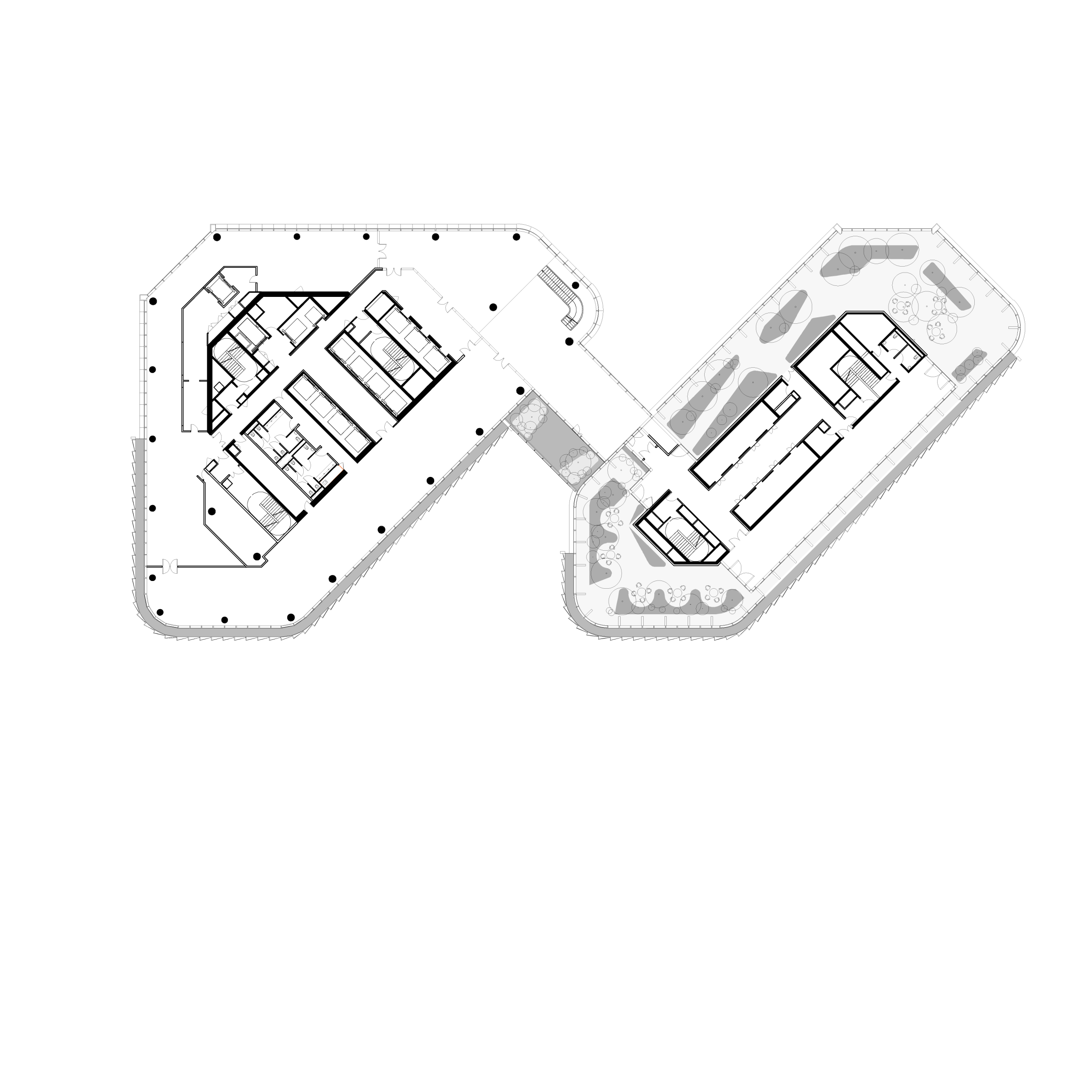
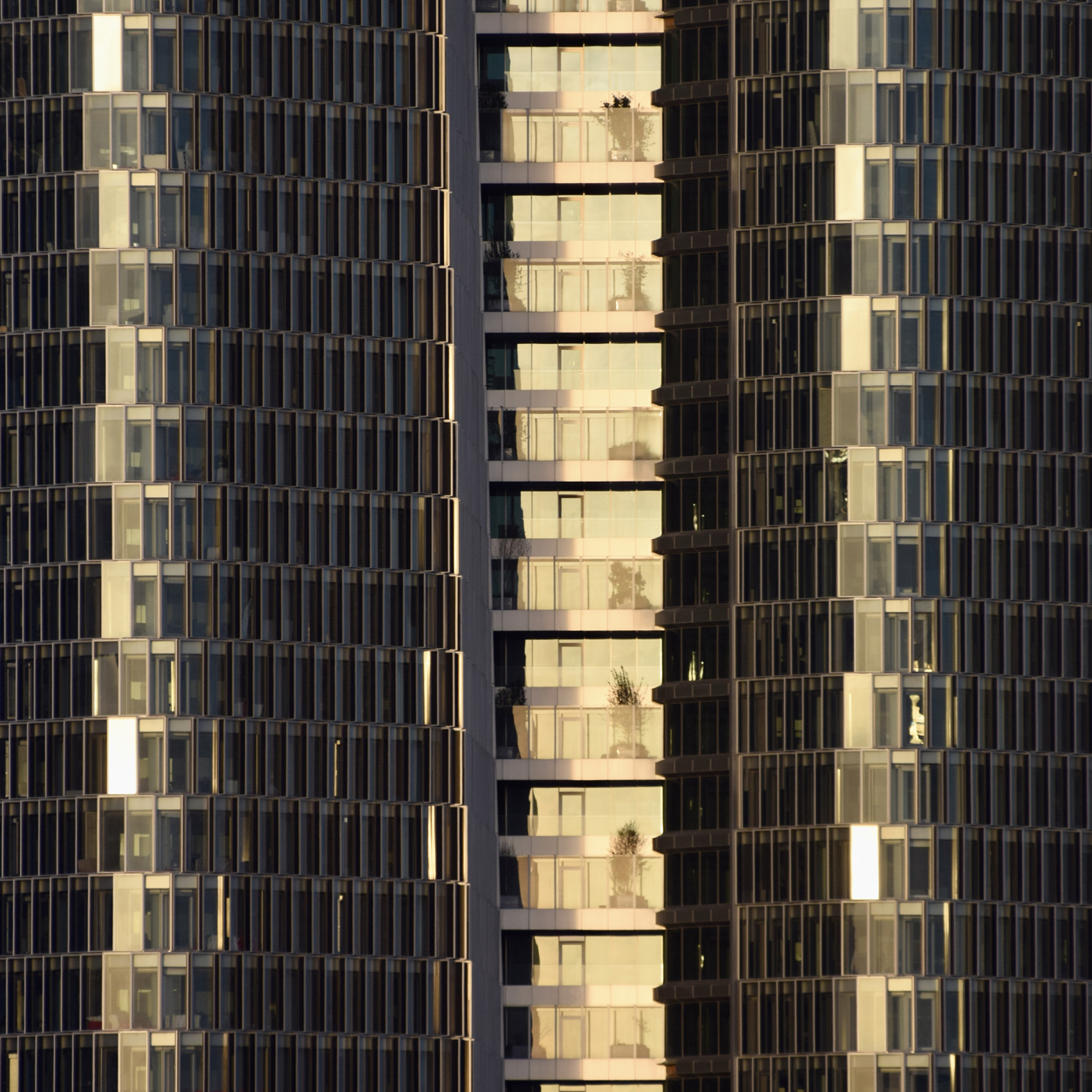
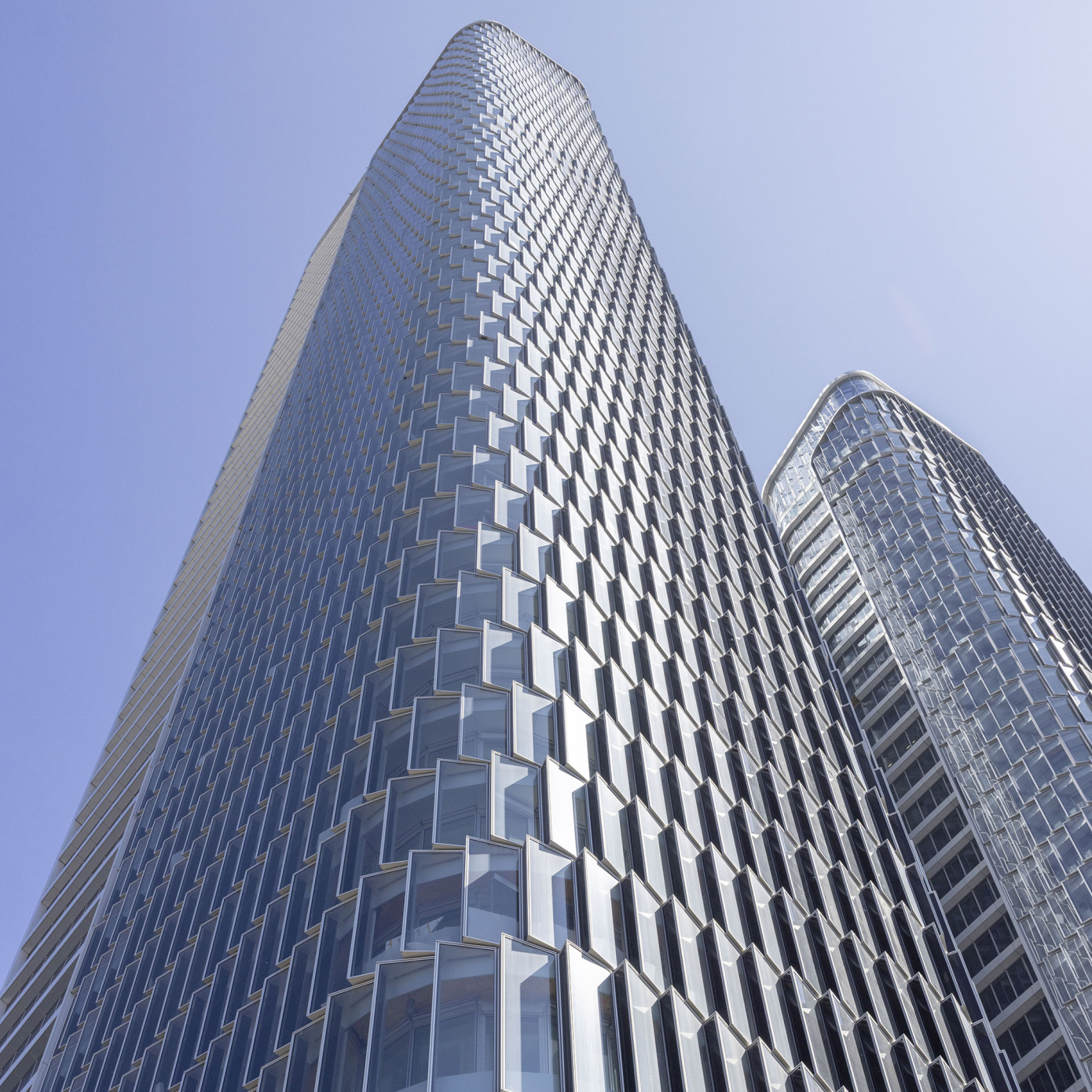
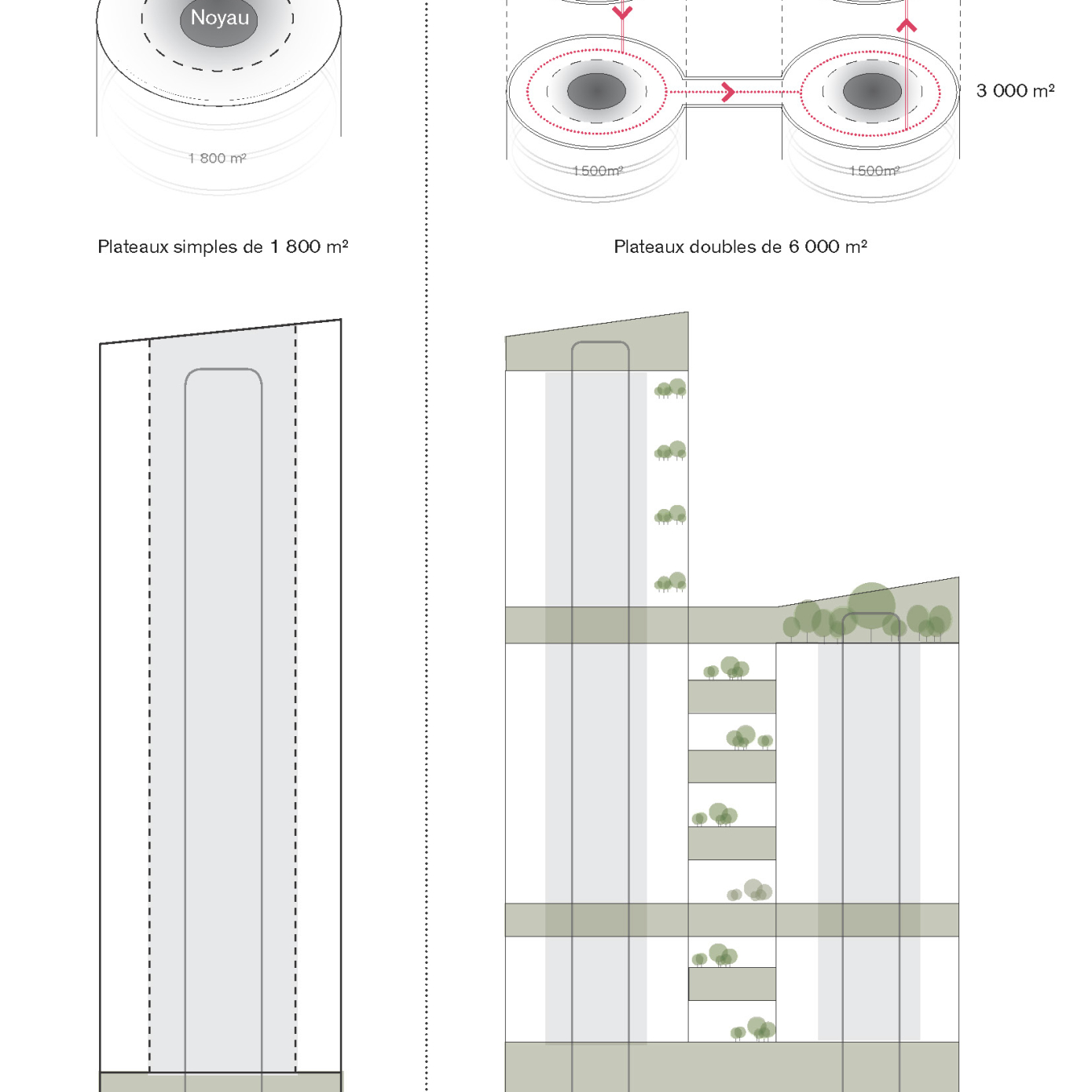
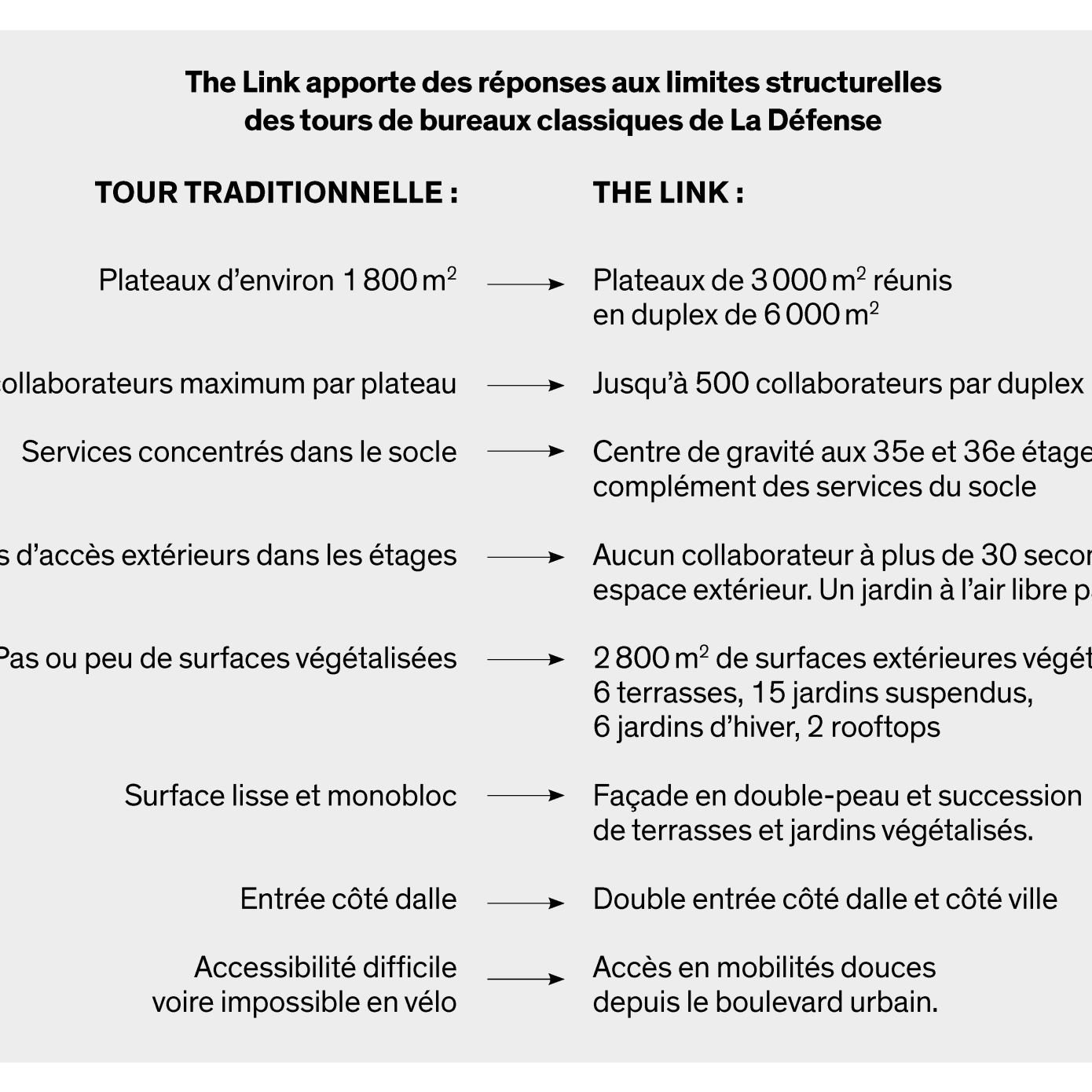
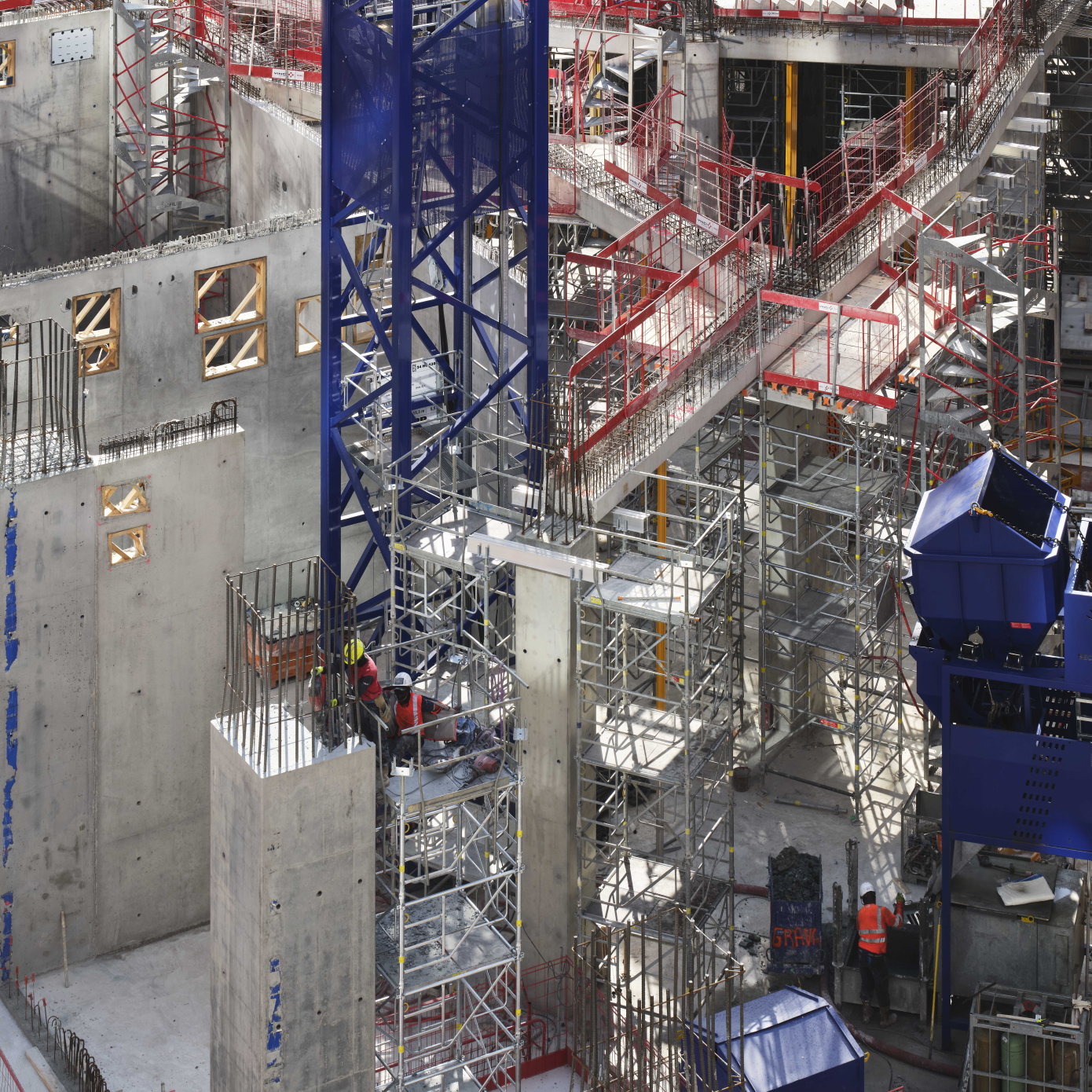
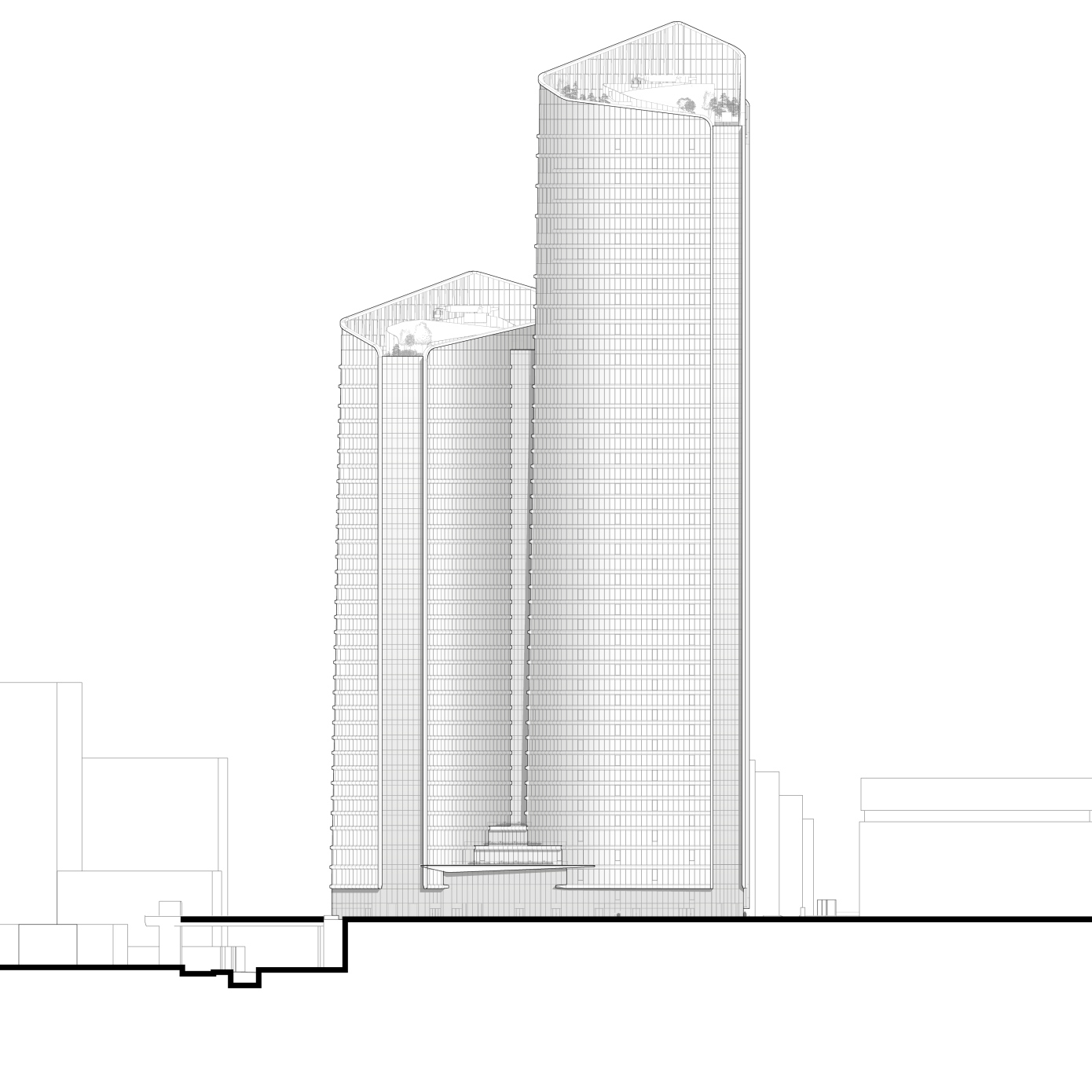
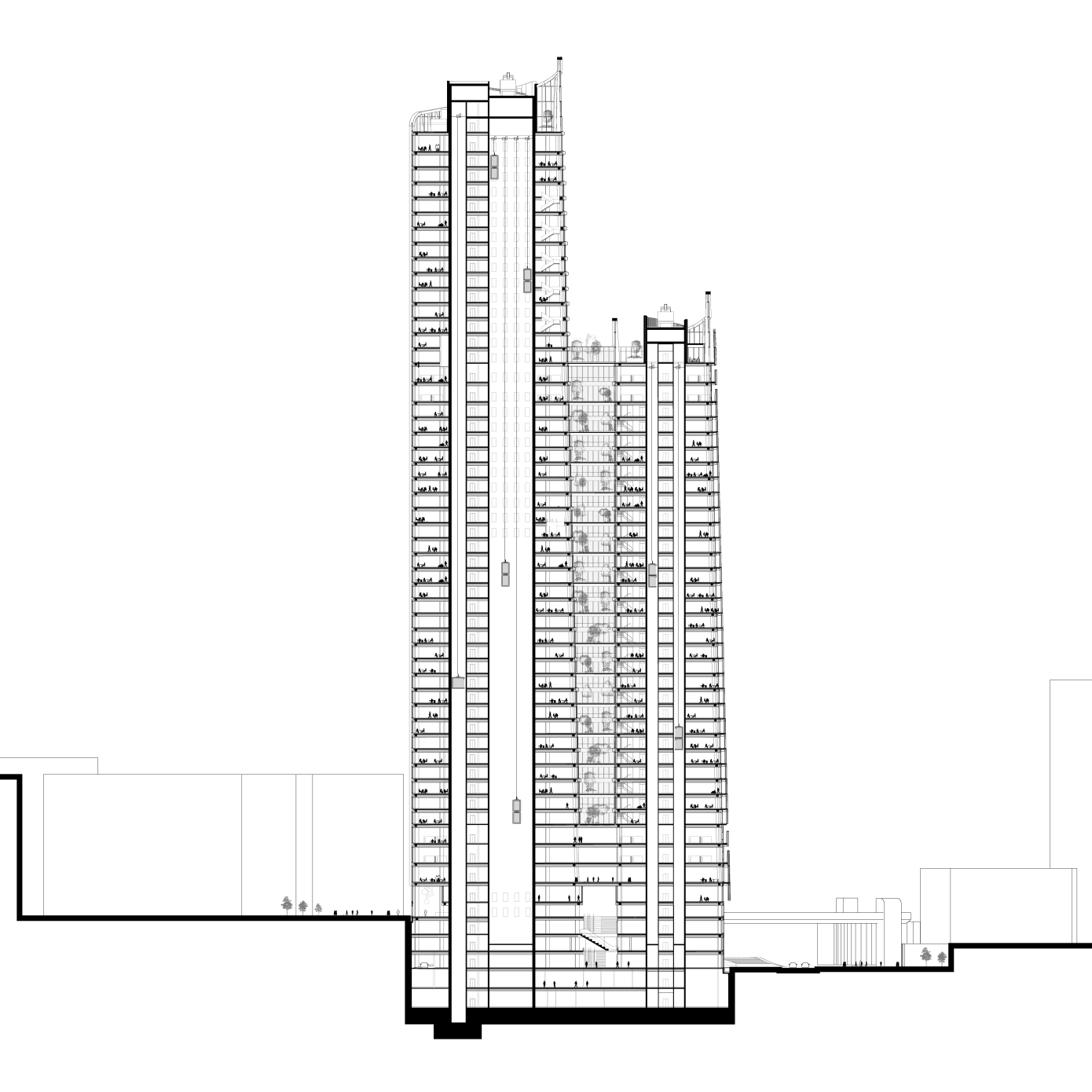
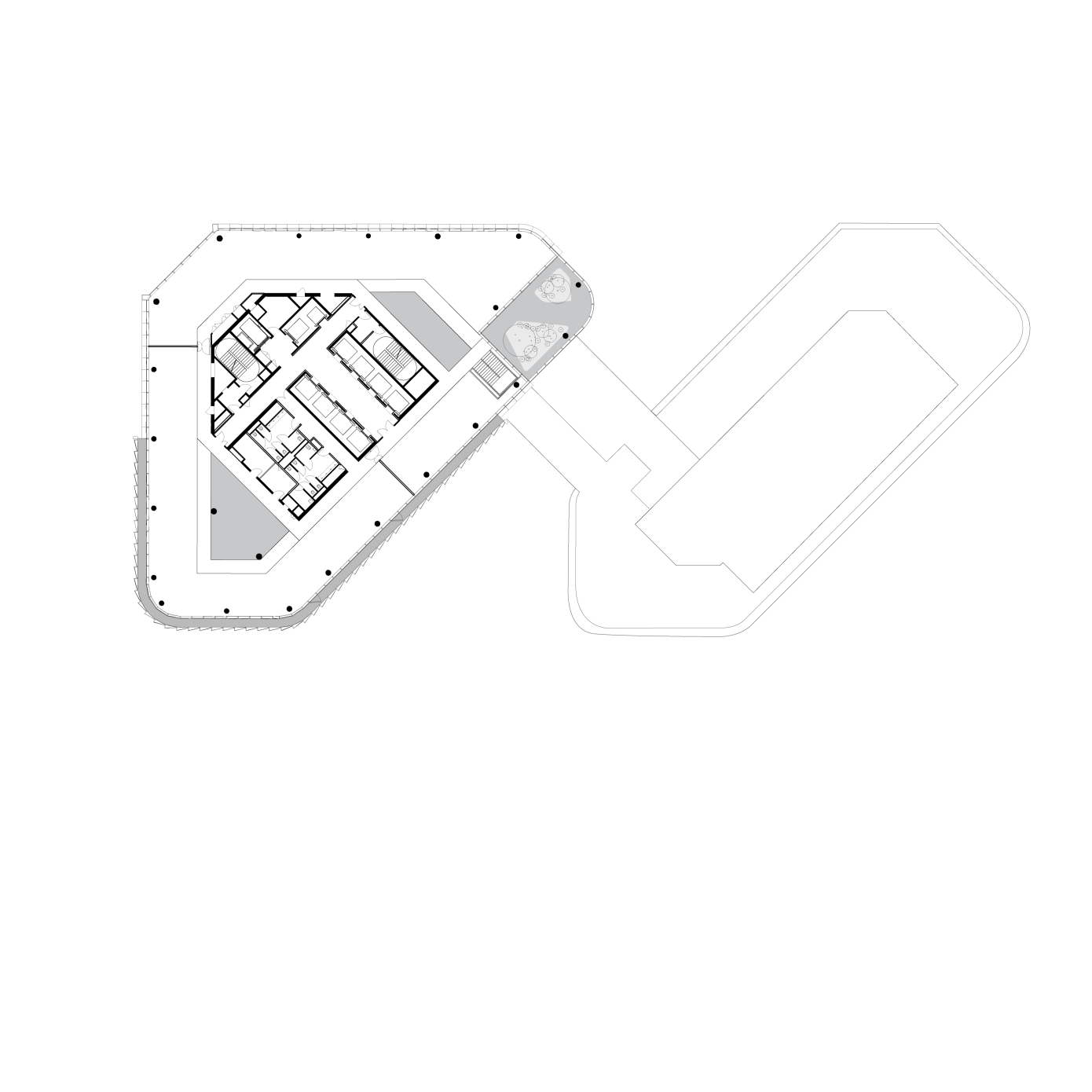
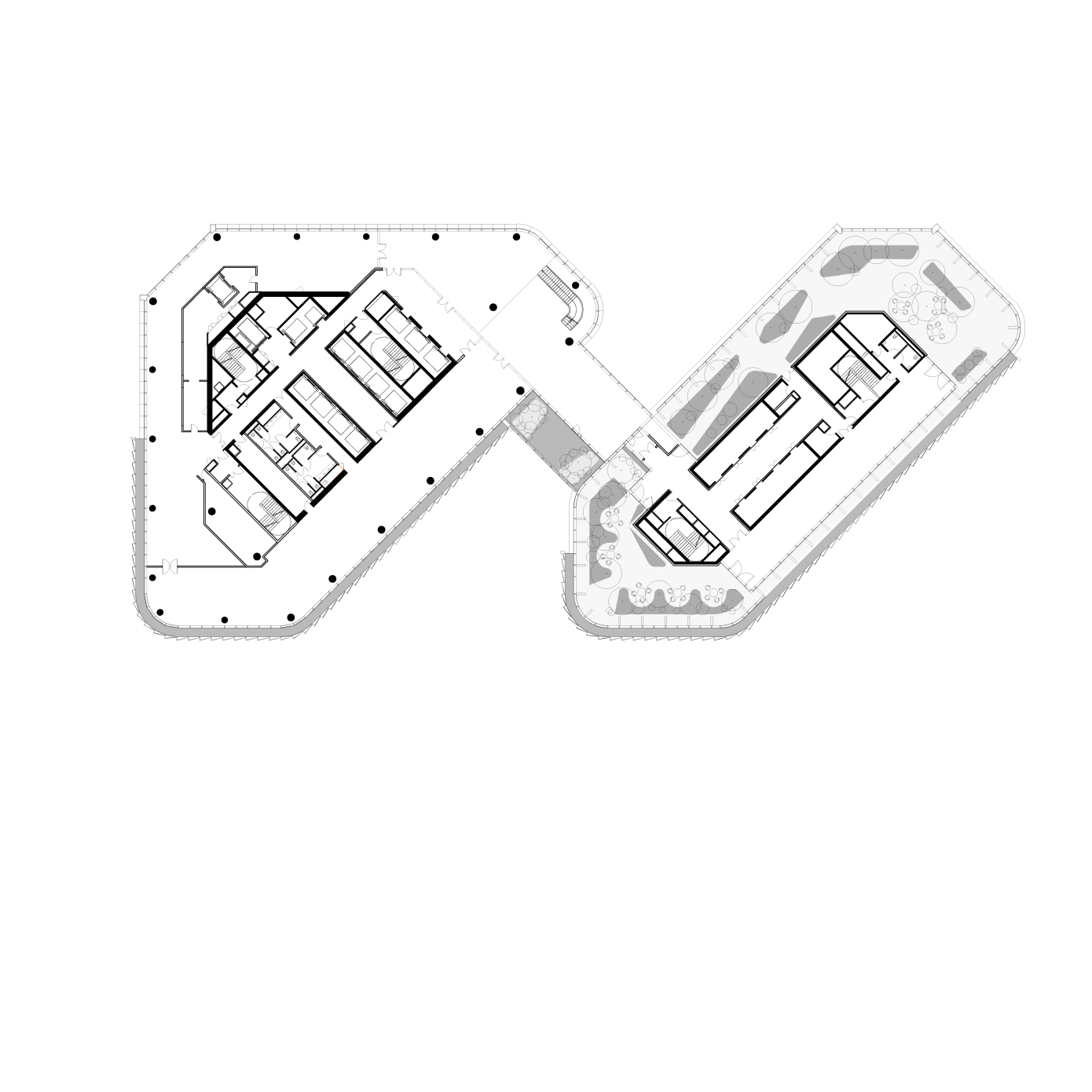
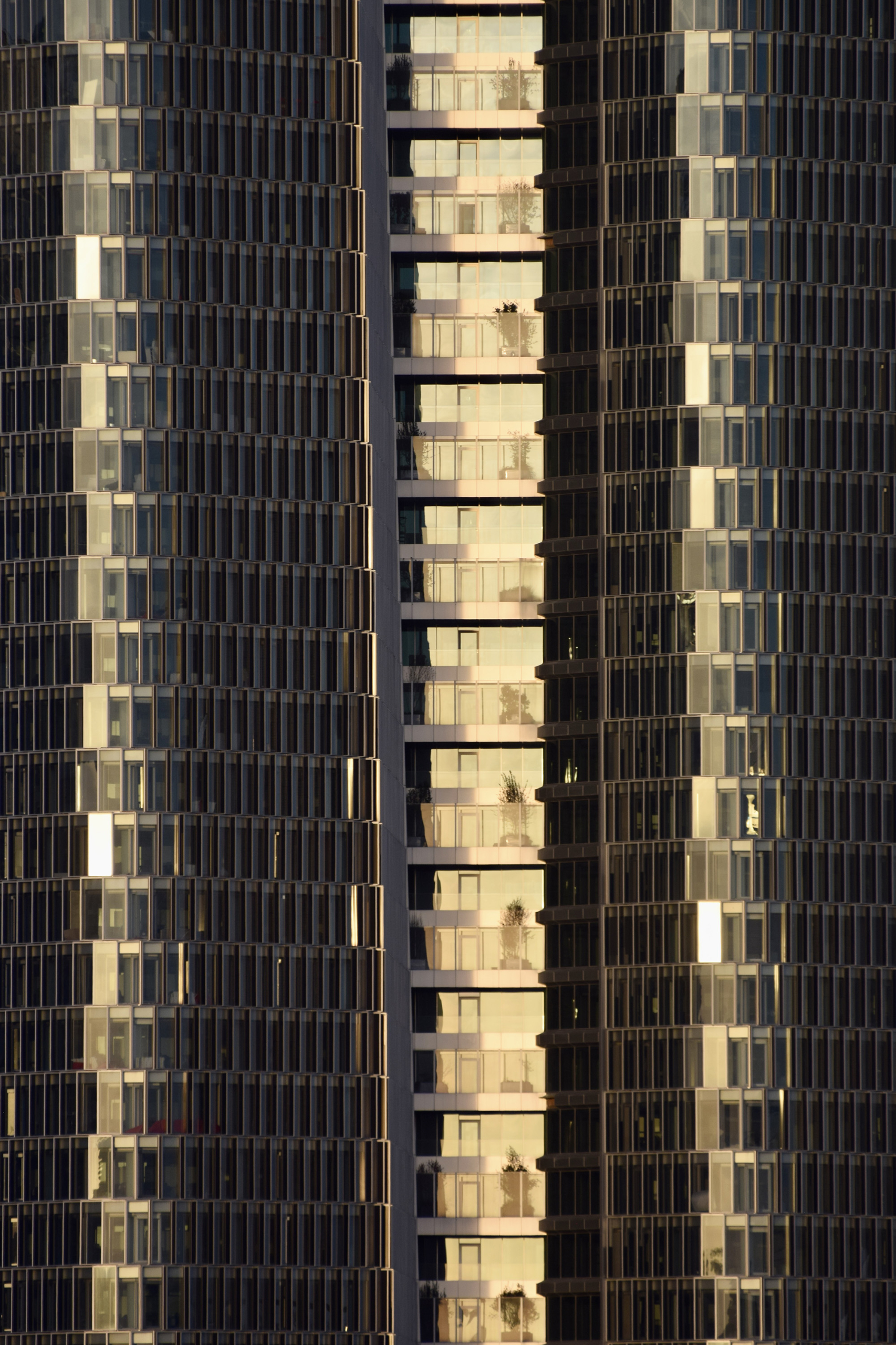
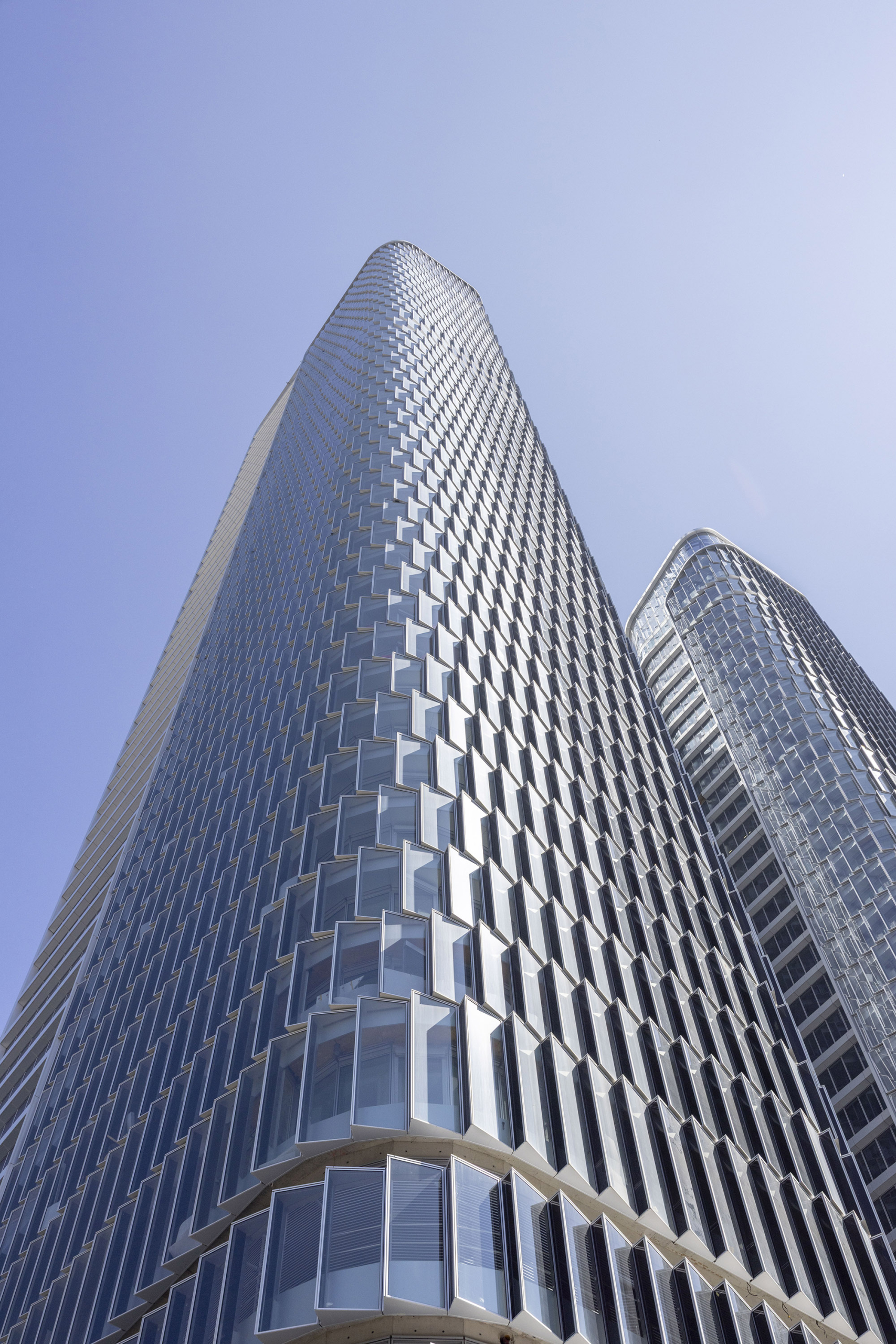
Conventional towers face constraints that have become incompatible with today’s expectations: verticality, compartmentalisation, hard surfaces and no access to the outdoors. PCA-STREAM has chosen to rethink the fundamentals of the office tower by inventing a new horizontality suited to changing ways of working. The practice has devised an innovative form that makes the most of the plot’s exceptional size: the tower splits into two wings joined by thirty walkways, the “links”. More than eight metres wide and planted with gardens offering spectacular views, these spaces are conceived as places to meet and connect — true “village squares” suspended in the sky. By linking the two buildings, they create 3,000 m² floor plates, an area without precedent at La Défense.
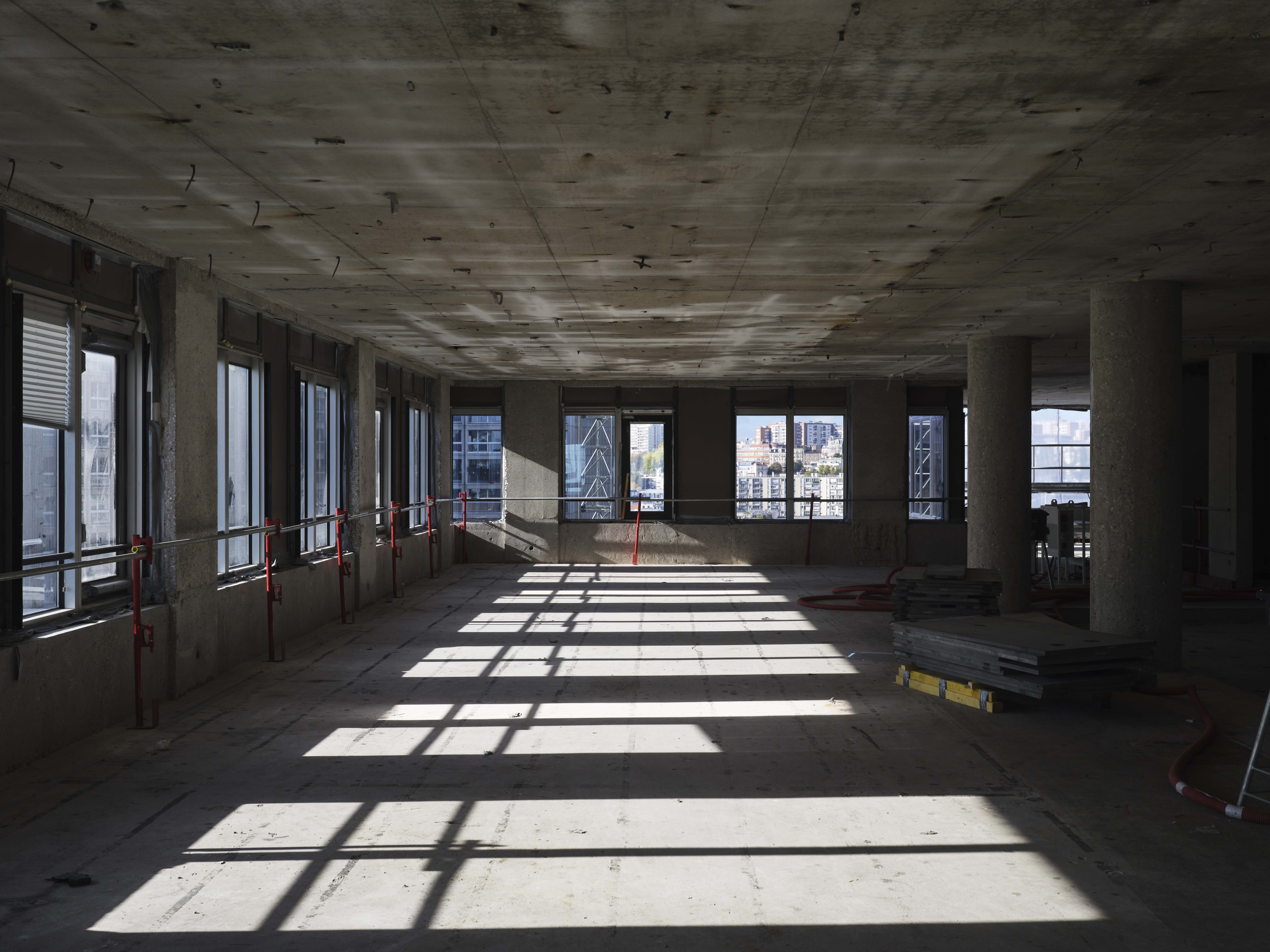
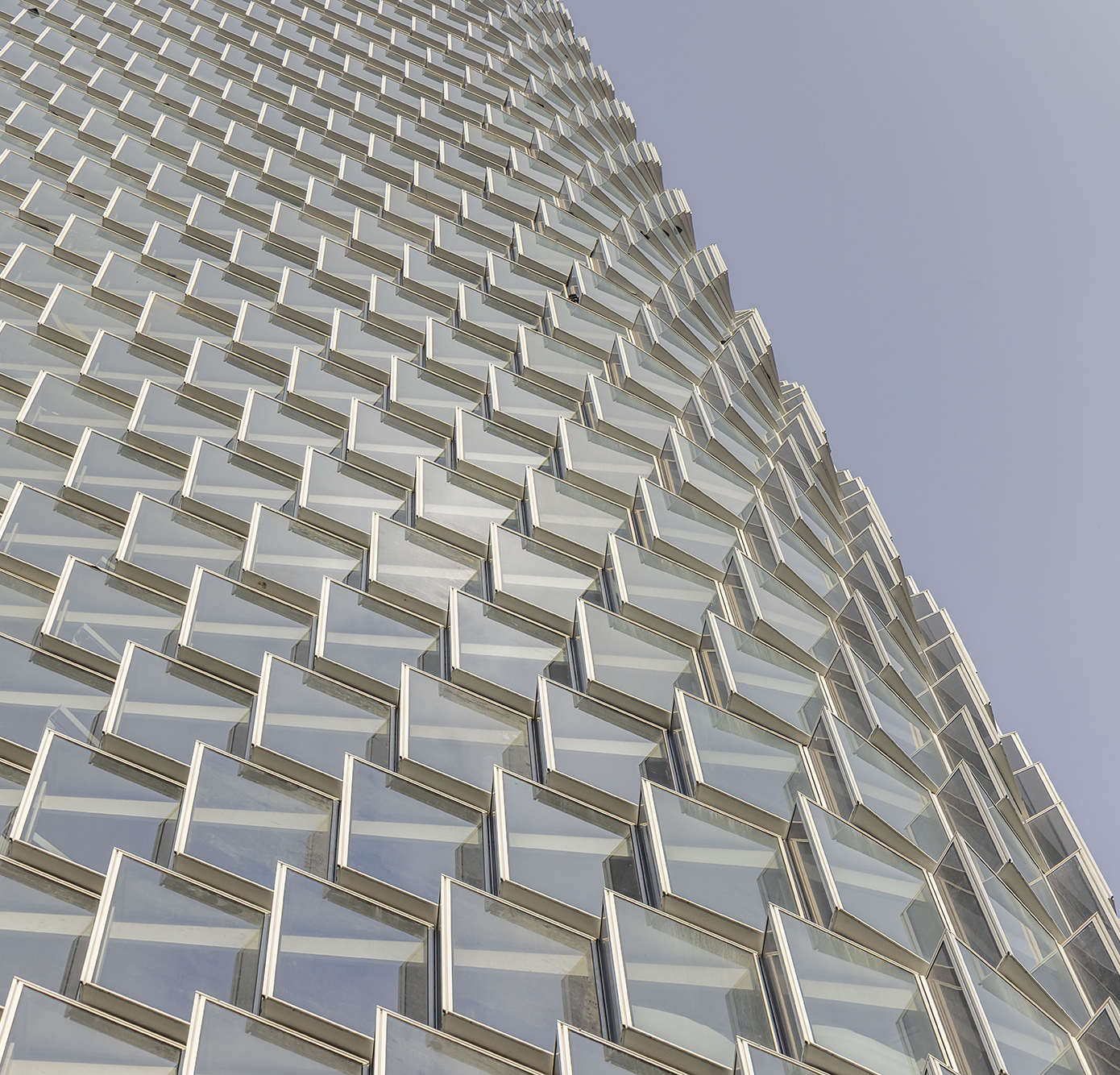
Every level works as a duplex, thanks to large open staircases that form units of 6,000 m² able to accommodate up to 500 people — almost four times the capacity of a conventional tower floor. Within each duplex, movement is on foot, without using the lift, to encourage informal interaction and serendipity. Full-height glazed façades bring exceptional light to every floor plate. Thanks to its modularity and flexibility, The Link adapts to a wide range of uses: cellular offices, open-plan spaces, hybrid spaces, flex offices, collaborative rooms, quiet spaces for focused work, and informal settings. With 2,800 m² of outdoor space, the tower ensures that no employee is ever more than thirty seconds from access to the open air. The landscaped garden on the roof, 154 metres up, creates a new belvedere over Paris and the historic axis.
Embodying a sustainable vision
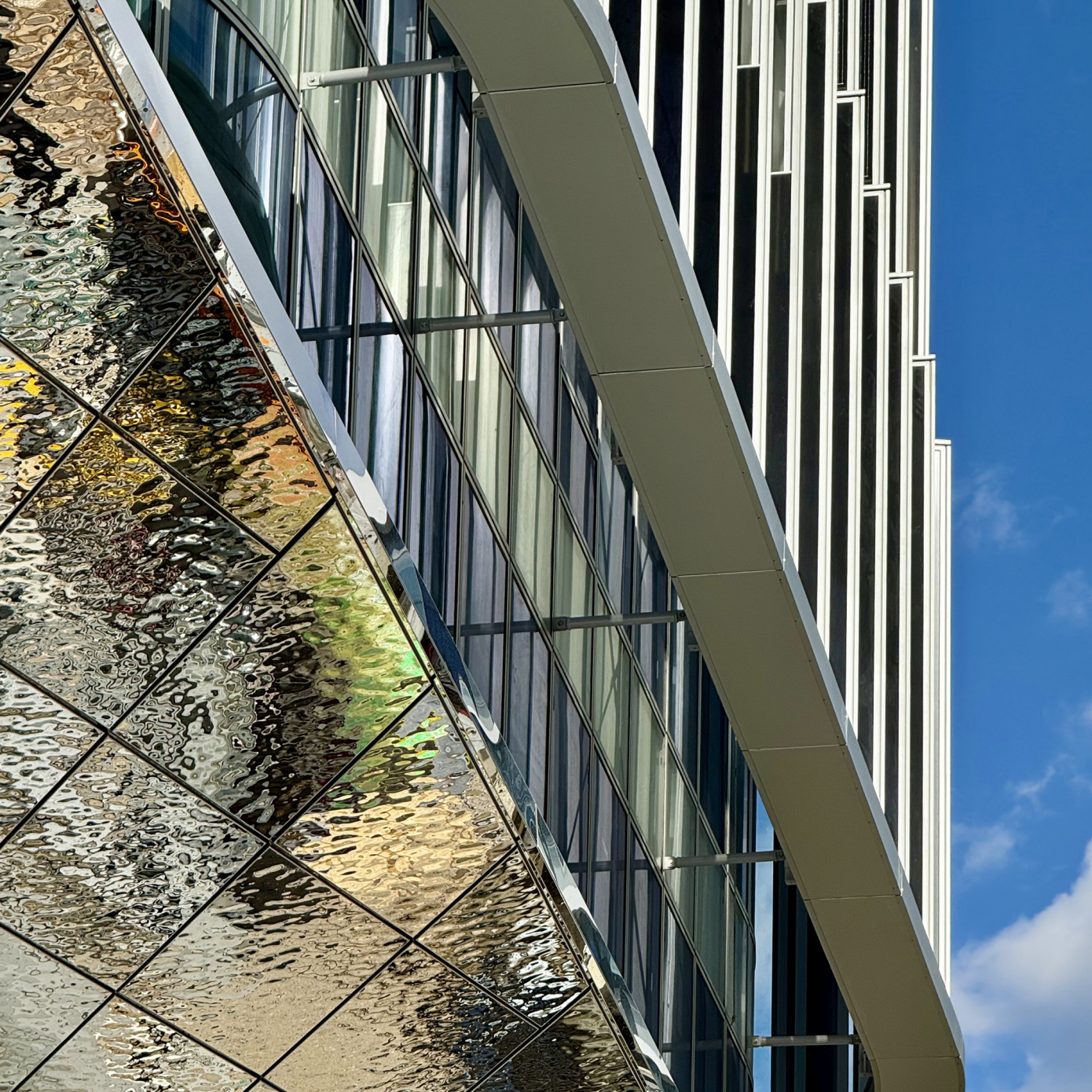
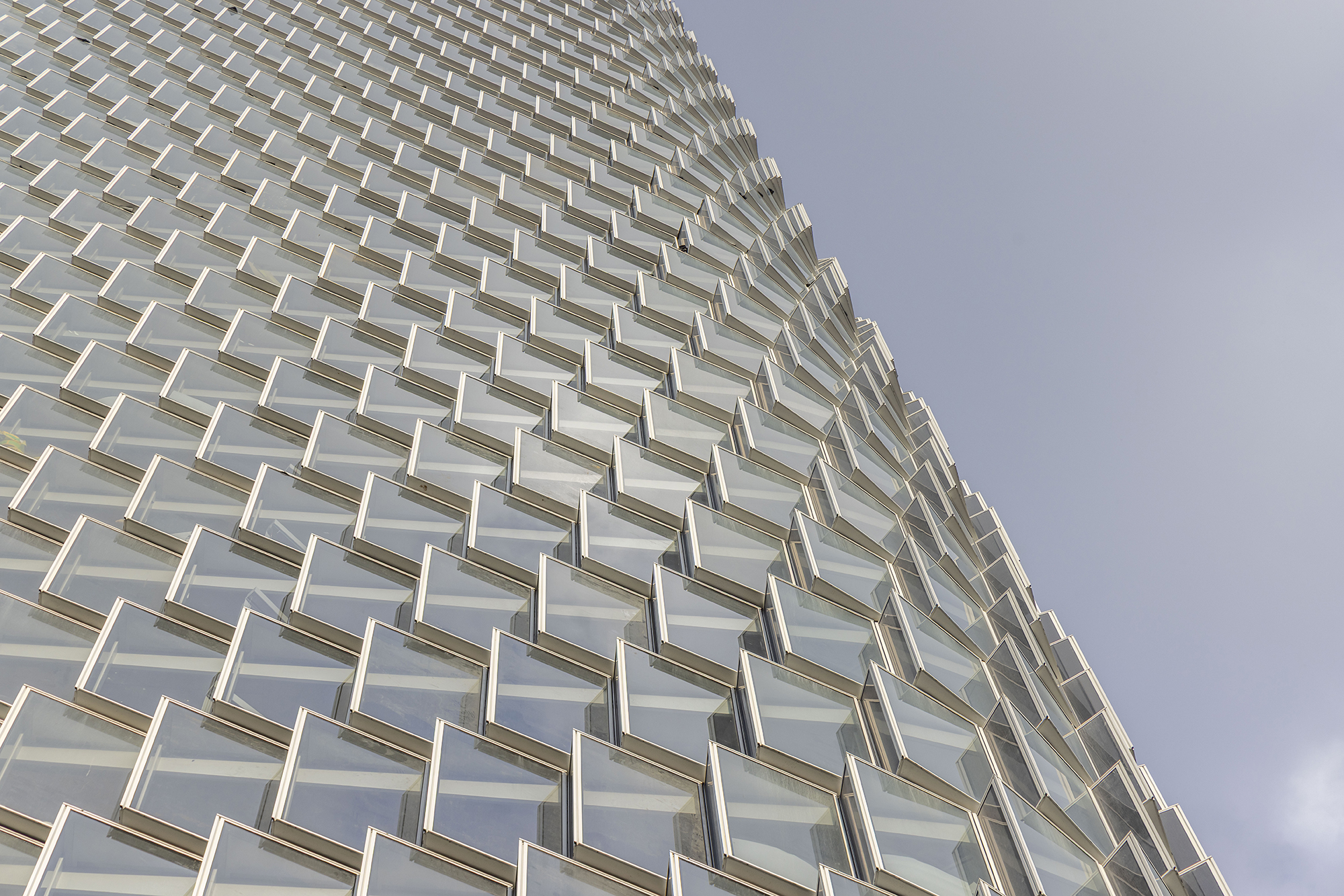
The Link reduces its energy consumption by almost 50% compared with traditional office towers. This performance rests in particular on a double-skin façade that improves the building’s thermal insulation and incorporates photovoltaic panels. The project also promotes low-carbon mobility: no car park, 350 m² for bicycle parking, direct access on foot and by bike from the urban boulevard, a contribution to the redevelopment of the Esplanade de La Défense station on Line 1, and a role in calming the ring road. Over the building’s life cycle, this greater reliance on low-carbon transport helps balance the project’s overall carbon footprint.