“It will be upon a time”, said science fiction to the city

“ We cannot free ourselves from extreme projections, because we live in an extreme world. ”

  • Publish On 26 January 2024
  • Pierre-Antoine Marti
  • 26 minutes

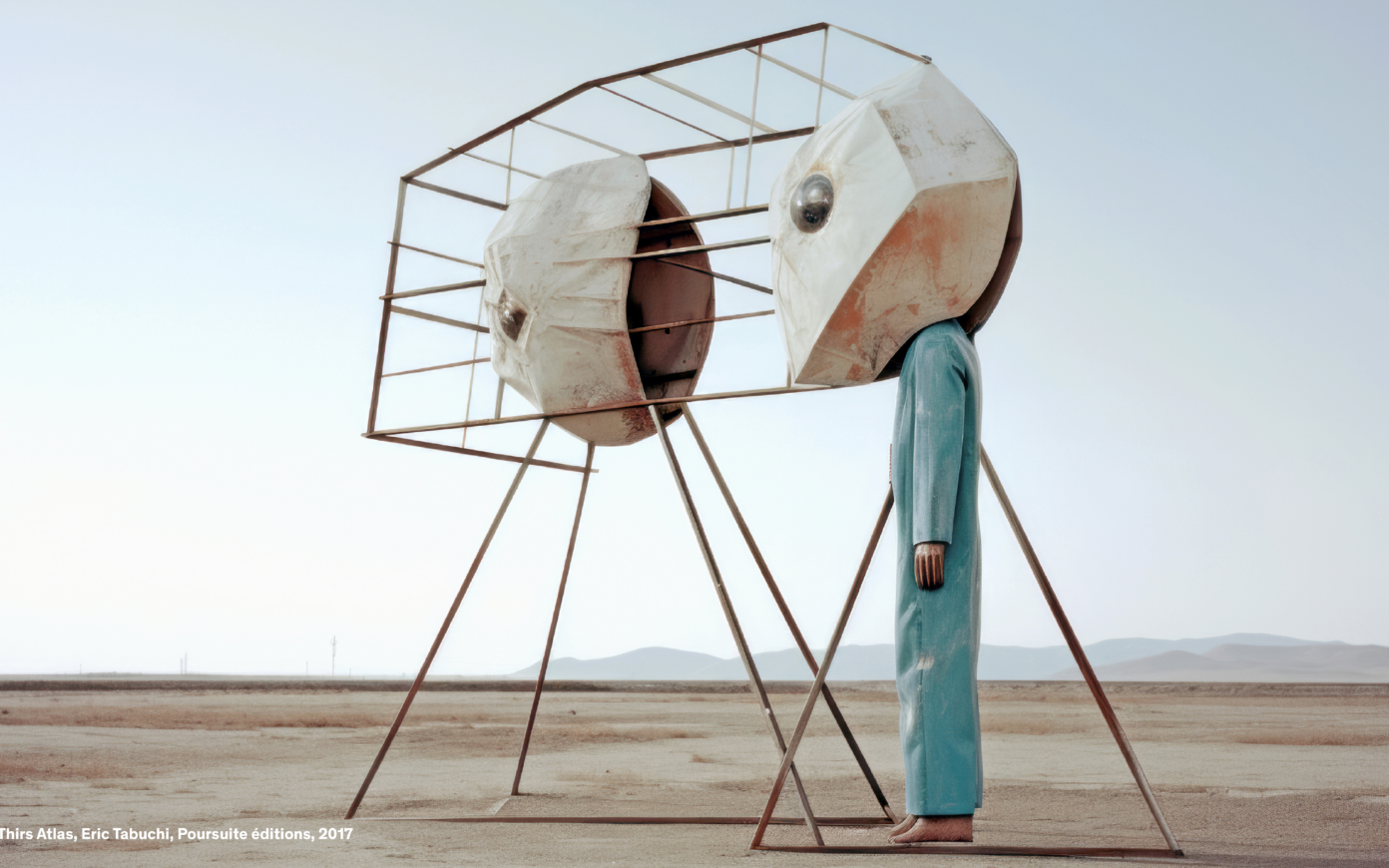
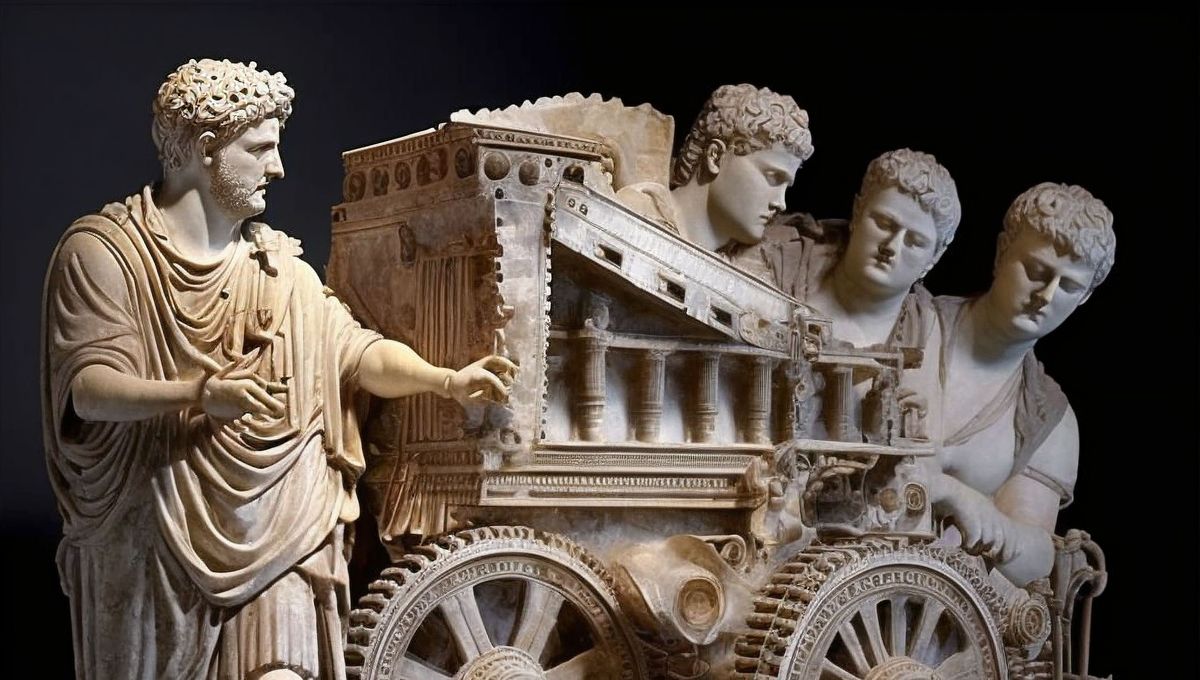
Space is one of the great imaginary worlds of science fiction. By often depicting dystopian cities, authors sketch the contours of a desirable urbanity. Using science fiction as a field of investigation, Pierre-Antoine Marti, a PhD candidate in history at EHESS (School of Advanced Studies in Social Sciences), uses representations of the future as a dataset for prospective reflection on the interplay between science fiction and innovation.
Bibliography

explore

Article
Article

Educating Citizen Architects: for a meaningful architecture

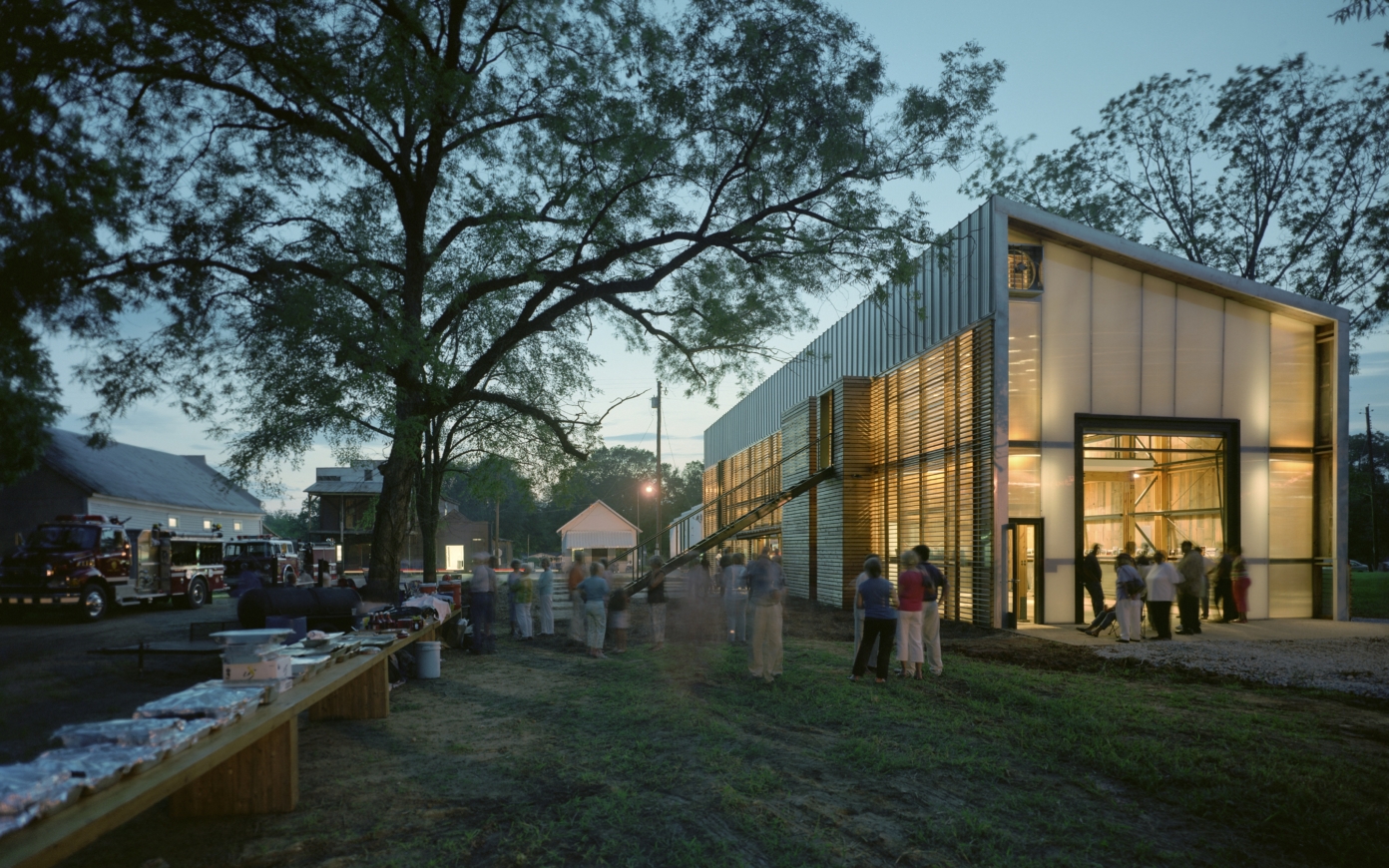
Andrew Freear runs the Rural Studio program at Auburn School of Architecture (USA). He believes that schools of architecture have an ethical responsibility to train citizen architects who are locally committed to concrete projects and experientially connected to contexts and places. To design an inclusive city, the Studio adopts an experimental field approach, combining analysis of the territory’s endemic problems, understanding of residents’ needs and new construction techniques. Read the full interview published in STREAM 05!

Discover
Podcast

“ A catastrophe is when a belief or certitude suddenly collapses. From its ruins, narrative, political, economic and ecological utopias can be reborn. ”

Podcast

“ A catastrophe is when a belief or certitude suddenly collapses. From its ruins, narrative, political, economic and ecological utopias can be reborn. ”


Can new narratives arise from ruins?

Raphaëlle Guidée is a specialist in narrative representations of economic, environmental and societal collapse. For over 10 years, she has analyzed the narratives surrounding Detroit’s bankruptcy in order to understand how an apparent ruin of capitalism can inspire discourses of domination or resistance. In La ville d’après : Détroit, une enquête narrative [The Aftermath City: Detroit, a narrative investigation] (Flammarion), rather than focusing on fictions, she seeks out testimonies and concrete stories, believing that modern times don’t need new narratives. We simply need alternative narratives. Read the transcription of the podcast.

Discover
Article
Article

Podcast transcription: Raphaëlle Guidée

Raphaëlle Guidée is a specialist in narrative representations of economic, environmental and societal collapse. For over 10 years, she has analyzed the narratives surrounding Detroit’s bankruptcy in order to understand how an apparent ruin of capitalism can inspire discourses of domination or resistance. In La ville d’après : Détroit, une enquête narrative [The Aftermath City: Detroit, a narrative investigation] (Flammarion), rather than focusing on fictions, she seeks out testimonies and concrete stories, believing that modern times don’t need new narratives. We simply need alternative narratives. Read the transcription of her podcast below.

Discover
Vidéo

Matthieu Duperrex

Vidéo

Inhabiting Sentinel Landscapes

A philosopher and senior lecturer at the National School of Architecture of Marseille, Matthieu Duperrex explores ‘sentinel landscapes’—polluted soils, engineered rivers, industrial port zones—from a decolonial, multidisciplinary perspective attentive to the various ways of narrating the damaged world we have inherited. He regards these sites both as places of warning and as spaces of knowledge.

Discover
Vidéo
Vidéo

Beautiful like an encounter on the glass roof of colored clouds

For Daniel Buren, architecture is an open-air studio. In an exclusive interview with architect Philippe Chiambaretta, he talks about his site-specific work, where art and architecture meet, just like the Nuages Colorés that cover the scales of the 175 Haussmann glass roof.

Discover
Vidéo

Jean-Baptiste de Froment

Vidéo

"For an open architecture"

On the occasion of its integration into the Paris Sciences et Lettres (PSL) university consortium, the École nationale supérieure d’architecture de Paris-Malaquais is publishing a manifesto that asserts its institutional positioning. Far more than a mere text, this manifesto lays the foundations for a committed academic vision, emphasizing the urgent need to train architects engaged in transforming the ways we inhabit the world. Structured around twelve key concepts, it is intended as a compass to guide the school’s pedagogical and strategic choices, in alignment with the 2025–2029 National Strategy for Architecture. In this interview, its director, Jean-Baptiste de Froment, reflects on the values driving this project and on how the school positions itself as a proactive agent of thought and action within the contemporary architectural landscape.

Discover
Article
Article

Reshaping myths to reveal pressing realities

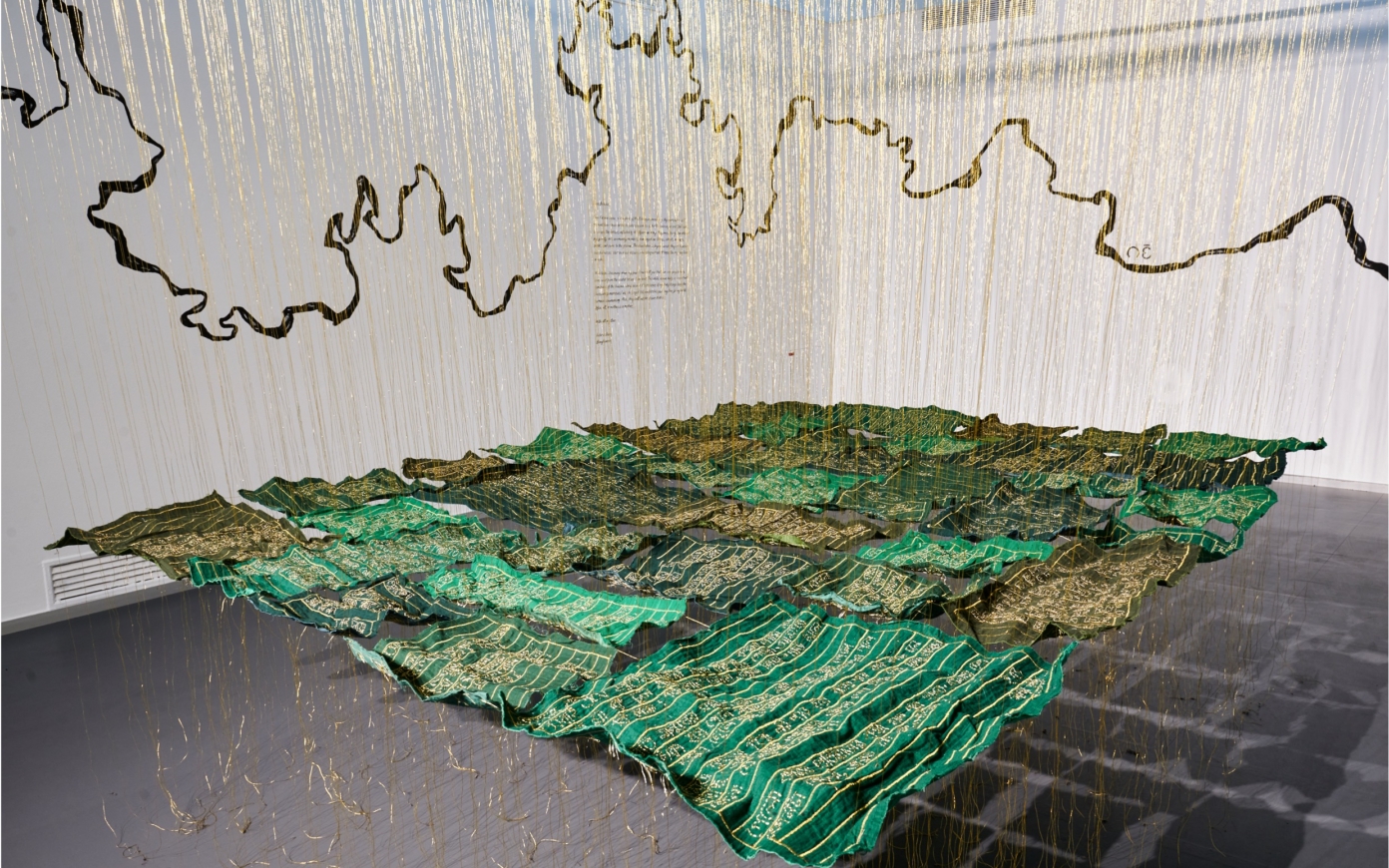
Ashfika Rahman is a visual artist based in Bangladesh, who recently won the Future Generation Art Prize awarded by the PinchukArtCentre in Ukraine. Faced with the overwhelming power of information systems that are serving dominant narratives, she is working on creating alternative medium of expression, giving their voice back to marginalized communities in her homeland, particularly women. Through her art, Rahman questions myths, folk tales and widely spread prejudice that are still shaping our cultures and legitimating violence, adopting a contemporary and feminist lense. We met with her to discuss her recent work, Behula These Days where she brings together ancient crafts and new techniques to share the poignant and heart-wrenching experiences of women living in one of the most floodprone areas in Bangladesh.

Discover
Article

Capturing the Cityscape Through Photography

Émilie d'Orgeix, Corinne Feïss-Jehel, Pierre-Jérôme Jehel

Article

Capturing the Cityscape Through Photography

Over the span of several months, students from GOBELINS Paris scouted La Défense, examining the iconic business district from the fresh perspective of urban metabolism. As part of a documentary workshop led by Pierre-Jérôme Jehel and Laetitia Guillemin (GOBELINS) and designed in partnership with researchers from the City-Metabolism Chair at PSL University, some thirty students explored this territory. They did so by treating it not as a mere backdrop but as a living organism, traversed by flows, tensions, and rhythms, using photography as a tool for revelation. Their projects, located at the crossroads of artistic creation and research, unveil an alternative reading of this mineral space, between invisible flows and underlying tensions. Both sensitive and rigorous, this inquiry is chronicled here by Corinne Feïss Jehel (EPHE-PSL), Pierre-Jérôme Jehel, and Émilie d’Orgeix (EPHE-PSL) as part of a research project conducted by the City-Metabolism Chair (which is financially supported by PCA-STREAM, Artelia, and Groupama Immobilier).

Discover