Neo composites

  • Publish On 5 July 2024
  • Michael Gaultois, Xavier Baris, Mathieu Merlet Briand, Benoit Roman
  • 96 minutes

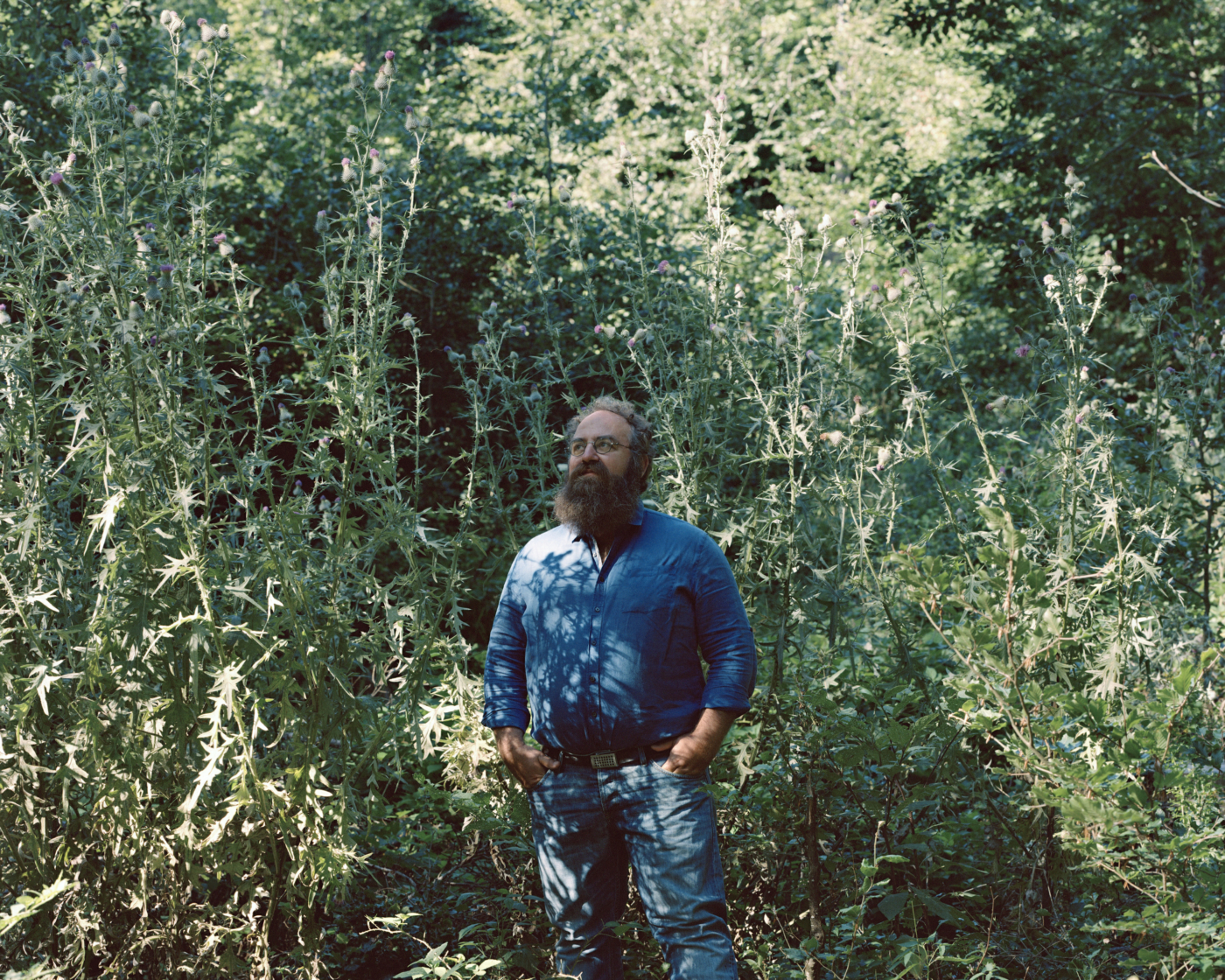
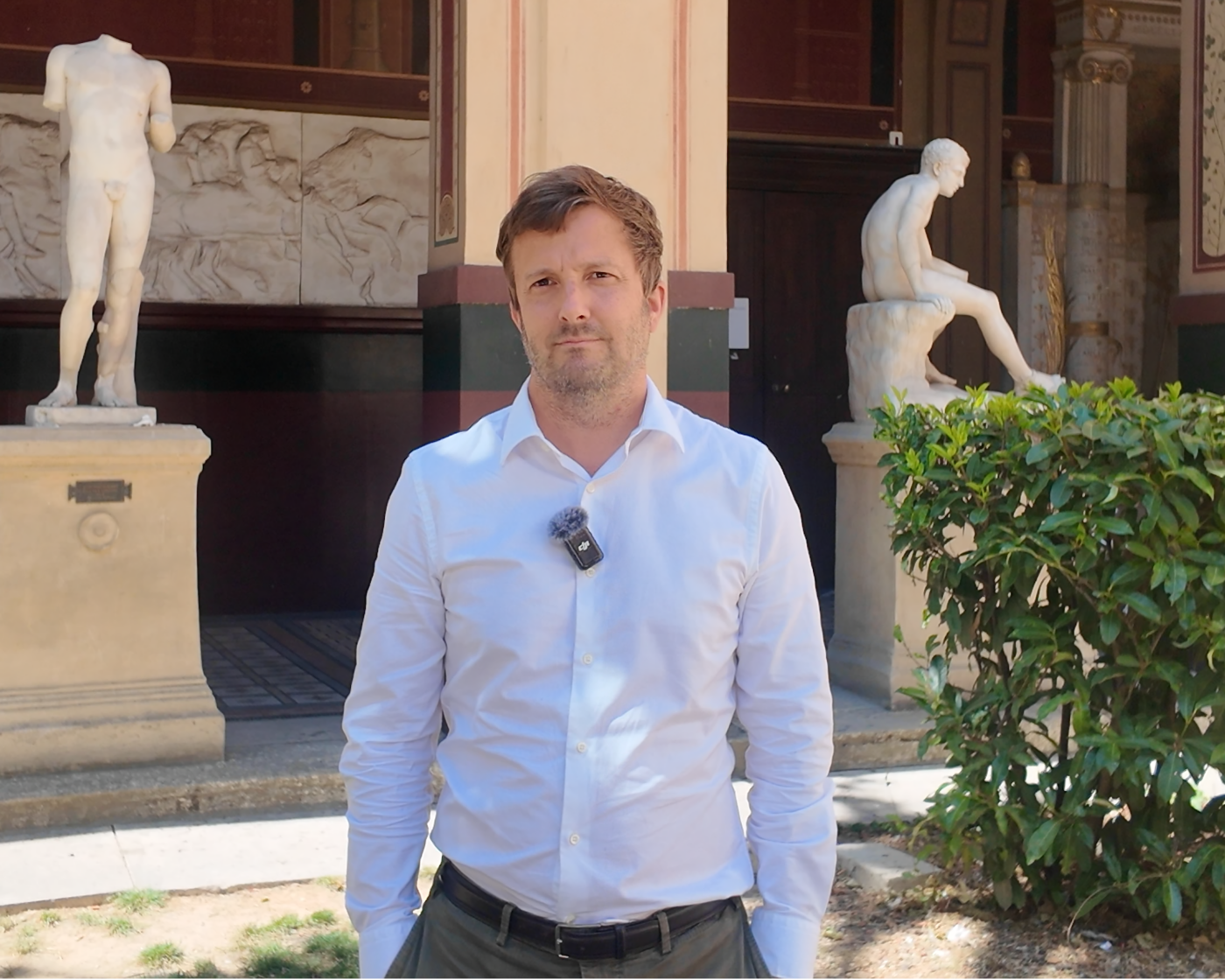
With Mathieu Merlet Briand, artist, Benoit Roman, research director at the CNRS, Xavier Baris from Kairos and Michael Gaultois, Chief Scientific Officer of Fairmat.

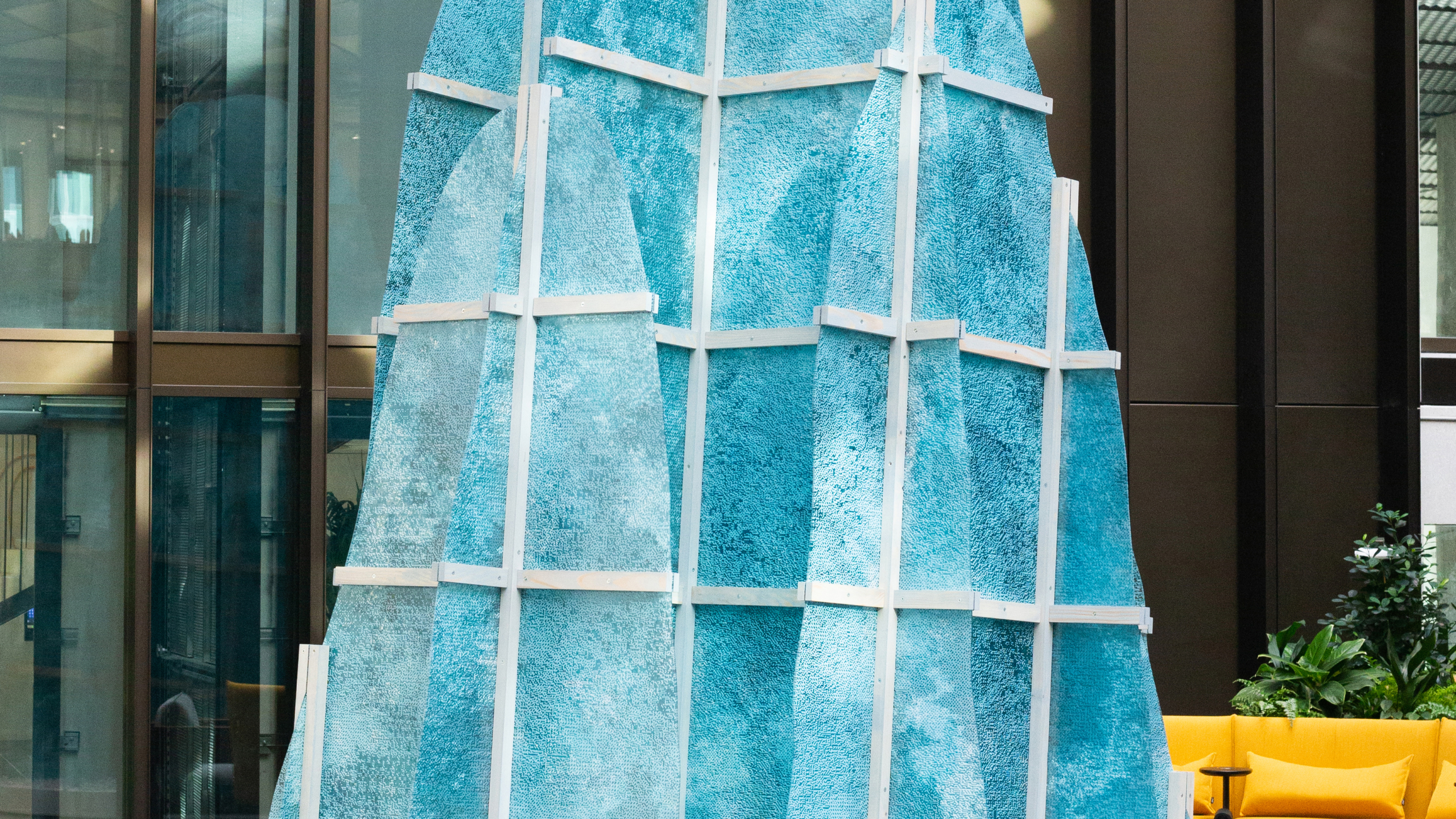
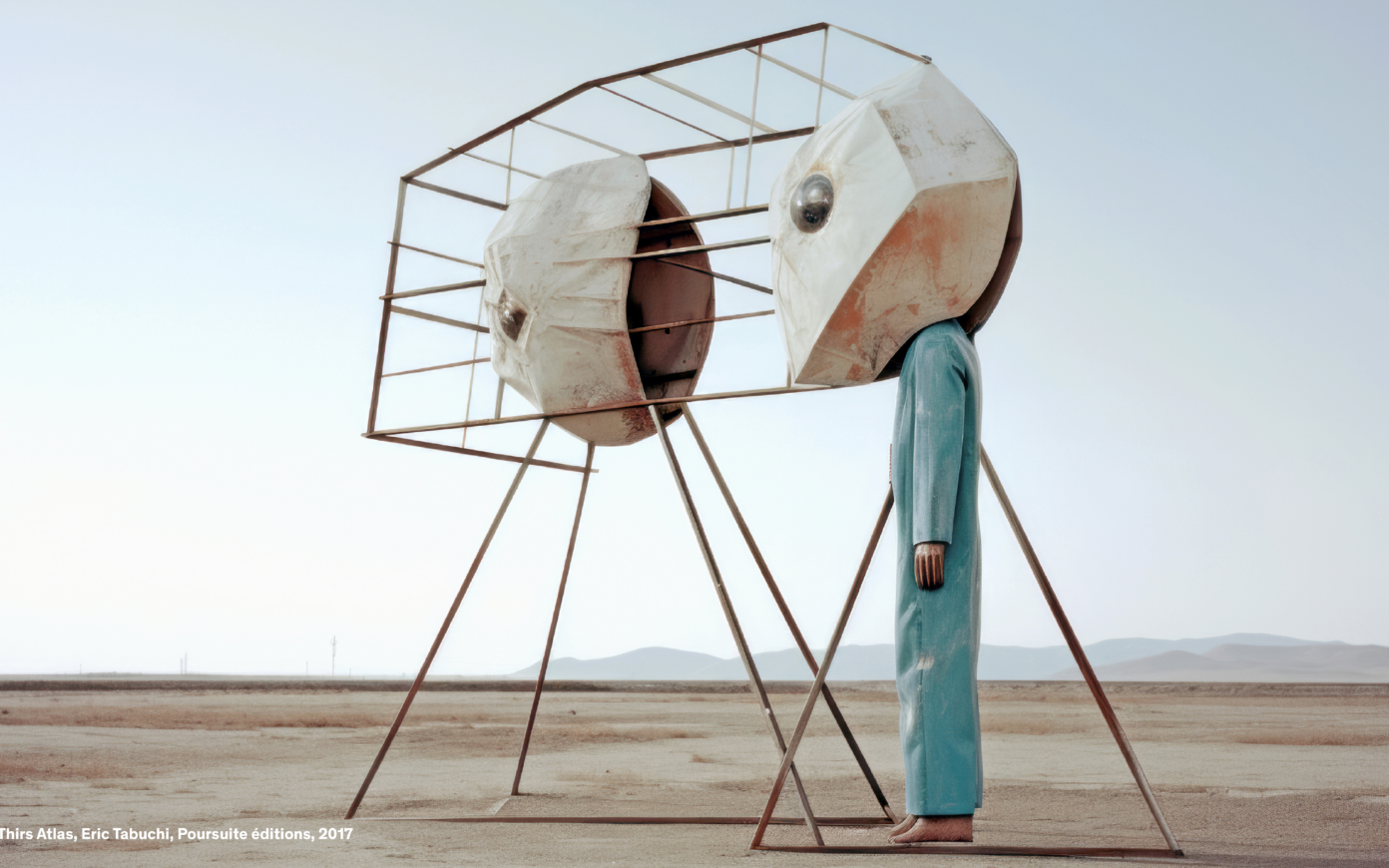
With the growing disenchantment of the public and designers alike with plastic, perceived as the offspring of the oil years and the symbol of a disposable world, the development of new materials that respond to contemporary challenges by proposing circular production schemes is long overdue. The Deeptech ecosystem is struggling to get off the ground in France, given the investment required. The government and the regions are encouraging research and entrepreneurial initiatives such as the FLOWER project to develop composites made from flax fibre, a plant widely grown in France. What are the neo-composites of tomorrow? What new mythologies do they invoke?


Bibliography

explore

Vidéo

Matthieu Duperrex

Vidéo

Inhabiting Sentinel Landscapes

A philosopher and senior lecturer at the National School of Architecture of Marseille, Matthieu Duperrex explores ‘sentinel landscapes’—polluted soils, engineered rivers, industrial port zones—from a decolonial, multidisciplinary perspective attentive to the various ways of narrating the damaged world we have inherited. He regards these sites both as places of warning and as spaces of knowledge.

Discover
Article
Article

The potential of the night

Once a sanctuary for dreams and imagination, nighttime has now been relegated to the mere role of a utilitarian prelude to daytime. Nocturnal realms possess an alchemical power capable of transfiguring our perceptions. However, when viewed through the lens of urban uses, the night also exacerbates inequalities and raises questions about the possibility of achieving an urban night that is accessible to everyone. Exploring the range of possibilities associated with the night reveals it as a space-time where complex interactions are woven that could be revitalized through a chronotopic and inclusive architecture.

Discover
Article
Article

Podcast transcription: Raphaëlle Guidée

Raphaëlle Guidée is a specialist in narrative representations of economic, environmental and societal collapse. For over 10 years, she has analyzed the narratives surrounding Detroit’s bankruptcy in order to understand how an apparent ruin of capitalism can inspire discourses of domination or resistance. In La ville d’après : Détroit, une enquête narrative [The Aftermath City: Detroit, a narrative investigation] (Flammarion), rather than focusing on fictions, she seeks out testimonies and concrete stories, believing that modern times don’t need new narratives. We simply need alternative narratives. Read the transcription of her podcast below.

Discover
Vidéo

Jean-Baptiste de Froment

Vidéo

"For an open architecture"

On the occasion of its integration into the Paris Sciences et Lettres (PSL) university consortium, the École nationale supérieure d’architecture de Paris-Malaquais is publishing a manifesto that asserts its institutional positioning. Far more than a mere text, this manifesto lays the foundations for a committed academic vision, emphasizing the urgent need to train architects engaged in transforming the ways we inhabit the world. Structured around twelve key concepts, it is intended as a compass to guide the school’s pedagogical and strategic choices, in alignment with the 2025–2029 National Strategy for Architecture. In this interview, its director, Jean-Baptiste de Froment, reflects on the values driving this project and on how the school positions itself as a proactive agent of thought and action within the contemporary architectural landscape.

Discover
Vidéo

Björn Geldhof

Vidéo

Culture as a weapon

In this exclusive interview, Björn Geldhof, director of the PinchuckArtCentre in Kyiv, looks at the evolution of the centre’s cultural programming since the outbreak of war in Ukraine. From an institutional space whose primary role was to open up the country to the world, the centre has evolved into a platform for committed and activist research, carrying the voice of Ukraine throughout Europe. By using art to document the conflict, the PinchukArtCentre uses a factual approach to raise awareness in the spheres of opinion and decision-making, thus affirming its role as the country’s ‘artistic arm’.  

Discover
Vidéo
Vidéo

Beautiful like an encounter on the glass roof of colored clouds

For Daniel Buren, architecture is an open-air studio. In an exclusive interview with architect Philippe Chiambaretta, he talks about his site-specific work, where art and architecture meet, just like the Nuages Colorés that cover the scales of the 175 Haussmann glass roof.

Discover
Article
Article

Educating Citizen Architects: for a meaningful architecture

Andrew Freear runs the Rural Studio program at Auburn School of Architecture (USA). He believes that schools of architecture have an ethical responsibility to train citizen architects who are locally committed to concrete projects and experientially connected to contexts and places. To design an inclusive city, the Studio adopts an experimental field approach, combining analysis of the territory’s endemic problems, understanding of residents’ needs and new construction techniques. Read the full interview published in STREAM 05!

Discover
Article
Article

Podcast transcript: urban metabolism, at the heart of the matter

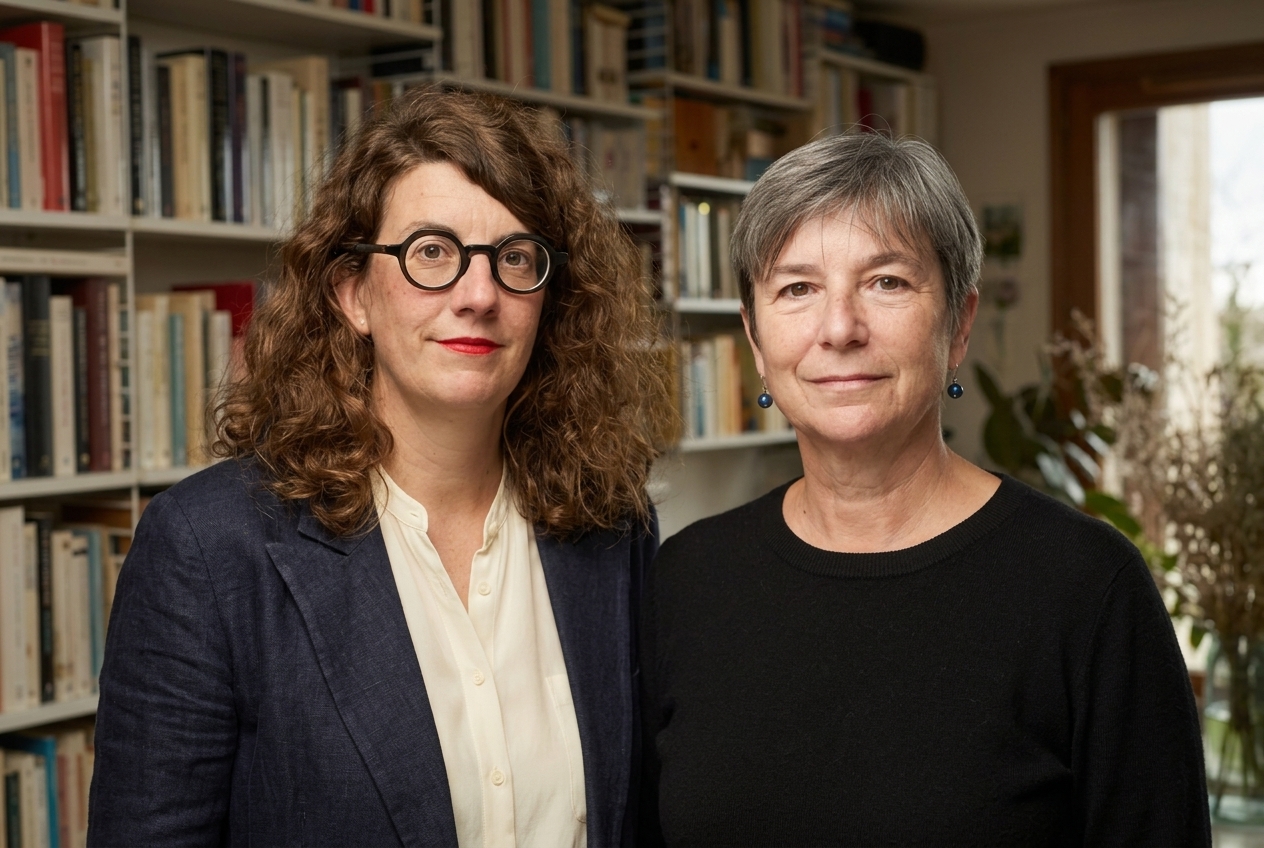
In urban planning and geography, the concept of metabolism is frequently discussed. This organicist metaphor likens a territory to a body, traversed by flows of materials and energy that link it to its environment. From a quantitative perspective, these flows can be measured over time and space to assess what a territory consumes, processes, and produces. However, a qualitative approach is equally crucial, examining the political and social trade-offs that shape urban metabolisms. With this in mind, we spoke with two researchers, Clément Dillenseger and Pierre Desvaux, who have explored the waste sector to analyze the socio-technical infrastructures that underpin metabolism and the imaginaries that shape its perception.

Discover