Representing Data
- Publish On 7 October 2021
- Refik Anadol
- 5 minutes
While the Anthropocene confronts us with our indissociable connection with Earth, for Refik Anadol we are living in an hybrid reality born out of the ubiquity of technological systems. He is engaged in the quest for a universal language to express this new era where the real and virtual worlds are intertwined, experimenting through prospective forms of representation which materialize data sets.
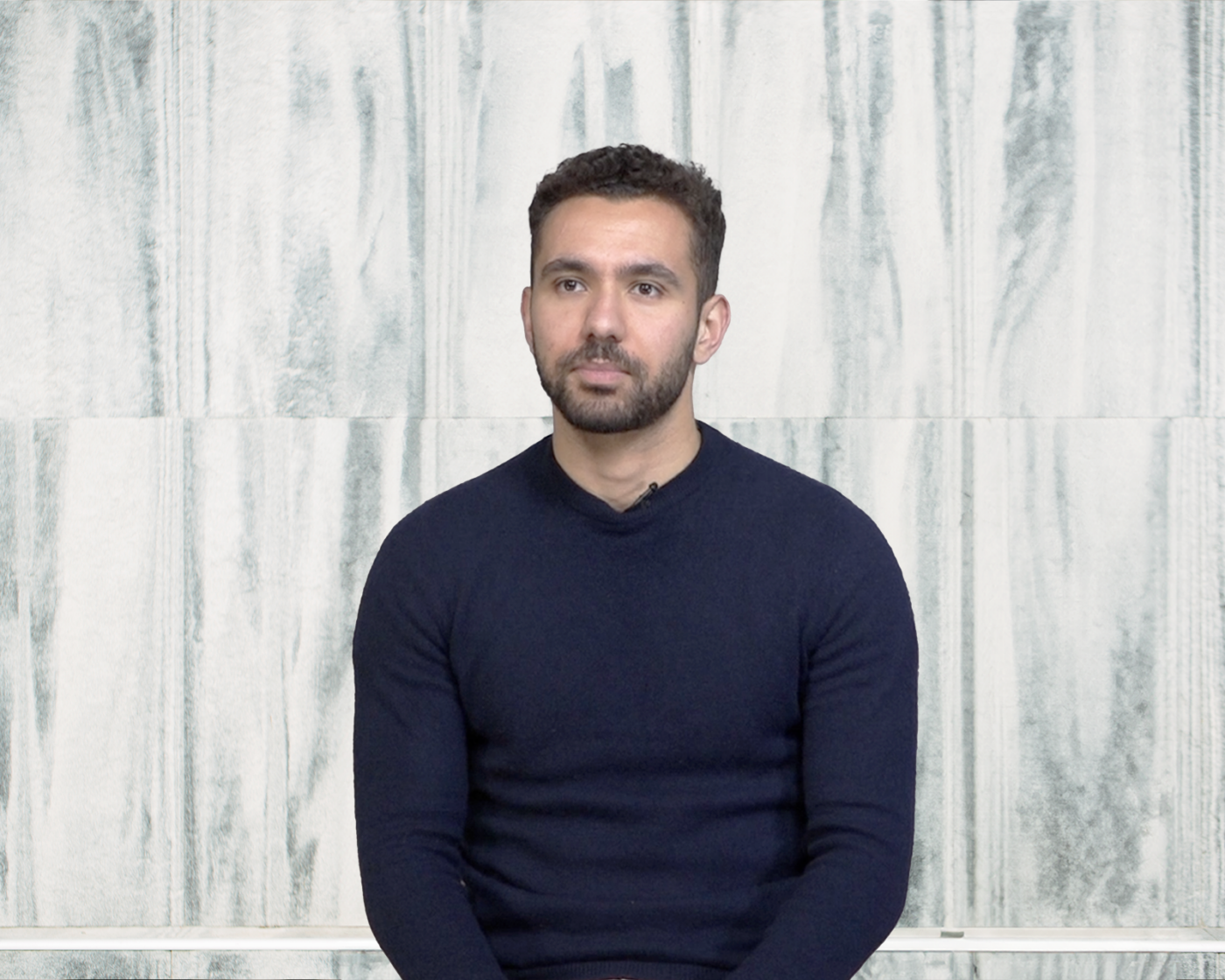
Refik Anadol is an artist, lecturer, and visiting researcher in UCLA’s Department of Design Media Arts. He creates immersive installations that involve both architecture and media arts.
His immersive installation, “Machine Hallucinations – Nature Dreams“, has been on display since June 11, 2022 at the Centre Pompidou-Metz, the first French museum to exhibit an NFT artwork. A data sculpture of colossal dimensions (100m2 of images in perpetual movement) composed of two hundred million images representing nature that are accompanied by sounds produced by quantum noises. For STREAM 05, Refik Anadol presents his work and comments on his most emblematic creations.
Exploring Liminal Space
Our reality has become hybrid because we are surrounded by machines and systems that define where we go to, what we eat, what we say, what we buy, what we listen to and watch, from the first moments after waking up to the last moments before going to sleep. There is no doubt that we are now in a liminal space, an in-between where physical and virtual are continuously colliding. Everything suggests the dawn of a new era in which virtual complexity commingles with reality, including in terms of esthetics, which opens unprecedented dimensions of exploration and imagination. The challenge art faces is therefore to serve as a universal language and to provide digital systems with new meanings, but also natural elements and landscapes, in a form that makes it possible to reach out to all, both living and nonliving.
Sculptures of Urban Data
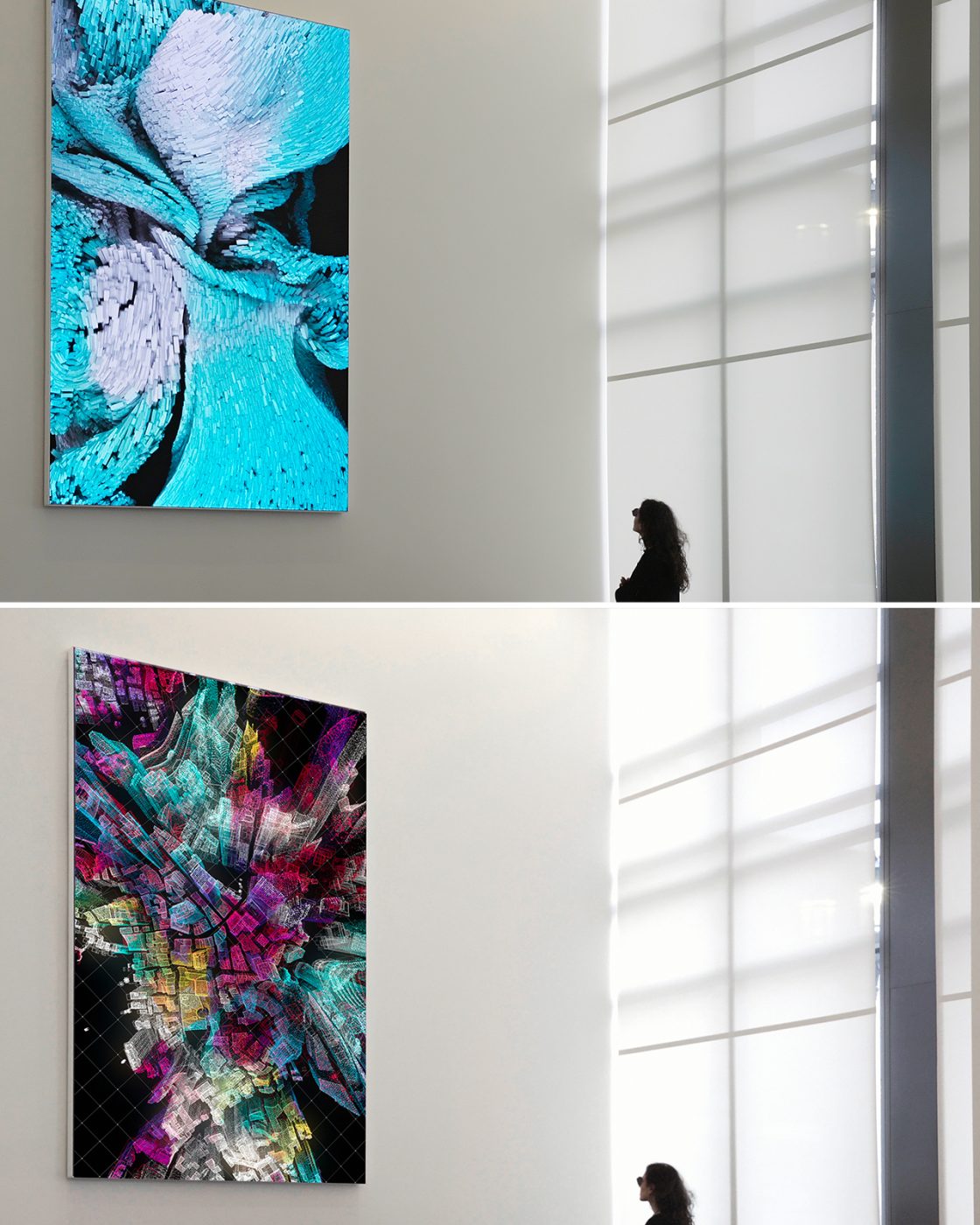
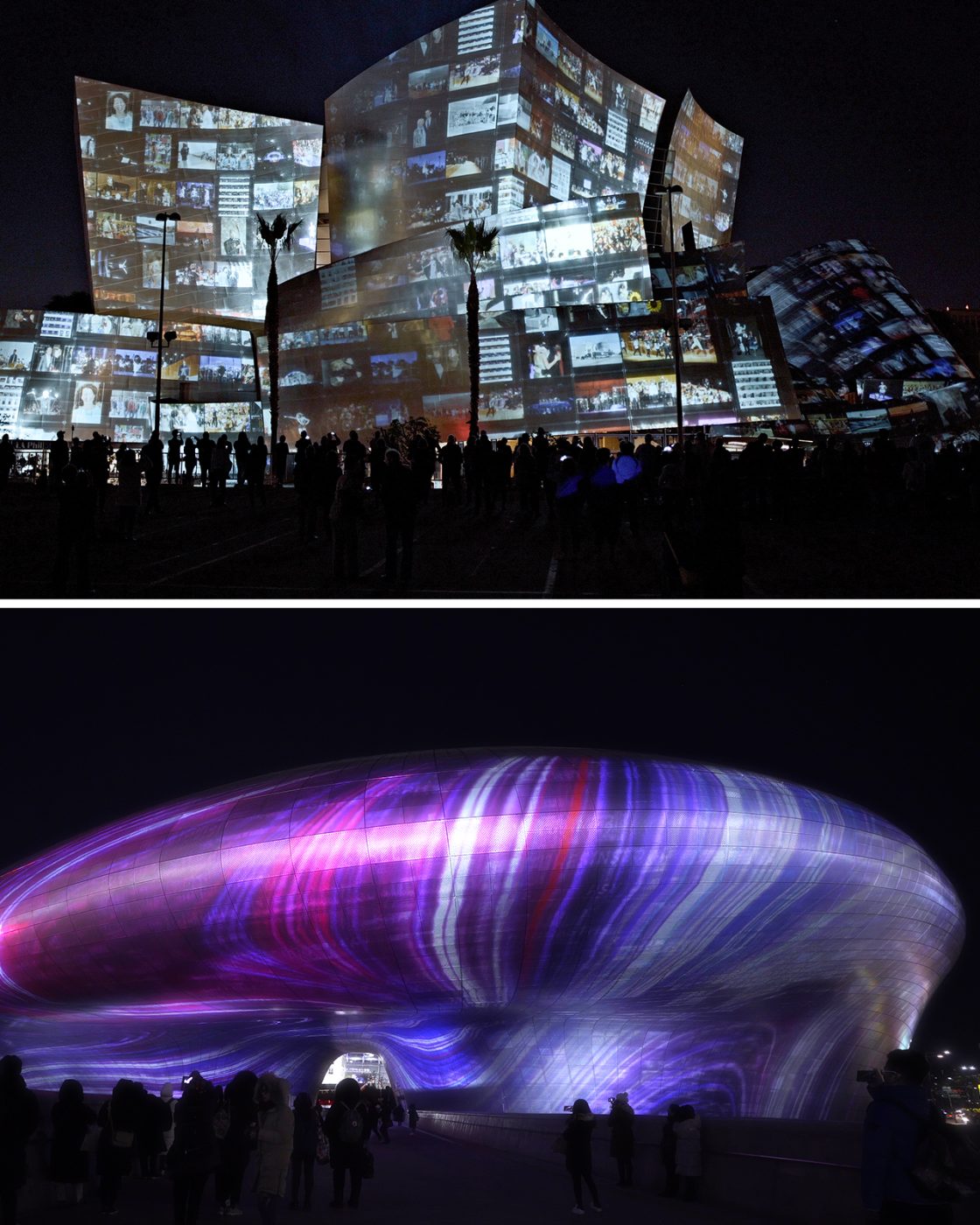
Cities are living entities whose inhabitants are neurons establishing symbiotic relationships with their built environment. The strength of these interactions surpasses the very might of political states, as it is through these relations that we set up survival methods, that we imagine, remember, and learn every passing day. Data is a memory that gives form to my sculptures. By using the collective memory of New York City, Stockholm, Berlin, or Seoul, thanks to the huge banks of images of these cities which I feed to AI, I carry out a reconstruction of reality. AI helps predict and anticipate the construction of a building or the passage of seasons. Given that memory, in the twenty-first century, cannot be reduced to cognitive systems and extends beyond the traditional framework of perception, I attempt to establish a new emotional narrative through prospective forms of representation.
At the Frontier between Art and Neurosciences
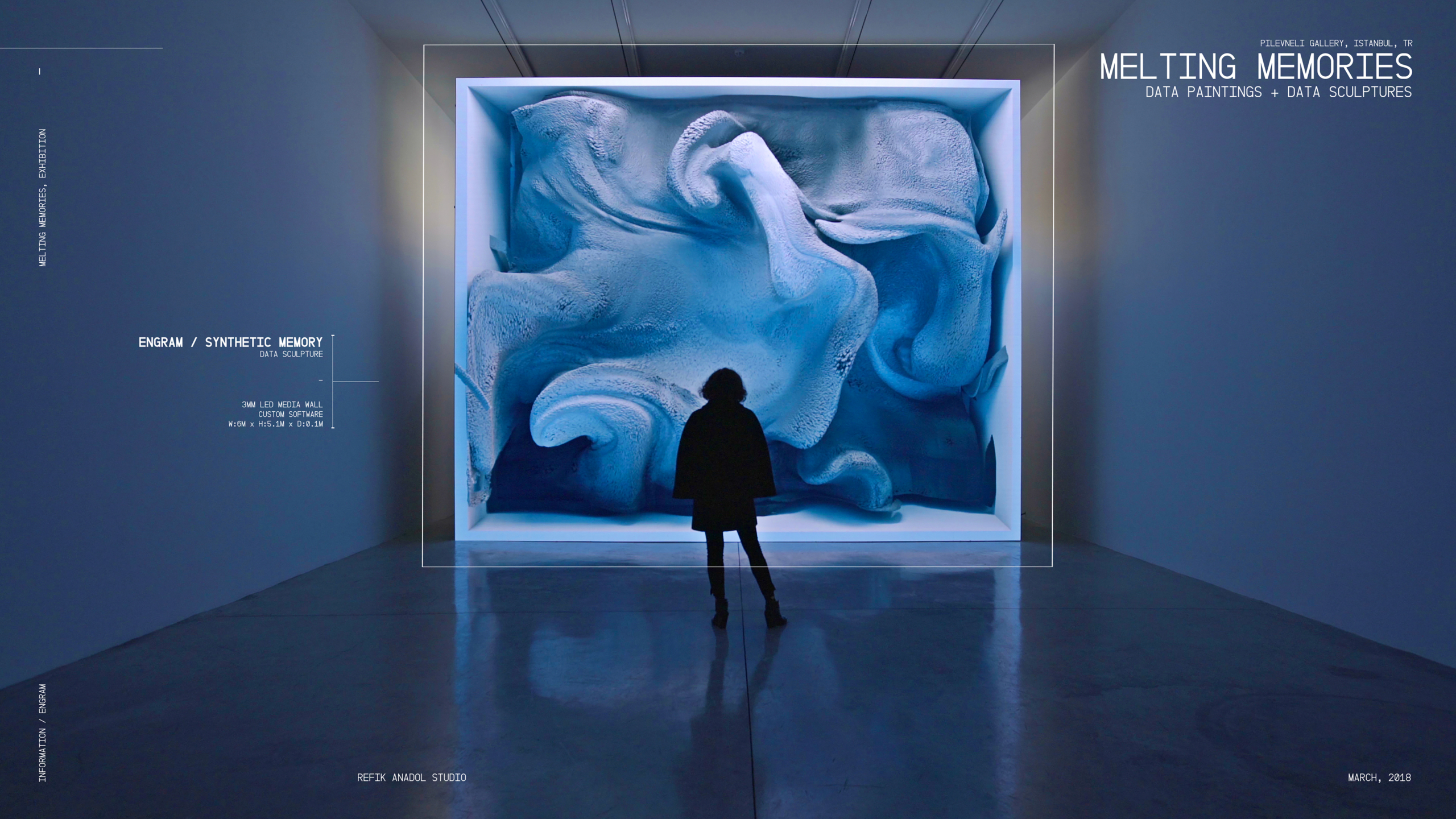
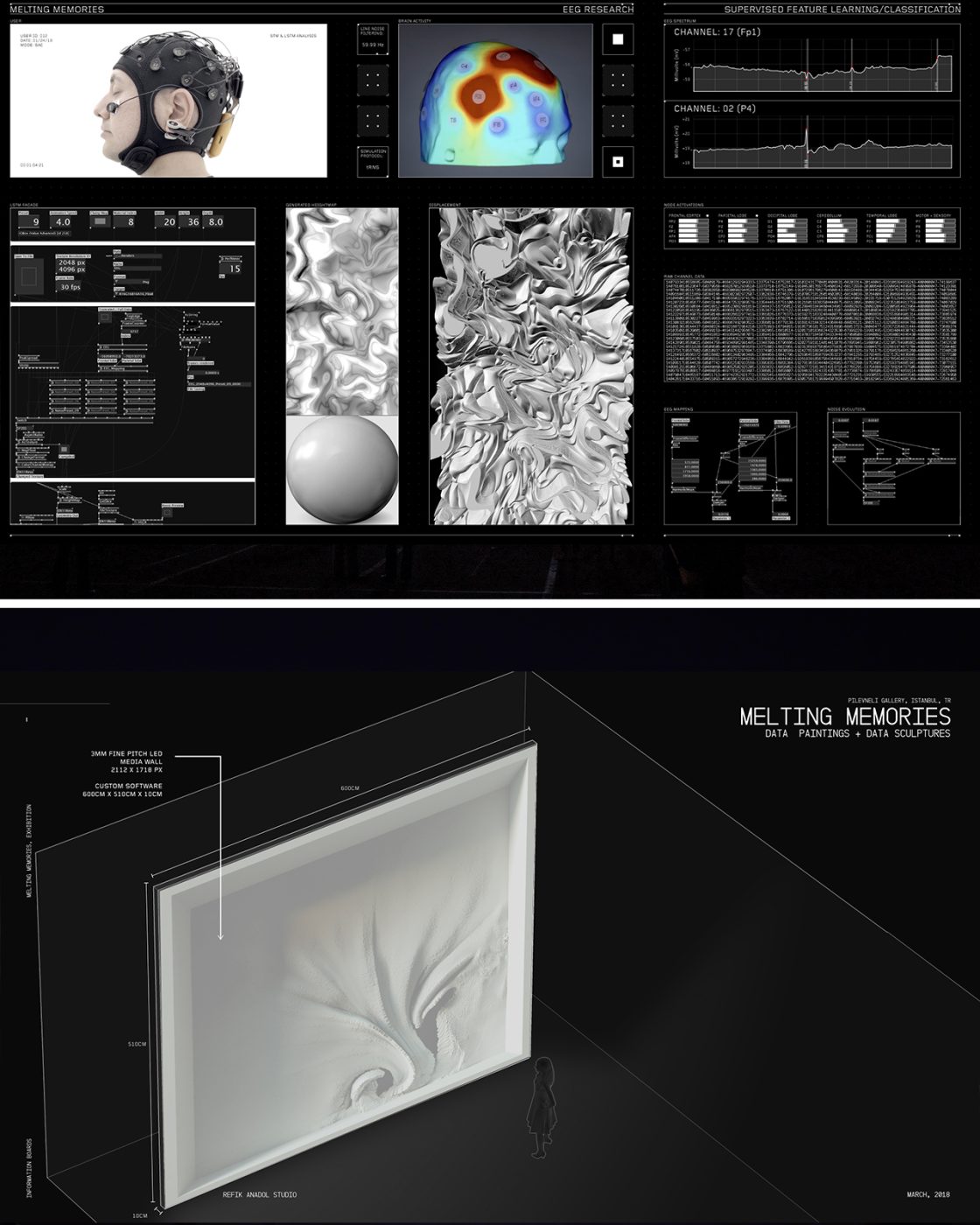
Melting Memories was born from a frustrating observation: the fact that modern medicine is unable to stem the loss of memories caused by Alzheimer’s disease. I therefore began collaborating with the Neuroscape Research Lab at UCSF in order to capture the moments when memories form and transform them into an abstract painting of data. Philip K. Dick defined reality as “that which, when you stop believing in it, doesn’t go away.” I similarly view simulation as that which, when stories and memories fade away, doesn’t go away.
My artworks also serve clinical research in neurosciences as they help improve information visualization and make the world of science more accessible. My aim is to come up with new images and reveal a new reality.