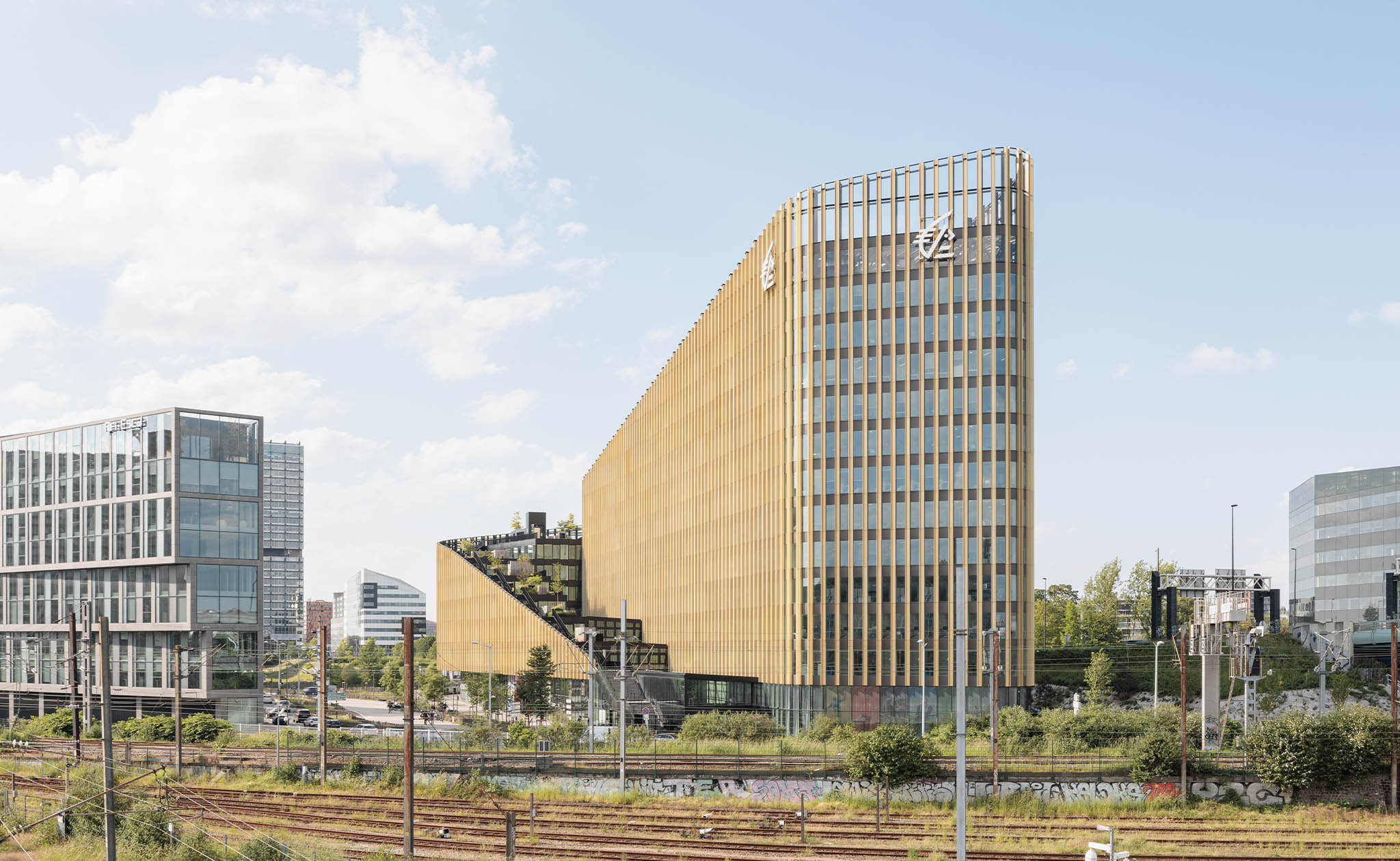
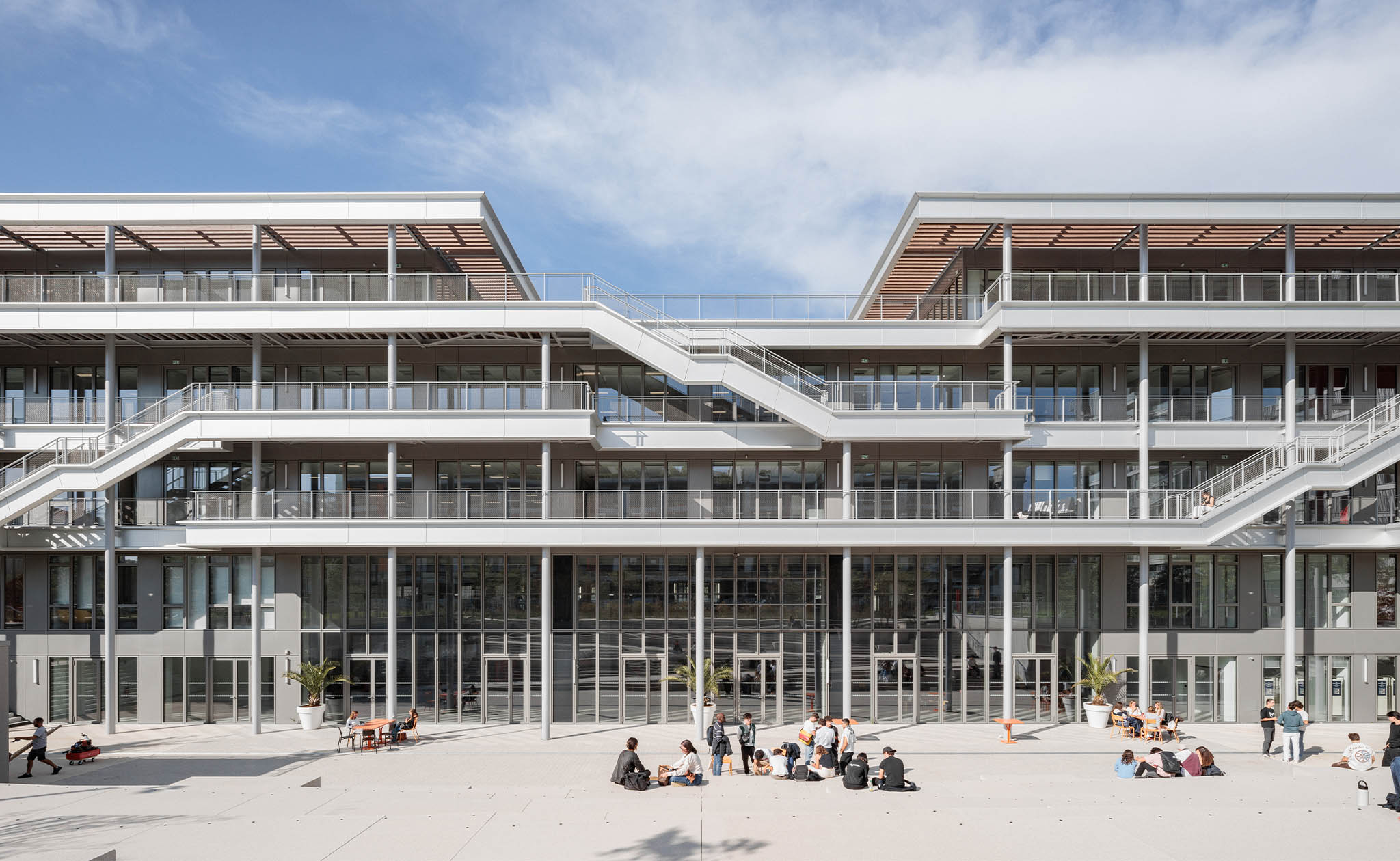
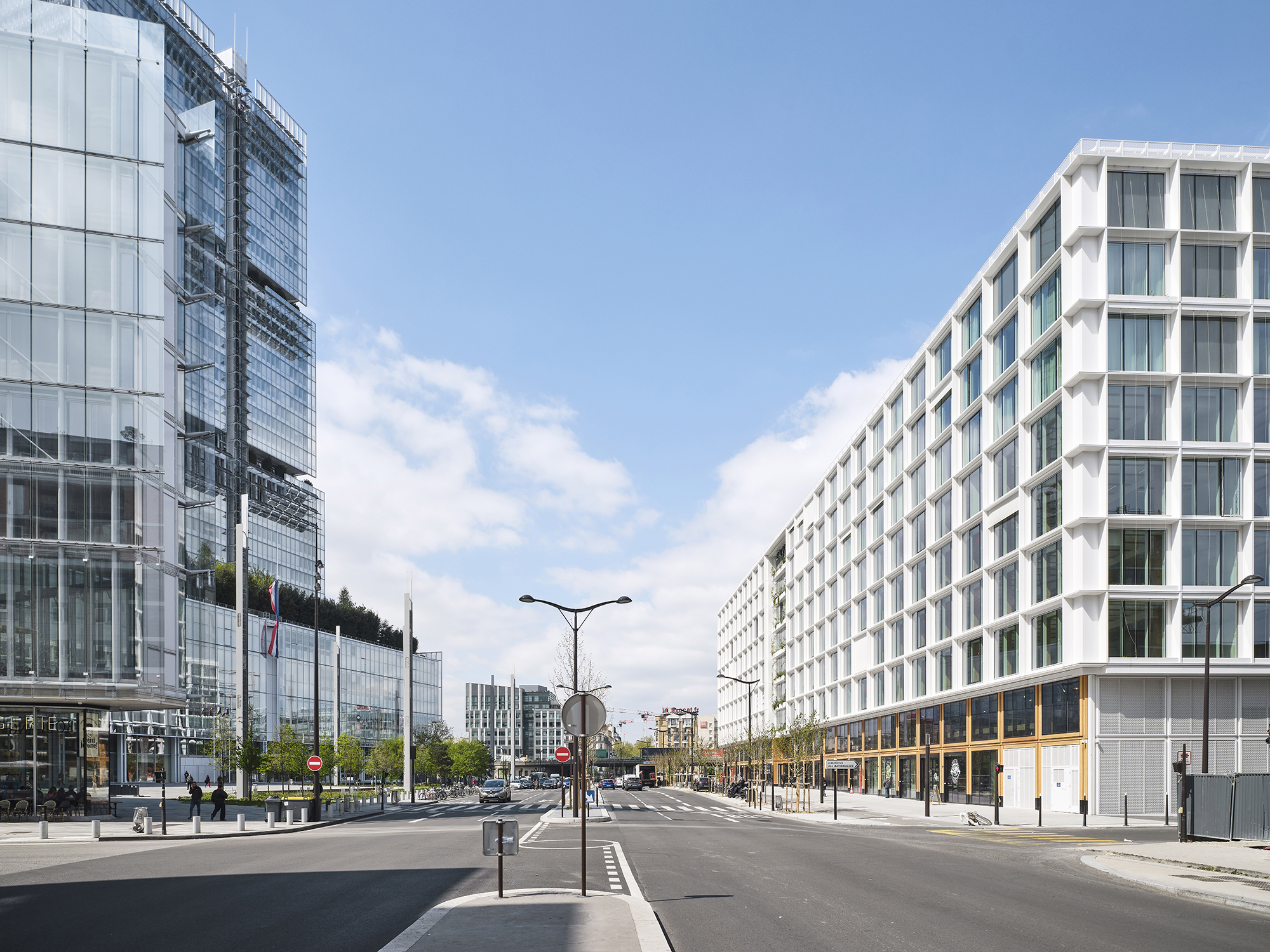
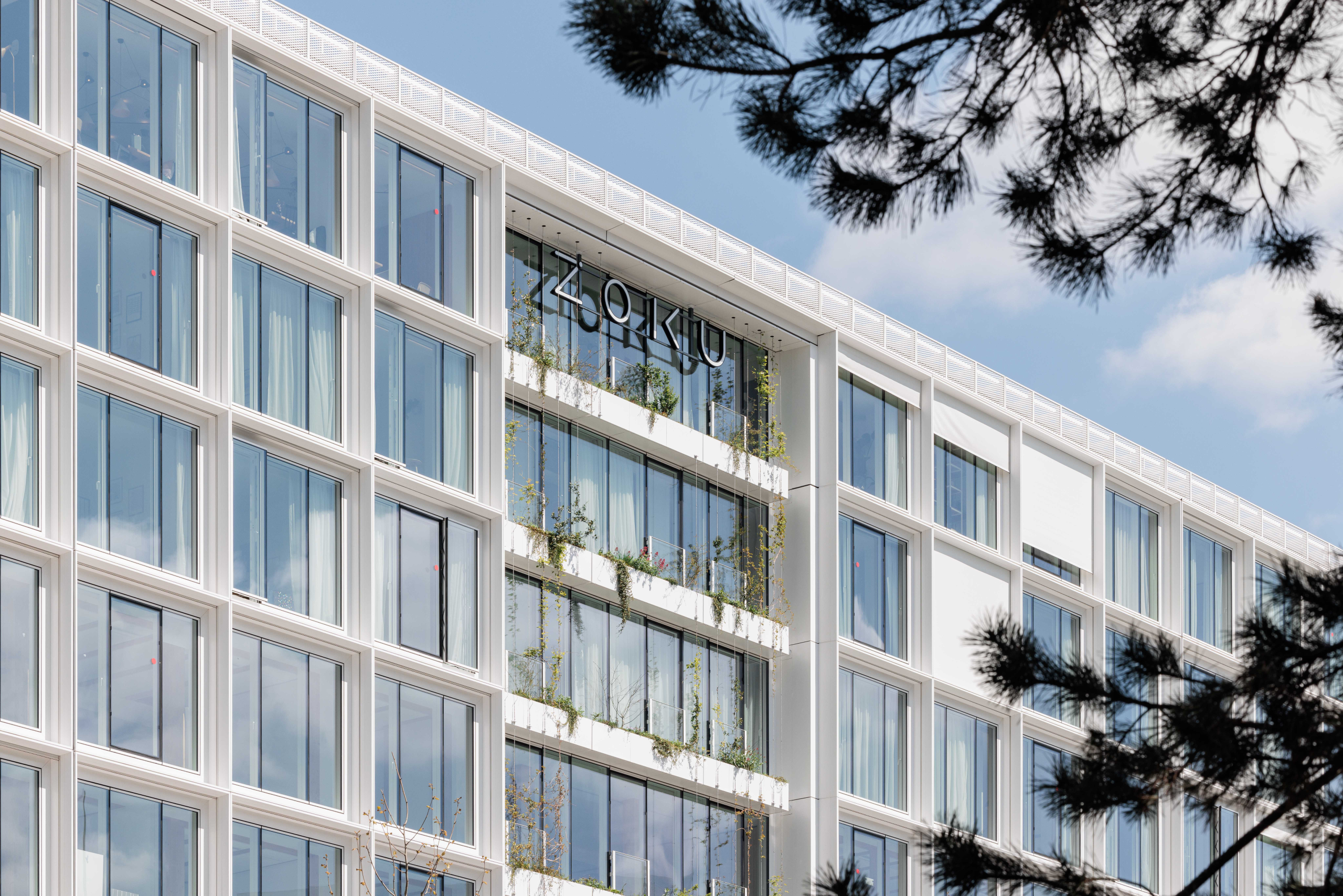
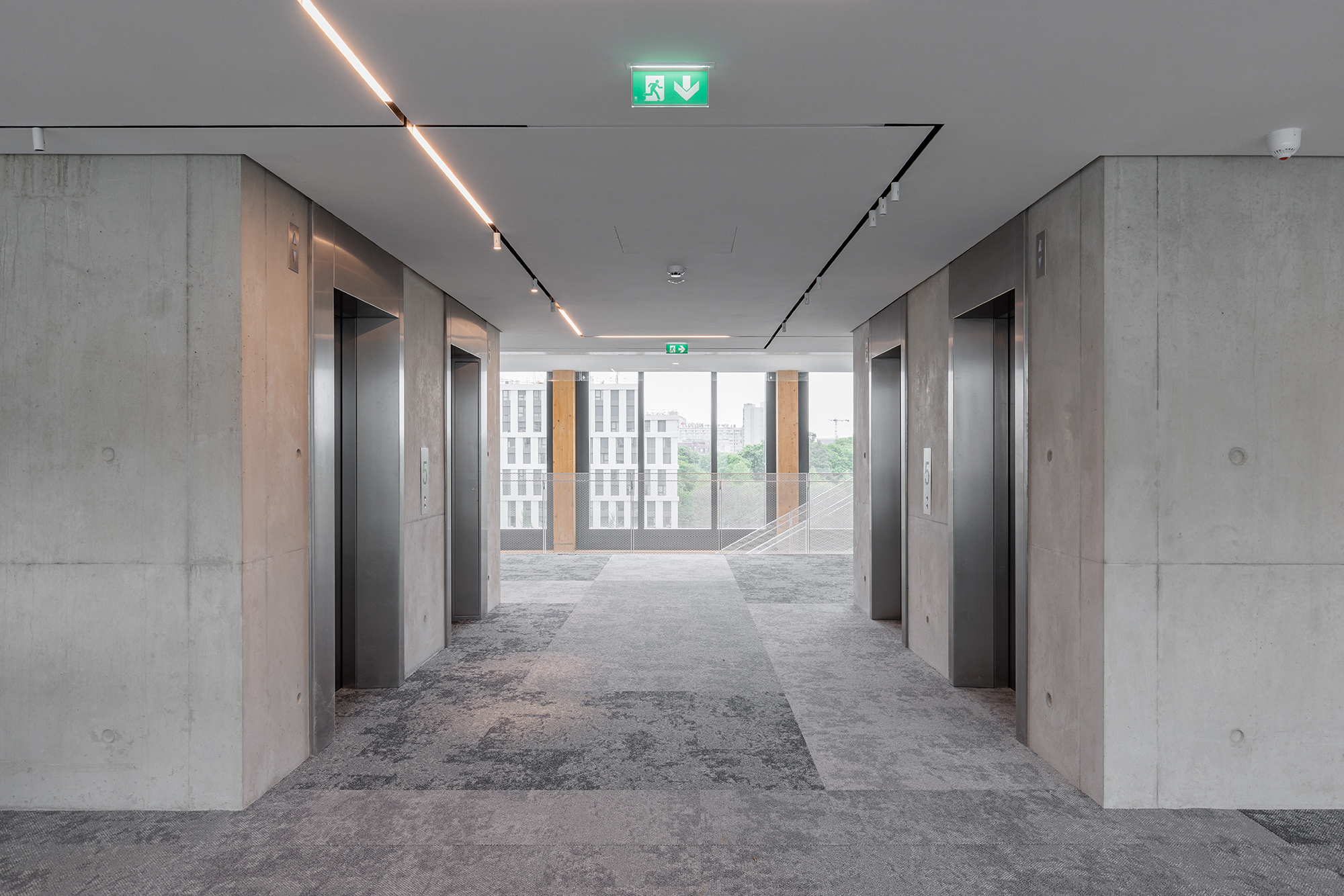
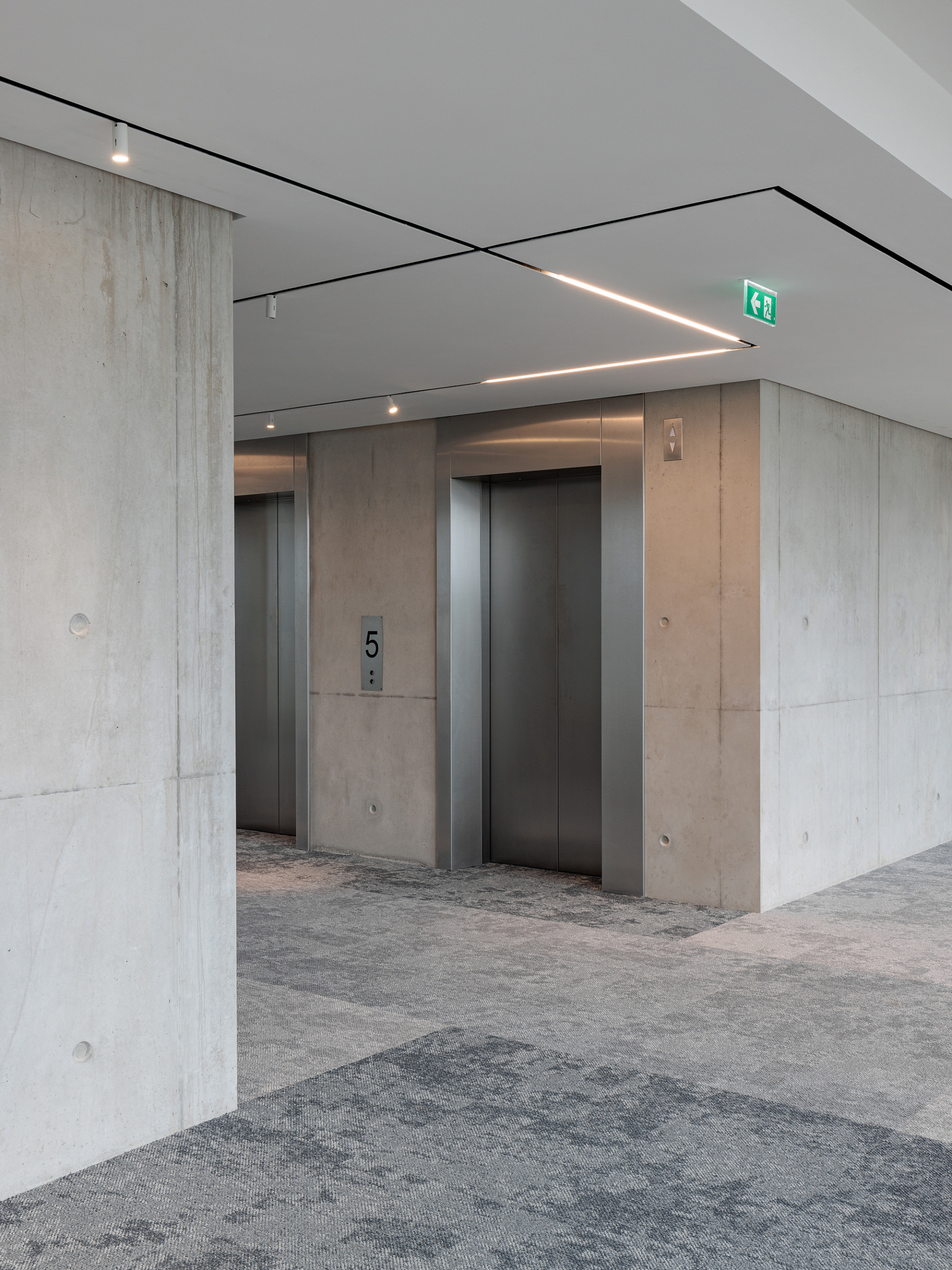
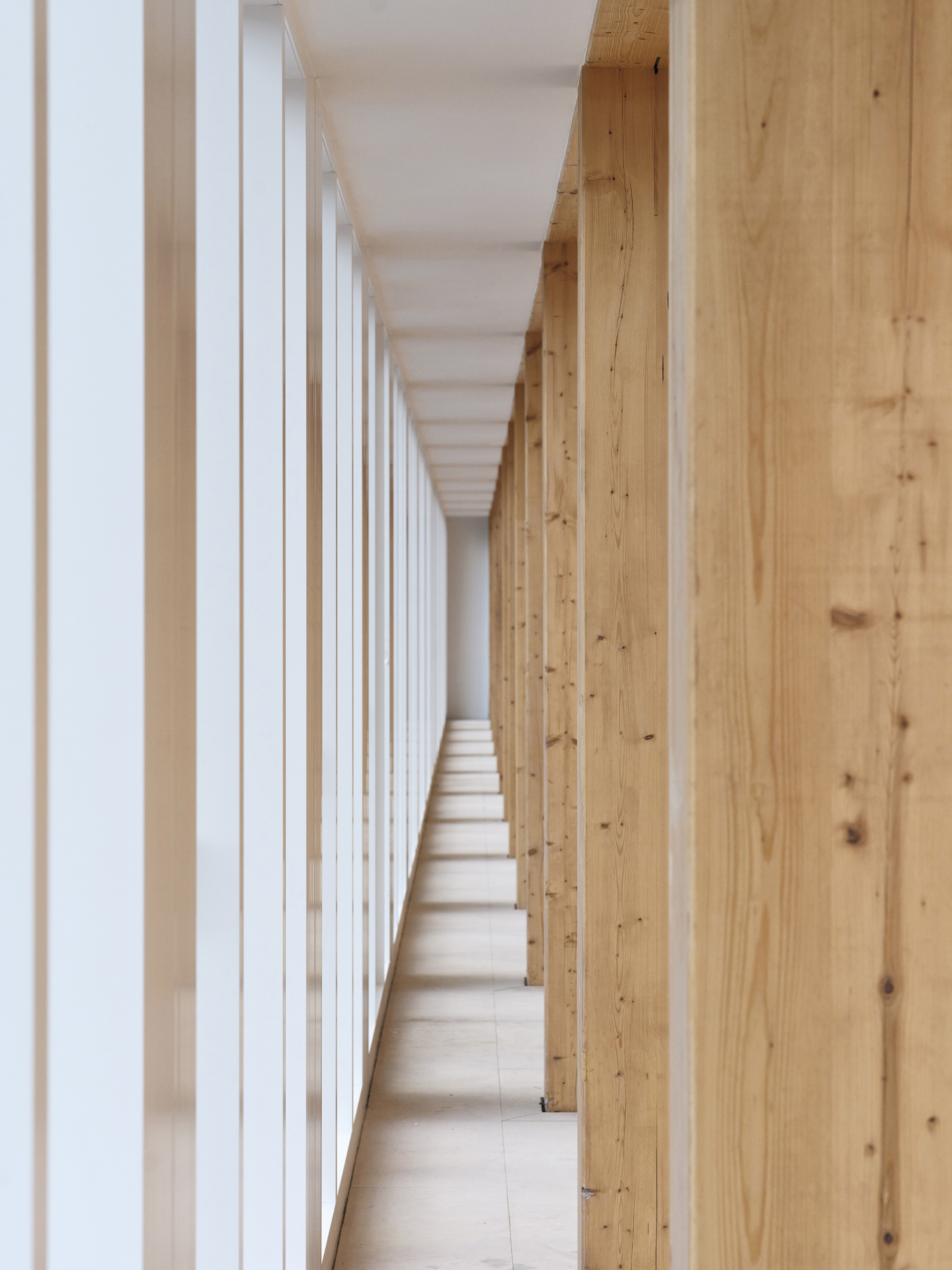
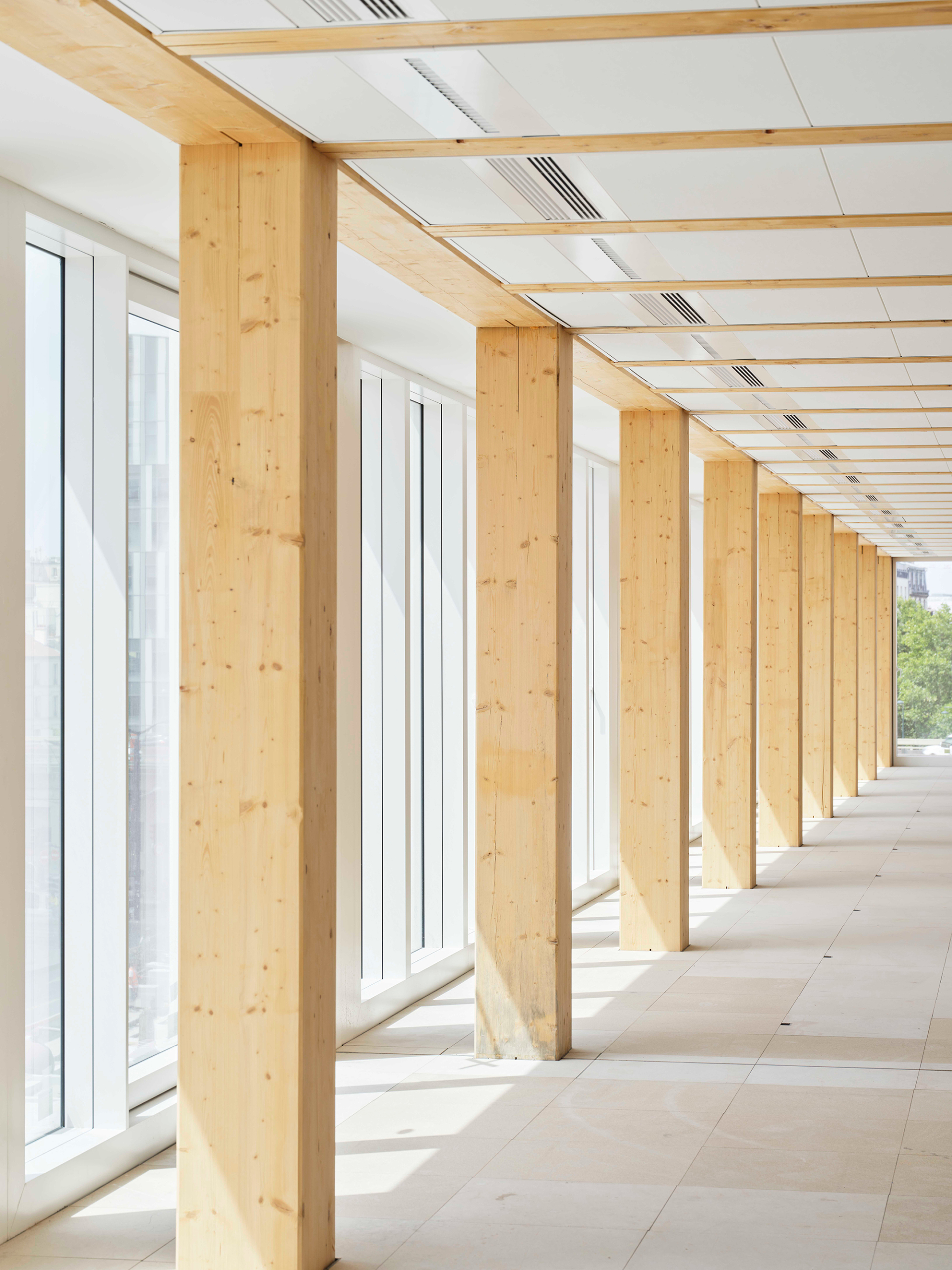
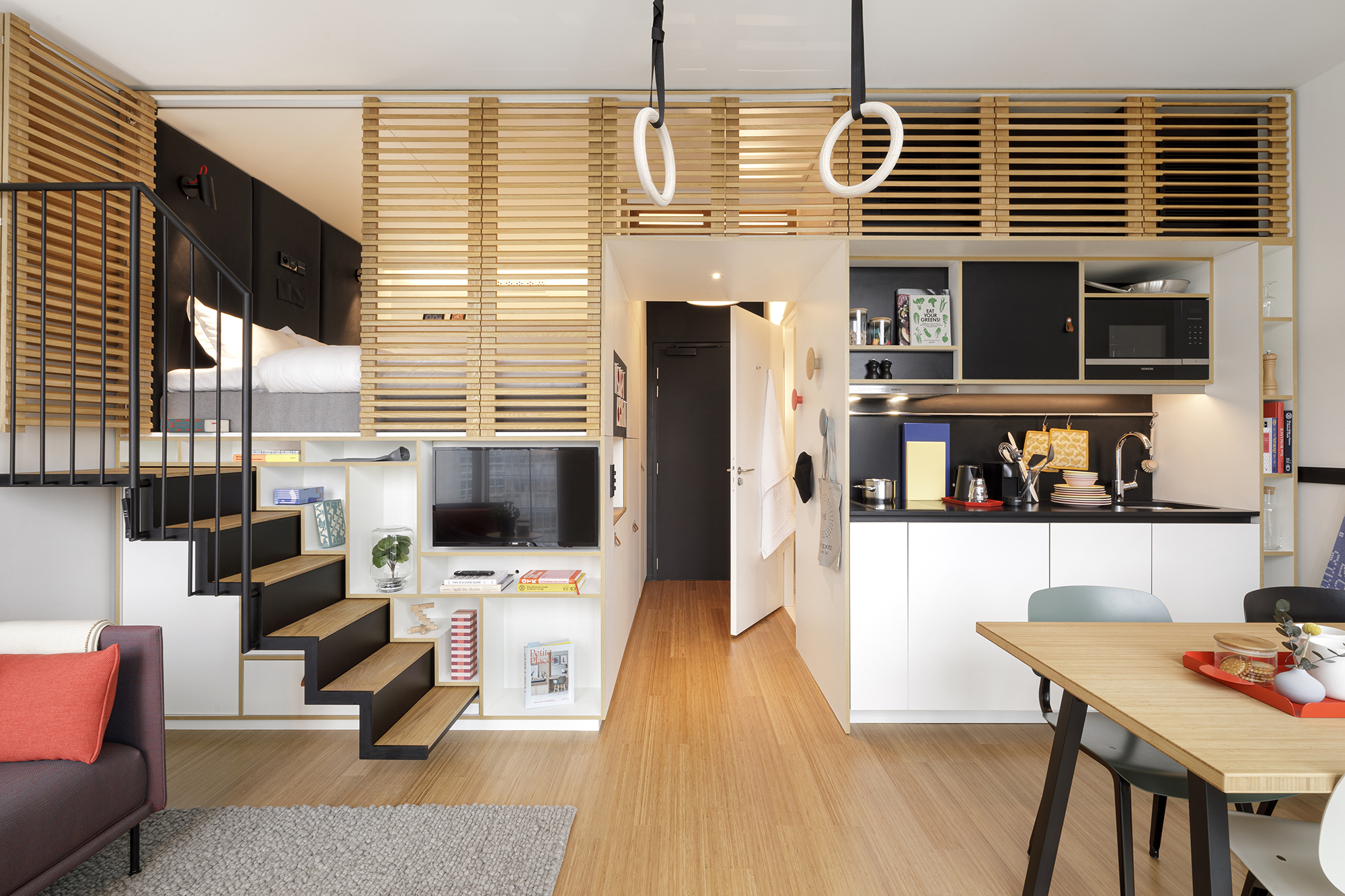
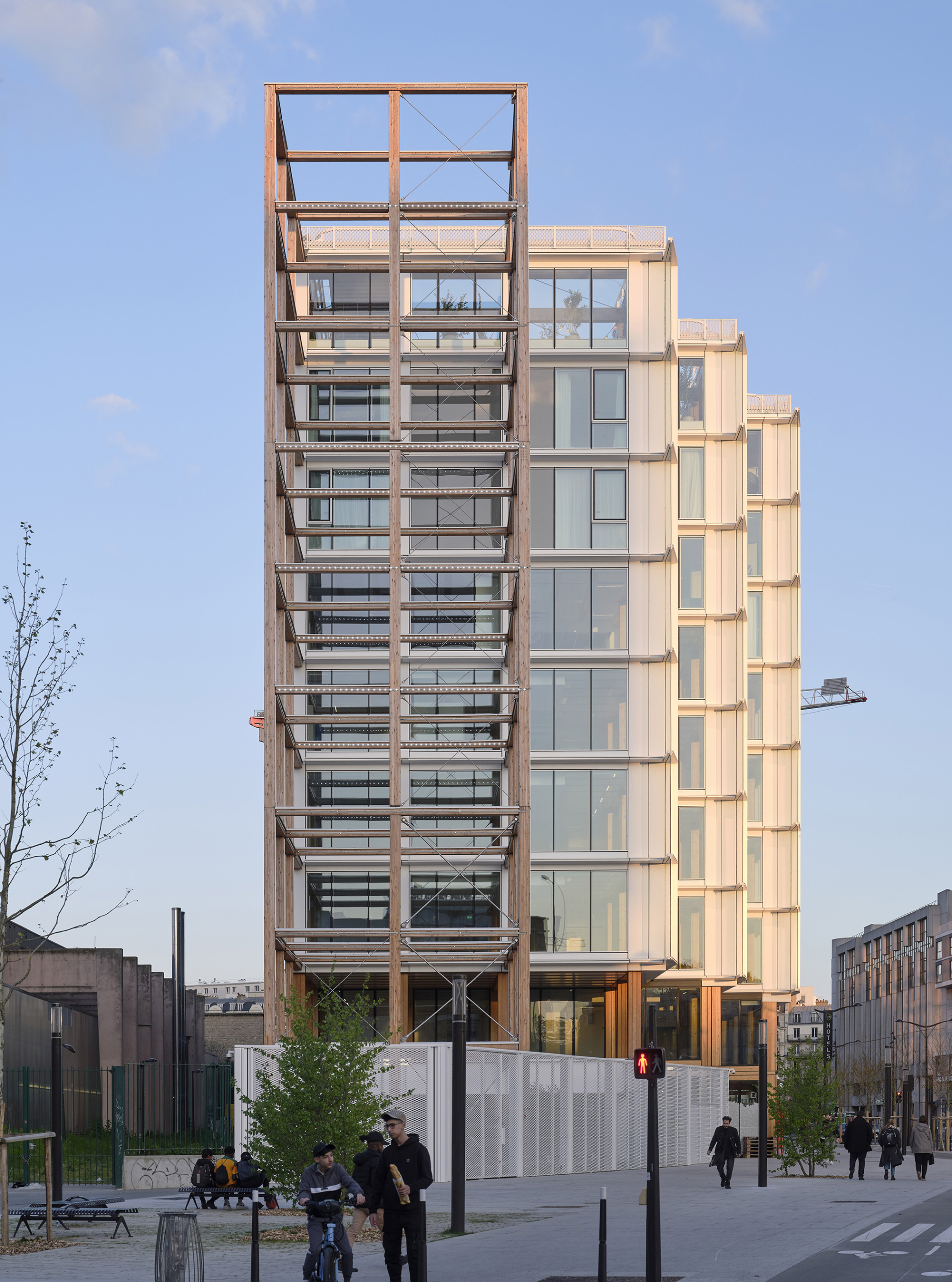
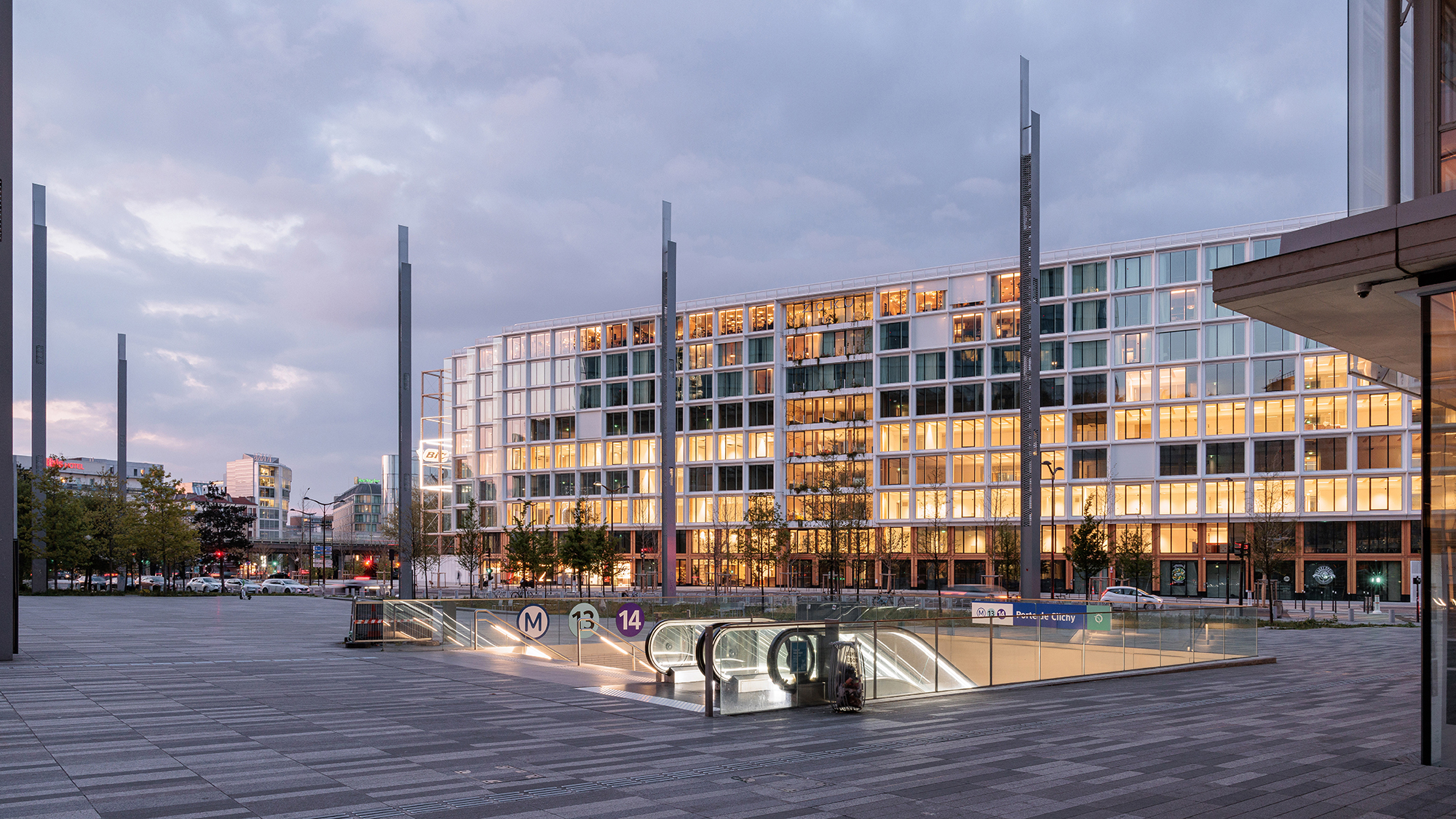
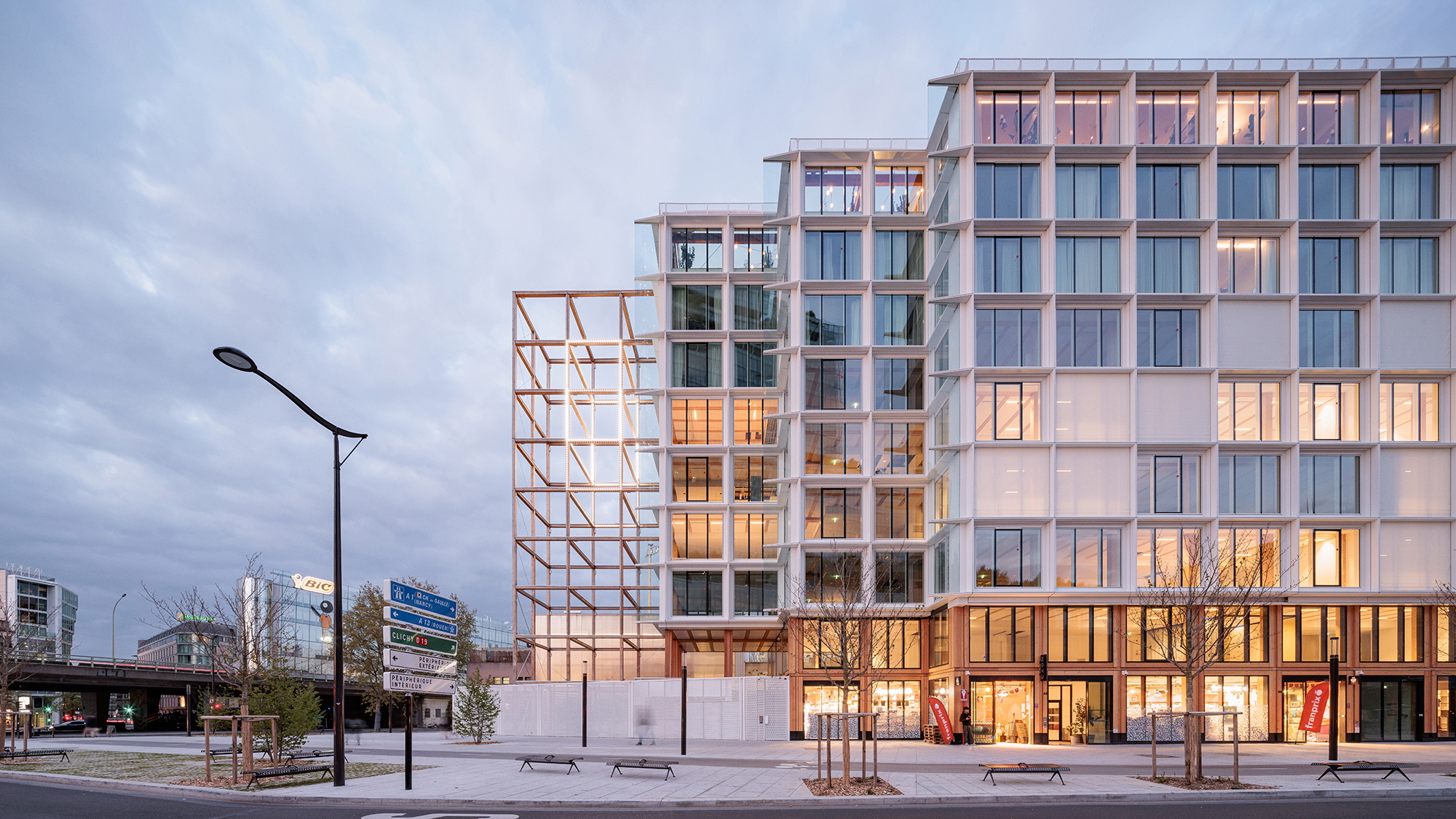
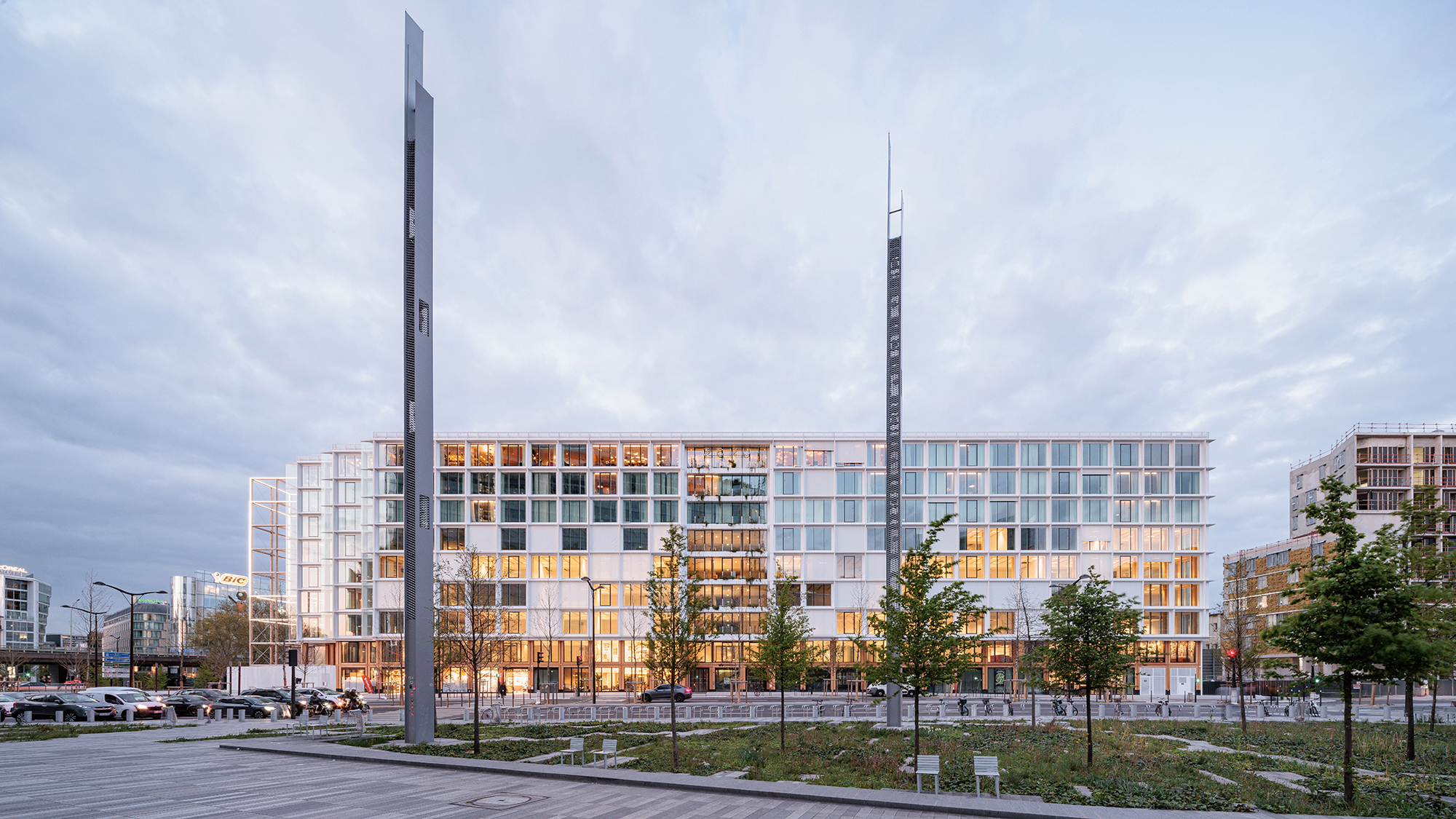
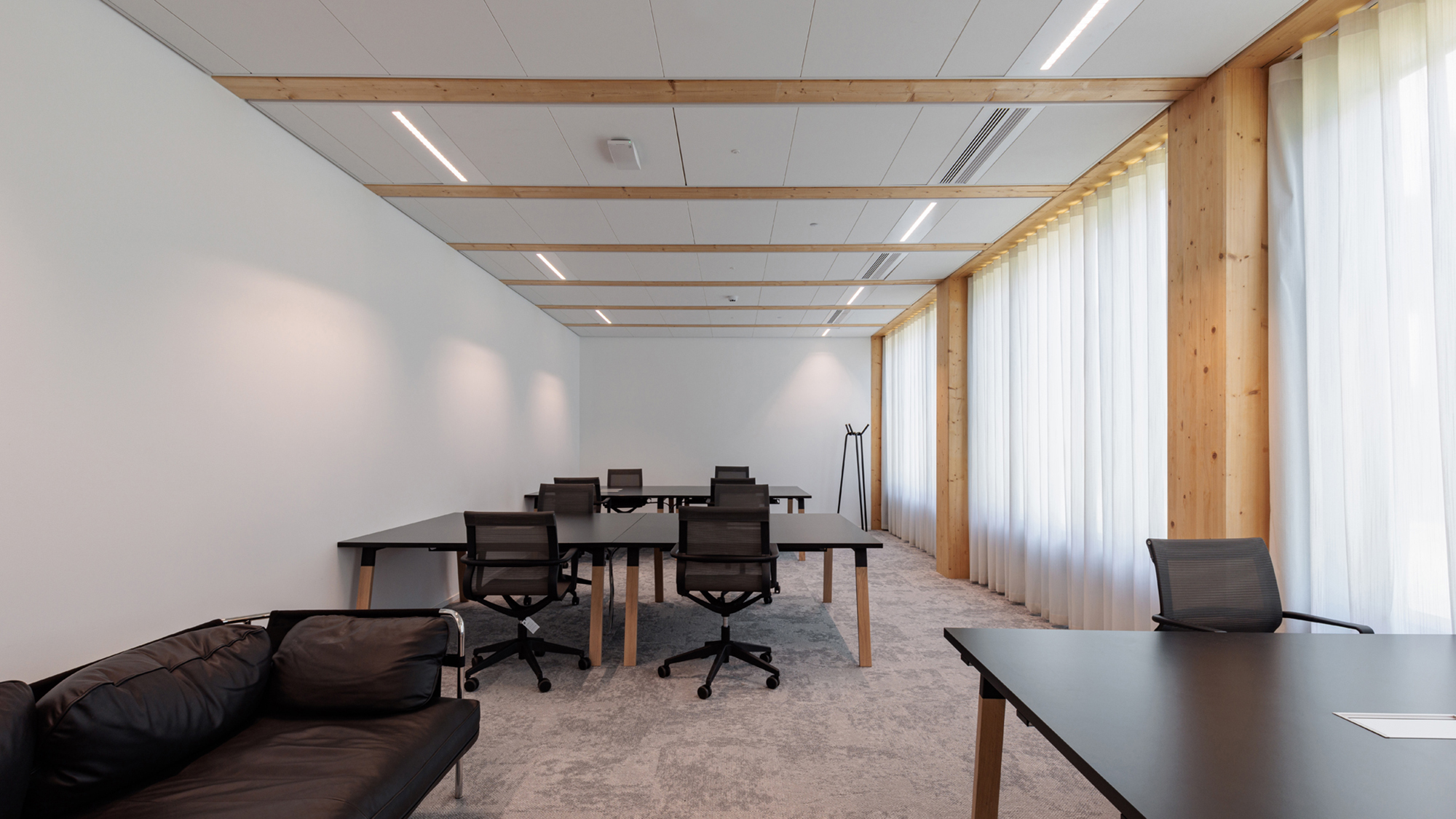
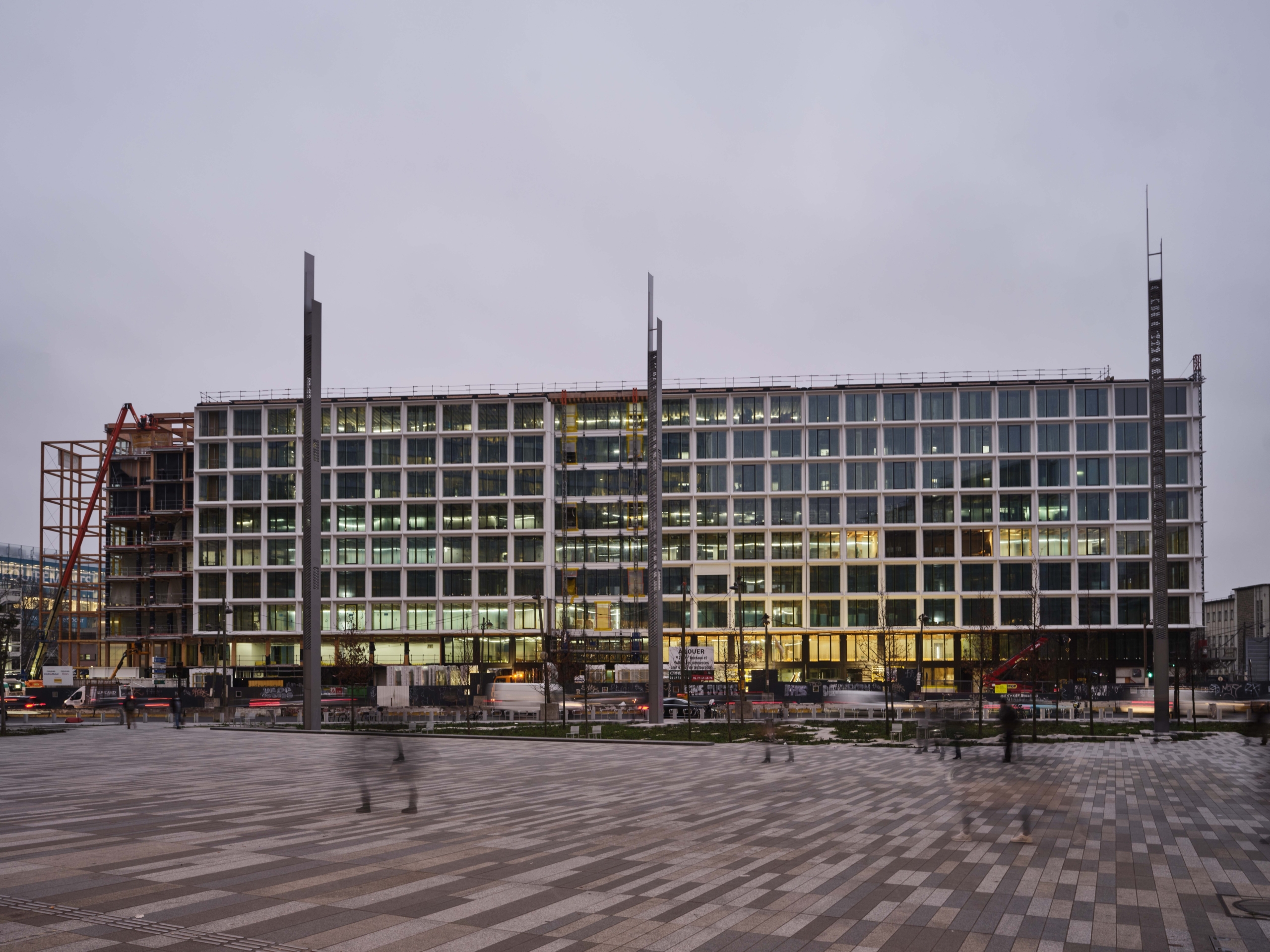
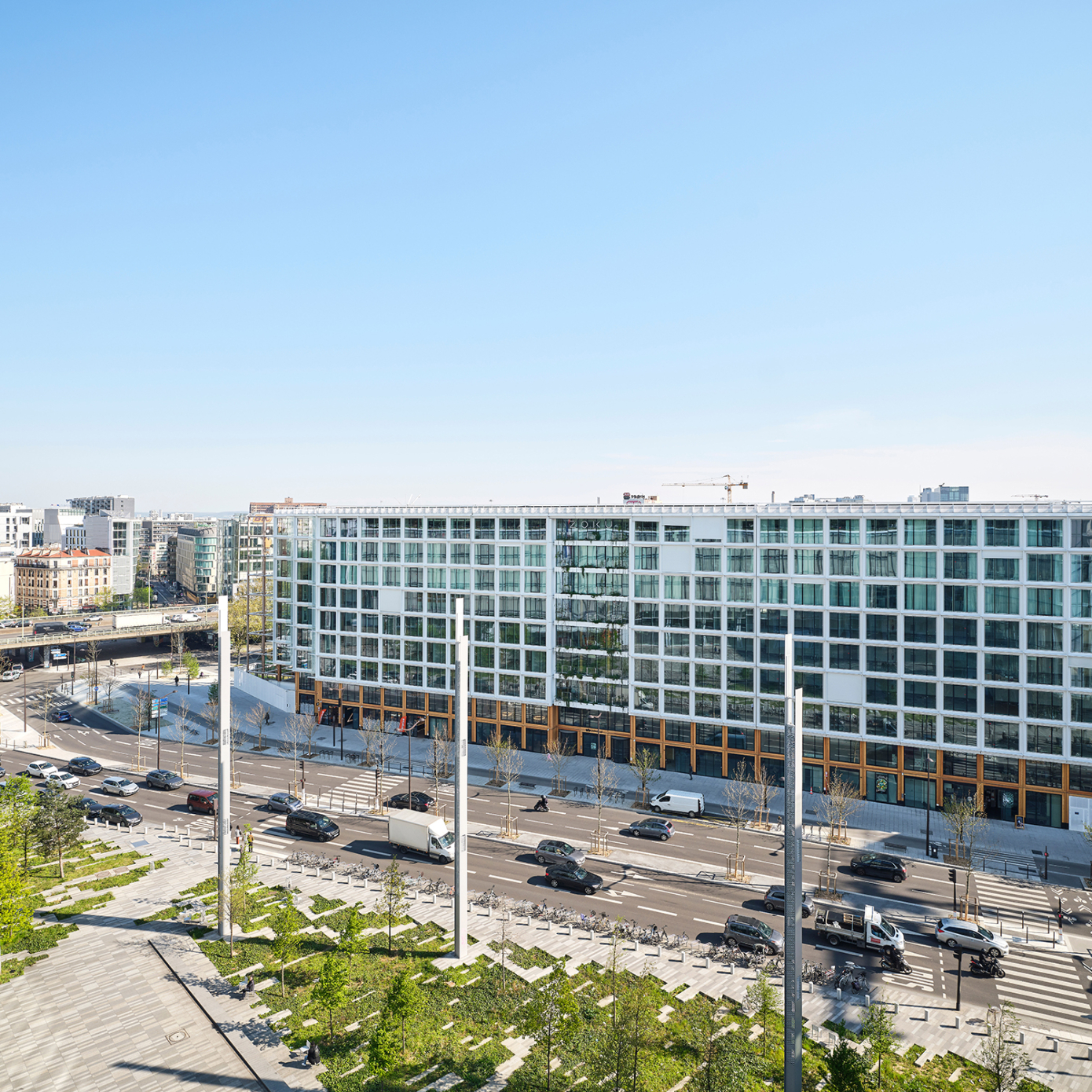
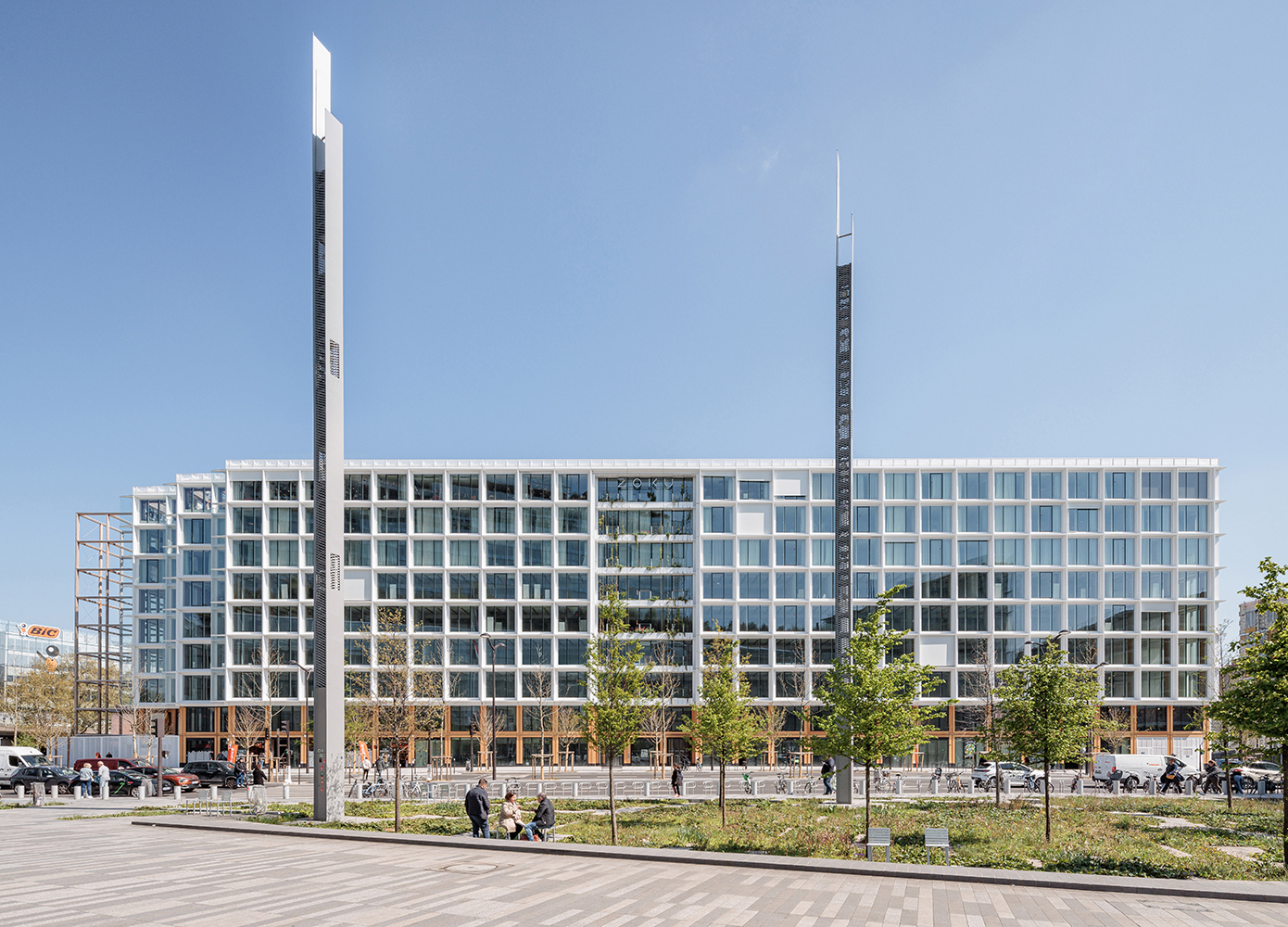
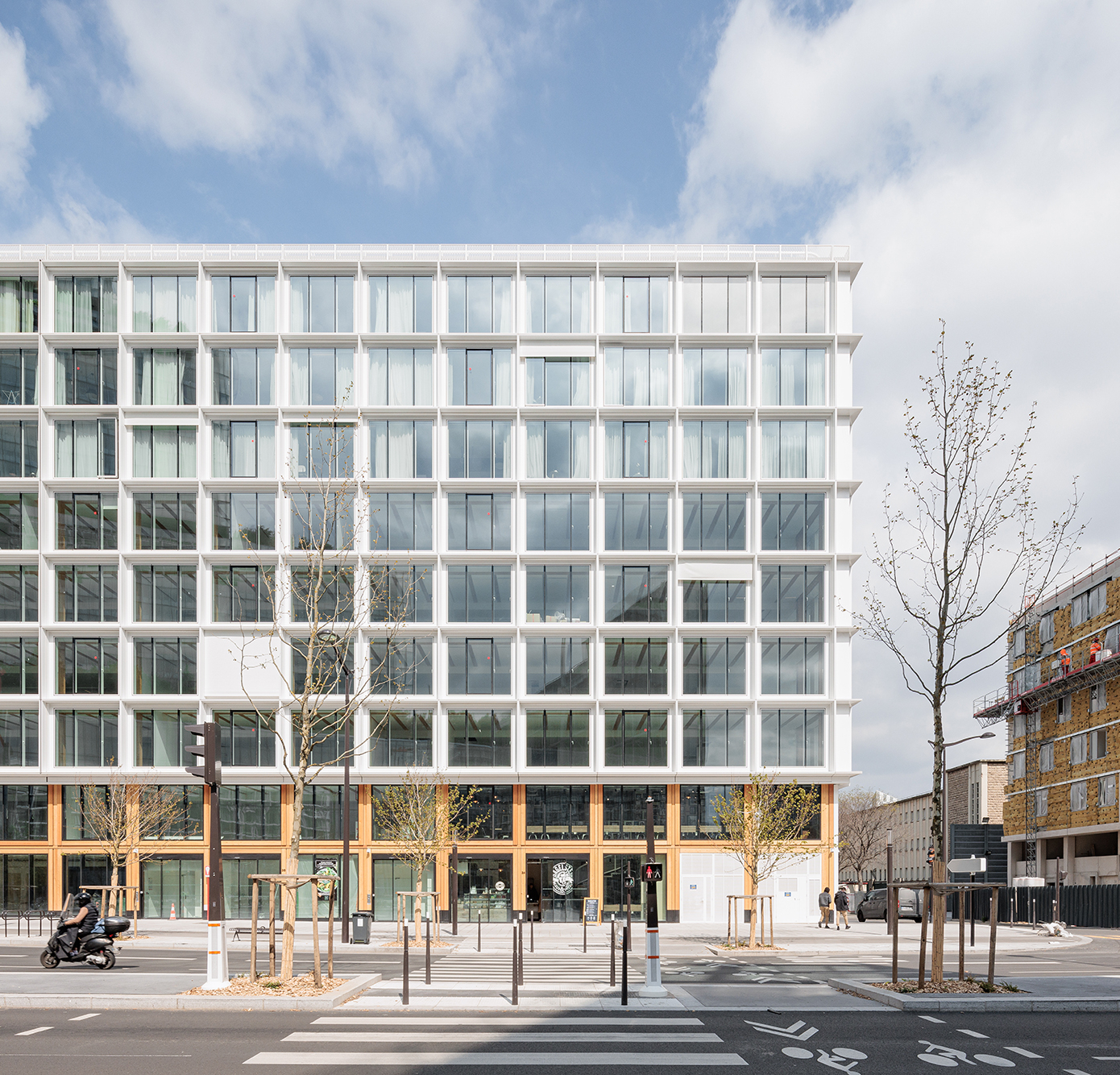
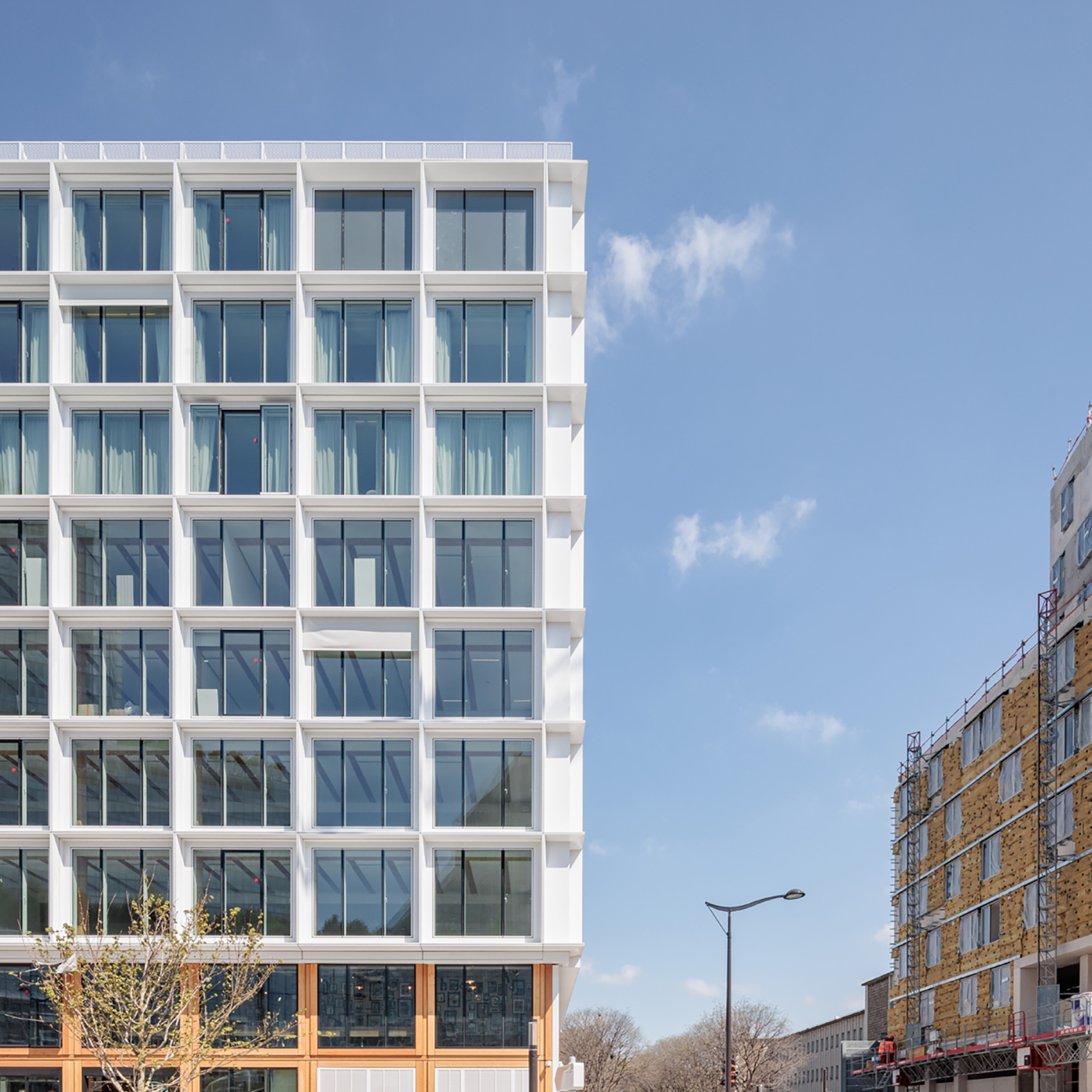
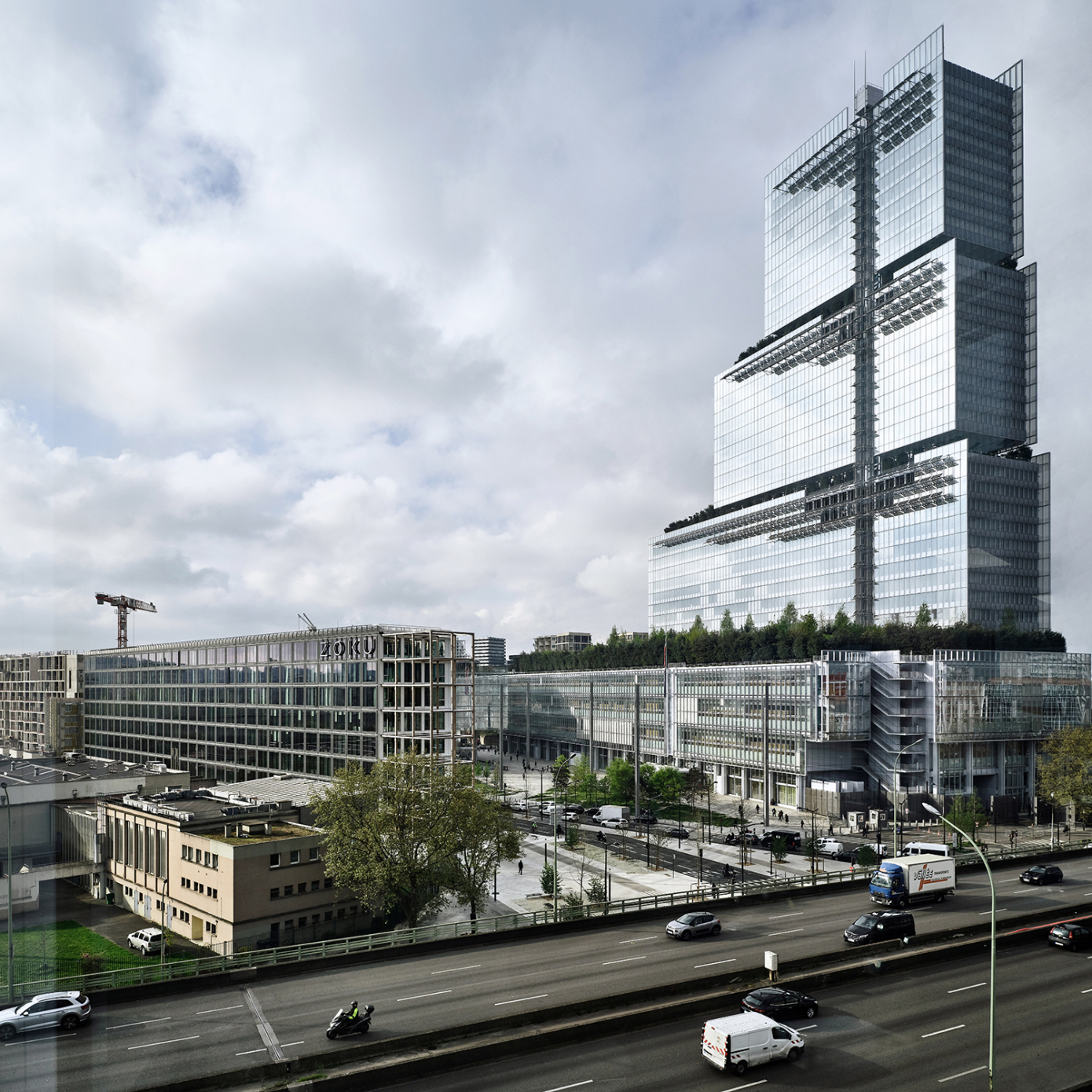
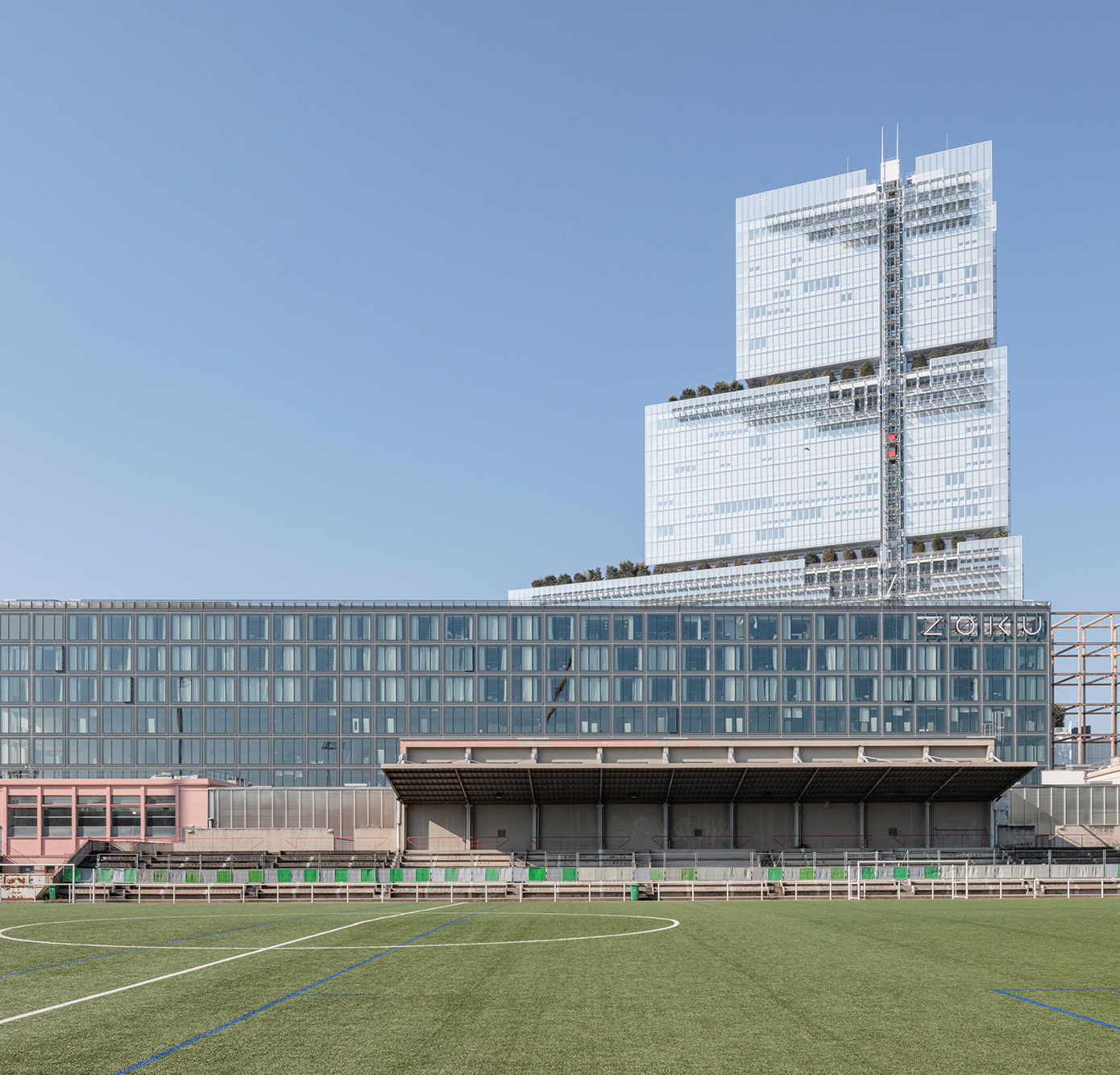
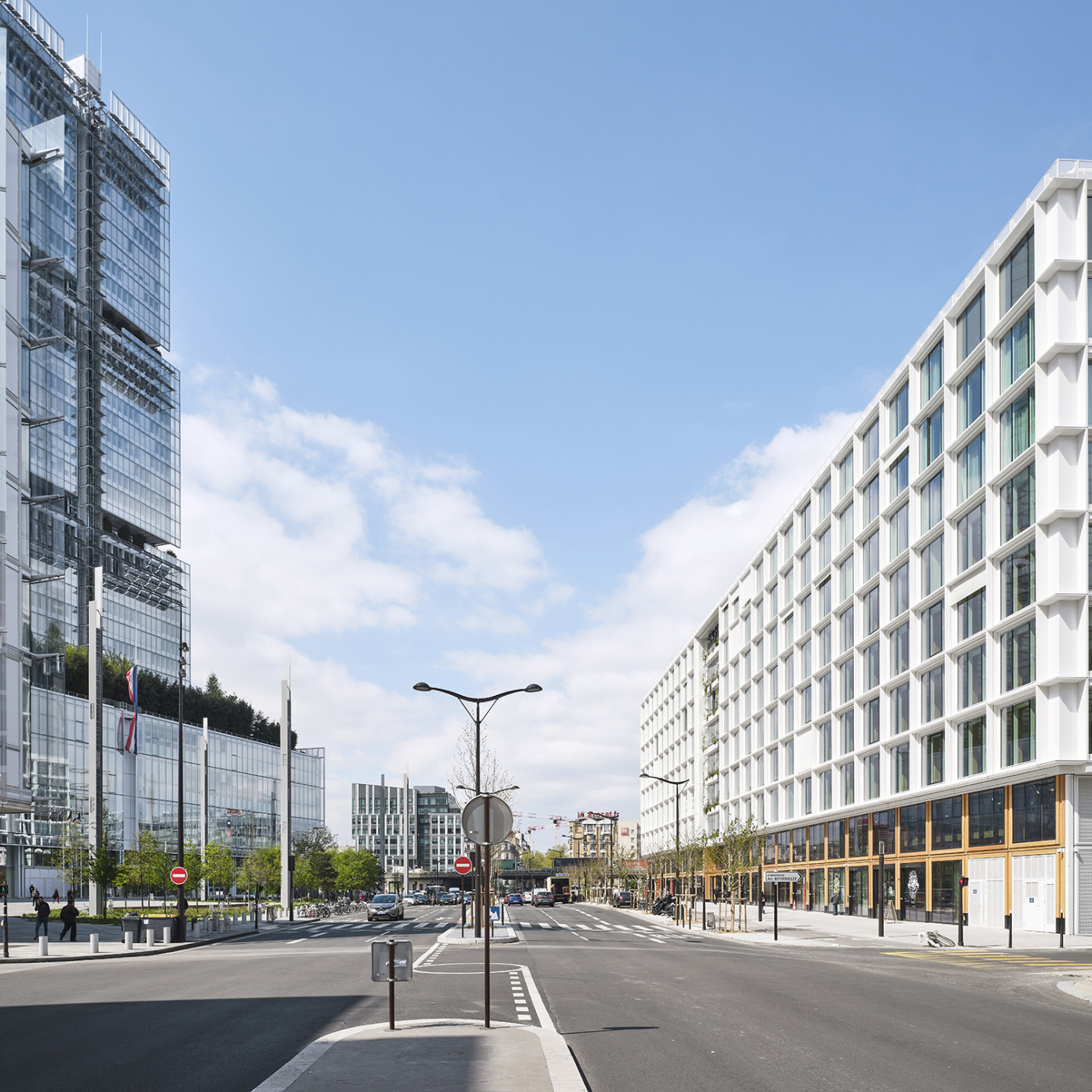
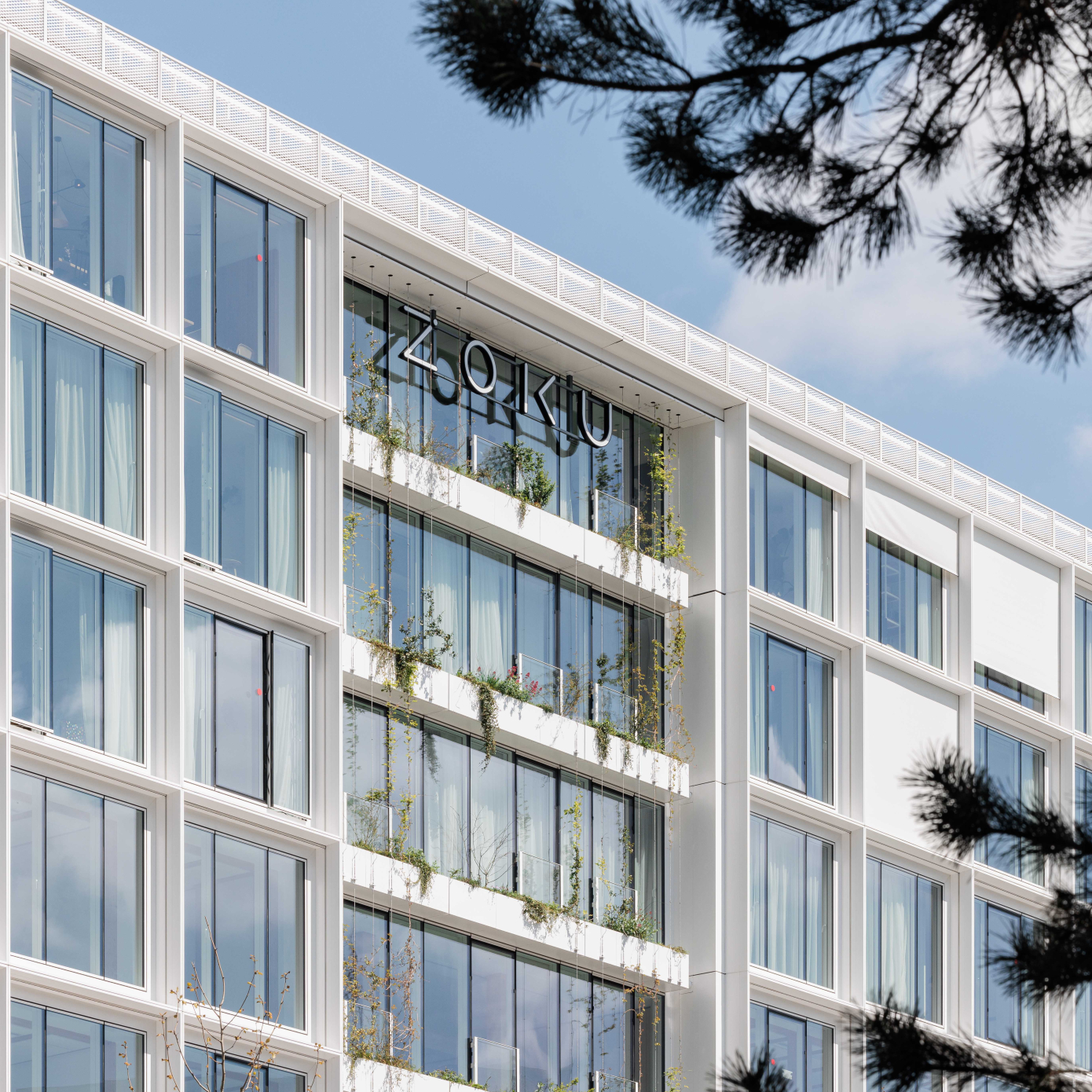
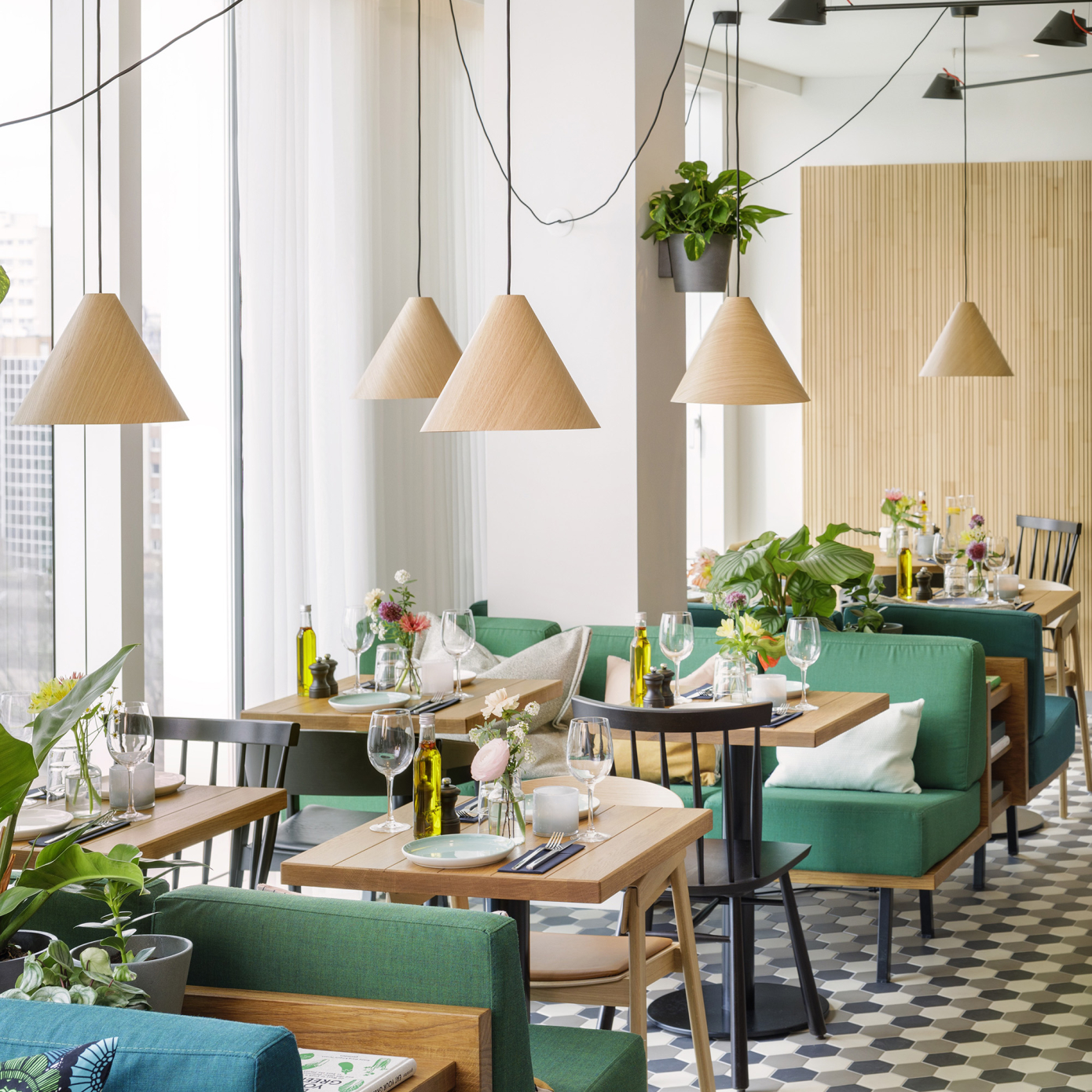
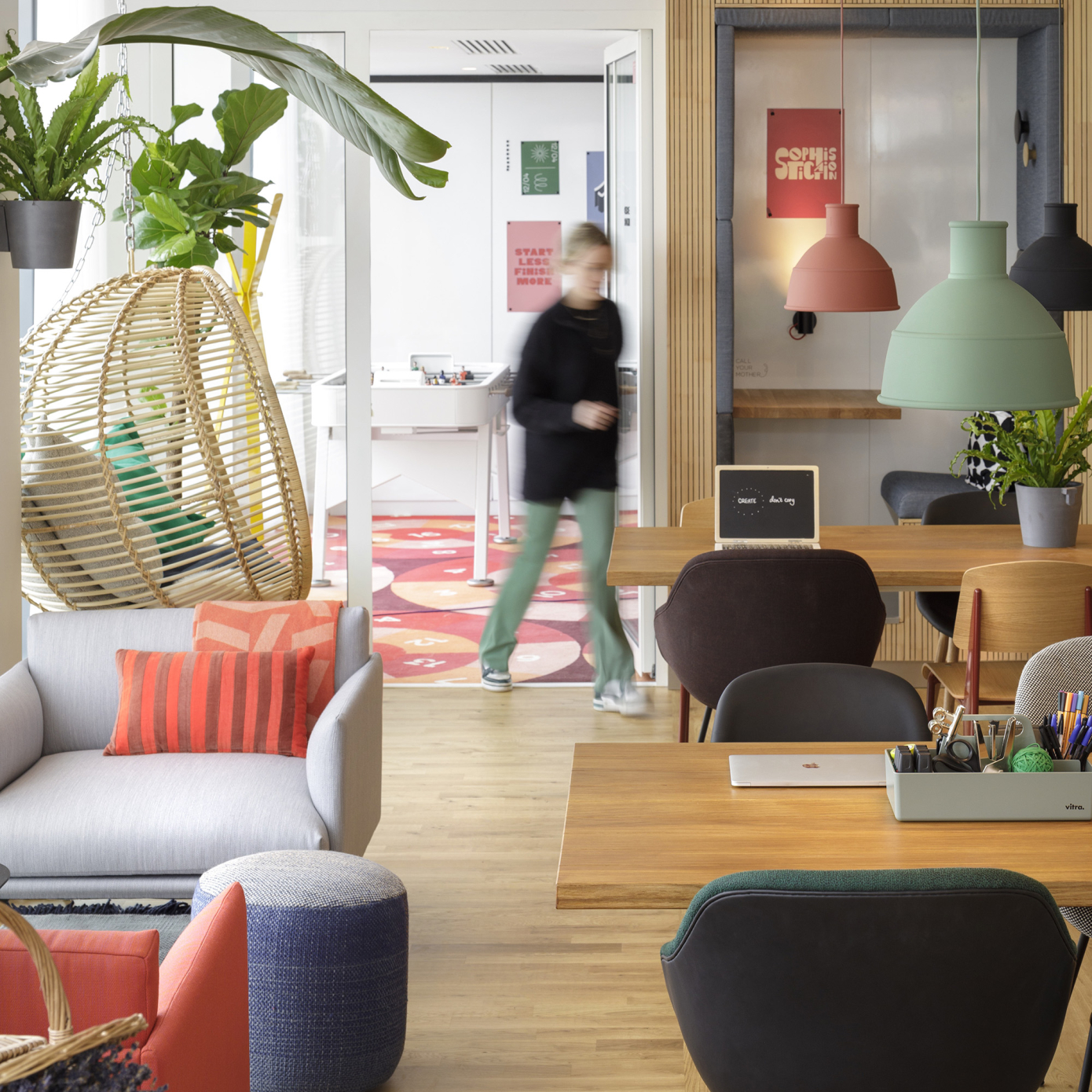
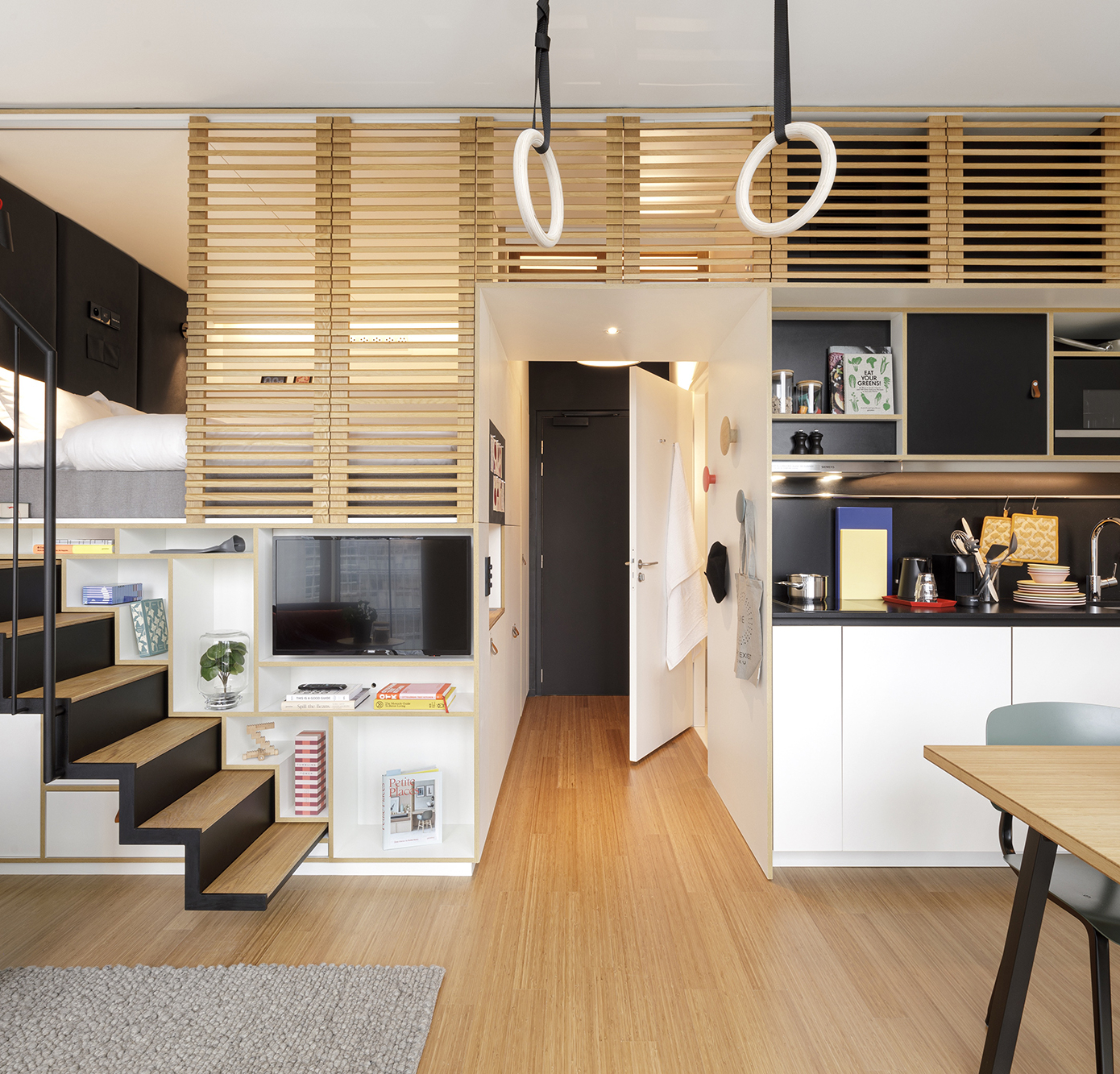
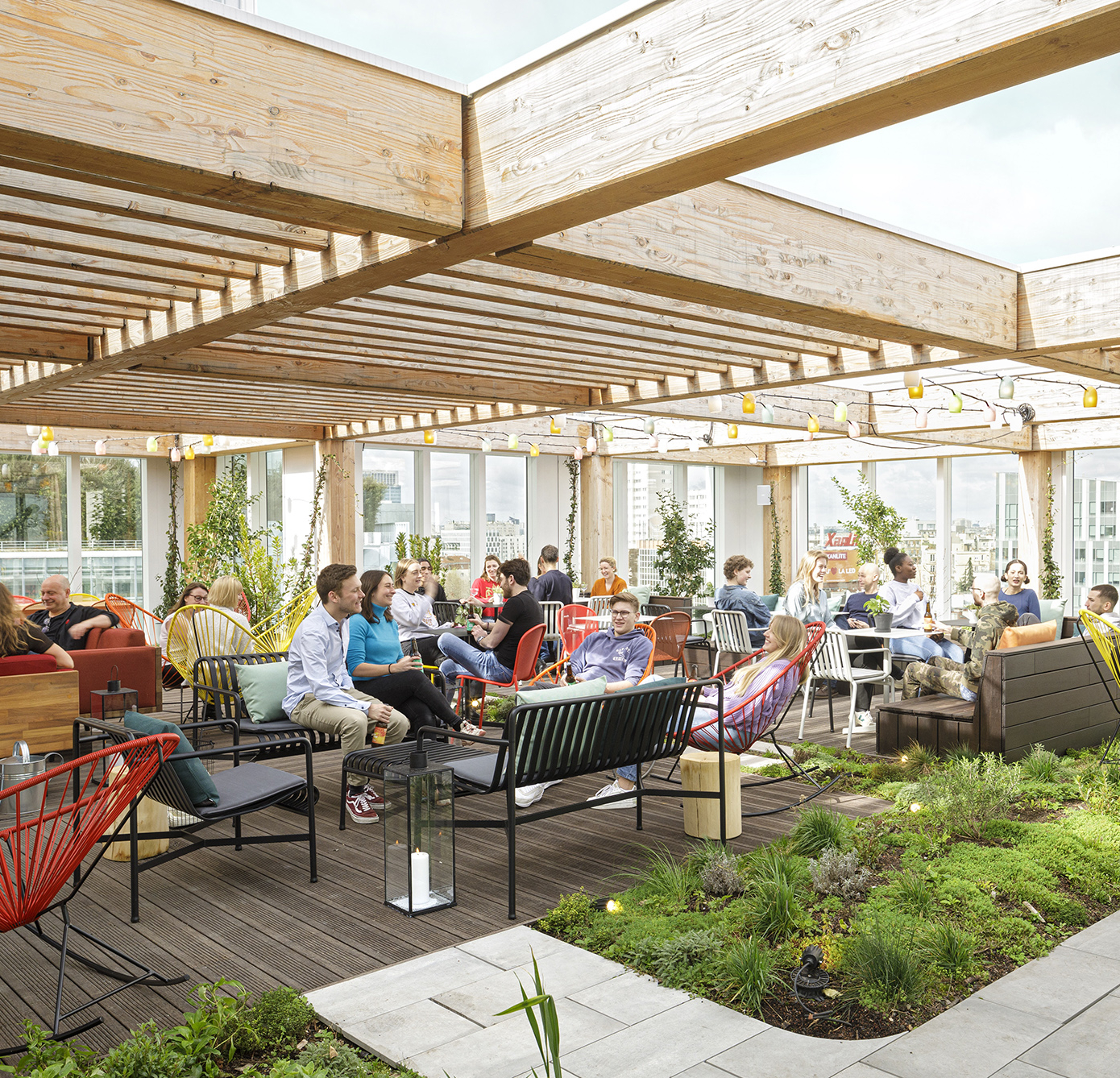
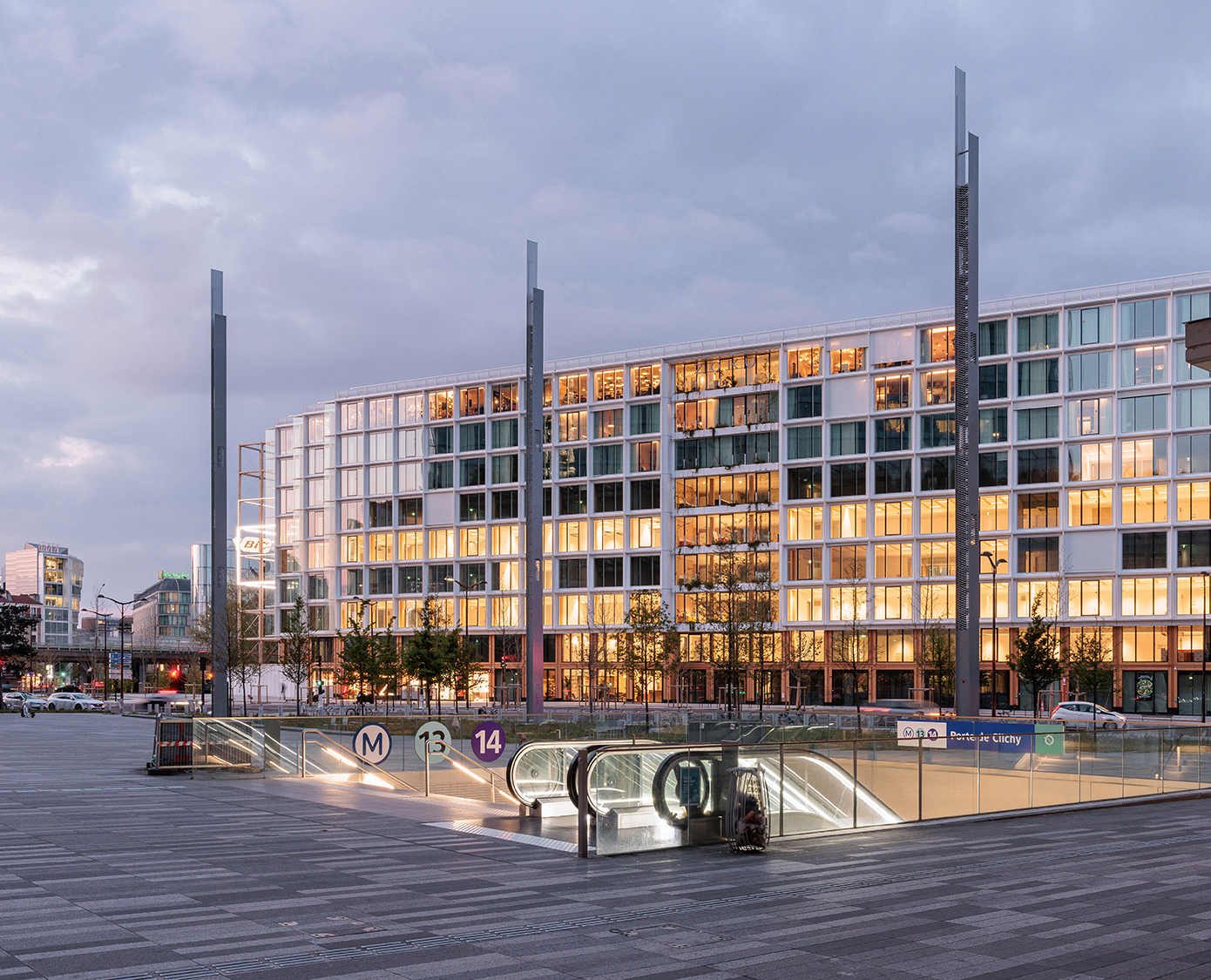
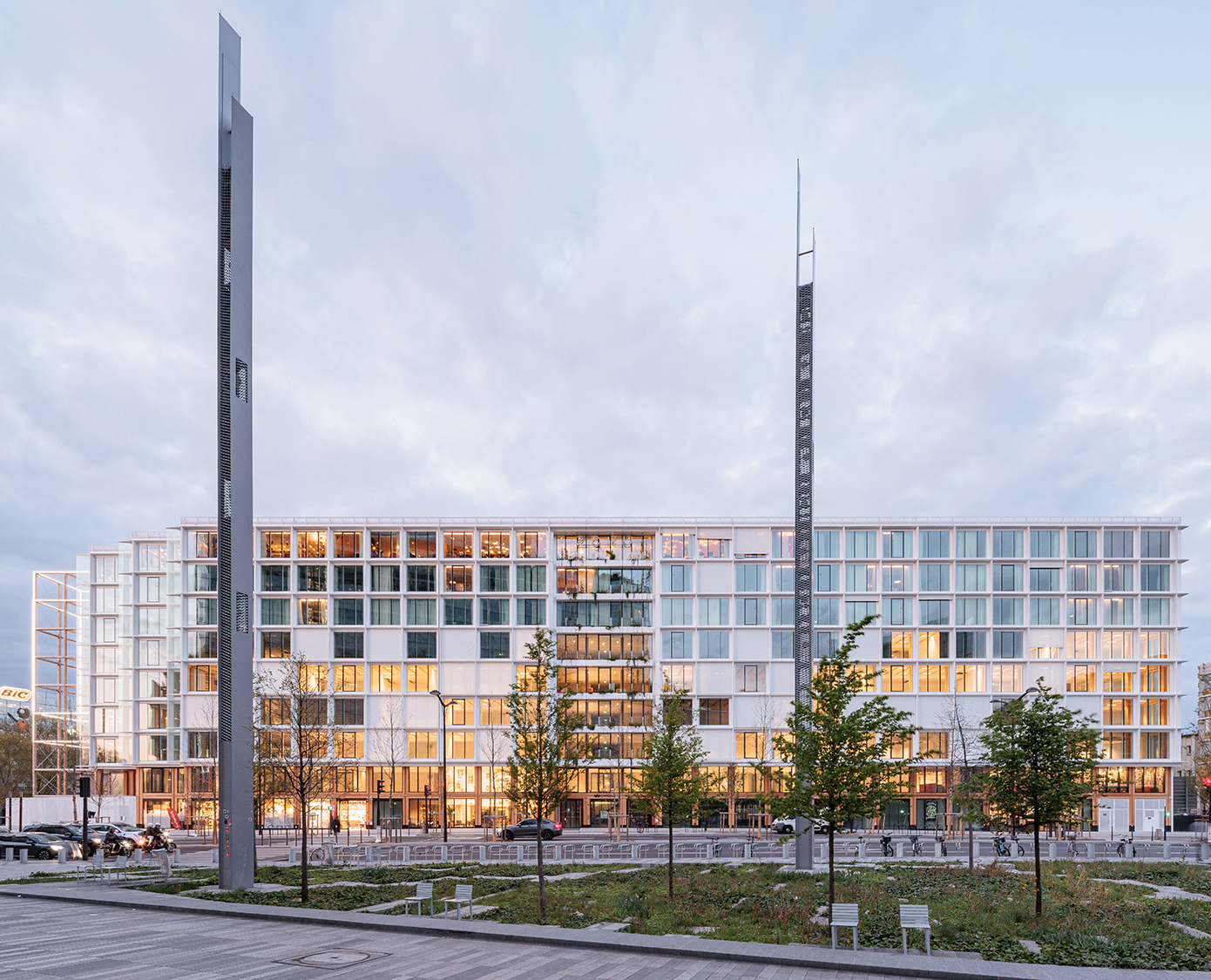
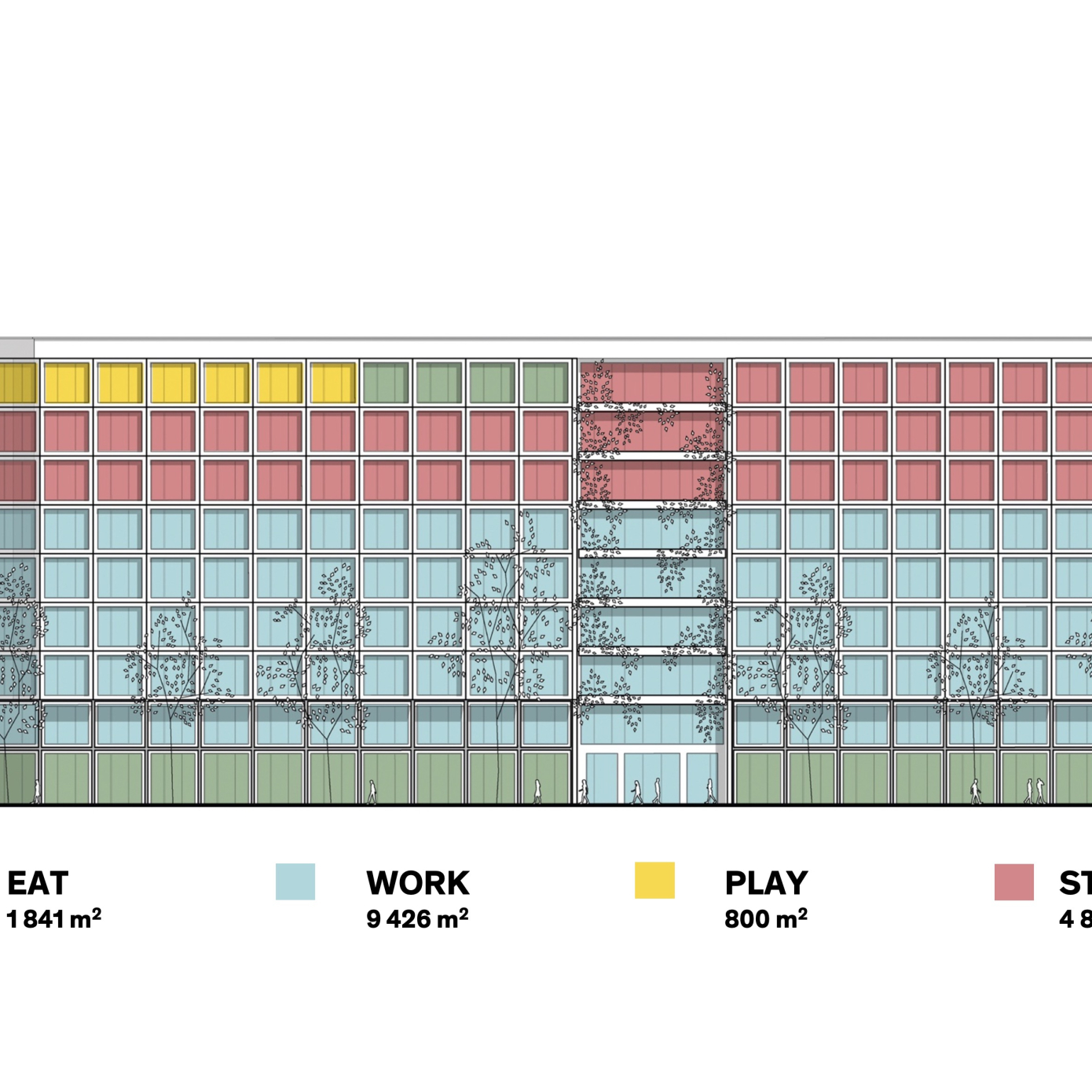
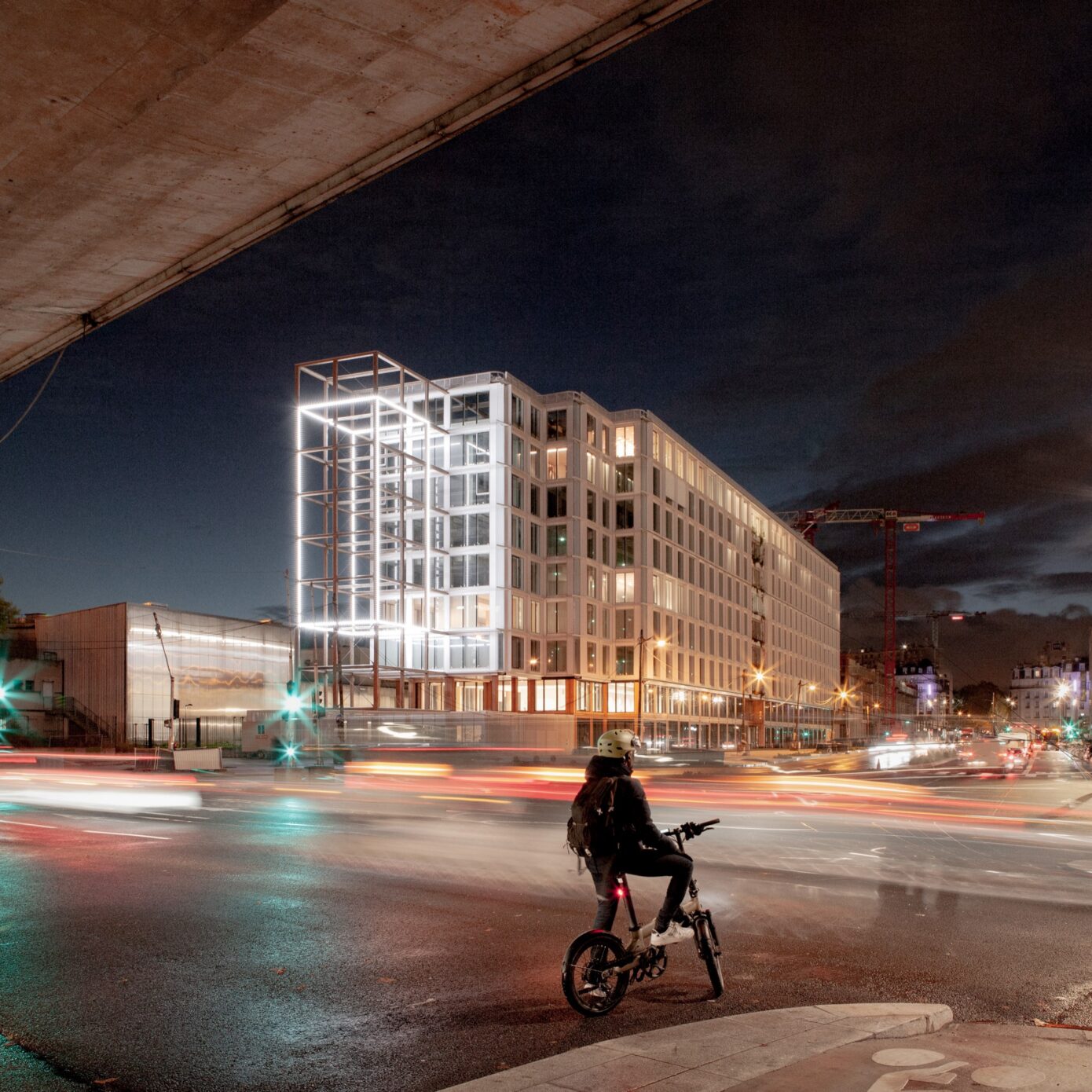
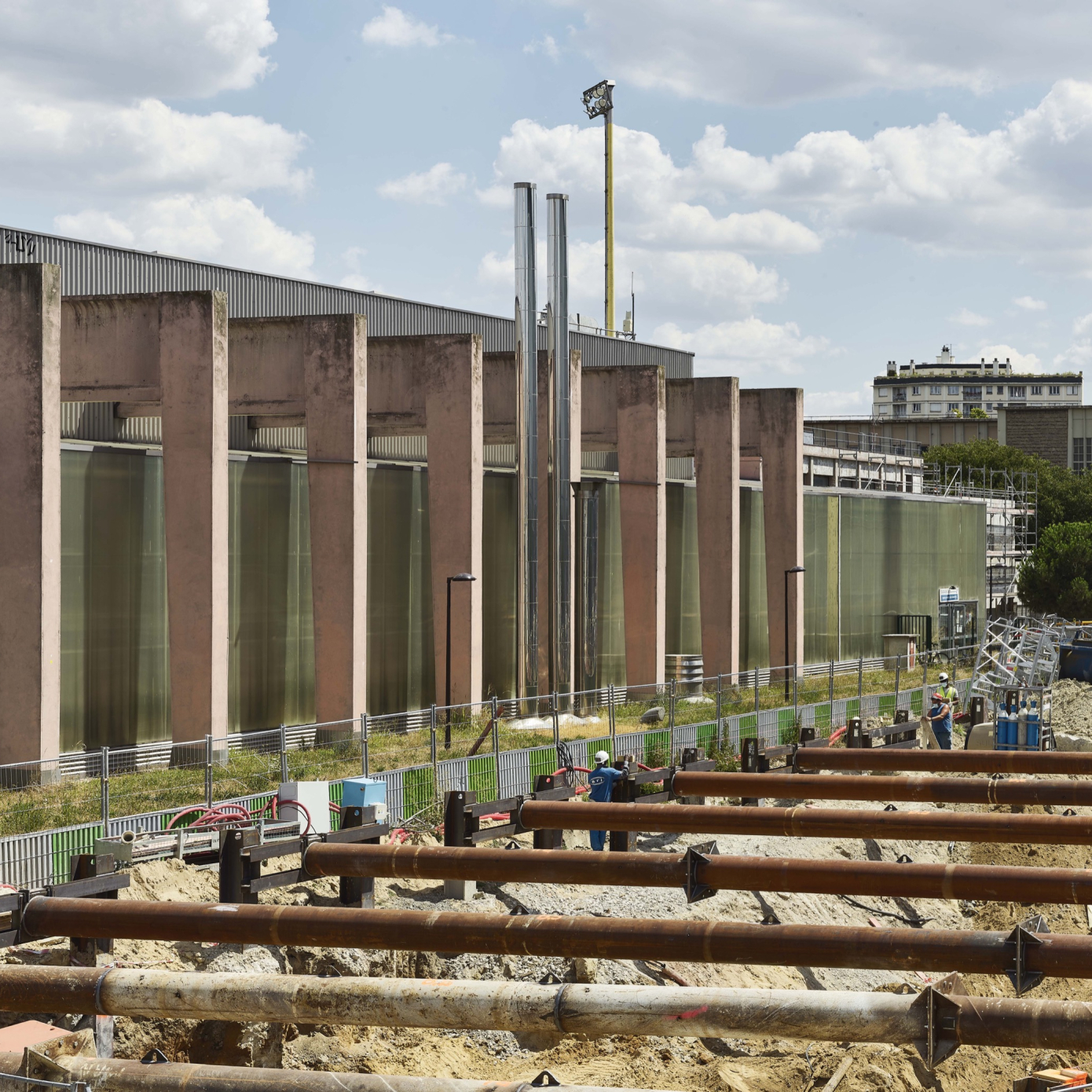
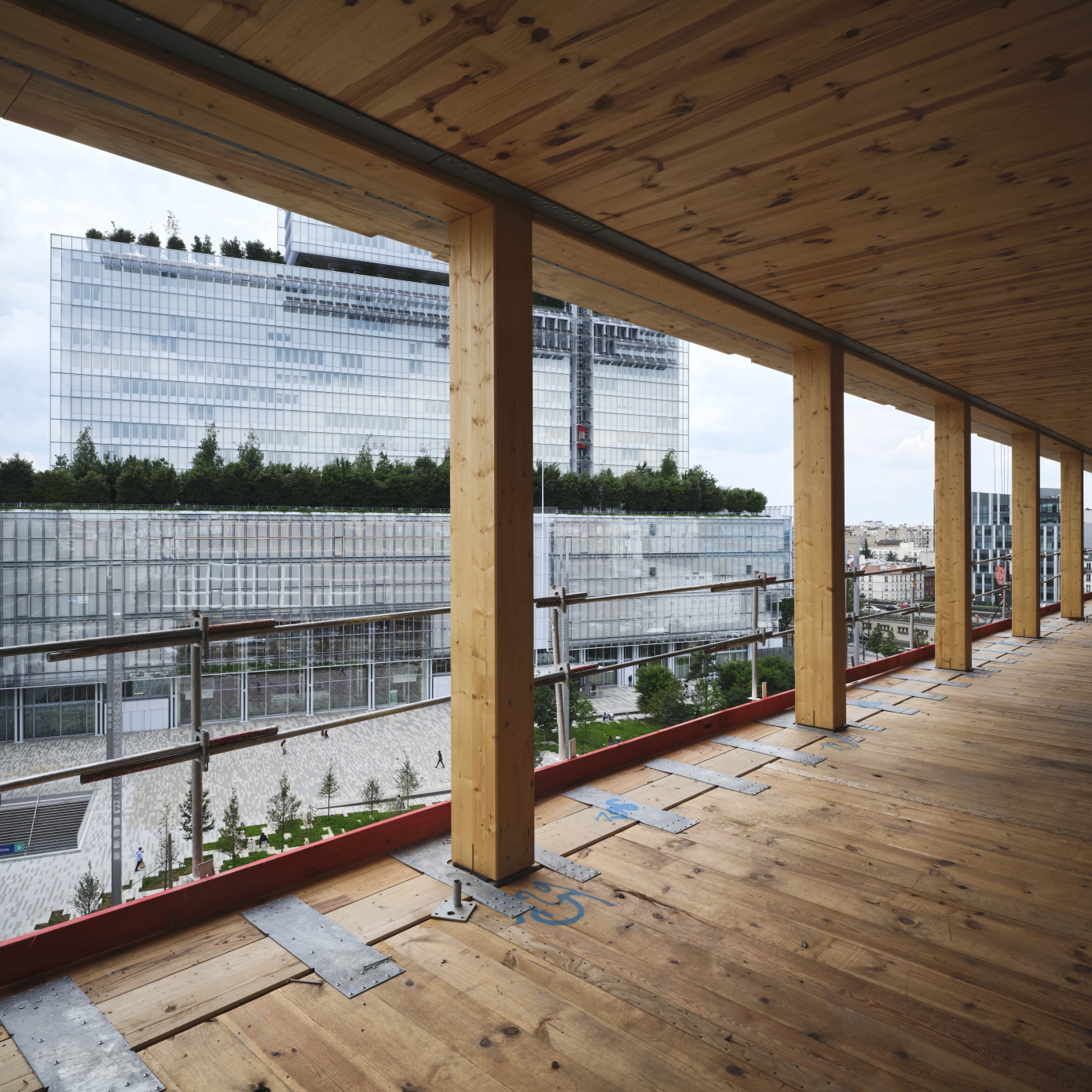
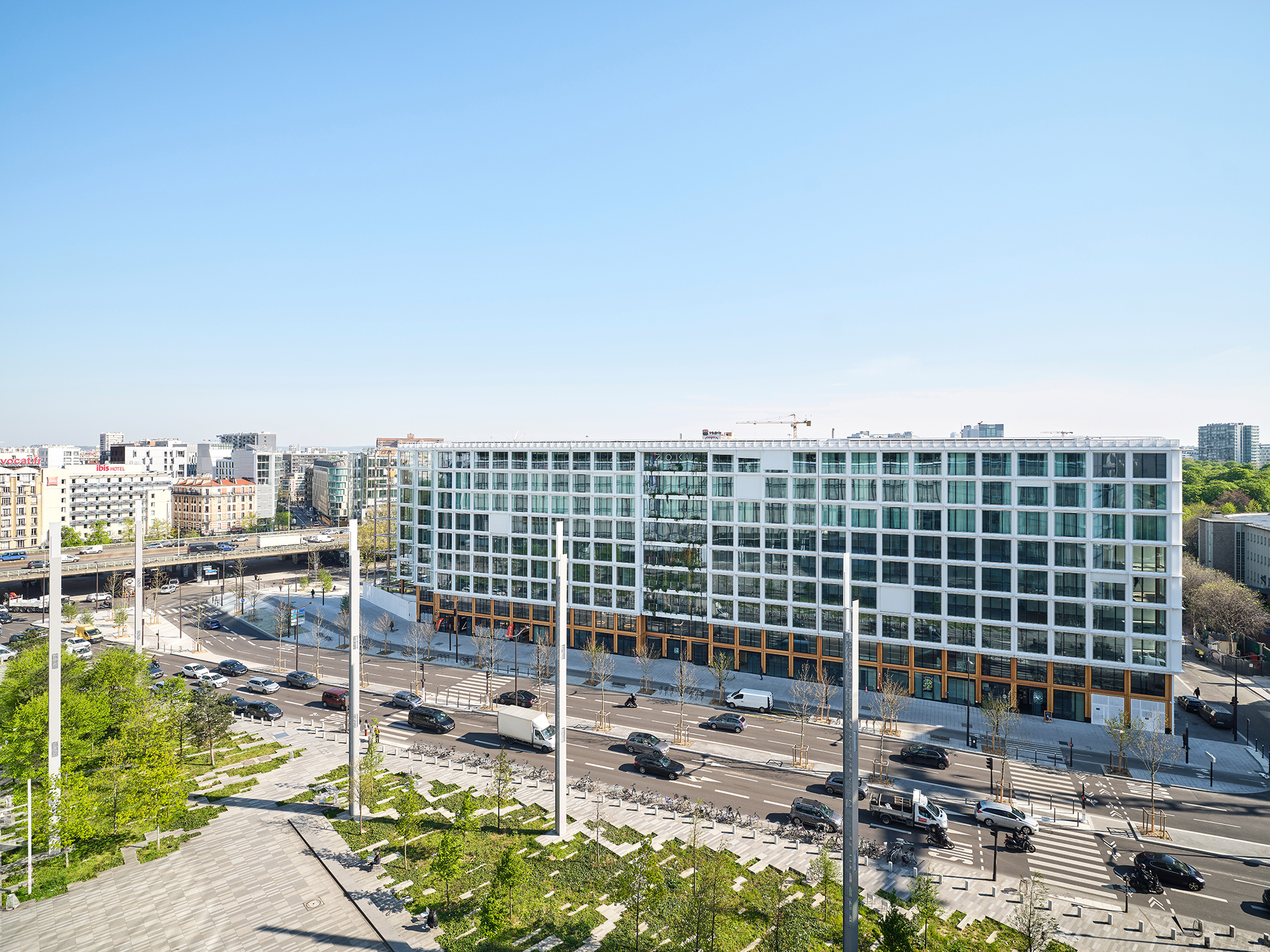
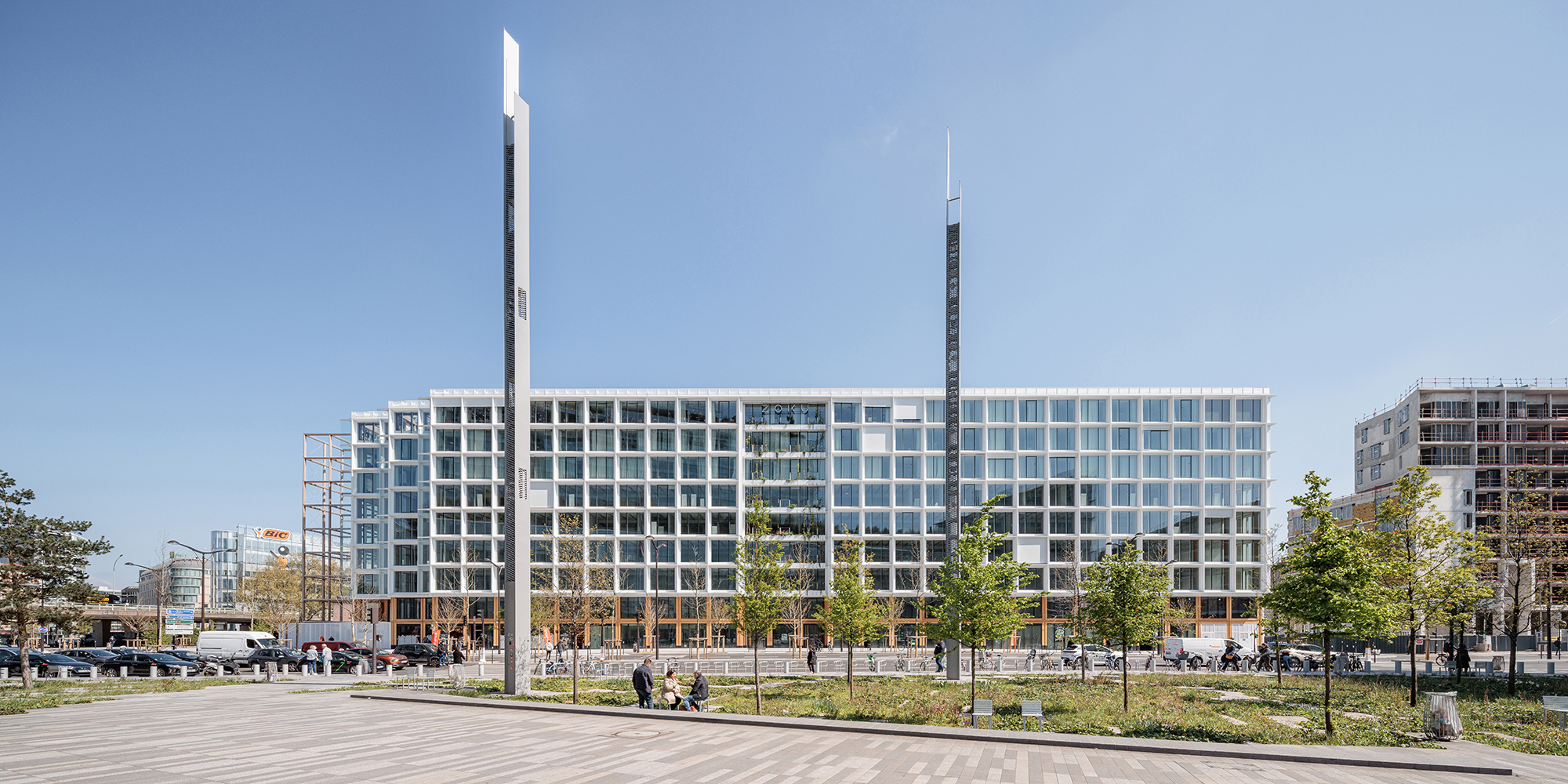
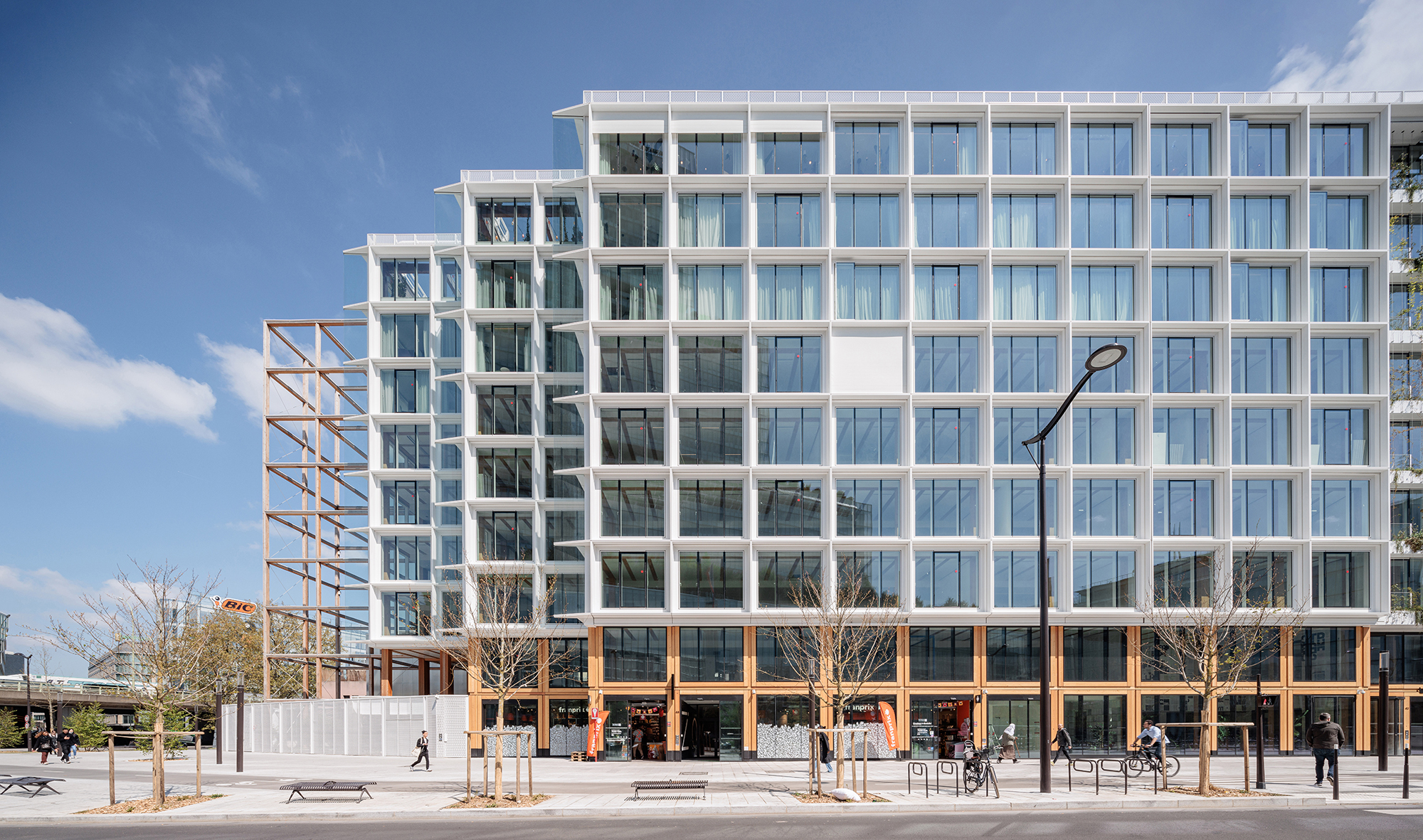
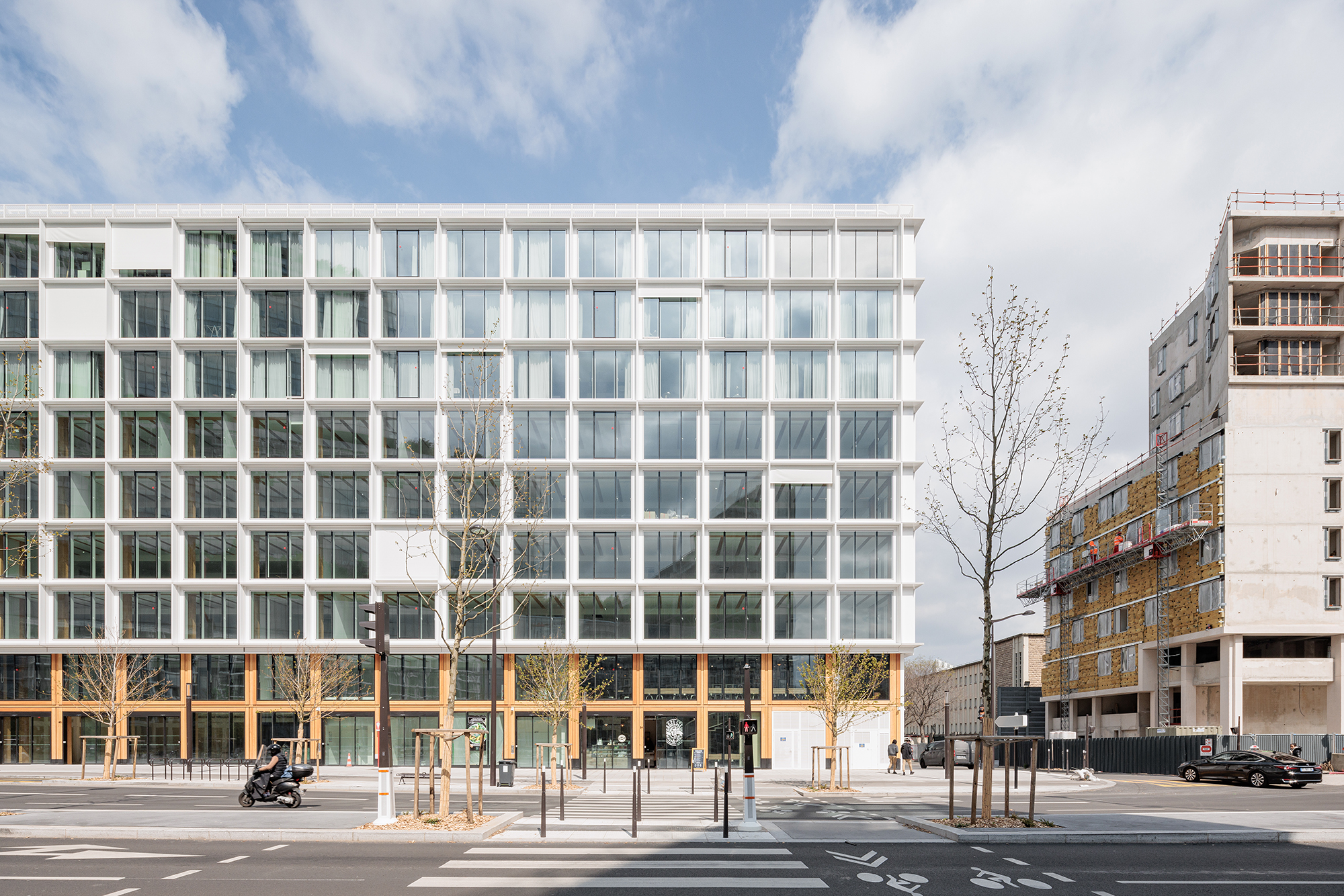
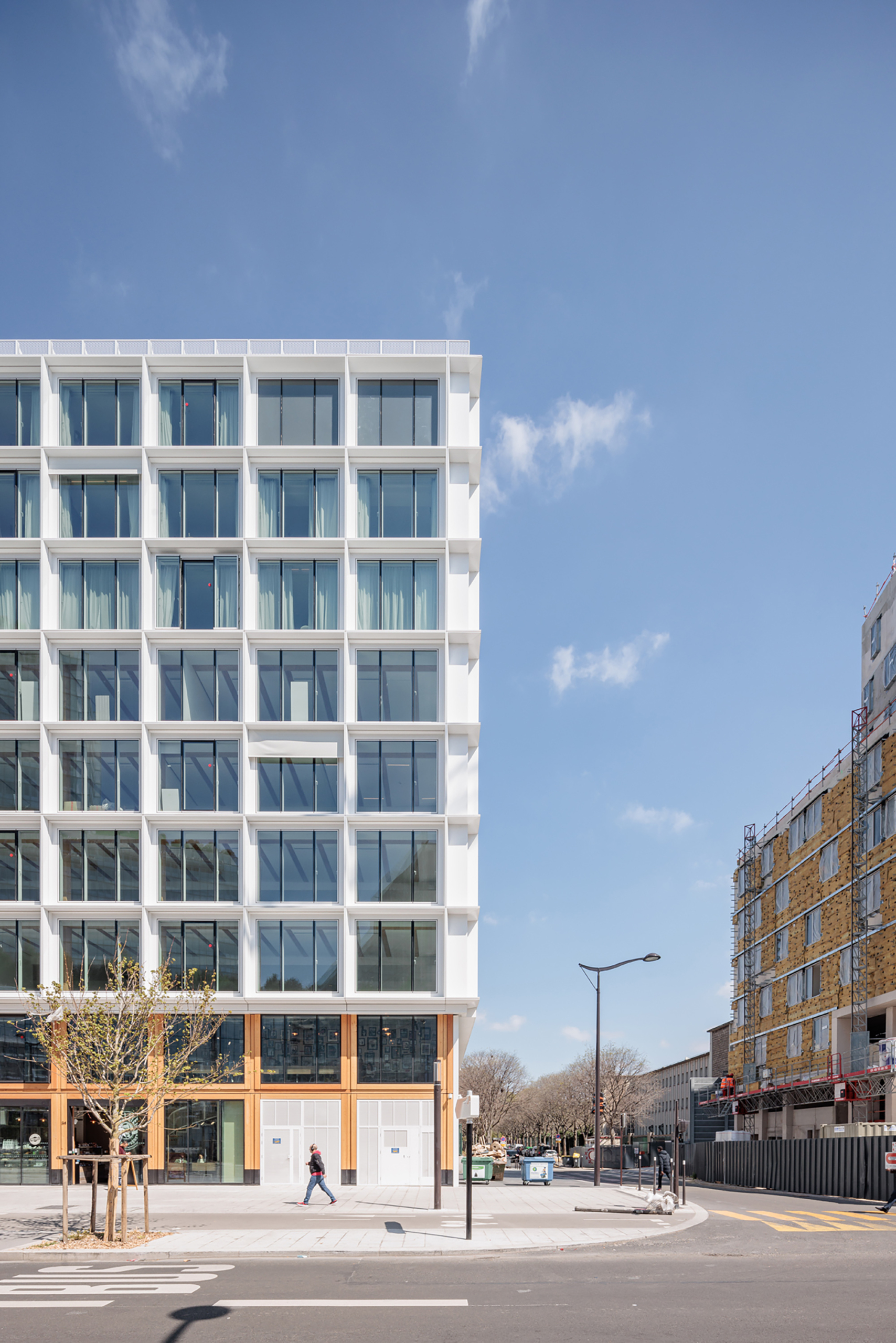
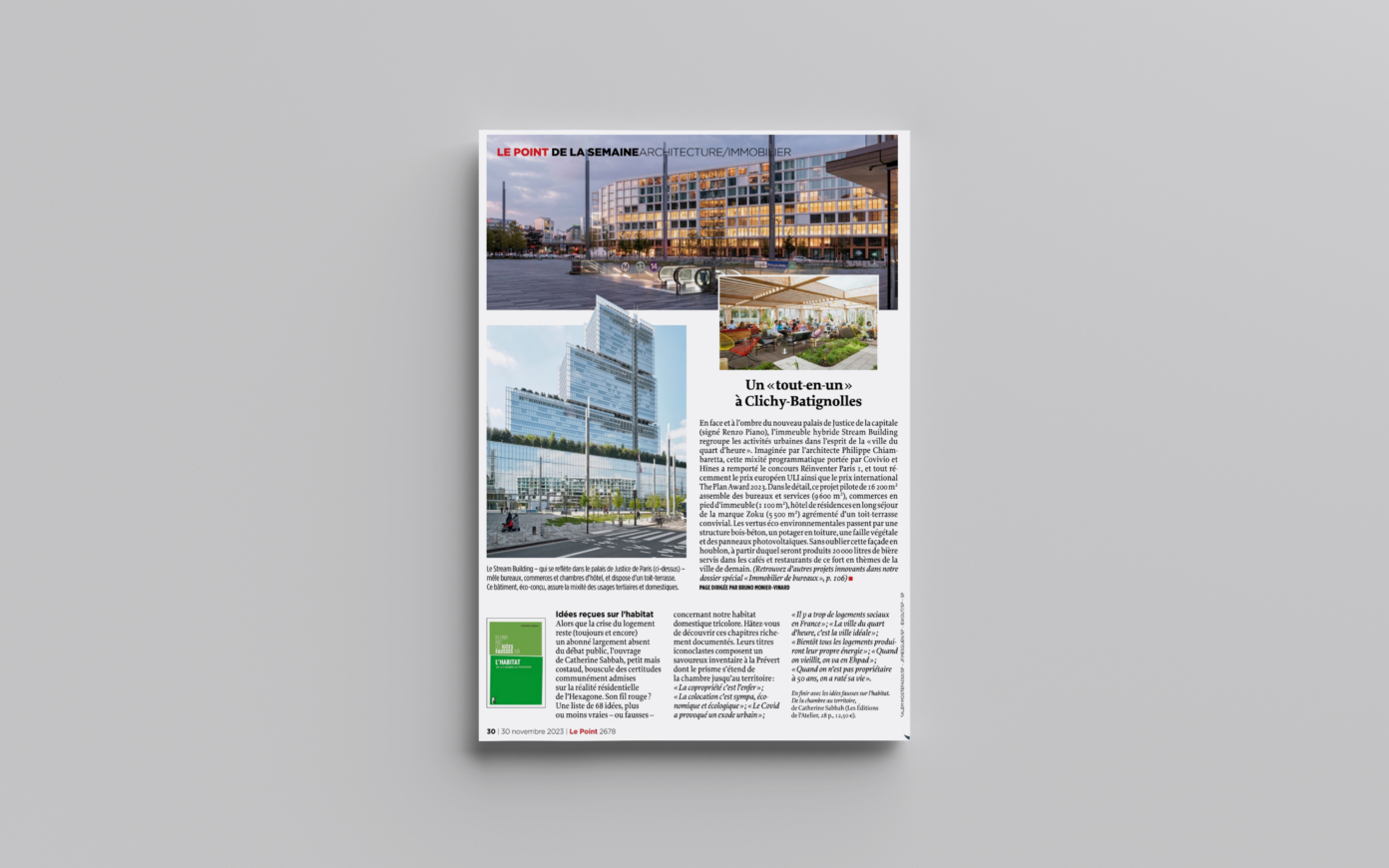
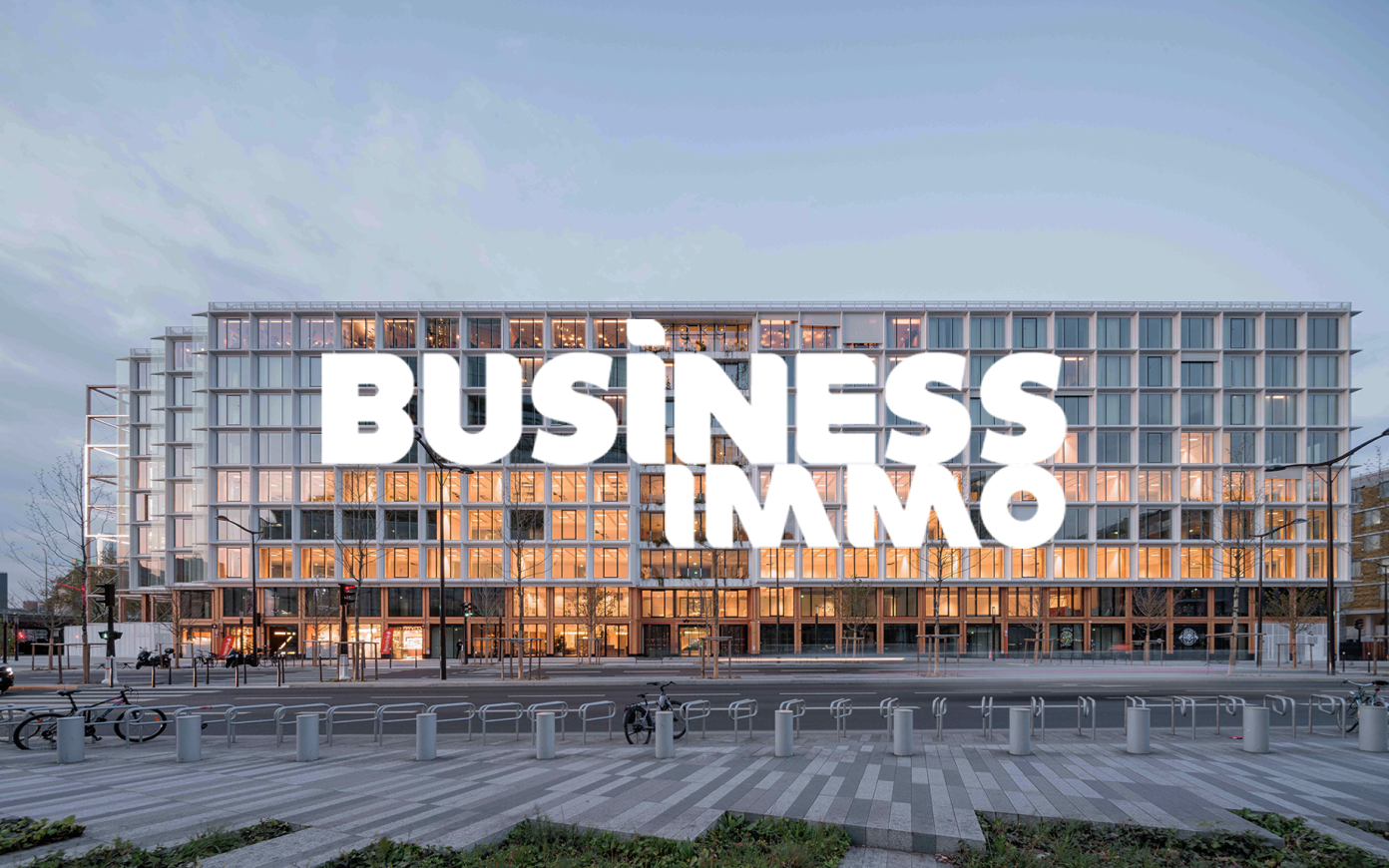
A winner of the “Réinventer Paris 1” competition, the Stream Building is a landmark project resulting from fifteen years of research conducted by PCA-STREAM and designed using an innovative approach that brings together various stakeholders in the construction industry. A hybrid building open to both users and residents of the Clichy-Batignolles neighborhood, the Stream Building offers a mixed-use program that combines workspaces, hotel-style residences, retail, and coworking spaces.
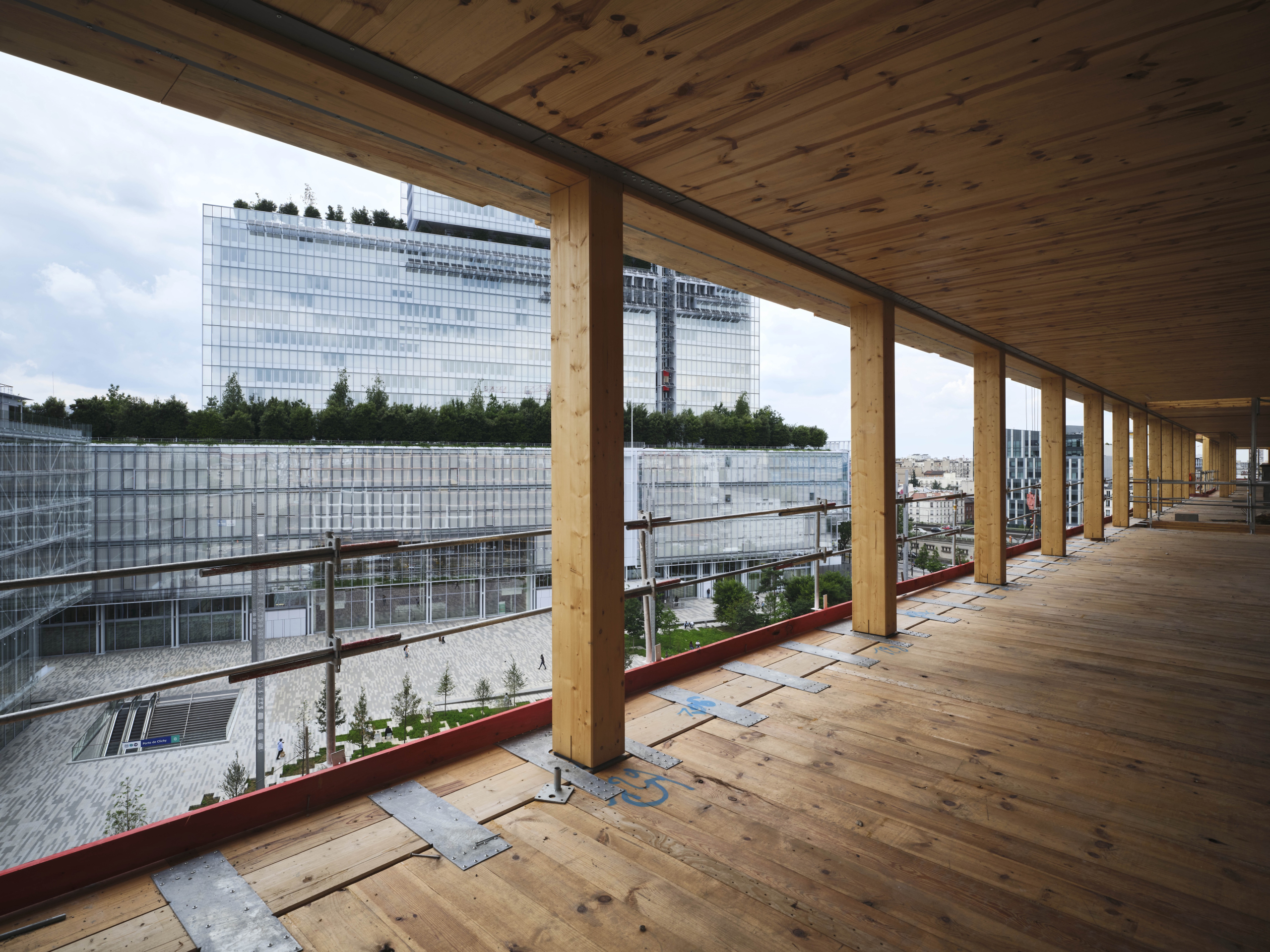
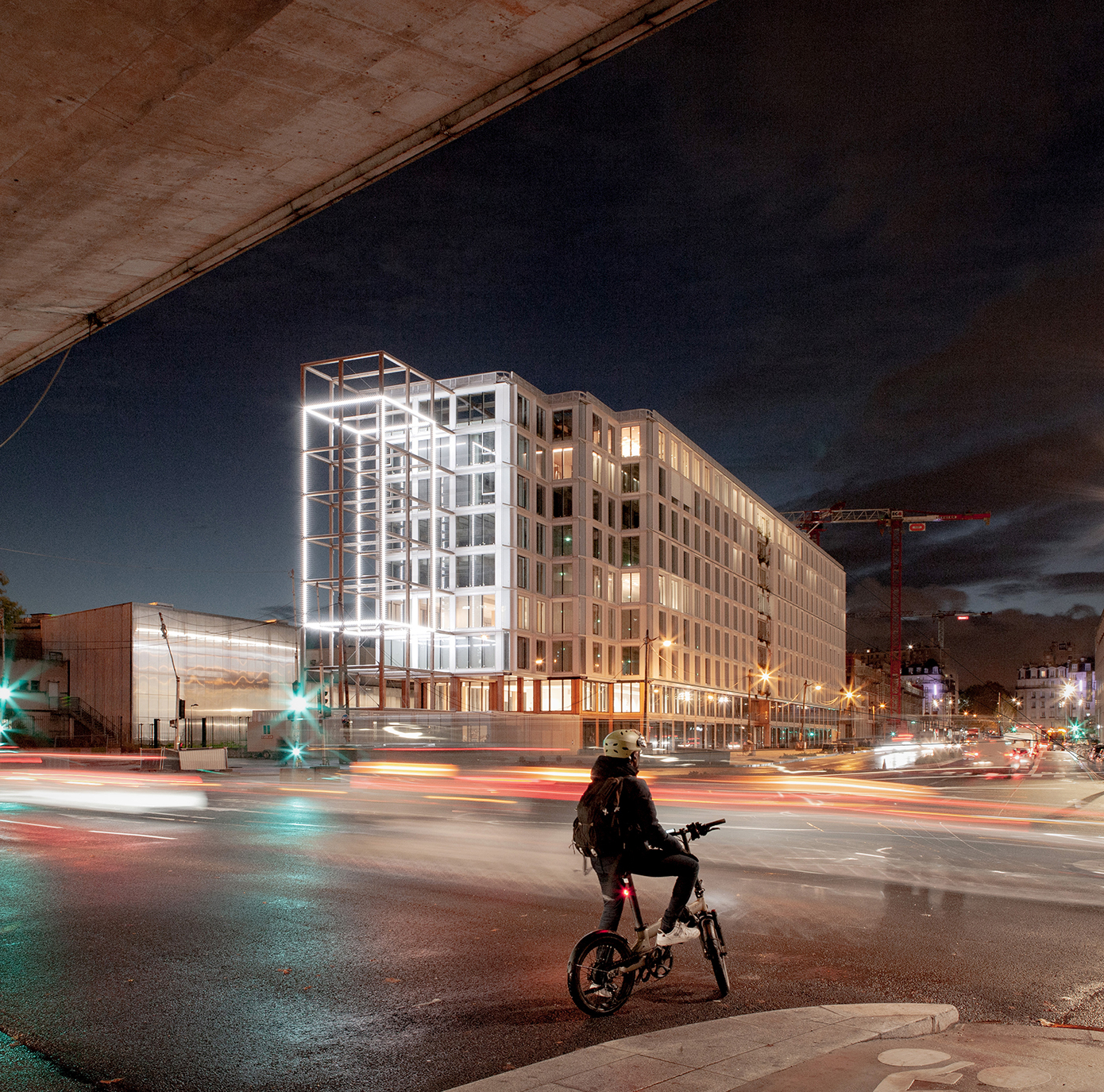
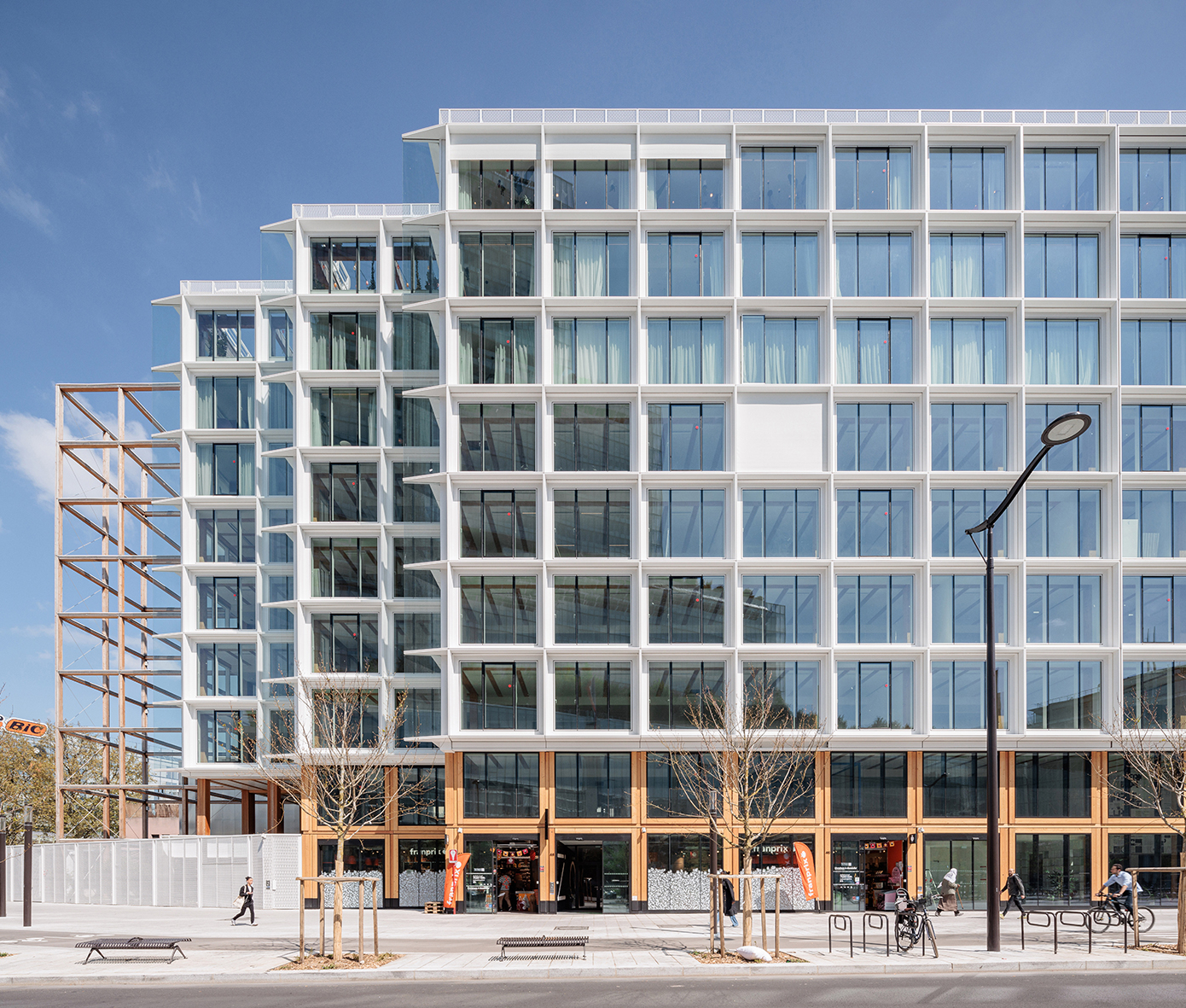
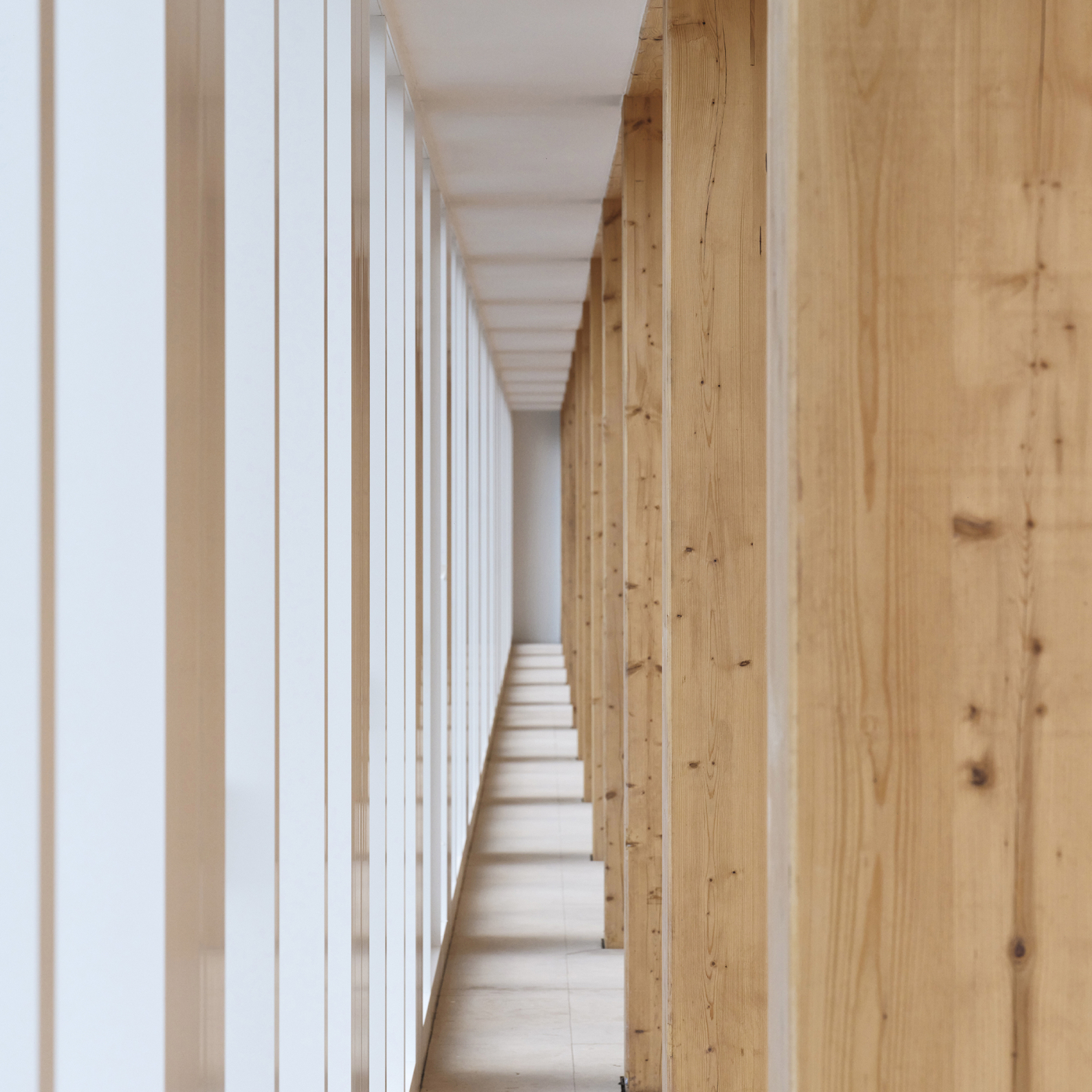
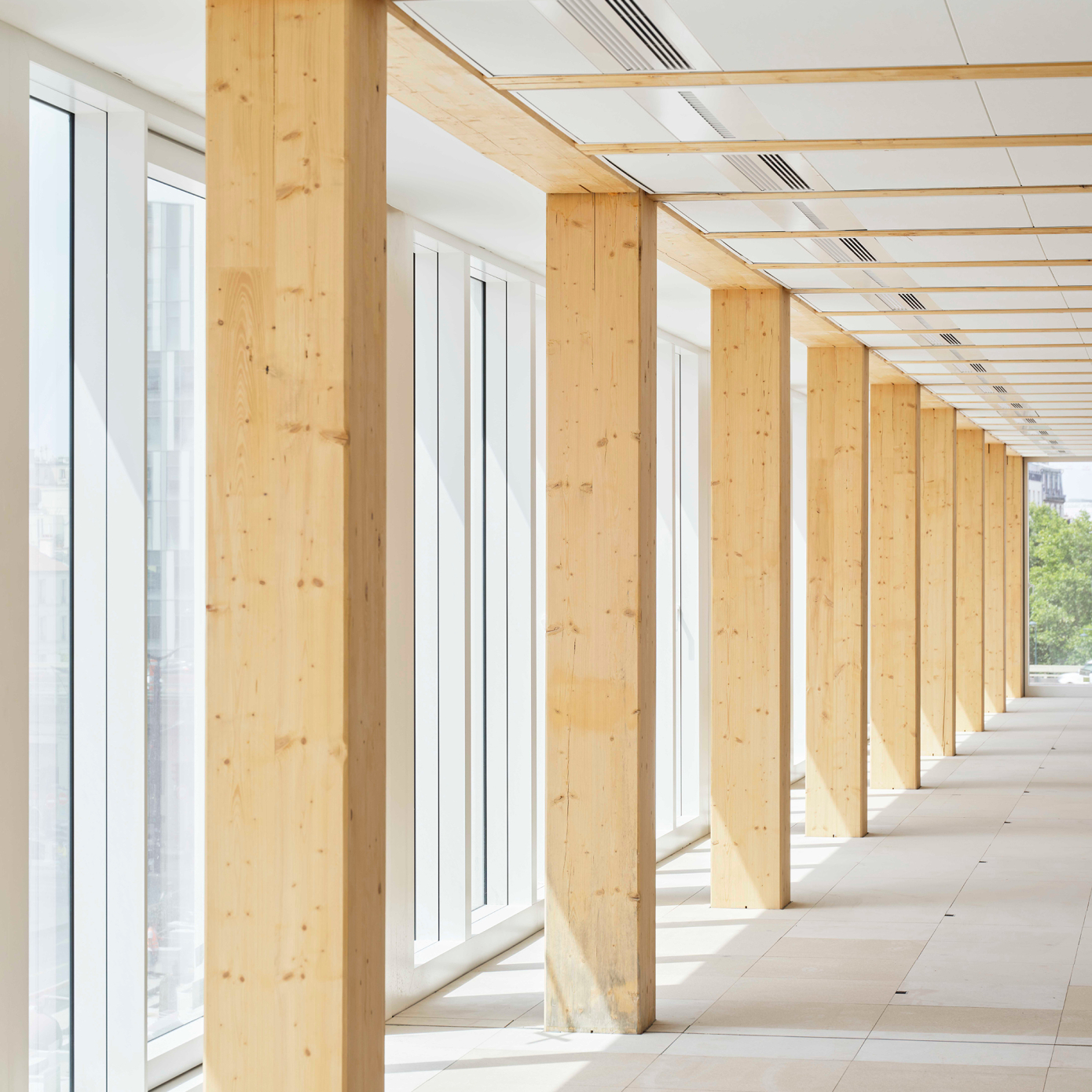
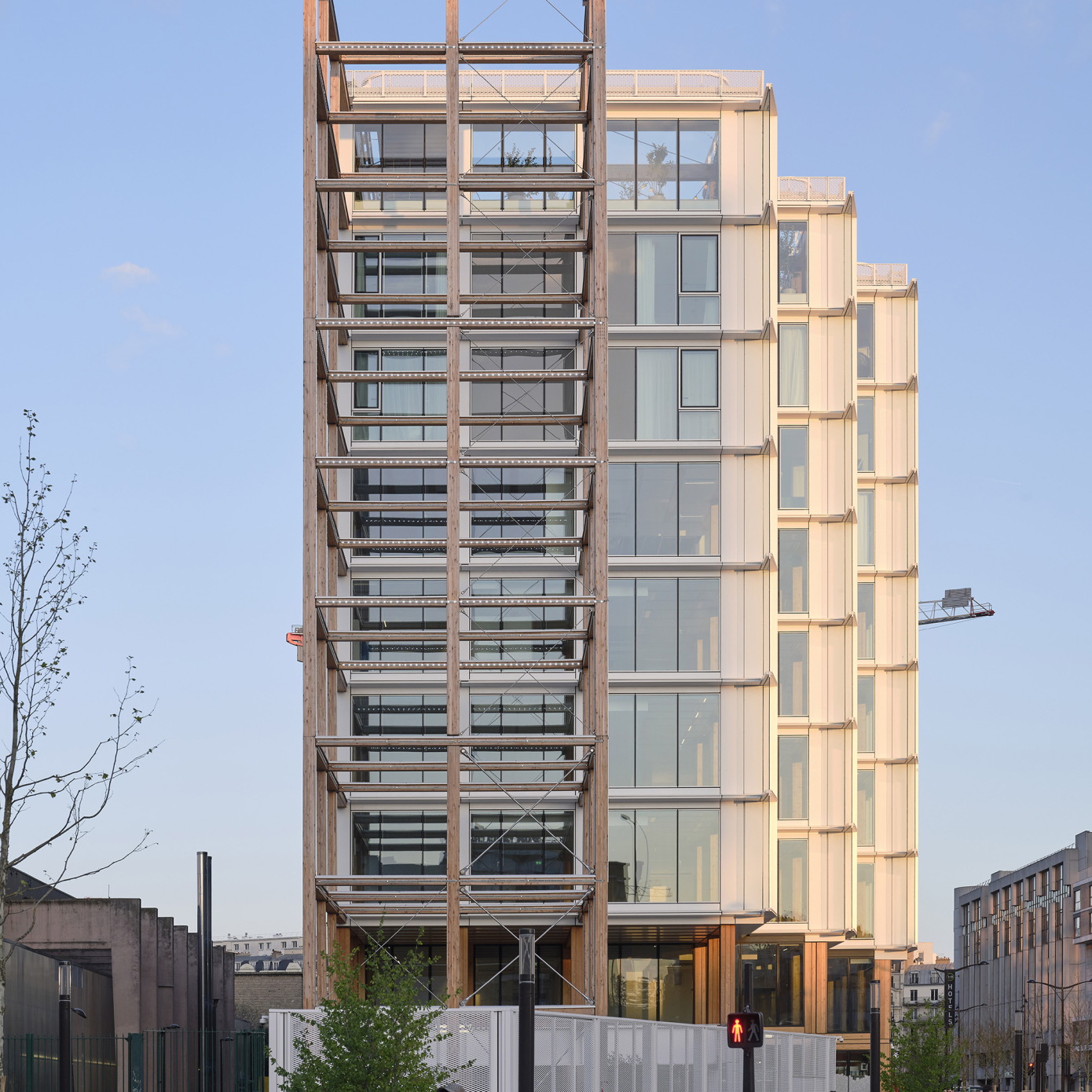
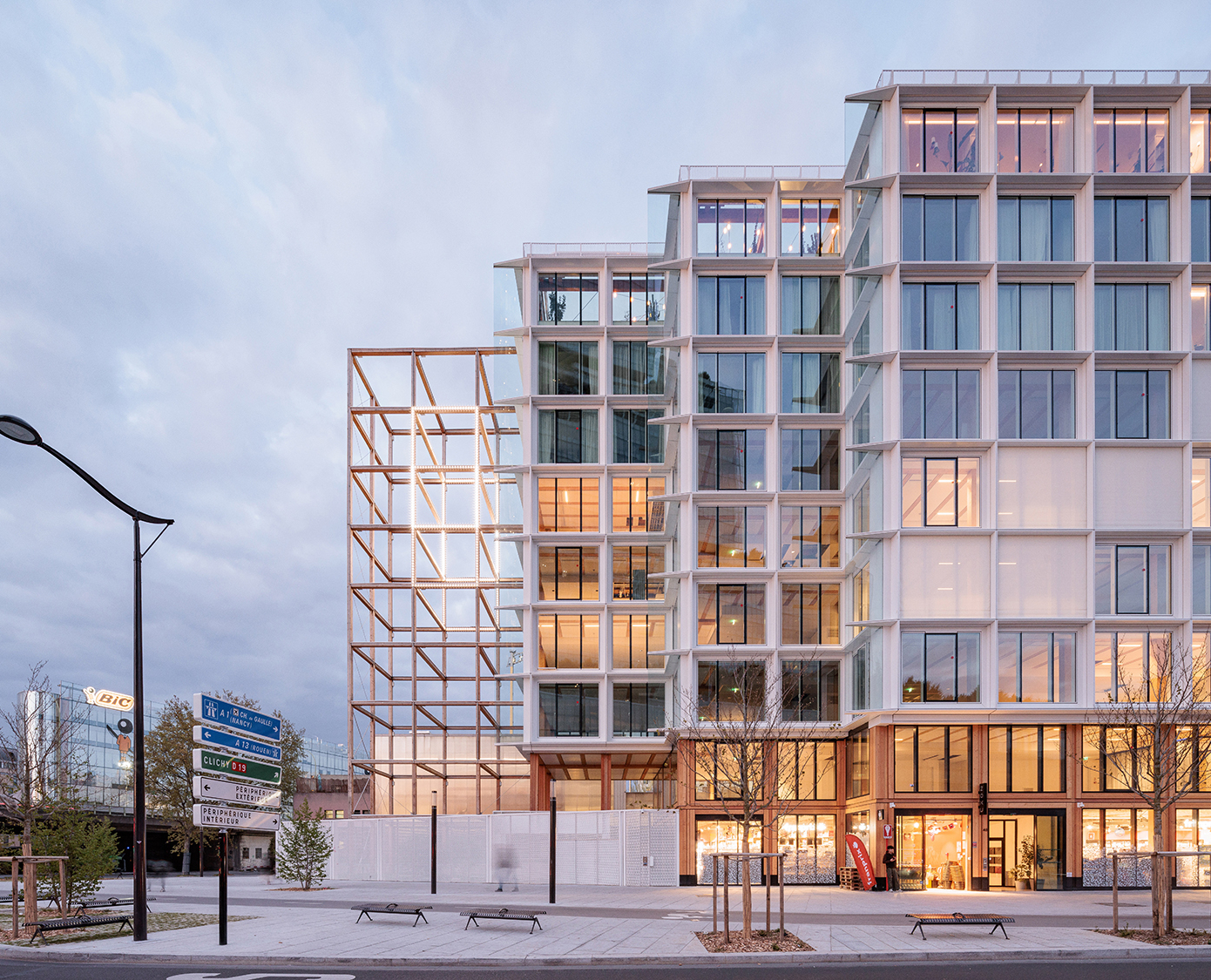
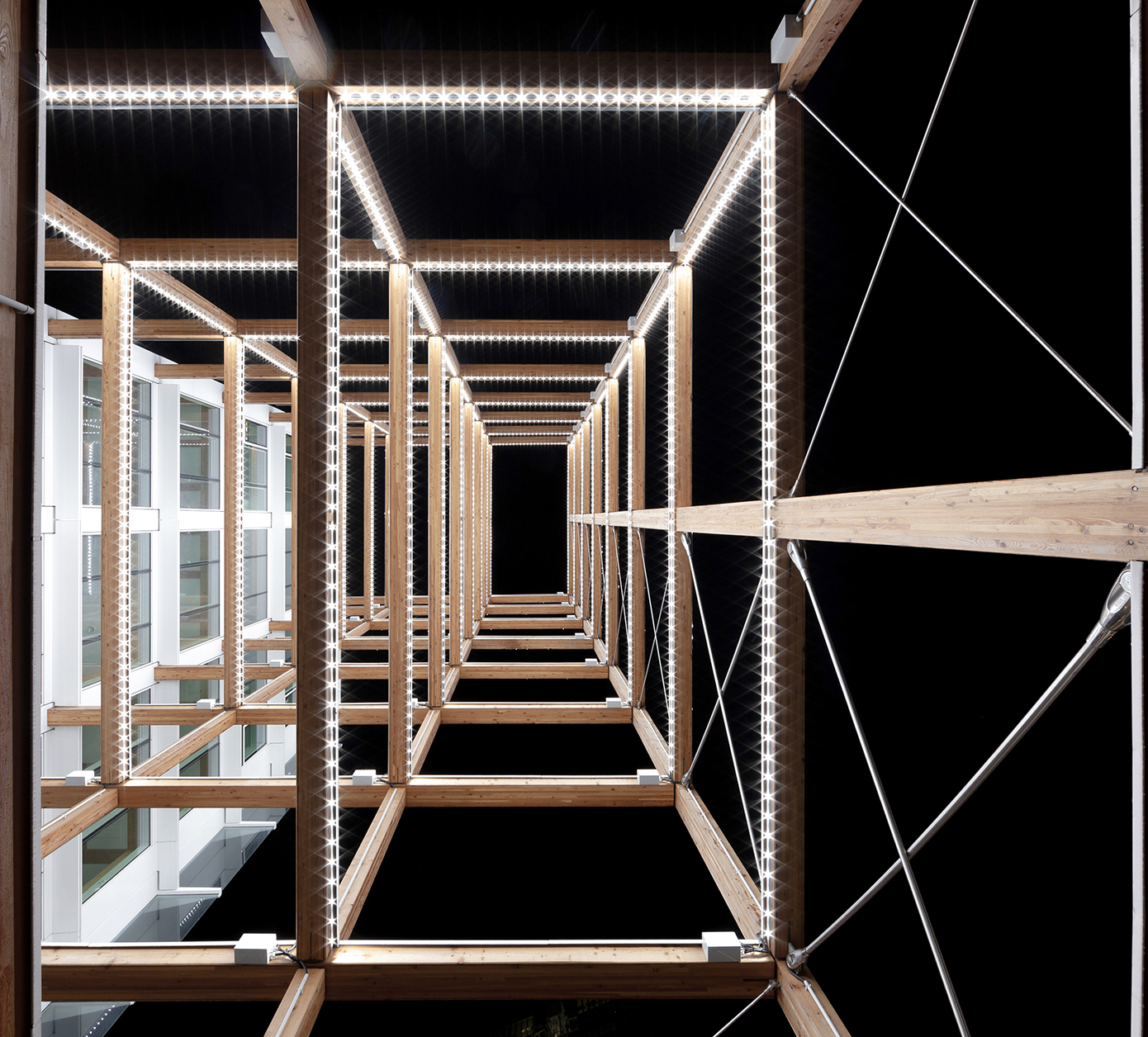
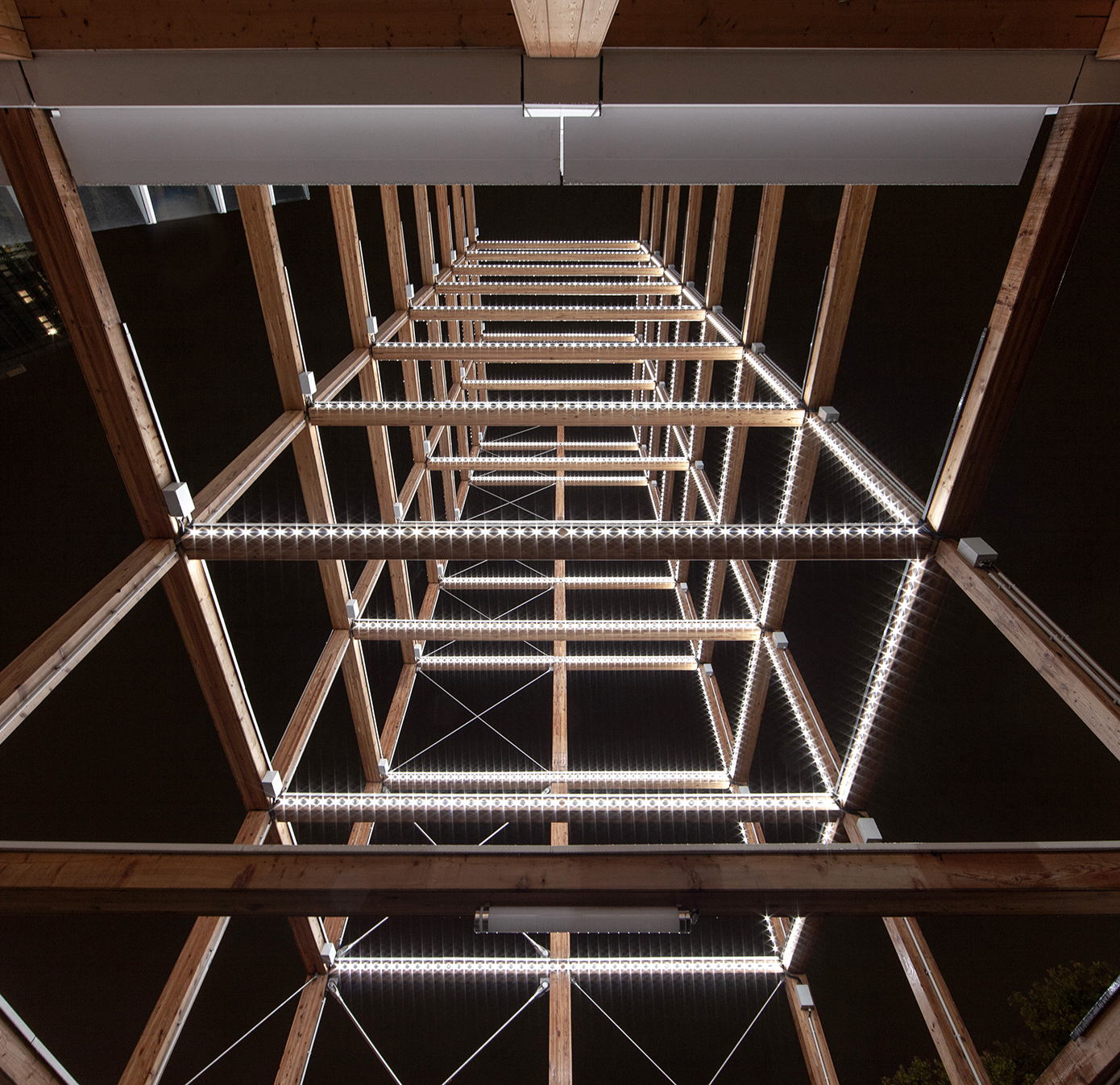
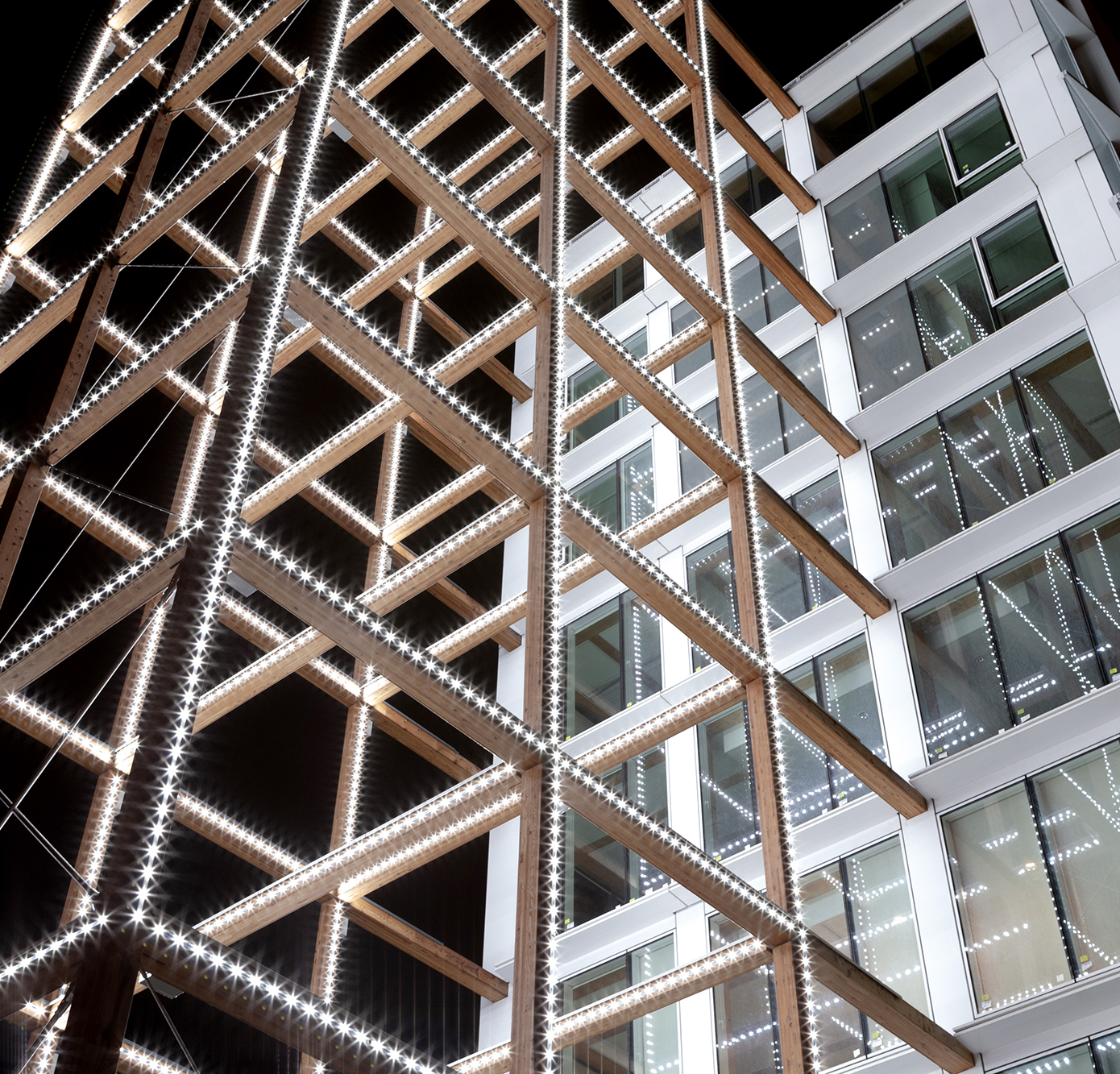
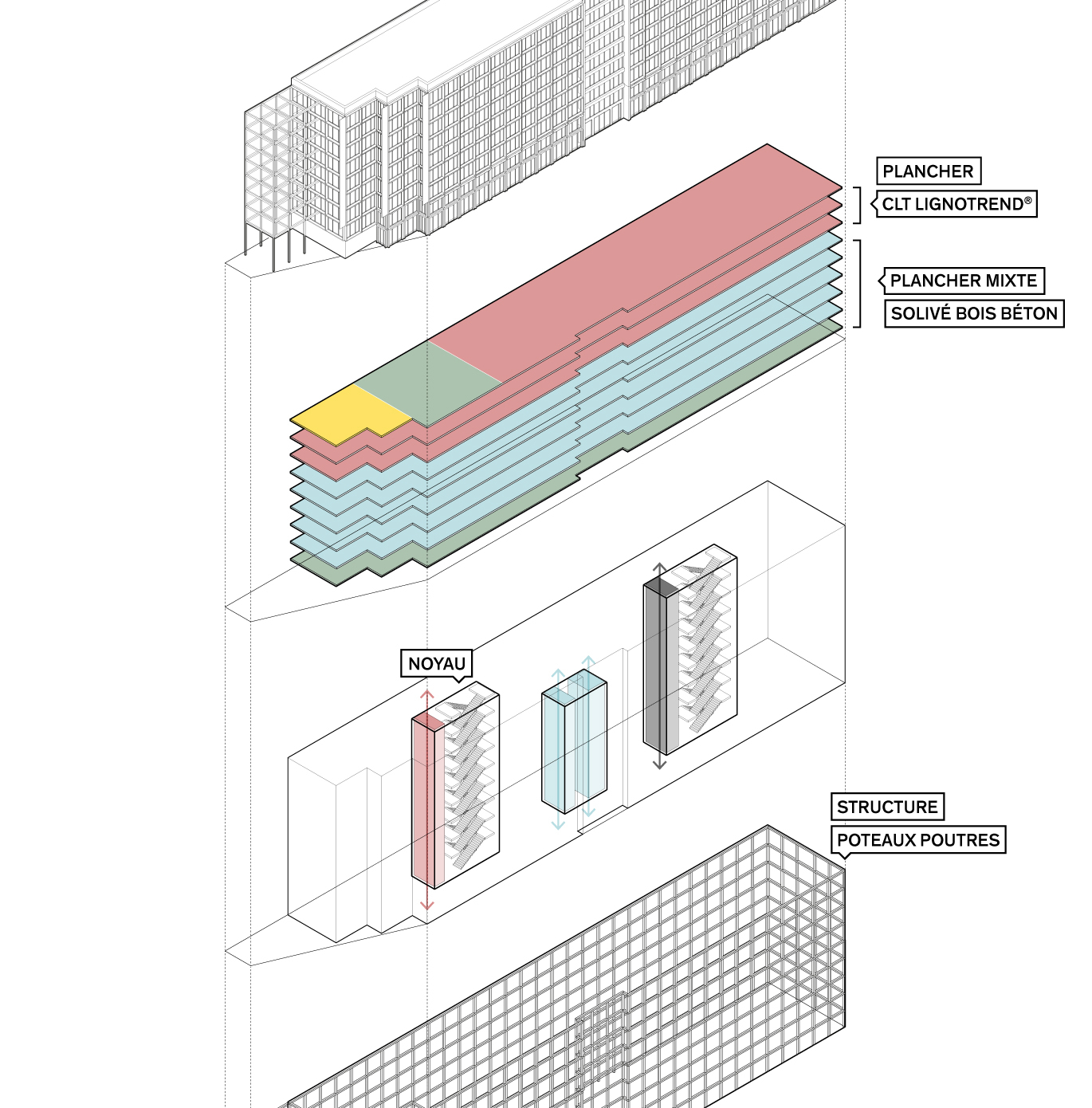
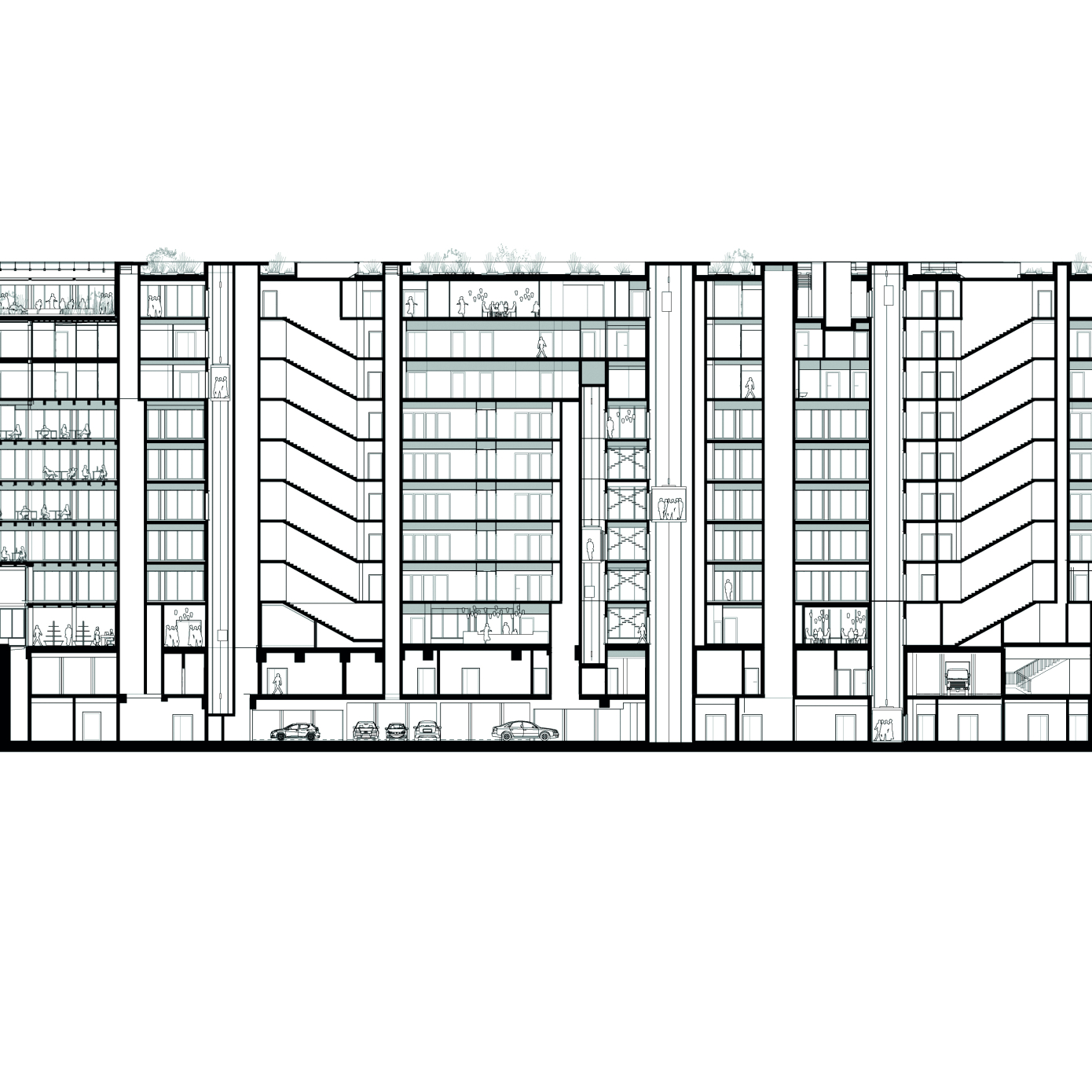
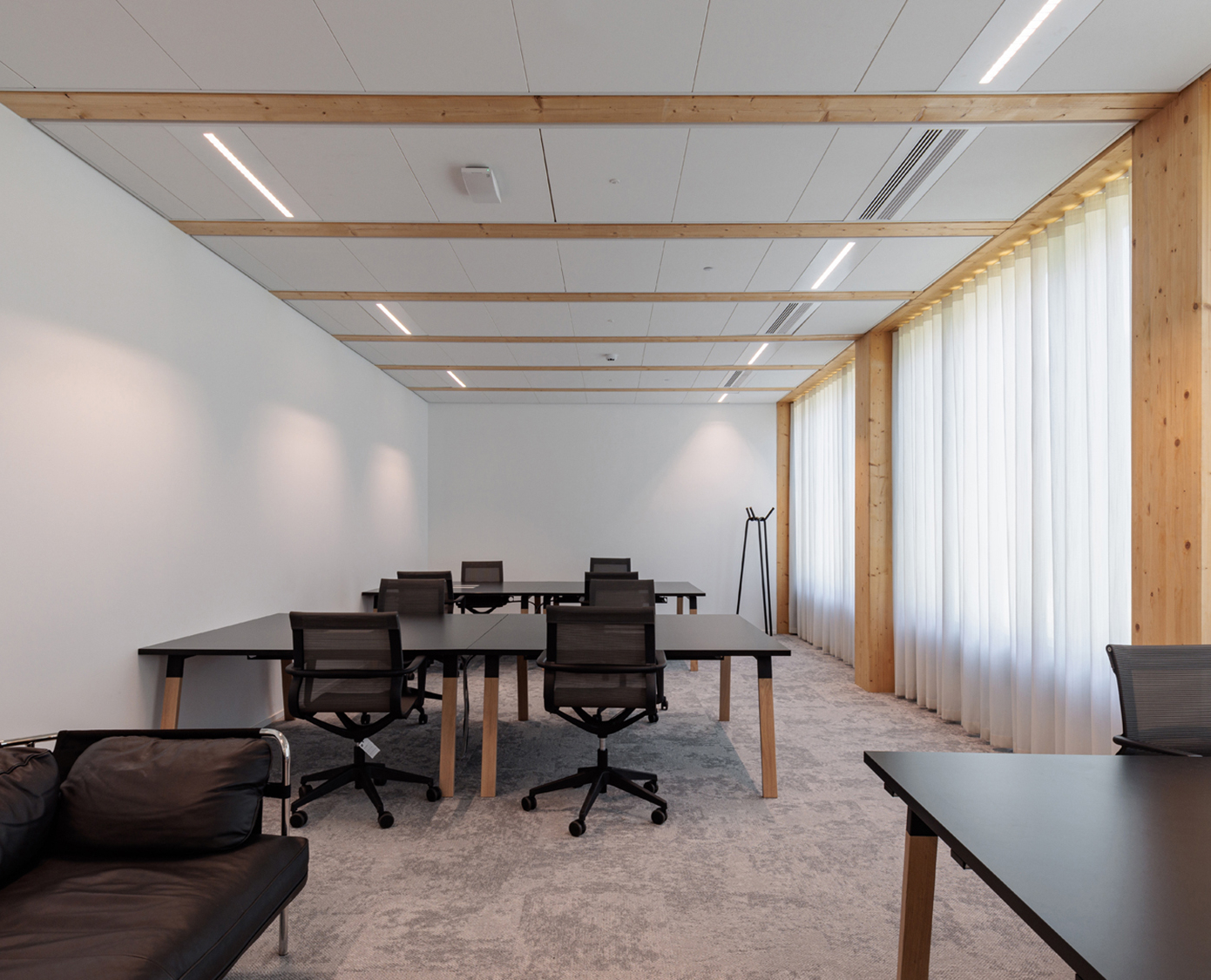
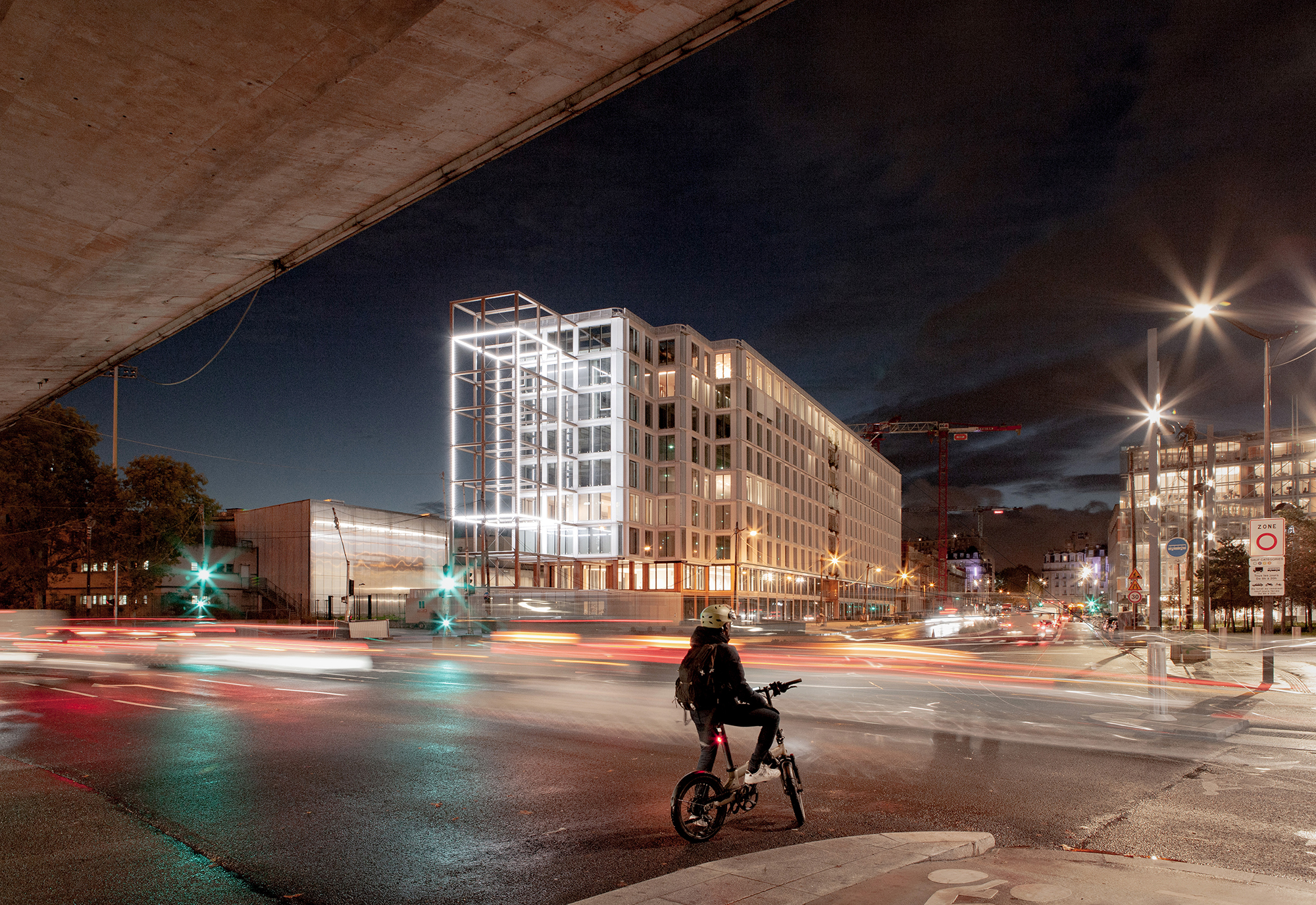
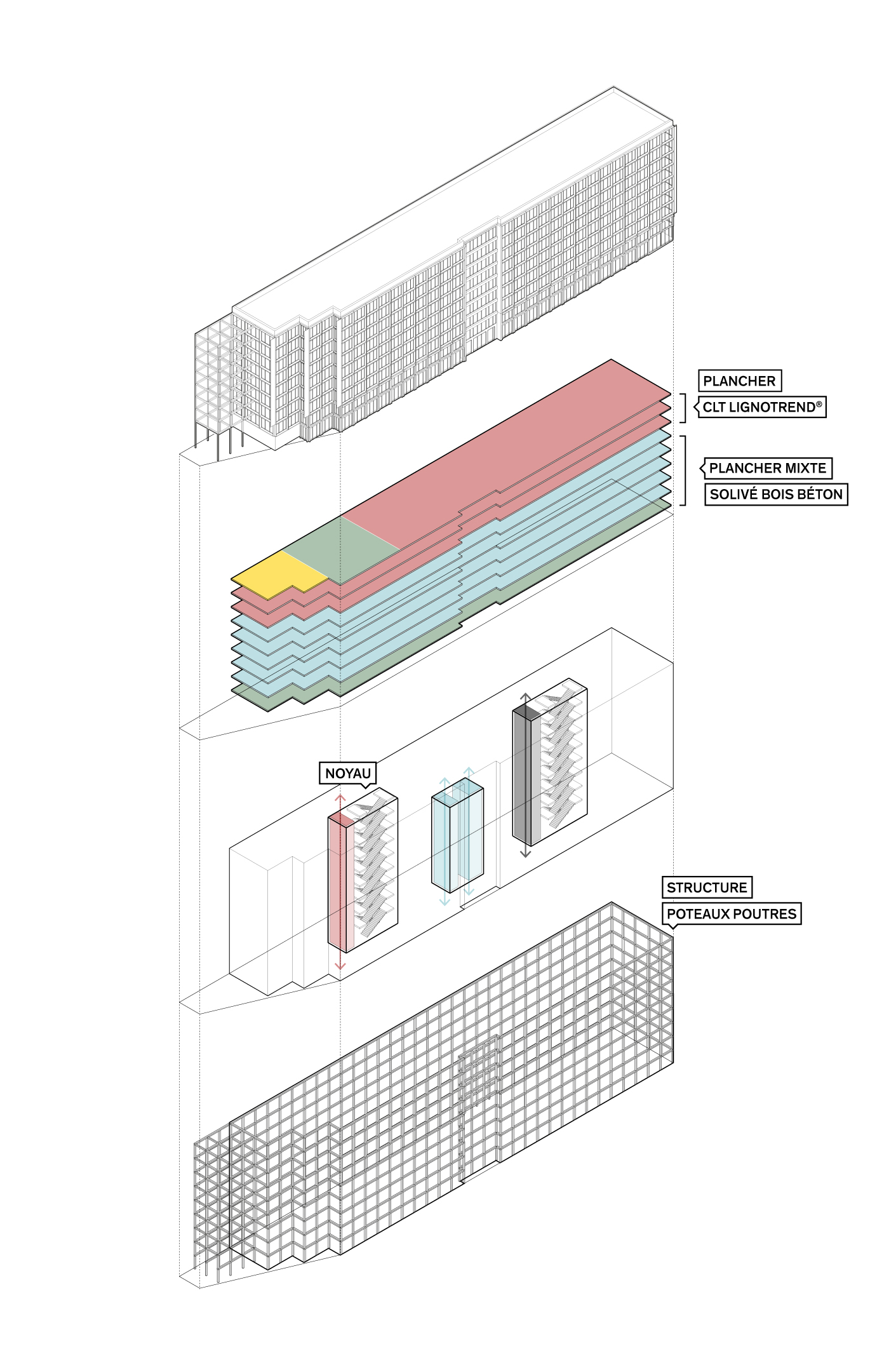
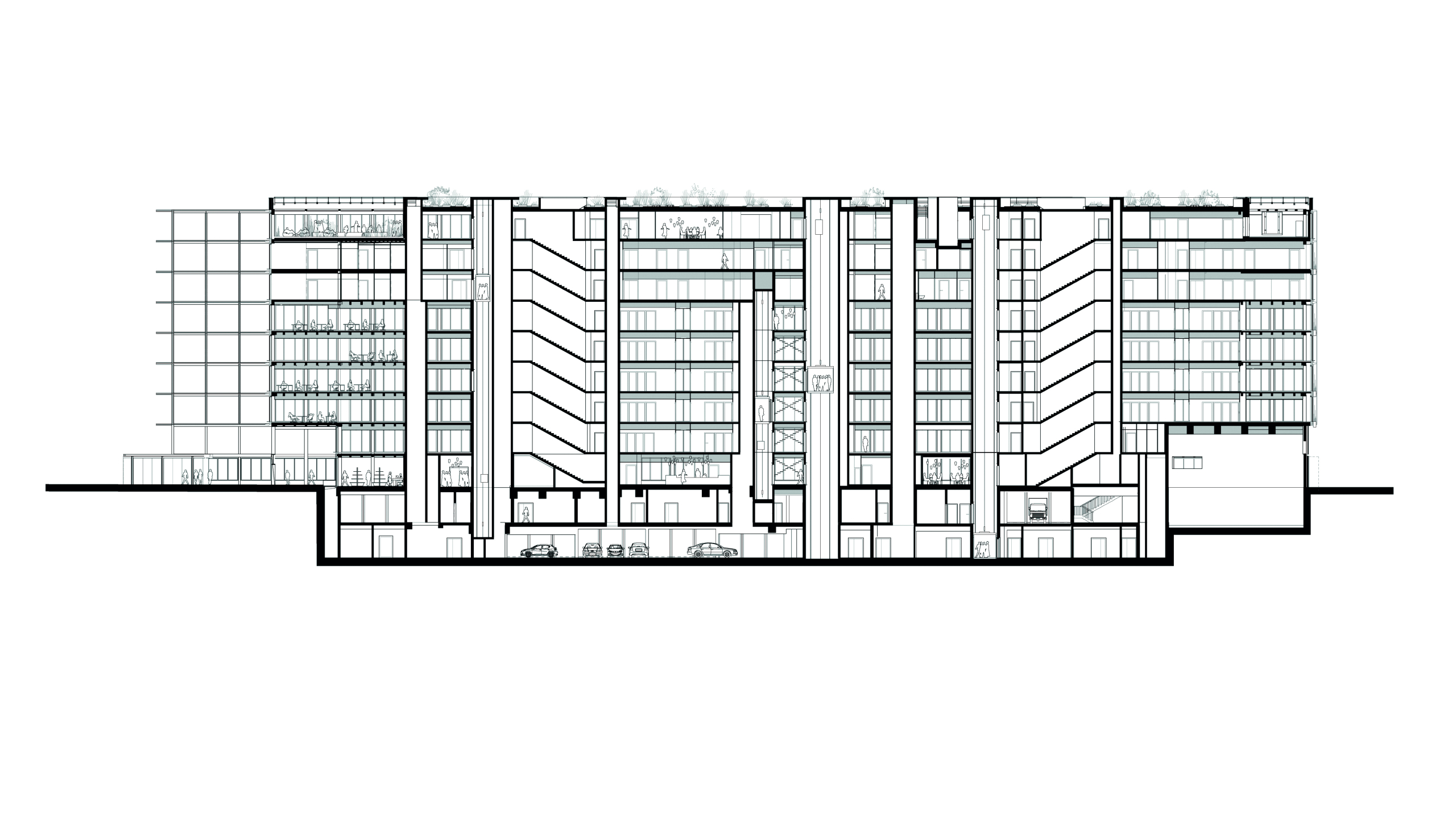
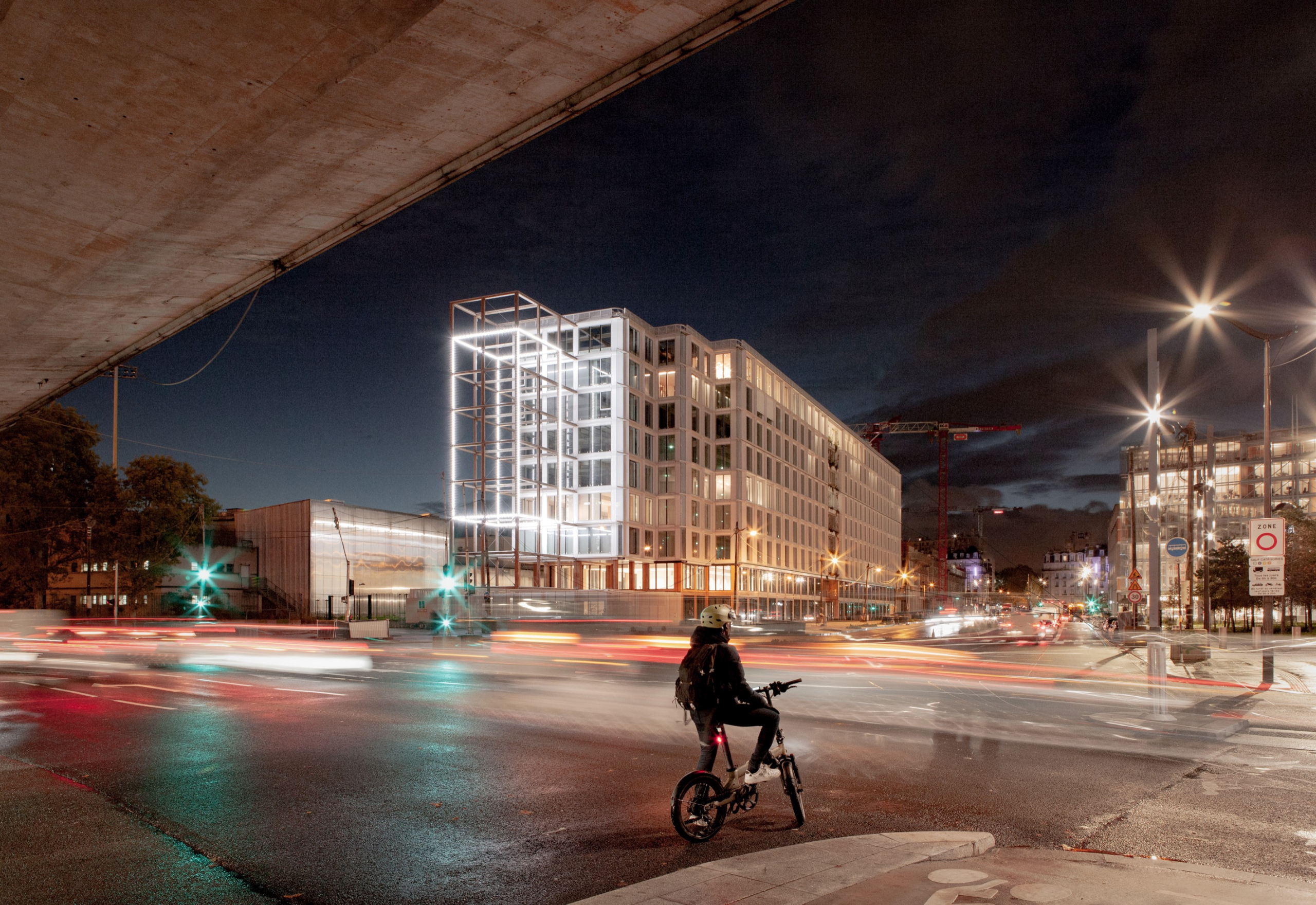
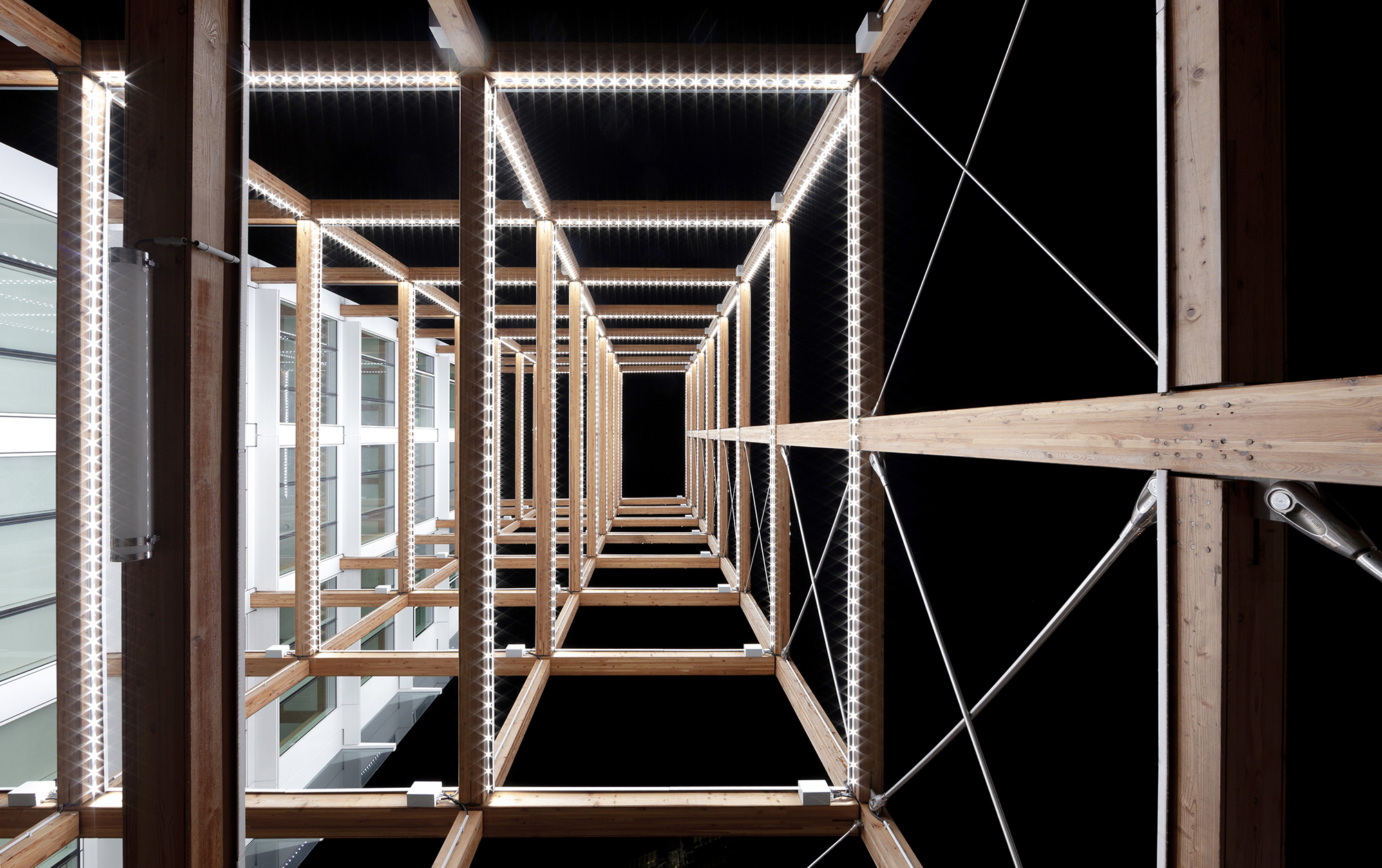
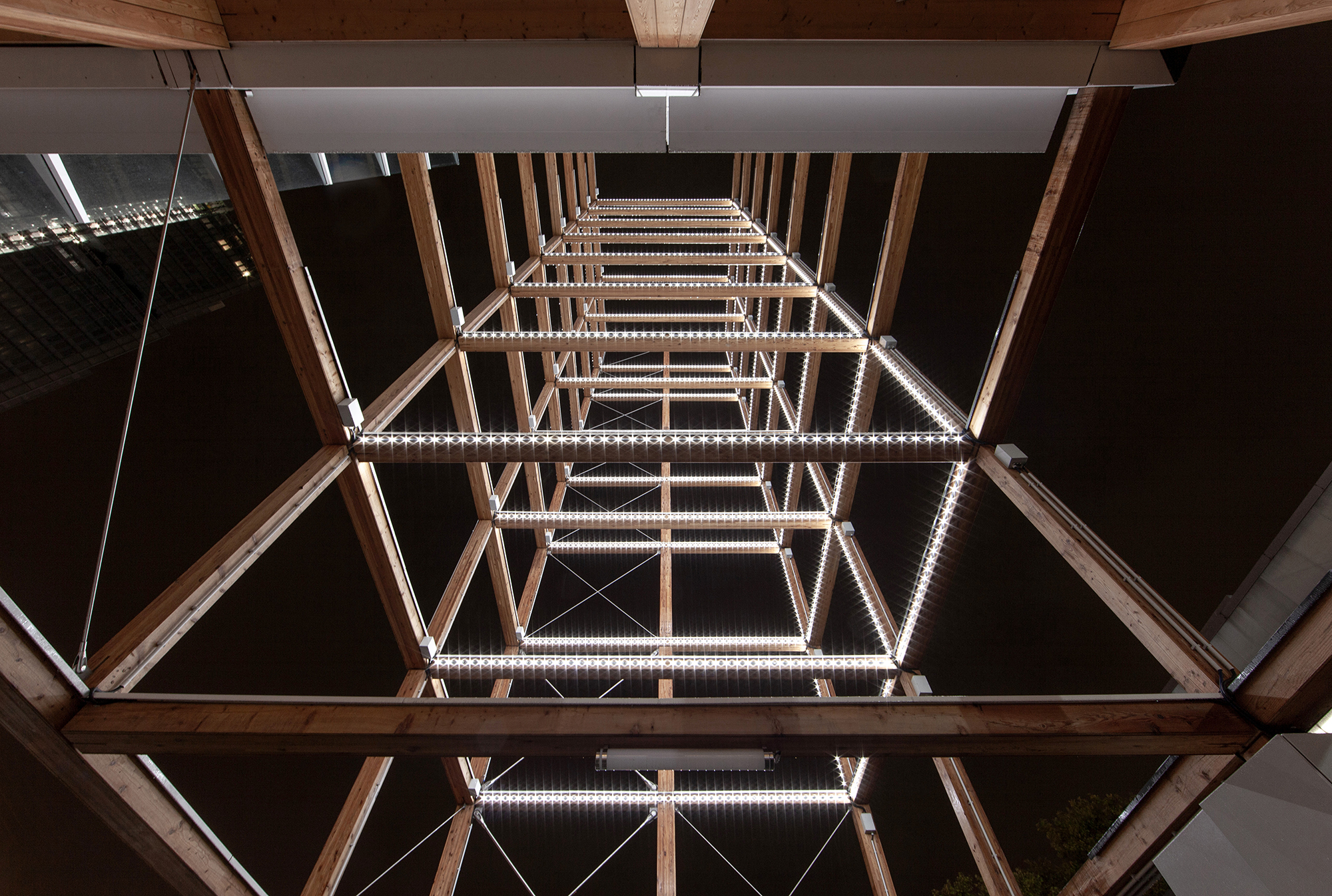
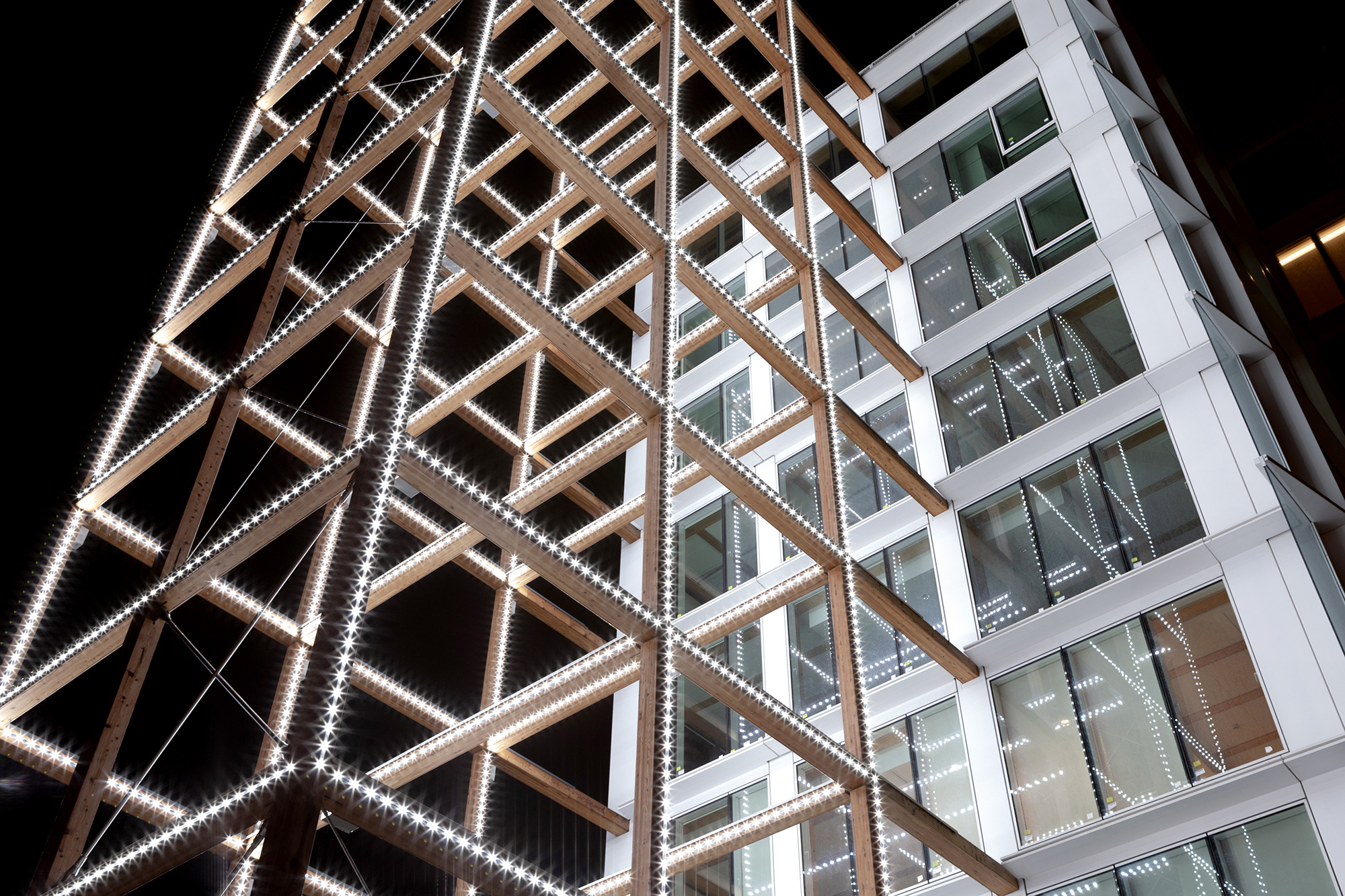
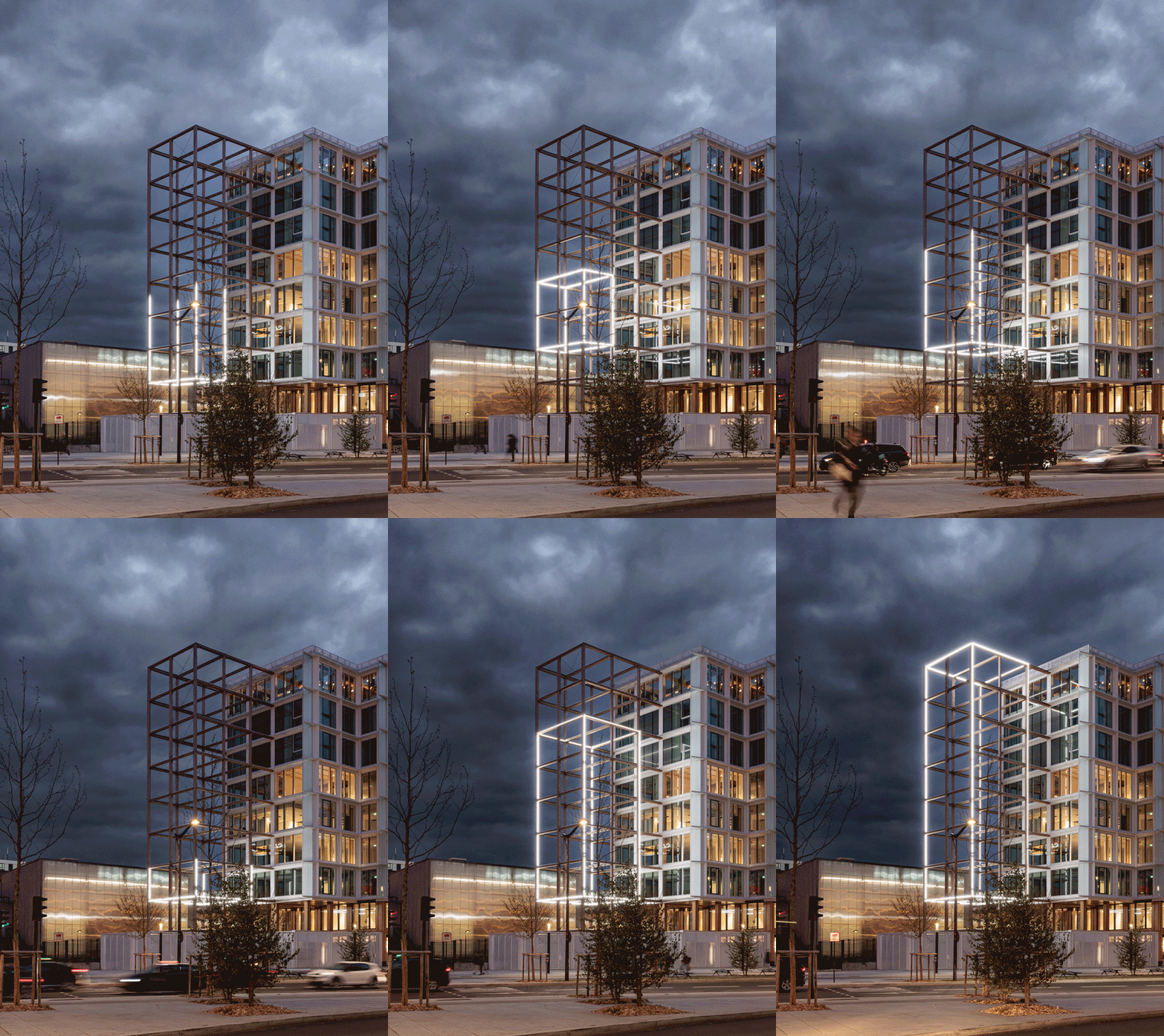
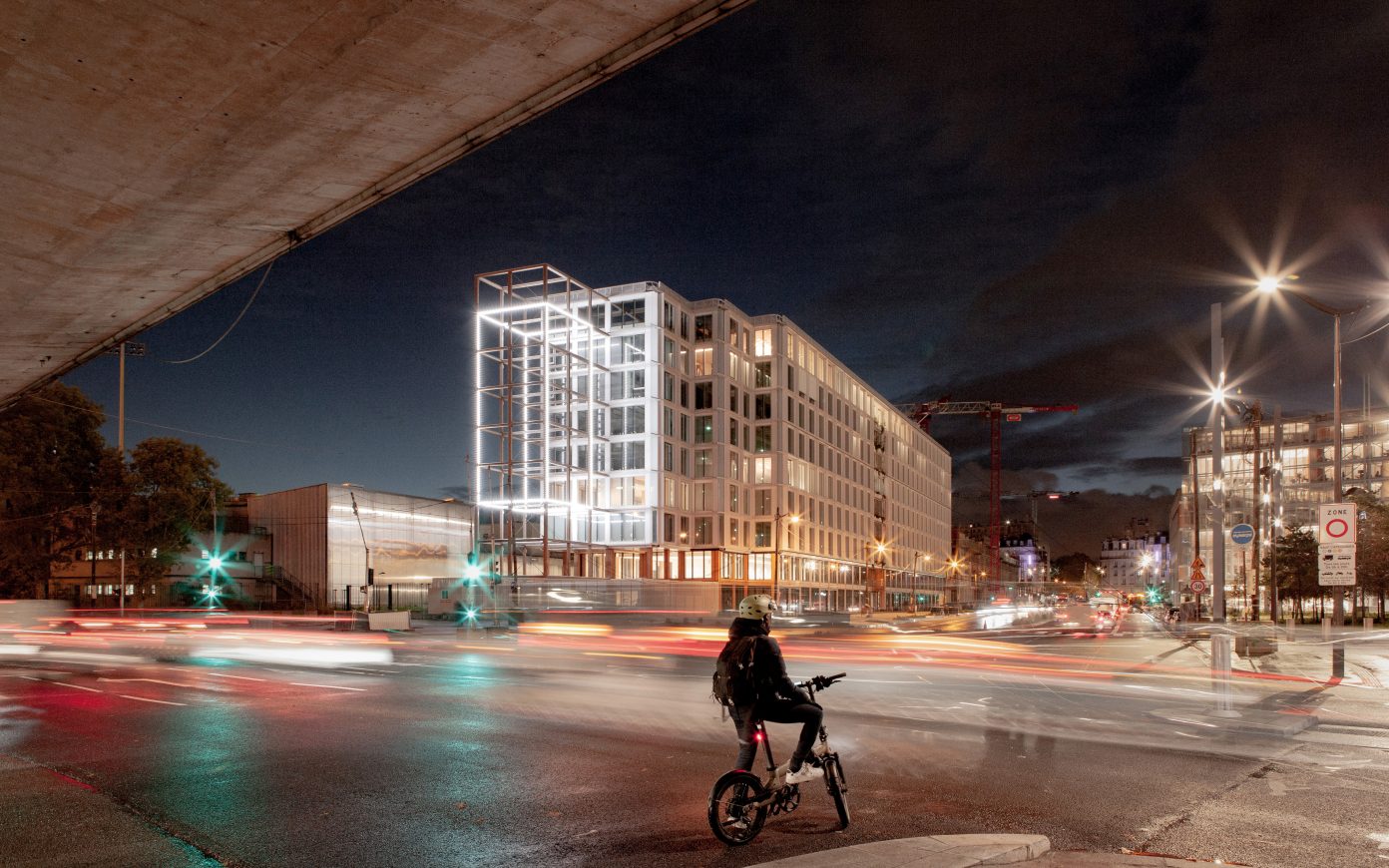
Its mixed wood-concrete structure, unique framework, floors, and technical systems—including fire safety—allow for the complete reversibility of its uses, making it a prototype of resilient architecture. The wooden exostructure at the building’s tip serves as a backdrop for an artistic installation in the public space: Pablo Valbuena’s light installation gradually highlights the framework of the Stream Building. Without adding to ambient noise, the work instead invites passersby to a peaceful contemplation, a welcome respite in a dynamic neighborhood.
Stream Building
Paris 17
In the heart of the new Clichy-Batignolles neighborhood, the Covivio-Hines France-PCA-STREAM team is delivering the Stream Building, a landmark structure whose innovations embody nearly 15 years of research by the Stream Lab into the challenges of the city of tomorrow. Designed with circular principles in mind, the Stream Building is a social and productive hub that will energize this new central hub of Greater Paris by bringing together all the activities of a vibrant urban life.
Photos
Process
Experimenting with a Metabolism Building
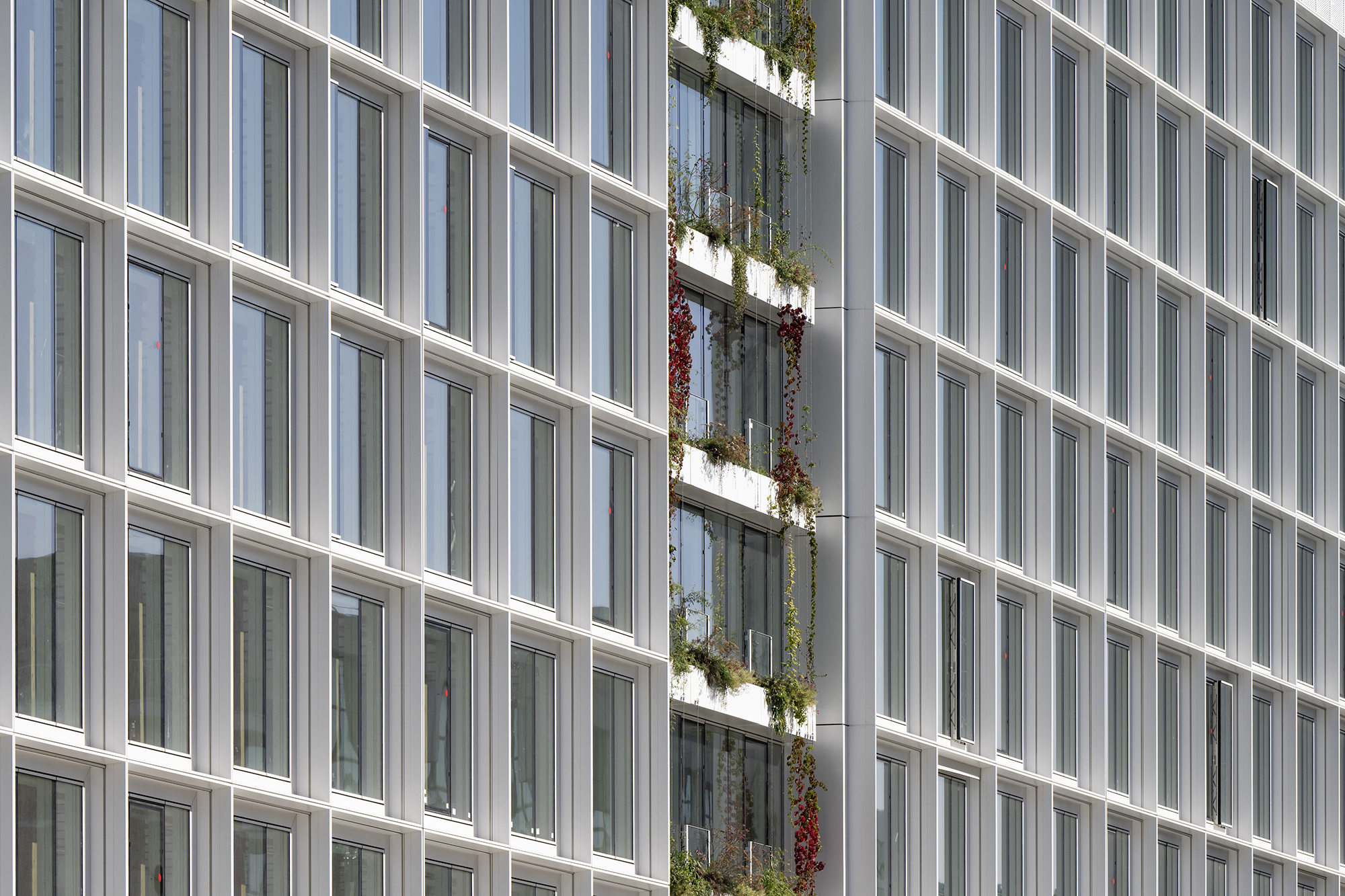
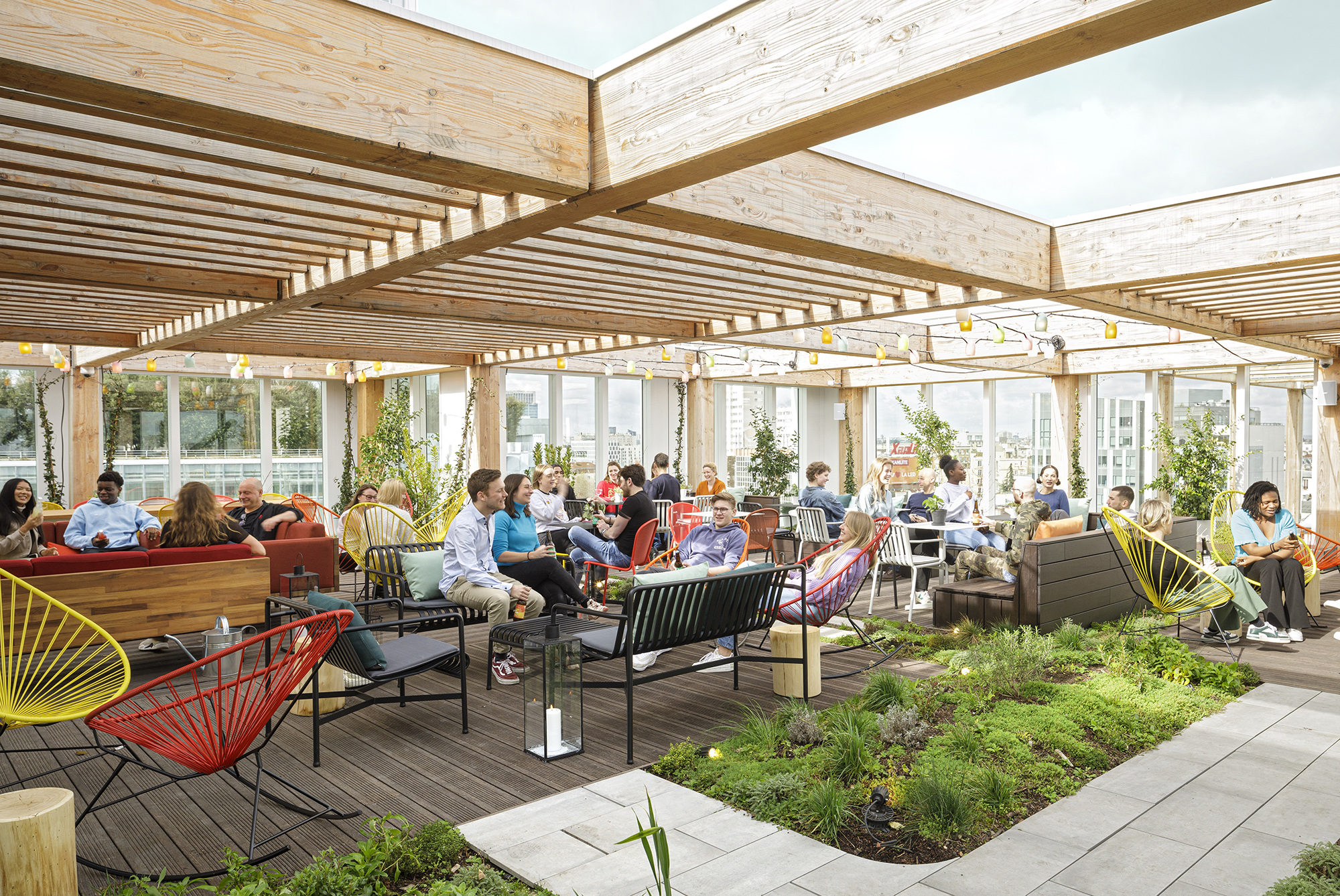
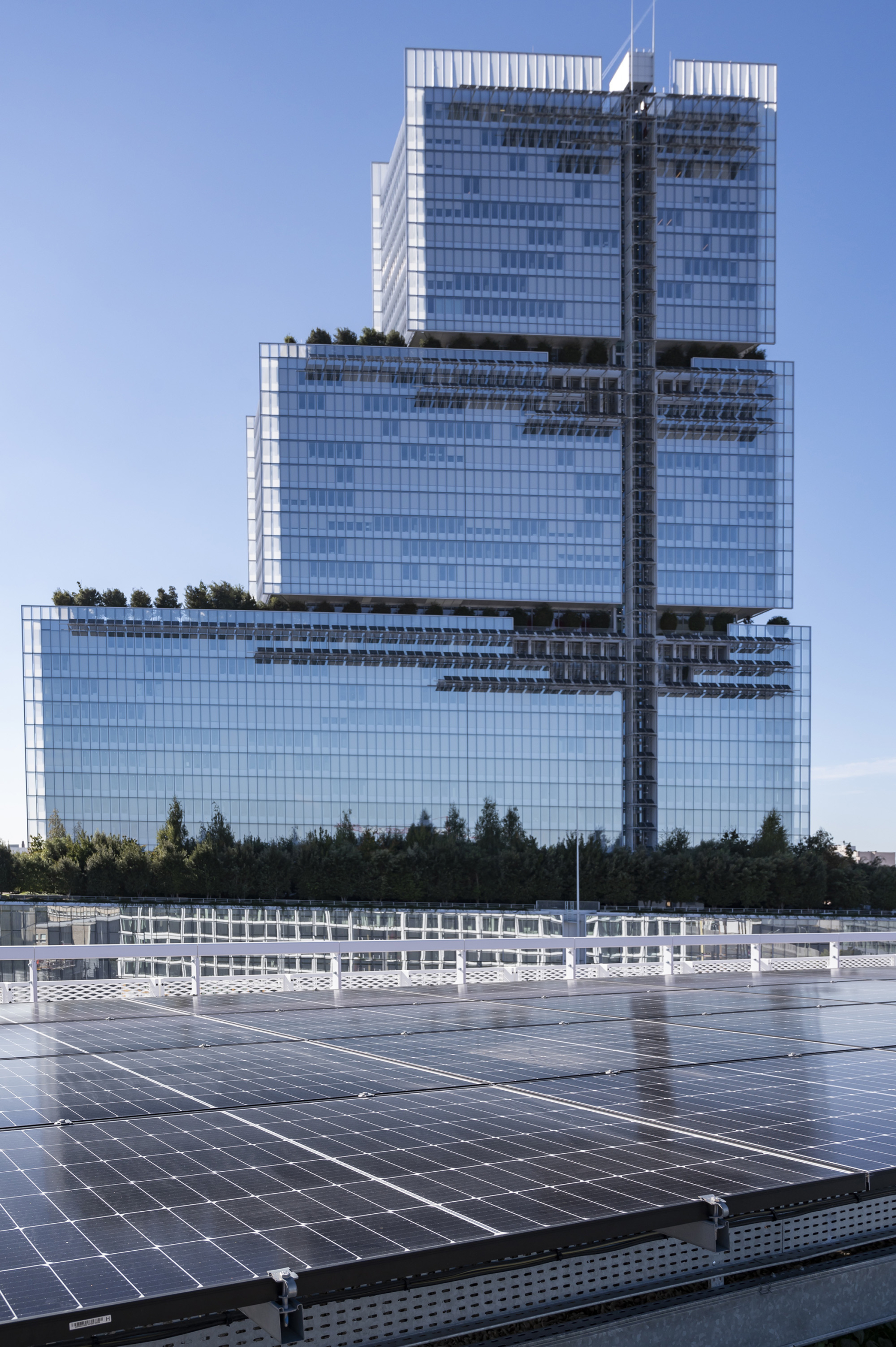
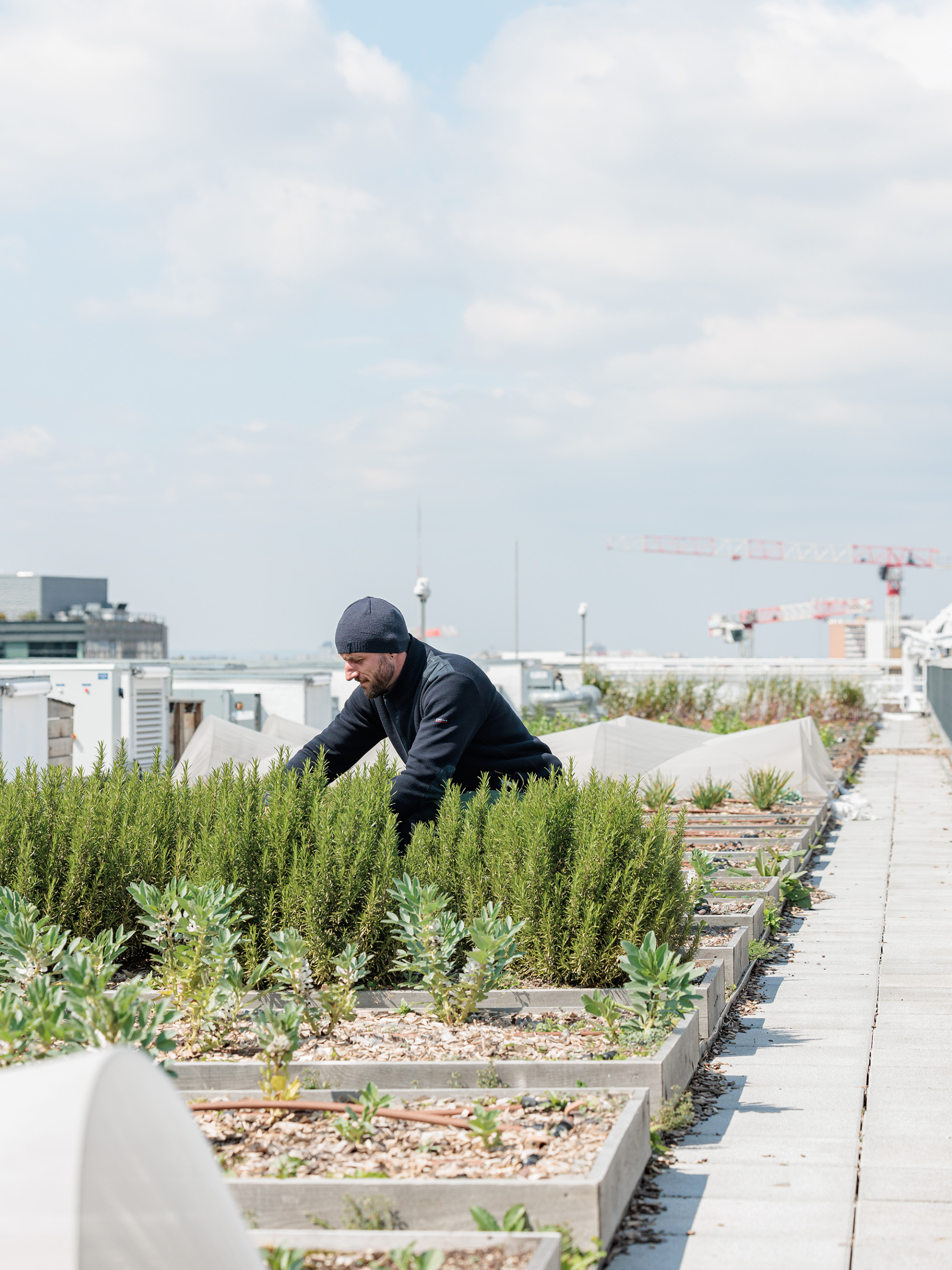
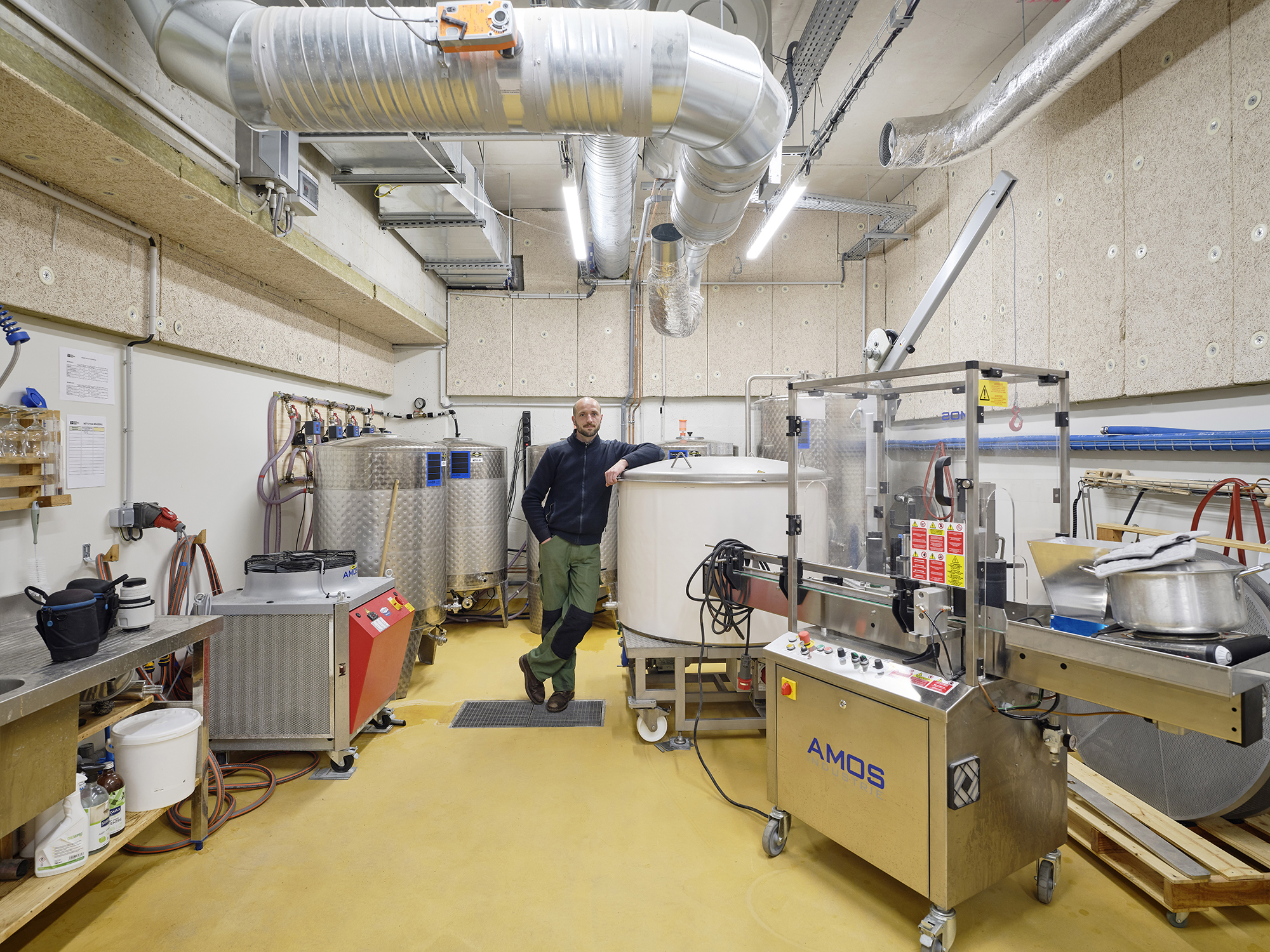
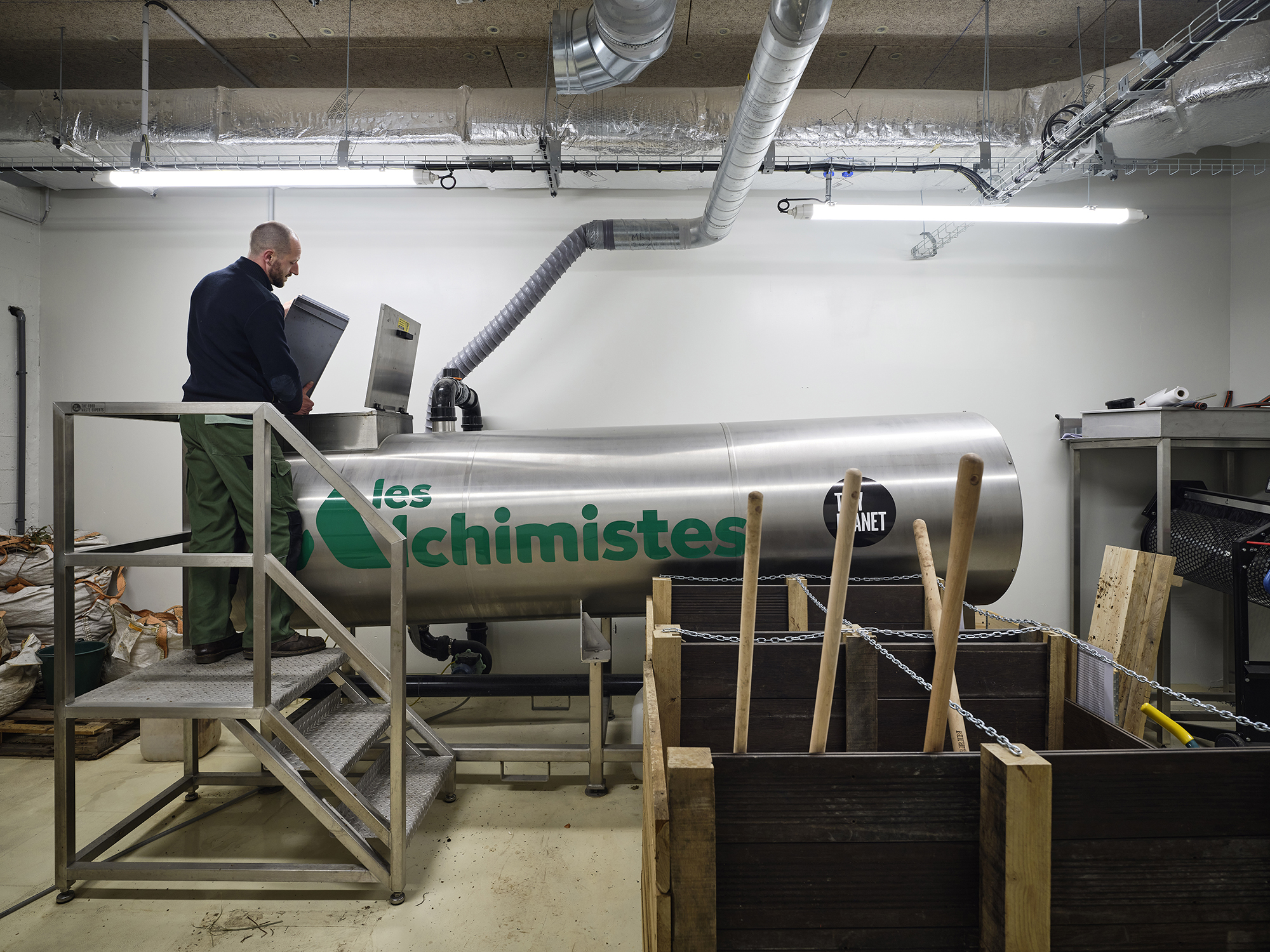
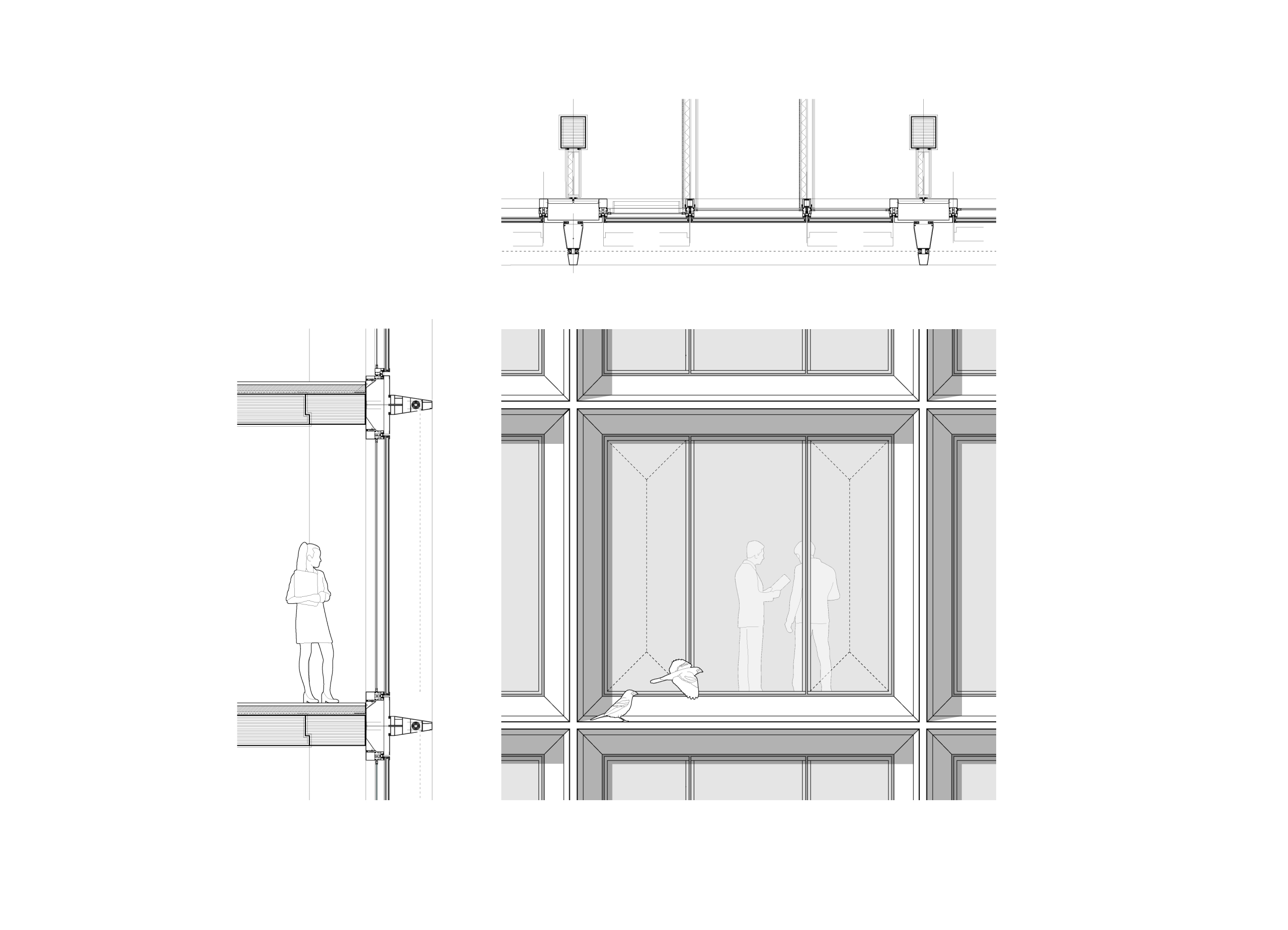
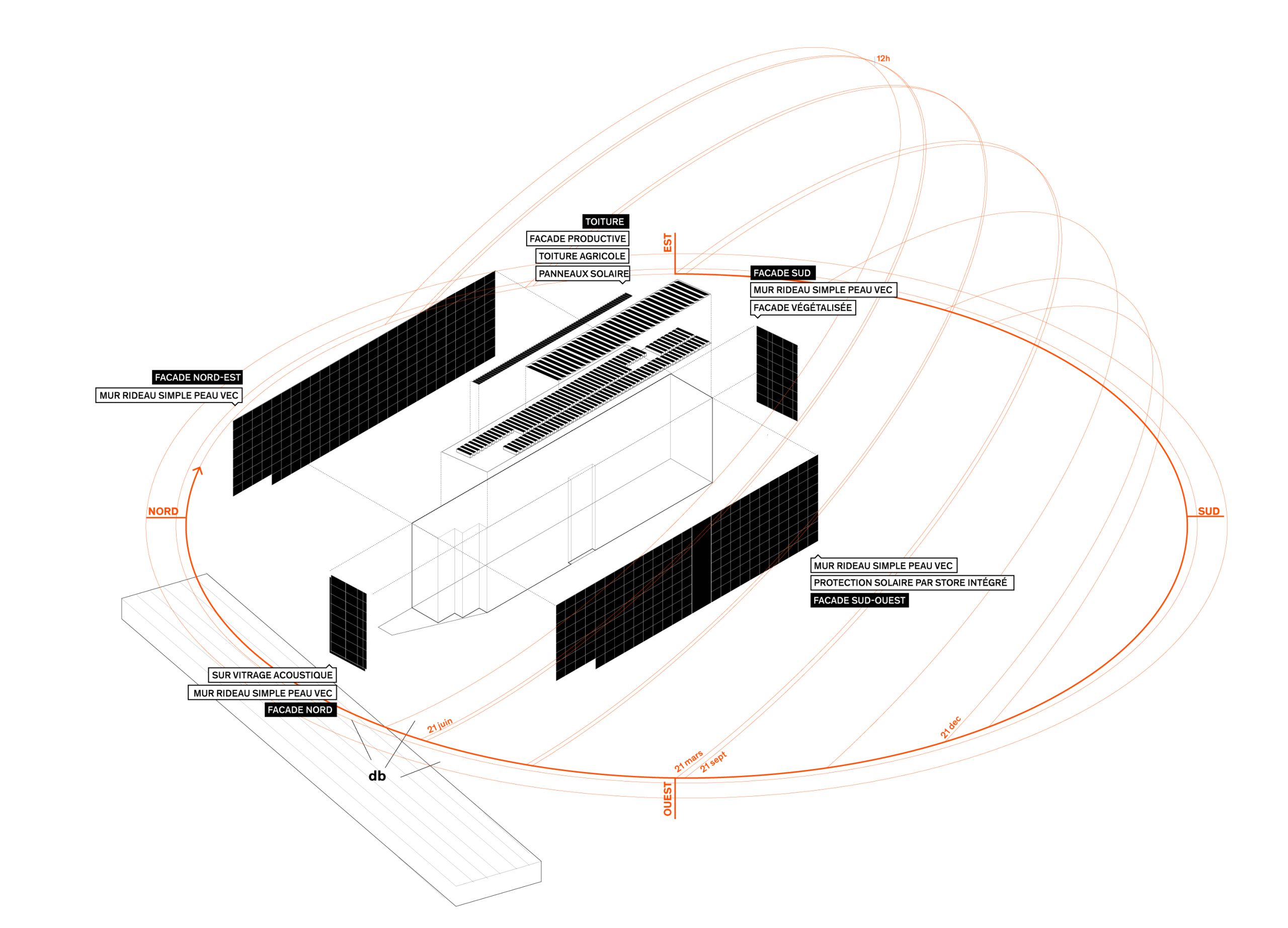
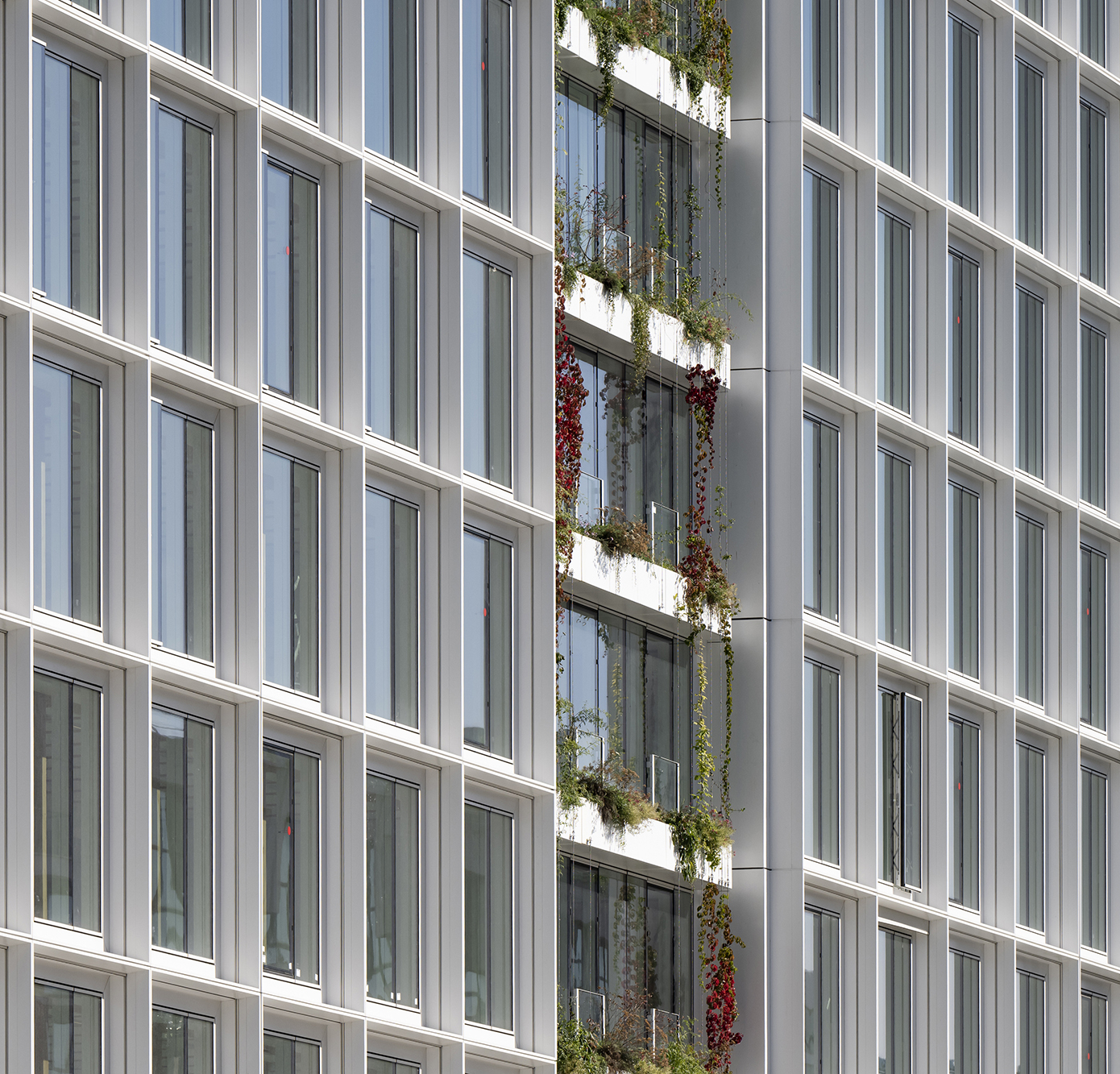
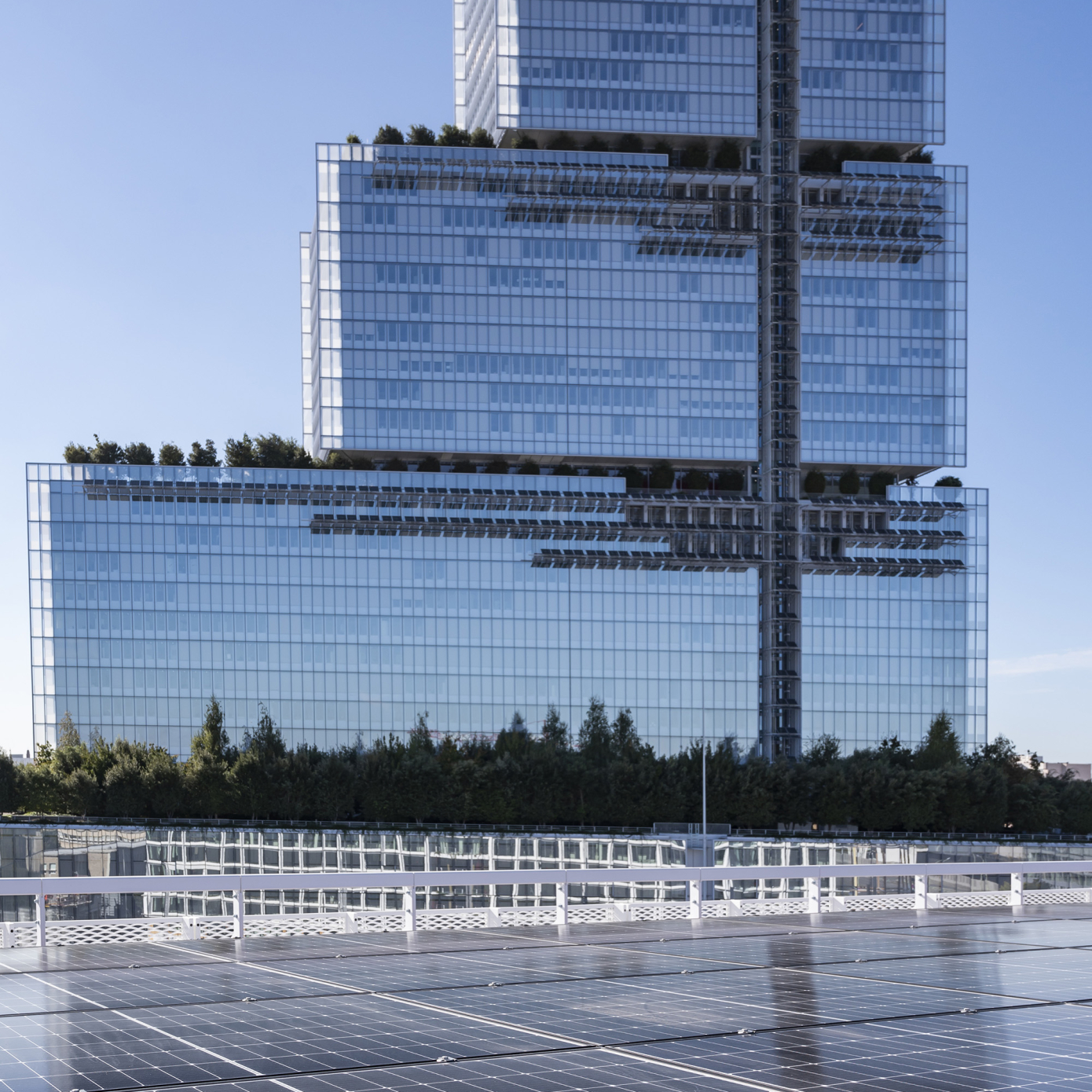
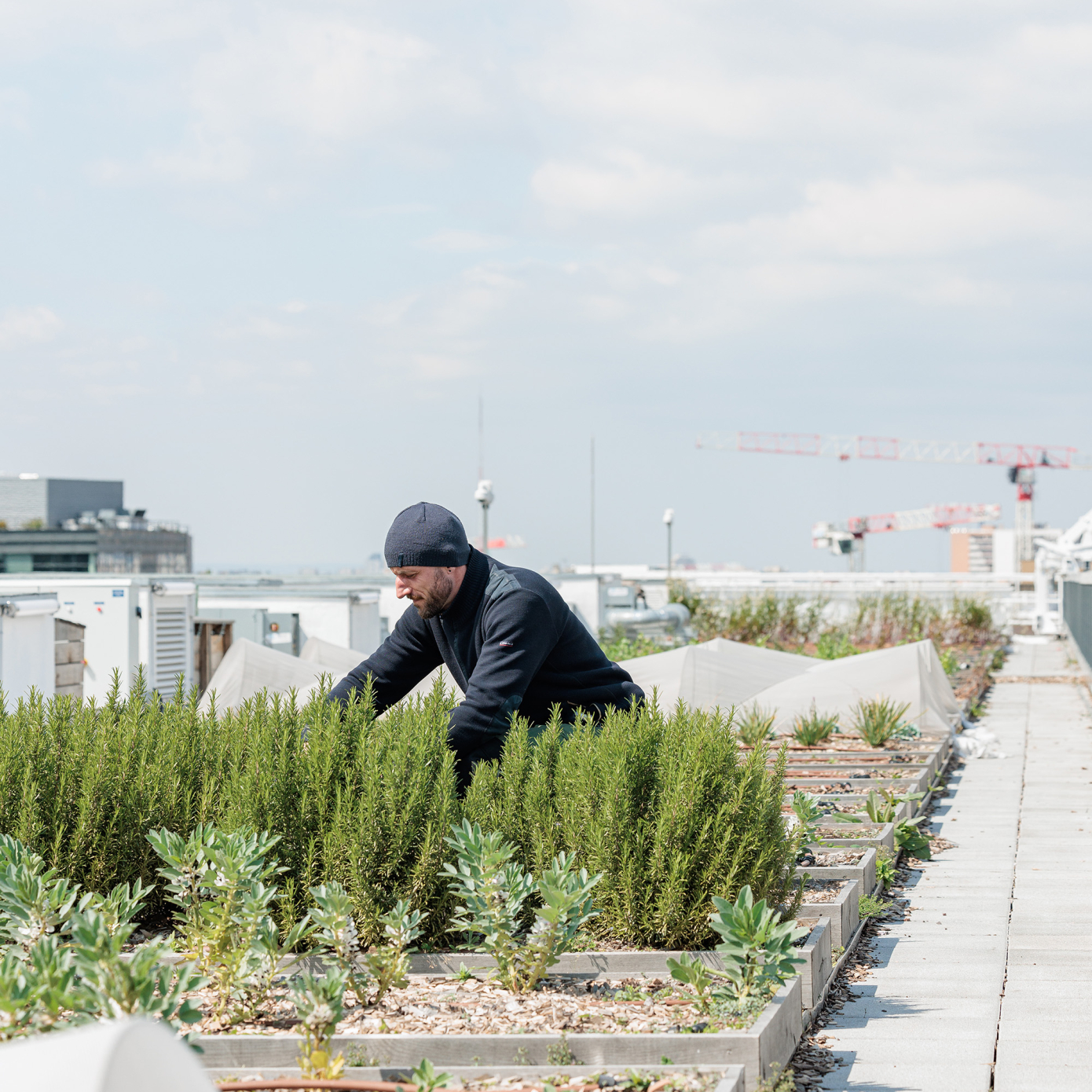
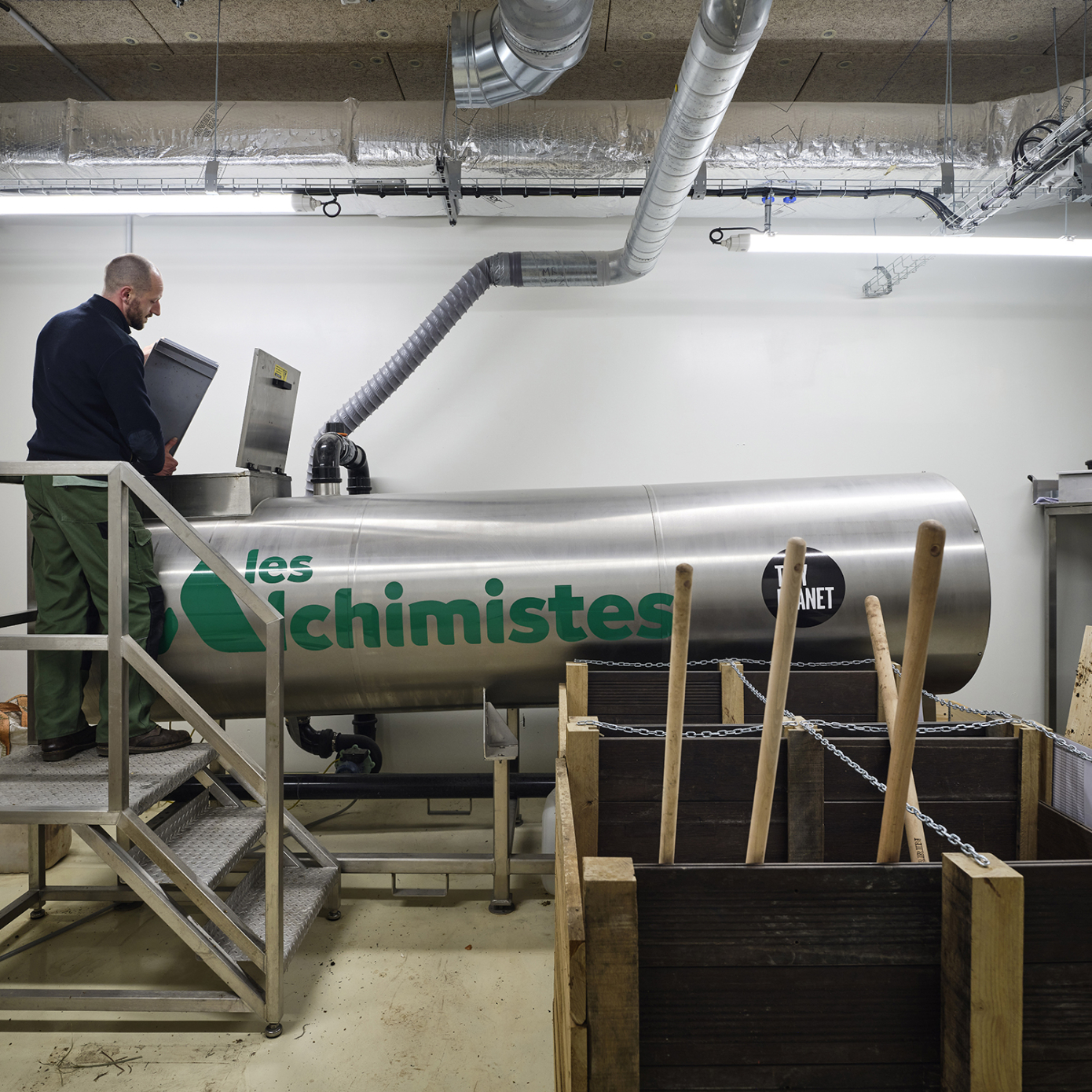
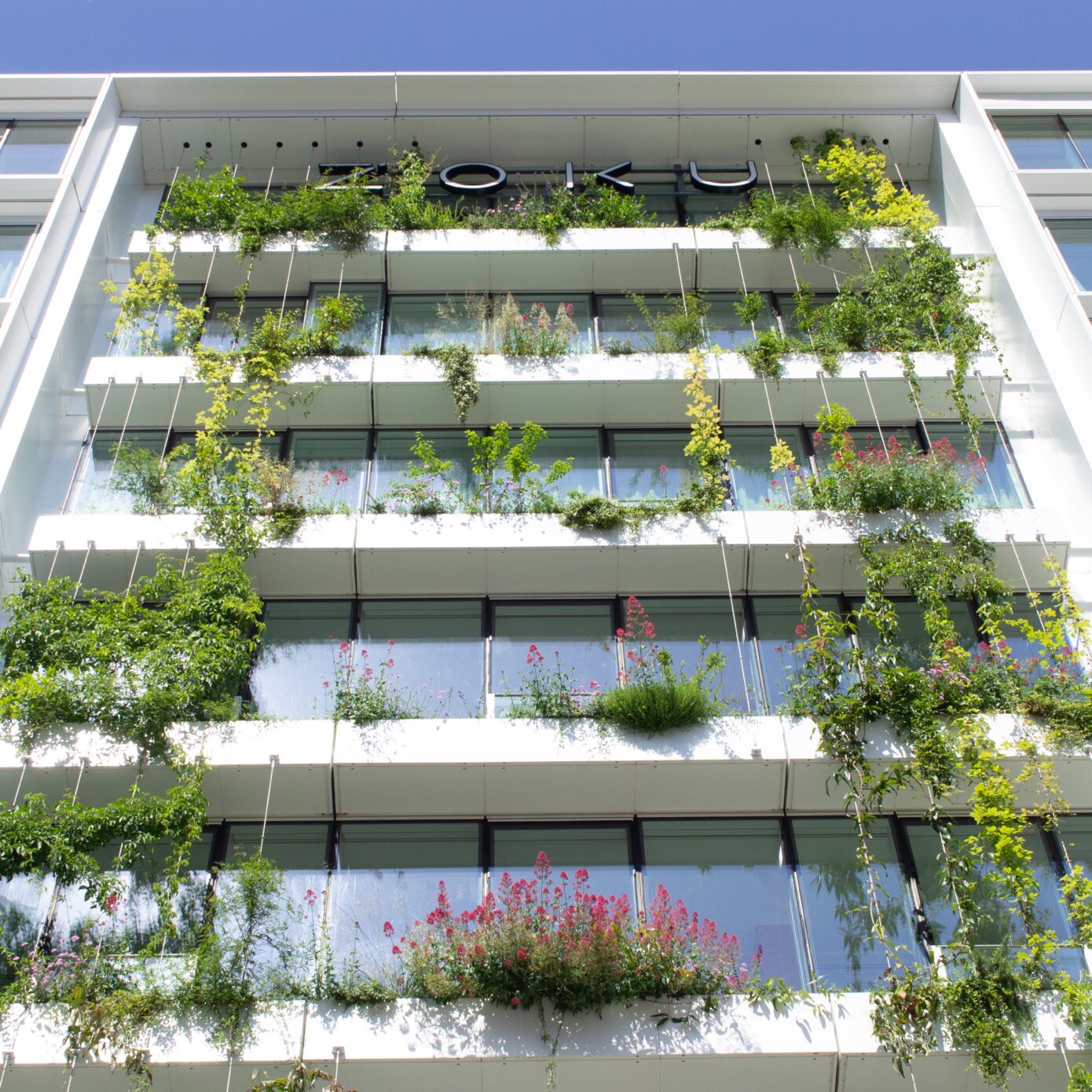
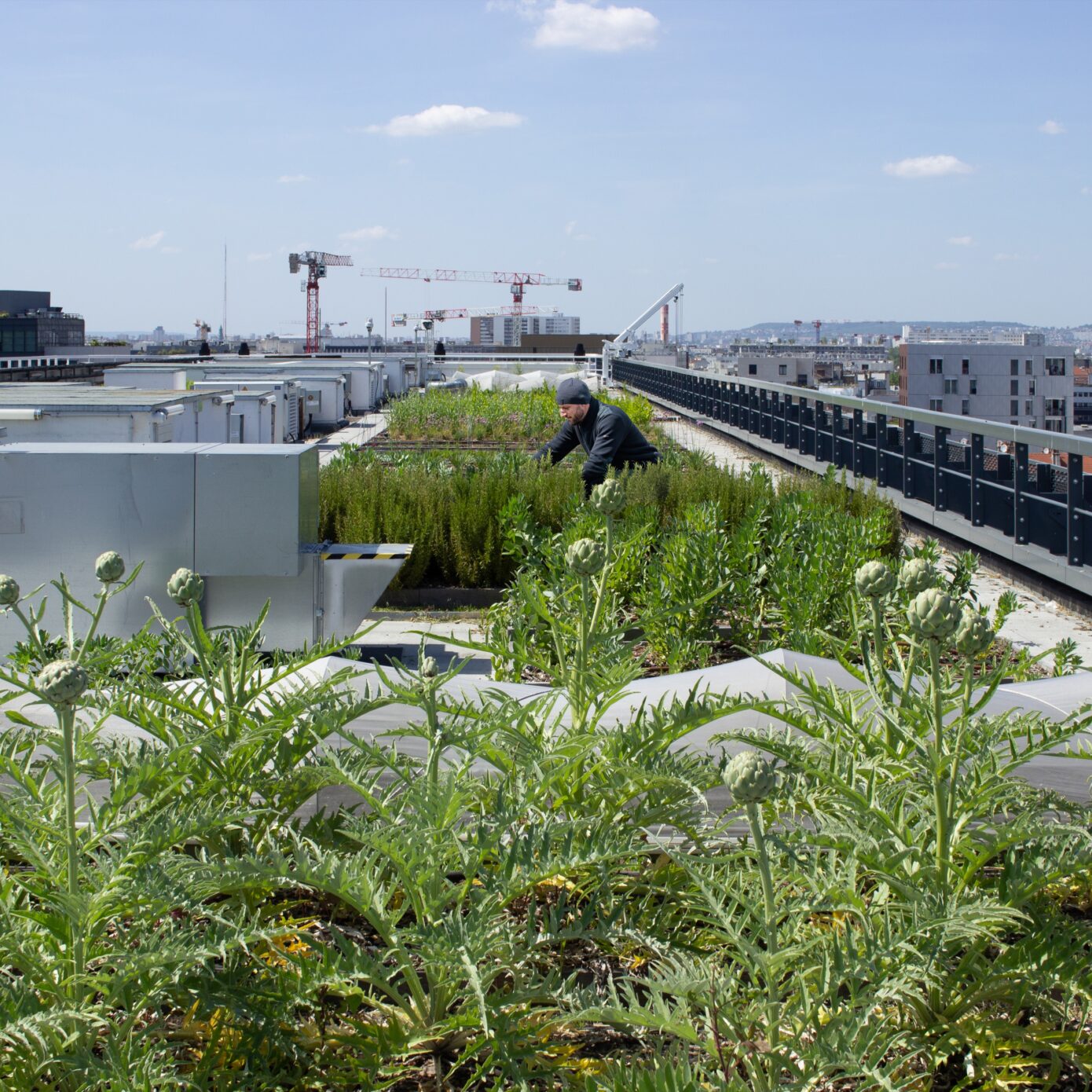
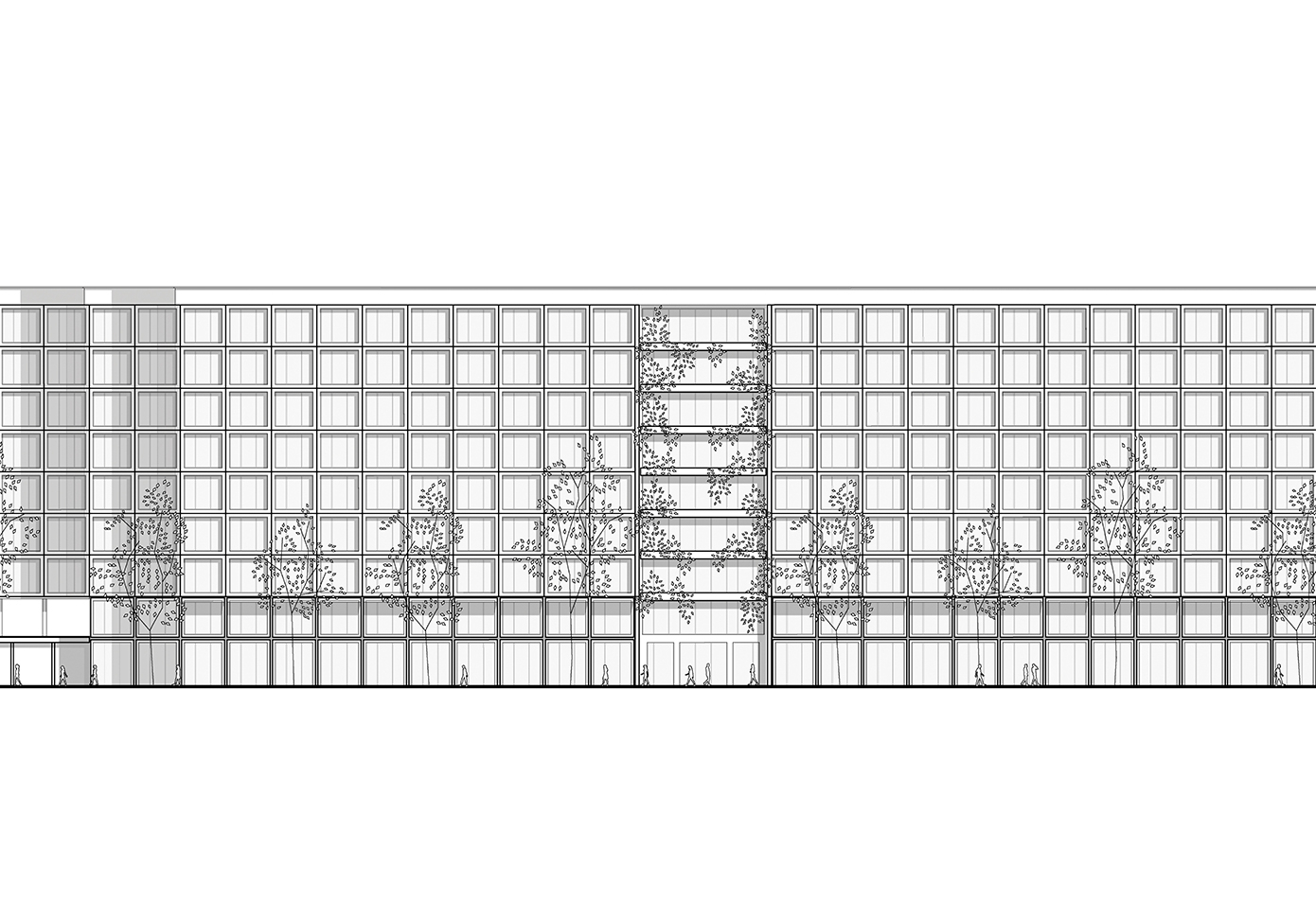
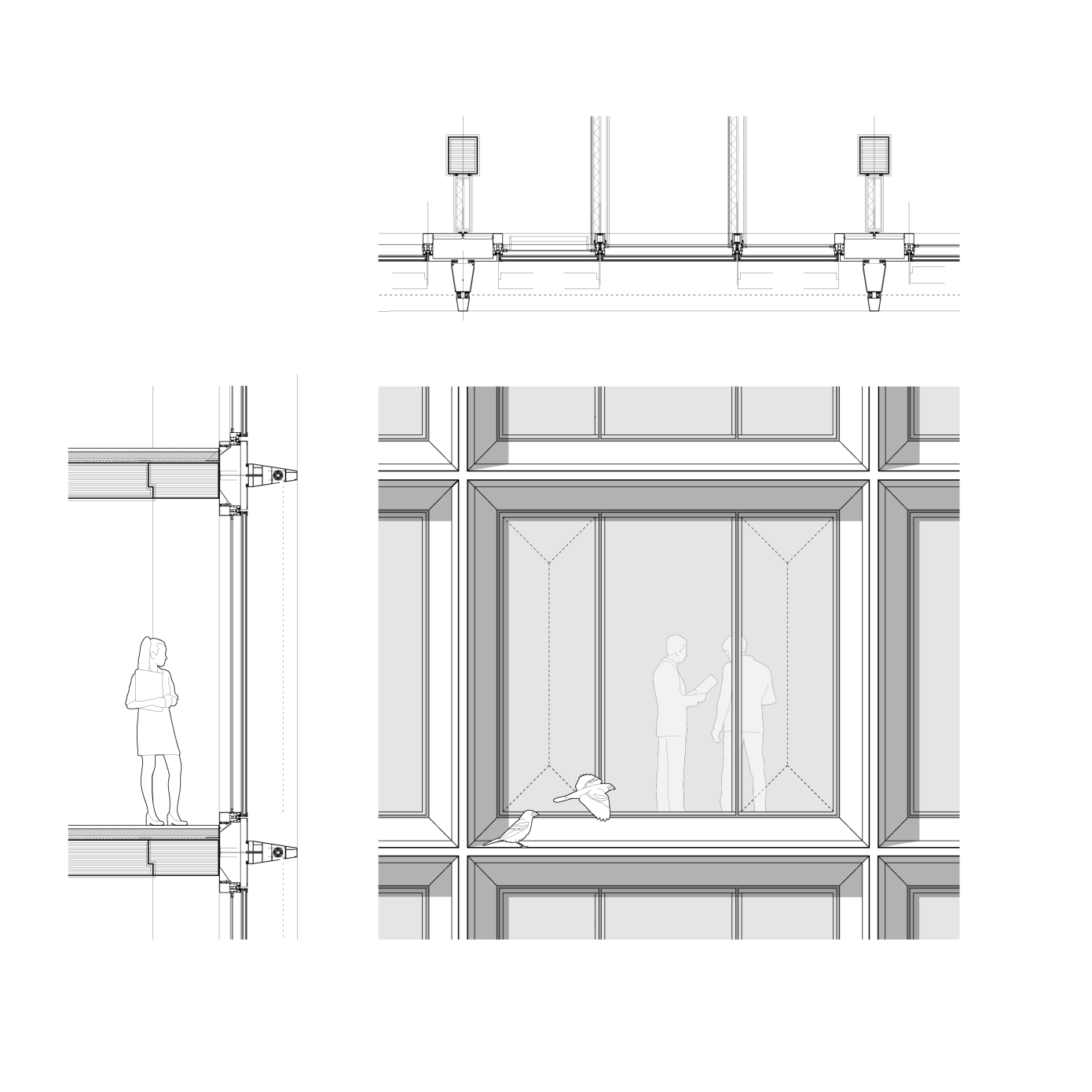
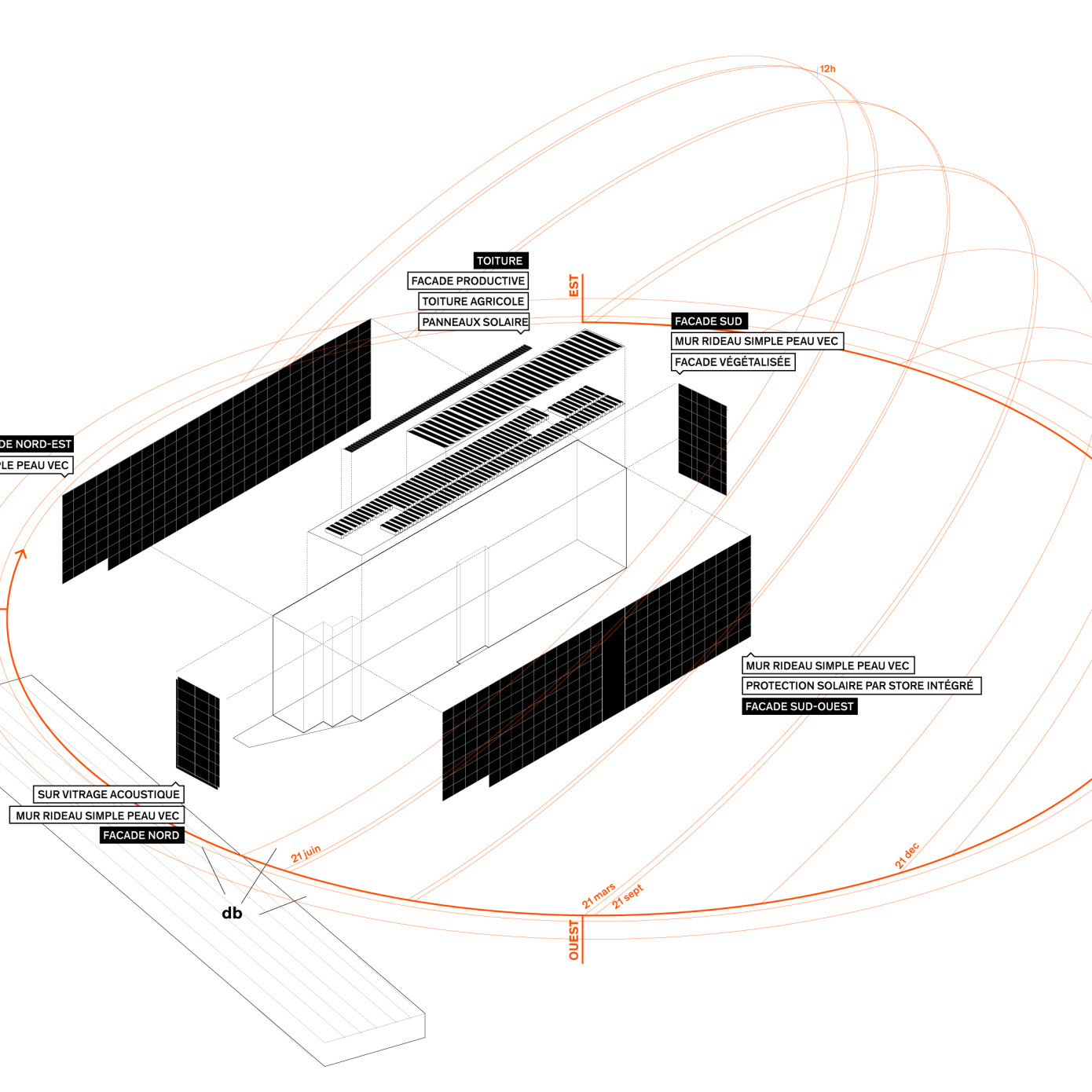
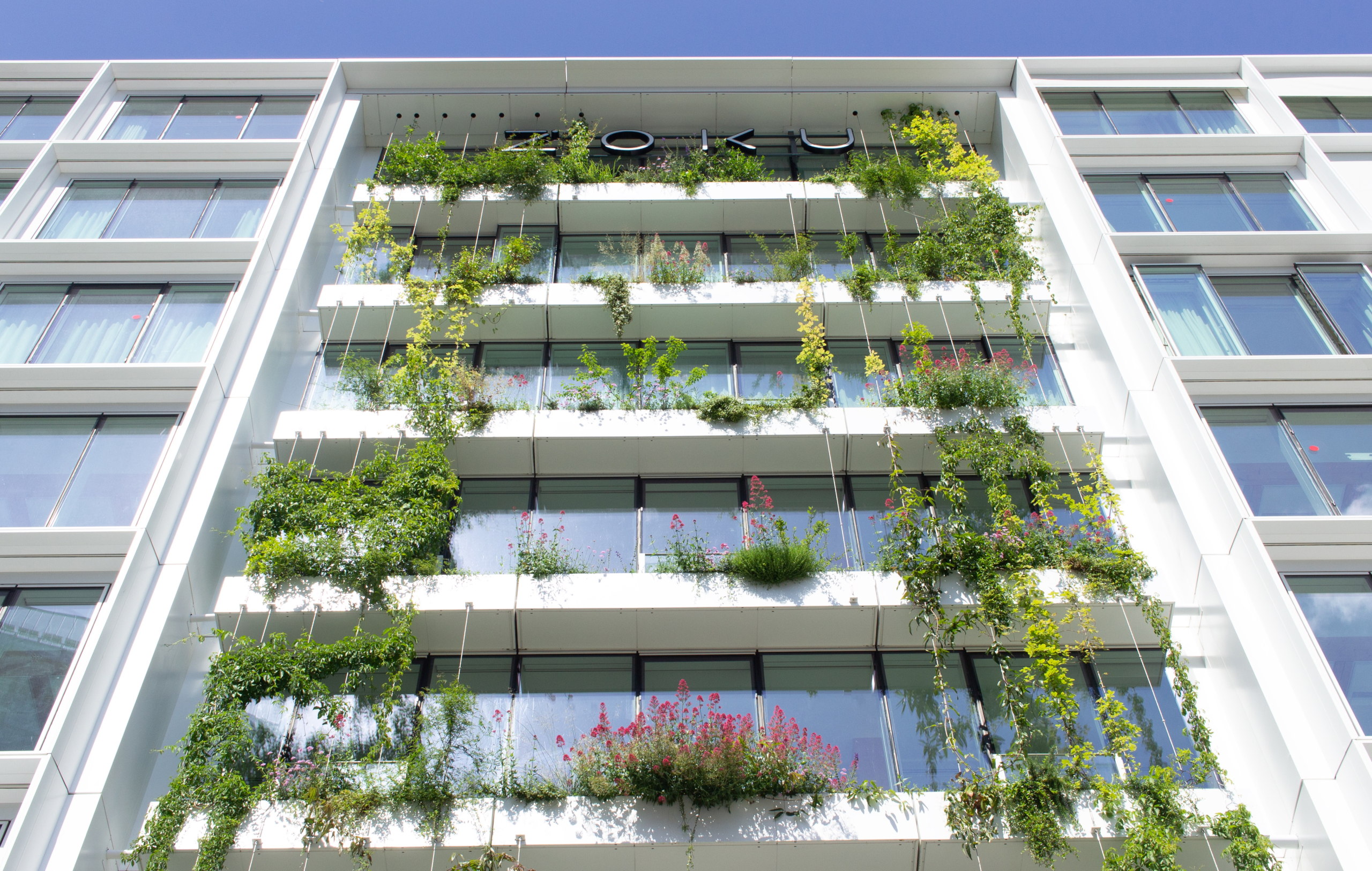
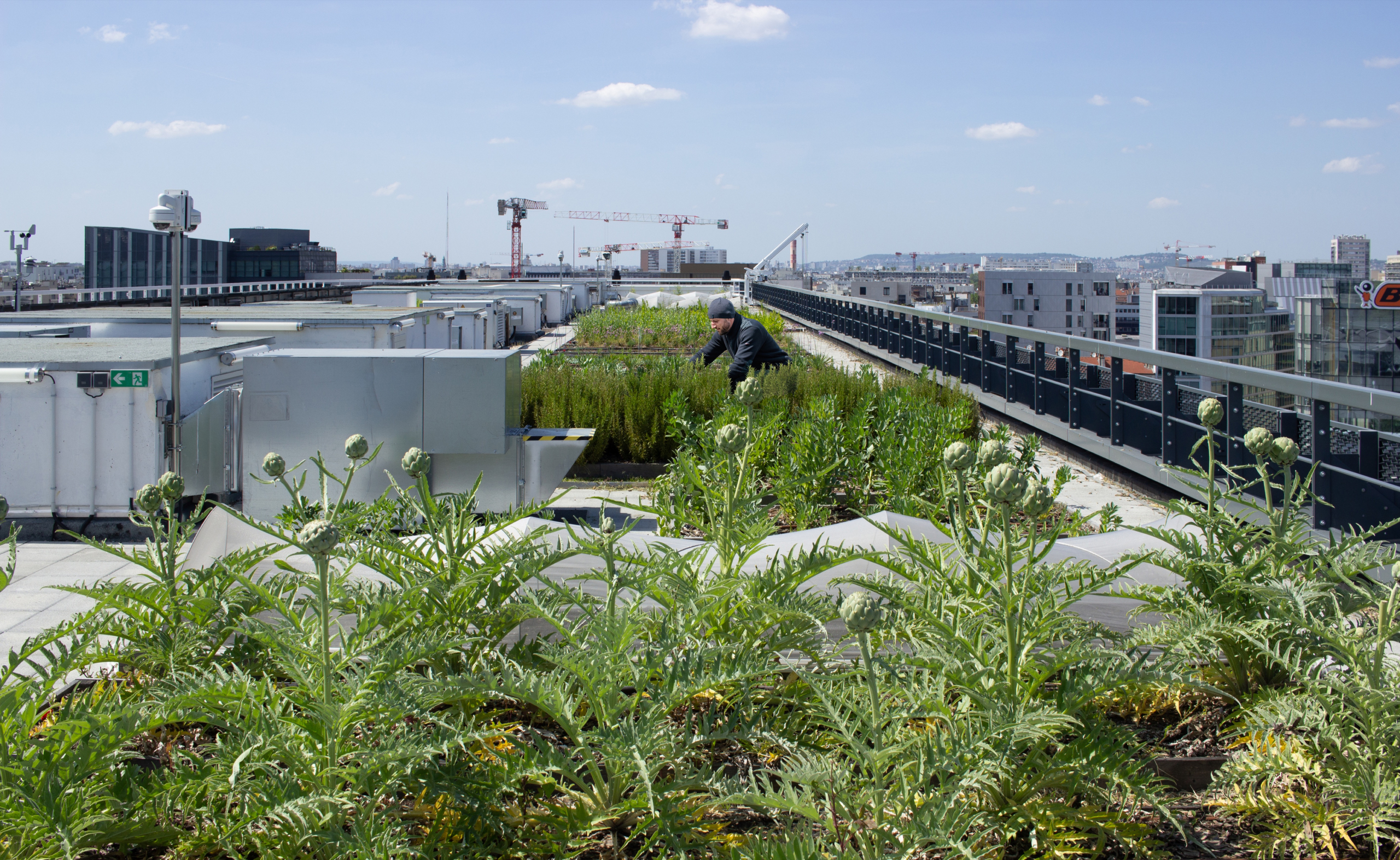
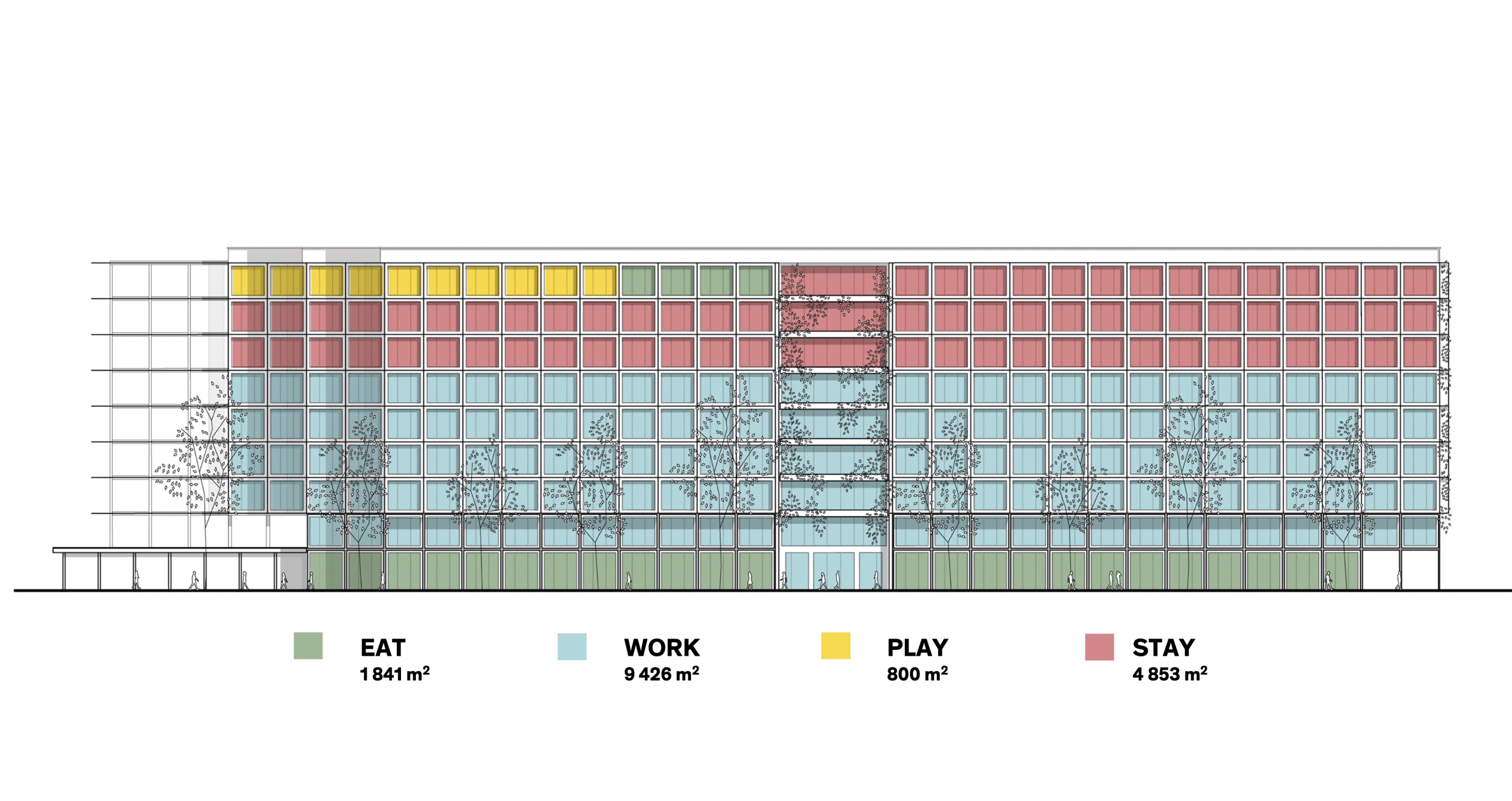
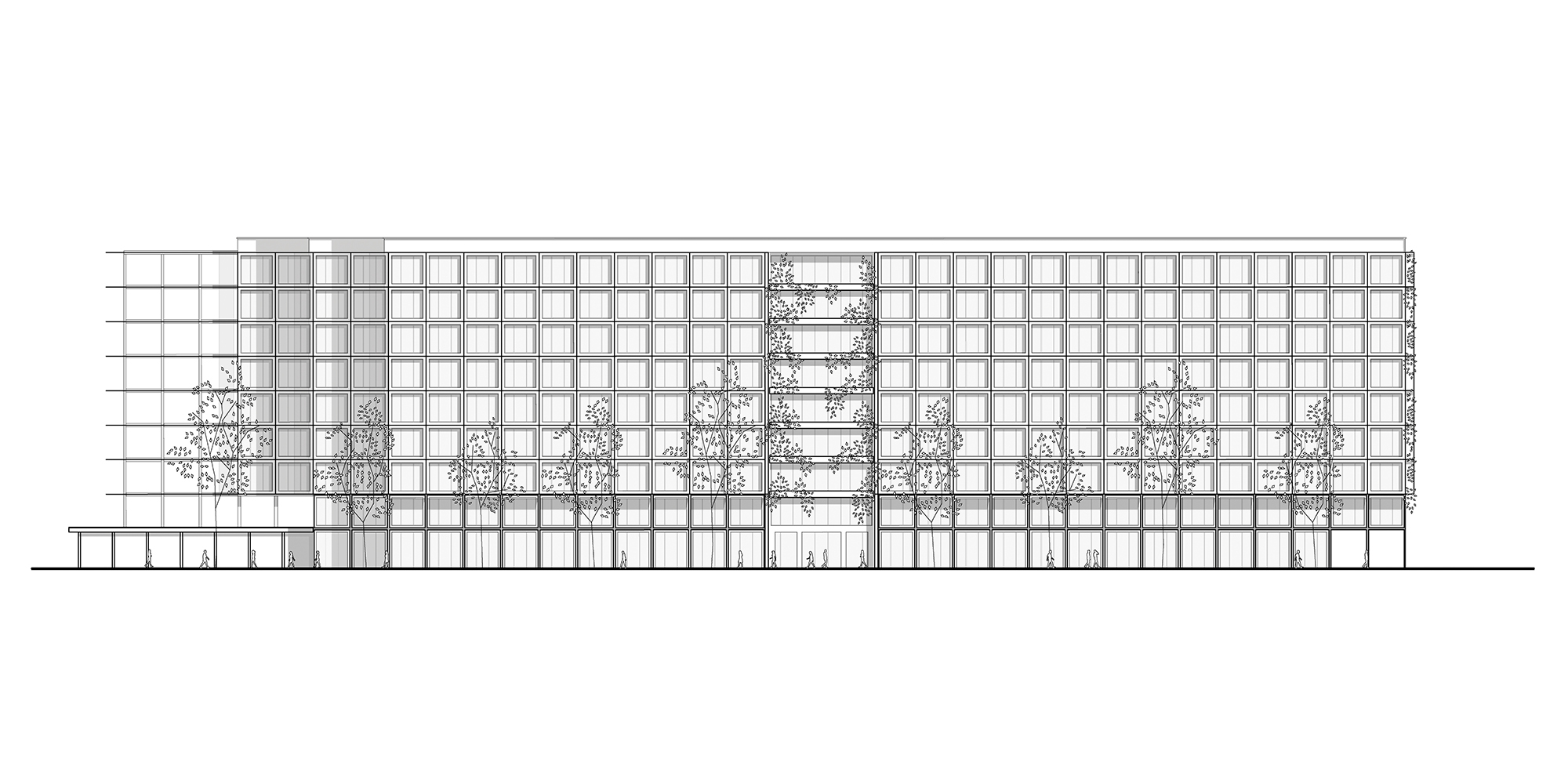
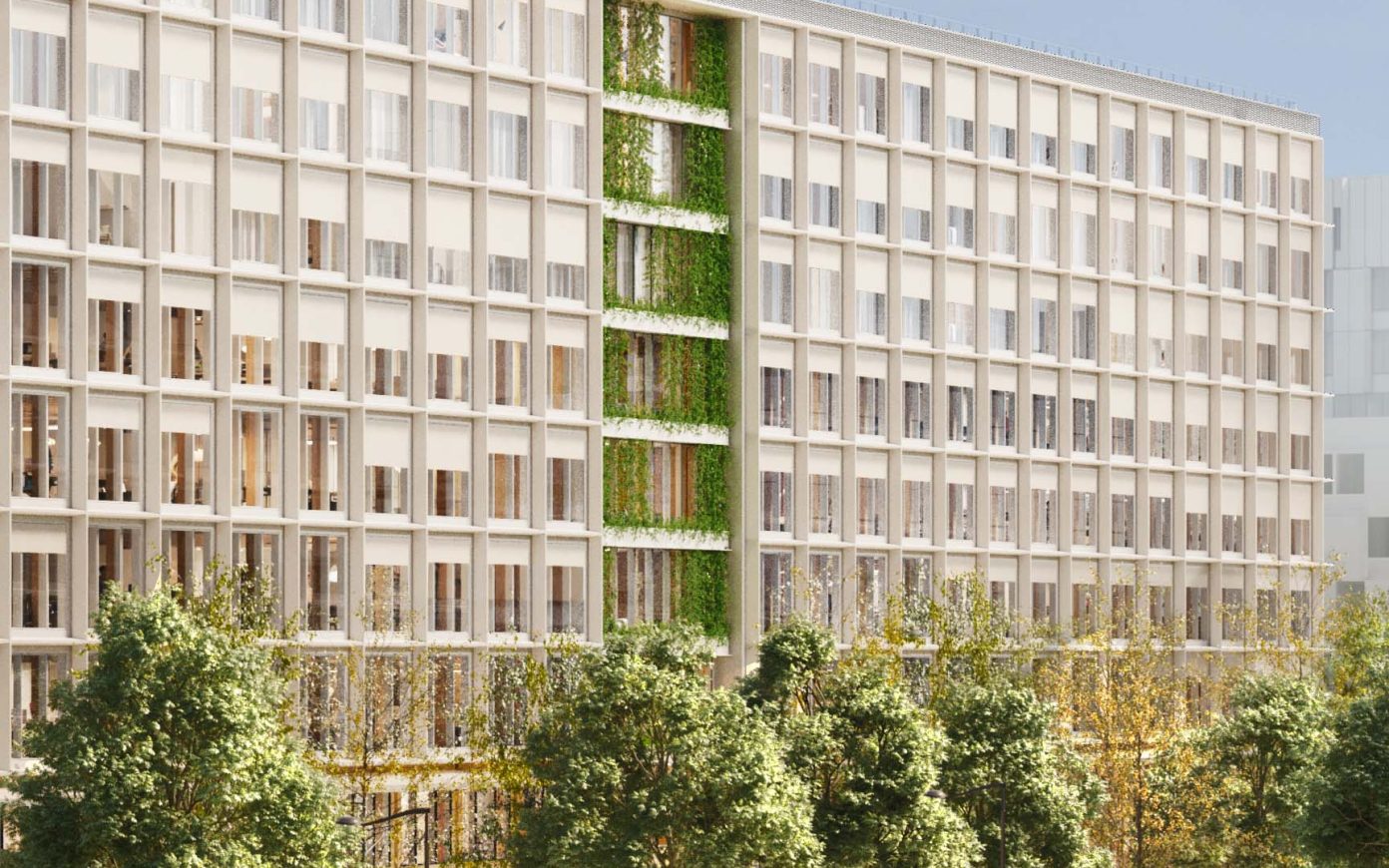
The Stream Building was designed as a metabolic building with a circular operation. As a true resource-efficient building, the rooftop solar panels (385 m²) cover part of the building’s energy needs, while the produce from the 300 m² rooftop garden is consumed and then composted on site. The focus on biodiversity is evident on the facade: the Stream Building is bisected by a green corridor, creating a vertical ecological corridor. Finally, the facade treatment varies depending on orientation, with a double skin on the southwest side and a single skin on the north side, while the green facade provides thermal protection adapted to the seasons.


Drawings

Stream Café
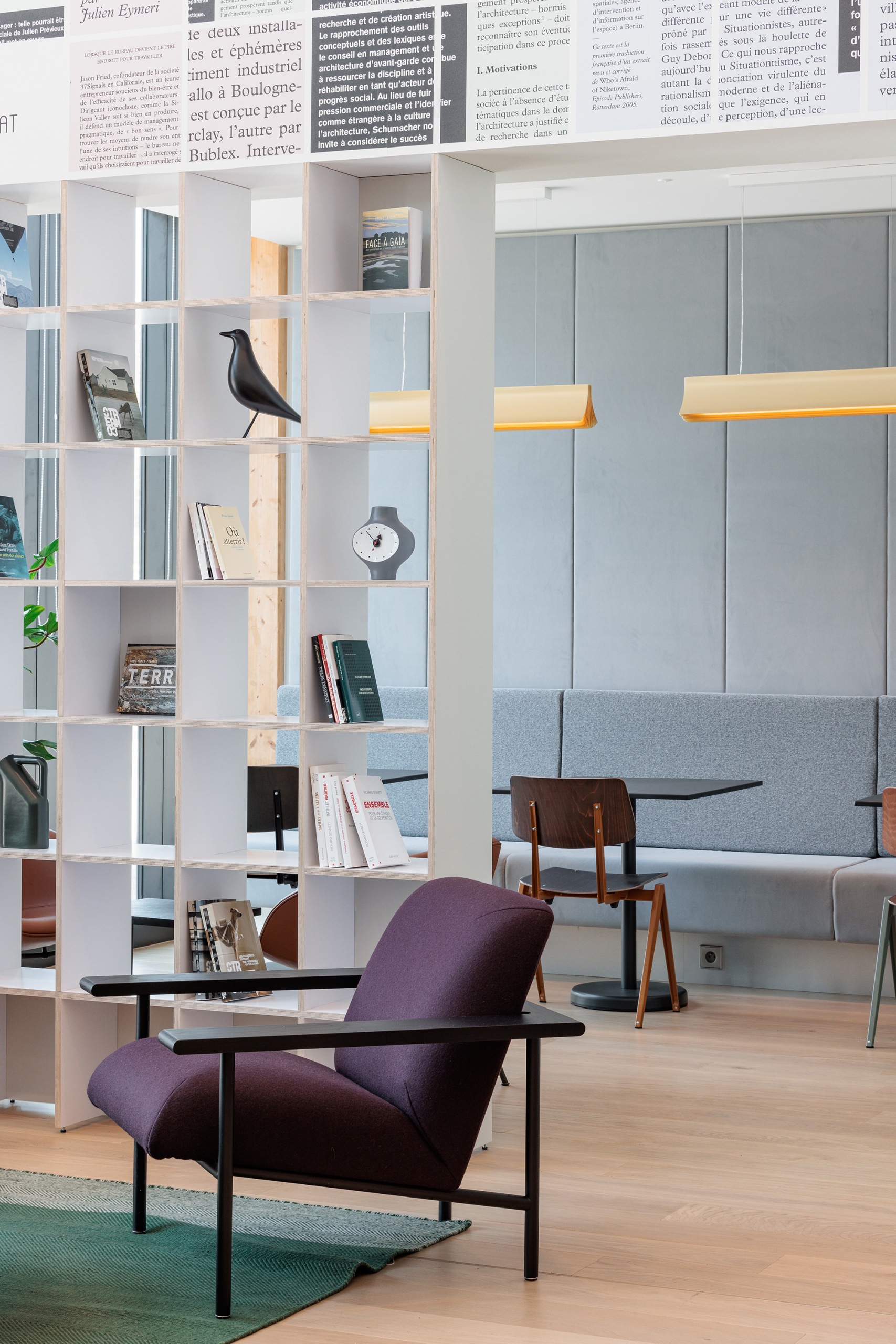
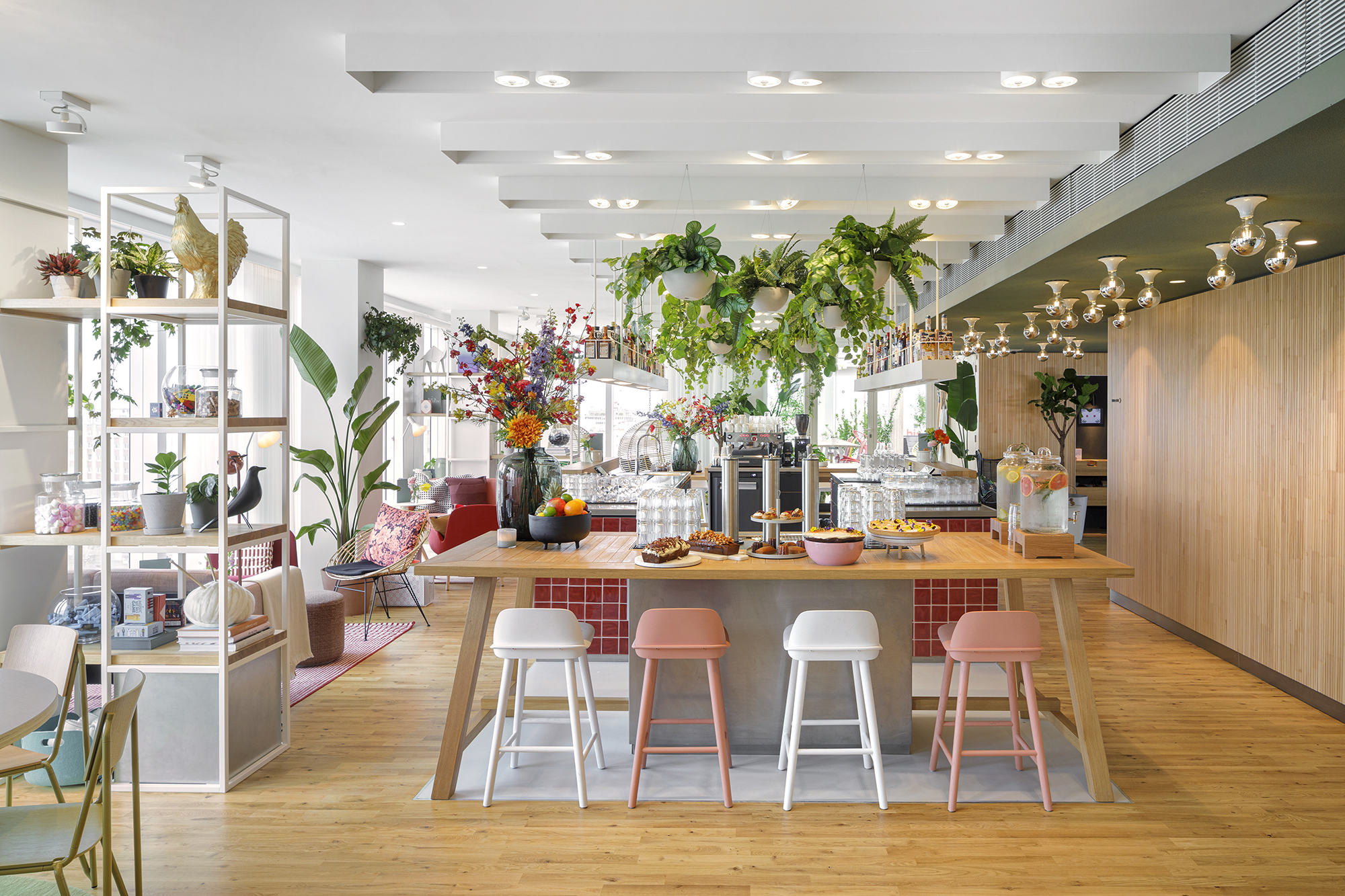
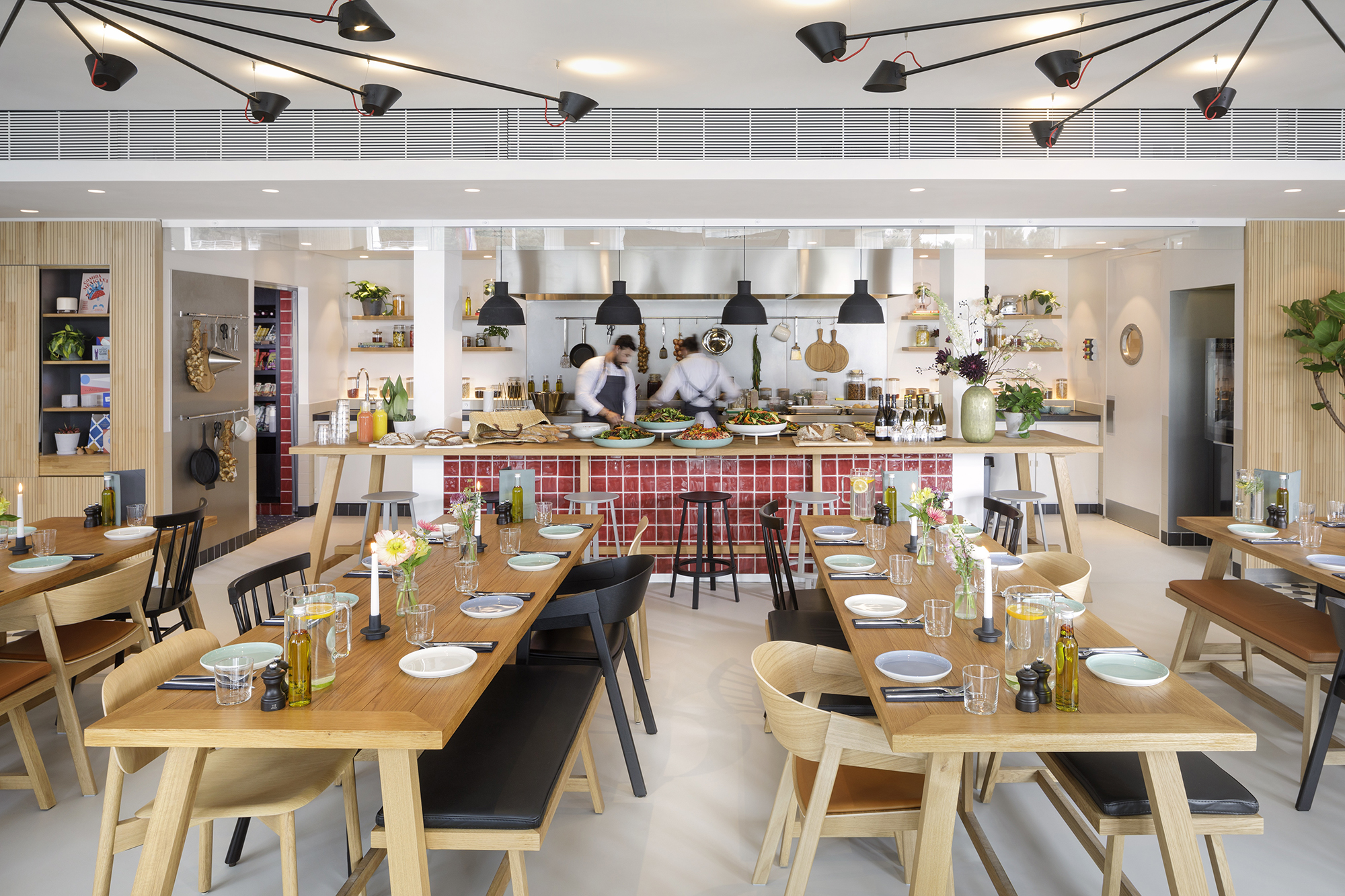
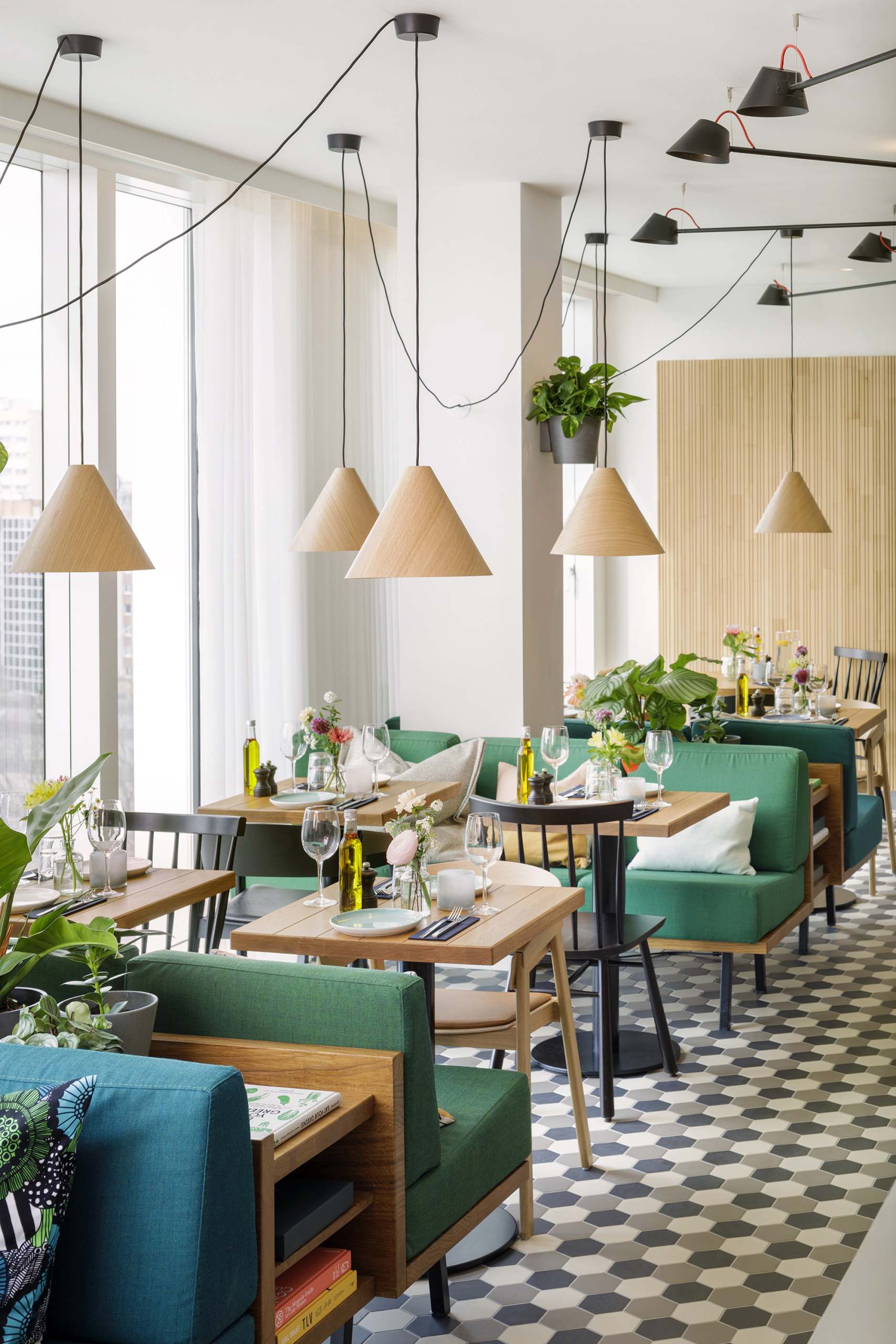
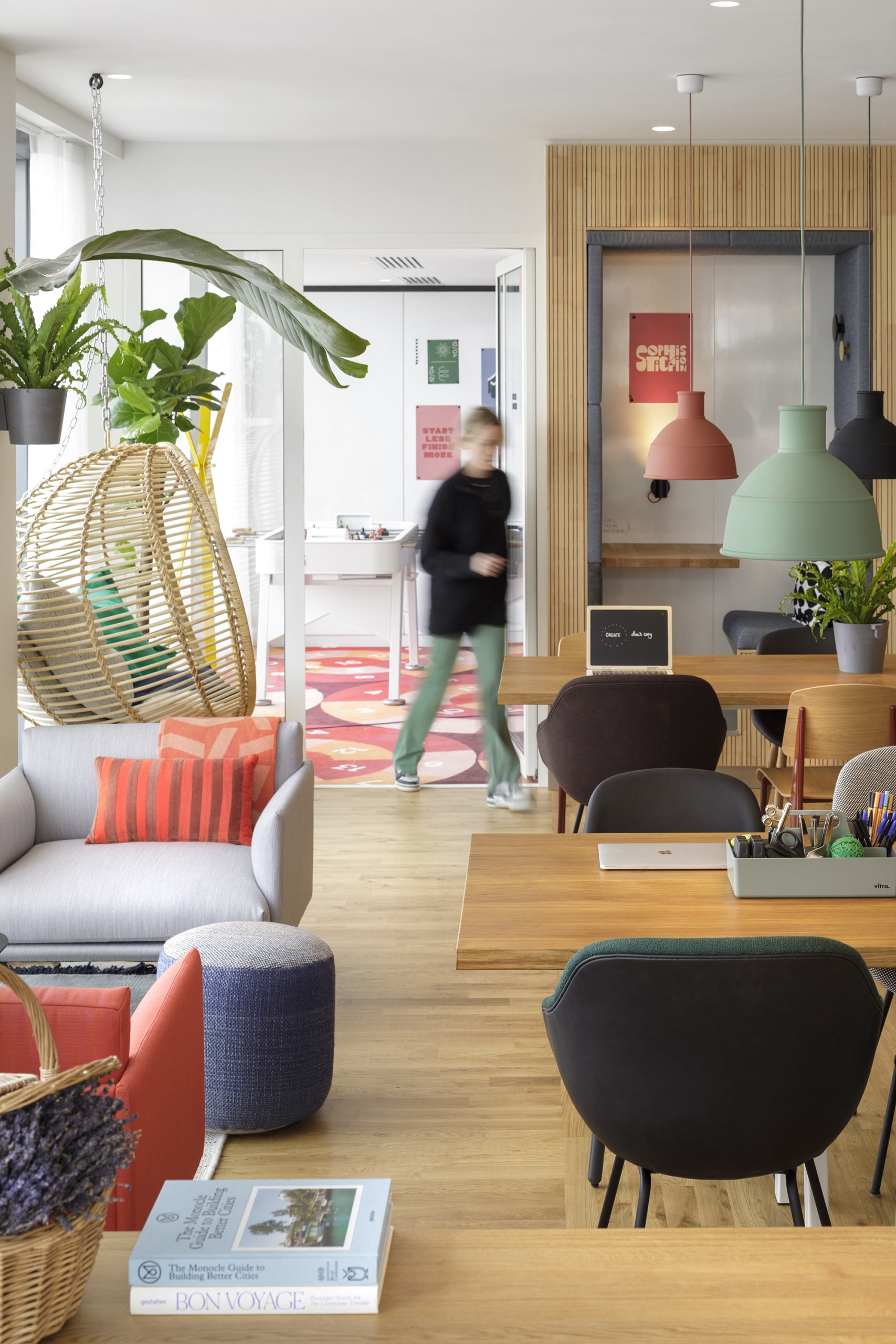
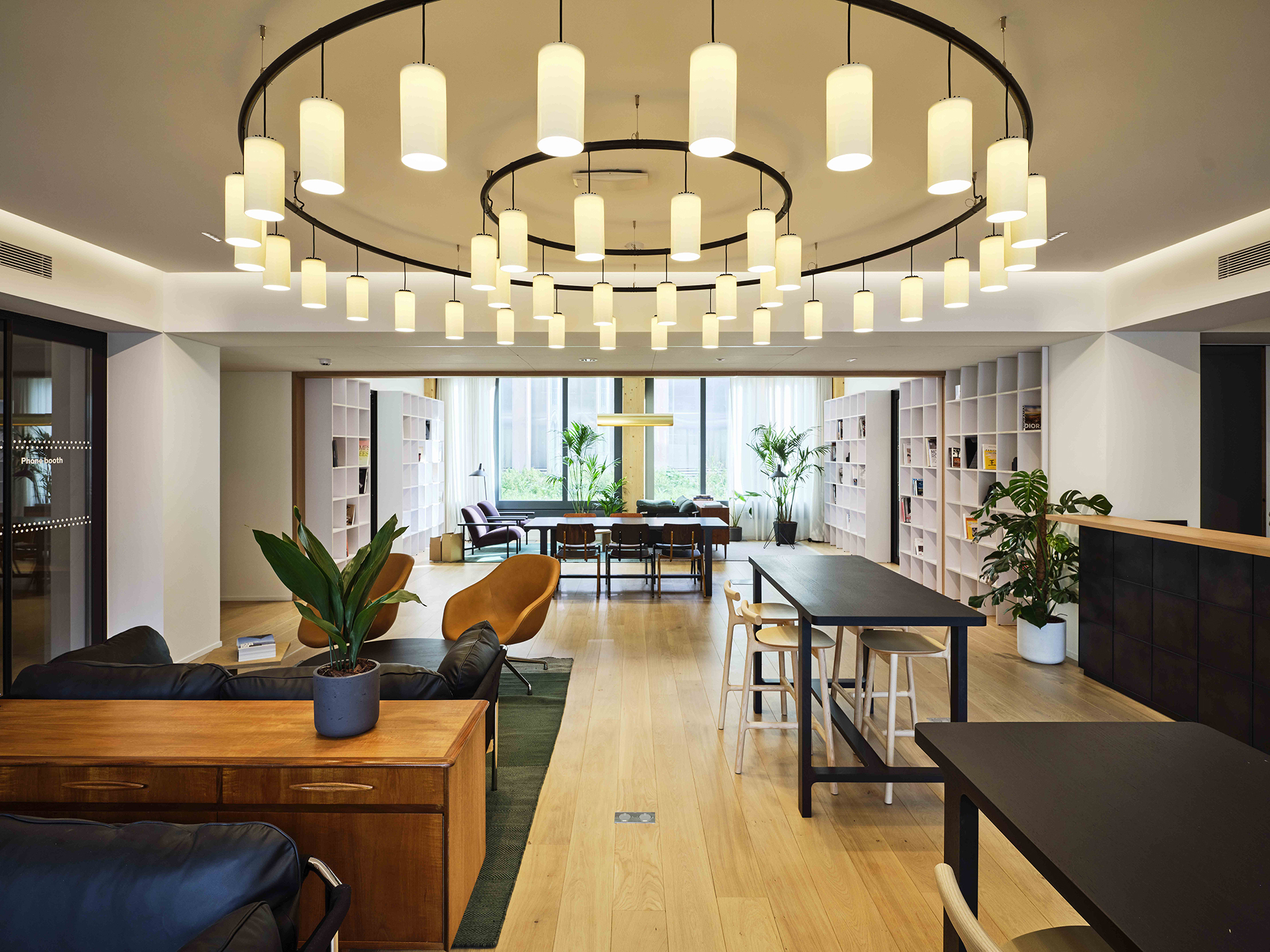
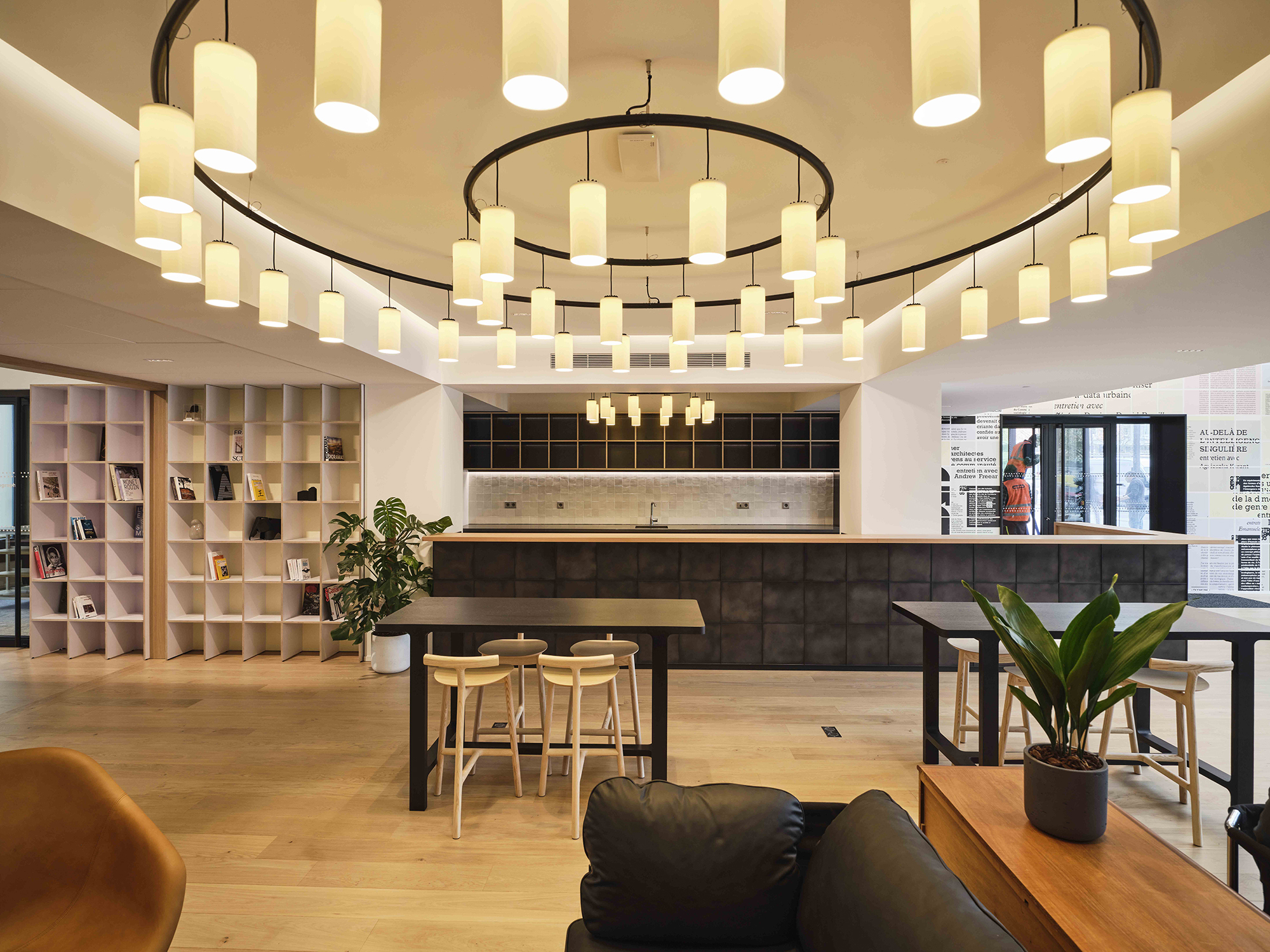
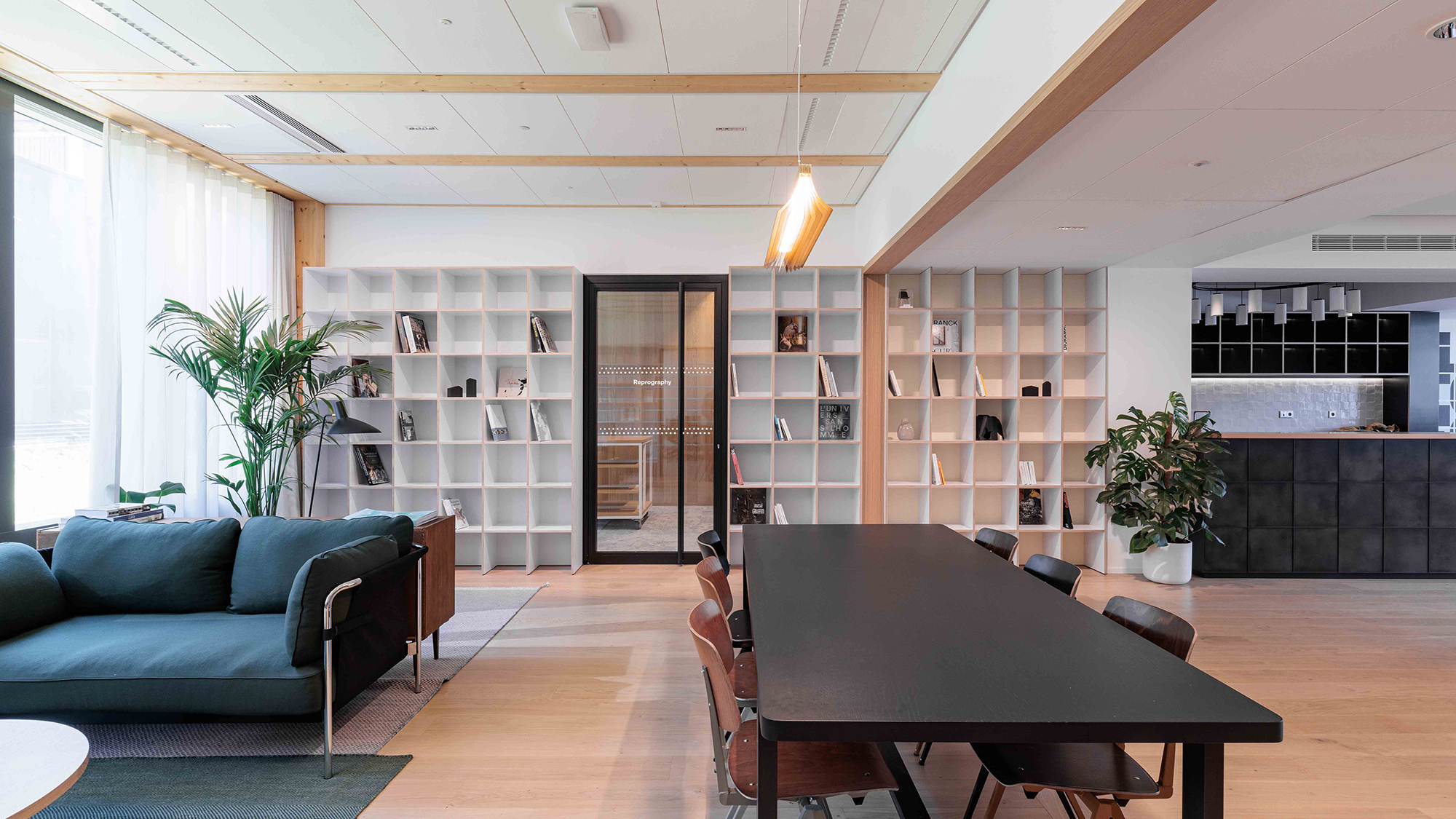
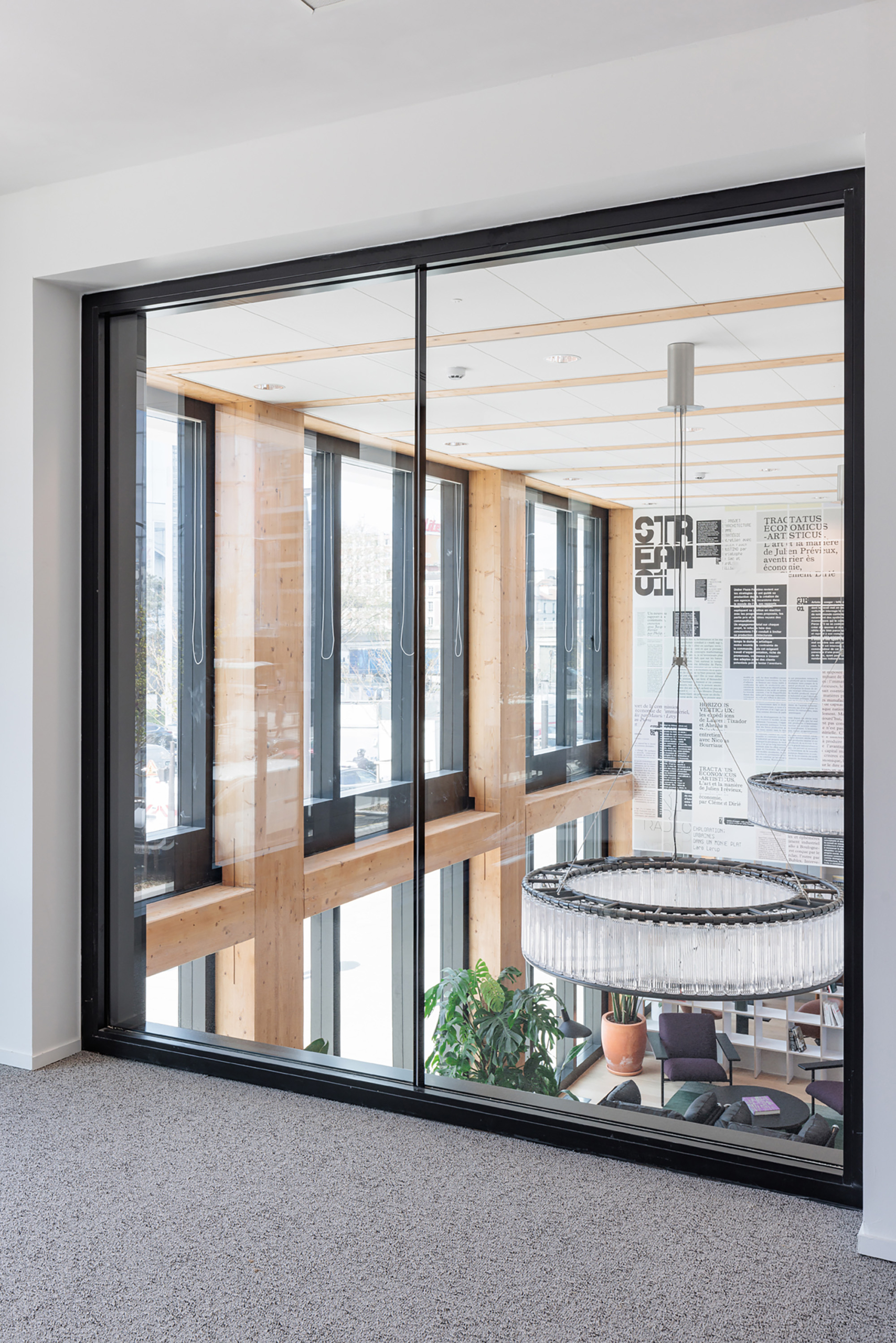
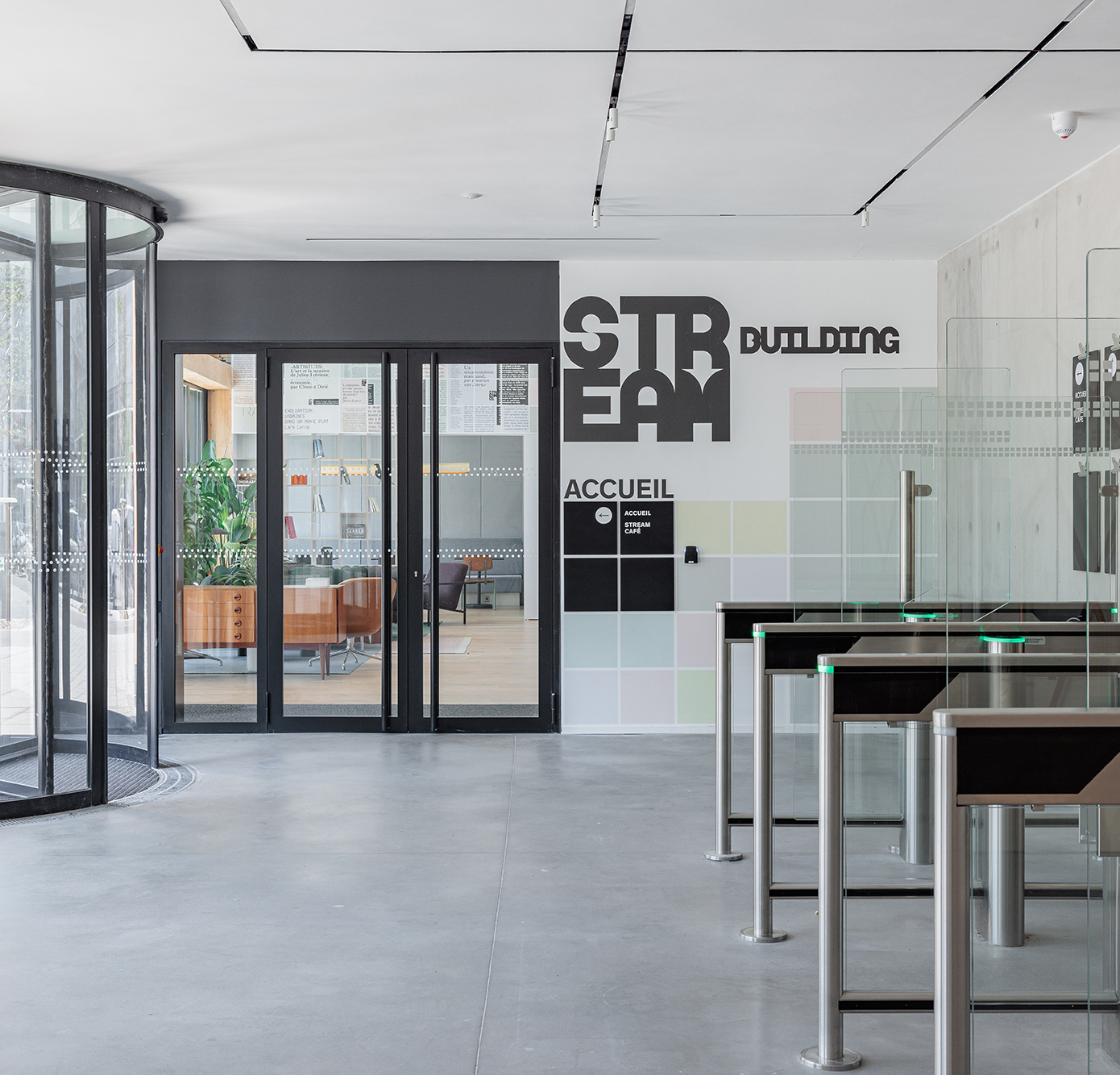
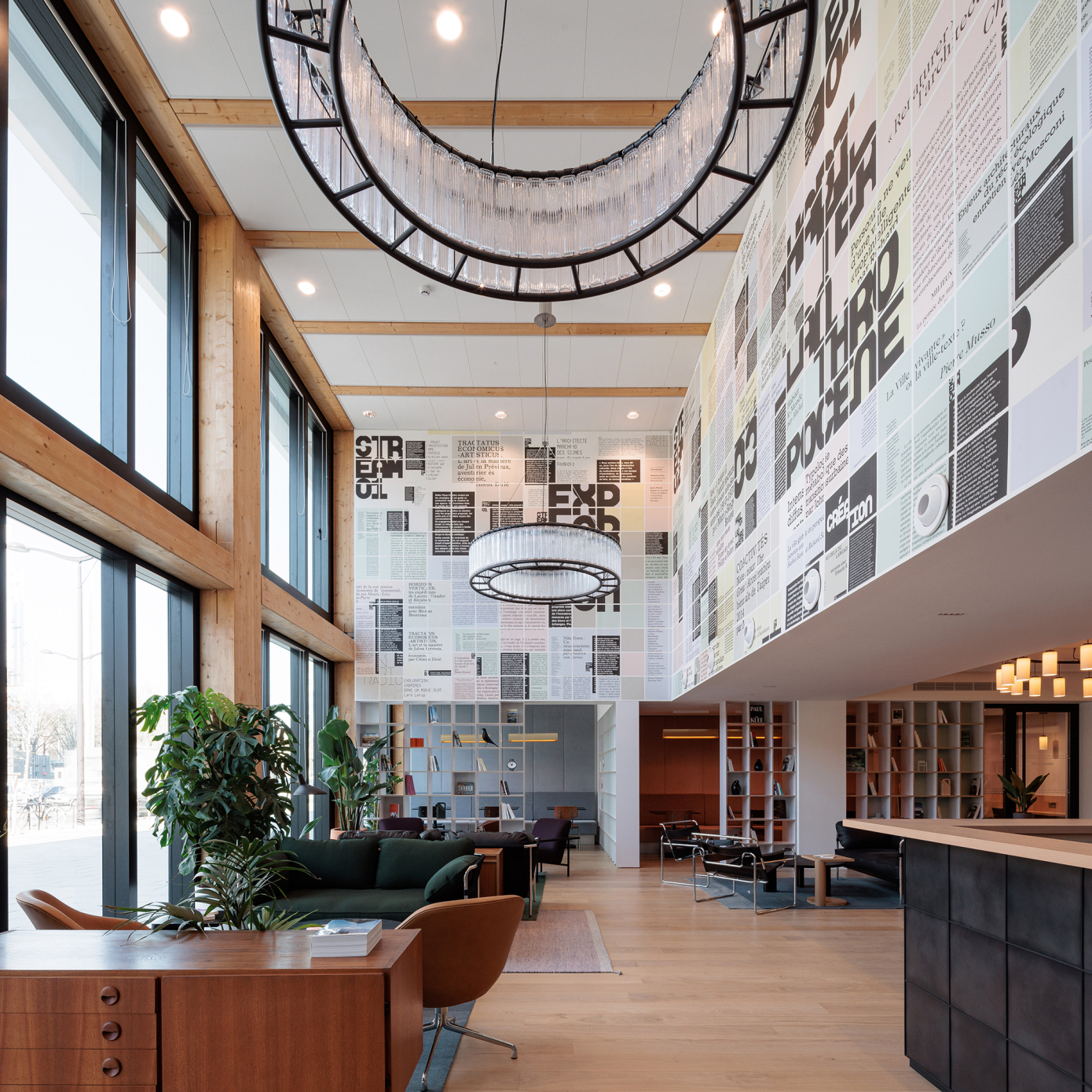
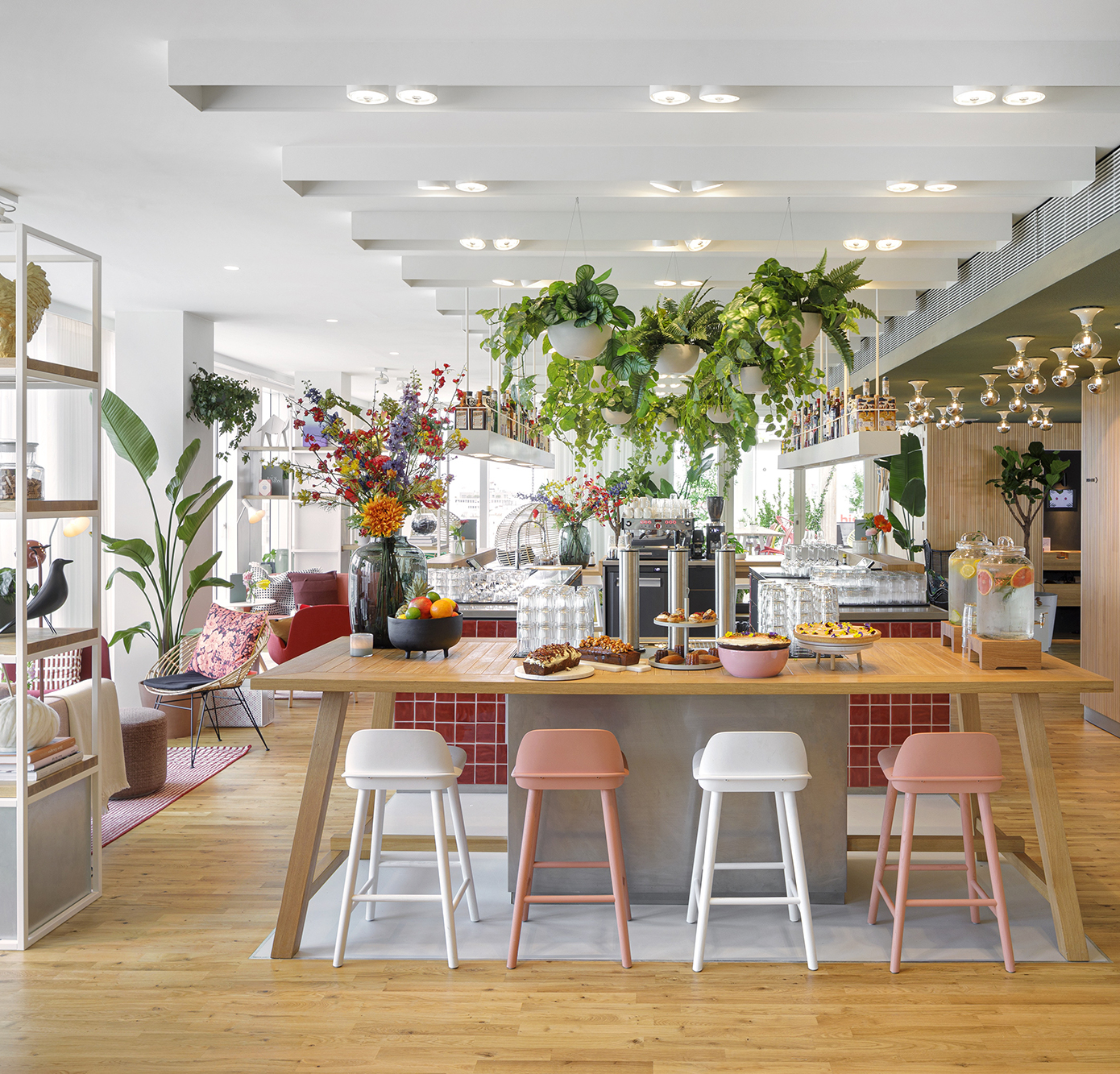
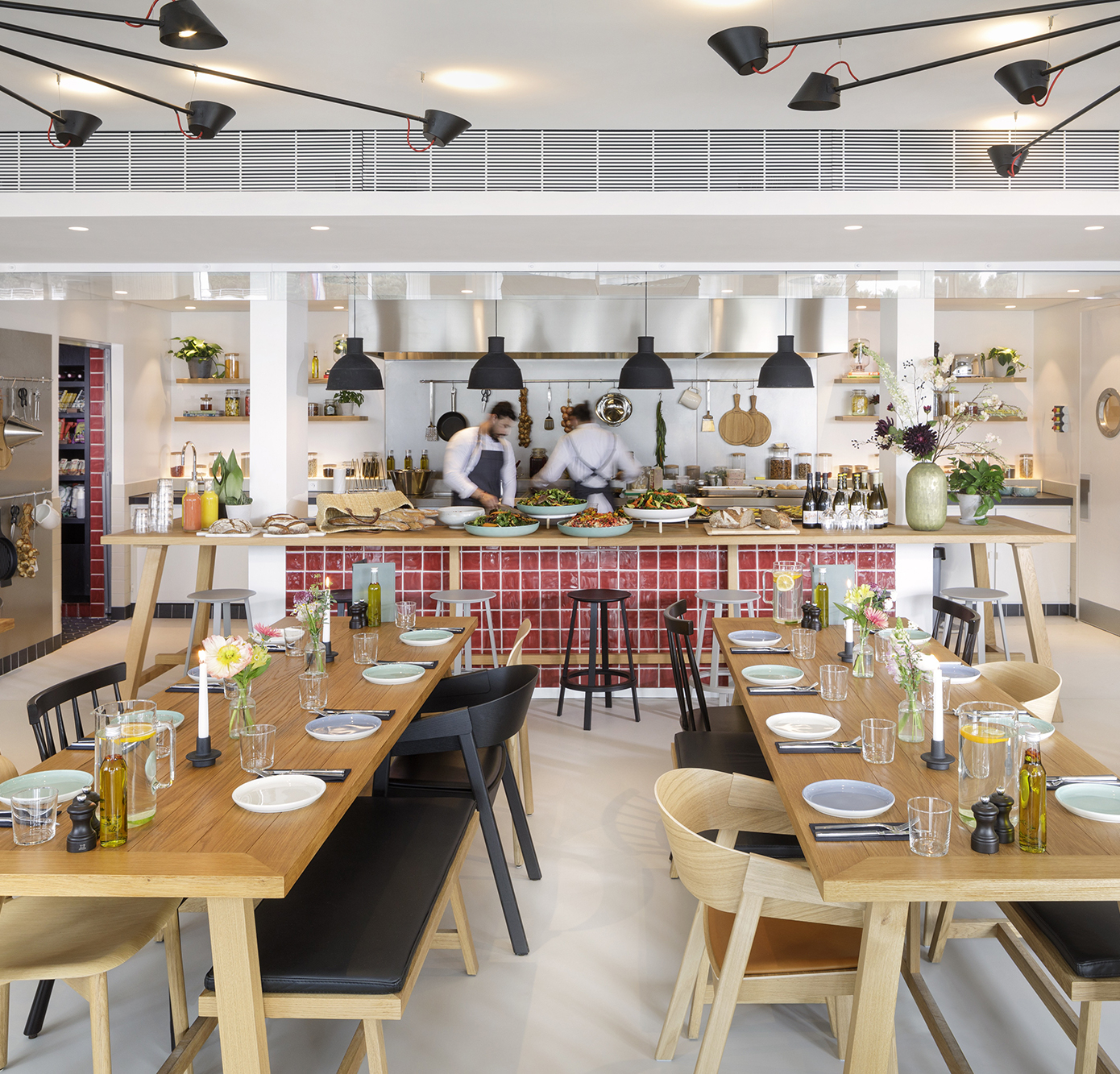
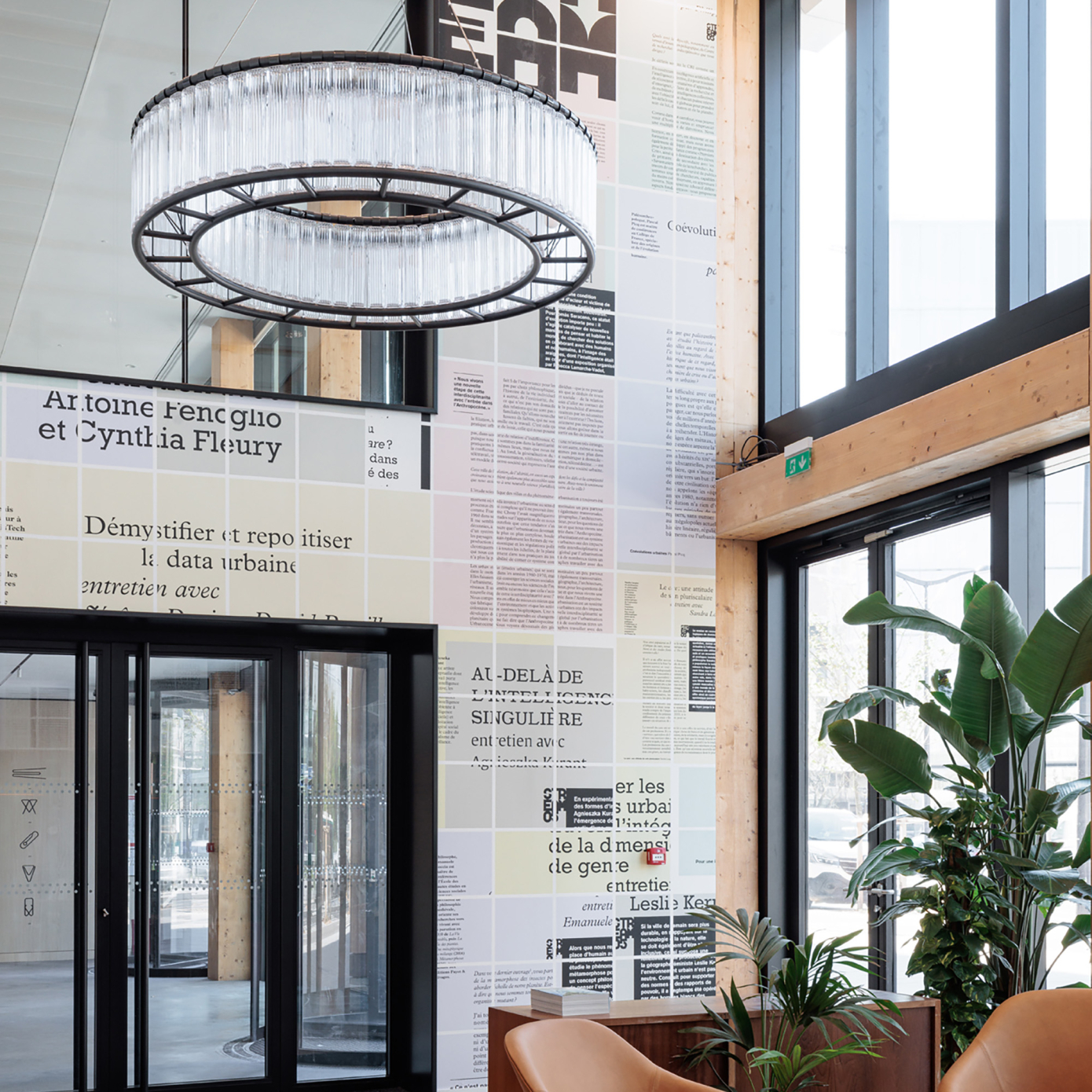
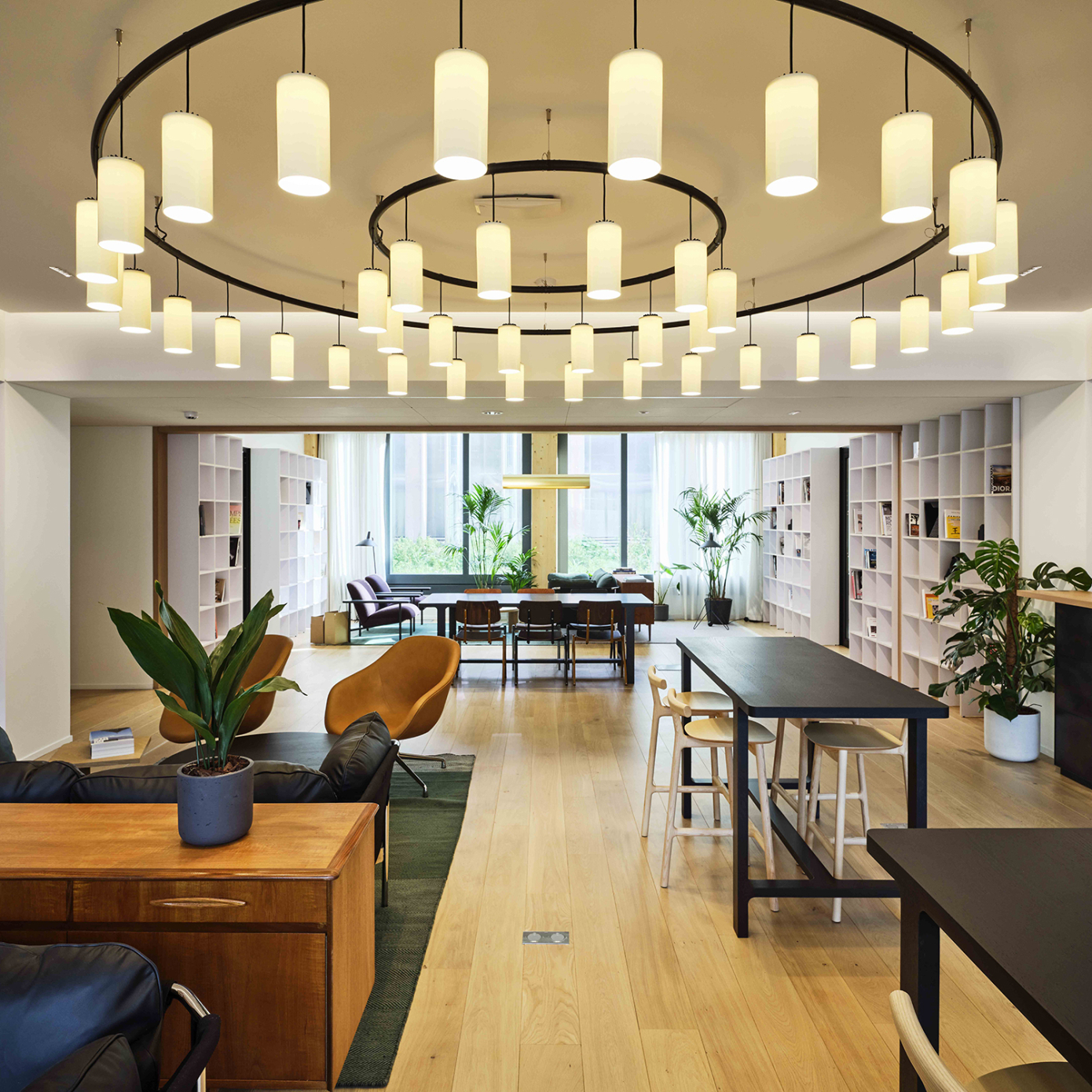
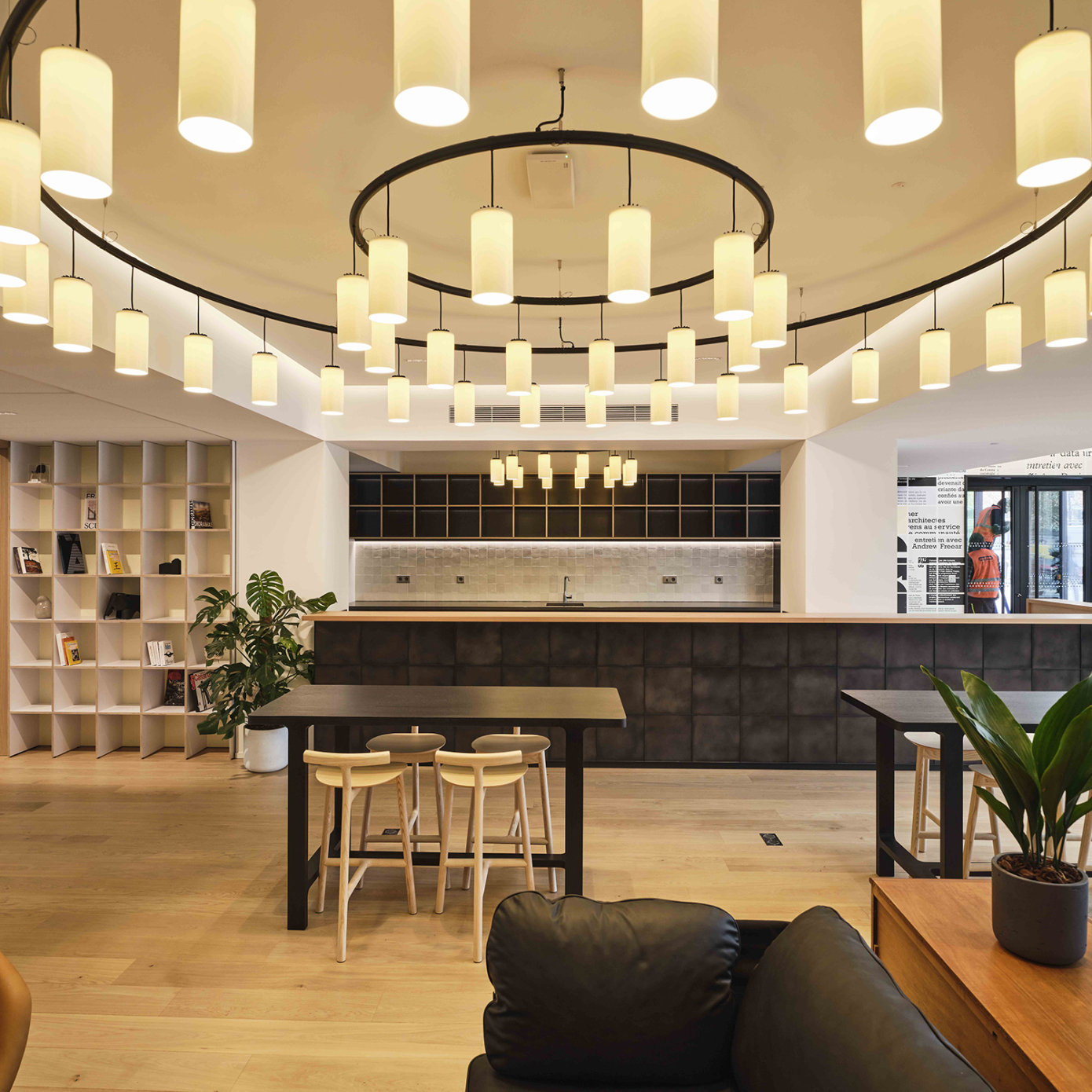
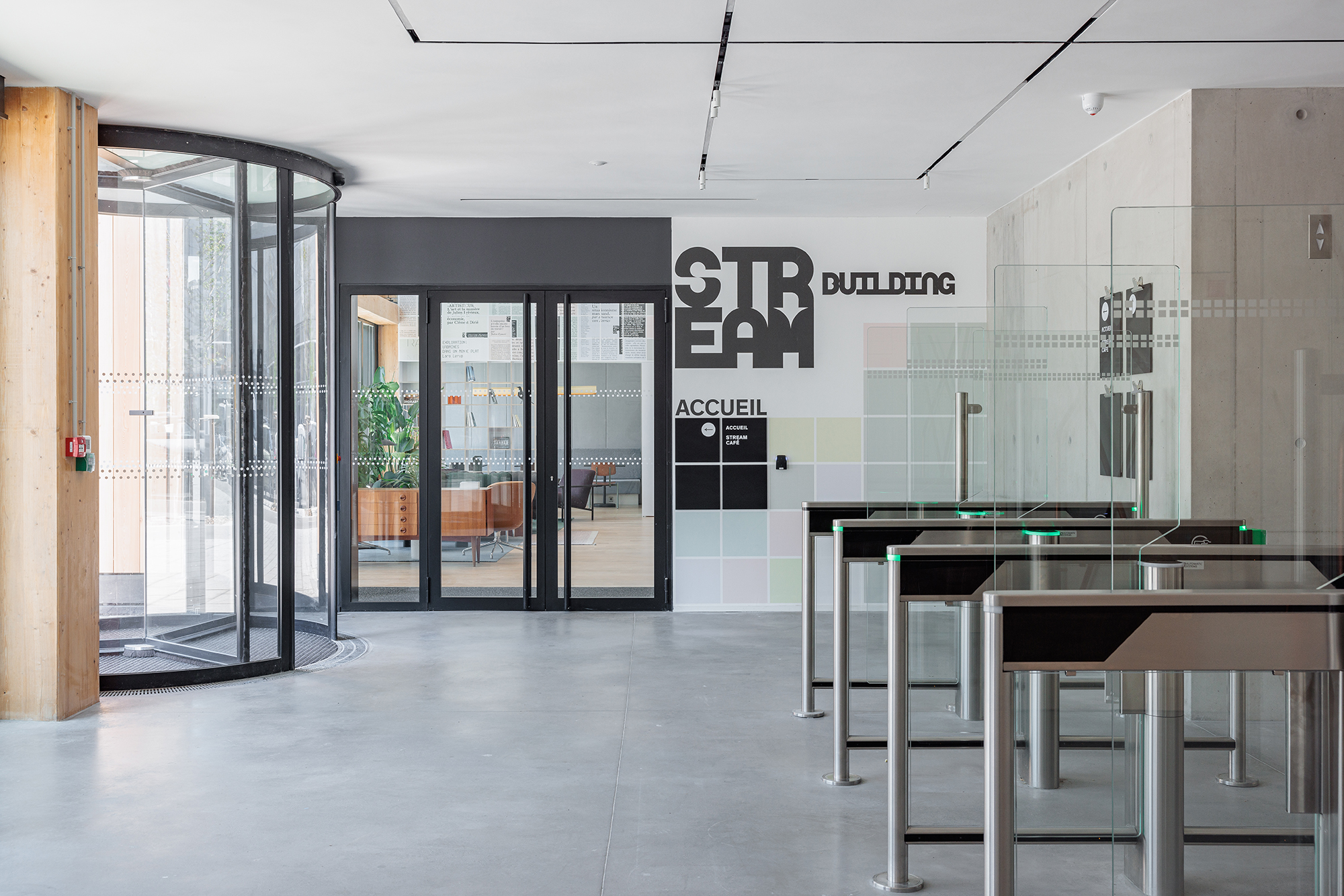
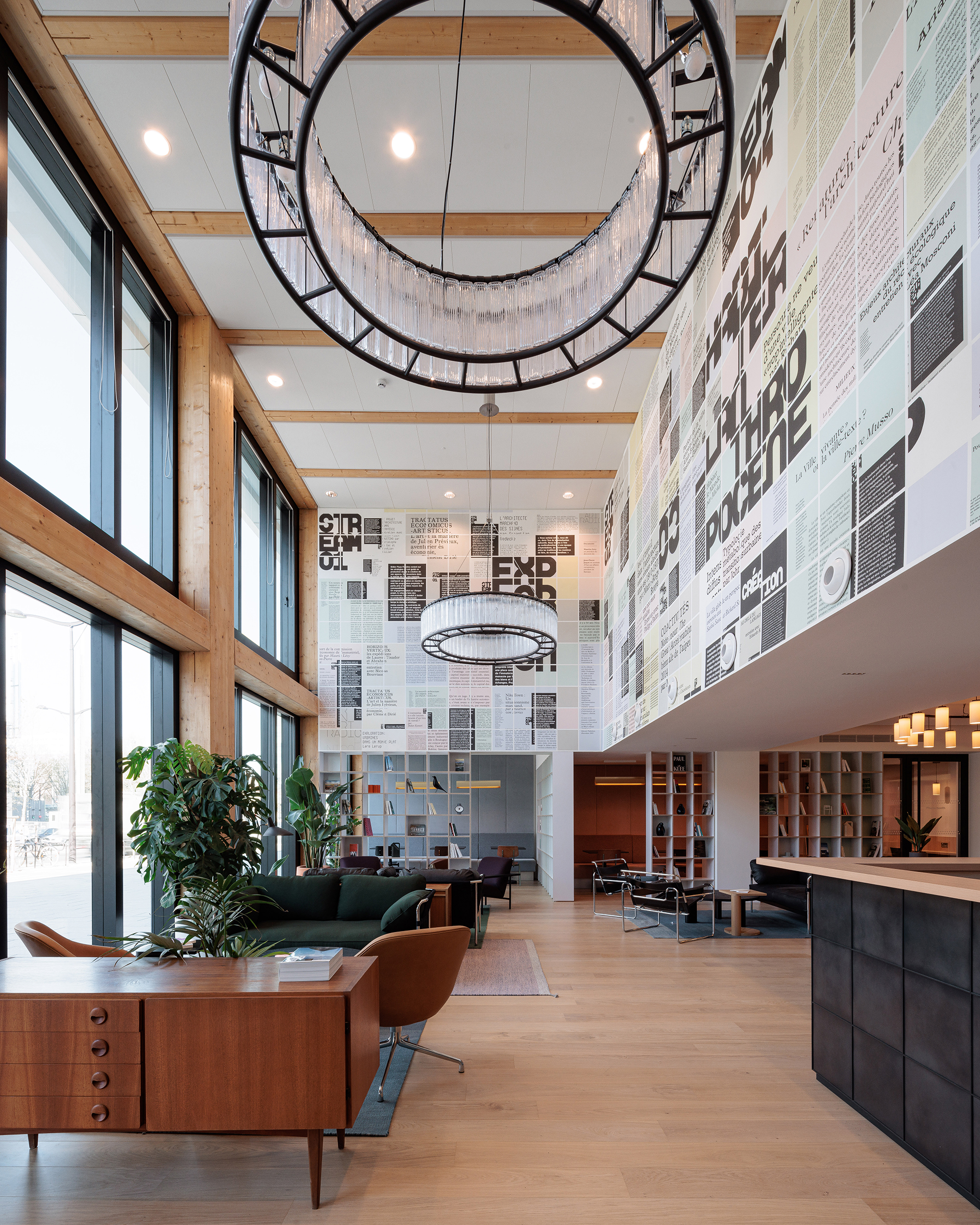
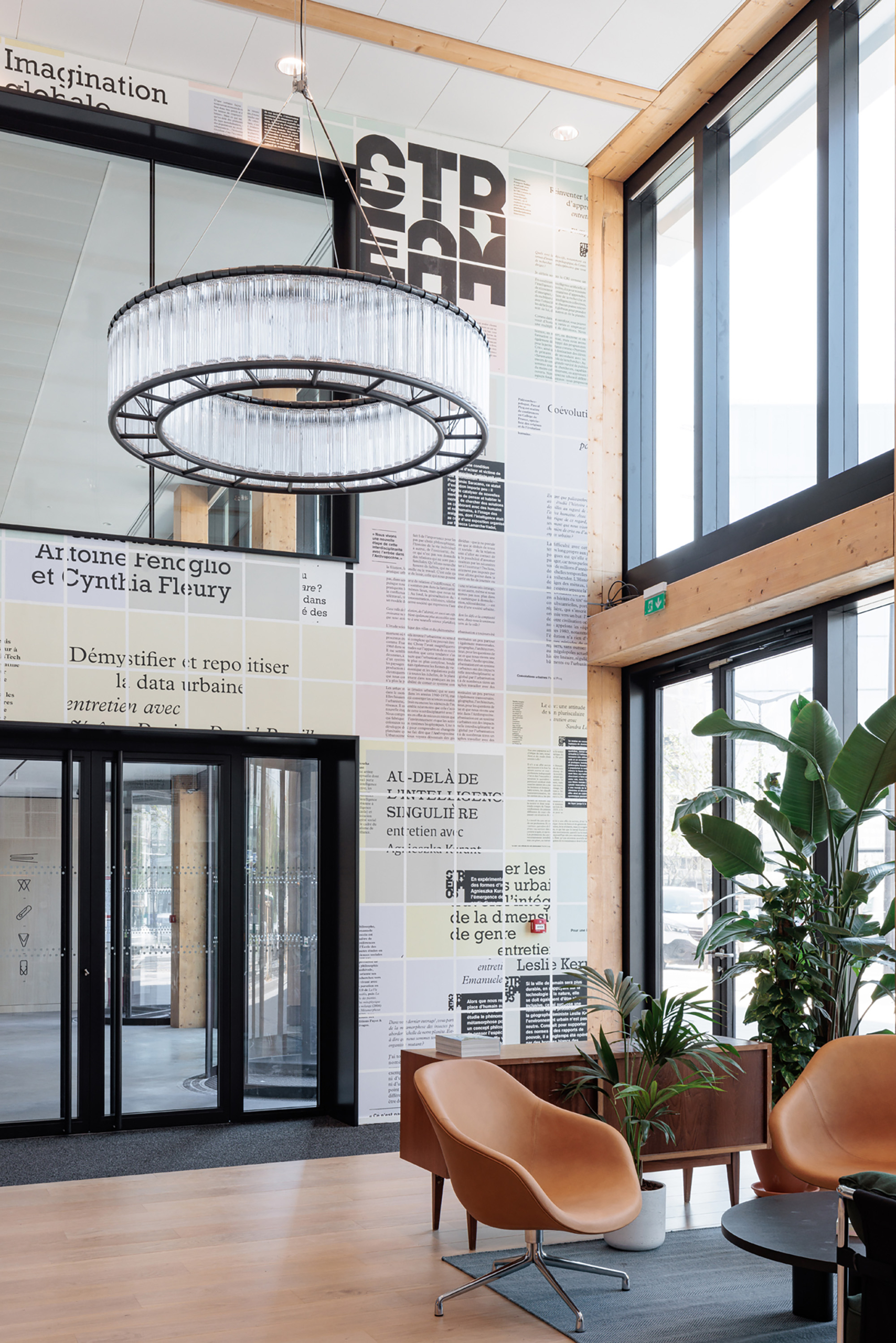
Beyond the building’s name, the team sought to embody this approach spatially through the Stream Café, which serves both a symbolic and practical purpose as the reception area for the office space occupied by OVH, a French leader in cloud computing. In the center of the building, at the foot of the green corridor, the main entrance leads directly to a third place, the Stream Café, replacing the reception area of a traditional office complex. Designed by the agency’s interior architecture division, its layout features comfortable furniture in warm colors and textures—wood, leather, and felt—giving it a pleasant, home-like atmosphere that breaks away from formal office conventions.
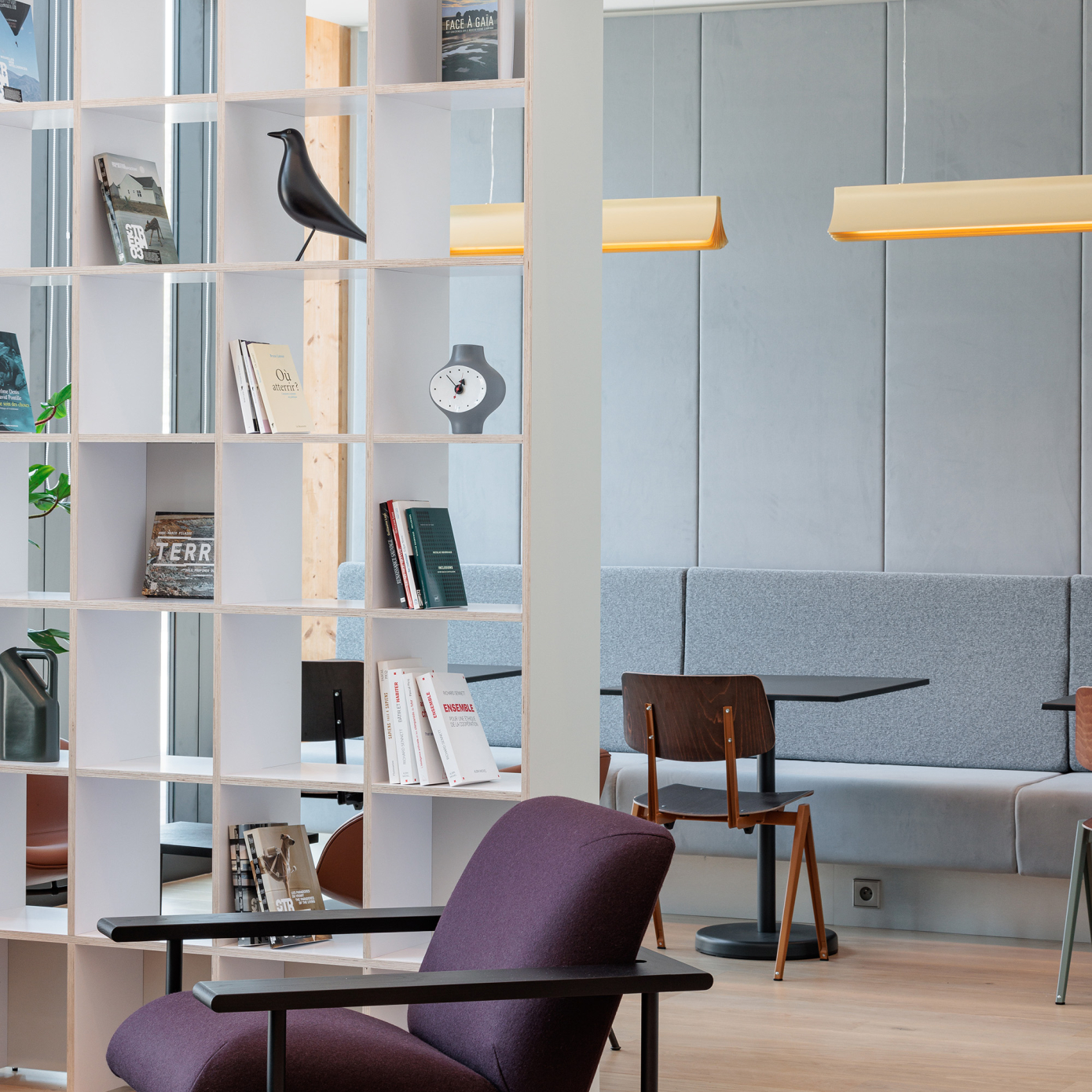
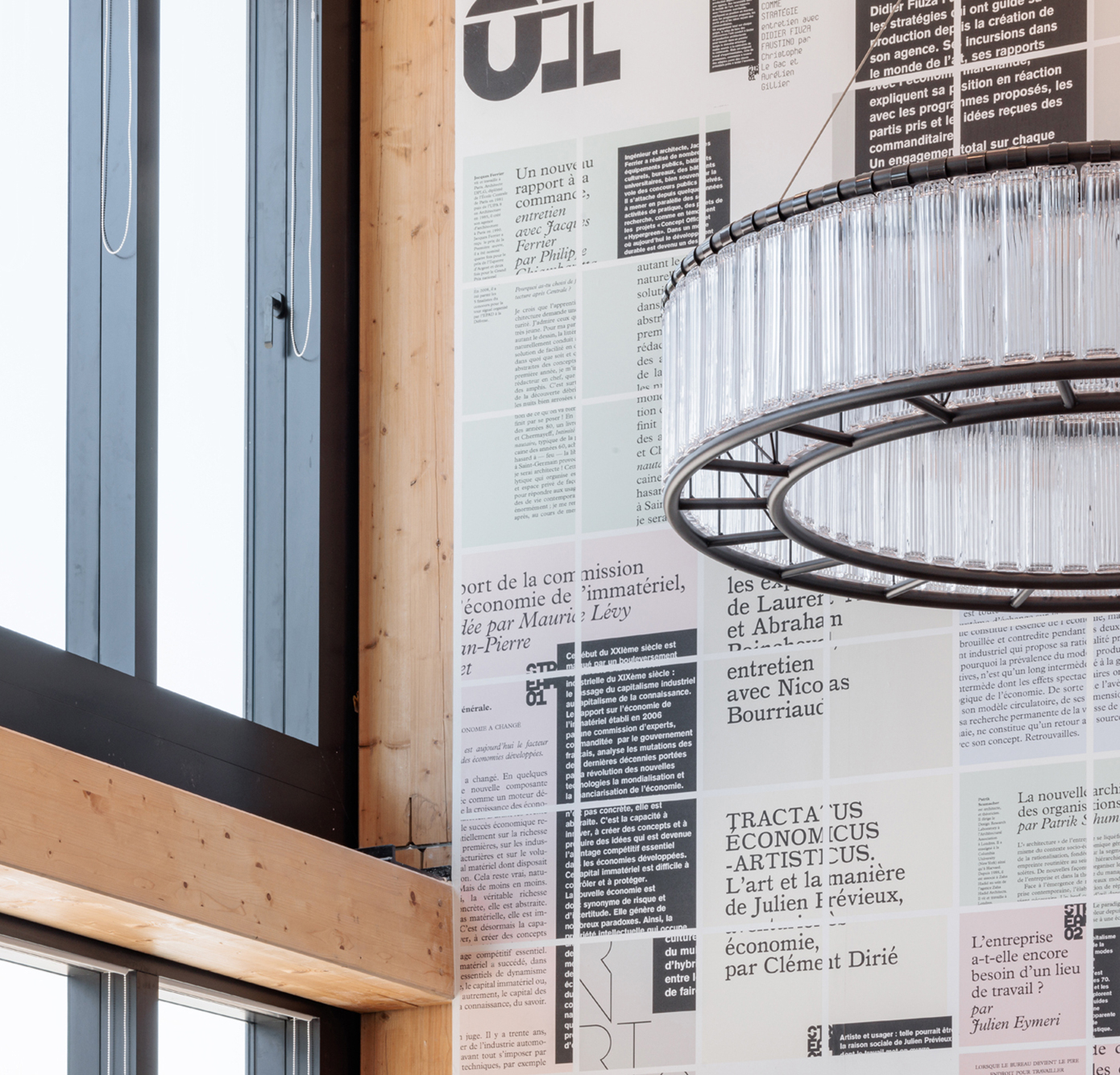
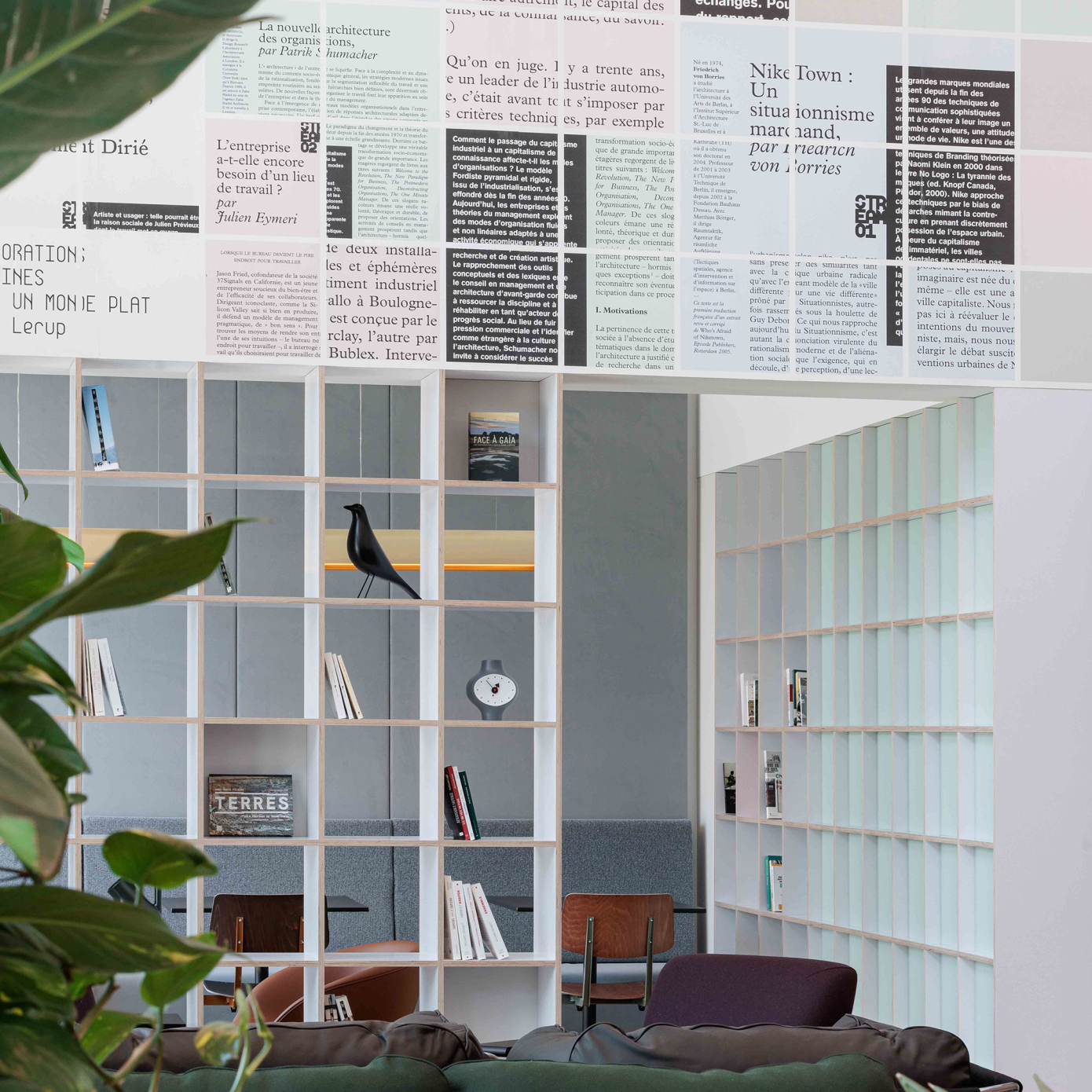
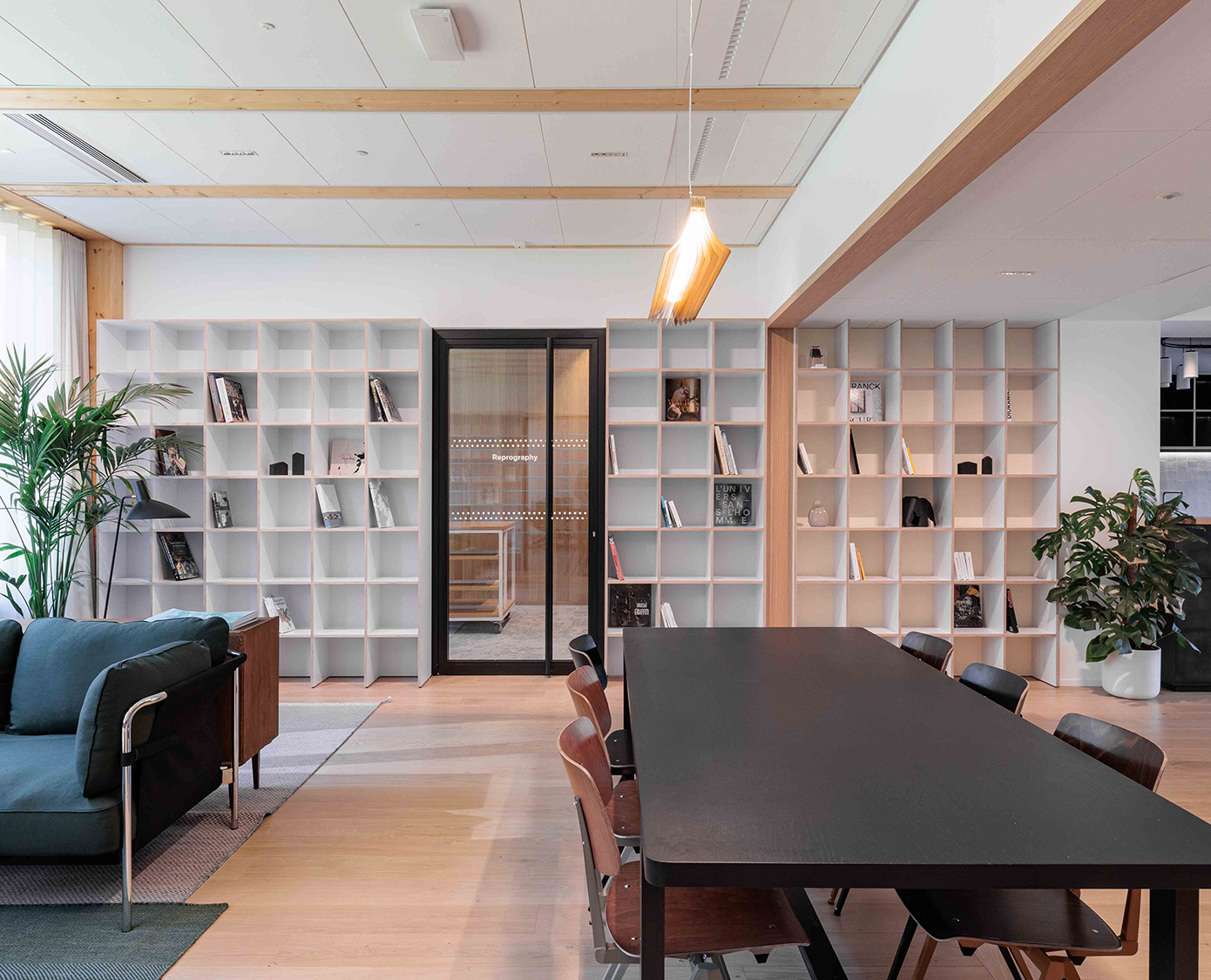
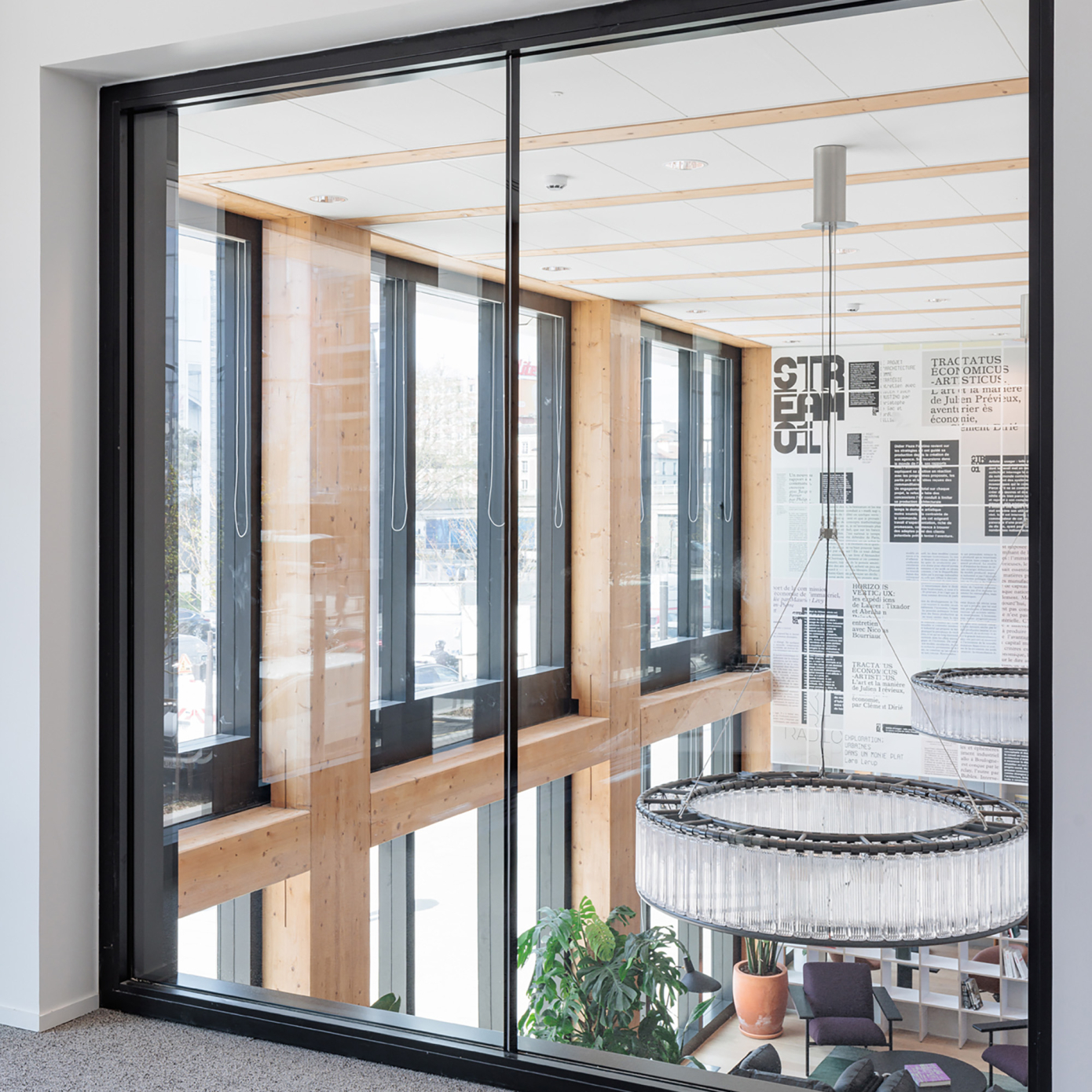
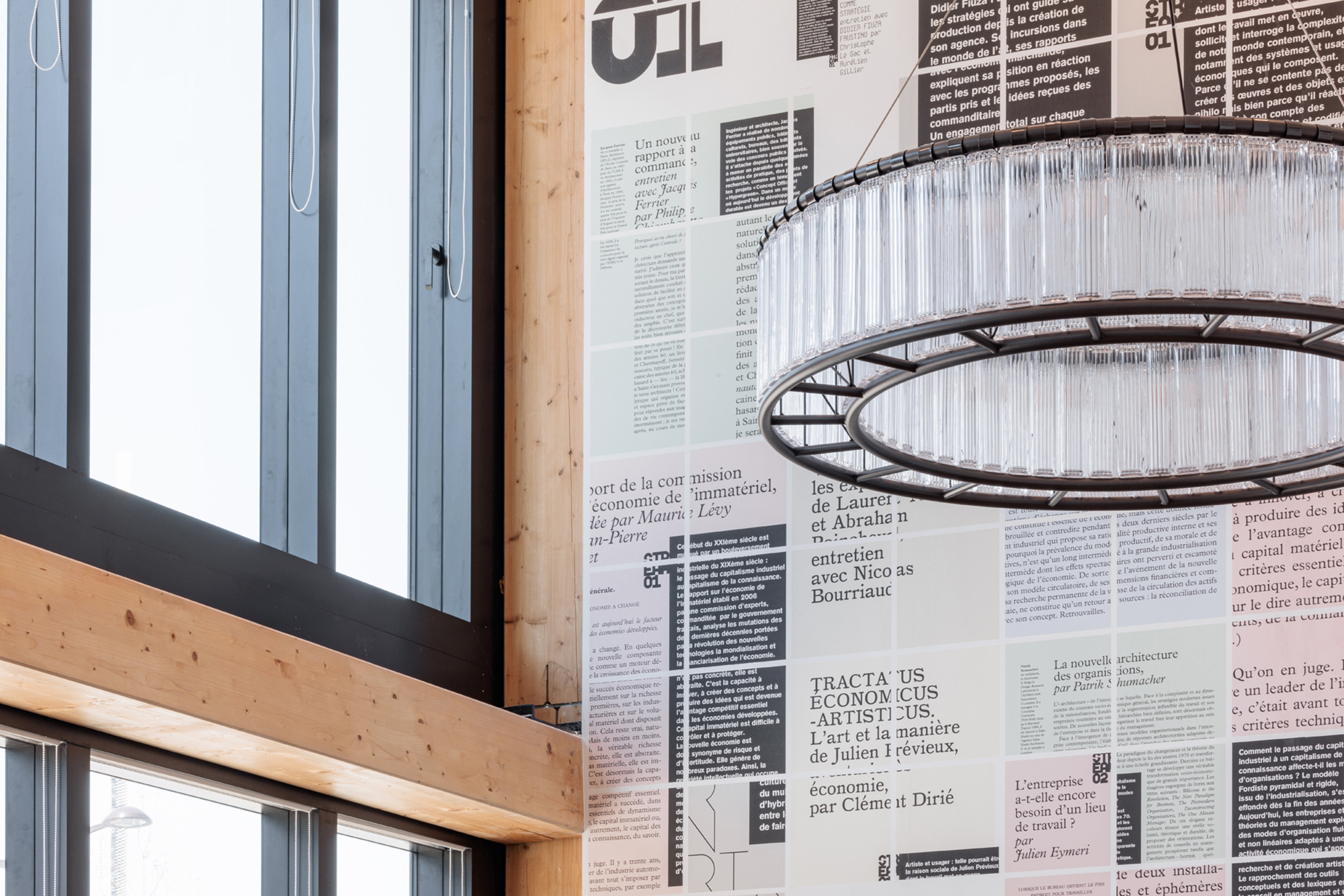
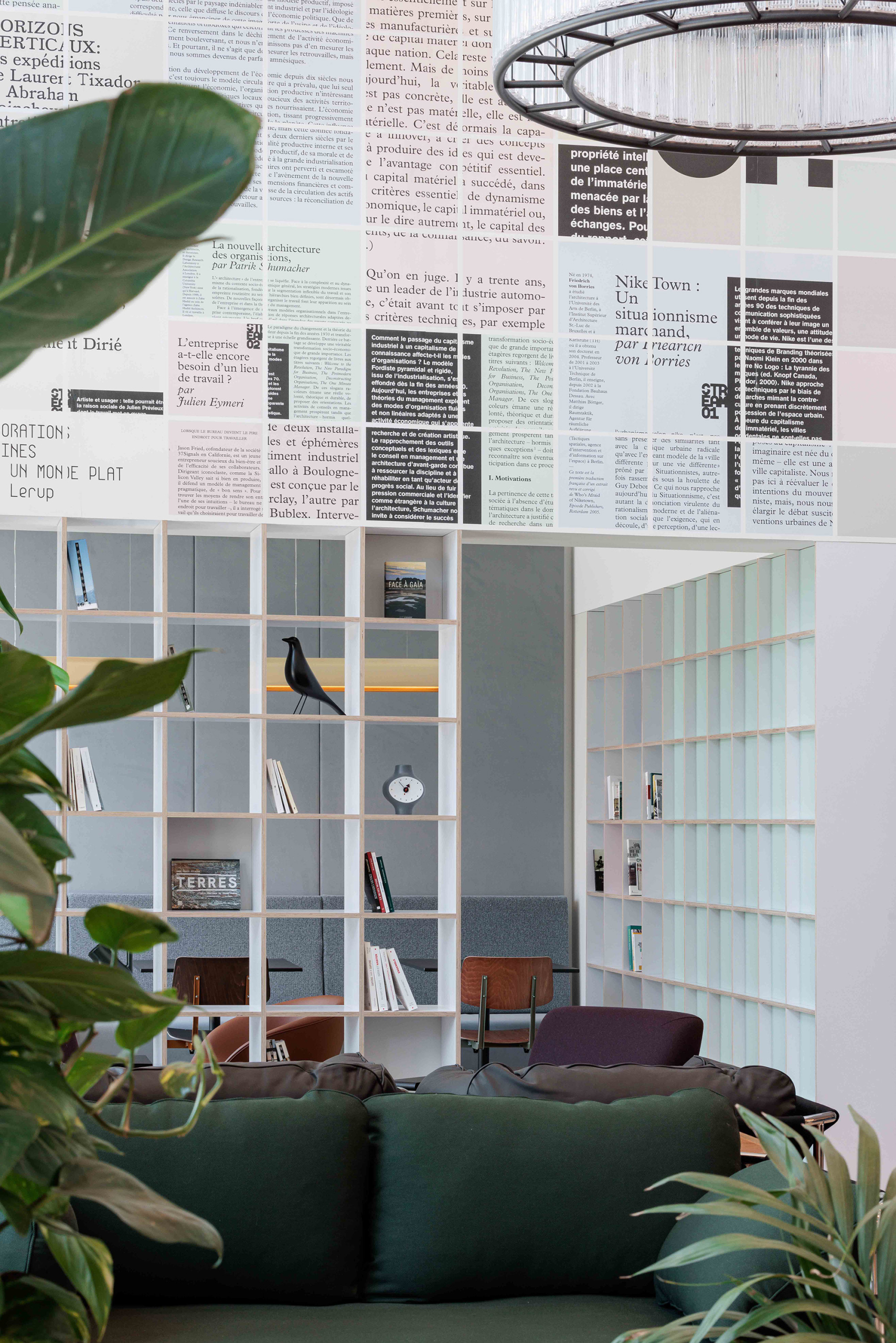
The Stream Café was conceived by the division as a space for welcoming guests, meeting, and relaxing, but also for informal work or reflection. The company’s external partners can wait there for their appointments, while employees gather there for a coffee, a chat, or a work session in an informal setting. In the evening, it is ideal for an after-work gathering or a festive event. Serving as functional, symbolic, and decorative elements, bookshelves cover several wall sections, filled with design objects and a wide selection of books curated by the Stream Lab. These books focus on research themes related to urban innovation and feature contributions from numerous members of the Stream network. The colors adorning the bookcases are inspired by the magazine’s layout; certain pages have been extracted and graphically reworked to transform them into wallpaper that covers the empty wall sections, giving the space a unique atmosphere. At the back of the Stream Café, a community coworking space called Cinaspic—managed in collaboration with the City’s Department of Attractiveness and Employment—also serves as a venue for neighborhood associations.
Modulation
Beyond the spectacle, Modulation ‘explores the Stream Building’s modular system by using time and light as materials,’ in the words of Pablo Valbuena. Using energy generated by the building’s solar panels, luminous geometric patterns appear, overlap, and disappear randomly through an algorithm.
Work in progress


Technical specifications
News & Awards

Related projects