Stone

  • Publish On 2 May 2024
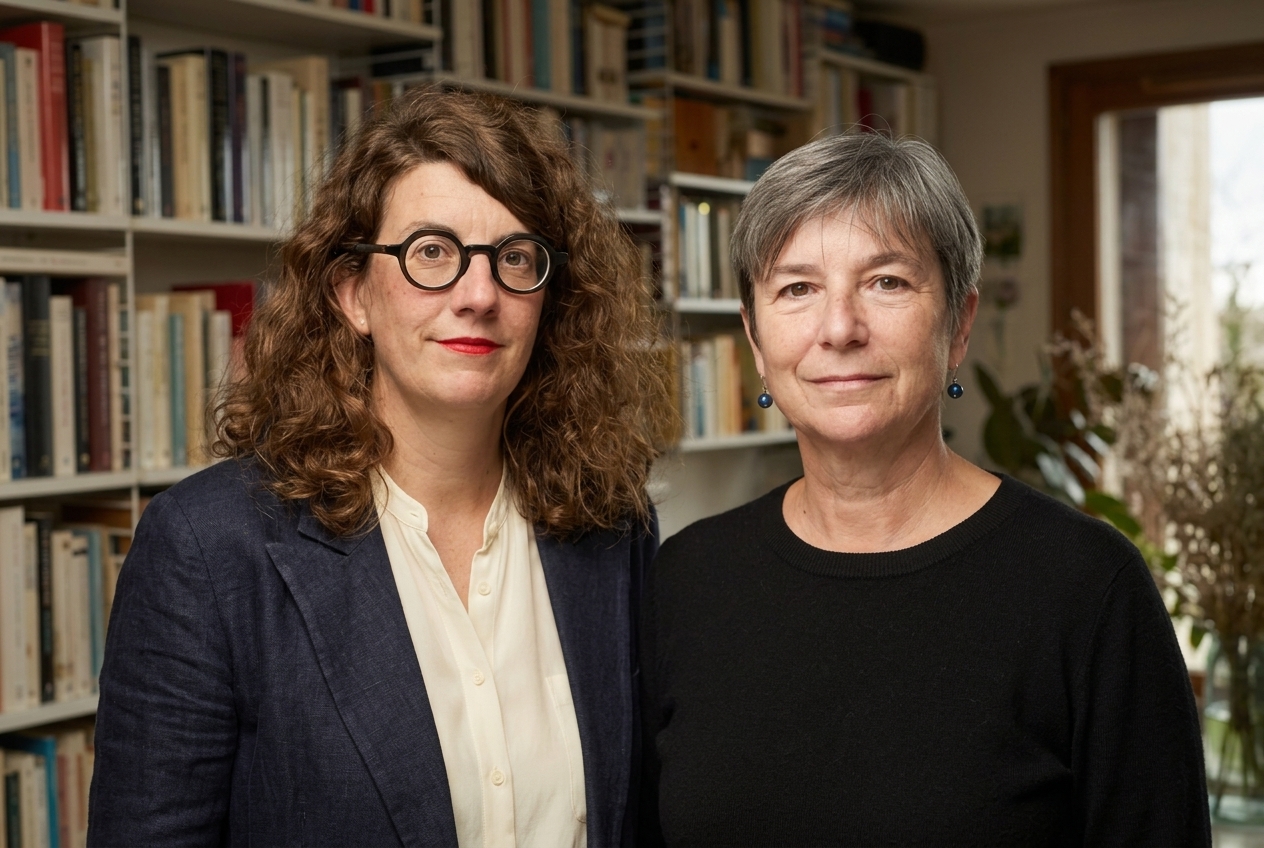
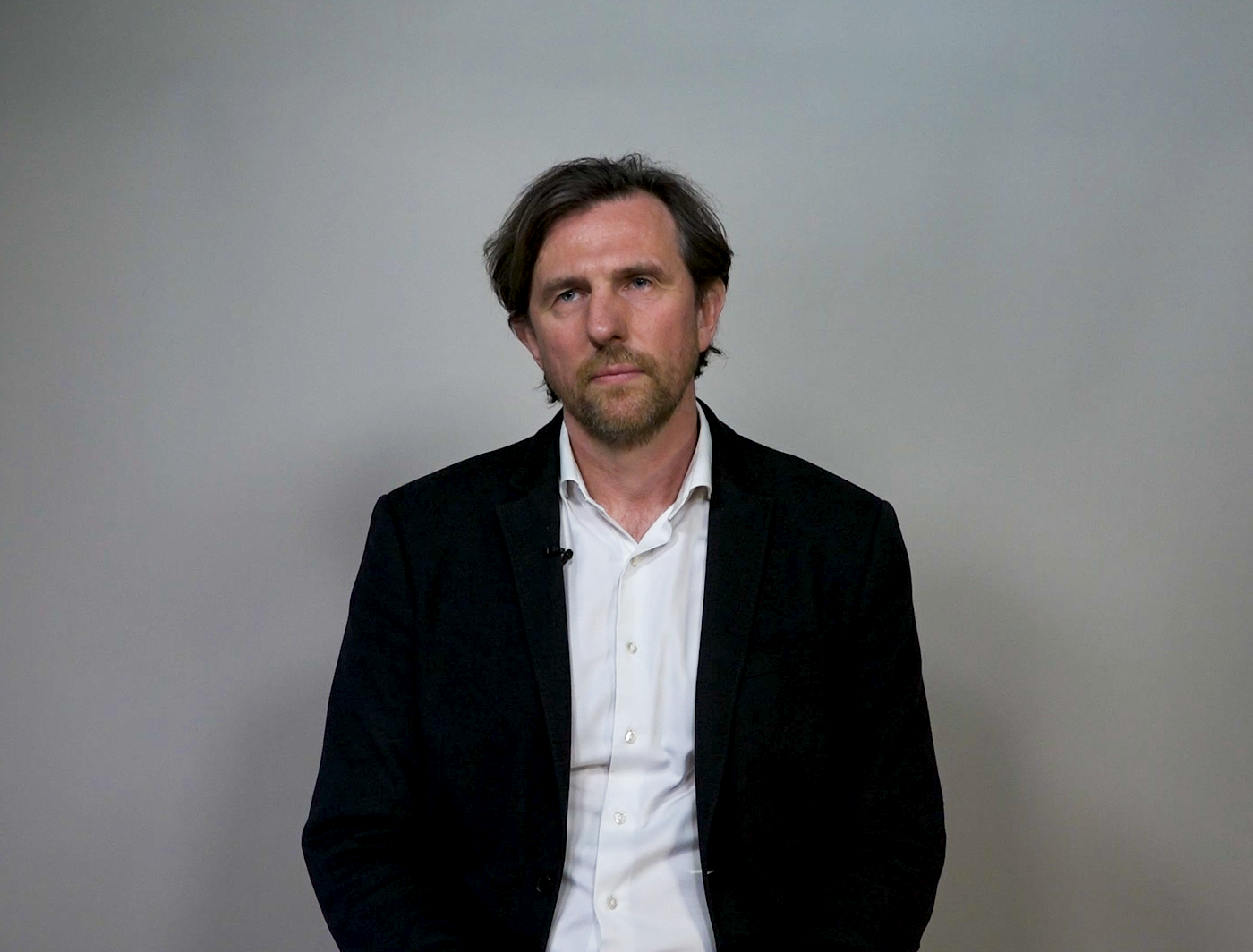
  • Elisabeth Bouchaud, Cyril Pressacco, Denis Macrez, Ana Hedan, Paul Vergonjeanne
  • 109 minutes

Discover the inaugural lecture of the “Alma Matter” series! In a world where the myth of abundance is collapsing, this series of lectures looks at what matter really has to offer. Actors, professions, economies, temporalities, geopolitics: how do contemporary issues of creation take shape through those of matter? Each talk focuses on a particular material, and brings together its stakeholders in a dialogue.

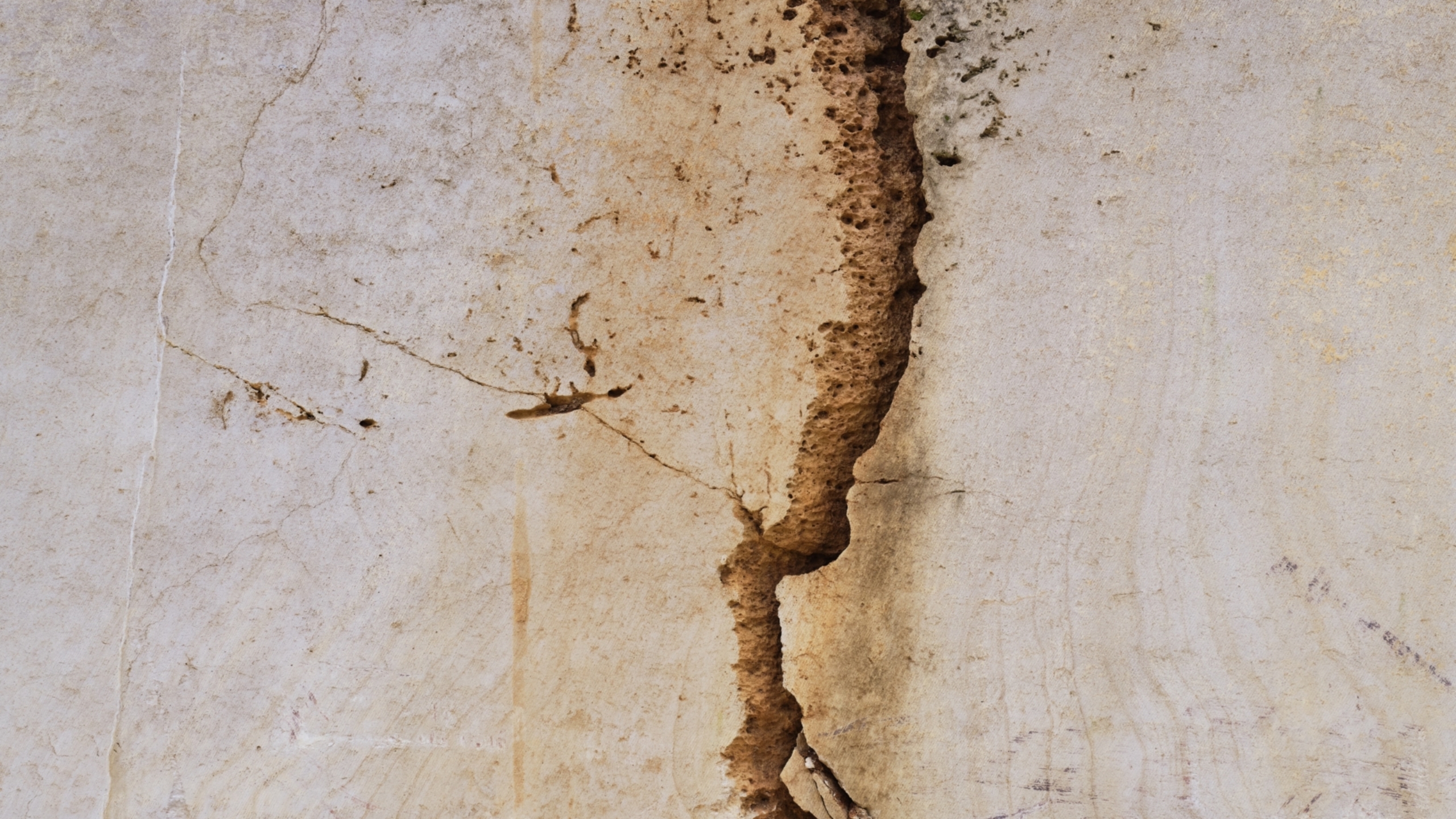
The use of stone in construction declined during the twentieth century. Today, its return is acclaimed for its qualities: inertia, durability, low-emission processing, local presence… but what techniques and applications will be used in 2024?

As part of the City Metabolism Chair supported by the Université Paris Sciences & Lettres.
Bibliography

explore

Article
Article

The potential of the night

Once a sanctuary for dreams and imagination, nighttime has now been relegated to the mere role of a utilitarian prelude to daytime. Nocturnal realms possess an alchemical power capable of transfiguring our perceptions. However, when viewed through the lens of urban uses, the night also exacerbates inequalities and raises questions about the possibility of achieving an urban night that is accessible to everyone. Exploring the range of possibilities associated with the night reveals it as a space-time where complex interactions are woven that could be revitalized through a chronotopic and inclusive architecture.

Discover
Article
Article

Podcast transcript: urban metabolism, at the heart of the matter

In urban planning and geography, the concept of metabolism is frequently discussed. This organicist metaphor likens a territory to a body, traversed by flows of materials and energy that link it to its environment. From a quantitative perspective, these flows can be measured over time and space to assess what a territory consumes, processes, and produces. However, a qualitative approach is equally crucial, examining the political and social trade-offs that shape urban metabolisms. With this in mind, we spoke with two researchers, Clément Dillenseger and Pierre Desvaux, who have explored the waste sector to analyze the socio-technical infrastructures that underpin metabolism and the imaginaries that shape its perception.

Discover
Podcast

“ Architecture has a unique relationship with the transformation of reality: it is, in a way, atlastic. ”

Podcast

“ Architecture has a unique relationship with the transformation of reality: it is, in a way, atlastic. ”


Architecture is a political practice

Manuel Bello Marcano is an architect, lecturer at ENSA Saint-Etienne and sociologist of the imaginary at the Centre d’études pour l’actuel et le quotidien – CEAQ, Université Paris Descartes (Center for Current and Everyday Studies at Paris Descartes University). In his view, architecture is an act of aggregation designed to put the world in order: in this sense, he is interested in the political fictions mobilized to equip our thinking and, in this case, to build a “ togetherness ”. Follow his words and discover animality understood as community.

Discover
Article
Article

Podcast transcription: Raphaëlle Guidée

Raphaëlle Guidée is a specialist in narrative representations of economic, environmental and societal collapse. For over 10 years, she has analyzed the narratives surrounding Detroit’s bankruptcy in order to understand how an apparent ruin of capitalism can inspire discourses of domination or resistance. In La ville d’après : Détroit, une enquête narrative [The Aftermath City: Detroit, a narrative investigation] (Flammarion), rather than focusing on fictions, she seeks out testimonies and concrete stories, believing that modern times don’t need new narratives. We simply need alternative narratives. Read the transcription of her podcast below.

Discover
Podcast

“ My research question was: How do tools for integrating biodiversity into urban and architectural projects contribute to shaping multi-species urban worlds? ”

Translating biodiversity

Léone-Alix Mazaud

Podcast

“ My research question was: How do tools for integrating biodiversity into urban and architectural projects contribute to shaping multi-species urban worlds? ”


Translating biodiversity

In this first episode, Léone revisits the genesis of her research topic and traces the evolution of her methodology. She adopts a “material semiotics” approach, focused on how biodiversity tools translate and make ecological knowledge perceptible. These tools are analyzed as “cosmograms,” according to John Tresch’s concept: objects designed to summarize the order of the world by materially organizing the relationships between humans and non-humans. But an examination of the diversity of these tools quickly reveals the difficulty in producing shared representations of biodiversity. This heterogeneity opens an investigation into the often implicit ways in which these tools shape our thinking and conceptions of the multi-species city.   Working with diversity: Operators sensitive to non-human life in urban and architectural projects In this series of four podcasts, we invite you to delve into the work of Léone, a researcher at the agency, who recently defended her CIFRE PhD thesis in Science and Technology Studies, supervised by Jérôme Denis at the Centre for the Sociology of Innovation (École des Mines, Université PSL). A series presented by Léone-Alix Mazaud and Jasmine Léonardon. Editing: Théa Lingrand.

Discover
Podcast

“ A catastrophe is when a belief or certitude suddenly collapses. From its ruins, narrative, political, economic and ecological utopias can be reborn. ”

Podcast

“ A catastrophe is when a belief or certitude suddenly collapses. From its ruins, narrative, political, economic and ecological utopias can be reborn. ”


Can new narratives arise from ruins?

Raphaëlle Guidée is a specialist in narrative representations of economic, environmental and societal collapse. For over 10 years, she has analyzed the narratives surrounding Detroit’s bankruptcy in order to understand how an apparent ruin of capitalism can inspire discourses of domination or resistance. In La ville d’après : Détroit, une enquête narrative [The Aftermath City: Detroit, a narrative investigation] (Flammarion), rather than focusing on fictions, she seeks out testimonies and concrete stories, believing that modern times don’t need new narratives. We simply need alternative narratives. Read the transcription of the podcast.

Discover
Article
Article

Educating Citizen Architects: for a meaningful architecture

Andrew Freear runs the Rural Studio program at Auburn School of Architecture (USA). He believes that schools of architecture have an ethical responsibility to train citizen architects who are locally committed to concrete projects and experientially connected to contexts and places. To design an inclusive city, the Studio adopts an experimental field approach, combining analysis of the territory’s endemic problems, understanding of residents’ needs and new construction techniques. Read the full interview published in STREAM 05!

Discover
Article
Article

Using AI to tell history — podcast transcription

Read our discussion on the subject of generative AI with Raphaël Doan, a specialist in the sciences of Antiquity and author of the uchronia Si Rome n’avait pas chuté (If Rome hadn’t fallen), an essay imagining, with the help of AI, what might have happened if the Industrial Revolution had taken place under the Roman Empire. Through this experiment, fascinating possibilities for historical and archaeological research are outlined, as AI facilitates the processing of archives, the translation of lost languages and the deciphering of burnt texts.

Discover