Water in the City: A Photographic Series by GOBELINS Paris
- Publish On 15 June 2026
- Corinne Feïss-Jehel, Pierre-Jérôme Jehel, Laetitia Guillemin
- 15 minutes
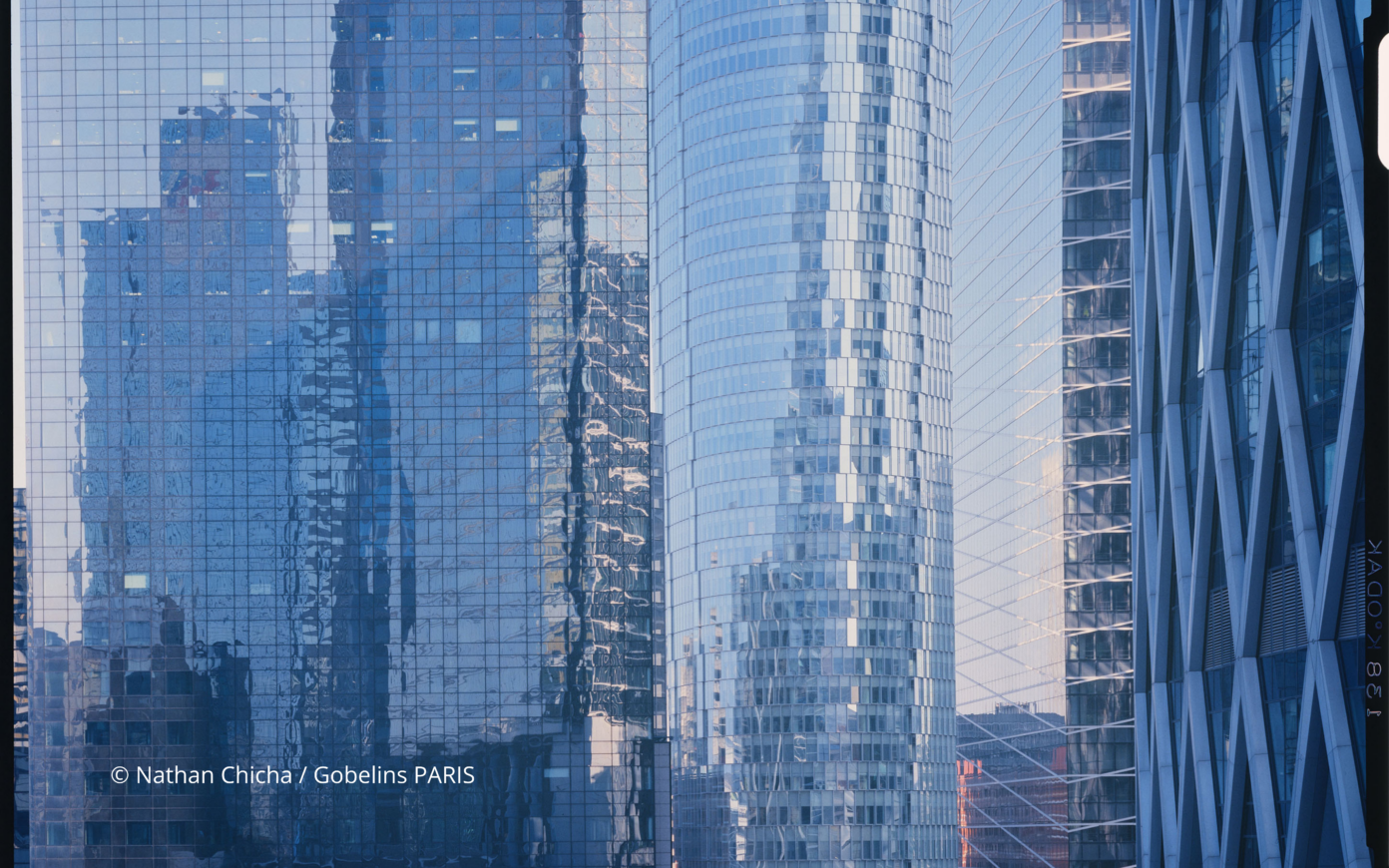
Following last year’s inaugural edition, which focused on the metabolic dimension of the La Défense district, students at GOBELINS Paris are repeating the experience this year, exploring the role of water as a vital element of urban metabolism in Paris and its surrounding region. Under the guidance of Pierre-Jérôme Jehel and Laetitia Guillemin, in collaboration with researchers from the Ville Métabolisme Chair at P.S.L. University and under the scientific coordination of Corinne Feïss-Jehel, second-year students in the “PhotoVidéo2025/26” Bachelor’s program were invited to explore the multiplicity of urban water through photographic film, an epistemological and poetic investigative tool valued for its ability to make a complex system tangible. Present in depth, on the surface, and in the verticality of our apartments, water irrigates the city and shapes its forms, uses, and rhythms. Each of the projects here aims to reveal a subtlety of this reality, to trace the thread of one of these realities and bring it to a sensibility where the visual takes precedence over the visible, in order to write new stories.
Water flows through the city just as much as it shapes it. It manifests itself there in its physical reality—as the fundamental substance of life—but also in a symbolic space, where it becomes a vehicle for projection, representation, and thought. As a prerequisite for life, it structures urban environments just as much as it shapes social forms. Networks, infrastructure, landscapes, daily uses—the city unfolds in part through its flows. But water is also a source of narratives and systems of representation that extend and shift its meaning. In ancient Greco-Roman cultures, waters had their own divine figures, and ritual practices structured the relationships between humans and the natural environment.
Examining water in the city thus amounts to exploring a plurality of registers that oscillate between space and the imaginary, between constraints and potentialities. In this regard, the photographic film constitutes a space for inquiry as much as for sensory fiction, where the city reveals itself as an unstable organism, traversed by physical flows and narratives. At the crossroads of cinematic film and photographic slideshow, this multimedia work takes the form of a short film, somewhere between a music video and a short film. It blends sound, still images, text, and graphics to tell a visual story composed primarily of photographs. From early experiments with the movement of images in the 19th century—such as John Ayrton Paris’s thaumatrope or the chronophotography of Marey and Muybridge—to the short formats of the “ciné-tracts” produced under the impetus of Chris Marker in 1968, the animation of still images has demonstrated its narrative and expressive potential. Three key areas define the specificities of this audiovisual art medium: reappropriating cinematic techniques such as continuity; exploring photography in its stillness; and finally, the blending of different media.
This exploration through photographic film is structured around four interconnected approaches, employed to probe the metabolic complexity of water. Water is first interpreted as a primary element of life, as a condition for urban equilibrium. It is then identified as a technical object, captured, controlled, and staged by infrastructures that redefine the forms of habitation. A third interpretive lens views it as a vehicle for the poetic and an extension of the sacred, serving as a medium for imaginaries, narratives, and sensory experiences. The final perspective finally glimpses water as a breaking point, revealing boundaries and transitions between states, spaces, and perceptions, thereby contributing to the fabrication of desire and the tensioning of reality. Ultimately, water functions in this project as a descriptor of the urban landscape, revealing its dynamics, tensions, and transformations, and implicitly sketching out a critical and sensitive interpretation of the contemporary city.
1 / Water: A Fundamental Metabolic Process
By replacing mythological narrative with an inquiry into nature, Thales developed a principle of realityBy asserting that water is the arché (ἀρχή)—that is, the first principle, the origin, and the foundation of all things—Thales maintained that “everything comes from water.” (reported by Aristotle in Metaphysics Book A): water is indispensable to life and, moreover, possesses a capacity for transformation (liquid, solid, vapor). Plato, in the Timaeus, emphasizes that what we call water is never a stable substance but a reality in perpetual flux. Water thus presents itself as a provisional figure, a changing, perceptible manifestation. It acts as a polymorphic operator, that is, as an element capable of traversing, connecting, and transforming the states of matter as well as the modes of perception. It configures passages, transitions, and continuities.
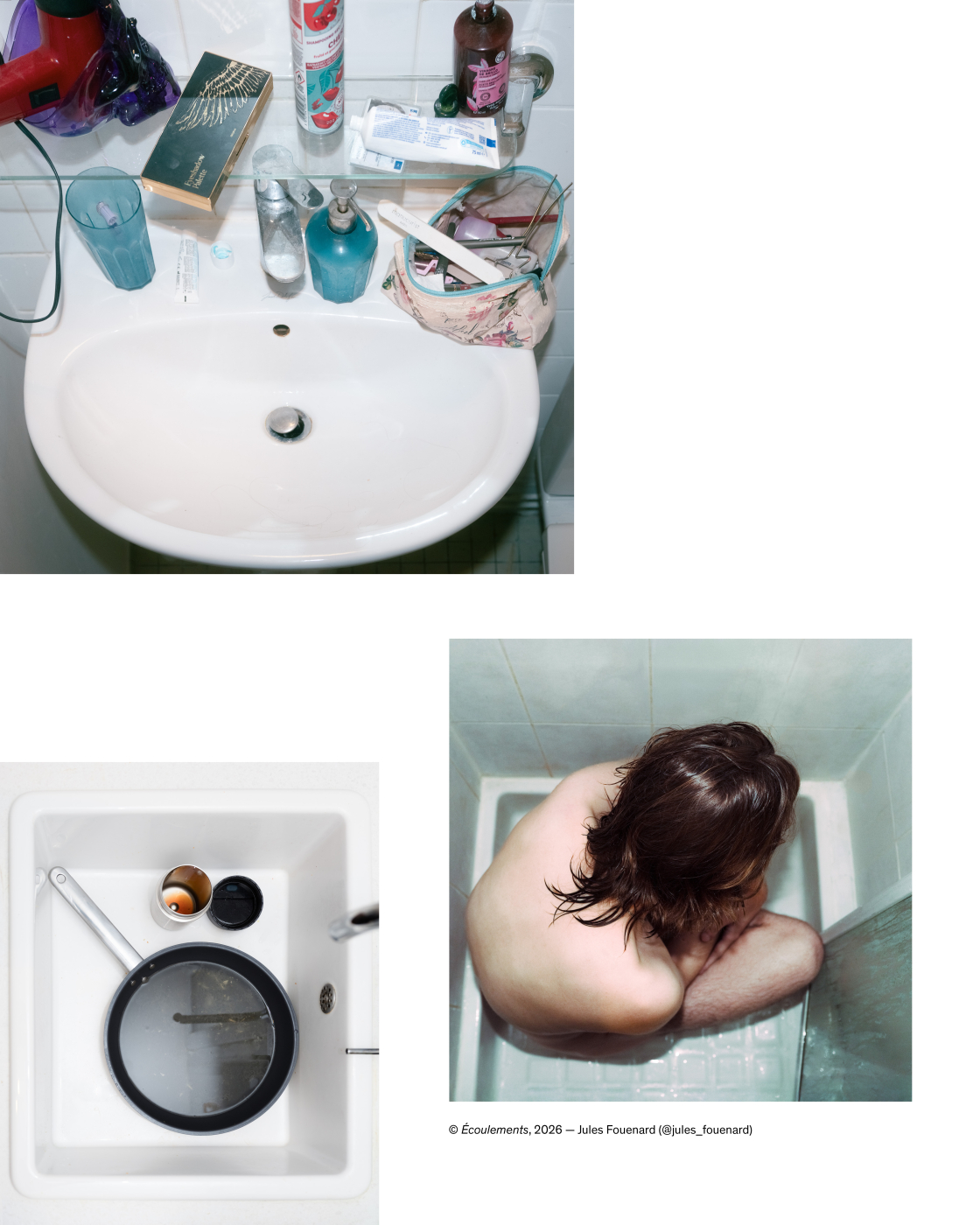
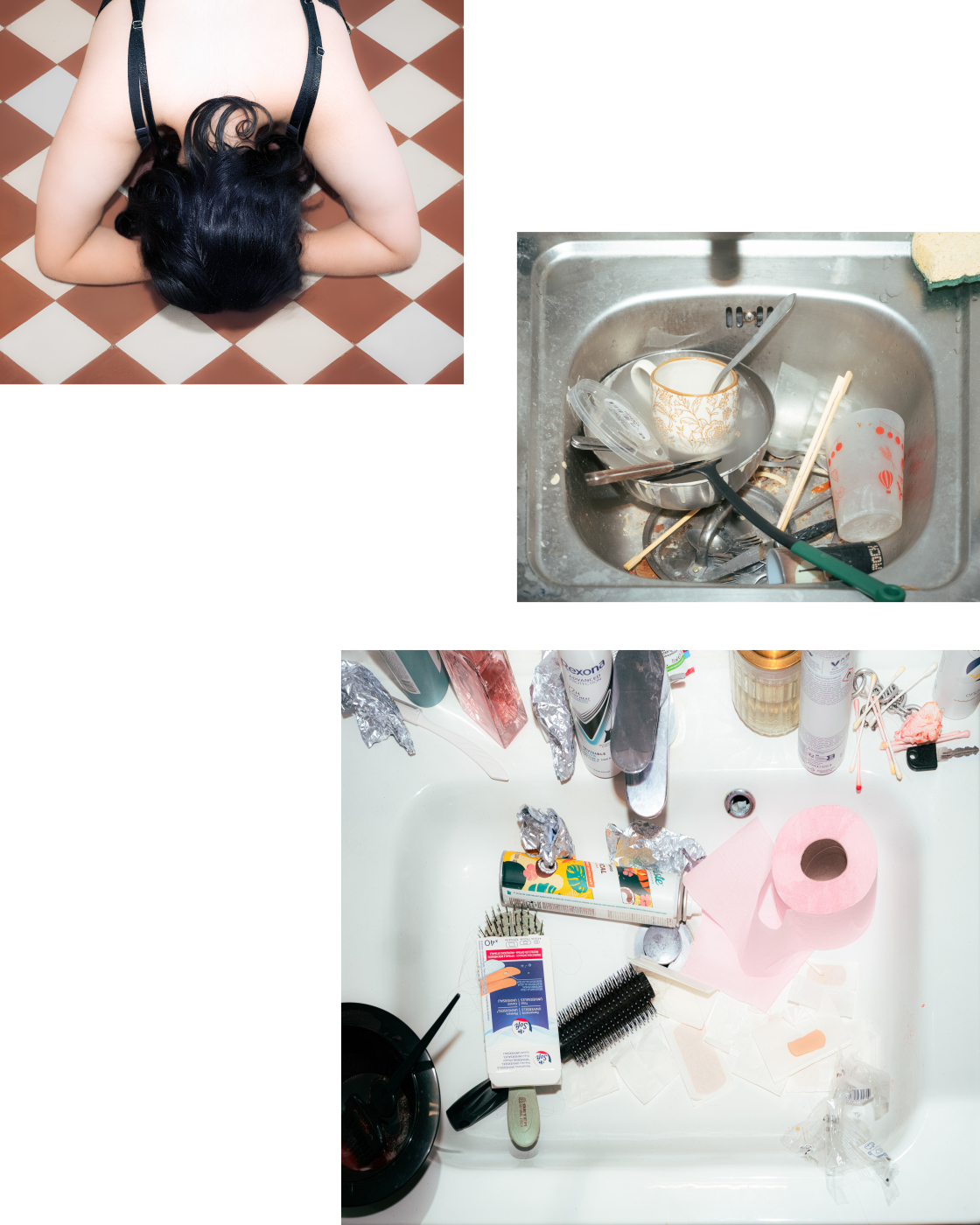
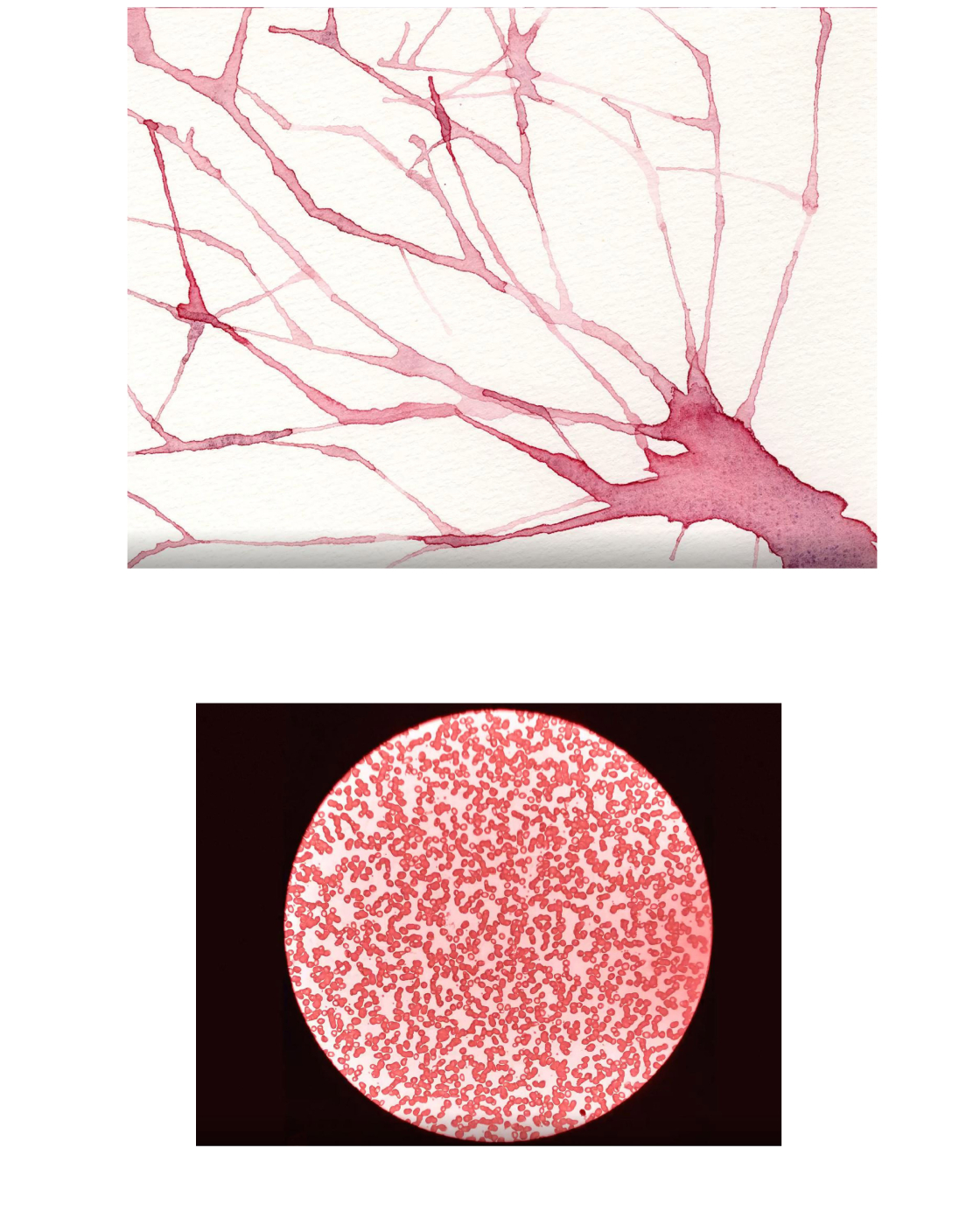
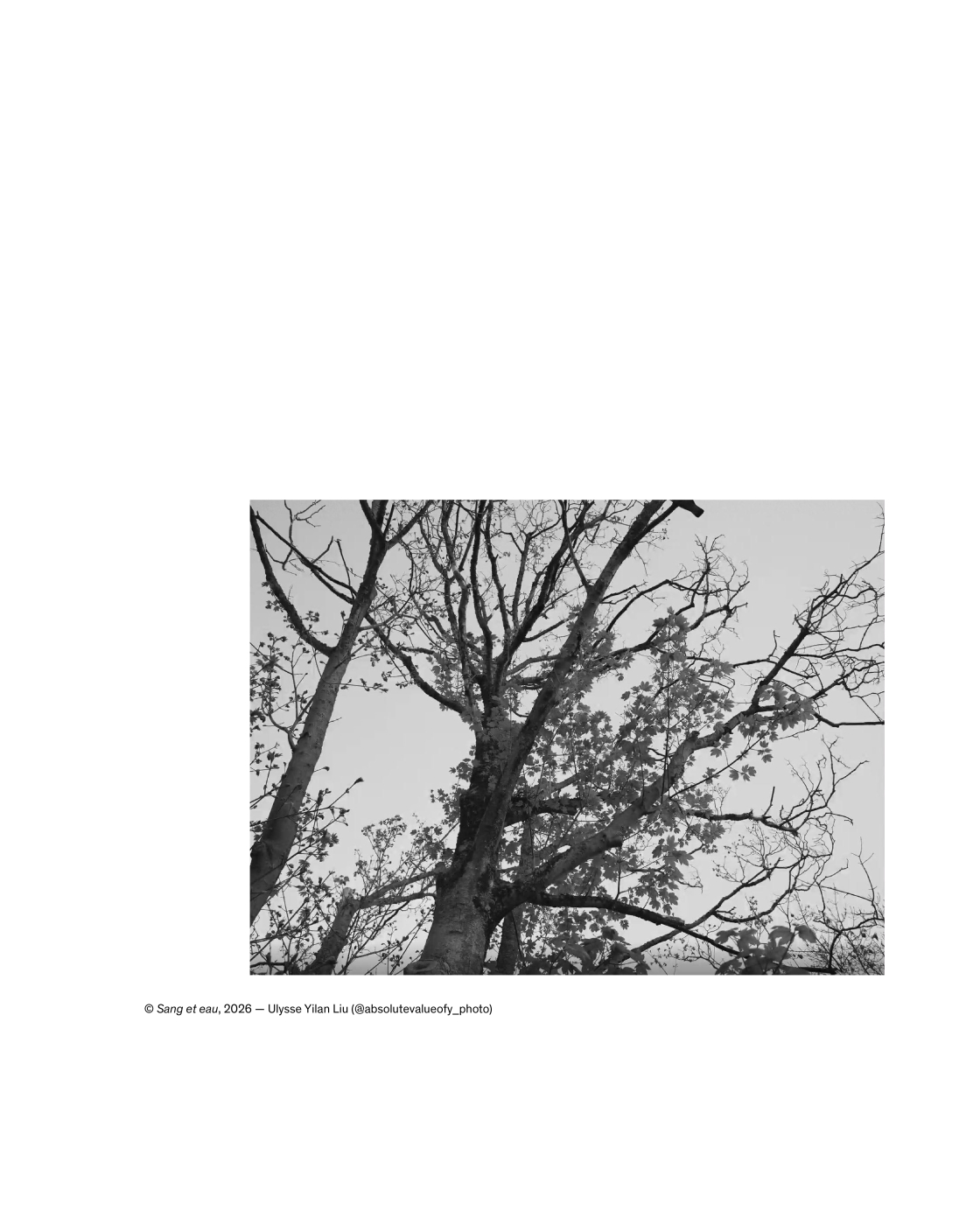
On an urban scale, this conception invites us to view the city not as a structure but as a metabolic organism. In the photographic films by Jules Fouénard, Ulysse Yilan Liu, and Tilo Guétard, water plays a role analogous to that of blood or bodily fluids. It irrigates, transports, connects, dissolves, regulates, and halts, but it also becomes contaminated, infected, and suffocated; these are all circulations that often escape the urban eye yet penetrate our bodies. While photography tends to isolate a state, photographic film allows us to approach its processual and metabolic dimension, making temporal continuities visible. From a simple tool for capture and representation, photographic film thus transforms into a device of medical knowledge, simultaneously a “stethoscope” in the original sense (scope/observe) and an oximeter that records the pulse of the city-organism. To see is, here, already to interpret circulations, transformations, and metabolisms.
2 / Water, hydraulic machinery
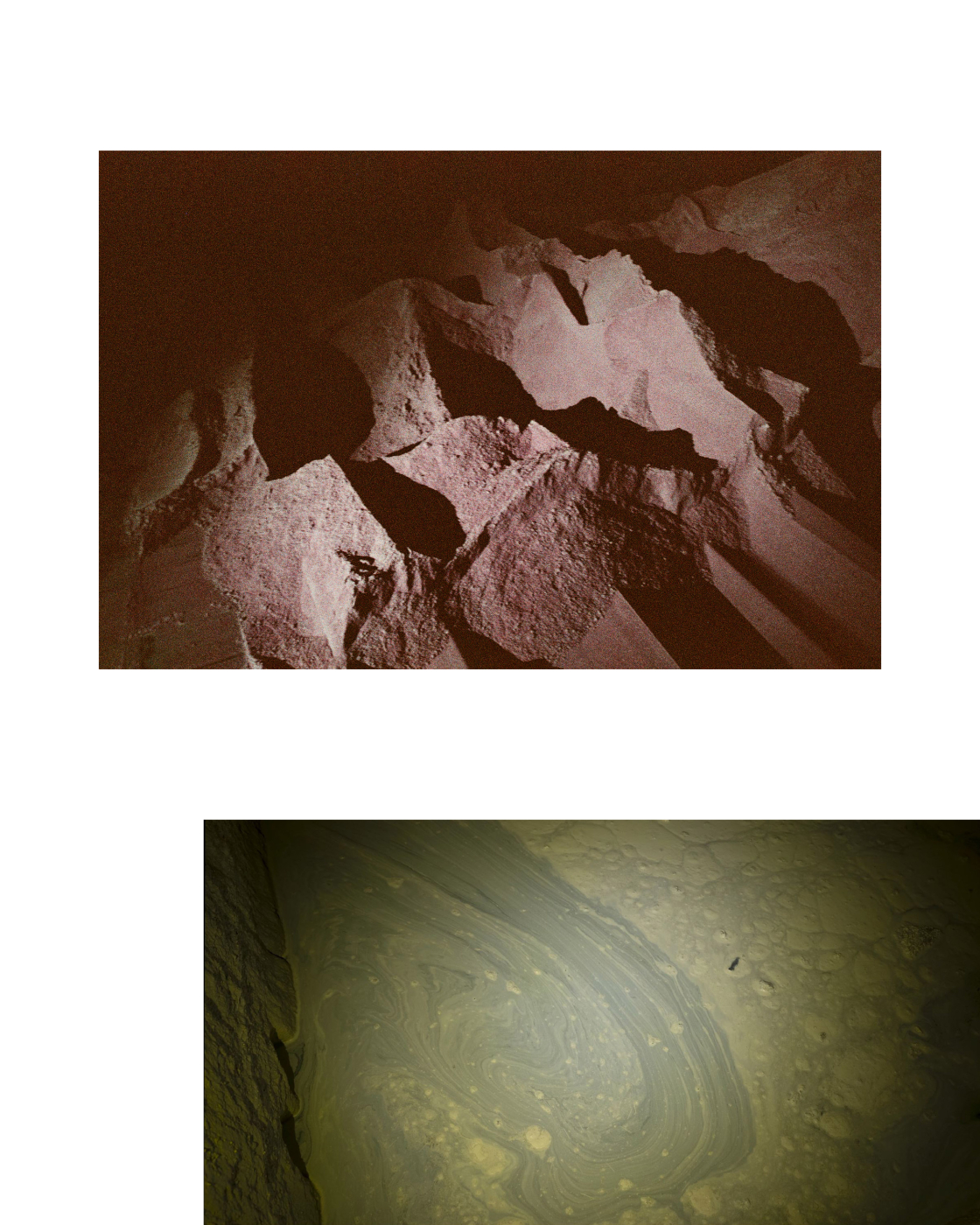
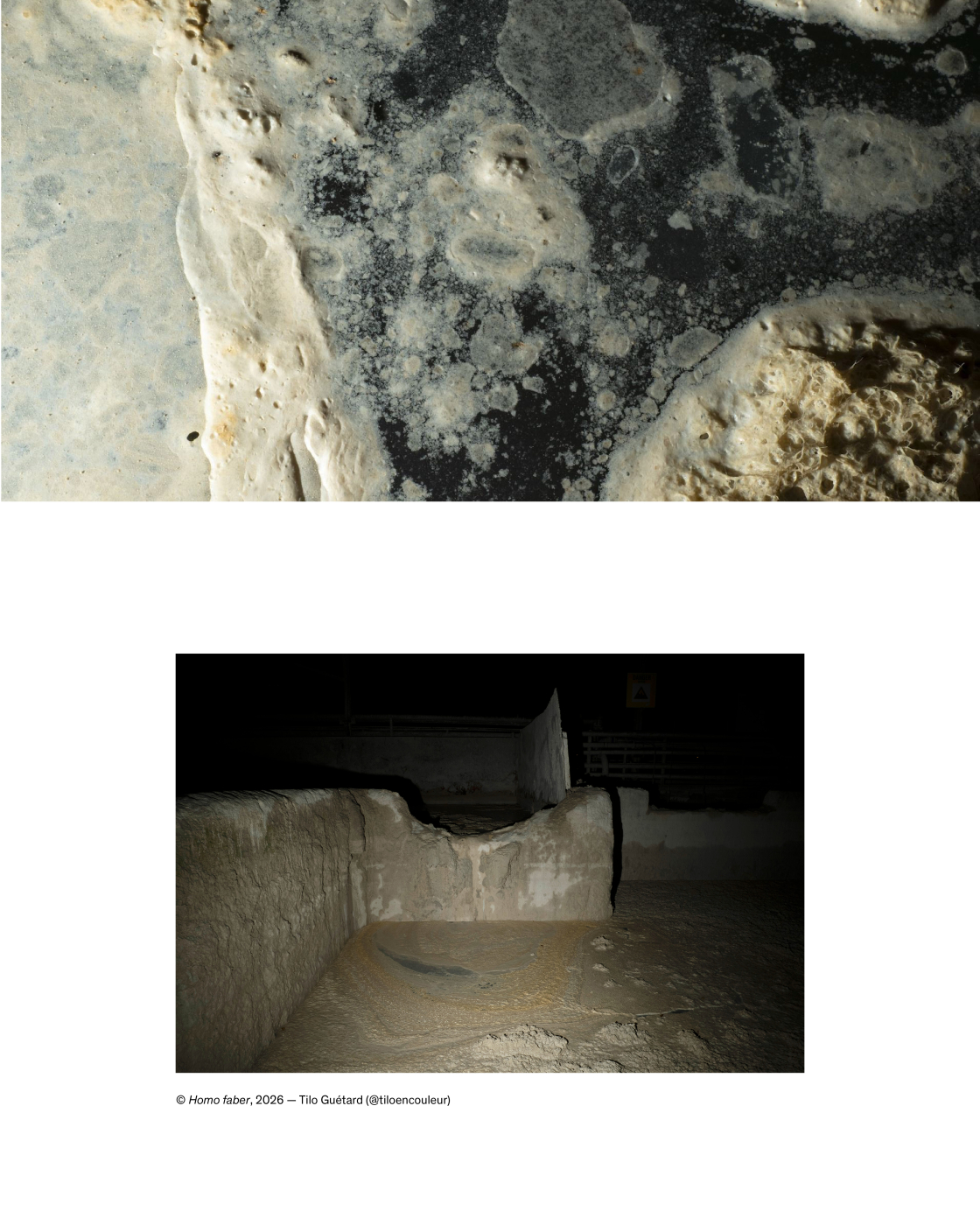
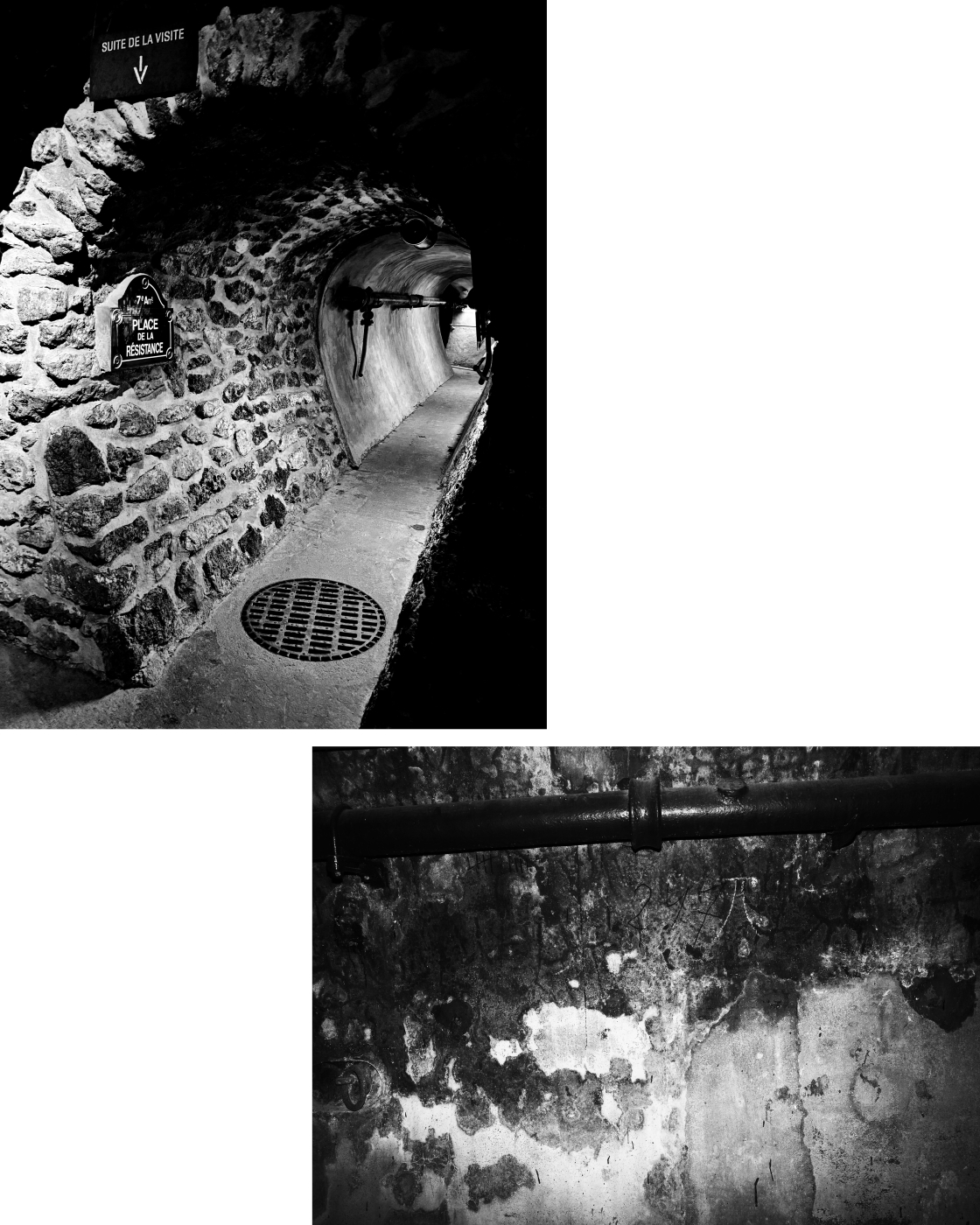
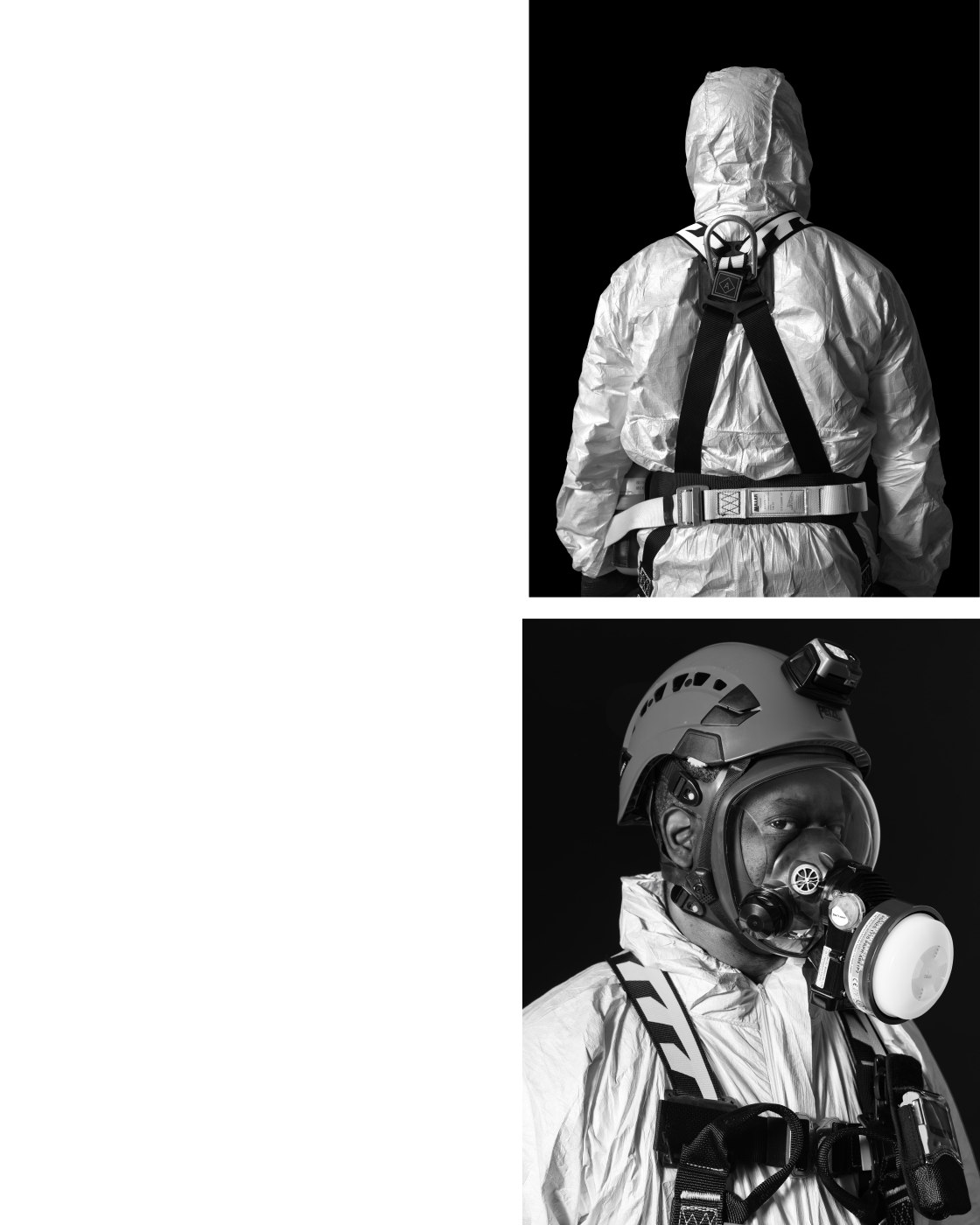
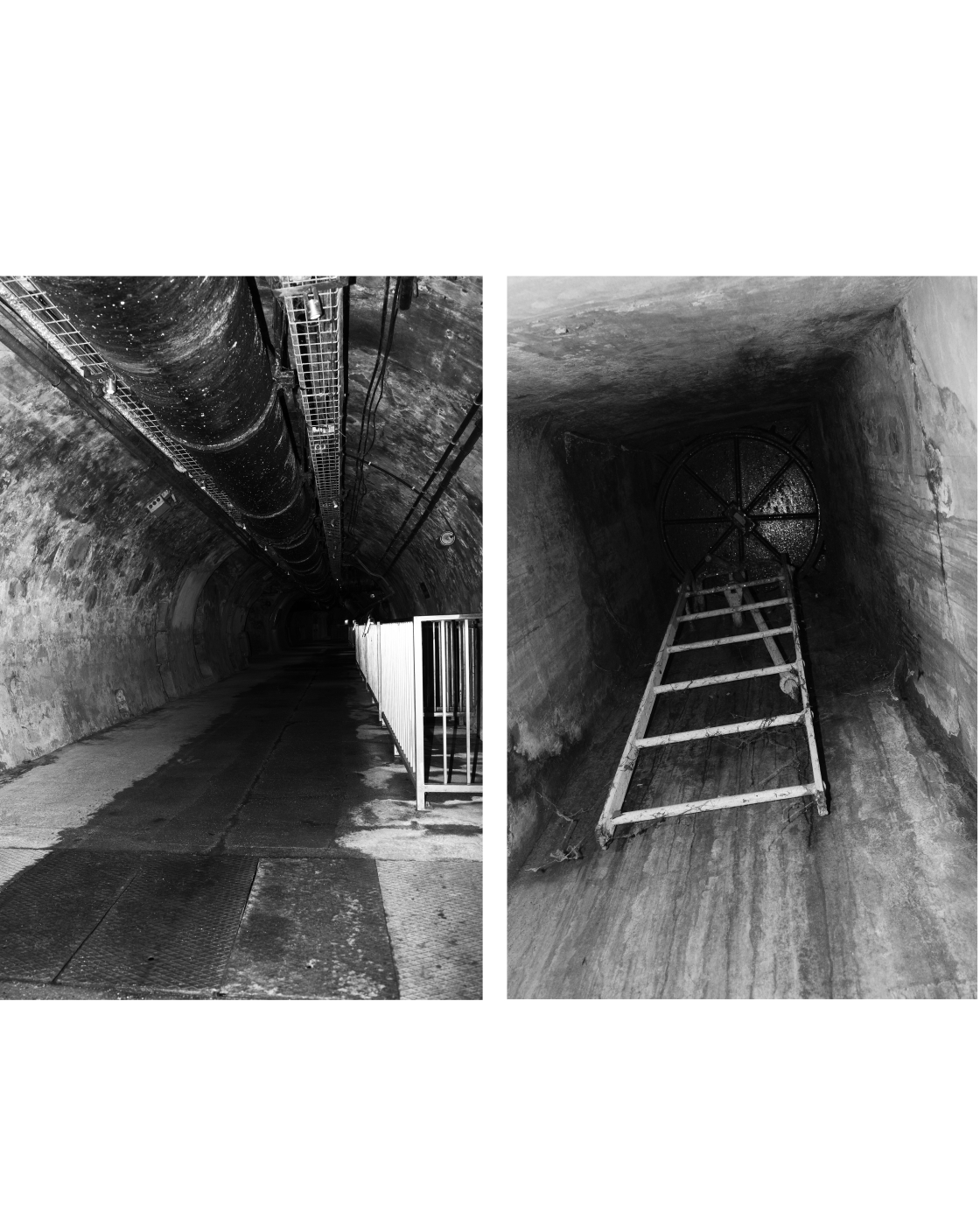
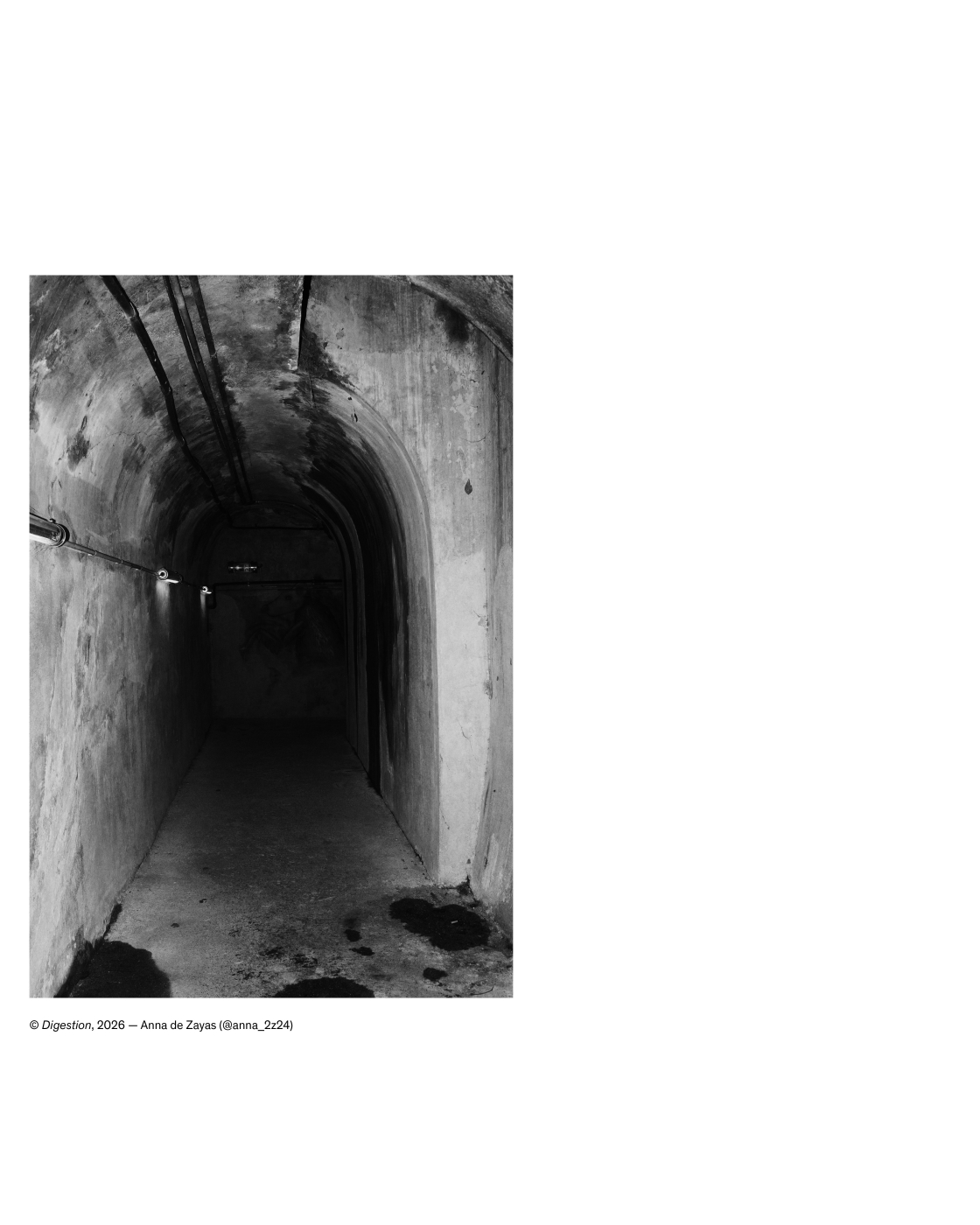
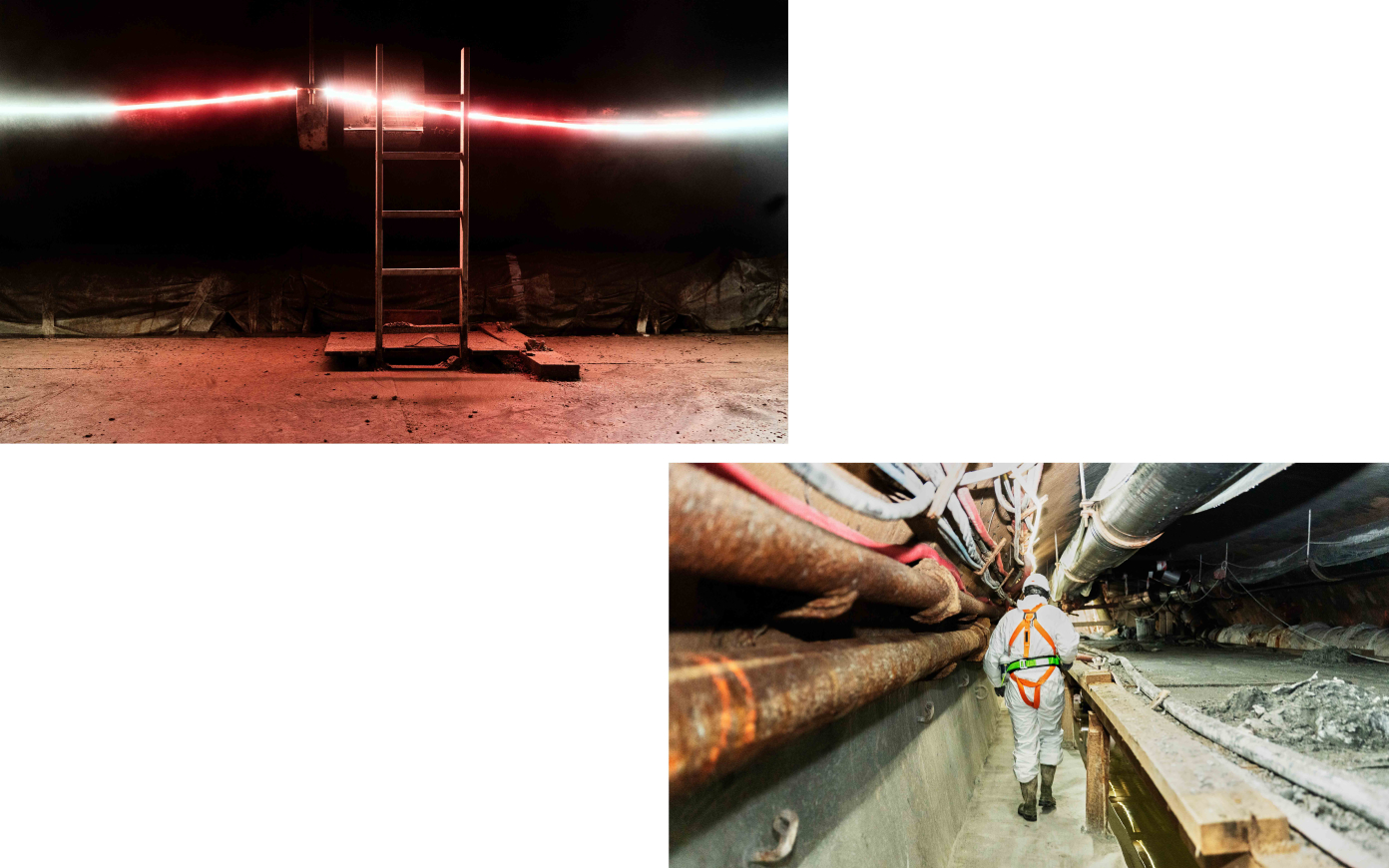
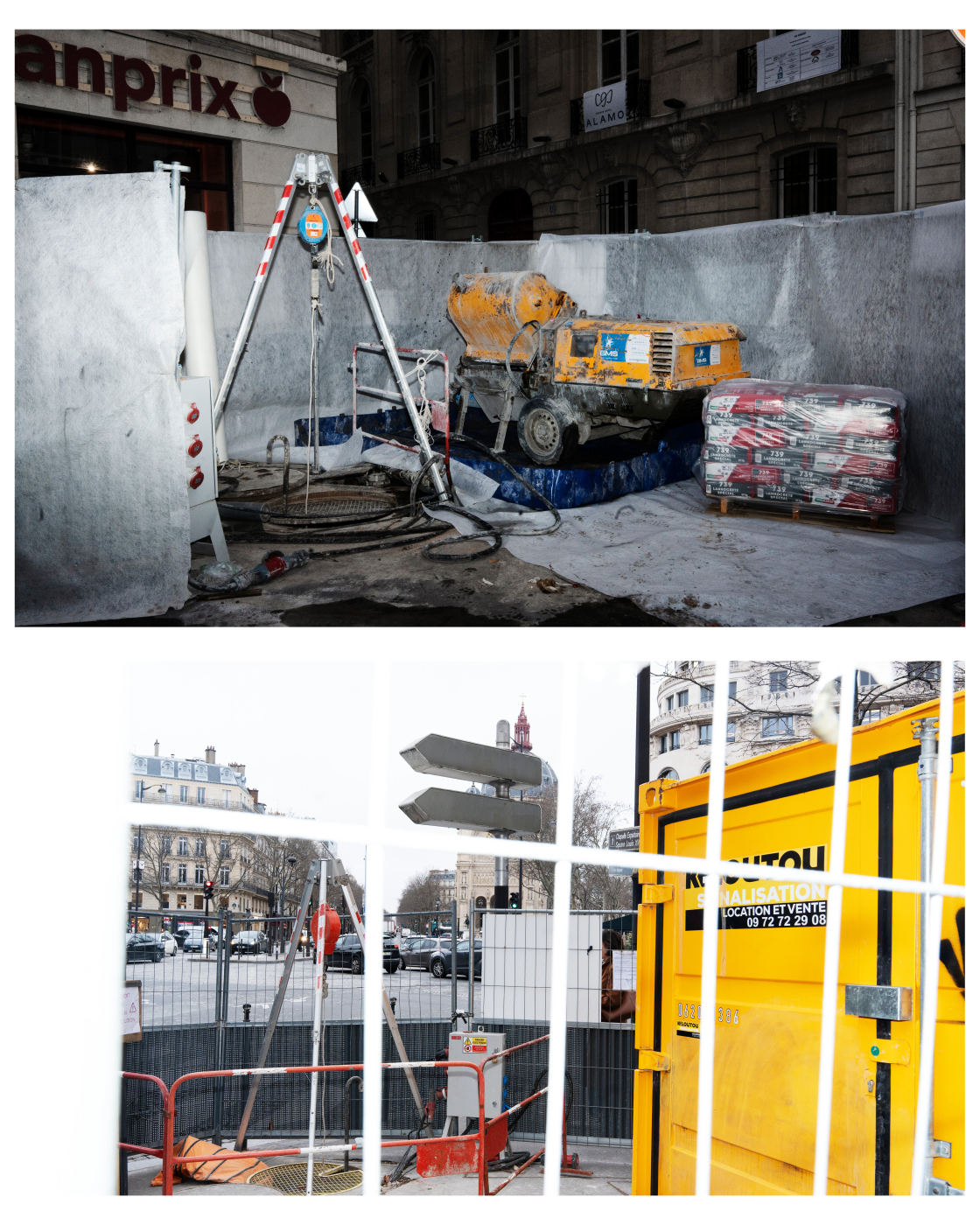
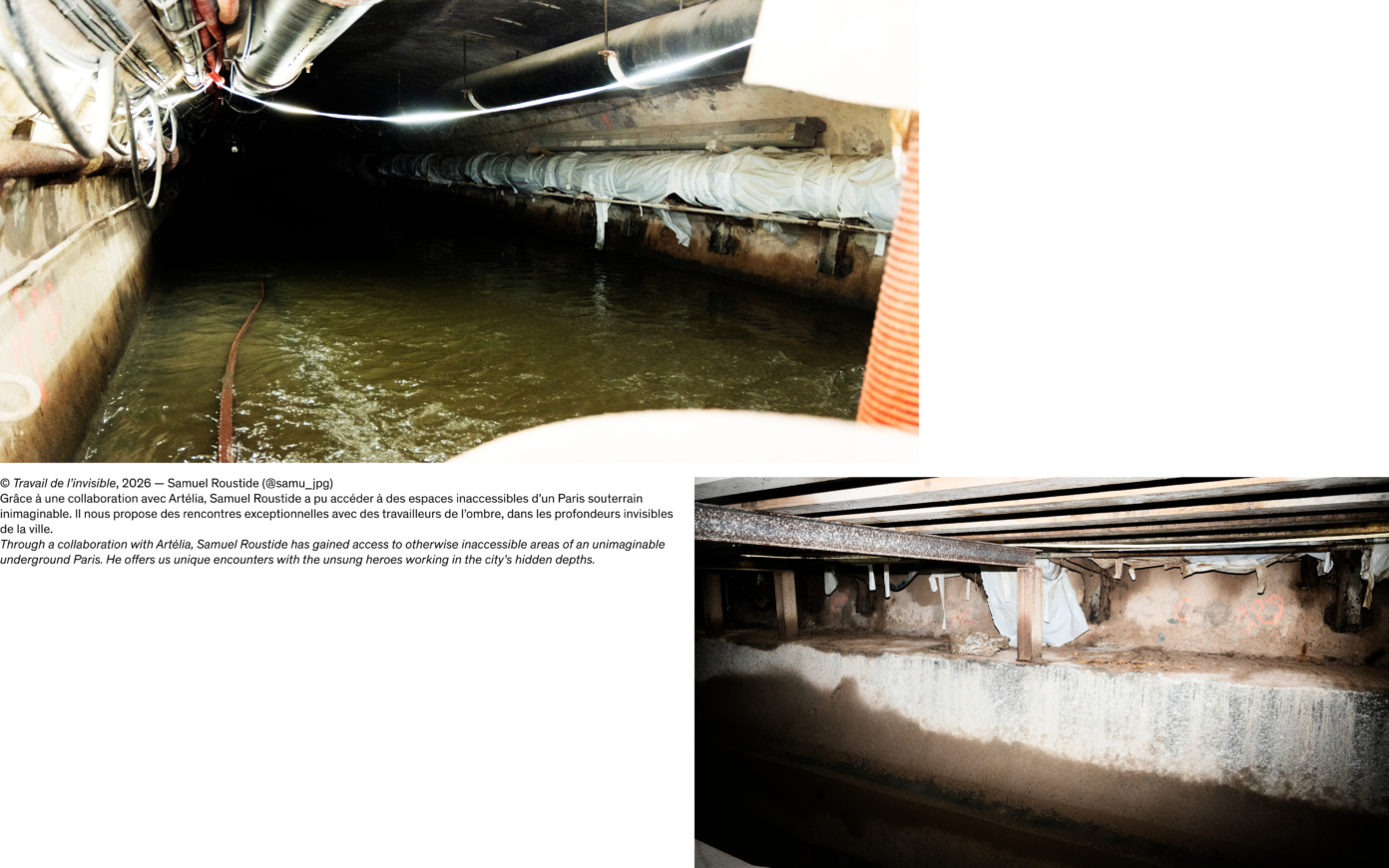
Water in the city is collected, controlled, distributed, drained, and staged. It flows through underground networks, passes through membranes, and accumulates in reservoirs. Between necessity and artificial construction, between nature and technology, the urban water system persists in a form of invisibility that Anna de Zayas’s photographic film explores. In the sewers, a dense, heavy, dark, subterranean, silent flow circulates out of sight, so that the underground acts as a mask, a technological artifact. These outflows are vital to the urban metabolism. The city cannot escape its body, whose networks are intertwined. In this mirror metaphor, Aristotle, in The History of Animals, already compared clogged blood vessels to canals filled with mud.
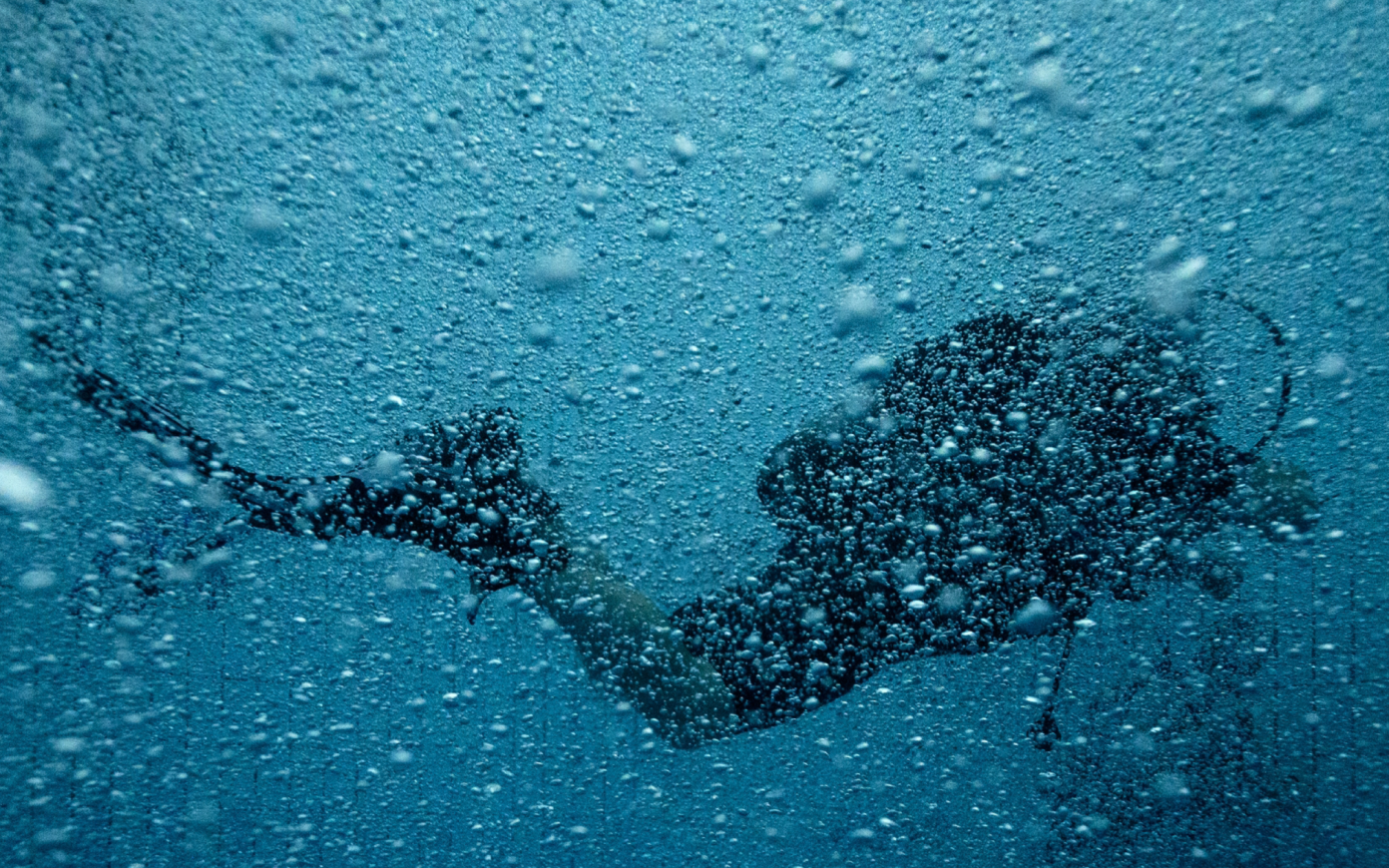
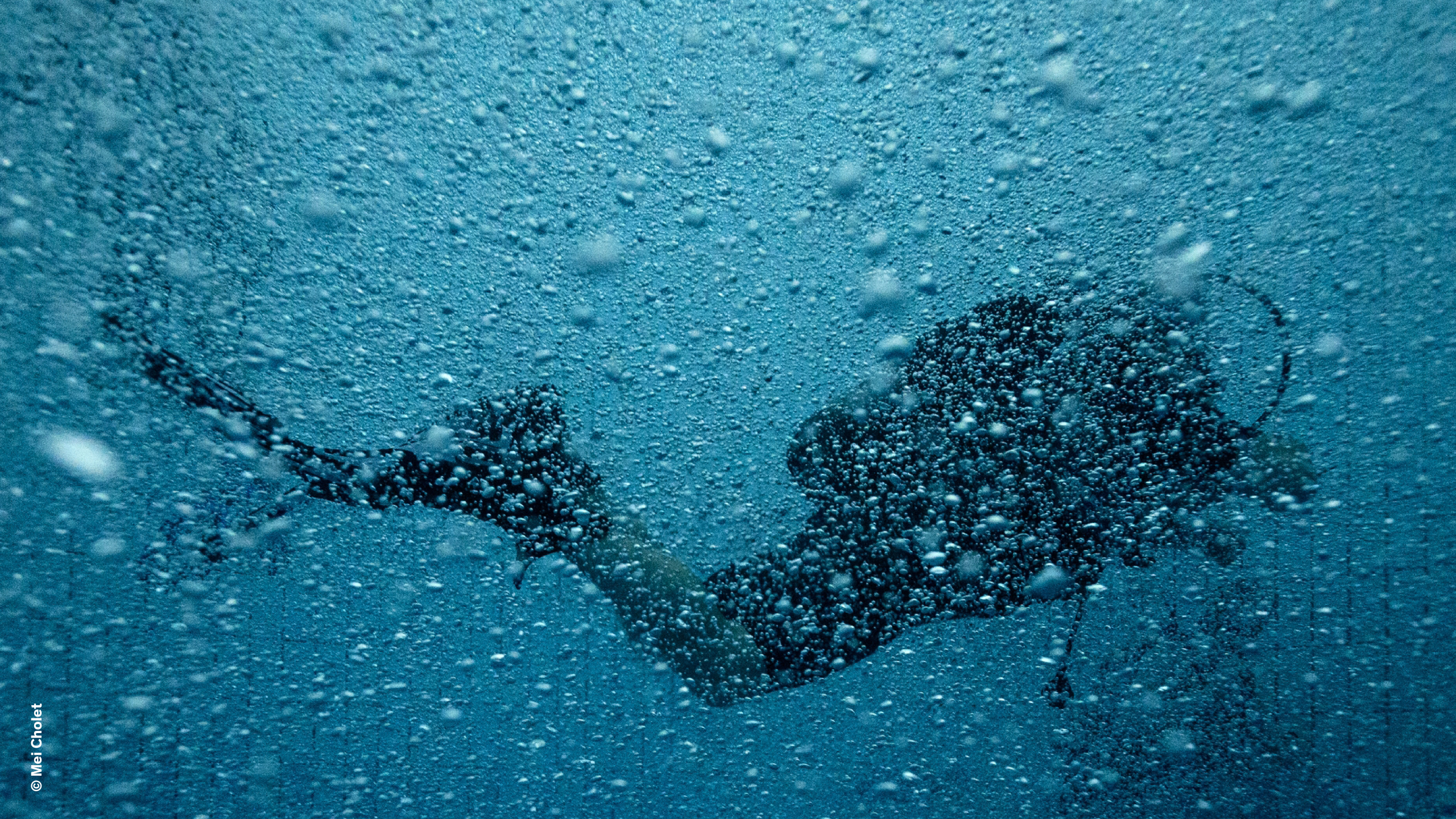
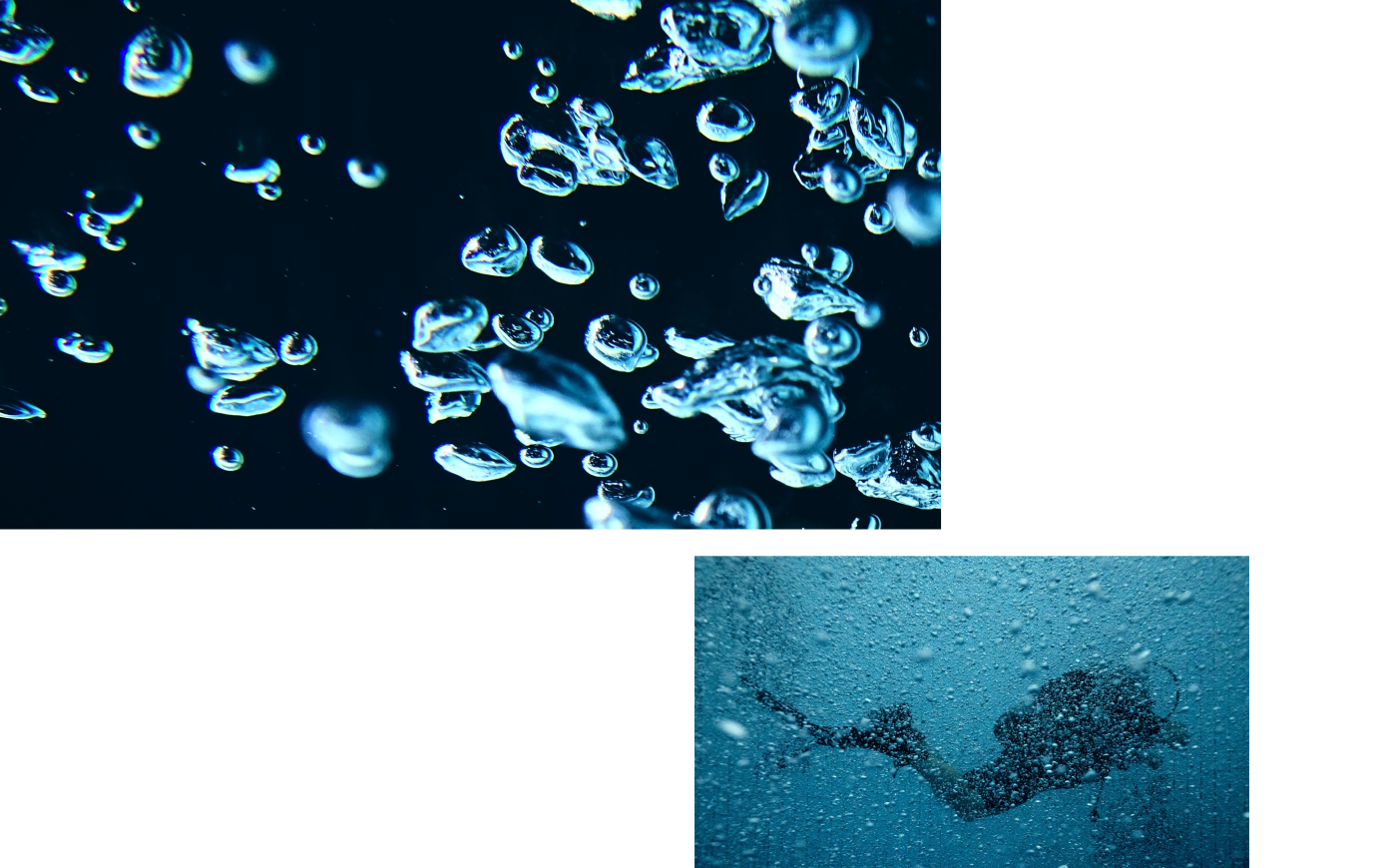
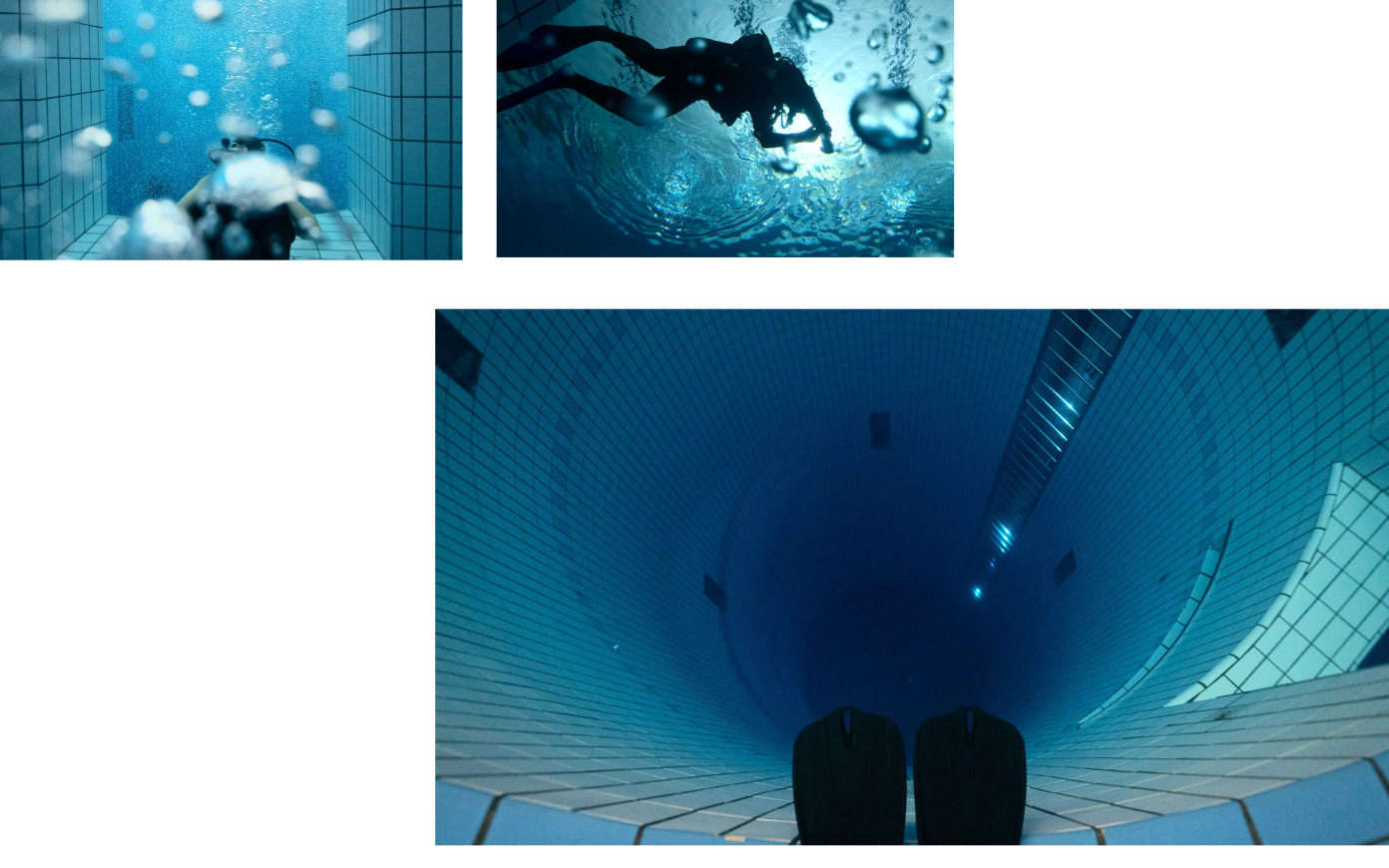
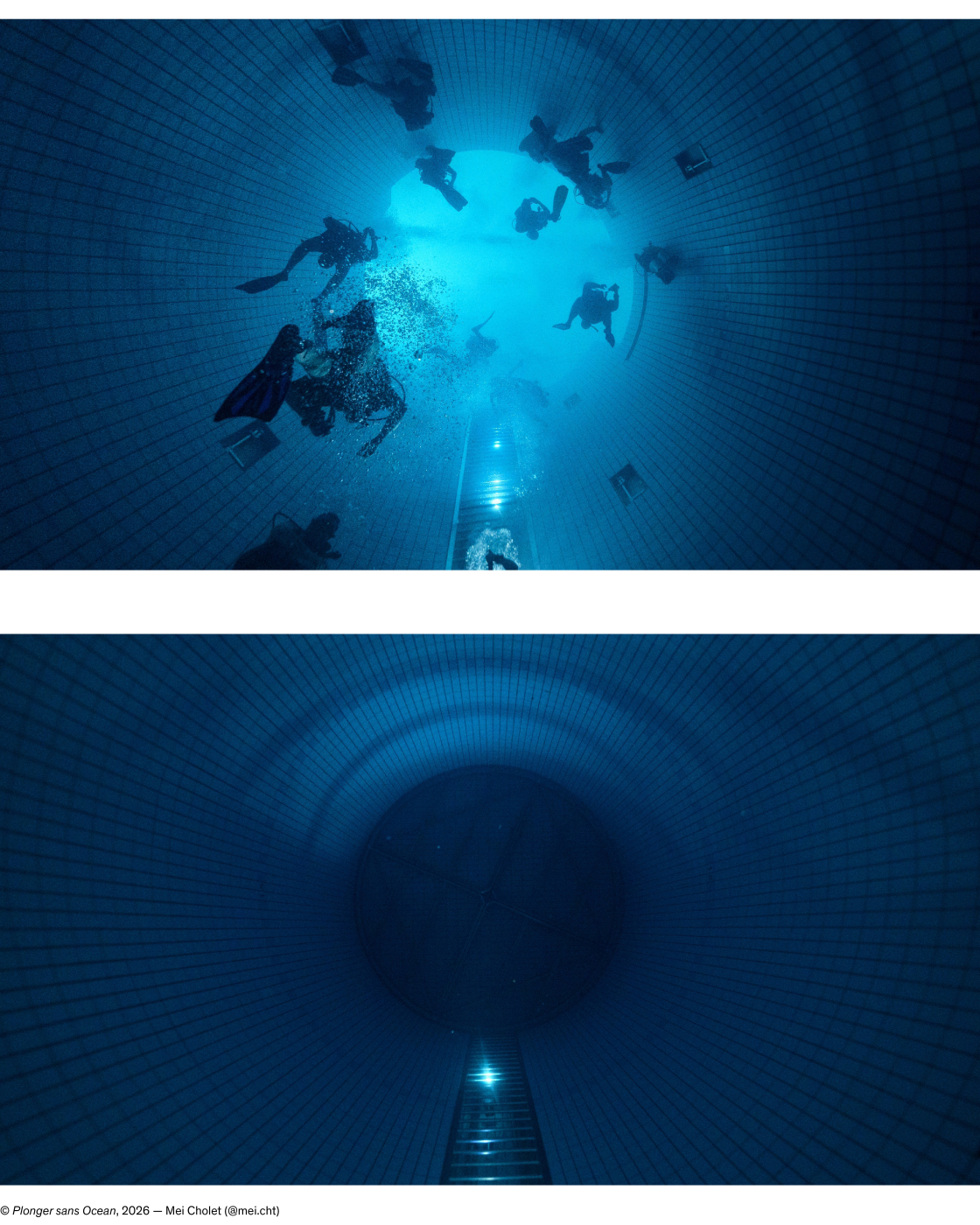
Urban water thus stems from a desire for control and disjunction, and Samuel Roustide’s photographic film captures the technical gestures of this Sisyphean labor. Mei Cholet’s work focuses on simulated diving in artificial pits and pools, sites of a technological staging of the aquatic realm where water is a controlled actor.
Thus technicized, water is not reduced to a utilitarian function. This “equipped” or “prosthetic” water actively participates in the construction of urban space. It produces thresholds, depths, surfaces, and continuities. Technological prostheses that highlight a tension intrinsically linked to the primary properties of water—unstable and shifting—which the city seeks to control, or even simulate. Between disappearing into infrastructure and reappearing in devices, urban water oscillates between invisibility and hyper-visibility, revealing, by implication, the contemporary terms of our relationship with the living world.
3 / Water: A Medium for the Sensory
Far from being merely a resource or even a backdrop, water serves as a principle of experience, a sensory medium that allows us to grasp, through the film, the complexity of a reality in constant flux. We find, as an echo, the idea developed in Plato’s Timaeus: water is no longer the autonomous primordial principle it was for Thales, but rather an element embedded in an ordered cosmos, always in the process of becoming, always capable of becoming something else. Instability reveals the very nature of the sensible. In the city, despite control mechanisms, water surfaces, overflows, seeps, rushes down, crosses, invades, and then evaporates. It constantly escapes through metamorphosis.
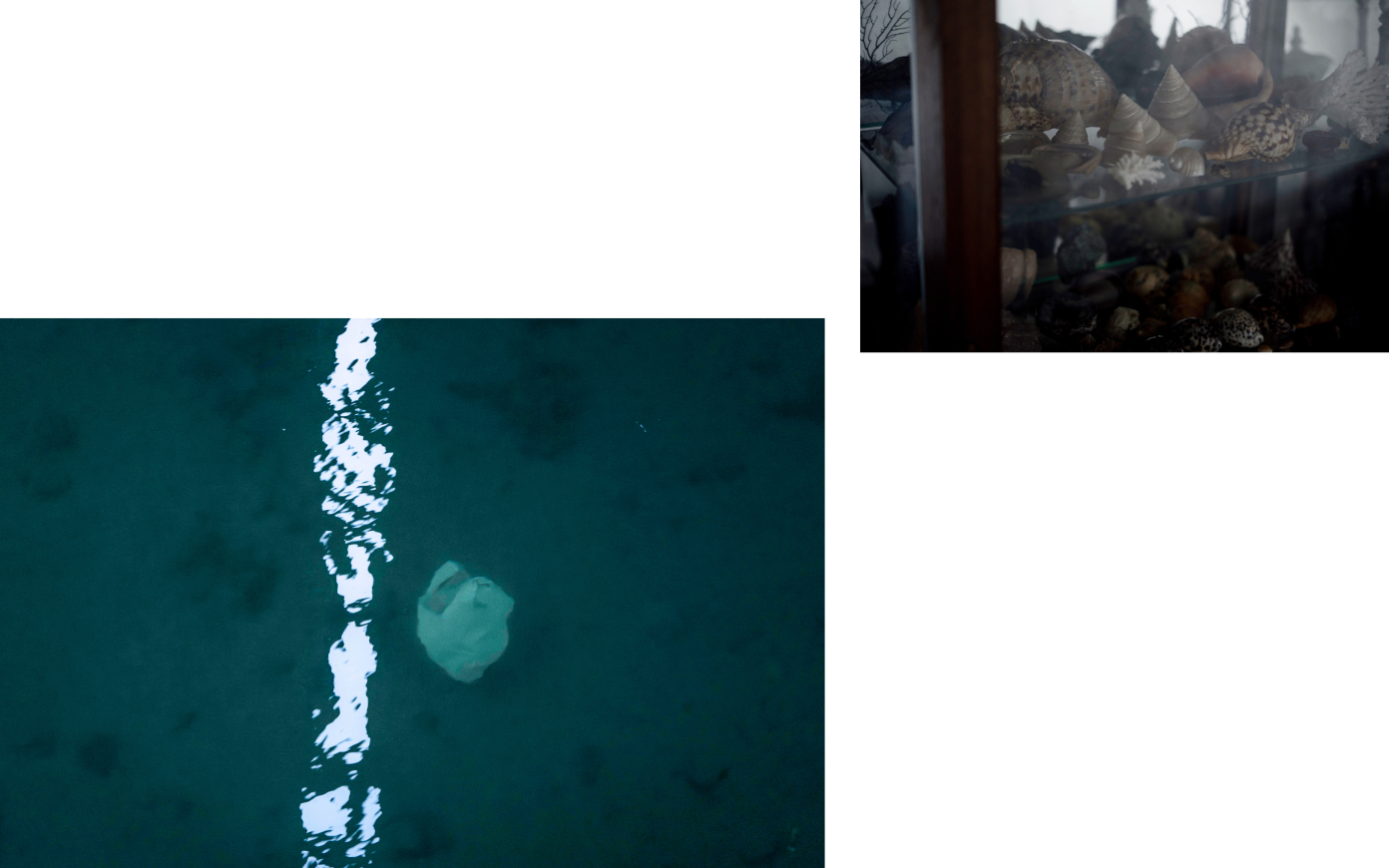
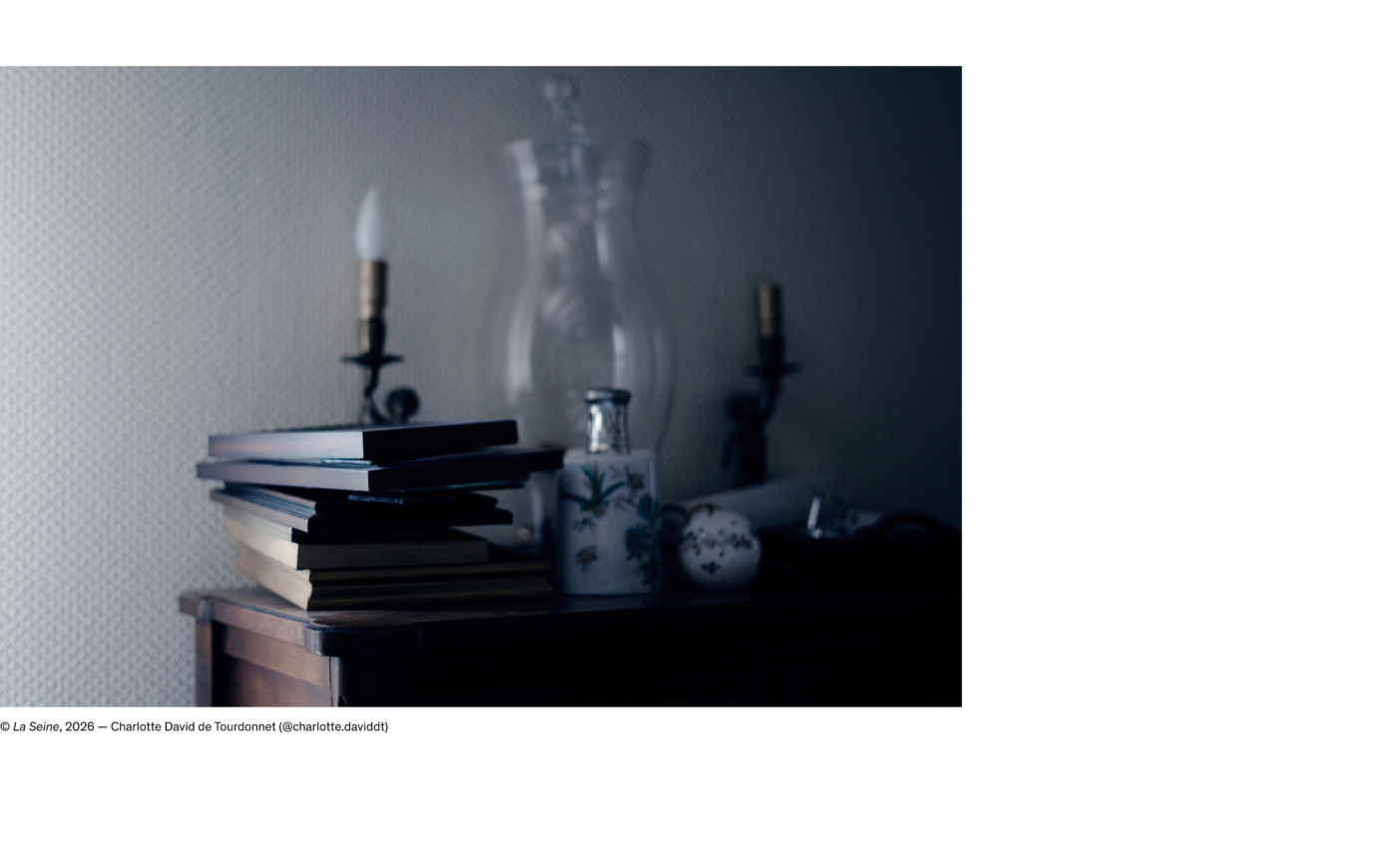
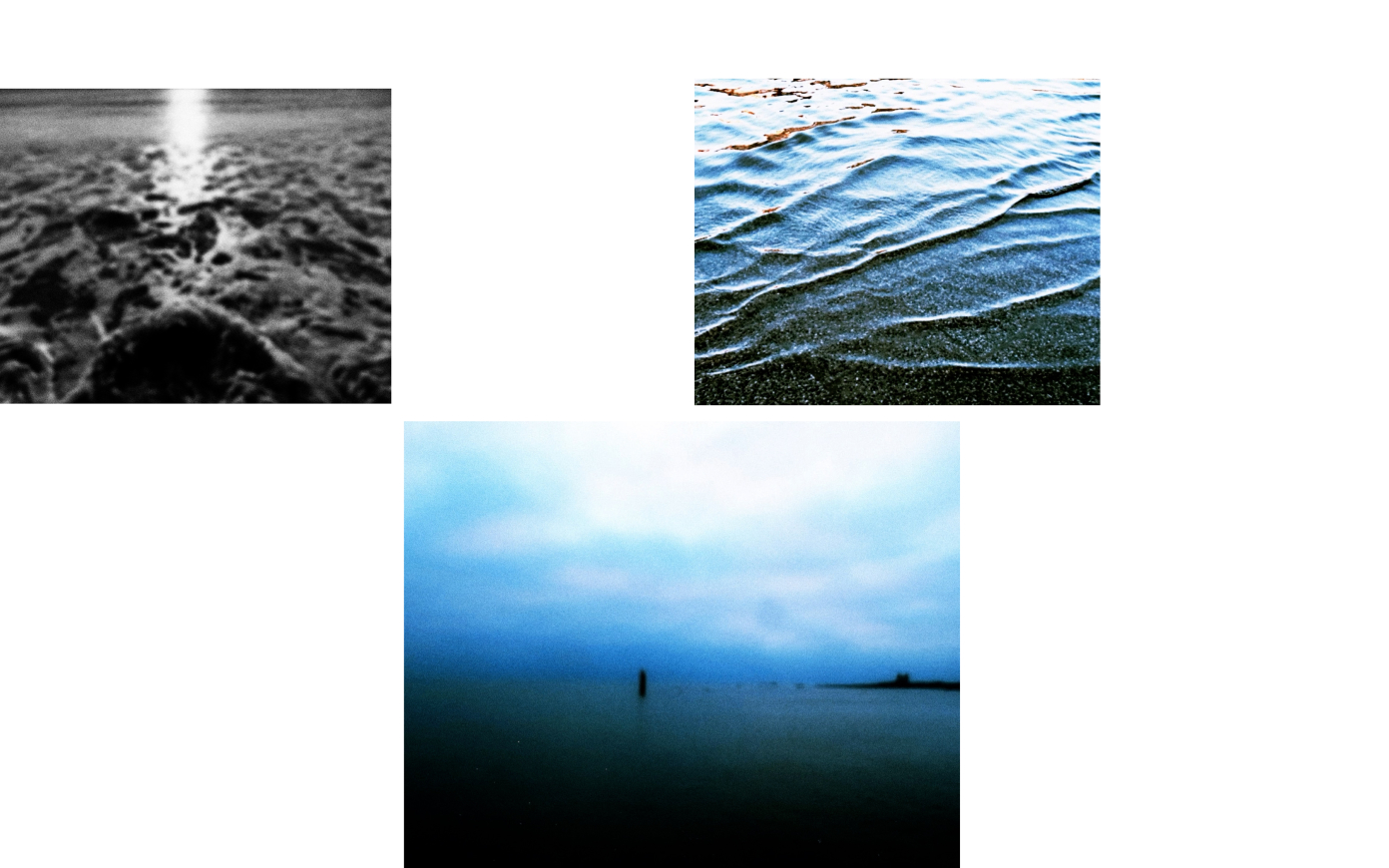
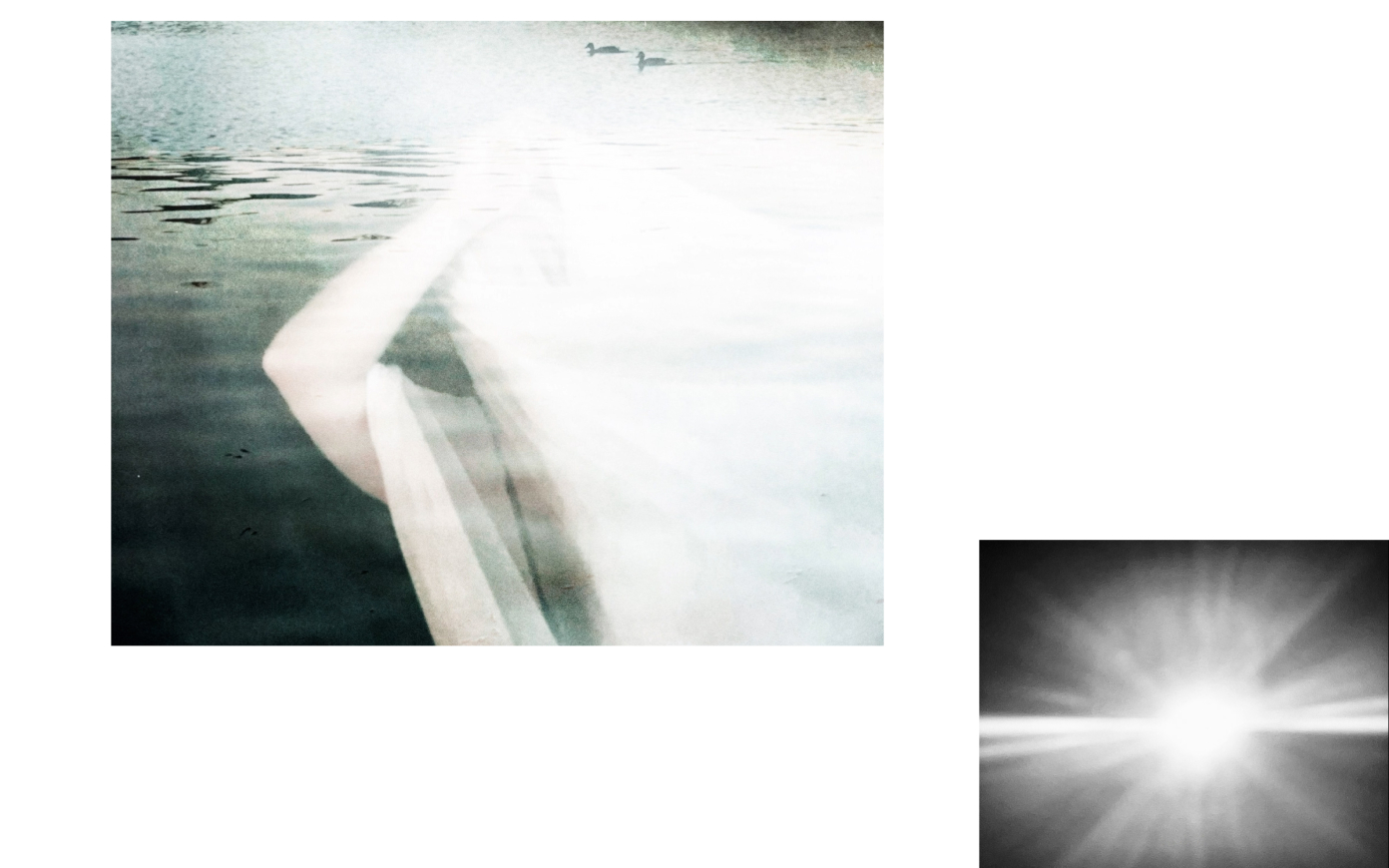
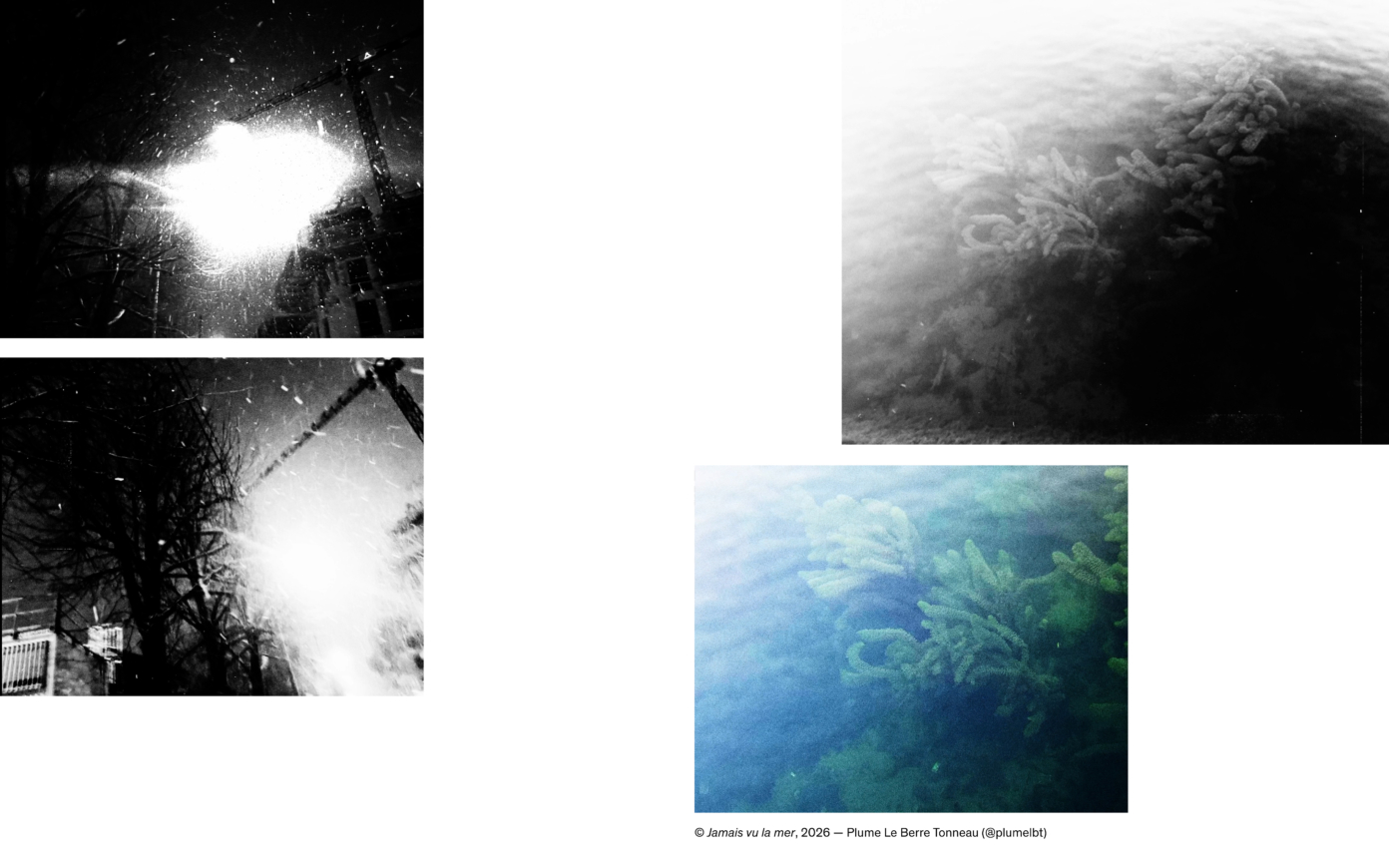
It is precisely in these often-discreet surges that the sensory becomes the privileged mode of access to this flow, making circulations perceptible and revealing the tensions between the living and technical systems. We must then detour, slow down, observe, and grasp water as a mediator between infrastructure and experience, between an abstract technical system and perception. “It is near water that I best understood that reverie is a universe in emanation, a fragrant breath that emerges from things through a dreamer.” ” Where Bachelard entrusts us with the mystical power of water, the films by Pascal Tianyu Ye, Plume Le Berre Tonneau, and Charlotte David de Tourdonnet convert us to it. A bearer of imaginations and narratives, water becomes a vehicle for the poetic and an extension of the sacred.
4 / Water: Fictions of Depletion
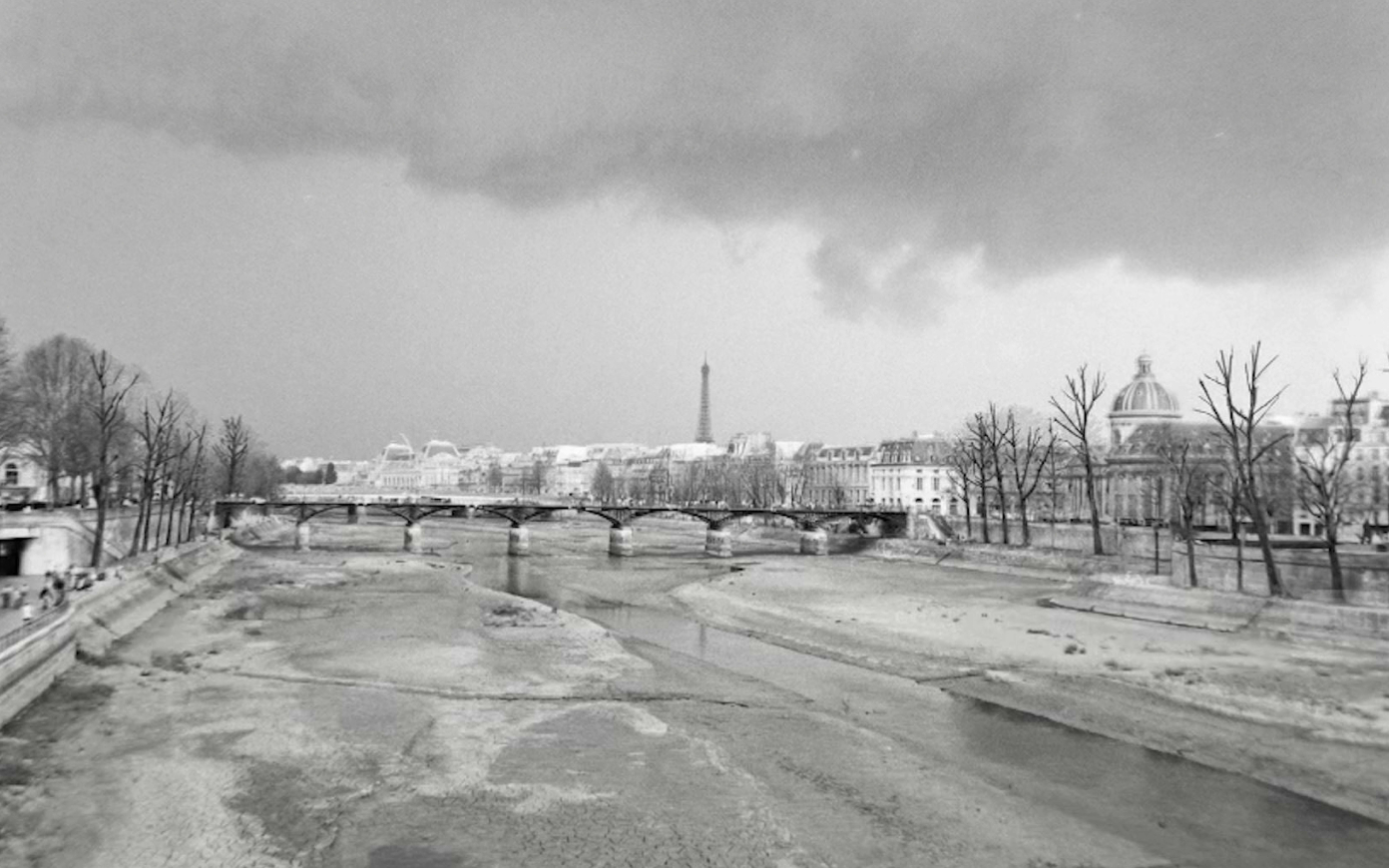
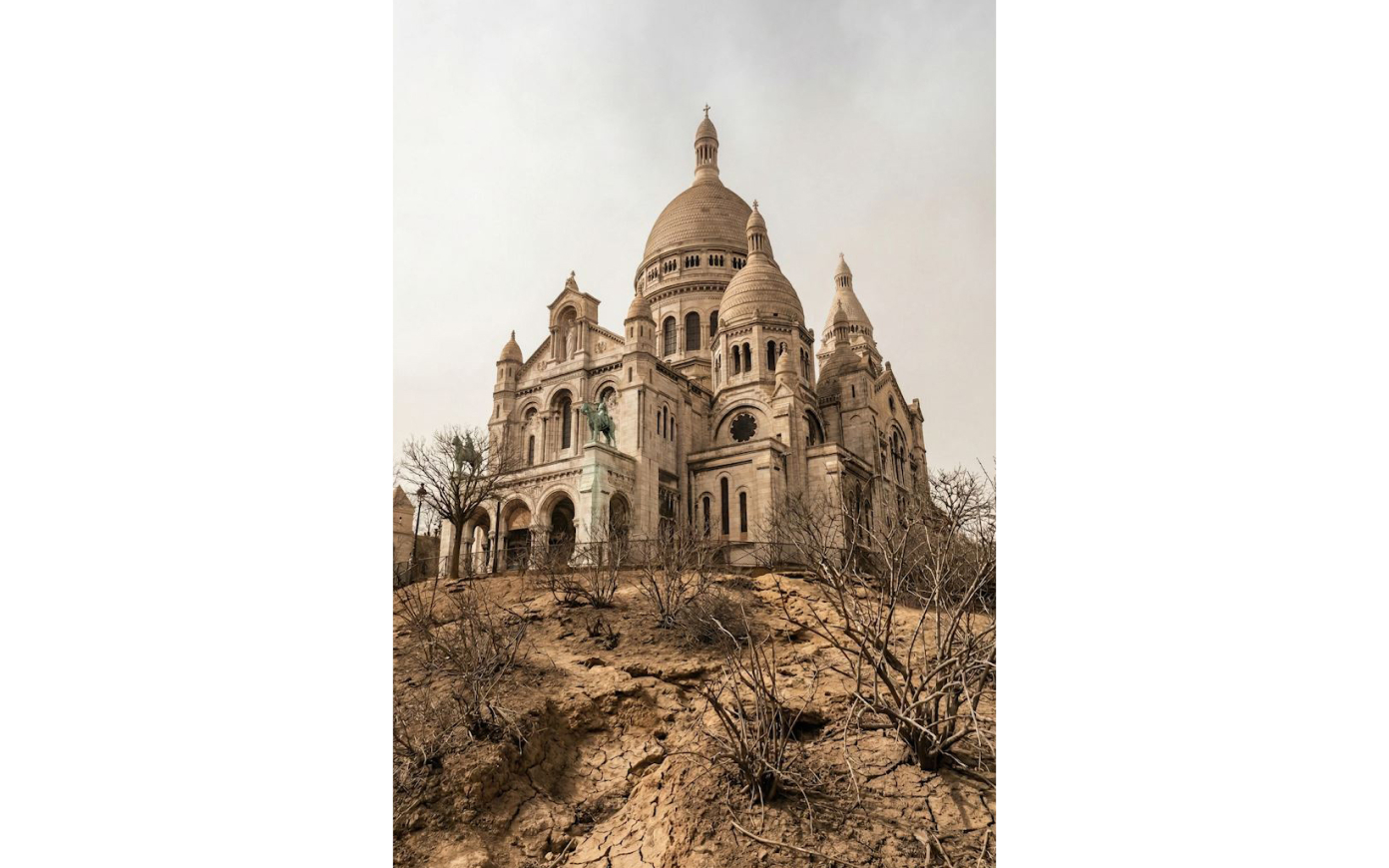
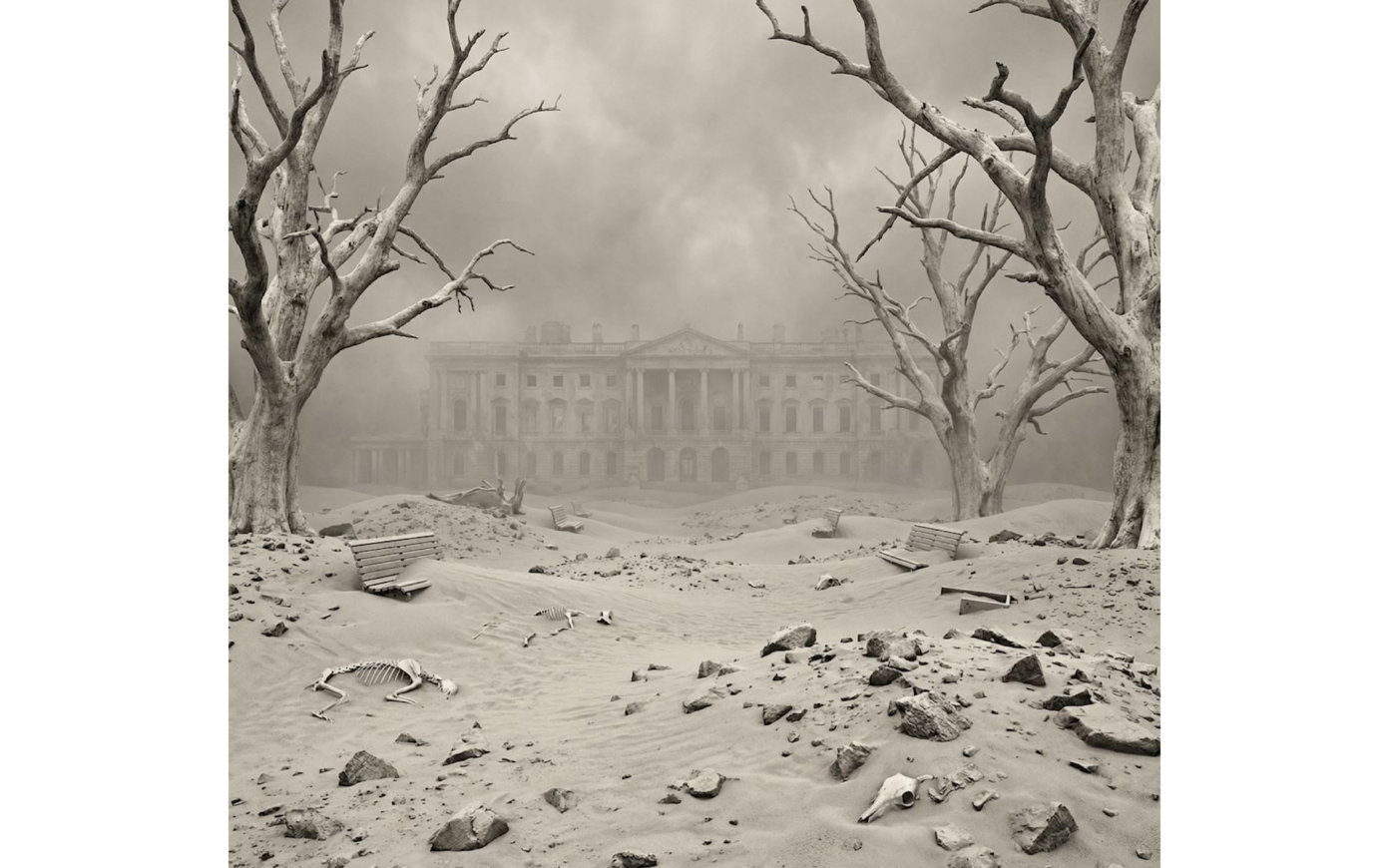
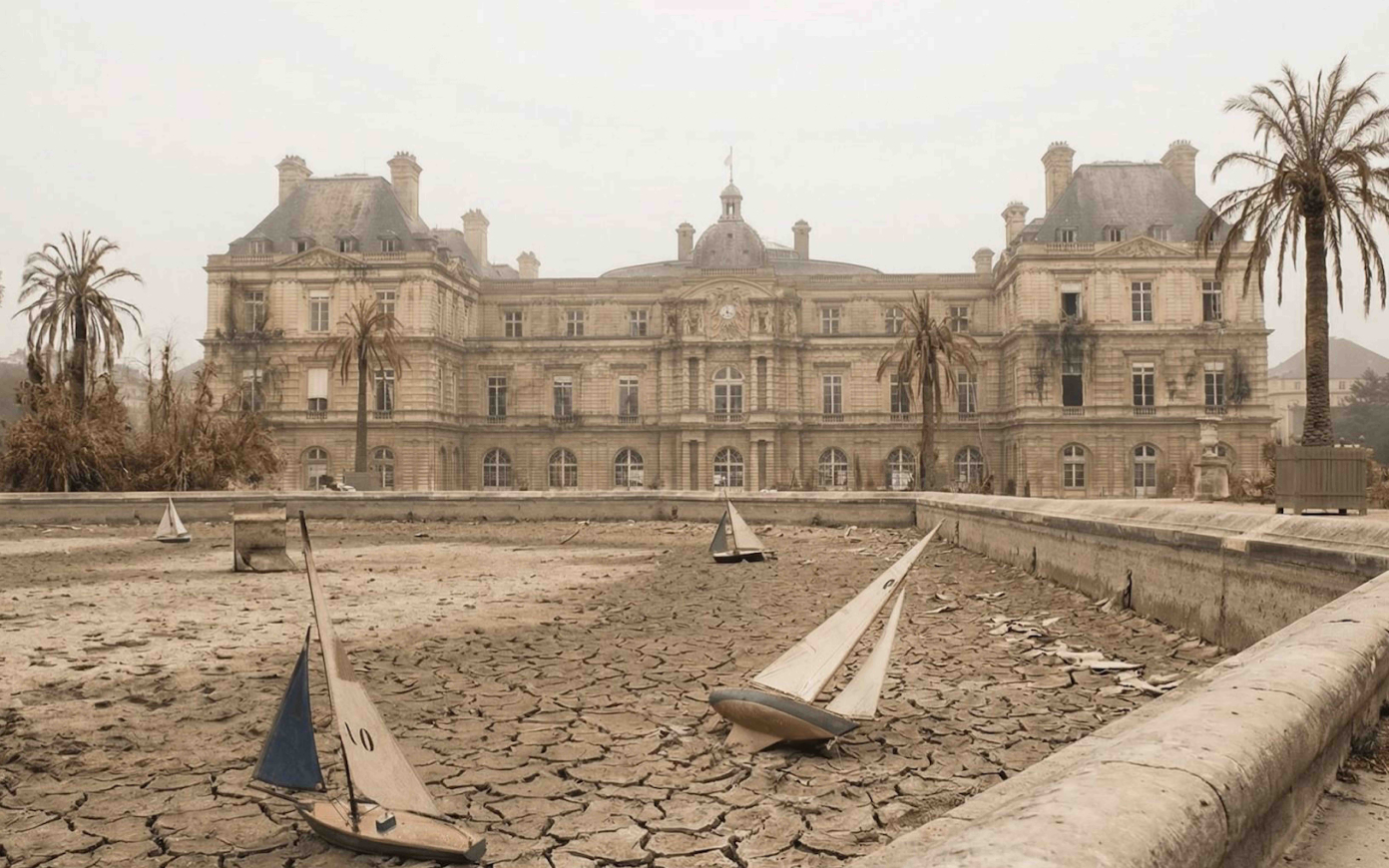
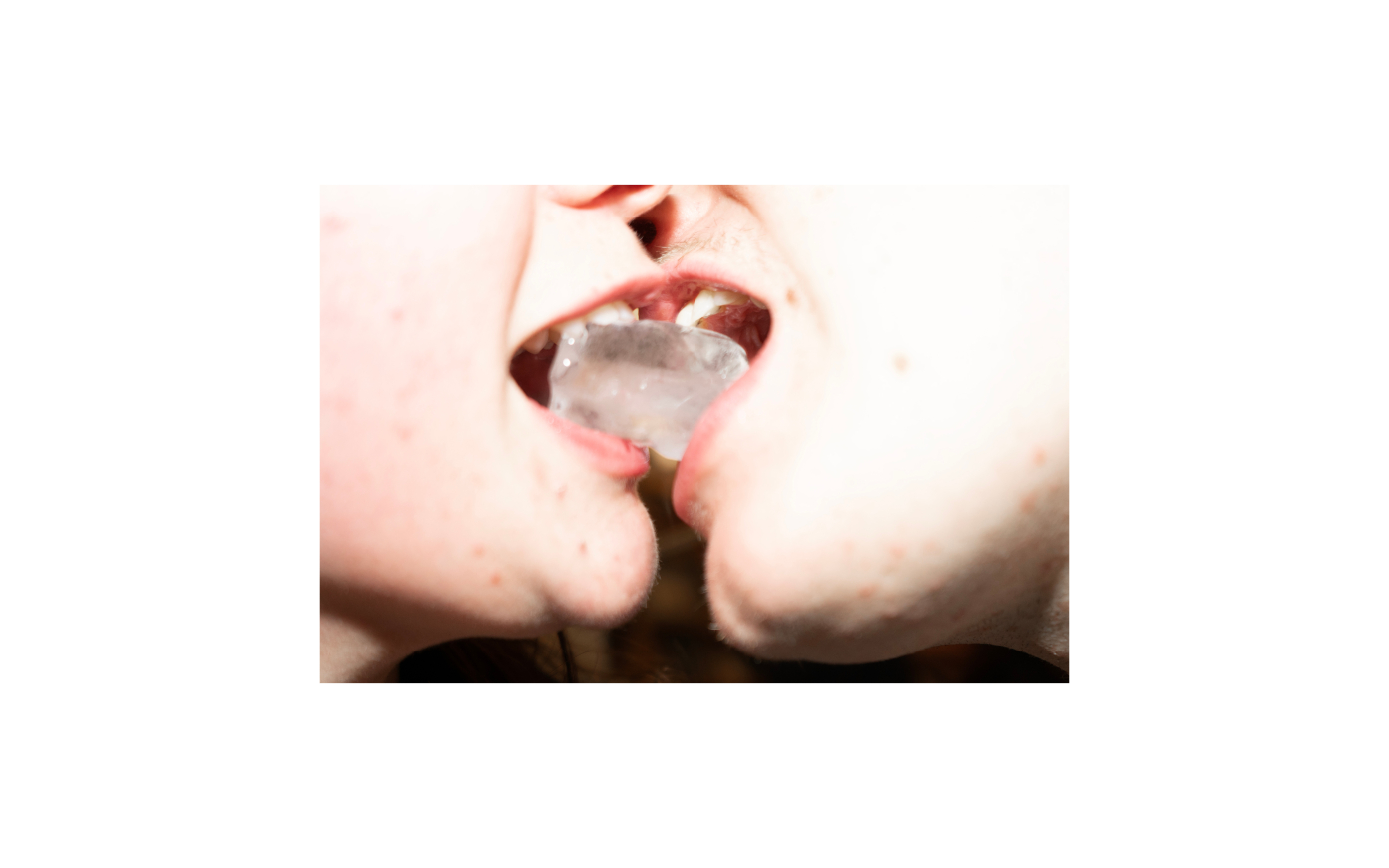
In the students’ proposals, water also serves as a tool for critiquing reality. The ecological denial, overconsumption, and disappearance of nature we are witnessing give rise to photographic films tinged with dark humor. Water is a tipping point from which everything can shift. First and foremost in its literal sense: water constitutes a boundary of life. Tehys Picard, for example, asked the AI to imagine Paris in an arid climate. The structures are nothing but fragmented images, mimicking dystopia: dead plants and cracked soil follow one another, accompanied by a perfectly neutral voice-over. This point of no return is treated like any other request, as the resource continues to be wasted to generate images. The absurdity loops endlessly, unable to break free.
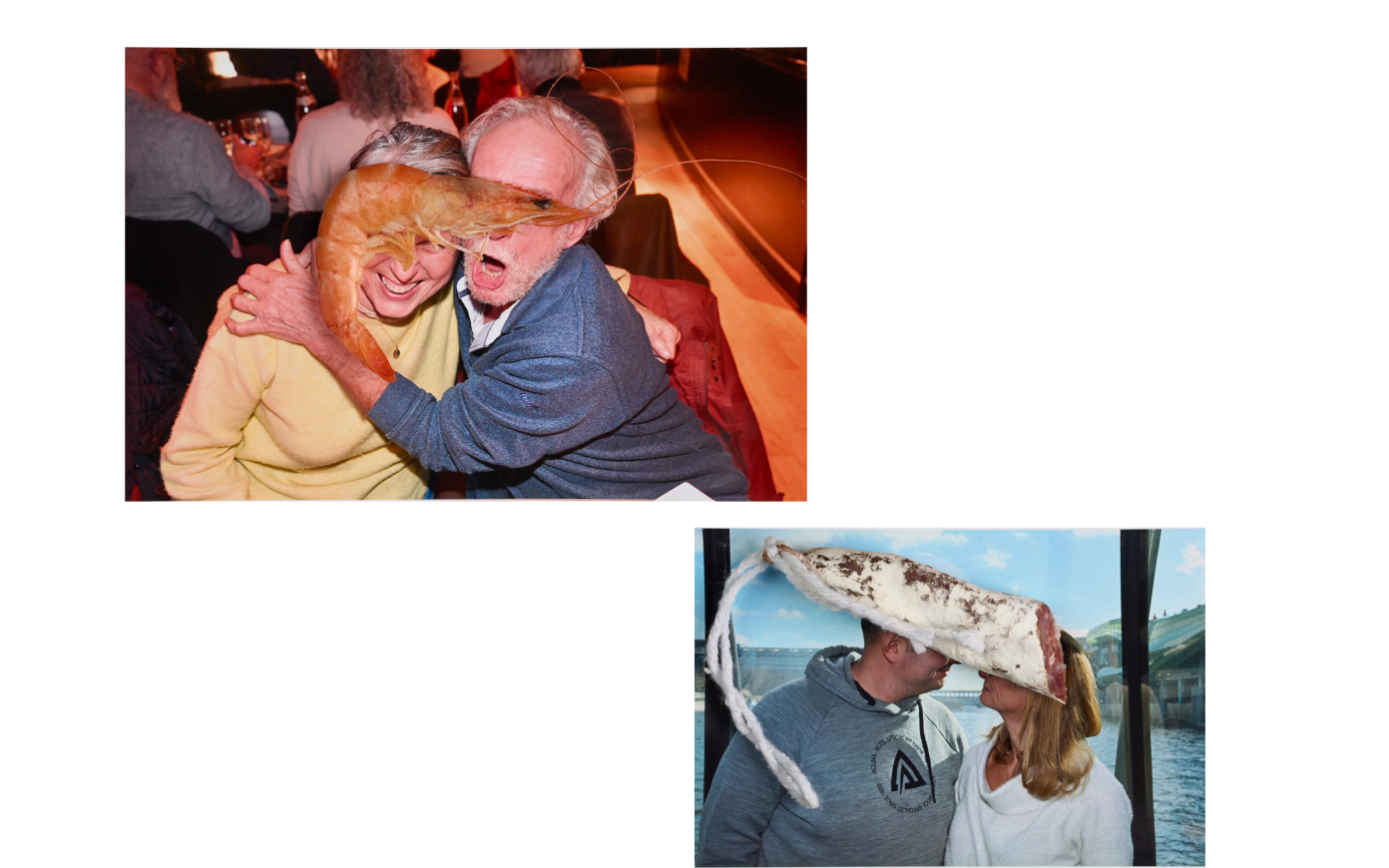
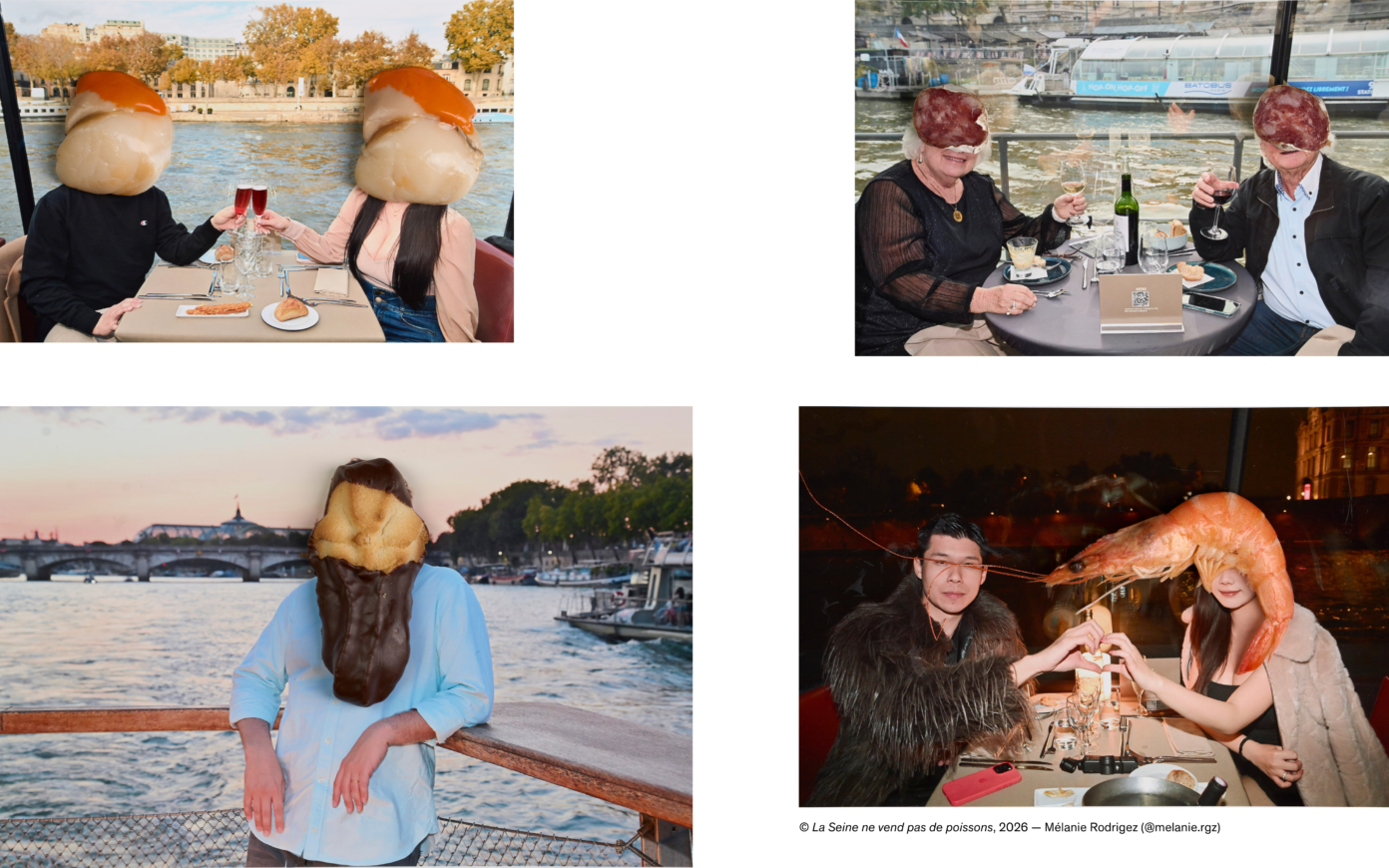
As we board the barge with Mélanie Rodriguez, we cross yet another threshold where “reality itself becomes an amusement park” (Baudrillard, 1996). The river, as a constituent element of nature, has been hijacked, and the banks of the Seine are no longer landscapes but signs. Photography is there to ensure the simulacrum is perfectly authentic and to fix it in a new reality. We are sliding toward the commodification of nature.
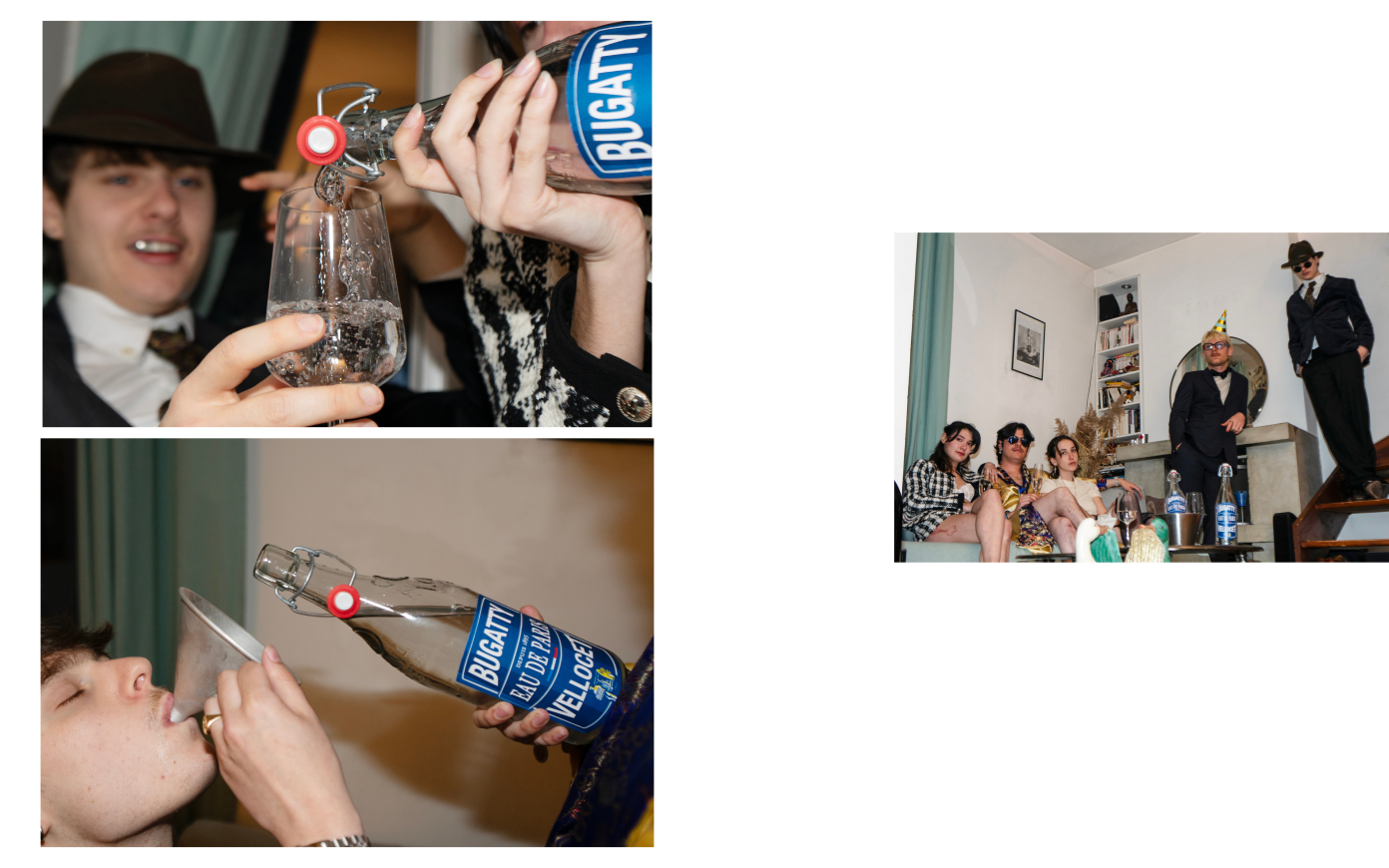
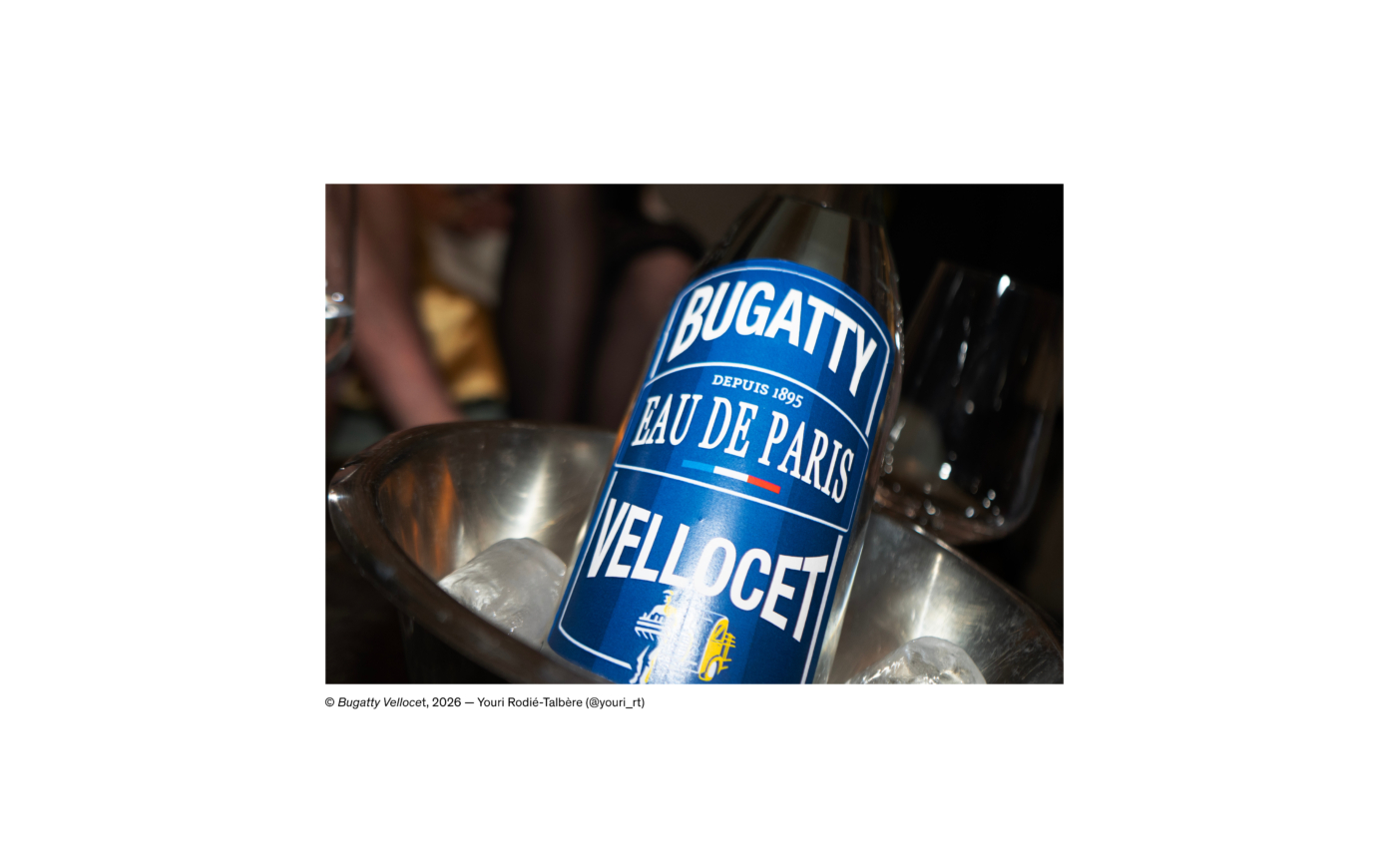
Further still in the works of Youri Rodié-Talbère, the raging water, now the ecstasy of a world in the process of melting, escapes for one last moment from the final vintage bottles. Whether the ultimate denial of a world in climatic peril or the inherent absurdity of a consumerist society, water has become a luxury. It points to an economy of representation where everything is already codified. One object among many, it fits into the logic of fabricating the visible and the desirable.